Glycoscience
Glycoscience is the study of carbohydrates and their derivatives, as well as the interactions and biological functions they participate in. This field of research is crucial for understanding a wide variety of biological processes, including cell recognition, signaling, immune response, and disease development. Glycoscience has important applications in biotechnology, medicine, and the development of new drugs and therapies. At CymitQuimica, we offer a wide selection of high-quality, high-purity products for glycoscience research. Our catalog includes monosaccharides, oligosaccharides, polysaccharides, glycoconjugates, and specific reagents, designed to support researchers in their studies on the structure, function, and applications of carbohydrates in biological systems. These resources are intended to facilitate scientific discoveries and practical applications in various areas of bioscience and medicine.
Subcategories of "Glycoscience"
- Aminosugars(108 products)
- Glyco-Related Antibodies(282 products)
- Glycolipids(46 products)
- Glycosaminoglycans (GAGs)(55 products)
- Glycosides(419 products)
- Monosaccharides(6,624 products)
- Oligosaccharides(3,682 products)
- Polysaccharides(504 products)
Found 11047 products of "Glycoscience"
Sort by
Purity (%)
0
100
|
0
|
50
|
90
|
95
|
100
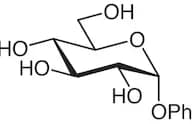
Phenyl α-D-Glucopyranoside
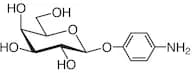
CAS:Formula:C12H16O6Purity:>97.0%(GC)Color and Shape:White to Light yellow powder to crystalMolecular weight:256.254-Aminophenyl β-D-Galactopyranoside
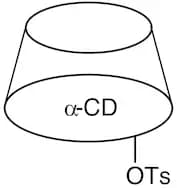
CAS:Formula:C12H17NO6Purity:>98.0%(HPLC)Color and Shape:White to Almost white powder to crystalMolecular weight:271.27Mono-2-O-(p-toluenesulfonyl)-α-cyclodextrin
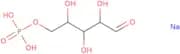
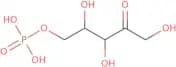
CAS:Formula:C43H66O32SPurity:>98.0%(HPLC)Color and Shape:White to Almost white powder to crystalMolecular weight:1,127.03D-Ribulose 5-phosphate sodium
CAS:<p>Ribulose 5-phosphate sodium is a chemical that can be used to inhibit the enzyme ribulose phosphate reductase. Ribulose 5-phosphate sodium has been shown to inhibit glycolaldehyde production in the chloroplasts of plants, effectively reducing the amount of carbon dioxide produced. This chemical has also been shown to have an inhibitory effect on other enzymes involved in carbon fixation and assimilation. The effectiveness of this chemical is dependent on the specific plant species and environmental conditions.</p>Formula:C5H11O8P•NaxPurity:Min. 95%Color and Shape:PowderMolecular weight:230.11 g/molRef: 3D-AAA09387
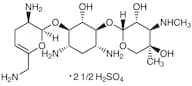
Discontinued productSisomicin Sulfate
CAS:Formula:C19H37N5O7H2SO4Purity:>98.0%(HPLC)Color and Shape:White to Almost white powder to crystalMolecular weight:692.71Rengasin-3'-O-glucoside
<p>Rengasin-3'-O-glucoside is a fine chemical, useful building block, and research chemical. It is a versatile building block that can be used in the synthesis of complex compounds. Rengasin-3'-O-glucoside is also a useful intermediate or scaffold for reactions. This compound has been shown to react with 1,2-ethanediol and form an ester, which can be hydrolyzed to release glycerol and the original rengasin-3'-O-glucoside.</p>Formula:C22H22O11Purity:(%) Min. 75%Molecular weight:462.4 g/molRef: 3D-FR65387
Discontinued productAmylopectin - from maize
CAS:<p>Amylopectin is composed of between 2,000 to 200,000 glucose residues linked α (1→4) with α (1→6) branching. The molecule is highly branched, every 24 to 30 glucose units, resulting in a soluble molecule with many terminal residues. Starch is made of about 70% amylopectin by weight, though it varies depending on the source (higher in medium-grain rice to 100% in glutinous rice, waxy potato starch, waxy corn, and lower in long-grain rice, amylomaize, and russet potatoes).</p>Color and Shape:Powder1,4-Anhydro-D-mannitol
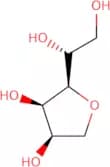
CAS:<p>1,4-Anhydro-D-mannitol is a sugar alcohol that belongs to the group of alditols. It is a tautomer of galactitol, which is found in fetal bovine serum. The dehydrated form of this compound has been shown to have an inhibitory effect on tyrosinase activity. 1,4-Anhydro-D-mannitol may be used as an intermediate in the production of polymers or as a cosmeceutical agent due to its high water solubility and low toxicity.</p>Formula:C6H12O5Purity:Min. 95%Color and Shape:PowderMolecular weight:164.16 g/molTri-O-acetyl-b-cyclodextrin
CAS:<p>This beta-cyclodextrin (β-CD) derivative is a functionalized cyclic oligosaccharide composed of seven glucose units, characterized by a hydrophilic exterior and a lipophilic cavity (bigger than α-CD and smaller than γ-CDs), which allows it to encapsulate various guest molecules. This structural feature facilitates its use in multiple applications, including pharmaceuticals, food enhancement, and cosmetics. In the pharmaceutical industry, it enhances the solubility and stability of poorly water-soluble drugs, improving their bioavailability and efficacy while also masking unpleasant tastes. The food sector utilizes it as a stabilizer for flavors, colors, and nutrients, extending shelf life by protecting sensitive ingredients from degradation. In cosmetics, it serves as a complexing agent for fragrances and active components, ensuring their stability and controlled release. Its use expands to many other fields, including nanotechnology for drug delivery systems, environmental remediation for extracting organic pollutants, textiles for slow-release fragrances, and analytical chemistry for chiral separation.</p>Formula:C84H112O56Purity:Min. 95%Color and Shape:PowderMolecular weight:2,017.75 g/molRef: 3D-OT34433
Discontinued product3-Phenyl-2-propenylbeta-D-glucopyranoside
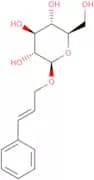
CAS:<p>3-Phenyl-2-propenylbeta-D-glucopyranoside is a flavonoid that has been shown to have inhibitory properties. It has been used as an analytical method for the diagnosis of bronchial reactivity. The high resistance of 3-phenyl-2-propenylbeta-D-glucopyranoside to oxidation and reduction make it an interesting candidate for antiinflammatory agents. When testing the effects of this compound on human bronchial tissue, it was found that 3-phenyl-2-propenylbeta-D-glucopyranoside inhibited allergic symptoms by inhibiting the release of inflammatory mediators such as histamine and leukotrienes, which are released in response to allergens and other irritants in the airways. The use of this compound may be useful in the treatment of asthma patients who suffer from allergic reactions to dust, pollen, or animal dander.</p>Formula:C15H20O6Purity:Min. 95%Color and Shape:PowderMolecular weight:296.32 g/molRef: 3D-FP152931
Discontinued productN,N-[Iminobis(trimethylene)]bis-D-gluconamide
CAS:Controlled Product<p>Applications N,N-[Iminobis(trimethylene)]bis-D-gluconamide (cas# 86303-20-0) is a compound useful in organic synthesis.<br></p>Formula:C18H37N3O12Color and Shape:NeatMolecular weight:487.504'-(Azidomethyl)-[1,1'-biphenyl]-2-carboxamide
CAS:Controlled ProductFormula:C14H12N4OColor and Shape:NeatMolecular weight:252.284-Deoxy-D-glucose
CAS:<p>4-Deoxy-D-glucose is a sugar that is synthesized by the condensation of two molecules of erythrose. It has been shown to be an efficient donor substrate for nucleophilic attack, which can lead to the synthesis of glycosides and other natural products. 4-Deoxy-D-glucose is also a competitive inhibitor of uridine diphosphate (UDP) glucose, which is an enzyme involved in the biosynthesis of UDP sugars and glycoproteins. The concentration of 4-deoxy-D-glucose affects its catalytic mechanism, as it acts as a competitive inhibitor at high concentrations. Molecular modeling has revealed that this molecule adopts a chair conformation with significant solvent exposure.</p>Formula:C6H12O5Purity:Min. 98 Area-%Color and Shape:PowderMolecular weight:164.16 g/molRef: 3D-MD180432
Discontinued productBlood group B trisacchharide-APE-HSA
<p>Blood group B trisacchharide-APE-HSA is a synthetic carbohydrate that inhibits the synthesis of complex carbohydrates. The methylation of saccharides and polysaccharides can be accomplished by the addition of an amine to the 3′ hydroxyl group. In this reaction, the sugar is attached to a protein carrier (e.g., human serum albumin) via an amide bond, which prevents its degradation by proteases in the body. The modification of saccharides and polysaccharides is also accomplished through click chemistry, which is based on copper catalysis. This process involves attaching two functional groups through a copper-mediated reaction, forming a new carbon-carbon bond. Modification of saccharides and oligosaccharides can be accomplished using either chemical or enzymatic methods. Sugar modification can be achieved using high purity enzymes that have been custom synthesized for specific purposes (e.g., glycosylation). Carbohydrate modification can</p>Purity:Min. 95%2-Acetamido-1,3,6-tri-O-benzyl-2-deoxy-a-D-glucopyranoside
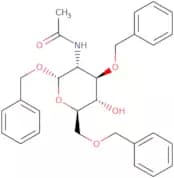
CAS:<p>2-Acetamido-1,3,6-tri-O-benzyl-2-deoxy-a-D-glucopyranoside is a carbohydrate that is composed of four sugar units. It is an antigenic determinant found on the surface of human erythrocytes. The chemical synthesis of this substance begins with the condensation reaction between D-glucose and 2,4,6,-trinitrophenylacetic acid followed by benzylation and acetylation. This compound belongs to the group of substances known as carbohydrates which are chains of monosaccharides that form glycosidic bonds with other sugars. These chains are classified according to their length and the number of sugar units they contain: trioses (three sugar units), tetroses (four sugar units), pentoses (five sugar units), hexoses (six sugar units) or heptoses (seven sugar).</p>Formula:C29H33NO6Purity:Min. 95%Molecular weight:491.58 g/molRef: 3D-MA04621
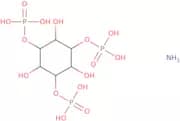
Discontinued productD-Myo-inositol 1,4,5-triphosphate ammonium salt
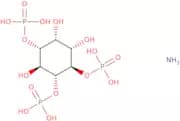
CAS:<p>D-Myo-inositol 1,4,5-triphosphate ammonium salt is a carbohydrate that can be synthesized from D-myo-inositol and phosphoric acid. D-Myo-inositol 1,4,5-triphosphate ammonium salt is a complex carbohydrate that has been fluorinated and glycosylated. It has been used as a synthetic intermediate in the synthesis of oligosaccharides and monosaccharides.</p>Purity:Min. 95%Methyl D-arabinofuranoside
CAS:<p>Methyl D-arabinofuranoside is an antimycobacterial agent that inhibits the synthesis of mycolic acids, which are important components of the cell wall of Mycobacterium tuberculosis. Methyl D-arabinofuranoside has been shown to be active against drug-resistant strains and has been well tolerated by animals. This compound can be synthesized from 2,4-dichlorophenylacetic acid and arabinose in two steps. The first step involves a three-component condensation reaction with sodium hydroxide, hydrochloric acid, and 2,4-dichlorophenylacetic acid. The second step is a nucleophilic attack on the pyran ring of methyl D-arabinofuranoside with hypophosphorous acid. Methyl D-arabinofuranoside can also be prepared by reacting sodium nitrosobenzene with sodium benzene sulfinate in alcoholic solution</p>Formula:C6H12O5Purity:Min. 95%Color and Shape:Off-White PowderMolecular weight:164.16 g/molRef: 3D-MM31839
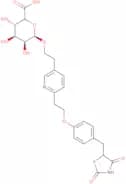
Discontinued productHydroxy pioglitazone (M-VII) b-D-glucuronide
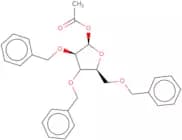
CAS:<p>Hydroxy pioglitazone (M-VII) b-D-glucuronide is a synthetic, fluorinated glucuronide of hydroxy pioglitazone. It has been shown to inhibit the activity of bacterial dna gyrase and topoisomerase IV enzymes.</p>Formula:C25H28N2O10SPurity:Min. 95%Molecular weight:548.56 g/mol1-O-Acetyl-2,3,5-tri-O-benzyl-L-ribofuranose
<p>1-O-Acetyl-2,3,5-tri-O-benzyl-L-ribofuranose is a modified form of ribofuranose. It is a polymer that contains three or more monosaccharides linked together by glycosidic bonds. It has been modified with methyl groups and fluorine atoms to enhance its properties. This compound can be used in the synthesis of oligosaccharides, which are complex carbohydrates that are not found in nature and have potential applications as drugs.</p>Formula:C28H30O6Purity:Min. 95%Molecular weight:462.53 g/molD-Myo-inositol-1,3,5-triphosphate
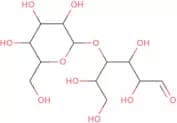
CAS:<p>D-myo-inositol-1,3,5-triphosphate is a carbohydrate that is modified with fluorine. It is a custom synthesis and can be synthesized in high purity. D-myo-inositol-1,3,5-triphosphate has several glycosylations and methylations. The modification of this compound includes click chemistry for the synthesis of oligosaccharides and saccharides. D-myo-inositol-1,3,5-triphosphate can be used as a sugar or an oligosaccharide in the modification of proteins or carbohydrates.</p>Purity:Min. 95%4-Glucopyranosylmannose
CAS:<p>4-Glucopyranosylmannose is a disaccharide compound, which is a synthetic carbohydrate derived from the enzymatic or chemical glycosylation processes. It consists of glucose and mannose units linked through a glycosidic bond. The compound is sourced through advanced synthetic methodologies involving specific glycosyltransferases or chemical catalysts that facilitate the precise attachment of these sugar moieties.</p>Formula:C12H22O11Purity:Min. 95%Molecular weight:342.3 g/molRef: 3D-QAA76161
Discontinued productEthyl 3-O-benzyl-b-D-thioglucopyranoside
<p>Ethyl 3-O-benzyl-b-D-thioglucopyranoside is a modification of the sugar D-thioglucose. It is synthesized by the methylation of D-thioglucose with ethyl iodide in aqueous sulfuric acid, followed by glycosylation with benzaldehyde and sodium hydroxide. This product has been used for polymerization reactions, as well as for synthesis of oligosaccharides and polysaccharides. The molecular weight of this product is 434.2 g/mol.</p>Purity:Min. 95%D-Ribulose-5-phosphate sodium
CAS:<p>D-ribulose-5-phosphate sodium is a nucleotide sugar that is one of the ribonucleotides, which are fundamental components of RNA. D-ribulose 5-phosphate sodium has been shown to be an intermediate in the metabolism of ribulose and catalyzes the oxidation of d-arabinose. This enzyme also catalyses the synthesis of fatty acids and participates in reactions involving glycerolipids and phospholipids. The reaction mechanism involves a double displacement with simultaneous attack by a water molecule on C2' and C3'. When deuterium is present, it affects the rate of these reactions in a way that depends on the orientation of the substrate to the enzyme.</p>Formula:C5H11NaO8PPurity:Min. 95%Molecular weight:253.1 g/molRef: 3D-BDA05475
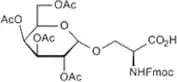
Discontinued product2,3,4,6-Tetra-O-acetyl-a-D-galactopyranosyl-Fmoc serine
CAS:2,3,4,6-Tetra-O-acetyl-a-D-galactopyranosyl-Fmoc serine is a custom synthesis that has been modified by fluorination and methylation. It is a monosaccharide with CAS No. 1351605-34-8 and Polysaccharide with Glycosylation and sugar Carbohydrate. This molecule has a complex carbohydrate structure with many glycosylation sites.Formula:C32H35NO14Purity:Min. 95%Molecular weight:657.62 g/molRef: 3D-MT09625
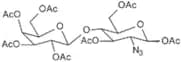
Discontinued product1,3,6-Tri-O-acetyl-4-O-(2,3,4,6-tetra-O-acetyl-b-D-galactopyranosyl)-2-azido-2-deoxy-D-glucopyranose
<p>1,3,6-Tri-O-acetyl-4-O-(2,3,4,6-tetra-O-acetyl-b-D-galactopyranosyl)-2-azido-2-deoxy--D--glucopyranose is a modification of a natural sugar. It is an oligosaccharide that is composed of one monosaccharide and two disaccharides. The triacetate group on the first saccharide provides protection against hydrolysis and methylation reactions. This compound has been shown to be synthesized chemically in high purity and with high yield.</p>Formula:C26H35N3O17Purity:Min. 95%Molecular weight:661.57 g/mol3,4-O-Isopropylidene-b-D-arabinopyranose
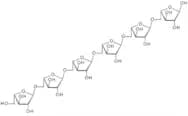
CAS:<p>3,4-O-Isopropylidene-b-D-arabinopyranose is a synthetic monosaccharide that is used in the synthesis of oligosaccharides and polysaccharides. It can be fluorinated, methylated, or glycosylated to produce a range of compounds with different properties. 3,4-O-Isopropylidene-b-D-arabinopyranose is not active against bacteria, but it does inhibit the growth of yeast cells. In addition to its use in biochemistry and as a nutritional supplement for animals and humans, 3,4-O-Isopropylidene-b-D-arabinopyranose can be used as an additive for plastics and other materials.</p>Formula:C8H14O5Purity:Min. 95%Molecular weight:190.19 g/mol1,5-α-L-Arabinohexaose
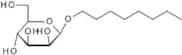
CAS:<p>1,5-α-L-Arabinohexaose is a carbohydrate. It is a nonreducing sugar that can be found in plants. 1,5-α-L-Arabinohexaose has an optimum pH of 5 and an ethanol concentration of 0.02%. The enzyme form of 1,5-α-L-Arabinohexaose is α-(1→6)-glycosidase. This enzyme hydrolyzes the α-(1→6) glycosidic bond between two glucose residues in a polysaccharide chain to produce β-(1→4) bonds. It also hydrolyzes the β-(1→4) glycosidic bond between two galactose residues to produce β-(1→2) bonds and oxidizes the terminal carbon atom to produce aldehyde products.<br>A structural analysis of this carbohydrate was conducted using marine microorganisms and it was found that they contain galacturonic acid and sugar residues</p>Formula:C30H50O25Purity:Min. 95%Color and Shape:PowderMolecular weight:810.7 g/molOctyl b-D-mannopyranoside
CAS:<p>Octyl b-D-mannopyranoside is a sugar that belongs to the group of complex carbohydrates. It is used in chemical synthesis and is commonly used for click modification, fluorination, glycosylation, carbamoylation, methylation, and other modifications. Octyl b-D-mannopyranoside is a white or off-white powder that can be dissolved in water or alcohols. It has a molecular weight of 536.88 g/mol.</p>Formula:C14H28O6Purity:Min. 95%Color and Shape:White To Off-White SolidMolecular weight:292.37 g/molRef: 3D-DO06378
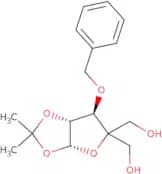
Discontinued product4-(Hydroxymethyl)-1,2-O-isopropylidene-3-O-benzyl-beta-L-threo-pentofuranose
CAS:<p>4-(Hydroxymethyl)-1,2-O-isopropylidene-3-O-benzyl-beta-L-threo-pentofuranose is a synthetic fluorinated monosaccharide that can be used to produce oligosaccharides and polysaccharides. It is a custom synthesis that can be modified with methylation or click chemistry. This product has been shown to bind to proteins via glycosylation, which may be useful for protein analysis. 4-(Hydroxymethyl)-1,2-O-isopropylidene-3-O-benzyl-beta-L-threo pentofuranose is CAS No. 72261 44 00 and has a purity of >99%.</p>Formula:C16H22O6Purity:Min. 95%Molecular weight:310.34 g/molRef: 3D-MH148499
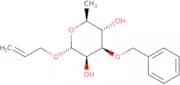
Discontinued productAllyl 3-O-benzyl-a-L-rhamnopyranoside
CAS:<p>Allyl 3-O-benzyl-a-L-rhamnopyranoside is an oligosaccharide that is a modification of the disaccharide, allyl 3-O-benzyl-a-D-galactopyranoside. Allyl 3-O-benzyl-a-L-rhamnopyranoside has been synthesized from D-(+)-glucose and L-(+)-rhamnose. The compound has a molecular weight of 756.40 g/mol. It is a white to off white powder that is soluble in water, but insoluble in ethanol at low concentrations. It can be used as a carbohydrate or sugar for research purposes.</p>Formula:C16H22O5Purity:Min. 95%Molecular weight:294.35 g/mol2-Acetamido-1,3,4,6-tetra-O-acetyl-2-deoxy-a-D-galactopyranose
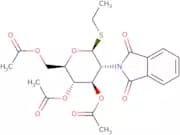
CAS:<p>2-Acetamido-1,3,4,6-tetra-O-acetyl-2-deoxy-a-D-galactopyranose is a fluorinated complex carbohydrate that has been modified by methylation and acetylation. This product is a custom synthesis that has not been previously described in the scientific literature. It is synthesized from 2, 3, 4, 6 tetraacetyl alpha D galactopyranoside and 2 deoxy alpha D galactopyranose. The chemical properties of this compound are similar to those of other complex carbohydrates such as glycogen and heparin.</p>Formula:C16H23NO10Purity:Min. 90.0 Area-%Molecular weight:389.35 g/molEthyl 3,4,6-tri-O-acetyl-2-deoxy-2-phthalimido-b-D-thioglucopyranoside
CAS:<p>The compound is an O-acetylated glycoside of 2-deoxy-2-phthalimido-b-D-thioglucopyranoside with a sugar moiety. It is used in the synthesis of complex carbohydrates with click modification and high purity.</p>Formula:C22H25NO9SPurity:Min. 95%Color and Shape:PowderMolecular weight:479.5 g/molRef: 3D-ME04297
Discontinued productL-Galactose-6-O-sulphate sodium salt
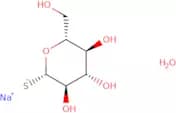
<p>L-Galactose-6-O-sulphate sodium salt is a modified carbohydrate that is synthesized by modifying the chemical structure of L-galactose. This modification can be accomplished using chemical reactions such as methylation, saccharide, polysaccharide, and click modification. The CAS number for this product is 68891-70-8.</p>Formula:C6H11O9SNaPurity:Min. 95%Molecular weight:282.2 g/molb-D-Thioglucose sodium salt hydrate
CAS:<p>b-D-Thioglucose sodium salt hydrate is a complex carbohydrate that is used as an intermediate for the synthesis of oligosaccharides and polysaccharides. It is also used in the modification of saccharide chains, such as glycosylation, and for the preparation of fluorinated carbohydrates. b-D-Thioglucose sodium salt hydrate is high purity, with no detectable impurities or degradation products. It has been modified with fluorine to form a new chemical entity that has not been previously described in the literature.</p>Formula:C6H11NaO5S·H2OPurity:Min. 95%Molecular weight:236.22 g/molRef: 3D-MT02234
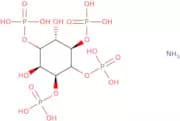
Discontinued productD-Myo-inositol-1,3,4,5-tetraphosphate
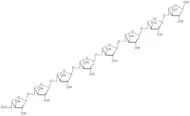
CAS:<p>D-myo-inositol-1,3,4,5-tetraphosphate (IP4) is a molecule that is involved in the regulation of cell metabolism and signal transduction. It is synthesized from myo-inositol by the enzyme inositol monophosphatase and hydrolyzed by inositol hexaphosphate kinase to form D-myo-inositol. IP4 can bind to receptors which span the plasma membrane and interact with intracellular Ca2+ channels. This binding results in an increase of cytosolic Ca2+ levels, which may be due to IP4’s ability to activate phosphatidylinositol turnover. IP4 is also involved in the regulation of neuronal death and infectious diseases such as HIV.</p>Purity:Min. 95%1,5-α-L-Arabinooctaose
CAS:<p>Please enquire for more information about 1,5-α-L-Arabinooctaose including the price, delivery time and more detailed product information at the technical inquiry form on this page</p>Formula:C40H66O33Purity:Min. 95%Molecular weight:1,074.93 g/mol3'-a-Sialyl-N-acetyllactosamine sodium salt
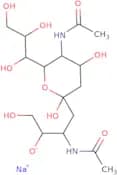
CAS:<p>3'-a-Sialyl-N-acetyllactosamine sodium salt is a high purity, custom synthesis sugar. It has been modified with fluorination, glycosylation, and methylation to provide the desired properties. This product is also available in other forms such as monosaccharide and saccharide. 3'-a-Sialyl-N-acetyllactosamine sodium salt can be used in various applications including Click modification, fluoroamination, glycosylation, carbonylation and methylation. CAS No. 350697-53-9</p>Formula:C25H42N2O19NaPurity:Min. 95%Molecular weight:697.59 g/molRef: 3D-MS182937
Discontinued productD-Xylulose 5-phosphate sodium
CAS:<p>D-Xylulose 5-phosphate sodium salt is a synthetic monosaccharide that can be used in the synthesis of oligosaccharides, polysaccharides, and complex carbohydrates. It is also used in glycosylation reactions. D-Xylulose 5-phosphate sodium salt has been fluorinated to provide better stability and solubility. The compound has a molecular weight of 206.06 g/mol and a CAS number of 105931-44-0. This product is available for custom synthesis upon request.</p>Formula:C5H11O8PNaPurity:Min. 95%Color and Shape:PowderMolecular weight:252.09 g/molRef: 3D-MX182933
Discontinued productPhenyl 4,6-O-benzylidene-a-D-thioglucopyranoside
<p>Phenyl 4,6-O-benzylidene-a-D-thioglucopyranoside is a custom synthesized compound with CAS No. This chemical is an alpha,alpha,alpha-trifluoroacetamido derivative of the natural carbohydrate thioglucose. Phenyl 4,6-O-benzylidene-a-D-thioglucopyranoside is a complex carbohydrate that can be modified by fluorination to produce a simple sugar. Modification of this compound can also produce monosaccharides with various levels of purity.</p>Formula:C19H20O5SPurity:Min. 95%Molecular weight:360.42 g/molα-6⁴-6³-Di-galactosyl-mannopentaose
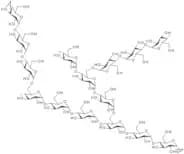
CAS:<p>α-6⁴-6³-Di-galactosyl-mannopentaose is a specialized oligosaccharide, which is a type of complex carbohydrate. This compound is derived from natural plant sources and its structure comprises a mannopentaose core linked with two galactose units. The mode of action involves specific interactions with gut microbiota, where it selectively enriches beneficial bacterial populations, such as Bifidobacteria and Lactobacilli. These interactions occur by serving as a fermentation substrate, promoting the growth of microbes that confer beneficial effects on host health.</p>Formula:C42H72O36Purity:Min. 95%Molecular weight:1,153 g/molRef: 3D-LDA78172
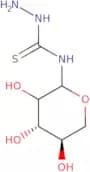
Discontinued productD-Arabinopyranosyl thiosemicarbazide
CAS:<p>D-Arabinopyranosyl thiosemicarbazide is a synthetic compound. It has been shown to be effective in the synthesis of oligosaccharides and sugars, as well as glycosylation reactions. This product can be used in fluorination, methylation, and other custom synthesis reactions. D-Arabinopyranosyl thiosemicarbazide is also useful for click modification of complex carbohydrates. The purity of this product is high and it can be modified with various functional groups.</p>Formula:C6H13N3O4SPurity:Min. 95%Molecular weight:223.25 g/mola-D-Glucose
CAS:<p>Glucose is a monosaccharide that is an important source of energy for the human body. It is a simple sugar found in many carbohydrates and is the main form of fuel used by the brain. Glucose is also used as a chemical building block for polysaccharides such as glycogen, cellulose, and chitin. The hypoglycemic effect of glucose can be observed when blood glucose levels are below 70 mg/dL. This effect can be due to its ability to increase the production of insulin or decrease the rate of gluconeogenesis in liver cells. It also has been shown to have an inhibitory effect on some viruses and bacteria, which may be due to its ability to inhibit transcription activators or polymerase chain reactions.</p>Formula:C6H12O6Purity:Min. 96 Area-%Color and Shape:White PowderMolecular weight:180.16 g/molRef: 3D-MG03219
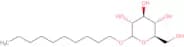
Discontinued productDecyl D-glucopyranoside
CAS:<p>Decyl D-glucopyranoside is a sodium salt of decyl D-glucopyranoside that is used as a detergent additive in cleaning compositions. Decyl D-glucopyranoside has shown antimicrobial activity against both Gram-positive and Gram-negative bacteria, including methicillin resistant Staphylococcus aureus (MRSA) and Clostridium perfringens. Decyl D-glucopyranoside has also been shown to have chemical stability at high temperatures, making it useful in the manufacture of lacrimal gland preparations and cationic surfactants.</p>Formula:C16H32O6Molecular weight:320.42 g/molRef: 3D-MD11310
Discontinued productD-Glucose-6-phosphate dipotassium salt hydrate
CAS:<p>Glucose 6-phosphatase substrate</p>Formula:C6H11O9PK2·H2OPurity:Min. 95%Molecular weight:354.33 g/molRef: 3D-MG05094
Discontinued productDextran 20, MW: 17,000 to 23,000
CAS:<p>Complex glucan (a 1-6) from Leuconostoc spp.; extender in blood transfusions</p>Color and Shape:PowderADP-L-glycero-b-D-manno-heptose
<p>ADP-L-glycero-b-D-manno-heptose is a synthetic, fluorinated oligosaccharide that is custom synthesized and modified. It has a high purity level and CAS No., as well as being a complex carbohydrate that can be modified with methylation or click modification to generate desired properties. ADP-L-glycero-b-D-manno-heptose is an Oligosaccharide with a glycosylation and methylation. This compound can be used in the synthesis of saccharides, polysaccharides, or other complex carbohydrates.</p>Purity:Min. 95%




![N,N-[Iminobis(trimethylene)]bis-D-gluconamide](/_next/image/?url=https%3A%2Fstatic.cymitquimica.com%2Fproducts%2FTR%2Fthumb-webp%2FI400500.webp&w=3840&q=75)

![4'-(Azidomethyl)-[1,1'-biphenyl]-2-carboxamide](/_next/image/?url=https%3A%2Fstatic.cymitquimica.com%2Fproducts%2FTR%2Fthumb-webp%2FA815580.webp&w=3840&q=75)