Glycoscience
Glycoscience is the study of carbohydrates and their derivatives, as well as the interactions and biological functions they participate in. This field of research is crucial for understanding a wide variety of biological processes, including cell recognition, signaling, immune response, and disease development. Glycoscience has important applications in biotechnology, medicine, and the development of new drugs and therapies. At CymitQuimica, we offer a wide selection of high-quality, high-purity products for glycoscience research. Our catalog includes monosaccharides, oligosaccharides, polysaccharides, glycoconjugates, and specific reagents, designed to support researchers in their studies on the structure, function, and applications of carbohydrates in biological systems. These resources are intended to facilitate scientific discoveries and practical applications in various areas of bioscience and medicine.
Subcategories of "Glycoscience"
- Aminosugars(108 products)
- Glyco-Related Antibodies(282 products)
- Glycolipids(46 products)
- Glycosaminoglycans (GAGs)(55 products)
- Glycosides(419 products)
- Monosaccharides(6,624 products)
- Oligosaccharides(3,682 products)
- Polysaccharides(503 products)
Found 11046 products of "Glycoscience"
Sort by
Purity (%)
0
100
|
0
|
50
|
90
|
95
|
100
Blood Group B pentasaccharide type I
CAS:Gala1-3(Fuca1-2)Galb1-3GlcNAcb1-3Gal (B antigen pentasaccharide Type I)Formula:C32H55NO25Purity:Min. 95%Color and Shape:PowderMolecular weight:853.77 g/moltrans-Cinnamoyl b-D-glucoside
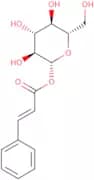
CAS:<p>Trans-Cinnamoyl b-D-glucoside is a plant tissue that can be used as a natural chemical transformation agent. Trans-Cinnamoyl b-D-glucoside is also a chemical catalyst in the synthesis of medicines. The structure of trans-Cinnamoyl b-D-glucoside has been shown to have a high degree of stereoselectivity and sensitivity to tissue culture conditions, which are due to its aldehydic group. This molecule is also able to form gels when combined with other molecules and exhibits endogenous activity.</p>Formula:C15H18O7Purity:Min. 95%Molecular weight:310.3 g/molMethyl 2,3,4,6-tetra-O-acetyl-α-D-thiomannopyranoside
CAS:<p>Methyl 2,3,4,6-tetra-O-acetyl-a-D-thiomannopyranoside is a linker that is used in the synthesis of oligodeoxyribonucleotides. This compound has been shown to inhibit the expression of factor receptor α subunit in plant cells. In human studies, methyl 2,3,4,6-tetra-O-acetyl-a-D-thiomannopyranoside has been found to be effective against infectious diseases such as HIV and malaria by suppressing the production of growth factors. It also inhibits protein synthesis and cell division. Methyl 2,3,4,6-tetra-O-acetyl-a -D -thiomannopyranoside is synthesized from D -mannose and acetaldehyde in plants. The biosynthesis of this compound occurs by means of a sequence that begins with phosphorylation of D -mannose</p>Formula:C15H22O9SPurity:Min. 95%Molecular weight:378.4 g/mol1,2:4,5-Di-O-isopropylidene-D-mannitol
CAS:<p>1,2:4,5-Di-O-isopropylidene-D-mannitol is a synthetic compound that is used as a non-ionic surfactant. It has been shown to have an enzymatic reaction with lipases and acetonitrile. The isomers of this compound are also synthesised from acetonitrile. 1,2:4,5-Di-O-isopropylidene-D-mannitol is found in human liver cells and can be used to synthesise polyols. This molecule forms orthoacids when it reacts with methoxyethylidene and the surfactant nonylphenoxypolyethoxyethanol (NPEE).</p>Formula:C12H22O6Purity:Min. 95%Color and Shape:PowderMolecular weight:262.3 g/molD-Raffinose undecaacetate
CAS:<p>D-Raffinose undecaacetate is a sweetener that is used in some chewing gum and other foods. It is a sucrose ester with the chemical formula C12H24O11. D-Raffinose undecaacetate has been shown to increase the release of insulin, which may be due to its effects on glucose uptake or modulation of taste receptors on the tongue. It has also been shown to have an anti-inflammatory effect, which may be due to its interactions with the bitter taste receptors present in tissues such as the small intestine and liver.</p>Formula:C40H54O27Purity:Min. 95%Molecular weight:966.84 g/molb-D-Glucosyl C4-ceramide
CAS:<p>b-D-Glucosyl C4-ceramide is a synthetic, fluorinated polysaccharide that has been modified with methylation, saccharide and glycosylation. This product is a complex carbohydrate consisting of a polymer of D-glucose units linked by β-(1→4) bonds. It is used in the synthesis of polysaccharides and oligosaccharides. The b-D-glucosyl C4-ceramide can be custom synthesized to meet customer specifications for purity, molecular weight and other physical properties.</p>Formula:C28H53NO8Purity:Min. 95%Molecular weight:531.72 g/mol2,3-O-Cyclohexylidene-b-D-ribofuranose
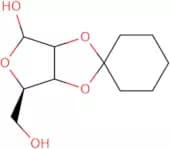
CAS:<p>2,3-O-Cyclohexylidene-b-D-ribofuranose is a monosaccharide that is used in the synthesis of complex carbohydrates. This compound possesses a cyclic structure that contains an oxygen atom at the 2 position and a hydroxyl group at the 3 position. It has been modified by fluorination, methylation, glycosylation, and click chemistry. The chemical name for this compound is 2,3-O-Cyclohexylideneb-D-ribofuranose.</p>Formula:C11H18O5Purity:Min. 95%Molecular weight:230.26 g/mol1-Methyl-2-propenylbeta-D-glucopyranoside
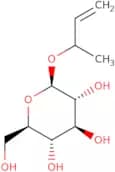
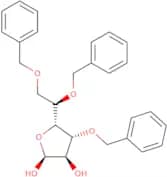
CAS:<p>1-Methyl-2-propenylbeta-D-glucopyranoside is a fluorinated carbohydrate that may be used for the modification of carbohydrates. It is a synthetic oligosaccharide that has been custom synthesized and modified with methylation, glycosylation, and click chemistry. This product is offered at high purity levels.</p>Formula:C10H18O6Purity:Min. 95%Molecular weight:234.25 g/mol3,5,6-Tri-O-benzyl-D-glucofuranose
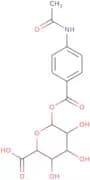
CAS:<p>3,5,6-Tri-O-benzyl-D-glucofuranose is a crystalline and white or off-white powder. It is soluble in water and toluene, but insoluble in chlorinated solvents. The chemical has been synthesized from benzoic acid and D-glucose. 3,5,6-Tri-O-benzyl-D-glucofuranose is used as a reagent for the synthesis of polyhydroxybutyrate (PHB) polymers that are biodegradable and can be used as thermoplastic polyesters. This compound has been shown to be potentially hazardous to the environment due to its high reactivity with chloride ions in the presence of benzyl alcohols.</p>Formula:C27H30O6Purity:Min. 95%Molecular weight:450.54 g/molAcedoben-acyl-b-D-glucuronide
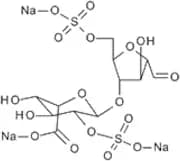
CAS:<p>Acedoben-acyl-b-D-glucuronide is a synthetic, fluorinated monosaccharide. It has been synthesized by glycosylation of the trichloroacetimidate with D-glucuronic acid and acetic anhydride. Acedoben-acyl-b-D-glucuronide is a glycoconjugate that has been modified by methylation, which stabilizes the carbohydrate moiety in the presence of metal ions. This product is also available in oligo and polysaccharide forms.</p>Formula:C15H17NO9Purity:Min. 95%Molecular weight:355.3 g/mol2,5-Anhydro-4-O-(a-L-idopyranosyluronic acid 2-sulfate)-D-mannofuranose 6-sulfate trisodium salt
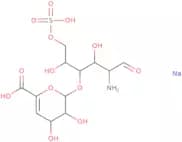
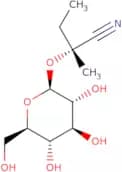
Methylation, Custom synthesis, Click modification, CAS No., Oligosaccharide, Polysaccharide, saccharide, Carbohydrate, Fluorination, complex carbohydrate, High purity, Modification. Monosaccharide sugar. Synthetic. 2-Anhydro-4-O-(a-L-idopyranosyluronic acid 2-sulfate)-D-mannofuranose 6-sulfate trisodium salt is a methylated and modified form of D-mannose. It is a monosaccharide with a molecular weight of 376.34 and a CAS number of 64459-77-5. This product can be used in the synthesis of oligosaccharides or polysaccharides as well as in the production of high purity mannose derivatives with modified linkages.Formula:C12H15O17S2·Na3Purity:Min. 95%Molecular weight:564.34 g/molLotaustralin
CAS:<p>Lotaustralin is a natural product that is derived from the plant Lotea usitatissima. It belongs to the class of isoflavonoids and has shown activity against infectious diseases. Lotaustralin has been shown to inhibit mycelial growth in vitro by targeting enzymes involved in the biosynthesis of isoflavonoid compounds in plants, such as lc-ms/ms methodology, preparative hplc, and enzymatic assays. It also has been shown to have an effect on locomotor activity in mice. The polymerase chain reaction (PCR) assay was used to detect the presence of lotaustralin in various samples, including blood serum and sputum samples. This product can be used for sample preparation for PCR assay.</p>Formula:C11H19NO6Purity:Min. 97%Molecular weight:261.27 g/molEltrombopag Acyl Glucuronide
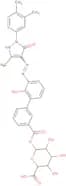
CAS:<p>Eltrombopag aryl glucuronide is a modified form of the drug eltrombopag that contains a methyl group at the 2 position and an acetyl group at the 3 position. It has been synthesized using click chemistry to modify the oligosaccharide, which is then fluorinated and reacted with an oligosaccharide-forming reagent. Eltrombopag aryl glucuronide can be used as a monosaccharide or in combination with other saccharides to form complex carbohydrates. This product is fully synthetic and is available in high purity.</p>Formula:C31H30N4O10Purity:Min. 95%Molecular weight:618.19619Celecoxib carboxylic acid acyl-b-D-glucuronide
CAS:<p>Celecoxib is a nonsteroidal anti-inflammatory drug (NSAID) that has been used to treat pain and inflammation. Celecoxib carboxylic acid acyl-b-D-glucuronide is an active metabolite of celecoxib that is formed by the conjugation of celecoxib with glucuronic acid. It has been shown to inhibit the synthesis of prostaglandins, which are inflammatory mediators.</p>Formula:C23H20F3N3O10SPurity:Min. 95%Molecular weight:587.48 g/mol5-Deoxy-5-[di-(2-hydroxyethyl)-amino]-1,2-O-isopropylidene-a-D-xylofuranose
CAS:<p>5-Deoxy-5-[di-(2-hydroxyethyl)-amino]-1,2-O-isopropylidene-a-D-xylofuranose is a custom synthesis that is a complex carbohydrate. It is an Oligosaccharide, Polysaccharide, and Modification of saccharides. This product has been synthesized using the Click modification of sugars, Carbohydrate and Methylation or Glycosylation. It has been Fluorinated and Synthetic. 5-Deoxy-5-[di-(2-hydroxyethyl)-amino]-1,2-O-isopropylidene-a-D-xylofuranose is a high purity product that is Monosaccharide and has been modified with methyl groups and glycosyl groups.</p>Formula:C12H23NO6Purity:Min. 95%Molecular weight:277.32 g/molD3-Ethyl β-D-glucuronide
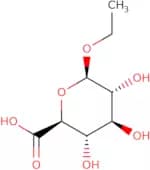
CAS:<p>D3-Ethyl β-D-glucuronide is a metabolite of ethanol. Detection of this compound may be used to diagnose alcohol consumption during pregnancy. The detection time is approximately 5 hours after a single drink. D3-Ethyl β-D-glucuronide can be reliably detected in maternal blood using solid phase microextraction and LC-MS/MS methods. The body mass index (BMI) can be used to determine the risk for alcohol consumption during pregnancy, with higher BMIs indicating an increased risk. Logistic regression models were created to estimate the probability of D3-Ethyl β-D glucuronide being present in maternal blood and the probability of alcohol consumption during pregnancy given a positive result. These models were then used to create diagnostic tools that are sensitive enough for clinical use.</p>Formula:C8H11D3O7Purity:Min. 95%Color and Shape:White Off-White PowderMolecular weight:225.21 g/molS-Hydroxy topiramate
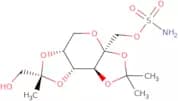
CAS:<p>S-Hydroxy topiramate is a modification of topiramate, which is a sugar. The chemical name for this compound is carbamic acid, N-[(1R,2S)-2-[[(3S)-3-methyl-4-(2,2,2-trifluoroethoxy)piperidin-1-yl]carbonyl]cyclopentyl]-3-[(phenylmethoxy)methyl]-, monosodium salt. It has the following properties: CAS No. 198215-62-2; Carbohydrate; complex carbohydrate; Custom synthesis; Oligosaccharide; High purity; Synthetic; Monosaccharide; Methylation; Glycosylation; Polysaccharide. This product can be used in the following applications: Fluorination, saccharide.</p>Formula:C12H21NO9SPurity:Min. 95%Molecular weight:355.36 g/molMethyl 6-O-benzyl-2,3-di-O-methyl-a-D-glucopyranoside
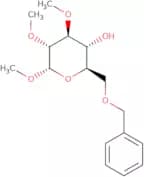
CAS:<p>Methyl 6-O-benzyl-2,3-di-O-methyl-a-D-glucopyranoside is a custom synthesis that is fluorinated and modified. This product is an oligosaccharide with a molecular weight of 906. It has CAS No. 106220-89-7 and can be used in the modification of saccharides, carbohydrates, and polysaccharides. Methyl 6-O-benzyl-2,3-di-O-methyl -a -D -glucopyranoside has a purity greater than 99%. It is composed of a single monosaccharide sugar that has been synthesized and modified.</p>Formula:C16H24O6Purity:Min. 95%Molecular weight:312.37 g/mol1,6-Anhydro-4-O-b-D-galactopyranosyl-b-D-glucopyranose
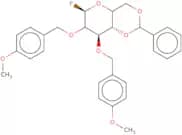
CAS:<p>N-acetyllactosamine is a monosaccharide that belongs to the group of n-acetyllactosamine. It can be found in the form of an agglutinin, lactose, and lectin. The conformation of this molecule is an equilibrium between its alpha and beta forms. The pyridine can act as an acid catalyst for the alpha conformation. There are two forms of this molecule: one synthesized from D-glucose and one synthesized from D-galactose. 1,6-Anhydro-4-O-b-D-galactopyranosyl-b-D-glucopyranose is synthesized from D-glucose. Oligosaccharides containing this molecule have been expressed in Saccharomyces cerevisiae cells and purified by affinity chromatography on columns that contain immobilized antibody to human serum albumin. This molecule has been shown</p>Formula:C12H20O10Purity:Min. 95%Molecular weight:324.28 g/mol4,6-O-Benzylidene-2,3-di-O-(4-methoxybenzyl)-a-D-galactopyranosyl fluoride
<p>4,6-O-Benzylidene-2,3-di-O-(4-methoxybenzyl)-a-D-galactopyranosyl fluoride is a glycosylation reagent that is used in the synthesis of complex carbohydrates. This product is a fluorinated sugar with a CAS number and a high purity. It can be custom synthesized to order.</p>Formula:C29H31FO7Purity:Min. 95%Molecular weight:510.55 g/mol4-Amino-4-deoxy-fructose
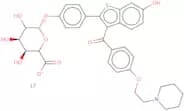
<p>4-Amino-4-deoxy-fructose is a catalyzed product of ribulose. Its reaction with an aldehyde produces tagatose, which is a carbohydrate that has been shown to have therapeutic properties in mice. Tagatose can be used to produce dihydroxyacetone phosphate, an intermediate in the glycolytic pathway. 4-Amino-4-deoxy-fructose also accelerates the reaction between the ketoses and acceptors in the presence of an enzyme called enolase. This process is known as enantioselective reduction. The aminosugar 4-amino-4-deoxyglucose was synthesized using this methodology, and it has been shown to inhibit bacterial growth by binding to DNA gyrase, preventing DNA replication and transcription.</p>Purity:Min. 95%Raloxifene-4'-D-glucuronide lithium salt
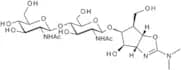
CAS:Raloxifene-4'-D-glucuronide lithium salt is a metabolite of raloxifene, an estrogen receptor modulator. It has been used in the treatment of osteoporosis and breast cancer. Raloxifene-4'-D-glucuronide lithium salt inhibits protein synthesis by inhibiting the activity of ribosomes. Raloxifene-4'-D-glucuronide lithium salt binds to microsomal preparations, which are organelles found in liver cells that synthesize proteins. This binding slows down the rate at which proteins are synthesized, leading to its anti-cancer properties.Formula:C34H34NO10S·LiPurity:Min. 95%Molecular weight:655.64 g/molN,N'-Diacetylchitobiosyl allosamizoline
CAS:<p>N,N'-Diacetylchitobiosyl allosamizoline is an analog of the insect-inhibiting allosamidin. It has been shown to have inhibitory activity against chitinases and it is a stereoselective inhibitor of chitin synthase. N,N'-Diacetylchitobiosyl allosamizoline is used as a substrate in coupling reactions to produce disaccharides that contain the chitobiose unit. This type of enzyme inhibition may be useful in combating insects that feed on plants or other organisms with exoskeletons made up of chitin.</p>Formula:C25H42N4O14Purity:Min. 95%Molecular weight:622.62 g/mol1-Benzyl-4,6-O-acetamidogalactose
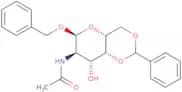
<p>1-Benzyl-4,6-O-acetamidogalactose is an aminoglycoside antibiotic that inhibits the growth of bacteria by binding to the 50S ribosomal subunit. It enters the bacterial cell wall and blocks the synthesis of peptidoglycan, which is an essential component of the cell wall. 1-Benzyl-4,6-O-acetamidogalactose has been shown to have a potent bactericidal effect against Mycobacterium tuberculosis, with a half maximal inhibitory concentration (IC50) of 0.5 µg/mL. It also has a significant inhibitory effect on Mycobacterium avium complex (MIC=8 µg/mL).</p>Purity:Min. 95%3-O-Acetyl-1,2-O-isopropylidine-6-O-trityl-a-D-galactofuranose
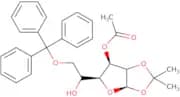
CAS:<p>3-O-Acetyl-1,2-O-isopropylidine-6-O-trityl-a-D-galactofuranose is a synthetic compound with a molecular weight of 514.5. It is an oligosaccharide with a glycosylation modification and fluorination. The compound can be used as a research tool in the study of glycosylation, methylation, click modification, polysaccharide synthesis, fluorination, saccharide modifications and sugar modifications. 3-O-Acetyl-1,2-O-isopropylidine-6-[trityl]-a-[D]galactofuranose can also be used for custom synthesis; this product is available in high purity.</p>Formula:C30H32O7Purity:Min. 95%Molecular weight:504.57 g/mol1,2,3,4-Tetra-O-acetyl-6-O-(tert-butyldimethylsilyl)-a-D-mannopyranose
<p>1,2,3,4-Tetra-O-acetyl-6-O-(tert-butyldimethylsilyl)-a-D-mannopyranose is a synthetic sugar that is used in the synthesis of glycosylations. It has been shown to be a substrate for methylation and click modification. This product is also useful in the synthesis of oligosaccharides and polysaccharides. 1,2,3,4-Tetra-O-acetyl-6-O-(tert-butyldimethylsilyl)-a-D-mannopyranose is a high purity carbohydrate with a CAS number.</p>Formula:C20H34O10SiPurity:Min. 95%Molecular weight:462.57 g/mol1,2:5,6-Di-O-cyclohexylidene-D-mannitol
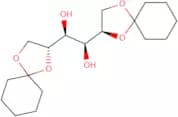
CAS:1,2:5,6-Di-O-cyclohexylidene-D-mannitol is a ligand that binds to metal ions. It forms a complex with nitro groups, which has been shown to have synergistic effects in transfer reactions. The structure of 1,2:5,6-Di-O-cyclohexylidene-D-mannitol was determined by x-ray diffraction and the crystal structure was confirmed by single crystal x-ray diffraction. This ligand can be used for the synthesis of alkenes and it reacts with magnesium chloride to form a grignard reagent. As a ligand, this compound has anticancer activity and can be used as an antiangiogenic agent.Formula:C18H30O6Purity:Min. 95%Molecular weight:342.43 g/molHyaluronate decasaccharide
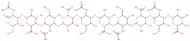
CAS:<p>Hyaluronate decasaccharide is a molecule that belongs to the group of glycosaminoglycans. It is a polysaccharide consisting of 10 disaccharides, which are linked by alternating β-1,4 and β-1,3 glycosidic bonds. The molecular weight of this molecule is about 20 kDa, and it has an average degree of polymerization of about 4. Hyaluronate decasaccharide has been found to be present in the extracellular matrix and plays an important role in cell proliferation and differentiation. This molecule is also involved in the regulation of inflammatory responses and tissue repair processes.</p>Formula:C70H107N5O56Purity:Min. 95%Molecular weight:1,914.6 g/molBenzyl 2-(acetylamino)-2-deoxy-3-o-[3,4,6-tri-o-acetyl-2-(acetylamino)-2-deoxy-β-D-glucopyranosyl]-α-D-galactopyranoside 4,6-diaceta te
CAS:<p>Please enquire for more information about Benzyl 2-(acetylamino)-2-deoxy-3-o-[3,4,6-tri-o-acetyl-2-(acetylamino)-2-deoxy-β-D-glucopyranosyl]-α-D-galactopyranoside 4,6-diaceta te including the price, delivery time and more detailed product information at the technical inquiry form on this page</p>Formula:C33H44N2O16Purity:Min. 95%Molecular weight:724.7 g/mol3-Amino-2,3,6-trideoxy-β-L-lyxo-hexopyranose hydrochloride
CAS:<p>Please enquire for more information about 3-Amino-2,3,6-trideoxy-β-L-lyxo-hexopyranose hydrochloride including the price, delivery time and more detailed product information at the technical inquiry form on this page</p>Formula:C6H13NO3•HClPurity:Min. 95%Molecular weight:183.63 g/mol2-O-(b-D-Galactopyranosyl)-D-xylopyranose
CAS:<p>2-O-(b-D-Galactopyranosyl)-D-xylopyranose is a synthetic monosaccharide that is the product of glycosylation, fluorination, and methylation. This compound is a custom synthesis and has been modified by click chemistry to make it more stable. This product has high purity and can be used in the synthesis of complex carbohydrates. The CAS number for this compound is 91463-78-4.</p>Formula:C11H20O10Purity:Min. 95%Molecular weight:312.27 g/molGT1c-Oligosaccharide
<p>GT1c oligosaccharide (free acid) has a core tetrasaccharide structure (Galβ1,3GalNAcβ1,4Galβ1,4Glc) with three sialic acid residues (NeuAc) linked α2,8/α2,8/α2,3 to the inner galactose residue (Ledeen, 2009). A monoclonal antibody, established against the chick neural tube, was shown to recognize the trisialosyl residue, NeuAca2-8NeuAca2-8NeuAca2-3-R GT1c ganglioside in the cerebral cortex of fetal rats (Hirabayashi, 1989). This unusual multisialo ganglioside was recognised in chicken optic lobes and cerebrum, during embryonic development (Rosner, 1980) and in fish brains (Yu, 1980).</p>Formula:C59H93N4O45Na3Purity:Min. 95%Molecular weight:1,647.34 g/molD-Mannoheptulose
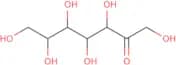
CAS:<p>D-Mannoheptulose is a natural analog of D-fructose that has been shown to have anticancer properties. It inhibits the growth and proliferation of cancer cells, induces apoptosis, and reduces tumor size. D-Mannoheptulose is a potent inhibitor of protein kinases, including the Chinese hamster ovary cell kinase (CHO-K1) and the human protein kinase C isoform βII. This compound has been found in urine and has potential as an anticancer agent. In addition, it has been studied as a potential inhibitor for diabetes drug saxagliptin.</p>Formula:C7H14O7Purity:Min. 95%Molecular weight:210.18 g/molβ-Cyclodextrin polymer crosslinked with epichlorohydrin
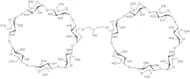
<p>β-Cyclodextrin polymer crosslinked with epichlorohydrin (β-CD-EP) is a high molecular weight, water-insoluble compound that combines the advantageous properties of cyclodextrins and polymers. It is synthesized by crosslinking β-cyclodextrin molecules with epichlorohydrin (either the R- or S-isomer, although is normally a racemic mixture) under strongly alkaline conditions. This material retains the host-guest complex formation ability of cyclodextrins while offering enhanced stability and physicochemical properties. In pharmaceuticals, β-CD-EP serves as an effective drug carrier, improving the solubility and bioavailability of poorly water-soluble drugs, masking unpleasant tastes, and enabling controlled release of active ingredients. Its insoluble nature makes it particularly useful in environmental applications for removing organic pollutants and heavy metals from water. In analytical chemistry, β-CD-EP is employed for the extraction and concentration of target substances, such as mycotoxins from beverages. The polymer's unique structure, featuring a dense, hydrophobic cross-linked core and a more hydrophilic surface, contributes to its dual adsorption mechanism through the inclusion of complex formation and physical adsorption. Recent advancements have led to β-CD-EP variants with ionic functional groups, expanding its potential in water treatment and pharmaceutical formulations.</p>Color and Shape:Powder3-[(2,3,4,6-Tetra-O-acetyl-b-D-glucopyranosyl)thio]-propanoic acid
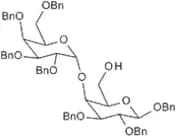
CAS:<p>3-[(2,3,4,6-Tetra-O-acetyl-b-D-glucopyranosyl)thio]-propanoic acid is a modification of an oligosaccharide. It is a complex carbohydrate that has been modified with methylation and glycosylation. This product is synthesized from the raw material, which is a high purity monosaccharide or polysaccharide. 3-[(2,3,4,6-Tetra-O-acetyl-b-D-glucopyranosyl)thio]-propanoic acid has CAS No. 325410 2 and Mw of 835.5 g/mol. The molecular weight and purity are determined by high performance liquid chromatography (HPLC). The product is soluble in water and ethanol.</p>Formula:C17H24O11SPurity:Min. 95%Molecular weight:436.43 g/molBenzyl 4-O-(2,3,4,6-tetra-O-benzyl-a-D-galactopyranosyl)-2,3-di-O-benzyl-b-D-galactopyranoside
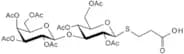
<p>Benzyl 4-O-(2,3,4,6-tetra-O-benzyl-a-D-galactopyranosyl)-2,3-di-O-benzylb -D-galactopyranoside is a Fluorination and Glycosylation product. It is a Custom Synthesis of Monosaccharide and Oligosaccharide. The CAS number for this product is 106835-99-8.</p>Formula:C61H64O11Purity:Min. 95%Molecular weight:973.15 g/mol3-(Hepta-O-acetyl-b-lactopyranosyl)thio-propanoic acid
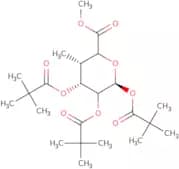
CAS:<p>3-(Hepta-O-acetyl-b-lactopyranosyl)thio-propanoic acid is a synthetic glycosylate that has been subjected to a click reaction with 4-iodo-1,1,3,3,-tetramethyluronium tetrafluoroborate. This glycoside has a purity of >98% and is offered at a price of $6.00/g.</p>Formula:C29H40O19SPurity:Min. 95%Molecular weight:724.69 g/mol1,2,3,4-Tetra-O-pivaloyl-b-D-glucuronide methyl ester
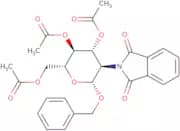
CAS:<p>Protected glucuronide</p>Formula:C27H44O11Purity:Min. 95%Molecular weight:544.63 g/molBenzyl 3,4,6-tri-O-acetyl-2-deoxy-2-phthalimido-b-D-glucopyranoside
CAS:<p>Benzyl 3,4,6-tri-O-acetyl-2-deoxy-2-phthalimido-b-D-glucopyranoside is a carbohydrate compound that is used in the synthesis of complex carbohydrates and glycoproteins. This product can be custom synthesized to customer specifications using our unique capabilities. It is a high purity, methylated, glycosylated, and click modified sugar.</p>Formula:C27H27NO10Purity:Min. 95%Molecular weight:525.52 g/molGlycyl-lacto-N-fucopentaose II
<p>Glycyl-lacto-N-fucopentaose II is a synthetic glycosylation product. It has high purity and is easy to use in the synthesis of complex carbohydrates. This product can be fluorinated, methylated, or modified with click chemistry to generate a wide range of products. Glycyl-lacto-N-fucopentaose II is CAS No. 107834-53-2 and has a molecular weight of 707.5 Da.END>></p>Formula:C34H59N3O25Purity:Min. 95%Molecular weight:909.84 g/molGala1-3Gal-HSA
<p>Gala1-3Gal-HSA is a modified glycan with three terminal alpha-galactoside units. It is synthesized by the modification of Gala1-3Gal (saccharide) with HSA. This product is also fluorinated, methylated and click-modified. The chemical name for this product is 3-[(2S,3S)-2,3-bis[(carboxymethyl)amino]propyl]-alpha-D-galactopyranosyl-(1→4)-O-[(carboxymethyl)(hydroxyethyl)]-.</p>Purity:Min. 95%Color and Shape:Powder(-)-1,4-Di-O-benzyl-L-threitol
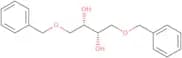
CAS:<p>(-)-1,4-Di-O-benzyl-L-threitol is an organic compound that belongs to the group of homochiral compounds. It can be synthesized from l-tartaric acid and benzaldehyde. The reaction starts with a base addition to the carbonyl group of the acid, followed by nucleophilic attack at the carbonyl carbon by a hydroxyl group on the benzaldehyde. This reaction is mechanistic, showing electron transfer as well as desymmetrization. (-)-1,4-Di-O-benzyl-L-threitol can be used for asymmetric synthesis of alkanes and tetrahydrofurans without requiring any chiral reagents or catalysts. It has also been shown to react with acetone and ethylene glycol in dioxolane and alkylation reactions.</p>Formula:C18H22O4Purity:Min. 95%Molecular weight:302.36 g/molHydroxypropyl cellulose - Average MW 200,000
CAS:In water, hydroxypropyl cellulose forms liquid crystals with many mesophases depending on concentration. These mesophases include isotropic, anisotropic, nematic and cholesteric, the latter resulting in many colors such as violet, green and red. Pharmaceutical applications include treatments for medical conditions such as dry eye syndrome (keratoconjunctivitis sicca), recurrent corneal erosions, decreased corneal sensitivity, exposure and neuroparalytic keratitis. It is also used as a binder in tablets. Hydroxypropylcellulose is also used as a thickener, a binder and emulsion stabiliser in foods with E number E463. HPC is used as a support matrix for DNA separations by capillary and microchip electrophoresis.Color and Shape:PowderCiprofloxacin b-D-glucuronide
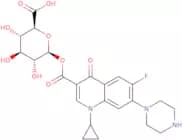
CAS:Ciprofloxacin b-D-glucuronide is a metabolite of ciprofloxacin that is excreted in the bile. Ciprofloxacin b-D-glucuronide has high activity against gram-negative bacteria and broad-spectrum activity. It has been shown to have antibacterial effect on serum concentration, bioassay, and synthetic models. This drug binds to the beta-subunit of bacterial DNA gyrase and topoisomerase IV, inhibiting the synthesis of proteins vital for cell division. Ciprofloxacin b-D-glucuronide is a glycosidic metabolite of ciprofloxacin that is excreted in the bile. Ciprofloxacin b-D-glucuronide has high activity against gram negative bacteria and broad spectrum activity. It has been shown to have antibacterial effect on serumFormula:C23H26FN3O9Purity:Min. 95%Molecular weight:507.47 g/molMan6GlcNAc (I)
CAS:<p>Man6GlcNAc (I) is a synthetic, fluorinated, monosaccharide that can be modified to produce a wide range of products. This product has been shown to have high purity and can be customized for specific applications. It is used in the production of complex carbohydrates with click modification and methylation. Man6GlcNAc (I) is often used as an intermediate in the synthesis of oligosaccharides such as glycosylated proteins or glycans.</p>Formula:C44H75NO36Purity:Min. 95%Color and Shape:PowderMolecular weight:1,194.05 g/mol3-O-tert-Butyldiphenylsilyl-D-galactal
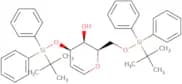
<p>3-O-tert-Butyldiphenylsilyl-D-galactal is a glycosylation agent that can be used in the synthesis of oligosaccharides, sugar derivatives, and polysaccharides. It is synthesized by reacting 3-bromoacetophenone with D-galactal. This product is a white powder that is soluble in methanol and DMF. The CAS number for this product is 53533-71-3.</p>Purity:Min. 95%Hyaluronate fluorescein - Molecular Weight - 250kDa
<p>Hyaluronate fluorescein is a large molecular weight, high-molecular weight, high-purity, highly modified carbohydrate. It is a synthetic oligosaccharide that has been chemically modified with methylation and saccharide. Hyaluronate fluorescein is synthesized using Click chemistry to add a fluorescent tag at the reducing end of the molecule. This product can be used for custom synthesis and glycosylation. Hyaluronate fluorescein is available in various sizes including 250kDa.</p>Purity:Min. 95%NA3 N-Glycan
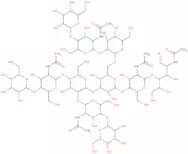
CAS:<p>NA3 N-glycan is a base that forms glycosidic bonds with other molecules. It has been shown to be pharmacologically active in tissues and has a safety profile. NA3 N-glycan is metabolized by the serine protease, which cleaves it from its glycosylated protein. The resulting molecule lacks a reactive group, which prevents it from forming toxic reactions with other molecules. NA3 N-glycan has been used for pharmacokinetic modeling and for mass spectrometric measurements of proteins in human serum and plasma.</p>Formula:C76H127N5O56Purity:Min. 95%Color and Shape:Solid.Molecular weight:2,006.82 g/molEthyl 2,3,6-tri-O-acetyl-4-O-(2,3,4,6-tetra-O-acetyl-b-D-galactopyranosyl)-D-thioglucopyranoside
CAS:<p>Ethyl 2,3,6-tri-O-acetyl-4-O-(2,3,4,6-tetra-O-acetyl-b-D-galactopyranosyl)-D-thioglucopyranoside is a synthetic carbohydrate with a glycosylation and methylation modification. This compound is an oligosaccharide sugar that contains a complex carbohydrate backbone. It has CAS No. 434762 and was custom synthesized for high purity. The molecular weight of this compound is 605.14 g/mol and the purity is >99%.</p>Formula:C28H40O17SPurity:Min. 95%Color and Shape:PowderMolecular weight:680.198622,3,4,6-Tetra-O-acetyl-a-D-glucopyranose
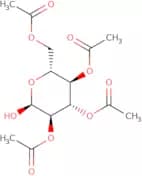
CAS:<p>2,3,4,6-Tetra-O-acetyl-a-D-glucopyranose is a chemical compound that is the product of the reaction between metabisulfite and anhydrous acetone in a refluxing process. The reaction can be done in two ways: one with thiourea and sodium metabisulfite or another with recycled acetone. The yield of this compound is dependent on the reaction time and process. 2,3,4,6-Tetra-O-acetyl-a-D-glucopyranose has been used as a raw material for the production of pharmaceuticals such as steroids and antibiotics.</p>Formula:C14H20O10Purity:Min. 95%Molecular weight:348.3 g/mola-Cyclodextrin sulfate sodium salt
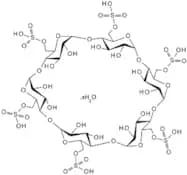
CAS:<p>Alpha-cyclodextrin (α-CD) derivative with a hydrophilic exterior and lipophilic cavity (smaller than β-CDs and γ-CDs) to allocate certain guest molecules. This structural characteristic enables applications in molecular encapsulation, solubility enhancement, and stabilization across multiple industries. In pharmaceuticals, it serves as a drug delivery vehicle, enhancing the bioavailability and stability of active ingredients. The food industry utilizes it as a stabilizer for flavors, colors, and nutrients, as well as a functional ingredient for its effects on lipid metabolism. In cosmetics, it acts as a complex agent for fragrances and active components. Its applications extend to analytical chemistry for chiral separation and to materials science for developing smart materials and nanosystems.</p>Purity:Min. 95%Color and Shape:White PowderDeoxymannojirimycin
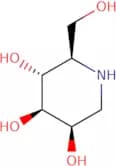
CAS:<p>Deoxymannojirimycin is a natural product that belongs to the group of mannojirimycins. It has been shown to have an inhibitory effect on the activity of matrix metalloproteinase-9 (MMP-9) in vitro, which is involved in the degradation of extracellular matrix. Deoxymannojirimycin also has hypoglycemic effects and can be used as a potential oral antidiabetic drug. The inhibition of MMP-9 may also be due to its binding to integrin receptors. In addition, deoxymannojirimycin has been shown to have anti-inflammatory properties in vitro and can inhibit the growth of oral pathogens, including Streptococcus mutans, Streptococcus sobrinus, and Porphyromonas gingivalis. Furthermore, deoxymannojirimycin has been found to have thermodynamic data and analytical methods that</p>Purity:Min. 95%1,2,3,4-Tetra-O-acetyl-L-lyxopyranose
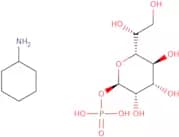
CAS:<p>1,2,3,4-Tetra-O-acetyl-L-lyxopyranose is a sugar that is modified with a click reaction to create an acetal. The acetal can be used for glycosylation or methylation in order to produce complex carbohydrates. This carbohydrate has been shown to be useful for the synthesis of oligosaccharides and monosaccharides.</p>Formula:C13H18O9Purity:Min. 95%Molecular weight:318.28 g/mol(D-Glycero-a-D-manno-heptopyranosyl)-dihydrogenphosphate cyclohexylammonium salt
CAS:<p>The D-Glycero-a-D-manno-heptopyranosyl)-dihydrogenphosphate cyclohexylammonium salt, also known as Glyceroheptaose, is a complex carbohydrate. It is a white powder that can be used in the modification of polysaccharides, oligosaccharides, and saccharides. The CAS number for this substance is 359435-45-3.</p>Formula:C7H15O10P·C6H13NPurity:Min. 95%Molecular weight:389.34 g/mol3,6-Di-O-tert-butyldiphenylsilyl-D-galactal
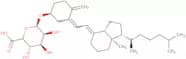
CAS:3,6-Di-O-tert-butyldiphenylsilyl-D-galactal is an oligosaccharide that is a methylated and fluorinated derivative of the natural product D-galactal. The chemical structure of 3,6-di-O-tert-butyldiphenylsilyl-D-galactal is based on a beta-(1->4) linkage of two glucose residues with a terminal alpha-(1->3) linkage to form an alpha-(1->6) linkage. The compound is readily available in high purity, and can be custom synthesized to meet specific customer requirements for glycosylation, modification, or other special requests. 3,6-Di-O-tert-butyldiphenylsilyl--D--galactal has been shown in vitro to inhibit the growth of Mycobacterium tuberculosis and Mycobacterium avPurity:Min. 95%Vitamin D3 b-D-glucuronide
CAS:<p>Vitamin D3 b-D-glucuronide is a modified version of vitamin D3. It is a high purity chemical with a purity level of at least 99%. This product can be used in the synthesis of complex carbohydrates and saccharides.</p>Formula:C33H52O7Purity:Min. 95%Molecular weight:560.76 g/molp-Topolin-9-glucoside
CAS:<p>p-Topolin-9-glucoside is a custom synthesis that has been modified with fluorination, methylation, and click modification. It is a monosaccharide that is synthetically made and has been shown to have antiviral activity against herpes simplex virus type 1 (HSV-1) in vitro. p-Topolin-9-glucoside is also an oligosaccharide that can be glycosylated and contains saccharides. It is a synthetic carbohydrate with CAS No. 1046433-04-8.</p>Formula:C18H21N5O6Purity:Min. 95%Molecular weight:403.39 g/molIso-lactosamine HCl
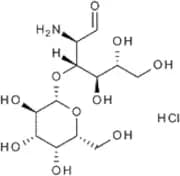
CAS:<p>Iso-lactosamine HCl is a synthetic monosaccharide, glycosylation product of galactose and lactic acid. It is used in the production of oligosaccharides and complex carbohydrates. Iso-lactosamine HCl is a white powder that can be dissolved in water or ethanol.</p>Formula:C12H23NO10·HClPurity:Min. 95%Molecular weight:377.77 g/molPromethazine N-b-D-glucuronide
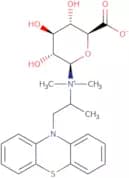
CAS:<p>Promethazine is a phenothiazine derivative that has antihistaminic, anticholinergic, and sedative properties. It is used as an antiemetic and to relieve allergy symptoms. Promethazine N-b-D-glucuronide is a custom synthesis of promethazine with methylation at the nitrogen atom on the side chain, click modification of the methyl group on the side chain, oligosaccharides attached to the nitrogen atom on the side chain, polysaccharide attached to the nitrogen atom on the side chain, saccharide attached to the nitrogen atom on the side chain, carbonyl group attached to the nitrogen atom on the side chain, fluorination at C5 position of sugar ring in promethazine N-b-D-glucuronide molecule, complex carbohydrate (sugar) in promethazine N-b-D-glucuronide molecule. Promethazine N-b-D-glucuron</p>Formula:C23H28N2O6SPurity:Min. 95%Molecular weight:460.54 g/mol3-O-Acetyl-1,2-O-isopropylidene-a-D-galactofuranose
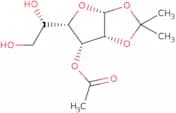
CAS:<p>3-O-Acetyl-1,2-O-isopropylidene-a-D-galactofuranose is a modification of the carbohydrate structure galactofuranose. It has been custom synthesized and is available in high purity with a monosaccharide content of >99%. 3-O-Acetyl-1,2-O-isopropylidene-a-D-galactofuranose can be methylated or glycosylated and is used as a building block for the synthesis of complex carbohydrates. 3-O-Acetyl-1,2,3,4,6,7,8,-octahydrobenzo[b]naphtho[2,1b][1]benzopyran (CAS No. 109680) is also known as 3-(acetamido)-1,2:3',4'-diisopropyl</p>Formula:C11H18O7Purity:Min. 95%Molecular weight:262.26 g/mol2,3,4,6-Tetra-O-acetyl-a-D-galactopyranosyl-Fmoc serine
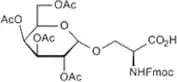
CAS:<p>2,3,4,6-Tetra-O-acetyl-a-D-galactopyranosyl-Fmoc serine is a custom synthesis that has been modified by fluorination and methylation. It is a monosaccharide with CAS No. 1351605-34-8 and Polysaccharide with Glycosylation and sugar Carbohydrate. This molecule has a complex carbohydrate structure with many glycosylation sites.</p>Formula:C32H35NO14Purity:Min. 95%Molecular weight:657.62 g/mol5-Deoxy-L-lyxose
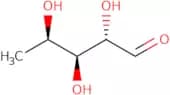
CAS:<p>5-Deoxy-L-lyxose is a marine bioactive molecule that belongs to the group of 5-deoxy sugars. Its ring structure is similar to that of ribulose, and it has been found in marine sponges. This compound has a hydroxyl group in its structure and can be oxidized to produce orange pigments. The compound's nmr spectra show it to be an isomer of benzoate, with the sodium salt being more soluble in water than the sodium salts of other 5-deoxy sugars. 5-Deoxy-L-lyxose is also conjugated with amino acids or peptides.</p>Formula:C5H10O4Purity:Min. 95%Molecular weight:134.13 g/mol5-Azido-1,2,3,6-tetra-O-pivaloyl-2-deoxy-D-galactofuranoside
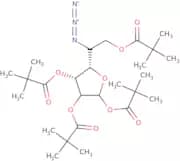
<p>5-Azido-1,2,3,6-tetra-O-pivaloyl-2-deoxy-D-galactofuranoside is a custom synthesis of a fluorinated sugar. It is an oligosaccharide that is synthesized through a glycosylation reaction with the use of a click modification. 5-Azido-1,2,3,6-tetra-O-pivaloyl-2-deoxy-D -galactofuranoside has been modified with methyl groups to produce high purity.</p>Formula:C26H43N3O9Purity:Min. 95%Molecular weight:541.63 g/molAcemetacin-acyl-β-D-glucuronide
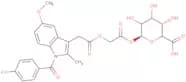
CAS:<p>Acemetacin-acyl-b-D-glucuronide is a synthetic, fluorinated, glycosylated carbohydrate. It is a custom synthesis and has high purity. The CAS No. 1260603-31-3.</p>Formula:C27H26ClNO12Purity:Min. 95%Color and Shape:PowderMolecular weight:591.96 g/molp-Methoxyphenyl 1-thio-b-D-galactopyranoside
CAS:<p>p-Methoxyphenyl 1-thio-β-D-galactopyranoside is a synthetic carbohydrate that has been modified with fluorine. It is a complex carbohydrate and an oligosaccharide that can be synthesized using a custom synthesis. This product is high purity, methylated, glycosylated, and click modified.</p>Purity:Min. 95%2,3,5-Tri-O-acetyl-b-L-ribofuranosyl chloride
<p>2,3,5-Tri-O-acetyl-b-L-ribofuranosyl chloride is a custom synthesis of an oligosaccharide. It is a complex carbohydrate that has been modified by methylation and glycosylation. This product is a high purity, fluorinated saccharide with a CAS number. It undergoes the Click modification and has been synthesized through the use of carbohydrate chemistry.</p>Purity:Min. 95%5-Deoxy-1,2-O-isopropylidene-5-[(2S-pyridin-4-yl-pyrrolidine)-1-yl]-a-D-xylofuranose
CAS:<p>5-Deoxy-1,2-O-isopropylidene-5-[(2S-pyridin-4-yl-pyrrolidine)-1-yl]-a-D-xylofuranose is a synthetic glycoside that can be used in the synthesis of complex carbohydrates. The compound is fluorinated and has been custom synthesized to include methylation and click modification. 5DIOXFURANOSE can be used in the synthesis of saccharides and oligosaccharides with various applications, including drug development and medical research.</p>Formula:C17H24N2O4Purity:Min. 95%Molecular weight:320.39 g/mol(R)-Propranolol b-D-glucuronide sodium salt
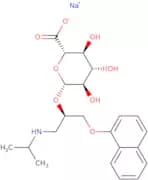
CAS:<p>(R)-Propranolol b-D-glucuronide sodium salt is a synthetic glycosylate prodrug of the β-adrenergic blocker propranolol. It is used for the treatment of hypertension, angina pectoris, and arrhythmias. The compound has been shown to be effective in reducing mortality rates in patients with heart failure or chronic obstructive pulmonary disease (COPD). It is also used as an adjunct therapy for asthma, bronchitis, and emphysema.</p>Formula:C22H28NNaO8Purity:Min. 95%Molecular weight:457.45 g/molPhosphatidyl 1-(3-deoxy-2-O-methyl-D-myo-inositol)
CAS:Phosphatidyl 1-(3-deoxy-2-O-methyl-D-myo-inositol), also known as phosphatidylinositol (PI) is a lipid molecule that is the main component of cell membranes. PI is synthesized from glucose in the cytosol and then transported to the Golgi where it is converted into its final form, phosphatidylcholine. PI has been shown to inhibit chitinase activity in human HL60 cells and leukemia cells and may be an effective treatment for cancer.Formula:C29H59O10PPurity:Min. 95%Molecular weight:598.75 g/molEthyl 2-O-benzoyl-4,6-O-benzylidene-D-thiomannopyranoside
CAS:<p>Ethyl 2-O-benzoyl-4,6-O-benzylidene-D-thiomannopyranoside is a glycosylation reagent that is used in the synthesis of oligosaccharides. This product has been fluorinated and methylated to provide high purity. The chemical name for this product is ethyl 2-O-benzoyl-4,6-O-(1,1'-biphenyl)-2,3,4,5,6 tetrahydroxy thiomannopyranoside. The CAS number for this compound is 153062-23-8.</p>Formula:C22H24O6SPurity:Min. 95%Color and Shape:PowderMolecular weight:416.49 g/molb-D-Mannopyranosyl nitromethane
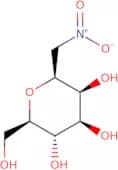
CAS:b-D-Mannopyranosyl nitromethane is a fluorinated monosaccharide. It is used in the synthesis of oligosaccharides and polysaccharides. This compound is also used for glycosylation, methylation, and click modification of sugar molecules. b-D-Mannopyranosyl nitromethane has CAS No. 93302-92-2 and can be custom synthesized to meet your needs.Formula:C7H13NO7Purity:Min. 95%Molecular weight:223.61 g/molN-Ethyl glucamine
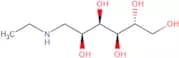
CAS:<p>N-Ethyl glucamine is a nonsteroidal anti-inflammatory drug (NSAID) that belongs to the class of drugs called salicylates. It is a prodrug that is hydrolyzed in vivo to form salicylic acid and ethylene glycol. The sub-effective dose of N-ethyl glucamine has been shown to be effective against various types of cancer cells, including lung, colon, breast, prostate, and skin cancers. This drug also has an effect on lipid metabolism and can be used for the treatment of metabolic disorders such as hyperlipidemia. N-Ethyl glucamine has been shown to have anti-inflammatory properties by inhibiting prostaglandin synthesis.</p>Formula:C9H19NO5Purity:Min. 95%Molecular weight:221.25 g/mol2,4-O-Benzylidene-1-O-tosyl-D-threitol
CAS:2,4-O-Benzylidene-1-O-tosyl-D-threitol is a synthetic sugar that has been modified. It can be used in the synthesis of oligosaccharides and monosaccharides as well as complex carbohydrates. 2,4-O-Benzylidene-1-O-tosyl-D-threitol is a high purity product with a purity level of 99%. This product can be custom synthesized to meet your needs.Formula:C18H20O6SPurity:Min. 95%Molecular weight:364.41 g/mol6,1',6'-Tri-O-tertbutyldiphenylsilyl-sucrose
CAS:<p>6,1',6'-Tri-O-tertbutyldiphenylsilyl-sucrose is a high purity, custom synthesis chemical. It is an oligosaccharide and complex carbohydrate that is a Click modification of sucrose. This chemical has been fluorinated, glycosylated, and methylated.</p>Purity:Min. 95%3-Deoxy-1,2:5,6-di-O-isopropylidene-a-L-gulofuranose
<p>3-Deoxy-1,2:5,6-di-O-isopropylidene-a-L-gulofuranose is a synthetic monosaccharide that is used in the synthesis of oligosaccharides and polysaccharides. The chemical has been modified with fluorination, methylation, and click chemistry to produce a range of products. This product can be custom synthesized to meet the needs of customers. It has a CAS No. and purity of >99%.</p>Formula:C12H20O5Purity:Min. 95%Molecular weight:244.28 g/molL-Glycero-D-gluco-heptose
CAS:<p>L-Glycero-D-gluco-heptose is a hexadecanoic acid that is used as a synthetic intermediate. L-Glycero-D-gluco-heptose can be synthesized from benzyl alcohol and galactose in a two step process. The first step involves the esterification of benzyl alcohol with galactose to form an acetal, while the second step involves hydrolysis of this acetal to form L-Glycero-D-gluco-heptose. The chemical data for L-Glycero-D-gluco-heptose has been determined by gas chromatography (GC) and mass spectrometry (MS). GC allows for the separation and identification of fatty acids, oligosaccharides, and other organic compounds, which are then identified by MS.</p>Formula:C7H14O7Purity:Min. 95%Color and Shape:PowderMolecular weight:210.18 g/molBenzyl 2-acetamido-4,6-O-benzylidene-2-deoxy-a-D-galactopyranoside
CAS:<p>Benzyl 2-acetamido-4,6-O-benzylidene-2-deoxy-a-D-galactopyranoside is a synthetic fluorinated carbohydrate that has been custom synthesized and modified with a click modification. This high purity product is available in the form of an oligosaccharide or a complex carbohydrate. It can be used in glycosylation and polysaccharide synthesis.</p>Formula:C22H25NO6Purity:Min. 95%Molecular weight:399.44 g/molTrandolaprilat acyl-D-glucuronide
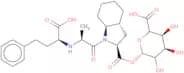
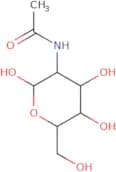
CAS:Trandolaprilat acyl-D-glucuronide is a synthetic compound that has been designed for the treatment of hypertension. Trandolaprilat acyl-D-glucuronide is an active metabolite of trandolapril, which is a prodrug of trandolaprilat. Trandolaprilat acyl-D-glucuronide is glycosylated and has high purity with low impurities. It can be custom synthesized to meet your requirements. The CAS number for this compound is 1260610-97-6.Formula:C28H38N2O11Purity:Min. 95%Molecular weight:578.61 g/molN-Acetyl-D-glucosamine-d3
CAS:<p>N-acetyl-D-glucosamine is a regiospecific and stereoselective hydrochloride of D-glucosamine. It is used as a building block for the synthesis of peptides, proteins, and other biological molecules. N-Acetyl-D-glucosamine is synthesized by reacting ethylene diamine with trifluoroacetic acid in the presence of hydrochloric acid. The proton at C2 in the NMR spectrum was found to be diagnostic for the compound. Solid phase microextraction (SPME) was used to extract this compound from a mixture of many components, and it was then analyzed using magnetic resonance spectroscopy (NMR).</p>Formula:C8H12D3NO6Purity:Min. 95%Molecular weight:224.23 g/molα-D-Maltotetraose
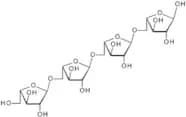
CAS:<p>α-D-Maltotetraose is a natural carbohydrate that has been shown to have potential as an anticancer agent. It is an inhibitor of tumor-associated kinases and has been found to induce apoptosis in cancer cells. α-D-Maltotetraose has also been shown to inhibit streptokinase, an enzyme involved in the breakdown of blood clots. This carbohydrate analog has been detected in human urine and may play a role in regulating gastrin secretion. Studies have shown that α-D-Maltotetraose can inhibit the growth of Chinese hamster ovary cells, suggesting its potential as a novel anticancer therapy.</p>Formula:C24H42O21Purity:Min. 95%Molecular weight:666.6 g/mol2,5-Anhydro-D-glucitol-1,6-bis-(dibenzylphosphate)
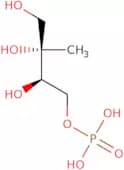
CAS:2,5-Anhydro-D-glucitol-1,6-bis-(dibenzylphosphate) is a synthetic carbohydrate with a complex structure. It can be used in the synthesis of glycosides and saccharides. This product has a molecular weight of 486.83 g/mol, a melting point of 169 oC, and an octanol/water partition coefficient of 3.00.Formula:C34H38O11P2Purity:Min. 95%Molecular weight:684.61 g/mol2-C-Methyl-D-erythritol 4-phosphate
CAS:<p>2-C-Methyl-D-erythritol 4-phosphate is a natural product that can be found in plants. It has been used as a substrate molecule for kinetic study of phosphorolytic enzymes and as an antimicrobial agent in cell culture.</p>Purity:Min. 95%Sialyllacto-N-fucopentaose V-APD-HSA
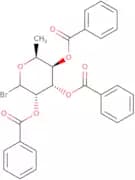
<p>Sialyllacto-N-fucopentaose V-APD-HSA is a methylated, fluorinated, click modified oligosaccharide. It is an Oligosaccharide and Polysaccharide. It also has a saccharide, Carbohydrate, and Monosaccharide. This product is Custom synthesized with High purity and Modification.</p>Purity:Min. 95%2,3,4-Tri-O-benzoyl-L-fucopyranosyl bromide
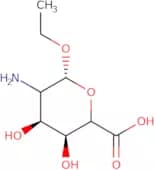
CAS:<p>2,3,4-Tri-O-benzoyl-L-fucopyranosyl bromide is a synthetic compound that is used as a reagent in the synthesis of complex carbohydrates. It is also an intermediate in the synthesis of oligosaccharides and polysaccharides. This product can be modified by methylation, glycosylation and fluorination to generate desired products. The CAS number for this product is 855662-12-3.</p>Formula:C27H23BrO7Purity:Min. 95%Molecular weight:539.37 g/molEthyl 2-amino-b-D-glucuronide
<p>Ethyl 2-amino-b-D-glucuronide is a Carbohydrate, Modification, saccharide, Oligosaccharide, sugar. The CAS number for this compound is 6058-91-9. This product can be synthesized in the lab using Custom synthesis and High purity. Ethyl 2-amino-b-D-glucuronide is a Synthetic and Monosaccharide. This product has Click modification and Methylation. Ethyl 2-amino-b-D-glucuronide is also Glycosylated.</p>Formula:C8H15NO6Purity:Min. 95%Molecular weight:221.21 g/mol6-O-Acetyl-1,2:3,5-di-O-methylidene-a-D-glucofuranose
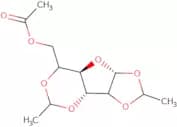
CAS:<p>6-O-Acetyl-1,2:3,5-di-O-methylidene-a-D-glucofuranose is a methylated saccharide that is a member of the polysaccharides. The compound has been modified using click chemistry to produce a fluorescent derivative. 6-O-Acetyl-1,2:3,5-di-O-methylidene-a-D-glucofuranose is also used for glycosylation and can be synthesized to provide high purity carbohydrates or sugars. It has an CAS number of 3244800 and may be used as a fluorinated complex carbohydrate.</p>Formula:C12H18O7Purity:Min. 95%Color and Shape:White to off-white solid.Molecular weight:274.27 g/mol6-O-Desmethyl donepezil b-D-glucuronide
CAS:<p>6-O-Desmethyl donepezil b-D-glucuronide is a sugar that is synthesized by the reaction of 6-O-desmethyl donepezil with β-D-glucuronic acid. This compound is a metabolite of donepezil and has been shown to have similar properties to its parent compound. 6-O-Desmethyl donepezil b-D-glucuronide is useful for the treatment of Alzheimer's disease, as it prevents the breakdown of acetylcholine in the brain. It also binds to sigma receptors and has been shown to have antidepressant activity in mice.</p>Formula:C29H35NO9Purity:Min. 95%Molecular weight:541.59 g/molEthyl 2-acetamido-3,4,6-tri-O-acetyl-2-deoxy-D-thiogalactopyranoside
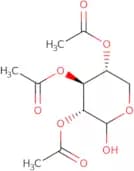
<p>Ethyl 2-acetamido-3,4,6-tri-O-acetyl-2-deoxy-D-thiogalactopyranoside is a custom synthesis of an oligosaccharide. It has a CAS No. and is a high purity synthetic product. Ethyl 2-acetamido-3,4,6-tri-O-acetyl-2-deoxy -D thiogalactopyranoside consists of monosaccharides with a sugar backbone that has been modified by fluorination and methylation for increased stability. The modification of the sugar backbone makes it resistant to degradation by enzymes in the human body, so it can be used as an oral drug. This product is also soluble in water and alcohol, making it useful in pharmaceutical applications.</p>Purity:Min. 95%2,3,4-Tri-O-acetyl-D-xylopyranose
CAS:<p>2,3,4-Tri-O-acetyl-D-xylopyranose is a lactide sugar that is found in the cell walls of many plants. It is synthesized from D-xylose by enzymatic condensation with acetylated L-malic acid and has been shown to be biodegradable. 2,3,4-Tri-O-acetyl-D-xylopyranose has been shown to have physical properties that are similar to those of cellulose, such as crystallization and solubility in water. The compound also has an NMR spectrum that contains peaks at δ = 0.8 (triplet), 1.1 (singlet) and 1.5 ppm (doublet). The hydrophobic group on the molecule is thought to contribute to its hydrophilicity.</p>Formula:C11H16O8Purity:Min. 95%Molecular weight:276.24 g/mol1,2,3,5-Tetra-O-acetyl-D-ribofuranose
CAS:<p>1,2,3,5-Tetra-O-acetyl-D-ribofuranose is a dietary supplement that can be found in the form of palladium complexes. This compound has been shown to have anti-inflammatory properties and may be effective against cancer cells. 1,2,3,5-Tetra-O-acetyl-D-ribofuranose is an acetylated pyridazine derivative with antimicrobial and antibacterial effects. It has also been shown to inhibit the synthesis of purines and pyrimidines by cleaving the 6th carbon from ribose. 1,2,3,5-Tetra-O-acetyl-D-ribofuranose is synthesized by chlorination of 2,6-, 3-, 5-, or 7-(chloropurinomethyl)pyridine with mercuric chloride or nitrosyl chloride. The cleavage products are hydroxyl group</p>Purity:Min. 95%5-Deoxy α-L-arabinose and 5-Deoxy β-L-arabinose
CAS:<p>5-Deoxy alpha-L-arabinose and 5-Deoxy beta-L-arabinose are enantiopure compounds that are used in the synthesis of 5-deoxy-l-ribose, which is a precursor to nucleic acids. The reaction products are produced by hydrolyzing rhamnan with hydrochloric acid. This product can be used as a substrate for DNA polymerase and RNA polymerase, which are enzymes involved in the synthesis of nucleic acids. This product also has an acidic nature, which makes it suitable for use in phase chromatography. It has been shown to have stereoselective properties and can be used as an acid catalyst for other reactions.</p>Formula:C5H10O4Purity:Min. 95 Area-%Molecular weight:134.13 g/molRef: 3D-W-201034
1gTo inquire5gTo inquire10gTo inquire500mgTo inquire2500mgTo inquire-Unit-ggTo inquireDecanoyl-N-hydroxyethylglucamide
CAS:<p>Detergent with CMC of ~ 39mM</p>Formula:C18H37NO7Purity:Min. 95%Molecular weight:379.49 g/molNBD-Fructose
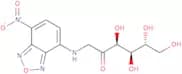
CAS:<p>Fluorescent substrate used to monitor fructose uptake</p>Formula:C12H14N4O8Purity:Min. 95%Molecular weight:342.26 g/mol1,2,3,4,6-Penta-O-benzoyl-b-D-mannopyranose
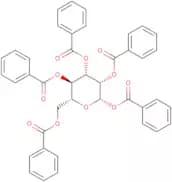
CAS:<p>1,2,3,4,6-Penta-O-benzoyl-b-D-mannopyranose is a custom synthesis that can be modified with fluorination or methylation. It is a monosaccharide and a synthetic saccharide that can also be used as an oligosaccharide.</p>Formula:C41H32O11Purity:Min. 95%Molecular weight:700.7 g/molprim-O-glucosylangelicain
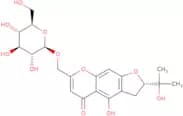
CAS:<p>Prim-O-glucosylangelicain is a complex carbohydrate that has been synthesized by custom synthesis and modification. Prim-O-glucosylangelicain is a monosaccharide that has been methylated and then click modified. It also contains an oligosaccharide with glycosylation. The prim-O-glucosylangelicain has been synthesized to have a saccharide chain consisting of glycosidic linkages with a polysaccharide. Click modification is the process of attaching reactive groups to the hydroxyl groups of sugars. This process can be used to replace the hydroxyl group with fluorine, which is done in this case to increase stability and reduce reactivity.</p>Purity:Min. 95%Heparin disaccharide II-H disodium salt
CAS:<p>Heparin disaccharide II-H disodium salt is a complex carbohydrate with the chemical formula C3H6Na2O14. It has a molecular weight of 617.8 and a melting point of 204.5°C. The compound has been modified by methylation, glycosylation, fluorination, and click modification. It is a synthetic oligosaccharide with high purity and custom synthesis.</p>Formula:C12H18NNaO13SPurity:Min. 95%Molecular weight:439.33 g/mol1,5-alpha-L-Arabinotetraose
CAS:<p>1,5-alpha-L-Arabinotetraose is a methylated and glycosylated tetrasaccharide with a molecular weight of 720. It is a custom synthesis product with high purity and it can be used for the modification of proteins, polysaccharides, or other compounds. 1,5-alpha-L-Arabinotetraose has been shown to have fluoroquinolone resistance due to its methylation and glycosylation. The compound is an oligosaccharide that is synthesized from arabinose. It can be modified by click chemistry to introduce fluorine atoms at desired positions.</p>Formula:C20H34O17Purity:(%) Min. 95%Color and Shape:Clear Viscous LiquidMolecular weight:546.47 g/molN-Nonanoyl-N-methylglucamine
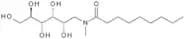
CAS:<p>N-Nonanoyl-N-methylglucamine is a nonionic surfactant that has been shown to be effective in the treatment of some inherited blood disorders. N-Nonanoyl-N-methylglucamine is used as a red cell membrane stabilizer and has been shown to increase the proton concentration in human serum. It also increases the transfer rate of p-nitrophenyl phosphate from erythrocytes to plasma. This drug has been found to have enzyme activity on soybean trypsin, model system, and epoxidase activity. N-Nonanoyl-N-methylglucamine has shown to be an effective protective agent against sodium citrate induced hemolysis and monoclonal antibody mediated cytotoxicity. It also shows kinetic data for protein synthesis and gene expression at different concentrations.</p>Formula:C16H33NO6Purity:Min. 95%Color and Shape:PowderMolecular weight:335.44 g/molSialylglycan
<p>Sialylglycan is a glycan that is found on the surface of cells and is important in cell-cell interactions. It is involved in the binding of influenza virus to its receptor, and sialylglycan has been shown to be bifunctional, meaning it can act as both an antigen and an antibody. Sialylglycan oligosaccharides are found in muscle tissue, which is where influenza viruses are most likely to attach. The molecule's fluorimetric properties have also been used to study outbreaks of avian influenza. <br>Sialylglycan has been used for gene analysis by attaching fluorescent tags to the molecule that can be detected using fluorescence microscopy techniques. In vivo assays have also been performed with sialylglycan as a model antigen.</p>Formula:C76H125N5O57Purity:Min. 95%Color and Shape:PowderMolecular weight:2,020.81 g/molN-(3,4,6-Tri-O-acetyl-b-D-glucopyranosyl)piperidine
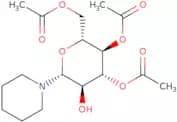
CAS:<p>N-(3,4,6-Tri-O-acetyl-b-D-glucopyranosyl)piperidine is a glycosylation agent that can be used to modify saccharides and oligosaccharides. This compound is used in the synthesis of complex carbohydrates, such as glycogen and starch. It can also be used to modify the sugar chains on glycoproteins and glycolipids. N-(3,4,6-Tri-O-acetyl-b-D-glucopyranosyl)piperidine is a white powder that has not been tested for toxicity.</p>Formula:C17H27NO8Purity:Min. 95%Molecular weight:373.4 g/mol




![5-Deoxy-5-[di-(2-hydroxyethyl)-amino]-1,2-O-isopropylidene-a-D-xylofuranose](/_next/image/?url=https%3A%2Fstatic.cymitquimica.com%2Fproducts%2F3D%2Fthumb-webp%2FMD07492.webp&w=3840&q=75)


![Benzyl 2-(acetylamino)-2-deoxy-3-o-[3,4,6-tri-o-acetyl-2-(acetylamino)-2-deoxy-β-D-glucopyranosyl]…](/_next/image/?url=https%3A%2Fstatic.cymitquimica.com%2Fproducts%2F3D%2Fthumb-webp%2FKDA05428.webp&w=3840&q=75)

![3-[(2,3,4,6-Tetra-O-acetyl-b-D-glucopyranosyl)thio]-propanoic acid](/_next/image/?url=https%3A%2Fstatic.cymitquimica.com%2Fproducts%2F3D%2Fthumb-webp%2FMT01467.webp&w=3840&q=75)






![5-Deoxy-1,2-O-isopropylidene-5-[(2S-pyridin-4-yl-pyrrolidine)-1-yl]-a-D-xylofuranose](/_next/image/?url=https%3A%2Fstatic.cymitquimica.com%2Fproducts%2F3D%2Fthumb-webp%2FMD07489.webp&w=3840&q=75)