Glycoscience
Glycoscience is the study of carbohydrates and their derivatives, as well as the interactions and biological functions they participate in. This field of research is crucial for understanding a wide variety of biological processes, including cell recognition, signaling, immune response, and disease development. Glycoscience has important applications in biotechnology, medicine, and the development of new drugs and therapies. At CymitQuimica, we offer a wide selection of high-quality, high-purity products for glycoscience research. Our catalog includes monosaccharides, oligosaccharides, polysaccharides, glycoconjugates, and specific reagents, designed to support researchers in their studies on the structure, function, and applications of carbohydrates in biological systems. These resources are intended to facilitate scientific discoveries and practical applications in various areas of bioscience and medicine.
Subcategories of "Glycoscience"
- Aminosugars(108 products)
- Glyco-Related Antibodies(282 products)
- Glycolipids(46 products)
- Glycosaminoglycans (GAGs)(55 products)
- Glycosides(419 products)
- Monosaccharides(6,624 products)
- Oligosaccharides(3,682 products)
- Polysaccharides(503 products)
Found 11046 products of "Glycoscience"
Sort by
Purity (%)
0
100
|
0
|
50
|
90
|
95
|
100
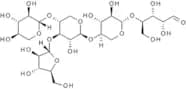
3'3-a-L-Arabinofuranosyl-xylotetraose
CAS:<p>3'3-a-L-Arabinofuranosyl-xylotetraose is a custom synthesis of an oligosaccharide. It is a polysaccharide that is modified by methylation, glycosylation and carbamoylation. This carbohydrate has been fluorinated at the 3'3 position. The monosaccharide composition of this molecule is erythrose, arabinose and xylose.</p>Formula:C25H42O21Purity:Min. 95 Area-%Color and Shape:White PowderMolecular weight:678.59 g/mol2-(L-Rhamno-tetrahydroxypentyl)-4(R)-1,3-thiazolidine-4-carboxylic acid
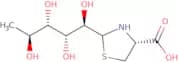
CAS:2-(L-Rhamno-tetrahydroxypentyl)-4(R)-1,3-thiazolidine-4-carboxylic acid is a synthetic sugar. It has been modified with fluorination, glycosylation, and methylation. It can be used as a saccharide for a complex carbohydrate.Formula:C10H19NO6SPurity:Min. 95%Molecular weight:281.33 g/molRhamnolipids C12
CAS:<p>Rhamnose based 'green' surfactant</p>Formula:C18H34O7Purity:Min. 95%Molecular weight:362.46 g/molb-D-Glucosyl C4-ceramide
CAS:<p>b-D-Glucosyl C4-ceramide is a synthetic, fluorinated polysaccharide that has been modified with methylation, saccharide and glycosylation. This product is a complex carbohydrate consisting of a polymer of D-glucose units linked by β-(1→4) bonds. It is used in the synthesis of polysaccharides and oligosaccharides. The b-D-glucosyl C4-ceramide can be custom synthesized to meet customer specifications for purity, molecular weight and other physical properties.</p>Formula:C28H53NO8Purity:Min. 95%Molecular weight:531.72 g/mol6-Amino-6-deoxy-γ-cyclodextrin hydrochloride
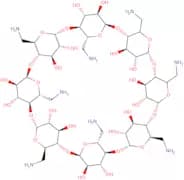
CAS:This gamma-cyclodextrin (γ-CD) derivative is a modified cyclic oligosaccharide composed of eight glucose units, featuring a larger cavity size than α- and β-cyclodextrins. This structural characteristic allows γ-CDs to form inclusion complexes with a wider range of guest molecules, making it particularly versatile in various industries. In the food sector, it is used as a carrier and stabilizer for flavors, fat-soluble vitamins, and polyunsaturated fatty acids, protecting volatile compounds from evaporation. In pharmaceuticals, it enhances the solubility and bioavailability of poorly water-soluble drugs and, thanks to its larger ring size, allows for the encapsulation of larger molecules or even entire drug molecules. γ-CDs and derivatives are also used for environmental remediation and, in analytical chemistry, for the extraction and concentration of target substances.Formula:C48H88N8O32·8HClPurity:Min. 95 Area-%Color and Shape:PowderMolecular weight:1,580.93 g/mol5-Deoxy-5-[di-(2-hydroxyethyl)-amino]-1,2-O-isopropylidene-a-D-xylofuranose
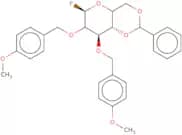
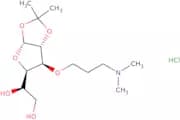
CAS:<p>5-Deoxy-5-[di-(2-hydroxyethyl)-amino]-1,2-O-isopropylidene-a-D-xylofuranose is a custom synthesis that is a complex carbohydrate. It is an Oligosaccharide, Polysaccharide, and Modification of saccharides. This product has been synthesized using the Click modification of sugars, Carbohydrate and Methylation or Glycosylation. It has been Fluorinated and Synthetic. 5-Deoxy-5-[di-(2-hydroxyethyl)-amino]-1,2-O-isopropylidene-a-D-xylofuranose is a high purity product that is Monosaccharide and has been modified with methyl groups and glycosyl groups.</p>Formula:C12H23NO6Purity:Min. 95%Molecular weight:277.32 g/mol4,6-O-Benzylidene-2,3-di-O-(4-methoxybenzyl)-a-D-galactopyranosyl fluoride
<p>4,6-O-Benzylidene-2,3-di-O-(4-methoxybenzyl)-a-D-galactopyranosyl fluoride is a glycosylation reagent that is used in the synthesis of complex carbohydrates. This product is a fluorinated sugar with a CAS number and a high purity. It can be custom synthesized to order.</p>Formula:C29H31FO7Purity:Min. 95%Molecular weight:510.55 g/molUlvan - Ulva rotondata-Summer
CAS:<p>Ulvans are structural polysaccharides present in the cell walls of green algae such as Ulva armoricana, Ulva rotondata, Ulva rigida, Ulva lacterca and Ulva pertusa. They are highly sulphated and contain rhamnose 3-sulphate, xylose, xylose 2-sulphate, glucuronic acid and iduronic acid residues. Ulvan has several potentially valuable functionalities such as gel formation for agricultural and food applications. It has also an anticoagulant, antioxidant, antihyperlipidemic and antitumor activities that are attractive for pharmaceutical applications.<br>The image was kindly provided by Prof Mike Guiry from Cork who runs ‘The Seaweed Site’.</p>Purity:Min. 95%Color and Shape:Powder1,2:5,6-Di-O-isopropylidene-3-O-tosyl-a-D-gulofuranose
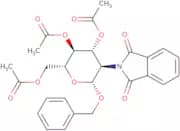
CAS:<p>1,2:5,6-Di-O-isopropylidene-3-O-tosyl-a-D-gulofuranose is an oligosaccharide modification. The compound is a complex carbohydrate that can be synthesized with high purity and monosaccharide methylation. It can be used as a glycosylation or saccharide fluorination agent for the synthesis of polysaccharides. 1,2:5,6-Di-O-isopropylidene-3-O-tosyl-a-D-gulofuranose is also known by its CAS number 19131–06–7.</p>Formula:C19H26O8SPurity:Min. 95%Molecular weight:414.47 g/molBenzyl 3,4,6-tri-O-acetyl-2-deoxy-2-phthalimido-b-D-glucopyranoside
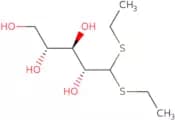
CAS:<p>Benzyl 3,4,6-tri-O-acetyl-2-deoxy-2-phthalimido-b-D-glucopyranoside is a carbohydrate compound that is used in the synthesis of complex carbohydrates and glycoproteins. This product can be custom synthesized to customer specifications using our unique capabilities. It is a high purity, methylated, glycosylated, and click modified sugar.</p>Formula:C27H27NO10Purity:Min. 95%Molecular weight:525.52 g/molD-Arabinose diethyldithioacetal
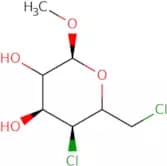
CAS:<p>D-Arabinose diethyldithioacetal is a nitro compound that is used as an anticoagulant. It has a high degree of water solubility and can be administered intravenously. D-Arabinose diethyldithioacetal is formed from d-arabinose and diethyl dithiocarbamate by reaction with boron trifluoride etherate in the presence of hydrochloric acid. This produces the nitro group, which can then react with a hydroxymethyl group to form the final product. The reaction proceeds through two steps: first, the hydroxy methyl group converts to a trifluoroacetic acid derivative, followed by addition of nitric acid to produce the desired product. The final product contains two benzyl groups and two functional groups, which are responsible for its anticoagulant properties.</p>Formula:C9H20O4S2Purity:Min. 95%Color and Shape:Off-white solid.Molecular weight:256.38 g/molMethyl 4,6-dichloro-4,6-dideoxy-a-D-glucopyranoside
<p>Methyl 4,6-dichloro-4,6-dideoxy-a-D-glucopyranoside is a fluorinated carbohydrate that belongs to the class of monosaccharides and is synthetically produced. Methyl 4,6-dichloro-4,6-dideoxy-a-D-glucopyranoside is an oligosaccharide that has been modified with a click reaction. This product can be used in glycosylation reactions with polysaccharides or as an intermediate for the production of other modified sugars. Methyl 4,6-dichloro-4,6-dideoxy--D--glucopyranoside has high purity and CAS No. 8013695.</p>Formula:C7H12Cl2O4Purity:Min. 95%Molecular weight:231.08 g/molD-Arabino-5-hexulosonic acid
CAS:<p>D-Arabino-5-hexulosonic acid is an intermediate in the pentose phosphate pathway. It is a component of the hexuronate, which is an important precursor for galactitol, 6-phosphate, and acid dehydrogenase. D-Arabino-5-hexulosonic acid is also an important intermediate in the glycolytic pathway for ATP production. The gene product has been shown to be involved in aerobic glycolysis, which is utilized by Staphylococcus aureus to produce energy from glucose fermentation. D-Arabino-5-hexulosonic acid plays a role in ion exchange and mitochondrial metabolism as well.</p>Formula:C6H10O7Purity:Min. 95%Molecular weight:194.14 g/mol2-Hydroxyimipramine b-D-glucuronide
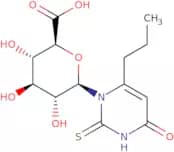
CAS:<p>2-Hydroxyimipramine b-D-glucuronide is a custom synthesis, modification, and fluorination of the drug 2-hydroxyimipramine. The methyl group from the molecule is replaced with a fluoro group. This modification leads to a new compound with improved pharmacokinetic properties. The new compound also has glycosylation sites on the sugar ring that are not present in the parent drug. This modification may lead to an increase in the therapeutic efficacy of 2-hydroxyimipramine b-D-glucuronide as it interacts with other drugs and increases their bioavailability.</p>Formula:C25H32N2O7Purity:Min. 95%Color and Shape:SolidMolecular weight:472.54 g/molPropylthiouracil N-b-D-glucuronide
CAS:<p>Propylthiouracil N-b-D-glucuronide is a glycosylation product of propylthiouracil, which is the active form of this drug. It has been shown to inhibit thyroid hormone synthesis by binding to the enzyme thyroid peroxidase. Propylthiouracil N-b-D-glucuronide is used in the treatment of thyrotoxicosis, and can also be used as an antithyroid agent for hyperthyroidism. It is chemically synthesized from propylthiouracil with a glycosyl group added at the C3 position on the thiourea ring by glycosyltransferases. This compound has also been fluorinated and polysaccharided, modified and saccharided, oligosaccharided or sugar, synthetic or monosaccharide, custom synthesis or high purity.</p>Formula:C13H18N2O7SPurity:Min. 95%Molecular weight:346.36 g/molD-[1-13C]Xylose
CAS:<p>D-[1-13C]Xylose is a carbon source that is used to study the metabolism of glycolytic carbon in cells. It has been labeled with 13C and can be used as a tracer for the study of the distribution of metabolites, including glucuronic acid, mannose, and xylose. This can be done by nuclear magnetic resonance (NMR) spectroscopy or by using a magnetic resonance spectroscopy technique. The use of D-[1-13C]xylose has been shown to be an effective way to label cryptococcus neoformans cells in order to understand their metabolism.</p>Formula:C5H10O5Purity:Min. 95%Molecular weight:151.12 g/mol4-Aminophenyl 2,3,4-tri-O-acetyl-b-D-glucuronide methyl ester
CAS:4-Aminophenyl 2,3,4-tri-O-acetyl-b-D-glucuronide methyl ester is an organic compound that belongs to the group of Modifications. It is a colorless solid with a melting point of about 200. °C. This product is used in the synthesis of oligosaccharides and carbohydrates. The molecular formula for 4-aminophenyl 2,3,4-tri-O-acetyl-b-D-glucuronide methyl ester is C8H14N2O5 and its molecular weight is 240.24 g/mol. The CAS Registry Number (RN) for this product is 25218-22-8 and its EINECS number is 249 3 578 - 7 .Formula:C19H23NO10Purity:Min. 95%Molecular weight:425.39 g/molOnitisin 2'-O-glucoside
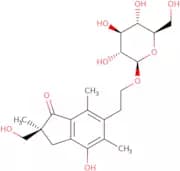
CAS:<p>Onitisin 2'-O-glucoside is a modification of the natural oligosaccharide onitisin. It is a complex carbohydrate that belongs to the group of sugars. Onitisin 2'-O-glucoside is custom synthesized and its purity level is high. The chemical structure of this compound consists of a monosaccharide methylated with fluorine, glycosylated, and polysaccharided. This compound has been shown to be active against methicillin resistant Staphylococcus aureus (MRSA) and Mycobacterium tuberculosis.</p>Purity:Min. 95%p-Methoxyphenyl 1-thio-b-D-galactopyranoside
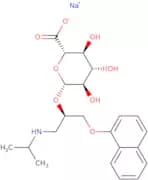
CAS:<p>p-Methoxyphenyl 1-thio-β-D-galactopyranoside is a synthetic carbohydrate that has been modified with fluorine. It is a complex carbohydrate and an oligosaccharide that can be synthesized using a custom synthesis. This product is high purity, methylated, glycosylated, and click modified.</p>Purity:Min. 95%(R)-Propranolol b-D-glucuronide sodium salt
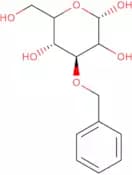
CAS:<p>(R)-Propranolol b-D-glucuronide sodium salt is a synthetic glycosylate prodrug of the β-adrenergic blocker propranolol. It is used for the treatment of hypertension, angina pectoris, and arrhythmias. The compound has been shown to be effective in reducing mortality rates in patients with heart failure or chronic obstructive pulmonary disease (COPD). It is also used as an adjunct therapy for asthma, bronchitis, and emphysema.</p>Formula:C22H28NNaO8Purity:Min. 95%Molecular weight:457.45 g/mol3-O-Benzyl-a-D-mannopyranose
CAS:<p>3-O-Benzyl-a-D-mannopyranose is a sugar that is used in the synthesis of complex carbohydrates. It is a synthetic compound that can be fluorinated, glycosylated, or methylated to produce desired compounds. 3-O-Benzyl-a-D-mannopyranose has a CAS number of 65877-63-6 and can be used in the synthesis of oligosaccharides, monosaccharides, and saccharides. This product has high purity and is available for custom synthesis.</p>Formula:C13H18O6Purity:Min. 95%Molecular weight:270.28 g/mol4'-O-(b-D-Glucopyranosyl)-D-pantothenic acid
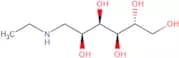
CAS:<p>4'-O-(b-D-Glucopyranosyl)-D-pantothenic acid is a glycosylated, fluorinated, and methylated complex carbohydrate. It has been synthesized by Click chemistry. 4'-O-(b-D-Glucopyranosyl)-D-pantothenic acid has been shown to be a potent inhibitor of the production of proinflammatory cytokines in mouse macrophages. This compound also inhibits the synthesis of bacterial cell wall polysaccharides by inhibiting glycosyltransferases and depolymerizing the sugar backbone.</p>Formula:C15H27NO10Purity:Min. 95%Molecular weight:381.38 g/molN-Ethyl glucamine
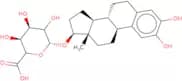
CAS:<p>N-Ethyl glucamine is a nonsteroidal anti-inflammatory drug (NSAID) that belongs to the class of drugs called salicylates. It is a prodrug that is hydrolyzed in vivo to form salicylic acid and ethylene glycol. The sub-effective dose of N-ethyl glucamine has been shown to be effective against various types of cancer cells, including lung, colon, breast, prostate, and skin cancers. This drug also has an effect on lipid metabolism and can be used for the treatment of metabolic disorders such as hyperlipidemia. N-Ethyl glucamine has been shown to have anti-inflammatory properties by inhibiting prostaglandin synthesis.</p>Formula:C9H19NO5Purity:Min. 95%Molecular weight:221.25 g/mol2-Hydroxyestradiol-17-O-b-D-glucuronide
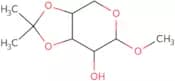
CAS:<p>2-Hydroxyestradiol-17-O-b-D-glucuronide is a custom synthesis of an oligosaccharide and polysaccharide. It is modified with methylation, glycosylation, and carbamylation, and fluorinated to produce a high purity product. This product can be synthesized with a click modification or glycosylation, but is not available for purchase as a monosaccharide.</p>Formula:C24H32O9Purity:Min. 95%Molecular weight:464.51 g/molMethyl 3,4-isopropylidene-b-L-arabinopyranoside
CAS:<p>Methyl 3,4-isopropylidene-b-L-arabinopyranoside is a synthetic saccharide that has been modified by the Click chemistry. Click modification is a method of modifying a complex carbohydrate with a reactive group (e.g., an azide) at one end of the molecule and an electrophile at the other end of the molecule. The resulting product can be used in glycosylation reactions to form complex carbohydrates with various properties. Methyl 3,4-isopropylidene-b-L-arabinopyranoside is used as a precursor for the synthesis of oligosaccharides and polysaccharides. It also has been shown to be effective as an inhibitor of bacterial growth in vitro by inhibiting protein synthesis.</p>Formula:C9H16O5Purity:Min. 95%Molecular weight:204.22 g/mol4,6-O-Benzylidene-N-Boc-2-O-p-toluenesulfonyl-1,5-imino-D-glucitol
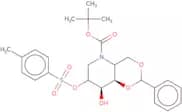
CAS:<p>4,6-O-Benzylidene-N-Boc-2-O-p-toluenesulfonyl-1,5-imino-D-glucitol is a monosaccharide that is used in the synthesis of complex carbohydrates. This compound can be custom synthesized and has a high purity. It is also available as a CAS number 1219116-88-7. 4,6-O-Benzylidene can be modified with methylation, click modification, fluorination, saccharide modification, or polysaccharide modification.</p>Formula:C25H31NO8SPurity:Min. 95%Molecular weight:505.58 g/molAmiprilose
CAS:<p>Amiprilose is a nonsteroidal anti-inflammatory drug that inhibits the production of IL-2. Amiprilose has been shown to inhibit IL-17a, which is an inflammatory cytokine, in skin cells and mononuclear cells. It also inhibits cell proliferation by binding to the il-2 receptor on muscle cells. Amiprilose has been shown to be effective as a pharmacological agent for treating autoimmune diseases such as rheumatoid arthritis and psoriasis.</p>Formula:C14H27NOPurity:Min. 95%Molecular weight:225.37 g/molSucrose octasulfate octatriethylammonium salt
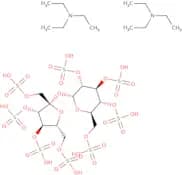
CAS:<p>Used for treatment of duodenal ulcers and gastroesophageal reflux</p>Formula:C12H22O35S8•(C6H15N)8Purity:Min. 95%Color and Shape:PowderMolecular weight:982.81 g/mol4-(Methylnitrosamino)-1-(3-pyridyl)-1-butanol-N-b-D-glucuronide
CAS:<p>4-(Methylnitrosamino)-1-(3-pyridyl)-1-butanol-N-b-D-glucuronide is a glycosylated, modified sugar with a fluorinated methyl group. It is synthesized in the laboratory and does not occur naturally. The sugar moiety of this compound contains an oligosaccharide that consists of a complex carbohydrate, including saccharides, monosaccharides, and polysaccharides. This modification can be done by click chemistry or by other methods. 4-(Methylnitrosamino)-1-(3-pyridyl)-1-butanol-N-b-D-glucuronide is high purity and modification products are available upon request.</p>Formula:C16H23N3O8Purity:Min. 95%Molecular weight:385.37 g/molMan-2a N-Glycan
CAS:<p>Man-2a N-glycan is a modification of the oligosaccharide mannose that is an important component of many glycoproteins. This product can be custom synthesized, and has been shown to have high purity. It is a carbohydrate that contains a monosaccharide and a polysaccharide. The glycan may also contain methylation, glycosylation, or fluorination. It has CAS No. 491845-49-9, which is the number assigned by the Chemical Abstracts Service (CAS) division of the American Chemical Society to identify substances.</p>Formula:C28H48N2O21Purity:Min. 95%Molecular weight:748.68 g/mol5-Deoxy-2-O-methanesulfonyl-5-tridecyl-D-ribofuranose
<p>5-Deoxy-2-O-methanesulfonyl-5-tridecyl-D-ribofuranose is a fluorinated saccharide that is an important structural component of glycosaminoglycans. It can be used in the synthesis of oligosaccharides, which are complex carbohydrates, and has been shown to be useful for the modification of glycoproteins. 5DMSTDF is a synthetic monosaccharide that has been modified with methyl groups and fluorine atoms.</p>Formula:C19H38O6SPurity:Min. 95%Molecular weight:394.57 g/molPerindopril acyl-a-D-glucuronide
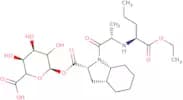
<p>Perindopril acyl-a-D-glucuronide is a synthetic small molecule that has been modified with fluorination, methylation, and click modification. It can be used for the synthesis of oligosaccharides and saccharides. Perindopril acyl-a-D-glucuronide is a highly reactive compound that is useful in glycosylation reactions, including Click chemistry. The CAS number for this compound is 217917-05-8. The molecular weight of perindopril acyl-a-D-glucuronide is 284.36 g/mol and the molecular formula is C14H24N2O6•C2H3O2•1/2 H2O.</p>Formula:C25H40N2O11Purity:Min. 95%Molecular weight:544.6 g/mol3-Hydroxystanozolol glucuronide
CAS:<p>3-Hydroxystanozolol glucuronide is a metabolite of stanozolol that has been found in human urine. 3-Hydroxystanozolol glucuronide is formed as an intermediate during the metabolic conversion of stanozolol to its active form, which then is hydrolyzed by erythrocyte esterases or glucuronidases to form 3-hydroxystanozolol. This metabolite has been validated as an analytical marker for monitoring the use of stanozolol in sport and population studies.</p>Formula:C26H38N2O8·C2H6Purity:Min. 95%Molecular weight:536.66 g/molEthyl 2,3,4-tri-O-benzyl-L-fucopyranoside
<p>Ethyl 2,3,4-tri-O-benzyl-L-fucopyranoside is a polysaccharide that is modified by the addition of benzyl groups to the hydroxyl group at C2. This modification increases the resistance of this compound to degradation by glycosidases and also prevents any undesired reactions with other saccharides. Ethyl 2,3,4-tri-O-benzyl-L-fucopyranoside is a custom synthesis that can be made in high purity and with high carbohydrate content. The CAS number for this compound is 61721–76–8.</p>Formula:C29H34O5Purity:Min. 95%Molecular weight:462.58 g/mol1,2-Dipalmitoyl-3-(N-palmitoyl-6'-amino-6'-deoxy-a-D-glucosyl)-sn-glycerol
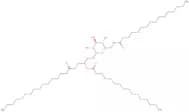
CAS:<p>Dipalmitoyl-3-(N-palmitoyl-6'-amino-6'-deoxy-a-D-glucosyl)-sn-glycerol is a marine glycoglycerolipid that has been shown to have potent inhibitory activity against human and bacterial enzymes. This molecule was synthesized using multistep, stereoselective synthetic methods. It is a lipid molecule with two domains: the first domain is palmitic acid and the second domain is a glycosylated amino acid. The first domain has been shown to inhibit human and bacterial enzyme activity.</p>Formula:C57H109NO10Purity:Min. 95%Molecular weight:968.48 g/mol2-(Benzyloxycarbonylamino)-2-deoxy-D-mannose
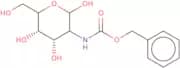
CAS:<p>2-(Benzyloxycarbonylamino)-2-deoxy-D-mannose is a sugar that is linked to other molecules through glycosylation. It is an important component of the complex carbohydrate called glycogen. This product can be used in methylation, click modification, polysaccharide, fluorination and saccharide modification reactions. 2-(Benzyloxycarbonylamino)-2-deoxy-D-mannose has CAS No. 1174233-24-9 and is available in high purity.</p>Formula:C14H19NO7Purity:Min. 95%Molecular weight:313.31 g/mol2,3,5-Tri-O-benzoyl-2-C-methyl-D-ribofuranose
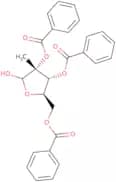
CAS:<p>2,3,5-Tri-O-benzoyl-2-C-methyl-D-ribofuranose is a custom synthesis of a complex carbohydrate. This product is an Oligosaccharide with CAS No. 30361-17-2 and Polysaccharide with Modification and Methylation. It is a saccharide with Methylation and Glycosylation. 2,3,5-Tri-O-benzoyl-2-C-methyl-D-ribofuranose is a Carbohydrate with Click modification and Fluorination. This product has High purity and Synthetic properties.</p>Formula:C27H24O8Purity:Min. 95%Molecular weight:476.47 g/mol1,2,3,4-Tetra-O-benzoyl-L-fucopyranose
CAS:<p>Tetra-O-benzoyl-L-fucopyranose is a glycosylate nucleoside that is synthesized from the sugar L-fucose. It is an activated form of fucose, which can be used for the synthesis of guanosine diphosphate. Tetra-O-benzoyl-L-fucopyranose has been used to synthesize large amounts of guanosine diphosphate, which is a nucleoside that participates in the synthesis of DNA and RNA.</p>Formula:C34H28O9Purity:Min. 95%Molecular weight:580.58 g/molEthyl a-D-fructofuranoside
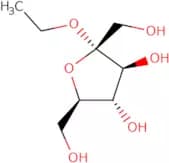
CAS:<p>Ethyl a-D-fructofuranoside is a carbohydrate found in the roots of orientalis that has been shown to have anti-allergic effects. Ethyl a-D-fructofuranoside is extracted from the root of orientalis and purified by column chromatography. It inhibits histamine release and reduces inflammation in mouse skin tests. The structure of ethyl a-D-fructofuranoside was determined using nuclear magnetic resonance (NMR) spectroscopy, gas chromatography, and mass spectroscopy. The biosynthesis of this compound is unknown but it may be synthesized from sucrose or methanol extract with the help of an enzyme called verbascose synthase.</p>Formula:C8H16O6Purity:Min. 95%Molecular weight:208.21 g/mol3'-Sialyllactosyl azide
<p>3'-Sialyllactosyl azide is a complex carbohydrate that is modified with fluorination, saccharide modification, and methylation. 3'-Sialyllactosyl azide is synthesized from a monosaccharide by glycosylation, methylation, click modification, or polysaccharides. The CAS number for this compound is 814-07-1. This product can be custom synthesized to meet the customer's needs.</p>Purity:Min. 95%4-Methylphenyl 1-thio-2,3,4,6-tetra-O-(trimethylsilyl)-b-D-glucopyranoside
CAS:<p>4-Methylphenyl 1-thio-2,3,4,6-tetra-O-(trimethylsilyl)-b-D-glucopyranoside is a carbohydrate that can be made in custom synthesis. This product is a high purity and has a CAS number of 942043-17-6. The chemical name for this product is 4-(methylphenyl)-1-[(trimethylsilyl)oxy]-2,3,4,6-tetra‑O‑benzoyl--b‑D‑glucopyranoside. It has been fluorinated and methylated.</p>Purity:Min. 95%N6-Benzyladenine-3-glucoside
CAS:<p>N6-Benzyladenine-3-glucoside is a carbohydrate that is modified with a click chemistry reaction. It is synthesized from D-mannose and 6-benzylaminopurine and has been glycosylated with 2,3,4,6-tetra-O-acetyl glucosamine. N6-Benzyladenine-3-glucoside is an important component of the bacterial cell wall. The compound consists of a single sugar chain and is fluorinated at the C2 position.</p>Formula:C18H21N5O5Purity:Min. 95%Color and Shape:PowderMolecular weight:387.39 g/molHyaluronate biotin - Molecular Weight - 1500kDa
<p>Hyaluronate biotin is a complex carbohydrate that is synthesized by the glycosylation of hyaluronic acid and biotin. It has a molecular weight of 1500 kDa. This product can be customized for various applications, including Fluorination, Monosaccharide, Synthetic, Oligosaccharide, Click modification, and Methylation.</p>Purity:Min. 95%Methyl 3,5-di-O-(p-chlorobenzyl)-2-deoxy-a-D-ribofuranoside
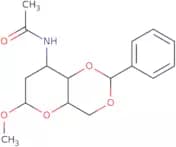
<p>Methyl 3,5-di-O-(p-chlorobenzyl)-2-deoxy-a-D-ribofuranoside is an oligosaccharide that is synthesized by the Click modification of a glycosylation reaction. It is a synthetic compound with a molecular weight of 524.87 Da and a CAS number of 71068-92-1. The chemical structure of this compound consists of two monosaccharides: D-arabinose and D-xylose, which are linked through alpha (1->4) glycosidic bonds. This product is used in the synthesis of complex carbohydrates.</p>Purity:Min. 95%Methyl 3-acetamido-4,6-O-benzylidene-2,3-dideoxy-a-D-arabino-hexopyranoside
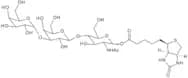
CAS:<p>Methyl 3-acetamido-4,6-O-benzylidene-2,3-dideoxy-a-D-arabino-hexopyranoside is a custom synthesis of an oligosaccharide with a complex carbohydrate structure. It is a high purity compound with methylation and glycosylation modifications. This compound has a fluoroination modification that makes it resistant to hydrolysis by esterases and glucuronidases. It can be used in the synthesis of saccharides and polysaccharides.</p>Formula:C16H21NO5Purity:Min. 95%Molecular weight:307.35 g/molBiotinylated Linear B trisaccharide
<p>Blood group B antigen trisaccharide conjugated to Biotin</p>Formula:C30H49N3O18SPurity:Min. 95%Molecular weight:771.79 g/molEtoposide-d4
CAS:Controlled Product<p>Etoposide is a cytotoxic drug used in cancer chemotherapy. It inhibits DNA replication through inhibition of DNA topoisomerase II, thus catalysing cell cycle arrest and apoptosis. This compoud, Etoposide-d4, is a deuterated form of the drug.</p>Formula:C29H32O13Purity:Min. 95%L-Rhamnal
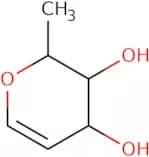
CAS:<p>L-Rhamnal is a sodium sulfide that is used in the synthesis of stereoselective compounds. It has been shown to have anti-leukemic properties and may be useful for the treatment of lymphocytic leukemia. L-Rhamnal has been shown to inhibit tumor growth and metastasis in animal models of cancer, as well as being cytotoxic to human leukemic cells. L-Rhamnal inhibits the proliferation of these cells by blocking DNA synthesis and preventing cell division. The hydroxymethyl group on L-rhamnal interacts with chloride ions to form a salt that can be degraded into hydrogen sulfide gas, which is known to be toxic to some organisms. The chloride ion also reacts with triterpene alcohols, glycosidic bonds, potassium phosphate, or borohydride reduction agents like sodium borohydride or lithium aluminum hydride. These reactions are used in carbohydrate chemistry and aldehyde</p>Formula:C6H10O3Purity:Min. 95%Molecular weight:130.14 g/mol2-O-Methyl-D-galactopyranose
<p>2-O-Methyl-D-galactopyranose is a synthetic, fluorinated carbohydrate that is used in the synthesis of oligosaccharides and polysaccharides. This product has a CAS number of 65722-97-8 and a molecular weight of 192.17. 2-O-Methyl-D-galactopyranose has been modified with click chemistry to increase its reactivity for glycosylation reactions.</p>Formula:C7H14O6Purity:Min. 95%Molecular weight:194.18 g/molL-Arabinose hydrazone
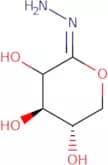
CAS:<p>L-Arabinose hydrazone is a hydrazone of L-arabinose. It has been shown to be an efficient catalyst for the dehydration of ketones and secondary alcohols, and is also capable of catalyzing the dehydration of primary alcohols. The use of L-Arabinose hydrazone as a catalyst is sustainable because it does not produce any byproducts in the reaction.</p>Formula:C5H10N2O4Purity:Min. 95%Molecular weight:162.14 g/molFructose-isoleucine
CAS:<p>Fructose-isoleucine is a flavoring agent that is used in the food industry. It has an acrid taste and a sweet aftertaste. Fructose-isoleucine is typically used in the production of chewing gum, candy, and baked goods. This product can be found in two forms: as a white powder or as a clear liquid. The flavoring agent reacts with acetonitrile to form reaction products that are chromatographically separated by reversed phase HPLC. The desired product can then be isolated by elution from the column with methanol and characterized using various analytical methods. In addition to this use, fructose-isoleucine has been shown to have anti-inflammatory properties due to its ability to inhibit prostaglandin synthesis.<br>Fructose-isoleucine can also be found in tobacco leaves where it serves as an amide precursor for 5-hydroxymethylfurfural (HMF). HMF is a</p>Formula:C12H23NO7Purity:Min. 95%Molecular weight:293.31 g/molMethyl 2,3,4,6-tetra-O-acetyl-b-D-glucopyranose
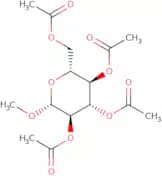
CAS:<p>Methyl 2,3,4,6-tetra-O-acetyl-b-D-glucopyranose is a fluorinated synthetic oligosaccharide. It is custom synthesized to meet your specifications. Methyl 2,3,4,6-tetra-O-acetyl-b-D-glucopyranose is a complex carbohydrate with a glycosylation pattern that can be modified and methylated. This product has CAS No. 486085 9 and purity of >99%.</p>Formula:C15H22O10Purity:Min. 95%Molecular weight:362.33 g/molC24:1 b-D-Galactosyl ceramide
CAS:<p>C24:1 b-D-Galactosyl ceramide is a fatty acid that is found in mammalian cells. It is one of the major components of cerebrosides and gangliosides, which are important in the development and function of the brain. C24:1 b-D-Galactosyl ceramide has been shown to be an essential component of leukocytes, which are blood cells that help fight infection. The fatty acid composition of this molecule can be used as a marker for diagnosis and research on neurological disorders such as Alzheimer's disease or Parkinson's disease.</p>Formula:C48H91NO8Purity:Min. 95%Molecular weight:810.24 g/mol4-Methylumbelliferyl 2,3,4-tri-O-acetyl-a-L-idopyranosiduronic acid methyl ester
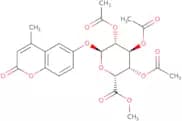
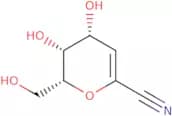
CAS:<p>4-Methylumbelliferyl 2,3,4-tri-O-acetyl-a-L-idopyranosiduronic acid methyl ester is a custom synthesis of a monosaccharide. It is fluorinated, methylated, and modified with the click reaction. This product has been used in the modification of oligosaccharides and polysaccharides.</p>Formula:C23H24O12Purity:Min. 95%Molecular weight:492.43 g/mol2,6-Anhydro-3-deoxy-D-lyxo-hept-2-enononitrile
CAS:<p>2,6-Anhydro-3-deoxy-D-lyxo-hept-2-enononitrile is a modified sugar that has been synthesized with Fluorination and saccharide. This compound is a custom synthesis of an oligosaccharide. It is also an Oligosaccharide Synthetic and is CAS No. 180336-27-0. This product has the molecular formula C8H12O5 and molecular weight of 228.24 g/mol. It has a purity of >99% (HPLC) and it is Custom synthesis, High purity</p>Formula:C7H9NO4Purity:Min. 95%Molecular weight:171.15 g/moliso-Lacto-N-neooctaose
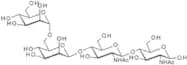
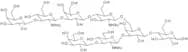
CAS:<p>Iso-lacto-N-neooctaose is a prebiotic oligosaccharide that can be found in breast milk. Iso-lacto-N-neooctaose is a carbohydrate molecule with a high degree of polymerisation that is resistant to digestion by human enzymes, which means it reaches the gut microbiota where it can stimulate the growth of beneficial bifidobacteria. Iso-lacto-N-neooctaose has been shown to have bioactive properties in humans and infants, including antihypertensive effects, antiulcerogenic effects, and immunomodulatory effects. Studies have also shown that this compound may help prevent colorectal cancer by increasing the population of bifidobacteria in the colon.</p>Formula:C54H91N3O41Purity:Min. 95%Molecular weight:1,438.3 g/molMethyl 4-O-(a-D-mannopyranosyl)-a-D-mannopyranoside
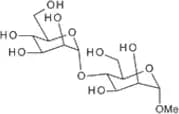
CAS:Methyl 4-O-(a-D-mannopyranosyl)-a-D-mannopyranoside is a custom synthesis, complex carbohydrate. It is an Oligosaccharide, Polysaccharide, Modification and a Carbohydrate. Methyl 4-O-(a-D-mannopyranosyl)-a-D-mannopyranoside has CAS No. 70427-91-7 and it is Fluorinated and Synthetic. This compound has high purity, Methylation, Glycosylation and Click modification.Formula:C13H24O11Purity:Min. 95%Color and Shape:SolidMolecular weight:356.32 g/molEthyl 4,6-O-benzylidene-2-deoxy-2-phthalimido-b-D-thioglucopyranoside
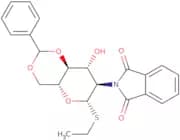
CAS:<p>Ethyl 4,6-O-benzylidene-2-deoxy-2-phthalimido-b-D-thioglucopyranoside is a custom synthesis of Methylated Oligosaccharides. This product is an off white powder that has a purity of 99% with a molecular weight of 518.1 g/mol and an empirical formula C14H12N4O8. This product is soluble in water and DMSO and insoluble in ethanol, ether, and chloroform. Ethyl 4,6-O-benzylidene-2-deoxy-2-phthalimido b -D thioglucopyranoside can be used as a synthetic intermediate for the modification of saccharides or polysaccharides. It can also be used in the production of monosaccharides or sugar derivatives.</p>Formula:C23H23NO6SPurity:Min. 95%Color and Shape:PowderMolecular weight:441.5 g/molAllyl 2-deoxy-2-phthalimido-b-D-glucopyranoside
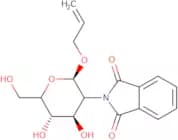
CAS:<p>Allyl 2-deoxy-2-phthalimido-b-D-glucopyranoside is a modification of a sugar. It is an oligosaccharide that is synthesized and modified by methylation and glycosylation. Allyl 2-deoxy-2-phthalimido-b-D-glucopyranoside has high purity and is a monosaccharide. This modification contains fluorine atoms, which are added to the saccharide backbone to increase its stability.</p>Formula:C17H19NO7Purity:Min. 95%Molecular weight:349.34 g/molChondroitin sulfate A sodium from bovine trachea
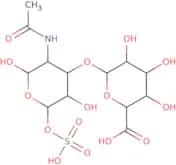
CAS:Chondroitin sulfate A sodium from bovine trachea is a natural substance that has been found to have potential anticancer properties. It has been shown to inhibit the growth of cancer cells in Chinese hamster ovary cells and human urine tumor cell lines. Chondroitin sulfate A sodium from bovine trachea works by inhibiting kinases, which are proteins that play a key role in cell growth and division. This inhibition leads to apoptosis, or programmed cell death, in cancer cells. Additionally, chondroitin sulfate A sodium from bovine trachea has been found to enhance the anticancer activity of artesunate analogs, making it a promising candidate for combination therapy in cancer treatment.Purity:Min. 95%Color and Shape:PowderPropylbeta-D-glucopyranoside
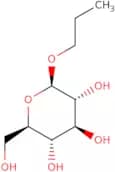
CAS:<p>Propylbeta-D-glucopyranoside is a sugar transport inhibitor that is used to inhibit bacterial growth. It has been shown to bind to the glucose transporter and quench tryptophan fluorescence in plant cells. This active form of Propylbeta-D-glucopyranoside also inhibits bacterial growth by binding to fatty acid esters and cytochalasin, modifiers of cell membrane permeability, which inhibit the synthesis of fatty acids. Microcapsules containing this drug have been shown to be effective against staphylococci and other bacteria. The activity of Propylbeta-D-glucopyranoside can be increased by hydrochloric acid or sodium hydroxide, which increase the solubility of its salts.</p>Formula:C9H18O6Purity:Min. 95%Molecular weight:222.24 g/mol4-O-b-(2,3,4,6-Tetra-O-acetyl-D-galactopyranosyl)-1,6-anhydro-D-mannopyranoside
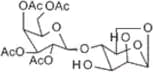
<p>This high purity, custom synthesis, sugar and Click modification, fluorination, Glycosylation, Synthetic, Methylation, Modification is a CAS No. 4-O-b-(2,3,4,6-Tetra-O-acetyl-D-galactopyranosyl)-1,6-anhydro-D-mannopyranoside. This is an Oligosaccharide and Monosaccharide that is a Carbohydrate. This complex carbohydrate has been synthesized from the following monosaccharides: D-mannose (CAS No. 5914) and D-galactose (CAS No. 5632). The molecular weight of this carbohydrate is 591. The chemical formula of this carbohydrate is C36H60O24.</p>Formula:C20H28O14Purity:Min. 95%Molecular weight:492.43 g/mol1-Amino-1-deoxy-D-ribitol
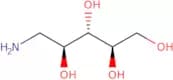
CAS:<p>1-Amino-1-deoxy-D-ribitol is a product of the enzymatic conversion of ribose to ribulose. It is an intermediate in the synthesis of other biologically important compounds, such as flavin and coenzyme A. 1-Amino-1-deoxy-D-ribitol can be stabilized with hydrochloric acid, acetylated into 1,2,3,4,-tetrahydroxybutane by acetic anhydride and metaperiodate. The bond cleavage reaction can be activated by hydrogen chloride or metaperiodate. High concentrations of these reagents are needed for this process to take place.</p>Formula:C5H13NO4Purity:Min. 95%Molecular weight:151.16 g/molPhenyl 2,3,4,6-tetra-O-acetyl-b-D-glucopyranoside
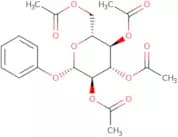
CAS:<p>Phenyl 2,3,4,6-tetra-O-acetyl-b-D-glucopyranoside is an imidate that can be synthesized from glycosides and derivatized with a variety of groups. This molecule is reactive and can be used to form glycosides by the reaction of a saccharide with phenyl 2,3,4,6-tetra-O-acetyl-b-D-glucopyranoside in the presence of acid or base. The resulting compounds are called glycosides because they contain both a sugar and phenyl 2,3,4,6-tetra-O-acetyl-b-D-glucopyranoside. Phenyl 2,3,4,6 tetra O acetyl b D glucopyranoside can also react with disaccharides to form glycosides.</p>Purity:Min. 95%Octadecylthioethyl 4-O-(a-D-galactopyranosyl)-b-D-galactopyranoside
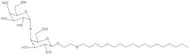
CAS:<p>Octadecylthioethyl 4-O-(a-D-galactopyranosyl)-b-D-galactopyranoside is a synthetic carbohydrate with the CAS number 87019-34-9. It is a non-reducing sugar and has the molecular formula C18H36O22. The chemical structure of Octadecylthioethyl 4-O-(a-D-galactopyranosyl)-b-D-galactopyranoside is: The chemical name for Octadecylthioethyl 4-O-(a-D-galactopyranosyl)-b-D-galactopyranoside is Oligosaccharide, Custom synthesis, Glycosylation, High purity, Carbohydrate, sugar, Synthetic. The molecular weight of Octadecylthioethyl 4 -O-(a-[3]-Galactopyranosyl)-b-[2]-Galactopyr</p>Formula:C32H62O11SPurity:Min. 95%Molecular weight:654.89 g/mol2-Deoxy-D- arabino- hexonic acid calcium
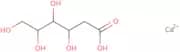
CAS:2-Deoxy-D-arabino-hexonic acid calcium is a fluorinated monosaccharide with a molecular weight of 348.09 g/mol. It can be used for the synthesis of oligosaccharides, glycosylations, and polysaccharides. Click modification, methylation, sugar modification are all possible modifications for this compound. This product has been custom synthesized by our company and is available in high purity.Formula:C6H12O6·xCaPurity:Min. 95%2-Decyltetradecyl-D-xylopyranoside
CAS:<p>2-Decyltetradecyl-D-xylopyranoside is a synthetic, fluorinated carbohydrate that has been modified to contain a reactive methylene group. This compound can be used as a reactant in Click chemistry, which is an easy and convenient method for modifying the structure of polysaccharides. 2-Decyltetradecyl-D-xylopyranoside may be used for the synthesis of oligosaccharides or carbohydrates. This compound is soluble in water and organic solvents such as methanol and ethanol. It has a CAS number of 446264-02-4.</p>Formula:C29H58O5Purity:Min. 95%Color and Shape:Colourless solid.Molecular weight:486.77 g/molPsicose diacetonide
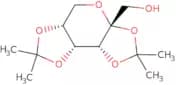
CAS:<p>Psicose diacetonide is a synthetic, custom-synthesized carbohydrate. It is a complex carbohydrate that is made of saccharides and has been modified to have a fluorinated monosaccharide. Psicose diacetonide is an oligosaccharide with a high purity and has been methylated and glycosylated.</p>Purity:Min. 95%Octyl 2-acetamido-2-deoxy-3-O-(b-D-galactopyranosyl)-b-D-glucopyranoside
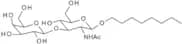
CAS:<p>Octyl 2-acetamido-2-deoxy-3-O-(b-D-galactopyranosyl)-b-D-glucopyranoside is a monosaccharide that is custom synthesized by our company. It is modified with fluorination, methylation, and click modification to generate the desired product. Octyl 2-acetamido-2-deoxy-3-O-(b-D-galactopyranosyl)-b-D-glucopyranoside also has saccharide and polysaccharide groups attached to it. This product can be used as a sugar in the production of complex carbohydrates.</p>Formula:C22H41NO11Purity:Min. 95%Molecular weight:495.56 g/mol1,2:5,6-Di-O-isopropylidene-a-D-glucofuranose S-methyl dithiocarbonate
CAS:1,2:5,6-Di-O-isopropylidene-a-D-glucofuranose S-methyl dithiocarbonate is an organic compound that is used in the synthesis of 3,4-dihydroquinazolines. 1,2:5,6-Di-O-isopropylidene-a-D-glucofuranose S-methyl dithiocarbonate is a reagent that reacts with alkenes to form acrylonitrile and methyl iodide. It can also be used to synthesize phenyl substituted alkyl iodides by reacting with an aldehyde or substituents.Formula:C14H22O6S2Purity:Min. 95%Molecular weight:350.45 g/mol2,3,4,6-Tetra-O-benzyl-D-glucopyranosyl fluoride
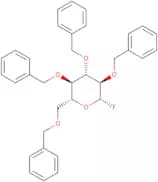
CAS:<p>2,3,4,6-Tetra-O-benzyl-D-glucopyranosyl fluoride is a postulated molecule that has been observed in the gas phase. The molecule is a fluorinated analog of 2,3,4,6-tetra-O-acetyl-D-glucopyranosyl fluoride and was detected by its characteristic nuclear magnetic resonance (NMR) data. It was found to be more nucleophilic than 2,3,4,6-tetra-O-acetyl-D glycosyl fluoride. As with the latter molecule 2,3,4,6-tetra -O benzyl glucopyranosyl fluoride can form adducts with hydrogen fluoride or oxocarbenium ions.<br>2,3,4,6 tetra -o benzyl glucopyranosyl fluoride has not been prepared and characterized experimentally yet.</p>Formula:C34H35FO5Purity:Min. 95%Molecular weight:542.64 g/mol2,3:5,6-Di-O-isopropylidene-D-gulofuranose
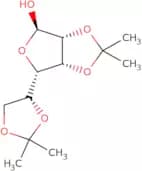
CAS:<p>2,3:5,6-Di-O-isopropylidene-D-gulofuranose is a sugar that belongs to the group of carbohydrates. It can be synthesized from 2,3:5,6-Di-O-isopropylidene-D-mannitol and D-gluconic acid. This sugar has been shown to be an efficient glycosylation agent for alkylation reactions. It has also been used in the synthesis of oligosaccharides and monosaccharides.</p>Purity:Min. 95%2-O-(3,4,6-Tri-O-acetyl-2-deoxy-2-N-phthalimido-b-D-glucopyranosyl)-3-O-benzyl-4,6-benzylidene-D-mannopyranose
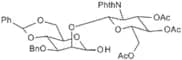
2-O-(3,4,6-Tri-O-acetyl-2-deoxy-2-N-phthalimido-b-D-glucopyranosyl)-3-O-benzyl-4,6-benzylidene -D -mannopyranose is a custom synthesis. It is a complex carbohydrate that has been modified with methylation and glycosylation. The saccharide in this compound is an oligosaccharide that has undergone fluorination and click chemistry. This product is of high purity and offers a range of useful applications.Formula:C40H41NO15Purity:Min. 95%Molecular weight:775.75 g/molPhenyl 3,4,6-tri-O-acetyl-2-deoxy-1-thio-2-(2,2,2-trichloroethoxyformamido)-b-D-galactopyranoside
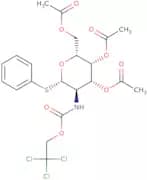
CAS:<p>Phenyl 3,4,6-tri-O-acetyl-2-deoxy-1-thio-2-(2,2,2-trichloroethoxyformamido)-b-D-galactopyranoside is a high purity and custom synthesis sugar that has been modified with fluorination and glycosylation. This product is also methylated and modified with an oligosaccharide. Phenyl 3,4,6-tri-O-acetyl-2-deoxy-1-thio - 2-(2,2,2 trichloroethoxyformamido)-b - D - galactopyranoside is used as a saccharide in the synthesis of complex carbohydrates.</p>Formula:C21H24Cl3NO9SPurity:Min. 95%Color and Shape:PowderMolecular weight:572.84 g/molo-Methoxytopolin-9-glucoside
CAS:<p>O-Methoxytopolin-9-glucoside is a sugar that is used in the synthesis of glycoproteins, glycosaminoglycans, and glycoconjugates. It can be used as a fluorinated sugar probe to study glycosylation. This compound has been synthesized with a variety of modifications such as methylation, fluorination, and click chemistry. O-Methoxytopolin-9-glucoside is an oligosaccharide with a monosaccharide at its reducing end. The saccharides are linked through beta 1→4 glycosidic bonds with alpha 1→2 glycosidic bonds at their other ends.<br>O-Methoxytopolin-9-glucoside has been shown to be stable under acidic conditions and can act as both an antioxidant and prooxidant depending on the pH level.</p>Formula:C19H23N5O6Purity:Min. 95%Molecular weight:417.42 g/molBlood Group A trisaccharide-(CH2)8COOMe derivative
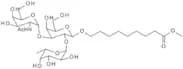
CAS:<p>Blood group antigen derivative with spacer arm</p>Formula:C30H53NO17Purity:Min. 95%Molecular weight:699.74 g/molT-Antigen-APE-HSA
<p>T-Antigen-APE-HSA is a custom synthesis, modification, and fluorination of T-antigen. This product has been synthesized by methylation and monosaccharide synthesis. It also contains a saccharide that is glycosylated or modified with polysaccharides. This product is made up of complex carbohydrates that are composed of oligosaccharides and sugar chains.</p>Purity:Min. 95%Fluorescein isothiocyanate-carboxymethyl-dextran - Average MW 4,000
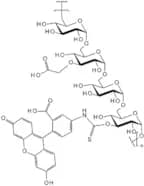
<p>Fluorescein isothiocyanate carboxymethyl dextran (FITC-CM Dextran) has been reported to provide a valuable carrier for nanoparticles of iron oxide. These products provide a potent tool for contrast enhancement in magnetic resonance imaging.</p>Purity:Min. 95%Color and Shape:PowderN-Acetylneuraminic acid pentamer penta sodium
<p>N-Acetylneuraminic acid pentamer penta sodium is a modification of the N-acetylneuraminic acid monomer. It is a carbohydrate that is made up of five saccharide units linked by glycosidic bonds. The first four saccharides are N-acetylneuraminic acid and the fifth unit is D-mannose. This molecule has been synthesized for use as a vaccine adjuvant to increase the body's immune response to vaccines.</p>Formula:C55H82N5O41Na5Purity:Min. 95.0 Area-%Color and Shape:PowderMolecular weight:1,584.2 g/molMonofucosyl-para-lacto-N-hexaose II
CAS:<p>Monofucosyl-para-lacto-N-hexaose II is a carbohydrate that belongs to the group of modified carbohydrates. This molecule is a monosaccharide with a chemical modification that has not been reported before. The modification is methylation of the hydroxyl group at position C1 and glycosylation of the hydroxyl groups at positions C2 and C3. Monofucosyl-para-lacto-N-hexaose II has shown high purity and can be custom synthesized to meet your needs. It can also be used for click chemistry, which allows for chemists to create new molecules by adding different functional groups to existing molecules.</p>Formula:C46H78N2O35Purity:Min. 95%Molecular weight:1,219.1 g/mol2-Acetamido-2-deoxy-1,4,6-tri-O-acetyl-3-O-(2,3,4-tri-O-acetyl-a-L-fucopyranosyl)-D-glucopyranose
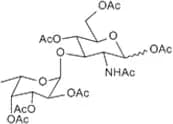
CAS:<p>The chemical name of this product is 2-Acetamido-2-deoxy-1,4,6-tri-O-acetyl-3-O-(2,3,4-tri-O-acetyl-a-L-fucopyranosyl)-D--glucopyranose. This product is a synthetic carbohydrate that has been custom synthesized and modified. It is a complex carbohydrate with an acetamido group on the nonreducing end and an acetylated sugar moiety on the reducing end. This product can be used in methylation or glycosylation processes. The CAS number for this product is 309263-13--6 and it has a molecular weight of 569.</p>Formula:C26H37NO16Purity:Min. 95%Molecular weight:619.57 g/molMethyl α-D-glucopyranoside 2,3,4,6-tetrasulfate potassium
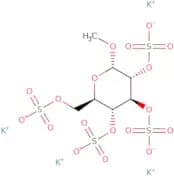
CAS:<p>Methyl a-D-glucopyranoside 2,3,4,6-tetrasulfate potassium salt is a custom synthesis. It is a modification of a monosaccharide and an oligosaccharide with the use of click chemistry. The product is synthesized by fluorinating the methyl group of the glycosyl hydroxyl group in order to increase its stability. The resulting compound has been shown to have inhibitory effects on bacterial growth and to be effective against methicillin resistant Staphylococcus aureus (MRSA).</p>Formula:C7H14O18S4•K4Purity:Min. 95%Molecular weight:670.83 g/mol3'-Sialyllactose-GEL
<p>3'-Sialyllactose-GEL is a custom synthesis of a complex carbohydrate. It has CAS No. and is a polysaccharide that has been modified by methylation, glycosylation, and click modification. 3'-Sialyllactose-GEL is a high purity product with fluorination. It is synthetic and has a molecular weight of 1,000 Daltons.</p>Purity:Min. 95%Methyl 2-deoxy-5-O-[(1,1-dimethylethyl)diphenylsilyl]-β-D-erythro-pentofuranoside
CAS:<p>Methyl 5-O-(tert-butyldiphenylsilyl)-2-deoxy-b-D-ribofuranoside is a modified sugar that is used in the synthesis of oligosaccharides. This compound has been shown to be easily synthesized from 2,3,4,6-tetraacetylbenzoyl chloride and methyl 5-hydroxyisophthalate. Methyl 5-O-(tert-butyldiphenylsilyl)-2-deoxy-b-D-ribofuranoside is not found in nature and can be used as a precursor for glycosylation reactions.</p>Formula:C22H30O4SiPurity:Min. 95%Molecular weight:386.56 g/molo-(A-D-Galactopyranosyl)-D-galactose
CAS:<p>O-(A-D-Galactopyranosyl)-D-galactose is a sugar that is used in the synthesis of complex carbohydrates. O-(A-D-Galactopyranosyl)-D-galactose can be fluorinated and methylated to produce o-(A-D-Galactopyranosyl)-2,6-dideoxy--glucose. This sugar has been shown to inhibit the growth of bacteria such as Mycobacterium tuberculosis and Mycobacterium avium complex. Synthesis of this sugar is done through a custom synthesis process with high purity and quality.</p>Formula:C12H22O11Purity:Min. 95%Molecular weight:342.3 g/molCYMAL-6 neopentyl glycol
<p>CYMAL-6 neopentyl glycol (CYMAL-6) is a monoclonal antibody that binds to the chloride channel protein in human cells. CYMAL-6 has been shown to inhibit uptake of chloride ions, leading to an increase in extracellular pH and an inhibition of cellular respiration. It has been shown to be effective in patients with pigmentosa or hematological disorders such as leukemia and lymphoma. The structural studies on CYMAL-6 have shown that this drug can be used as a fluorescent probe for the study of chloride ion channels.</p>Formula:C47H84O22Purity:Min. 95%Molecular weight:1,001.16 g/molAgarodiitol
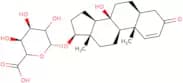
<p>Disaccharide alcohol from agarobiose by reduction with Na borohydride</p>Formula:C12H22O10Purity:Min. 95%Molecular weight:326.3 g/mol5-b-Androst-1-en-17b-ol-3-one glucuronide
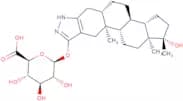
CAS:<p>5-b-Androst-1-en-17b-ol-3-one glucuronide is a carbohydrate that can be used as a building block for oligosaccharides, saccharides, and sugars. It is also a fluorinated compound that has been synthesized with high purity. This custom synthesis can be modified with methylation, glycosylation, or click chemistry.</p>Formula:C25H36O9Purity:Min. 95%Molecular weight:480.56 g/molN-Acetyl-2-O-methyl-a-neuraminic acid methyl ester 4,7,8,9-tetraacetate
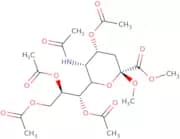
CAS:<p>N-Acetyl-2-O-methyl-a-neuraminic acid methyl ester 4,7,8,9-tetraacetate is a synthetic monosaccharide that is the methyl ester of 2-O-Methyl alpha-neuraminic acid. It is an important reagent in the synthesis of oligosaccharides and polysaccharides. Methylation of the hydroxyl group on the C4' atom of NAMNAA (4,7,8,9 tetraacetate) with methyl iodide followed by acetylation with acetic anhydride produces the desired product. The resulting product has a purity level of >98% and CAS No. 73208-80-7.</p>Formula:C21H31NO13Purity:Min. 95%Molecular weight:505.47 g/mol2,3,4,6-Tetra-O-acetyl-a-D-galactopyranosyl chloride
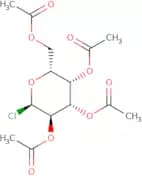
CAS:<p>2,3,4,6-Tetra-O-acetyl-a-D-galactopyranosyl chloride is a synthetic carbohydrate that can be used for glycosylation and modification. It is a sugar with a molecular weight of 434.58 and an empirical formula of C12H24O14. It has been shown to have a high purity of over 98%.</p>Formula:C14H19ClO9Purity:Min. 95%Molecular weight:366.75 g/molGalantamine-O-D-glucuronide
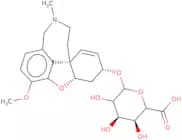
Controlled Product<p>Galantamine-O-D-glucuronide is a glycosylation product of galantamine. It is synthesized by the glycosylation of galantamine with D-glucuronic acid. This product has custom synthesis, methylation, and click modification. Galantamine-O-D-glucuronide is produced in high purity and has a CAS number. It is a complex carbohydrate with a high molecular weight that can be modified to produce desired properties.</p>Formula:C23H29NO9Purity:Min. 95%Color and Shape:White Off-White PowderMolecular weight:463.48 g/molD-Galactosamine-6-O-sulphate
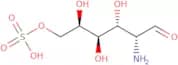
CAS:<p>D-Galactosamine-6-O-sulphate is a synthetic, fluorinated carbohydrate that has been modified by the Click reaction. It is used as a methylating agent and can be used in the synthesis of polysaccharides and oligosaccharides. This compound is also used to modify saccharides, glycosylations, and other carbohydrates. D-Galactosamine-6-O-sulphate is water soluble and can be used for custom synthesis. It can also be modified with other reagents for various purposes.</p>Formula:C6H13NO8SPurity:Min. 95%Molecular weight:259.23 g/molHydroxyethyl cellulose, Mw about 250'000
CAS:Hydroxyethyl cellulose (HEC) is a polysaccharide that is used as a thickener and emulsifier in the pharmaceutical industry. It has been shown to be effective in treating human serum with detrusor muscle contractions. HEC is also used as a negative control for experiments involving the effect of drugs on HIV infection. When mixed with isoxsuprine hydrochloride, HEC can be used to measure the concentration of basic proteins in human serum. The fluorescence probe can bind to specific regions of the protein, which will cause an increase in fluorescence when exposed to a wavelength of light. The optimum concentration of HEC for binding fluorescence probes was found using Langmuir adsorption isotherm measurements and fluorescence detector experiments. HEC has been shown to be an effective antimicrobial agent against bacteria and fungi, such as Staphylococcus aureus and Candida albicans. The benzalkonium chloride in HEC maySucrose monopalmitate
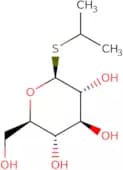
CAS:<p>Sucrose monopalmitate is a fatty acid that is used as a surfactant and emulsifier. It has been shown to have surface-active properties in vitro, which may be due to its ability to interact with the surface of cells. Sucrose monopalmitate is used in diagnostic agents such as active analogues, which are compounds that bind specifically to an analyte or target molecule. These compounds can then be detected by other methods such as radioactive labelling or enzyme-linked immunosorbent assay (ELISA). This product also has been shown to be useful in detergent compositions, including nanoemulsions and solid dispersions.</p>Formula:C28H52O12Purity:Min. 95%Molecular weight:580.71 g/molIsopropyl-β-D-thioglucopyranoside
CAS:<p>Isopropyl-β-D-thioglucopyranoside is a hydrogen bond donor that has been shown to inhibit the glyceraldehyde-3-phosphate dehydrogenase enzyme, which is involved in lipid biosynthesis. It has been used for the diagnosis of malariae and has potential as a biomarker for diagnosing human tissues. Isopropyl-β-D-thioglucopyranoside may be useful in the study of protein synthesis, due to its ability to bind to recombinant proteins and block the formation of intermolecular hydrogen bonds. Isopropyl-β-D-thioglucopyranoside is also expressed at high levels in Mycobacterium tuberculosis strains (e.g., ESX-1 secretion system protein) and inhibits cell growth in culture.</p>Formula:C9H18O5SPurity:Min 95%Color and Shape:PowderMolecular weight:238.3 g/mola-D-Glucuronic acid 1-phosphate tripotassium salt pentahydrate
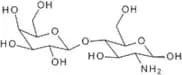
CAS:<p>1. Product Name: a-D-Glucuronic acid 1-phosphate tripotassium salt pentahydrate</p>Formula:C6H8O10PNa3Purity:Min. 95%Molecular weight:340.06 g/mol4-O-(b-D-Galactopyranosyl)-D-glucosamine
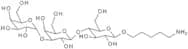
CAS:<p>4-O-(b-D-Galactopyranosyl)-D-glucosamine is a sugar that is found in the human body. It has been shown to have anti-cancer properties and is being studied as a potential therapeutic agent for squamous cell carcinoma. Basic structural analysis of 4-O-(b-D-Galactopyranosyl)-D-glucosamine has been performed on methyl glycosides, oligosaccharides, and bovine serum albumin. The sugar can be used to inhibit transcriptional regulation through its interactions with DNA. 4-O-(b-D-Galactopyranosyl)-D-glucosamine has also been found to inhibit the activities of enzymes involved in methyl glycoside synthesis, which may be related to its effects on cancer cells.</p>Formula:C12H23NO10Purity:Min. 95%Color and Shape:White PowderMolecular weight:341.31 g/molLinear B-6 trisaccharide 1-O-n-pentylamine
Linear B-6 trisaccharide 1-O-n-pentylamine is a glycosylated, fluorinated, saccharide that can be custom synthesized. This compound can be modified with methyl groups, click chemistry, or fluorination. It has a CAS number of 188768-84-0 and is soluble in methanol, ethanol, and water. Linear B-6 trisaccharide 1-O-n-pentylamine is a monosaccharide with a molecular weight of 258.Formula:C23H43NO16Purity:Min. 95%Molecular weight:589.58 g/mol3-Pyridinylmethylbeta-D-glucopyranoside
CAS:<p>3-Pyridinylmethylbeta-D-glucopyranoside is a sugar that can be custom synthesized. It is a white to off-white crystalline powder with an odorless taste and is soluble in water. 3-Pyridinylmethylbeta-D-glucopyranoside is used in the synthesis of glycosides, saccharides, oligosaccharides, and monosaccharides. This compound can also be modified with fluorination or methylation reactions. The use of this product has been shown to produce high purity compounds for use in pharmaceuticals, agrochemicals, and other chemical industries.</p>Formula:C12H17NO6Purity:Min. 95%Molecular weight:271.27 g/molTetradecasaccharide dp14
<p>Tetradecasaccharide dp14 is a custom-synthesized, fluorinated, methylated, and modified saccharide. Tetradecasaccharide dp14 has been shown to have a variety of biological activities that are dependent on the type of modification. For example, this compound inhibits the enzyme alpha-glucosidase in vitro and in vivo. This enzyme is responsible for breaking down complex carbohydrates into simple sugars. Tetradecasaccharide dp14 also has anti-inflammatory properties and can be used as an antifungal agent against Candida albicans.</p>Formula:C84H217N35O133S21Purity:Min. 95%Molecular weight:4,519.16 g/mol



![5-Deoxy-5-[di-(2-hydroxyethyl)-amino]-1,2-O-isopropylidene-a-D-xylofuranose](/_next/image/?url=https%3A%2Fstatic.cymitquimica.com%2Fproducts%2F3D%2Fthumb-webp%2FMD07492.webp&w=3840&q=75)



![D-[1-13C]Xylose](/_next/image/?url=https%3A%2Fstatic.cymitquimica.com%2Fproducts%2F3D%2Fthumb-webp%2FVCA84921.webp&w=3840&q=75)















![Methyl 2-deoxy-5-O-[(1,1-dimethylethyl)diphenylsilyl]-β-D-erythro-pentofuranoside](/_next/image/?url=https%3A%2Fstatic.cymitquimica.com%2Fproducts%2F3D%2Fthumb-webp%2FMM06067.webp&w=3840&q=75)