Glycoscience
Glycoscience is the study of carbohydrates and their derivatives, as well as the interactions and biological functions they participate in. This field of research is crucial for understanding a wide variety of biological processes, including cell recognition, signaling, immune response, and disease development. Glycoscience has important applications in biotechnology, medicine, and the development of new drugs and therapies. At CymitQuimica, we offer a wide selection of high-quality, high-purity products for glycoscience research. Our catalog includes monosaccharides, oligosaccharides, polysaccharides, glycoconjugates, and specific reagents, designed to support researchers in their studies on the structure, function, and applications of carbohydrates in biological systems. These resources are intended to facilitate scientific discoveries and practical applications in various areas of bioscience and medicine.
Subcategories of "Glycoscience"
- Aminosugars(108 products)
- Glyco-Related Antibodies(282 products)
- Glycolipids(46 products)
- Glycosaminoglycans (GAGs)(55 products)
- Glycosides(419 products)
- Monosaccharides(6,621 products)
- Oligosaccharides(3,681 products)
- Polysaccharides(503 products)
Found 11041 products of "Glycoscience"
Sort by
Purity (%)
0
100
|
0
|
50
|
90
|
95
|
100
1,2,4,6-Tetra-O-acetyl-3-azido-3-deoxy-D-glucopyranose
<p>1,2,4,6-Tetra-O-acetyl-3-azido-3-deoxy-D-glucopyranose is a custom synthesis that has been fluorinated and modified with methyl groups. It is used to synthesize complex carbohydrates and it can be used as a raw material for the production of oligosaccharides. 1,2,4,6-Tetra-O-acetyl-3-azido-3-deoxy--D--glucopyranose is soluble in water and ethanol and has a CAS number.</p>Formula:C14H19N3O9Purity:Min. 95%Molecular weight:373.32 g/molα-D-Mannose 1-phosphate
CAS:<p>α-D-Mannose 1-phosphate is a complex carbohydrate that is modified with methylation, glycosylation and fluorination. This product has been custom synthesized to order. It is an oligosaccharide that can be modified with glycosylation and carbonylation. Methylation of α-D-mannose 1-phosphate leads to the formation of a fluorinated sugar called α-D-mannose 1,6-diphosphate. The modification process can be done in several ways, including Click chemistry. This product is of high purity and has been synthesized from natural materials.</p>Formula:C6H13O9PPurity:Min. 95%Molecular weight:260.14 g/mol2-O-Acetyl-3,4,6-tri-O-benzyl-b-D-glucopyranosyl trichloroacetimidate
CAS:<p>2-O-Acetyl-3,4,6-tri-O-benzyl-b-D-glucopyranosyl trichloroacetimidate is a product of sugar modification. The modification is performed by the addition of acetyl groups to the hydroxyl groups on the glucose molecule. This process can be used to produce oligosaccharides and complex carbohydrates. The compound has no fluorine atoms and is not methylated or glycosylated. It has a CAS number of 180714-32-3.</p>Formula:C31H32Cl3NO7Purity:Min. 95%Molecular weight:636.95 g/mol3'-a-Sialyl-N-acetyllactosamine-PAA-biotin
<p>3'-a-Sialyl-N-acetyllactosamine-PAA-biotin is a biotin labelled sialylglycoside</p>Purity:Min. 95 Area-%Color and Shape:Off-White Powder1,2:4,5-Di-O-isopropylidene-b-L-erythro-2,3-hexodiulo-2,6-pyranose
CAS:<p>1,2:4,5-Di-O-isopropylidene-b-L-erythro-2,3-hexodiulo-2,6-pyranose is a sugar that can be found in the human body. It has been shown to have a high level of hydrogen bonding and can be used as an energy source by replicon cells. It is also an enantiomer of 1,2:4,5:8,9-di-O-isopropylidene-b-(D)-threo--2,3--hexodiulo--2,6--pyranose. This molecule has been shown to inhibit the growth of herpes simplex virus in vitro and in vivo and has been investigated for its potential use as an antiherpes agent. 1,2:4,5:8,9 Di--O--isopropylidene--b-(D)--threo--2</p>Formula:C12H18O6Purity:Min. 95%Molecular weight:258.27 g/molHeparin disaccharide I-S, tetrasodium salt
CAS:<p>Heparin disaccharide I-S, tetrasodium salt is a sodium salt of heparin that has been modified to contain two sulfate groups. The chemical modification of heparin disaccharide I-S, tetrasodium salt alters the molecule's charge and surface properties. This modification increases the molecule's ability to bind with cell surface markers and inhibits the activity of proteases. Heparin disaccharide I-S, tetrasodium salt is able to inhibit leukaemia proliferation in thp-1 cells by binding with cytoskeletal proteins such as vimentin and actin. This chemical also prevents PMA induced morphological changes in thp-1 cells. Heparin disaccharide I-S, tetrasodium salt is used as an anticoagulant in therapeutic settings. It is used to prevent blood clotting by inhibiting the activation of factors Xa and IIa. Heparin disaccharide</p>Formula:C12H15NO19S3·4NaPurity:Min. 98 Area-%Color and Shape:White PowderMolecular weight:665.4 g/mol2,3:5,6-Di-O-isopropylidene-a-D-mannofuranose oxime
<p>2,3:5,6-Di-O-isopropylidene-a-D-mannofuranose oxime is a glycosylation reagent that can be used in the Click reaction to modify proteins and oligosaccharides. This product has a high purity and can be custom synthesized. 2,3:5,6-Di-O-isopropylidene-a-D-mannofuranose oxime is an intermediate for the synthesis of complex carbohydrates. It is synthesized by methylation of mannose with ethylene glycol followed by fluorination of the methylated sugar. The resulting product is then reacted with an alcohol to produce 2,3:5,6-diO-(2'-hydroxyethyl)-a-D-mannofuranose oxime.</p>Purity:Min. 95%Sitagliptin carbamoyl b-D-glucuronide
CAS:<p>Sitagliptin carbamoyl b-D-glucuronide is a synthetic drug that has been modified to be sitagliptin, which is an oral antihyperglycemic agent. Sitagliptin carbamoyl b-D-glucuronide has been synthesized through the methylation of a polysaccharide. It is a complex carbohydrate and is soluble in water. This product can be used as an additive to many food items because it does not affect their taste or texture. The CAS number for this product is 940002-59-5. This product is synthesized by the modification of natural saccharides with fluorine gas and it has a high purity level. It can be used as an intermediate in other organic synthesis reactions and its primary use is as a sugar substitute that is not metabolized by human enzymes.</p>Formula:C23H23F6N5O9Purity:Min. 95%Molecular weight:627.45 g/mol1-O-Benzoyl-2,3:5,6-di-O-isopropylidene-D-talofuranose
CAS:<p>1-O-Benzoyl-2,3:5,6-di-O-isopropylidene-D-talofuranose is a synthetic carbohydrate that has the same structure as pyranose. It can be modified and used in click chemistry and glycosylation reactions. The compound has been shown to have good stability, high purity, and good solubility in organic solvents. It is a complex carbohydrate that can be custom synthesized to meet customer specifications. 1-O-Benzoyl-2,3:5,6-di-O-isopropylidene-D-talofuranose is an oligosaccharide with the molecular formula C10H14O4 and a molecular weight of 200.24 g/mol.</p>Formula:C19H24O7Purity:Min. 95%Molecular weight:364.39 g/mol3,4-Di-O-acetyl-2-O-benzyl-L-rhamnopyranoside
<p>3,4-Di-O-acetyl-2-O-benzyl-L-rhamnopyranoside is a custom synthesized, fluorinated, methylated, monosaccharide that can be used as a synthetic building block for the synthesis of saccharides. This compound has been shown to have a CAS number and is classified as an oligosaccharide. 3,4-Di-O-acetyl-2-O-benzyl-L-rhamnopyranoside is recommended for use in glycosylation reactions. It has been shown to react with other saccharides at the C1 position in the presence of various conditions such as mild alkaline or acid conditions.</p>Formula:C17H22O7Purity:Min. 95%Molecular weight:338.35 g/molEthyl 2-deoxy-2-phthalimido-b-D-thioglucopyranoside
CAS:<p>Ethyl 2-deoxy-2-phthalimido-b-D-thioglucopyranoside is a synthetic, custom synthesis carbohydrate that is modified with fluorine. Ethyl 2-deoxy-2-phthalimido-b-D-thioglucopyranoside is a polysaccharide that has been shown to have high purity and good stability in solution. This compound is used as a versatile building block for the synthesis of glycosides and other saccharides. Ethyl 2-deoxy-2-phthalimido-b-D-thioglucopyranoside can be modified by methylation or glycosylation to produce different derivatives. It can also be used for the synthesis of complex carbohydrates, such as oligosaccharides and saccharides.</p>Purity:Min. 95%Cyclobenzaprine b-D-glucuronide
CAS:<p>Cyclobenzaprine b-D-glucuronide is a synthetic compound that has been modified to increase its solubility in water. The modification of the sugar moiety with glycosylation and fluorination increases the bioavailability of cyclobenzaprine, which is an important factor for drugs that are intended for oral administration. Cyclobenzaprine b-D-glucuronide is a complex carbohydrate that has been modified with methylation and monosaccharide. This modification helps to protect the drug from degradation by enzymes in the stomach and intestines, increasing its half-life in the body.</p>Formula:C26H31NO6Purity:Min. 95%Molecular weight:453.53 g/molMethyl 5-deoxy-2,3-O-isopropylidene-b-D-ribofuranoside
CAS:<p>Intermediate in the synthesis of capecitabine</p>Formula:C9H16O4Purity:Min. 95%Molecular weight:188.22 g/molD-[UL-13C6]Glucosamine HCl
<p>D-[UL-13C6]Glucosamine HCl is a custom synthesis of an oligosaccharide. This compound has been modified by methylation, glycosylation, and click modification. D-[UL-13C6]Glucosamine HCl is an Oligosaccharide with a CAS No. of 515-95-5. It is a complex carbohydrate that has the chemical name of Polysaccharide. D-[UL-13C6]Glucosamine HCl is Modification of saccharides, which are Carbohydrates or sugars that are composed of Carbon, Hydrogen, and Oxygen. The sugar in this compound is Glucose. D-[UL-13C6]Glucosamine HCl is a high purity product with a purity level greater than 99%. The Fluorination on this molecule increases the solubility of the compound and can be used to synthesize other compounds with similar</p>Formula:C6H14NO5ClPurity:(%) Min. 98%Color and Shape:PowderMolecular weight:221.59 g/molMethyl 2-O-allyl-3,4-di-O-benzyl-a-D-mannopyranoside
CAS:<p>Methyl 2-O-allyl-3,4-di-O-benzyl-a-D-mannopyranoside is an organic compound that belongs to the group of Modification. It is a modified oligosaccharide with a molecular weight of 690.3 g/mol. The modification is an Oligosaccharide, Carbohydrate, complex carbohydrate, Custom synthesis, Synthetic. CAS No. 210297-56-6, High purity, Monosaccharide, Methylation, Glycosylation and Polysaccharide. This molecule has a monosaccharide with the chemical formula C5H11NO5 and a molecular weight of 131.2 g/mol. The fluorination and saccharides are Fluorination and saccharides respectively.</p>Formula:C24H30O6Purity:Min. 95%Molecular weight:414.49 g/molEthyl 3-O-benzyl-b-D-thioglucopyranoside
<p>Ethyl 3-O-benzyl-b-D-thioglucopyranoside is a modification of the sugar D-thioglucose. It is synthesized by the methylation of D-thioglucose with ethyl iodide in aqueous sulfuric acid, followed by glycosylation with benzaldehyde and sodium hydroxide. This product has been used for polymerization reactions, as well as for synthesis of oligosaccharides and polysaccharides. The molecular weight of this product is 434.2 g/mol.</p>Purity:Min. 95%6'-Sulpho Lewisa-BSA
<p>6'-Sulpho Lewisa-BSA is a carbohydrate that has been modified with sulphur and fluorine. It is used as a fluorescence probe for the detection of carbohydrates in solutions, such as glycoproteins, glycopeptides, and glycolipids. 6'-Sulpho Lewisa-BSA is a complex carbohydrate that can be synthesized from the reaction of d-glucose and D-alanine. It can also be custom synthesized to suit the needs of the customer. This product is high purity and can be methylated or glycosylated. 6'-Sulpho Lewisa-BSA also has been modified by click chemistry to incorporate fluorescent groups at specific sites on the sugar chain.</p>Purity:Min. 95%6-O-Carboxymethyl-D-glucose
CAS:<p>6-O-Carboxymethyl-D-glucose (CMG) is a trityl glucanotransferase substrate that is used in the synthesis of carboxymethylated polysaccharides. This compound can be obtained from glucose by treatment with a glucanotransferase enzyme. CMG has been shown to have an inhibitory effect on pancreatic acinar cells and also inhibits acidic proteases in saliva, which leads to its use as an anti-inflammatory drug.</p>Formula:C8H14O8Purity:Min. 95%Color and Shape:White Off-White PowderMolecular weight:238.19 g/molMethyl 2,3,4-tri-O-acetyl-6-O-trityl-a-D-galactopyranoside
CAS:<p>Methyl 2,3,4-tri-O-acetyl-6-O-trityl-a-D-galactopyranoside is a glycosylation agent that can be used in the synthesis of saccharides. It is a triacetate derivative that can be synthesized from D-galactose and methyl triflate. Methyl 2,3,4-tri-O-acetyl-6-O-trityl-a-D galactopyranoside is soluble in water and has an acetyl content of 98%.</p>Formula:C32H34O9Purity:Min. 95%Molecular weight:562.62 g/molHirsutanonol 5-O-glucoside
CAS:<p>Hirsutanonol 5-O-glucoside is an antral suppressant. It controls symptoms and parameters of the disease. It is a biopsy that has been carried out in patients with symptoms of gastric ulcer disease. The biopsy samples were stained with haematoxylin and eosin, and histological investigation showed that the interstitial cells are stained. Hirsutanonol 5-O-glucoside is also a symptomatic drug that can be used to investigate the correlation between gastric ulcer disease and gender.</p>Purity:Min. 95%1,6-Anhydro-2-O-p-toluenesulfonyl-b-D-glucopyranose
CAS:<p>1,6-Anhydro-2-O-p-toluenesulfonyl-b-D-glucopyranose is a synthetic sugar that is used in glycosylation reactions. It has high purity and is available for custom synthesis. The compound is primarily used as a substrate for Click chemistry modifications to the anomeric carbon. It has been shown to effectively inhibit the growth of bacteria by binding to DNA gyrase, preventing the formation of covalent bonds that are required for bacterial cell division.</p>Formula:C13H16O7SPurity:Min. 95%Molecular weight:316.33 g/mol4-Chlorophenyl 2-acetamido-2-deoxy-b-D-glucopyranoside
CAS:<p>4-Chlorophenyl 2-acetamido-2-deoxy-b-D-glucopyranoside is a molecule that belongs to the class of acid molecules and has been implicated in the metabolism of corynebacterium. The metabolic pathway for this molecule has been studied using databases and datasets, with population simulations and profile data being generated to help identify potential strategies for its positioning in the market. This molecule is also related to death, which may be related to its positioning.</p>Formula:C14H18ClNO6Purity:Min. 95%Molecular weight:331.75 g/mol2,4-Di-O-acetyl-1,6-anhydro-3-O-benzyl-b-L-idopyranose
CAS:<p>2,4-Di-O-acetyl-1,6-anhydro-3-O-benzyl-b-L-idopyranose is a synthetic carbohydrate that has been modified with a click reaction. The compound can be used as a building block for the synthesis of complex carbohydrates and oligosaccharides. It is also used in the production of high purity monosaccharides and glycosylates. 2,4-Di-O-acetyl-1,6-anhydro-3-O-benzylidopyranose is soluble in water and exhibits a melting point of ~170°C. It has an n D 25 value of 1.5381 at 20°C.</p>Formula:C17H20O7Purity:Min. 95%Molecular weight:336.34 g/mol3'-Sialyl-3-fucosyllactose-BSA
<p>3'-Sialyl-3-fucosyllactose-BSA is a glycosylation that has been modified with fluorination and methylation. This product can be custom synthesized to order, in any quantity, using high purity reagents. 3'-Sialyl-3-fucosyllactose-BSA is a complex carbohydrate that is found on the surface of many human cells, including erythrocytes and B cells. It is also an important component of the oligosaccharide chains of glycoproteins and glycolipids. The modification of 3'-sialyl-3-fucosyllactose with fluorine or other halogens can be used as a fluorescent probe for carbohydrate binding proteins.</p>Purity:Min. 95%Methyl 2,3-O-isopropylidene-D-ribofuranoside
CAS:<p>Methyl 2,3-O-isopropylidene-D-ribofuranoside is a nucleophile that reacts with amines to form a tetroxide intermediate. It has been shown to react with the cellular components of vesicular stomatitis virus and to have an interaction with malonic acid. This compound also reacts with osmium tetroxide in the presence of phosphite to produce a chloride ion and an osmate ester. Methyl 2,3-O-isopropylidene-D-ribofuranoside can be recycled by quaternization with sodium periodate, which yields methyl 3,5-dimethoxybenzoate.</p>Formula:C9H16O5Purity:Min. 95%Color and Shape:Colorless PowderMolecular weight:204.2 g/mol3-Fucosyllactose-BSA
<p>3-Fucosyllactose is a high purity synthetic sugar that is custom synthesized to order. It has a click modification, fluorination and glycosylation. 3-Fucosyllactose is a monosaccharide with CAS No. 160159-69-2. 3-Fucosyllactose has the ability to be modified for glycoengineering and glycobiology studies. It can be used in the synthesis of complex carbohydrates, such as oligosaccharides and monosaccharides.</p>Purity:Min. 95%1,5-α-L-Arabinopentaose
CAS:<p>1,5-α-L-Arabinopentaose is a sugar that is found in plants. It inhibits the growth of bacteria by sequencing and binding to the enzyme L-arabinose isomerase, which converts L-arabinose to D-xylulose. 1,5-α-L-Arabinopentaose has been shown to have inhibitory effects on the metabolism of sugars in plants. This sugar binds tightly to immobilized enzymes and can be used for immobilization processes.</p>Formula:C25H42O21Purity:Min. 95%Color and Shape:Clear LiquidMolecular weight:678.59 g/mol4-Methoxyphenyl 3,4-O-isopropylidene-6-O-toluoyl-b-D-galactopyranoside
<p>4-Methoxyphenyl 3,4-O-isopropylidene-6-O-toluoyl-b-D-galactopyranoside is a synthetic compound that can be used as a methyl donor for glycosylation reactions. It is a high purity product with a purity of 99% and can be used in custom synthesis. This product has been modified to include fluorination at the C4 position of the phenyl ring. The CAS number for this product is 56987-54-2.</p>Formula:C24H28O8Purity:Min. 95%Molecular weight:444.49 g/molMethyl 2,3,4-triacetyl-D-glucopyranosiduronyl 1-(N-4-methoxyphenyl)-2,2,2-trifluoroacetimidate
CAS:<p>Methyl 2,3,4-triacetyl-D-glucopyranosiduronyl 1-(N-4-methoxyphenyl)-2,2,2-trifluoroacetimidate is a synthetic saccharide that can be used for the modification of polysaccharides and oligosaccharides. It is often used in glycosylation reactions to produce complex carbohydrates with high purity. This chemical compound has been shown to methylate sugars at their C1 position with high selectivity and efficiency. Methyl 2,3,4-triacetyl-D-glucopyranosiduronyl 1-(N-4-methoxyphenyl)-2,2,2-trifluoroacetimidate is also known as CAS No. 918158-52-8.</p>Formula:C22H24F3NO11Purity:Min. 95%Molecular weight:535.42 g/mol1,3,4,6-Tetra-O-acetyl-2-deoxy-2-trichloroacetamido-D-glucopyranose
<p>1,3,4,6-Tetra-O-acetyl-2-deoxy-2-trichloroacetamido-D-glucopyranose is a modified glucopyranoside that has been synthesized using Click chemistry. This product is made of saccharides and is used to modify proteins. It can be used in the synthesis of glycans or as a building block for oligosaccharides. The product is highly pure and can be custom synthesized to meet your needs. 1,3,4,6-Tetra-O-acetyl-2-deoxy-2-(trichloroacetamido)-D--glucopyranose can be fluorinated with NCS to give the corresponding fluoro derivative. This product does not contain any carbohydrates or sugars and is synthetic.</p>Purity:Min. 95%O-Ethyl S-[methyl (5-acetamido-4,7,8,9-tetra-O-acetyl-3,5-dideoxy-2-thio-b-D-glycero-a-D-galacto-2-nonulopyranoside)onate] dithiocar bonate
<p>Methylation is a process by which a methyl group is added to a substrate. This product is custom synthesized and has been modified with click chemistry. Methylation of saccharides, carbohydrates and other carbon-containing molecules is an important biochemical process in which the hydroxyl (-OH) group on the sugar or carbohydrate reacts with the -S-H bond on the methyl donor. This product also has fluorination and high purity.</p>Purity:Min. 95%Benzyl 3'-sulfo-b-D-lactoside sodium salt
CAS:<p>Synthetic building block for oligosaccharide synthesis</p>Formula:C19H28O14S·xNaPurity:Min. 95%Color and Shape:PowderMolecular weight:512.48 g/molQuercetin 7-O-b-D-glucuronide
CAS:<p>Quercetin 7-O-b-D-glucuronide is a methylated glycoside of quercetin. Quercetin 7-O-b-D-glucuronide has been shown to inhibit the activity of Saccharomyces cerevisiae alpha amylase, alpha and beta amylases, and alpha glucosidase, which are enzymes that hydrolyze starch. This product also inhibits the growth of Candida albicans and Saccharomyces cerevisiae. Quercetin 7-O-b-D-glucuronide is available for custom synthesis in order to meet customers' specific needs.</p>Formula:C21H18O13Purity:Min. 95%Molecular weight:478.36 g/molGlycyl-monosialyl,monofucosyllacto-N-neohexose I
<p>Glycyl-monosialyl,monofucosyllacto-N-neohexose I is a synthetic, fluorinated monosaccharide that has been modified with a glycosylation. This oligosaccharide is an important building block in the synthesis of complex carbohydrates. Glycyl-monosialyl,monofucosyllacto-N-neohexose I is used in the synthesis of polysaccharides and glycoproteins. It is also commonly used as a starting material for modifying other sugars with methylation or click chemistry. The CAS number for this compound is 144977-01-1. The molecular weight of this compound is 254.5 g/mol and it has a purity of 99% (HPLC).</p>Formula:C59H99N5O43Purity:Min. 95%Molecular weight:1,566.43 g/mol2,5-Dideoxy-2,5-imino-D-mannitol HCl
CAS:<p>Methylation is a chemical reaction that adds a methyl group to the substrate. The Methylation of saccharide is achieved by the addition of an alkyl group to the oxygen atom adjacent to the carbonyl group in the saccharide. The saccharide becomes a methylated saccharide. Click chemistry is a form of chemoselective reactions, which are reactions that involve only one reactant and produce one product. The most common example of click chemistry is a reaction between an azide and an alkynyl, which will give rise to 1,3-dipolar cycloaddition products. Carbohydrate modification includes modifications such as glycosylation, fluorination, and complex carbohydrate synthesis. Glycosylation refers to the process by which sugars are attached to other molecules, such as proteins or lipids. Fluorination refers to adding fluorine atoms (F) onto molecules using various methods. Complex carbohydrates can be synthesized from simple sugars with carbon</p>Formula:C6H13NO4·HClPurity:Min. 95%Molecular weight:199.63 g/mol2-Amino-2-deoxy-D-lyxose
CAS:<p>2-Amino-2-deoxy-D-lyxose is a sugar that is commonly found in nature. It is an isomaltose and a galactitol, which are both forms of sugar alcohols. 2-Amino-2-deoxy-D-lyxose can be found in acid hydrolysates and arabinitol, which are the products of the hydrolysis of starch. It has been shown to have inhibitory effects on the metabolism of glucose and to regulate the blood glucose levels due to its ability to stimulate insulin secretion. This compound also has an effect on logarithmic growth phase in bacteria, as it inhibits cell growth. 2-Amino-2-deoxy-D-lyxose can be used as a chromatographic stationary phase with glycolaldehyde, which is another sugar alcohol that binds strongly to the column matrix. This compound also has an effect on galacturonic acid, ion exchange</p>Formula:C5H11NO4Purity:Min. 95%Molecular weight:149.15 g/molBenzyl 2-acetamido-2-deoxy-4,6-O-isopropylidene-D-galactopyranoside
CAS:<p>Benzyl 2-acetamido-2-deoxy-4,6-O-isopropylidene-D-galactopyranoside is a modified odorant that binds to the olfactory receptors in the insect antenna. This compound is used as a research tool for studying the detection of odors. It can be used to identify compounds that act as insect attractants or repellents. The binding assays are performed in vitro using recombinant proteins and fluorescence assays. Binding studies have been shown to reveal mutants with altered binding properties to benzyl 2-acetamido-2-deoxy-4,6-O-isopropylidene -D--galactopyranoside.</p>Formula:C18H25NO6Purity:Min. 95%Molecular weight:351.39 g/molMogroside IVe
CAS:<p>Mogroside IVe is a natural compound that belongs to the group of polyphenols. It is a derivative of mogrosides, which are found in the fruit of the plant Glycosmis pentaphylla. Mogroside IVe has been shown to have minimal toxicity and can be used in tissue culture as a growth factor-β1 inducer. The drug also has hypoglycemic effects and may be useful for treating diabetes mellitus type 2. Mogroside IVe activates AMP-activated protein kinase (AMPK) by inhibiting toll-like receptor 4 (TLR4), which prevents tumor necrosis factor-α (TNF-α) production, leading to apoptosis. This drug also inhibits polymerase chain reaction (PCR) and fatty acid synthase activity, which may lead to potential anticancer effects against cervical cancer cells.</p>Purity:Min. 95%Color and Shape:Solid3,4,6-Tri-O-acetyl-1,2-O-ethoxyethylidene-a-D-fructopyranose
<p>3,4,6-Tri-O-acetyl-1,2-O-ethoxyethylidene-a-D-fructopyranose is a modified carbohydrate with the chemical formula C 12 H 20 O 8 . It is a white crystalline solid that is soluble in water. 3,4,6-Tri-O-acetyl-1,2-O-ethoxyethylidene-a-Dfructopyranose can be used as a monosaccharide or an oligosaccharide. This compound has been synthesized by methylation and glycosylation of glucose.</p>Formula:C16H24O10Purity:Min. 95%Molecular weight:376.36 g/mol2,3,4-Tri-O-benzyl-D-xylopyranose
CAS:<p>Calystegine is a benzyl ester of D-xylose. It is the reaction product of D-xylose with benzaldehyde and hydrochloric acid. The condensation product of calystegine with chondroitin sulfate is calystegine B2, which has been shown to be an inhibitor of protein glycosylation in human erythrocytes. This compound inhibits the oxygenated form of D-xylose, which may be useful in inhibiting the growth of certain cancer cells. Calystegine also has anti-inflammatory properties that may be due to its ability to inhibit prostaglandin synthesis.</p>Purity:Min. 95%(S)-Naproxen acyl-b-D-glucuronide benzyl ester
CAS:<p>(S)-Naproxen acyl-b-D-glucuronide benzyl ester is a custom synthesis of a sugar, Click modification, and fluorination. This synthetic compound has shown anti-inflammatory properties and is used to treat pain in the treatment of osteoarthritis. The drug is also used to treat other conditions such as rheumatoid arthritis and gouty arthritis.</p>Formula:C27H28O9Purity:Min. 95%Molecular weight:496.51 g/mol2,3,4-Tri-O-benzyl-a-D-glucuronic acid benzyl ester trichloroacetimidate
CAS:<p>2,3,4-Tri-O-benzyl-a-D-glucuronic acid benzyl ester trichloroacetimidate is a glycosyl donor set up for oligosaccharide assembly.</p>Formula:C36H34Cl3NO7Purity:Min. 95%Molecular weight:699.02 g/molL-Galactose-1-phosphate
CAS:<p>L-Galactose-1-phosphate is a modification of the monosaccharide galactose. This product can be synthesized by methylation and glycosylation of L-galactose, as well as by fluorination and saccharide synthesis. This product has a CAS number of 210100-25-7. It is also a complex carbohydrate that contains many sugars. The molecular weight of this product is 541.37 g/mol, with an empirical formula of C6H14O6P2. This product is soluble in water, methanol, ethanol, acetone and chloroform. It has a melting point of 162 °C and a boiling point of 320 °F at atmospheric pressure. This product is not stable in alkaline conditions, but stable in acidic conditions.</p>Purity:Min. 95%1,2,4,6-Tetra-O-acetyl-3-O-(2,3,4,6-tetra-O-acetyl-b-D-glucopyranosyl)-D-glucopyranose
CAS:<p>Tetra-O-acetyl-3-O-(2,3,4,6-tetra-O-acetyl-b-D-glucopyranosyl)-D-glucopyranose is a covalently bound glycoside of benzoic acid and glucose. It can be obtained by the chemical catalysis of clostridium in an acetate medium. The reaction produces a tetrasaccharide with three acetate groups at C2, C3 and C6. This compound has shown to have antimicrobial activity against Clostridium licheniformis and Clostridium butyricum.</p>Formula:C28H38O19Purity:Min. 95%Molecular weight:678.59 g/molPregnanetriol 3a-O-b-D-glucuronide
CAS:<p>Pregnanetriol 3a-O-b-D-glucuronide (PG3G) is a metabolite of progesterone that is excreted in the urine during the luteal phase. It is used as a marker for ovulation in women, and can be measured using immunoanalytical techniques. A multicentre study was conducted to measure PG3G levels and found that it is higher during ovulation than at other times of the menstrual cycle. This steroid hormone has been shown to inhibit follicular growth in rats, but its role in humans is less clear.</p>Formula:C27H44O9Purity:Min. 95%Molecular weight:512.63 g/molRhamnolipids C8-C8
CAS:<p>Rhamnolipids C8-C8 are a group of lipids that are produced by the bacterium Burkholderia cepacia. They have been shown to have a strong ability to bind to and remove substances from water, such as heavy metals, lignin, and polychlorinated biphenyls. Rhamnolipids C8-C8 can be used in industrial settings for wastewater treatment or in the environment for bioremediation of pollutants. The physicochemical properties of rhamnolipids C8-C8 are determined by their composition of fatty acids and their degree of unsaturation. These properties can vary depending on the origin of the bacteria producing them.</p>Formula:C22H40O9Purity:Min. 95%Molecular weight:448.55 g/mol2-Acetamido-4-O-(2-acetamido-2-deoxy-b-D-galactopyranosyl)-2-deoxy-D-glucopyranose
CAS:<p>A di-acetamido LacNAc analogue</p>Formula:C16H28N2O11Purity:Min. 95%Color and Shape:White PowderMolecular weight:424.4 g/mol2,3,4-Tri-O-acetyl-b-L-fucopyranosyl azide
CAS:<p>2,3,4-tri-O-acetyl-b-L-fucopyranosyl azide is a synthetic molecule that has been modified with fluorination, methylation, and acetylation. This compound is used for the synthesis of oligosaccharides and polysaccharides. It also can be used for glycosylation reactions to produce saccharides. The CAS number for this product is 95581-07-0.</p>Formula:C12H17N3O7Purity:Min. 95%Color and Shape:Light (Or Pale) Yellow SolidMolecular weight:315.28 g/mol3'-Sialyl Lewis X-BSA
<p>3'-Sialyl Lewis X-BSA is a custom synthesis that is a complex carbohydrate. This product has CAS number and is polysaccharide modification with methylation, glycosylation, and click modification. The 3'-Sialyl Lewis X-BSA is fluorinated for high purity and synthetic.</p>Purity:Min. 95%Color and Shape:White Powder2,3,4-Tri-O-acetyl-a-D-glucuronic acid methyl ester
CAS:<p>2,3,4-Tri-O-acetyl-a-D-glucuronic acid methyl ester is a hydroxylated glucuronic acid that is found in the structural skeleton of many organisms. It has been shown to have isosteric properties and it can be used as a transport agent for xenobiotics. 2,3,4-Tri-O-acetyl-a-D-glucuronic acid methyl ester is metabolized by alcohols and hydrolysis to form adducts with nitrosoamines. These adducts are excreted from the body through urine.</p>Formula:C13H18O10Purity:Min. 95%Color and Shape:White PowderMolecular weight:334.28 g/mol4-Methoxyphenyl 2,4-di-O-benzoyl-3-O-benzyl-6-O-[methyl 5-(acetoxyacetamido)-4,7,8,9-tetra-O-acetyl-3,5-dideoxy-D-glycero-α-D-ga lacto-2-nonulopyranosylonate]-β-D-galactopyranoside
<p>The methylation of a glycosylation is an organic chemistry technique that can be used to modify the chemical structure of a carbohydrate. A glycosylation is the reaction between an alcohol and a sugar, which produces a glycoside. The addition of methyl groups at specific positions on the sugar molecule can lead to improved properties such as increased stability, increased solubility, or increased uptake by cells. This process has been shown to produce compounds with more desirable pharmacological properties than their parent compounds. Click chemistry is a versatile and powerful method for modifying carbohydrates. It involves the use of copper-catalyzed azide-alkyne cycloaddition reactions to form carbon-nitrogen bonds in place of conventional amide linkages in peptides and proteins. Carbohydrates are modified using this method by attaching small molecules such as fluorine atoms onto one or more carbons in the carbohydrate structure. This process can be used to create novel sugars with improved properties including high purity, high stability</p>Formula:C56H61NO23Purity:Min. 95%Molecular weight:1,116.08 g/mol3'-Sialyl-N-acetyllactosamine-BSA
<p>3'-Sialyl-N-acetyllactosamine-BSA is an oligosaccharide that is a component of the glycosylation pathway. It is synthesized from 3'-sialyllactose and N-acetylglucosamine. This compound can be modified with fluorine, methylation, or click chemistry to yield novel derivatives for use in research.</p>Purity:Min. 95%Color and Shape:Powder(Hydroxypropyl)methyl cellulose - USP39, Viscocity 3000-5600 cP
CAS:<p>Viscoelastic polymer; excipient; food additive</p>Purity:Min. 95%Monofucosyl, monosialyllacto-N-neohexaose-APD-HSA
<p>Monofucosyl, monosialyllacto-N-neohexaose-APD-HSA is a complex carbohydrate that is synthesized through the enzymatic polymerization of glucose. This synthetic oligosaccharide is composed of a single monosaccharide, fucose, and two sialic acid residues. Monofucosyl, monosialyllacto-N-neohexaose-APD-HSA can be used in the synthesis of various glycoconjugates such as glycoproteins, glycolipids, or proteoglycans. The chemical modification of this sugar molecule can also be performed to produce a variety of products with different properties.</p>Purity:Min. 95%Methyl 2,6-di-O-benzoyl-3,4-di-O-[bis(3,5-dimethylphenyl)]phosphino-a-D-glucopyranoside
CAS:<p>Methyl 2,6-di-O-benzoyl-3,4-di-O-[bis(3,5-dimethylphenyl)]phosphino-a-D-glucopyranoside is a custom synthesis of a modified sugar that has been fluorinated and methylated. This compound is also known by its CAS number 158214-06-3. The compound is a monosaccharide and an oligosaccharide. It is synthesized from saccharides and polysaccharides such as sugar and complex carbohydrates. Methyl 2,6-di-O-benzoyl-3,4 di O-[bis(3,5 dimethylphenyl)]phosphino a D glucopyranoside has many applications in the field of biochemistry and medicine.</p>Formula:C53H56O8P2Purity:Min. 95%Molecular weight:882.95 g/molMetronidazole b-D-glucuronide
CAS:<p>Metronidazole b-D-glucuronide is a glycosylated form of metronidazole that is rapidly hydrolyzed by esterases or glucuronidases to the parent drug. Metronidazole b-D-glucuronide has been shown to be an effective inhibitor of bacterial growth, which may be due to its inhibition of DNA synthesis. The drug also has anti-inflammatory and antiproliferative activity in vitro. Metronidazole b-D-glucuronide is a water soluble prodrug that is used as an antimicrobial agent for the treatment of infections caused by susceptible bacteria. It can be custom synthesized with high purity and good yield.</p>Formula:C12H17N3O9Purity:Min. 95%Molecular weight:347.28 g/mol4,6-Di-O-(3,4,6-tri-O-acetyl-2-deoxy-2-phthalimido b-D-glucopyranosyl)-1,3-6-tri-O-benzyl-a-D-mannopyranoside
CAS:<p>4,6-Di-O-(3,4,6-tri-O-acetyl-2-deoxy-2-phthalimido b-D-glucopyranosyl)-1,3-6-tri-O-benzyl a -D -mannopyranoside is a carbohydrate that has been modified with fluorine. It is an oligosaccharide composed of three monosaccharides linked by glycosidic bonds. The modification of the carbohydrate with fluorine was achieved through a click chemistry reaction between the 4’ and 6’ position of the glucose moiety. This product is used in custom synthesis and high purity applications.</p>Formula:C67H68N2O24Purity:Min. 95%Molecular weight:1,285.26 g/molTetradecyl 2-acetamido-2-deoxy-b-D-glucopyranoside
CAS:<p>Tetradecyl 2-acetamido-2-deoxy-b-D-glucopyranoside is a custom synthesis, modification, fluorination, methylation, monosaccharide and synthetic compound. It is the CAS No. 152914-69-7. It is a saccharide composed of glucose that has been glycosylated with tetradecyl acetate in the alpha position and aminated with ammonia in the beta position. This product is also classified as a complex carbohydrate.</p>Formula:C22H43NO6Purity:Min. 95%Molecular weight:417.58 g/molPhenyl 2-acetamido-3,4,6-tri-O-acetyl-2-deoxy-a-D-glucopyranoside
CAS:<p>Phenyl 2-acetamido-3,4,6-tri-O-acetyl-2-deoxy-a-D-glucopyranoside is a high purity, custom synthesis sugar. It's Click modification has been fluorinated and glycosylated. This sugar can be used in the synthesis of oligosaccharides and monosaccharides. Phenyl 2-acetamido-3,4,6-tri-O-acetyl -2 deoxy -a D glucopyranoside is a carbohydrate that belongs to the complex carbohydrate group. It has CAS No. 1308919 5 and can be modified with methylation.</p>Formula:C20H25NO9Purity:Min. 95%Molecular weight:423.41 g/mol1,2,O-Isopropylidene-6-O-methylsulfonyl-a-D-glucofuranose
CAS:<p>1,2,O-Isopropylidene-6-O-methylsulfonyl-a-D-glucofuranose is a synthetic sugar that is used in the synthesis of oligosaccharides and saccharides. It can be used to synthesize glycosyl groups by methylation or modification. This product has been shown to be useful in the synthesis of complex carbohydrates. 1,2,O-Isopropylidene-6-O-methylsulfonyl-a-D-glucofuranose has a purity of >99%.</p>Formula:C10H18O8SPurity:Min. 95%Molecular weight:298.31 g/mol3,4,6-Tri-O-acetyl-2-azido-2-deoxy-a-D-galactopyranosyl fluoride
<p>3,4,6-Tri-O-acetyl-2-azido-2-deoxy-a-D-galactopyranosyl fluoride is a custom synthesis that has been modified. It has fluorination and methylation at the 6 position and a click modification at the 2 position. The monosaccharide is a galactose with an acetyl group at the 3 position, while the oligosaccharide is a triantennary saccharide. This compound is used in glycosylation reactions to create complex carbohydrates.</p>Purity:Min. 95%Methyl b-N-acetyllactosamine
CAS:<p>Methyl b-N-acetyllactosamine is a sulfated glycosaminoglycan (GAG) that is expressed in the brain and is involved in the development of myelin. This compound has been shown to inhibit the transfer of sulfate groups, which are essential for the synthesis of GAGs. Methyl b-N-acetyllactosamine inhibits transglycosylation reactions, which is a process by which sugar moieties are transferred from one molecule to another. This inhibition results in decreased cross-coupling reactions and decreases the production of GAGs. Methyl b-N-acetyllactosamine has been shown to have potent inhibitory properties against sulfonylating enzymes, such as regiospecifically catalyzed sulfonylation and transglycosylation. It also has been shown to inhibit the transition state in an enzymatic reaction involving triazoles.</p>Formula:C15H27NO11Purity:Min. 95%Molecular weight:397.38 g/mol[1-13C]Maltose monohydrate
<p>13C labeled maltose is a useful analytical standard for Carbon NMR spectroscopy</p>Formula:CC11H22O11·H2OPurity:Min. 95%Molecular weight:361.3 g/molD-Arabonic acid
CAS:<p>D-Arabonic acid is an acidic compound that is a sodium salt of D-arabitol. It is used as a kinetic, reactive model system for the study of the mechanism of action and inhibition of enzymes such as polymerase chain reaction (PCR) and DNA-dependent RNA polymerase (RdRP). D-Arabonic acid has been shown to be a potent inhibitor of these enzymes, although it does not inhibit other enzyme classes. The target enzyme binds to the substrate by electrostatic interactions with the negative oxygen atoms on the nitrogen atoms in its basic structure. The reaction mechanism may involve oxidation catalysts such as iron or copper ions. Kinetic data can be obtained using laser ablation.</p>Formula:C5H10O6Purity:Min. 95%Molecular weight:166.13 g/mola-Heptasaccharide
CAS:<p>a-Heptasaccharide is a complex carbohydrate that is synthesized from glycerol and seven monosaccharides. It is used in the synthesis of other carbohydrates and as a fluorination reagent.</p>Formula:C46H78N2O34Purity:Min. 95 Area-%Color and Shape:PowderMolecular weight:1,203.13 g/mol1,4-Dibenzoyl-2,3:5,6-di-O-isopropylidene myo-inositol
CAS:<p>1,4-Dibenzoyl-2,3:5,6-di-O-isopropylidene myo-inositol is a synthetic saccharide with the chemical formula C8H12FO4. It is a white crystalline solid that is soluble in water and methanol. This product can be used for custom synthesis of complex carbohydrates and as a reagent for fluoroquinolone resistance. It has been shown to inhibit bacterial growth by binding to DNA gyrase and topoisomerase IV, which are enzymes that maintain the integrity of bacterial DNA.</p>Purity:Min. 95%1,2,3,4-Tetra-O-acetyl-6-O-(2,3,4,6-tetra-O-acetyl-a-D-mannopyranosyl)-D-mannopyrannose
CAS:<p>1,2,3,4-Tetra-O-acetyl-6-O-(2,3,4,6-tetra-O-acetyl-aD-mannopyranosyl)-D-mannopyrannose is a tetrasaccharide that can be synthesized by modifying the sugar moiety of 1,2,3,4-tetra-O-[(2,3,4)-triacetyl]-6-[(1R)-1-(2,3,4,-triacetyl)glycoloyl]aD mannopyranose. This modified sugar moiety is then reacted with methyl fluoride to produce 1. It has been shown to inhibit the growth of bacteria and fungi.</p>Formula:C28H38O19Purity:Min. 95%Molecular weight:678.59 g/molBenzyl 2,3-O-[(1S,2S)-1,2-dimethoxy-1,2-dimethyl-1,2-ethanediyl]-a-L-xylopyranoside
CAS:<p>Benzyl 2,3-O-[(1S,2S)-1,2-dimethoxy-1,2-dimethyl-1,2-ethanediyl]-a-L-xylopyranoside is a custom synthesis that is also a complex carbohydrate. It is an oligosaccharide and polysaccharide that has been modified by methylation and glycosylation. The product is a monomeric sugar with CAS No. 1084896-38-7. This product has high purity and fluoroination. It can be used in the synthesis of other compounds or as a sweetener for foods or beverages.</p>Formula:C18H26O7Purity:Min. 95%Molecular weight:354.39 g/moln-Butyl b-D-fructopyranoside
CAS:<p>n-Butyl b-D-fructopyranoside is a type of monosaccharide that is present in the rhizomes of Lamium. It is an ingredient in traditional Chinese medicine, where it has been used to treat various types of inflammation and pain. <br>n-Butyl b-D-fructopyranoside is a white crystalline powder with a melting point of 137°C. The chemical structure consists of a glucose molecule that has been substituted at the hydroxyl group with butanol. n-Butyl b-D-fructopyranoside has an aromatic odor and tastes sweet and slightly bitter. n-Butyl b-D-fructopyranoside can be found in many plants, including acteoside, glycosidic linarin, and taraxerol from lamium species. This compound can be synthesized systematically by reacting d-mannitol with salicylic acid in the</p>Formula:C10H20O6Purity:Min. 95%Molecular weight:236.26 g/molrac N,O-didesmethyl venlafaxine b-D-glucuronide hydrochloride
CAS:<p>RacN,O-didesmethylvenlafaxine b-D-glucuronide hydrochloride is a synthetic glycosylated active metabolite of venlafaxine. It is an N-desmethyl derivative of racemic venlafaxine, which has been modified by oxygenation and fluorination of the methyl group at the nitrogen atom. RacN,O-didesmethylvenlafaxine b-D-glucuronide hydrochloride is a complex carbohydrate with high purity. It is also a saccharide that can be modified with click chemistry for desired modifications. The CAS No. for this compound is 1021933-99-2.</p>Formula:C21H32ClNO8Purity:Min. 95%Molecular weight:461.93 g/molEthyl 3,4,6-tri-O-acetyl-2-deoxy-2-phthalimido-b-D-thioglucopyranoside
CAS:<p>The compound is an O-acetylated glycoside of 2-deoxy-2-phthalimido-b-D-thioglucopyranoside with a sugar moiety. It is used in the synthesis of complex carbohydrates with click modification and high purity.</p>Formula:C22H25NO9SPurity:Min. 95%Color and Shape:PowderMolecular weight:479.5 g/molPhenyl 2-O-benzoyl-4,6-O-benzylidene-3-O-(4-methoxybenzyl)-a-D-thiomannopyranoside
<p>Phenyl 2-O-benzoyl-4,6-O-benzylidene-3-O-(4-methoxybenzyl)-a-D-thiomannopyranoside is a custom synthesis. It is a polysaccharide that can be modified with methylation, glycosylation, click modification and fluorination. This compound is a white powder that has high purity and is suitable for use in the production of oligosaccharides or polysaccharides.</p>Formula:C34H32O7SPurity:Min. 95%Molecular weight:584.68 g/molDaunorubicin-13C,d3
<p>Daunorubicin-13C,d3 is a custom synthesis of daunorubicin that has been modified by the addition of 13C and 3H isotopes. The chemical name is: 4′,5′-O-(4,4′-dimethoxytrityl)-2′,3′-dideoxyadenosine-5′-O-(4,4′-dimethoxytrityl)<br>(13C,d3) 2″-[(2″-deoxy-β--D--ribofuranosyl)amino]-5’-[(2″-deoxy--β--D--ribofuranosyl)amino]-3’<br>adenosine. It contains a complex carbohydrate with an oligosaccharide chain. This product is CAS No., 50739-09-1 and has a purity of 98%. Daunorubicin is a sugar</p>Formula:CC26H26D3NO10Purity:Min. 95%Molecular weight:531.53 g/molGM1-Pentasaccharide, APD-HSA conjugate
<p>GM1 pentasaccharide, APD-HSA has a core tetrasaccharide structure (Galβ1,3GalNAcβ1,4Galβ1,4Glc) with a single sialic acid residue linked α2,3 to the inner galactose residue. Human serum albumin (HSA) is attached β to position 1 of the reducing glucose moiety via an acetylphenylenediamine (APD)â¯linker (Ledeen, 2009). This type of conjugate has been useful in the study of the role of GM1 ganglioside in the diarrheal response caused by cholera toxin (Cervin, 2018).</p>Purity:Min. 95%b-L-Glucose-1-phosphate ammonium salt
<p>b-L-Glucose-1-phosphate ammonium salt is a modification of the natural glucose molecule. It is used in the synthesis of oligosaccharides and complex carbohydrates. This compound can be custom synthesized and has a high purity level. It is often used as a starting material for other chemical modifications, such as methylation, glycosylation, and fluorination. b-L-Glucose-1-phosphate ammonium salt is found naturally in nature as one of the building blocks of polysaccharides, which are long chains of sugar molecules that make up many organic compounds.</p>Formula:C6H19N2O9PPurity:Min. 95%Color and Shape:PowderMolecular weight:294.2 g/molBenzyl 2,3-O-[(1S,2S)-1,2-dimethoxy-1,2-dimethyl-1,2-ethanediyl]-b-D-arabinopyranoside
CAS:<p>Benzyl 2,3-O-[(1S,2S)-1,2-dimethoxy-1,2-dimethyl-1,2-ethanediyl]-b-D-arabinopyranoside is a modification of an oligosaccharide. It is a carbohydrate that is synthesized through the methylation and glycosylation of a monosaccharide. This product has high purity and CAS No. 887370-09-4. It is also fluorinated and saccharide.</p>Formula:C18H26O7Purity:Min. 95%Molecular weight:354.39 g/mol1,2,4,6-Tetra-O-acetyl-3-deoxy-3-phthalimido-D-galactopyranoside
<p>This product is a custom synthesis of 1,2,4,6-Tetra-O-acetyl-3-deoxy-3-phthalimido-D-galactopyranoside. It is a sugar that is synthesized from 4 acetyl groups and 6 hydroxyl groups. The compound has a CAS number of 71034-05-4 and can be modified by fluorination, glycosylation, methylation, or modification. This product is an oligosaccharide that contains a saccharide with more than one monosaccharide unit. It is a complex carbohydrate with the formula C12H20O11.</p>Formula:C22H23NO11Purity:Min. 95%Molecular weight:477.42 g/mol1,2:3,4-Di-O-isopropylidene-b-D-arabinopyranose
CAS:<p>1,2:3,4-Di-O-isopropylidene-b-D-arabinopyranose is a synthetic carbohydrate that can be modified with fluorination or methylation. It is a high purity and custom synthesis product.</p>Formula:C11H18O5Purity:Min. 95%Molecular weight:230.26 g/mol7-b,17-a-Dimethyl-5-b-androstane-3-a,17-b-diol glucuronide
<p>7-b,17-a-Dimethyl-5-b-androstane-3-a,17-b-diol glucuronide is a custom synthesis that can be modified in the fluorination, methylation, and monosaccharide. This compound has a CAS No. and it is a polysaccharide with a glycosylation of sugar. It is also an oligosaccharide with saccharides. 7-b,17-a Dimethyl 5 b androstane 3 a,17 b diol glucuronide is classified as a complex carbohydrate.</p>Formula:C27H43O8·NaPurity:Min. 95%Molecular weight:518.62 g/mol1,6-Anhydro-2-azido-4-O-benzyl-2-deoxy-b-D-glucopyranose
CAS:<p>1,6-Anhydro-2-azido-4-O-benzyl-2-deoxy-b-D-glucopyranose is a synthetic sugar that has been modified with a methyl group at the C6 position. This modification allows the sugar to be used in glycosylation reactions and as a site for Click modification. It is also an important building block for oligosaccharide synthesis. 1,6-Anhydro-2-azido-4-O-benzyl-2--deoxy--b--D--glucopyranose is available in high purity and can be custom synthesized to meet your needs. CAS No.: 55682 47 8</p>Formula:C13H15N3O4Purity:Min. 95%Color and Shape:PowderMolecular weight:277.28 g/mol3-Hydroxystanozolol glucuronide
CAS:<p>3-Hydroxystanozolol glucuronide is a metabolite of stanozolol that has been found in human urine. 3-Hydroxystanozolol glucuronide is formed as an intermediate during the metabolic conversion of stanozolol to its active form, which then is hydrolyzed by erythrocyte esterases or glucuronidases to form 3-hydroxystanozolol. This metabolite has been validated as an analytical marker for monitoring the use of stanozolol in sport and population studies.</p>Formula:C26H38N2O8·C2H6Purity:Min. 95%Molecular weight:536.66 g/mol2,3,4-Tri-O-acetyl-6-deoxy-a-D-glucopyranosyl trichloroacetimidate
CAS:<p>2,3,4-Tri-O-acetyl-6-deoxy-a-D-glucopyranosyl trichloroacetimidate is a glycoconjugate that can be synthesized from 2,3,4 tri-O-acetyl-6 deoxyglucose and N-(2,2,2,-trichloroethyl)glycine. It has been shown to be useful for the synthesis of glycosidically bound fluorides. This chemical is an intermediate in the synthesis of saccharide and oligosaccharide derivatives with click modifications. It is also used as a reagent for the modification of polysaccharides with fluorination complexes. The high purity of this compound makes it suitable for use in custom synthesis.</p>Formula:C14H18Cl3NO8Purity:Min. 95%Molecular weight:434.65 g/mol2-Dodecylhexadecyl-D-xylopyranoside
CAS:<p>2-Dodecylhexadecyl-D-xylopyranoside is a synthetic sugar with a 2,6-dideoxy configuration. It is a modified sugar that can be fluorinated and glycosylated. This product has been synthesized using click chemistry, which means it has been prepared by the reaction of an azide and an alkyne in a one-pot process. This sugar has CAS No. 446264-03-5 and Methylation, Modification, Oligosaccharide, Monosaccharide, saccharide, Carbohydrate as its properties.</p>Formula:C33H66O5Purity:Min. 95%Color and Shape:Colourless solid.Molecular weight:542.87 g/mol3,4,6-Tri-O-acetyl-1,2-O-ethylidene-b-D-mannopyranoside
CAS:<p>3,4,6-Tri-O-acetyl-1,2-O-ethylidene-b-D-mannopyranoside is a synthetic glycosylation product of maltose and 1,2-O-ethylidene b-D mannopyranoside. This compound is a high purity product with custom synthesis. 3,4,6Tri acetyl 1,2 O ethylene b D mannopyranoside has the CAS number 630102 81 7.</p>Formula:C14H20O9Purity:Min. 95%Molecular weight:332.3 g/molP1-Antigen
CAS:<p>The P1-antigen is a blood group antigen that is encoded by the gene. It is synthesized as a precursor protein of approximately 150 amino acids that undergoes proteolytic processing to generate two peptides, A and B, which are attached to the cell surface. The P1-antigen has been shown to be involved in transcriptional regulation and antimicrobial activity. It has also been shown to be present in metastatic colorectal cancer cells and its expression can be induced by trypsin treatment. The P1-antigen is also one of the most frequently studied proteins for its role in immune responses against bacteria, viruses, and parasites. This protein has been found to have response elements for several transcription factors including NF-κB, AP-1, NFAT, SP-1, and STAT3. The basic structure of this protein contains a diode region with two negatively charged regions that are critical for its function.</p>Formula:C20H35NO16Purity:Min. 95%Color and Shape:White Off-White PowderMolecular weight:545.49 g/mol6-O-Benzoylphlorigidoside B
CAS:<p>6-O-Benzoylphlorigidoside B is a natural product that belongs to the class of iridoid glycosides. It is found in plants such as callicarpa, which are members of the asterid clade. 6-O-Benzoylphlorigidoside B was isolated from iridoid glycosides in leaves of Formosana, a plant family native to Taiwan. This compound has been shown to have anti-inflammatory and anti-ulcer activities, as well as potential antiviral activity against herpes simplex virus type 1 (HSV1) and Epstein-Barr virus (EBV).</p>Purity:Min. 95%1,4-b-D-Cellopentaitol
CAS:<p>1,4-B-D-Cellopentaitol is a high purity and custom synthesis sugar. It can be modified with fluorination, glycosylation, methylation, or modification. It has CAS No. 61473-65-2 and is an oligosaccharide with a saccharide backbone consisting of 1,4-linked D-glucopyranosyl units joined by alpha-(1,4) linkages and containing one or more monosaccharides (e.g., glucose) or disaccharides (e.g., cellobiose). The carbohydrate may be in the form of a complex carbohydrate.</p>Formula:C30H54O26Purity:Min. 95%Molecular weight:830.73 g/molEthyl 3-O-benzyl-4,6-O-benzylidene-2-deoxy-2-N-phthalamido-a-D-thioglucopyranoside
CAS:<p>Ethyl 3-O-benzyl-4,6-O-benzylidene-2-deoxy-2-N-phthalamido-a-D-thioglucopyranoside is a custom synthesis of a complex carbohydrate made up of saccharides. This compound is an oligosaccharide with four monosaccharides and two other saccharides. It has been shown to be a potent inhibitor of bacterial growth in the presence of various antibiotics, including penicillin G, erythromycin, tetracycline, and ampicillin. It also inhibits the growth of fungi by binding to their cell walls and disrupting membrane integrity.</p>Purity:Min. 95%Moxifloxacin acyl D-glucuronide
<p>Moxifloxacin acyl D-glucuronide is a fluorinated, synthetic compound that inhibits bacterial growth by binding to the 16S ribosomal RNA. This drug has been shown to have a broad spectrum of activity against Gram-positive and Gram-negative bacteria. Moxifloxacin acyl D-glucuronide is not active against acid-fast bacteria such as Mycobacterium tuberculosis or Mycobacterium avium complex. The most common adverse effect associated with this drug is nausea.</p>Purity:Min. 95%3,4-Di-O-acetyl-D-glucuronal methyl ester
CAS:<p>3,4-Di-O-acetyl-D-glucuronal methyl ester is a sugar that belongs to the group of complex carbohydrates. It has a CAS number of 34296-99-6 and can be synthesized by Click modification, fluorination, glycosylation, or methylation. This product is used as an intermediate in the synthesis of oligosaccharides or monosaccharides. In addition, it can be used for the preparation of saccharide derivatives with various substituents. 3,4-Di-O-acetyl-D-glucuronal methyl ester has high purity and is custom synthesized to meet your requirements.</p>Formula:C11H14O7Purity:Min. 95%Molecular weight:258.22 g/molAllyl 2,3,4,6-tetra-O-acetyl-α-D-mannopyranoside
CAS:<p>Allyl 2,3,4,6-tetra-O-acetyl-a-D-mannopyranoside is a glycosylated monosaccharide with a complex carbohydrate structure. It has the CAS number 119111-31-8 and can be synthesized from allyl alcohol and acetaldehyde. This compound has been modified with fluorination, saccharide modification, and methylation. Allyl 2,3,4,6-tetra-O-acetyl-a-D-mannopyranoside is an oligosaccharide that can be custom synthesized to meet your needs.</p>Formula:C17H24O10Purity:Min. 95%Color and Shape:PowderMolecular weight:388.37 g/molb-L-Rhamnopyranosyl nitromethane
CAS:<p>b-L-Rhamnopyranosyl nitromethane is a synthetic oligosaccharide that has been custom synthesized and modified with methyl groups. This compound is an important building block for the synthesis of complex carbohydrates and glycosides, as well as for the modification of saccharides. Click chemistry is used to modify this product, which employs copper(II) acetate and azide salts to form a single covalent bond between two molecules.</p>Formula:C7H13NO6Purity:Min. 95%Molecular weight:207.18 g/mol2,4:3,5-Di-O-benzylidene-aldehydo-D-ribose hydrate
CAS:<p>2,4:3,5-Di-O-benzylidene-aldehydo-D-ribose hydrate is a complex carbohydrate that contains a glycosylation site. The CAS number for this product is 32580-00-0. This product can be modified by methylation, fluorination, and saccharide modification. It is also available in custom synthesis or high purity.</p>Formula:C19H18O5·H2OPurity:Min. 95%Molecular weight:344.36 g/molO-[2-Acetamido-4,6-O-benzylidene-2-deoxy-3-O-(2,3,4,6-tetra-O-acetyl-b-D-galactopyranosyl)-a-D-galactopyranosyl]-N-Fmoc-L-threonine allyl ester
CAS:<p>O-[2-Acetamido-4,6-O-benzylidene-2-deoxy-3-O-(2,3,4,6-tetra-O-acetyl-b-D-galactopyranosyl)-a-D-galactopyranosyl]-N -Fmoc--L--threonine allyl ester is a carbohydrate that can be custom synthesized. It is an Oligosaccharide with the following structure: The chemical formula is C36H60NO22 and the molecular weight is 752.8 g/mol. It has a CAS number of 384346–85–4 and it's Chemical Abstract Service (CAS) name is O-[2-(acetamido)-4,6-[O-(2,3,4,6 tetra‑O‑acetyl‑β‑D‑galactopyranosyl)‑α‑</p>Formula:C51H58N2O19Purity:Min. 95%Molecular weight:1,003.01 g/molN-Fmoc-N-(2-acetamido-3,4,6-tri-O-acetyl-2-deoxy-a-D-glucopyranosyl)-L-asparagine
<p>N-Fmoc-N-(2-acetamido-3,4,6-tri-O-acetyl-2-deoxy-a-D-glucopyranosyl)-L-asparagine is a methylated saccharide that is used in the synthesis of polysaccharides. This product is an N,N'-diacetylchitobiose derivative with an acetamido group at C5 and a 2,6 diacetylated glucopyranoside at C1. It has been modified on the primary amine to introduce a Click reaction with a maleimide. The product is available in high purity and can be custom synthesized with different modifications such as glycosylation or fluorination.</p>Formula:C34H39N3O13Purity:Min. 95%Molecular weight:679.69 g/molHesperetin 3'-O-β-D-glucuronide
CAS:<p>Hesperetin 3'-O-beta-D-glucuronide is a glycosylate that is obtained by the glycosylation of hesperidin. Hesperetin 3'-O-beta-D-glucuronide is a sugar with a glycosylation site at the C3 position of the aglycone. It has shown to be an efficient inhibitor of Triglyceride Synthetase, which reduces triglycerides in the body. Hesperetin 3'-O-beta-D-glucuronide also has been shown to inhibit insulin release and increase insulin sensitivity in vitro.</p>Formula:C22H22O12Purity:Min. 95%Molecular weight:478.4 g/molGlucose pentasulfate potassium
CAS:<p>Glucose pentasulfate potassium is a synthetic, fluorinated sugar that can be used as a building block for the synthesis of glycoconjugates. It is also used in the modification of saccharides and oligosaccharides, and in click chemistry to produce complex carbohydrates. Glucose pentasulfate potassium is soluble in water, which makes it suitable for use in chemical reactions. The compound has been assigned CAS number 359435-44-2.</p>Formula:C6H7K5O21S5Purity:Min. 95%Color and Shape:PowderMolecular weight:770.92 g/mol2,4,7,8,9-Penta-O-acetyl-N-acetylneuraminic acid methyl ester
CAS:<p>2,4,7,8,9-Penta-O-acetyl-N-acetylneuraminic acid methyl ester (2,4,7,8,9-PNT) is a fluorescent analogue of sialic acid. It is a sensor for the presence of glycopyranoses and its derivative 2-(3'-hydroxyphenyl)-2H-benzotriazole (HPBT) has been used to detect carboxylic groups in proteins. 2,4,7,8,9-PNT has also been used as an affinity label for lysine residues on proteins and to study protein interactions with carbohydrates. The high yield in this synthesis allows for the use of techniques such as crystallography or fluorescence.</p>Formula:C22H31NO14Purity:Min. 95%Color and Shape:PowderMolecular weight:533.48 g/molMethyl 2-deoxy-a-D-ribofuranoside
CAS:<p>Methyl 2-deoxy-a-D-ribofuranoside is an atypical nucleoside, which is a component of the thiourea cofactors. It can be synthesized from chloroacetic acid and hydantoin, which are used as starting materials for the production of this compound. The methyl group in this compound is obtained from the methylation of glucose. Methyl 2-deoxy-a-D-ribofuranoside can be identified by its chromatographic properties, such as dimethylformamide (DMF) and chloride. It also contains anomeric substituents that are necessary for nucleosidation reactions. This nucleoside has been shown to have antiinflammatory activity against carrageenan in mice and rats.</p>Formula:C6H12O4Purity:Min. 95%Molecular weight:148.16 g/mol2-(Acetylthio)ethyl 2,3,4,6-tetra-O-acetyl-b-D-glucopyranoside
CAS:<p>2-(Acetylthio)ethyl 2,3,4,6-tetra-O-acetyl-b-D-glucopyranoside is an organic compound that belongs to the group of glycosylation. It is a synthetic sugar that can be used in the production of oligosaccharides and polysaccharides. This product has been modified with fluorination, methylation, acetylation and click chemistry. The CAS number for this product is 34044-34-3.</p>Formula:C18H26O11SPurity:Min. 95%Molecular weight:450.46 g/molGlobotriaosylceramide
CAS:<p>Globotriaosylceramide (Gb3) is a glycolipid that has been shown to be an activator of the protein growth factor-β1. It is involved in the regulation of tumor cell proliferation and may have potential as a biomarker for cancer. Gb3 is also a drug transporter and it has been shown to have long-term efficacy in the treatment of sarcoidosis. Gb3 has been found in high concentrations in patients with HIV infection, suggesting that it may play a role in HIV replication. Studies have also shown that Gb3 may be involved in cardiac pathology and its structural analysis can help in understanding its function. Symptoms or conditions associated with elevated levels of globotriaosylceramide include: <br>• Carcinoma<br>• Cardiac disease<br>• Infectious diseases<br>• HIV infection</p>Formula:C53H99NO18Purity:Min. 95%Molecular weight:1,038.35 g/molD-Galactose-4-D
CAS:<p>Please enquire for more information about D-Galactose-4-D including the price, delivery time and more detailed product information at the technical inquiry form on this page</p>Formula:C6H12O6Purity:Min. 95%Molecular weight:181.16 g/mol2-Deoxy-3,4,6-tri-O-pivaloyl-D-glucopyranosyl azide
CAS:<p>2-Deoxy-3,4,6-tri-O-pivaloyl-D-glucopyranosyl azide is a drug that regulates the blood pressure. It is an oral hypoglycaemic agent that has been shown to lower blood sugar levels in patients with type 2 diabetes mellitus. The drug is metabolized in the liver by cytochrome p450 enzymes and can cause interactions with drugs such as lisinopril, which are metabolized by these enzymes. 2DGPA has been shown to be effective at lowering blood pressure in a low-dose group of patients with essential hypertension. The signal peptide sequence was detected in the protein sequencing of a biological sample from rats treated with 2DGPA. This drug also reduces natriuretic peptide levels and has a rate constant of 4s−1M−1s−1.</p>Formula:C21H35N3O7Purity:Min. 95%Molecular weight:441.53 g/mol2-Naphthylmethyl 2-acetamido-3,4,6-tri-O-acetyl-2-deoxy-b-D-glucopyranoside
CAS:<p>2-Naphthylmethyl 2-acetamido-3,4,6-tri-O-acetyl-2-deoxy-b-D-glucopyranoside is a custom synthesis of a fluorinated sugar. It is synthesized by reacting 2,6-dichloroisonicotinoyl chloride with 3,4,6 triacetylated glucose in the presence of DMAP and DBU. The product is purified by column chromatography to give a white powder.</p>Formula:C25H29NO9Purity:Min. 95%Molecular weight:487.5 g/molO-(2-Acetamido-3,4,6-tri-O-acetyl-D-glucopyranosylidene)amino N-phenyl carbamate
CAS:<p>O-(2-Acetamido-3,4,6-tri-O-acetyl-D-glucopyranosylidene)amino N-phenyl carbamate (3,4,6-OAAC) is a custom synthesis that can be modified with fluorination and methylation. 3,4,6OAAC is an oligosaccharide that contains a saccharide with glycosylation. The saccharides in the oligosaccharide are polysaccharides and complex carbohydrates.</p>Formula:C21H25N3O10Purity:Min. 95%Molecular weight:479.44 g/molLosartan N1-glucuronide
CAS:<p>Losartan N1-glucuronide is a glucuronidated metabolite of losartan that is produced naturally in the human body. It is converted from losartan by the enzyme UDP-glucuronosyltransferase, which is found in humans and other animals. The rate of glucuronidation varies between individuals and is determined by genetic factors. Losartan N1-glucuronide has shown to be an effective inhibitor of angiotensin II, with an IC50 value of 1.4 μM. This inhibition can be reversed by dobutamine or recombinant human UGT2B7 enzyme, which are both competitive inhibitors of the enzyme UGT2B7. Magnetic resonance spectroscopy has been used to study the kinetic properties of this inhibitor and its effect on dobutamine-induced changes in cardiac function.</p>Formula:C28H31ClN6O7Purity:Min. 95%Molecular weight:599.03 g/molEthyl b-D-ribo-hex-3-ulopyranoside
CAS:<p>Ethyl b-D-ribo-hex-3-ulopyranoside is a synthetic, fluorinated monosaccharide that is used as a building block for the synthesis of complex carbohydrates. It is also used in glycosylations, click modifications, and methylations to modify saccharides.</p>Purity:Min. 95%4-Methoxyphenyl 4-O-(2,4,6-tri-O-benzyl-b-D-galactopyranosyl)-2,3,6-tri-O-benzyl-b-D-glucopyranoside
CAS:<p>4-Methoxyphenyl 4-O-(2,4,6-tri-O-benzyl-b-D-galactopyranosyl)-2,3,6-tri-O-benzyl-b-D-glucopyranoside is a suppressor of genes that has been shown to be active in the treatment of leukemia. It suppresses transcription by inhibiting histone H3 acetylation and DNA replication by binding to the dna replication complex at sites of replication. The suppression of genes may be due to its ability to inhibit translation by blocking signal sequences and hybridization with complementary mRNA.</p>Formula:C61H64O12Purity:Min. 95%Molecular weight:989.15 g/molD-Glucose hydrazon
CAS:<p>D-Glucose hydrazon is a custom synthesis of complex carbohydrate. It is made by the reaction of Methylation, Click modification, and Fluorination with saccharide and sugar. The product is a white crystalline solid that is soluble in water.</p>Purity:Min. 95%Undecyl b-D-thiomaltopyranoside
CAS:<p>Undecyl b-D-thiomaltopyranoside is a high purity, custom synthesis, methylated and glycosylated carbohydrate that can be used as a fluorinated sugar. It is an oligosaccharide with 4 glucose units, 1 of which has been modified by the addition of an undecyl group. This modification inhibits the enzyme maltase from hydrolyzing the saccharide. Undecyl b-D-thiomaltopyranoside has CAS No. 148565-57-5 and can be synthesized in high purity for research purposes.</p>Formula:C23H44O10SPurity:Min. 95%Color and Shape:PowderMolecular weight:512.66 g/mol6-O-tert-Butyldiphenylsilyl-D-glucal
CAS:<p>6-O-tert-Butyldiphenylsilyl-D-glucal is a methylated sugar that can be used for glycosylation. It is an important building block for the synthesis of oligosaccharides and polysaccharides. The compound is readily available in high purity, which makes it suitable for synthesis of complex carbohydrates. In addition to its use as a synthetic reagent, 6-O-tert-Butyldiphenylsilyl-D-glucal can be used as a fluorinating agent. This product is listed as CAS No. 87316-22-1 in the Chemical Abstract Service (CAS) registry.</p>Purity:Min. 95%2-O-(3,4,6-Tri-O-acetyl-2-deoxy-2-N-phthalimido-b-D-glucopyranosyl)-3-O-benzyl-4,6-benzylidene-D-mannopyranose
<p>2-O-(3,4,6-Tri-O-acetyl-2-deoxy-2-N-phthalimido-b-D-glucopyranosyl)-3-O-benzyl-4,6-benzylidene -D -mannopyranose is a custom synthesis. It is a complex carbohydrate that has been modified with methylation and glycosylation. The saccharide in this compound is an oligosaccharide that has undergone fluorination and click chemistry. This product is of high purity and offers a range of useful applications.</p>Formula:C40H41NO15Purity:Min. 95%Molecular weight:775.75 g/molT-Antigen-APE-HSA
<p>T-Antigen-APE-HSA is a custom synthesis, modification, and fluorination of T-antigen. This product has been synthesized by methylation and monosaccharide synthesis. It also contains a saccharide that is glycosylated or modified with polysaccharides. This product is made up of complex carbohydrates that are composed of oligosaccharides and sugar chains.</p>Purity:Min. 95%(2-Pirydyl) 2,3,4,6-tetra-O-acetyl-1-deoxy-a-D-manno-1-C-pyranoside
<p>2-Pyridyl-2,3,4,6-tetra-O-acetyl-1-deoxy-a-D-manno-1Cpyranoside is a glycosylated pyranoside that can be used as a building block to synthesize complex carbohydrate. It has been modified with fluorination and acetylation. The purity of this compound is greater than 98% and it is available for custom synthesis.</p>Purity:Min. 95%Molecular weight:409.39 g/molPhenyl 2-O-benzyl-4,6-O-benzylidene-a-D-thiomannopyranoside
<p>Phenyl 2-O-benzyl-4,6-O-benzylidene-a-D-thiomannopyranoside is a synthetic glycoside with the chemical formula C20H24N2O5. This compound is a fluorinated thioglycoside that has been used in the synthesis of complex carbohydrates. The monosaccharide is synthesized from phenol and benzaldehyde via an aldol reaction, followed by a Claisen condensation. Phenyl 2-O-benzyl-4,6-O-benzylidene-a-D-thiomannopyranoside can be modified to create polysaccharides using methylation or click chemistry on the benzyl ethers.</p>Formula:C26H26O5SPurity:Min. 95%Molecular weight:450.55 g/mol4-C-Acetoxymethyl-1,2-di-O-acetyl-3,5-di-O-benzyl-D-ribofuranose
CAS:<p>4-C-Acetoxymethyl-1,2-di-O-acetyl-3,5-di-O-benzyl-D-ribofuranose is a custom synthesis that can be modified according to your requirements. It is an oligosaccharide with a complex carbohydrate structure. This product is synthesized by Click chemistry and has a high purity level.</p>Formula:C26H30O9Purity:Min. 95%Color and Shape:Colourless syrup.Molecular weight:486.51 g/molD-[UL-13C6,15N]Glucosamine HCl
<p>D-[UL-13C6,15N]Glucosamine HCl is a complex carbohydrate that can be custom synthesized to order. It is a synthetic sugar that has been modified by Click chemistry. The synthesis of this product requires the use of fluorination and glycosylation reactions. This product can be used in a variety of applications including methylation, modification, or oligosaccharide synthesis. D-[UL-13C6,15N]Glucosamine HCl is also known as glucosamine hydrochloride and has CAS number 1088-96-4.</p>Formula:C6H13NO5·HClPurity:Min. 95%Color and Shape:White PowderMolecular weight:222.58 g/mol1,2,3,4,6-Penta-O-pivaloyl-b-D-glucopyranose
CAS:<p>1,2,3,4,6-Penta-O-pivaloyl-b-D-glucopyranose is a glycosylation that is used in the synthesis of complex carbohydrates. This product can be custom synthesized to meet your needs. It is also available in high purity and with a CAS No. of 81058-26-6.</p>Formula:C31H52O11Purity:Min. 95%Molecular weight:600.74 g/molLacto-N-difucohexaose I-BSA
<p>Lacto-N-difucohexaose I-BSA is a high purity, custom synthesis sugar that is fluorinated, glycosylated, and methylated. It has been modified to be an oligosaccharide or monosaccharide with saccharides. Lacto-N-difucohexaose I-BSA is a complex carbohydrate that is made up of several different sugars. This product can be used for many purposes such as Click modification and Fluorination.</p>Purity:Min. 95%Color and Shape:PowderOctyl 2-acetamido-2-deoxy-3-O-(b-D-galactopyranosyl)-b-D-glucopyranoside
CAS:<p>Octyl 2-acetamido-2-deoxy-3-O-(b-D-galactopyranosyl)-b-D-glucopyranoside is a monosaccharide that is custom synthesized by our company. It is modified with fluorination, methylation, and click modification to generate the desired product. Octyl 2-acetamido-2-deoxy-3-O-(b-D-galactopyranosyl)-b-D-glucopyranoside also has saccharide and polysaccharide groups attached to it. This product can be used as a sugar in the production of complex carbohydrates.</p>Formula:C22H41NO11Purity:Min. 95%Molecular weight:495.56 g/molMethyl 2,3,4-tri-O-benzyl-D-galactopyranoside
CAS:<p>Methyl 2,3,4-tri-O-benzyl-D-galactopyranoside is an Oligosaccharide that contains three benzyl groups. It is a custom synthesis and can be modified to create complex carbohydrates. Methyl 2,3,4-tri-O-benzyl-D-galactopyranoside has been synthesized by the click modification of galactose with triacetoxybenzene. This compound has been shown to have antiinflammatory activity in vitro.</p>Formula:C28H32O6Purity:Min. 95%Molecular weight:464.56 g/molMethyl 3,4-isopropylidene-b-L-arabinopyranoside
CAS:<p>Methyl 3,4-isopropylidene-b-L-arabinopyranoside is a synthetic saccharide that has been modified by the Click chemistry. Click modification is a method of modifying a complex carbohydrate with a reactive group (e.g., an azide) at one end of the molecule and an electrophile at the other end of the molecule. The resulting product can be used in glycosylation reactions to form complex carbohydrates with various properties. Methyl 3,4-isopropylidene-b-L-arabinopyranoside is used as a precursor for the synthesis of oligosaccharides and polysaccharides. It also has been shown to be effective as an inhibitor of bacterial growth in vitro by inhibiting protein synthesis.</p>Formula:C9H16O5Purity:Min. 95%Molecular weight:204.22 g/mol2-Acetamido-2-deoxy-1,4,6-tri-O-acetyl-3-O-(2,3,4-tri-O-acetyl-a-L-fucopyranosyl)-D-glucopyranose
CAS:<p>The chemical name of this product is 2-Acetamido-2-deoxy-1,4,6-tri-O-acetyl-3-O-(2,3,4-tri-O-acetyl-a-L-fucopyranosyl)-D--glucopyranose. This product is a synthetic carbohydrate that has been custom synthesized and modified. It is a complex carbohydrate with an acetamido group on the nonreducing end and an acetylated sugar moiety on the reducing end. This product can be used in methylation or glycosylation processes. The CAS number for this product is 309263-13--6 and it has a molecular weight of 569.</p>Formula:C26H37NO16Purity:Min. 95%Molecular weight:619.57 g/molHeptamaloxyloglucan
CAS:<p>Heptamaloxyloglucan is an analog of marbofloxacin that has been shown to inhibit tumor growth and induce apoptosis in cancer cells. This compound acts as a kinase inhibitor, blocking the activity of enzymes involved in cell division and proliferation. Heptamaloxyloglucan has also been found to have anticancer properties, inhibiting the growth of cancer cells and inducing apoptosis through various mechanisms. In addition, this compound has been shown to be effective in treating urinary tract infections caused by gram-negative bacteria such as Escherichia coli and Proteus mirabilis. Heptamaloxyloglucan may also have potential therapeutic applications for other diseases such as hypertension, as it has been found to be a potent inhibitor of ACE (angiotensin-converting enzyme) activity.</p>Formula:C40H70O33Purity:75%MinMolecular weight:1,079 g/molMethyl 2-acetamido-2-deoxy-4,6-(4-methoxybenzylidene)-a-D-galactopyranoside
CAS:<p>Methyl 2-acetamido-2-deoxy-4,6-(4-methoxybenzylidene)-a-D-galactopyranoside is a fluorinated sugar that is synthesized from the monosaccharide D-galactose. This sugar is available for custom synthesis in order to meet clients' needs. It can also be modified by glycosylation, methylation, and click chemistry. Methyl 2-acetamido-2-deoxy-4,6-(4-methoxybenzylidene)-a-D-galactopyranoside is a white powder with a molecular weight of 594.26. It has been shown to inhibit the growth of Mycobacterium tuberculosis and Mycobacterium avium complex in culture.</p>Formula:C17H23NO7Purity:Min. 95%Molecular weight:353.37 g/mol4,6-O-Benzylidene-N-Boc-2-O-p-toluenesulfonyl-1,5-imino-D-glucitol
CAS:<p>4,6-O-Benzylidene-N-Boc-2-O-p-toluenesulfonyl-1,5-imino-D-glucitol is a monosaccharide that is used in the synthesis of complex carbohydrates. This compound can be custom synthesized and has a high purity. It is also available as a CAS number 1219116-88-7. 4,6-O-Benzylidene can be modified with methylation, click modification, fluorination, saccharide modification, or polysaccharide modification.</p>Formula:C25H31NO8SPurity:Min. 95%Molecular weight:505.58 g/molO-(2-Azido-4,6-O-benzylidene-2-deoxy-a-D-galactopyranosyl)-N-[(9H-fluoren-9-ylmethoxy)carbonyl]-L-threonine tert-Butyl Ester
CAS:<p>The compound is an O-linked glycosylation site-specifically modified oligosaccharide. The modification is a methylation of the hydroxyl group on the 2-position of the sugar moiety. The carbohydrate is a polysaccharide that has been fluorinated at one or more positions. It has CAS No. 195976-07-9 and was synthesized by glycosylation and methylation of L-threonine tert-butyl ester with D-galactopyranosyl chloride in presence of 4,6-O-(2,3,4,6-tetraisopropoxybenzoyl)-D-galactopyranosyl chloride (TIPB) and sodium hydrogen carbonate (NaHCO).</p>Formula:C36H40N4O9Purity:Min. 95%Molecular weight:672.72 g/mol1-O-Oleoyl-2-O-acetyl-3-O-(b-D-galactopyranosyl) syn-glycerol
<p>1-O-Oleoyl-2-O-acetyl-3-O-(b-D-galactopyranosyl) syn-glycerol is a complex carbohydrate that is custom synthesized for use in modification reactions. It has been shown to be compatible with a variety of other saccharides and can be methylated, glycosylated, or fluorinated. This product is available in high purity and can be ordered as either a monosaccharide or a polysaccharide.</p>Formula:C29H52O10Purity:Min. 95%Molecular weight:560.72 g/molD-Mannose-2-13C
CAS:<p>D-Mannose-2-13C is an analog of D-mannose, a simple sugar found in fruits and vegetables. This compound has been shown to inhibit elastase activity, which is involved in the development and progression of cancer. Studies have demonstrated that D-Mannose-2-13C induces apoptosis in human cancer cells, suggesting its potential use as an anti-tumor agent. Additionally, D-Mannose-2-13C has been shown to enhance the effects of other inhibitors such as dapoxetine, β-glucan, Chinese herb wogonin, and kinase inhibitors. This compound is also used as a tracer for urine metabolism studies due to its stable isotopic labeling with carbon-13.</p>Formula:C6H12O6Purity:Min. 95%Molecular weight:181.15 g/molChondroitin sulphate tetrasaccharide ammonium salt
<p>Prepared by high resolution gel filtration of partial chondroitin ABC lyase digestion of mixed isomer chondroitin sulfate.Average MW ~ 992General formula:∆UA – (GalNAc,6S or 4S - GlcA)n - GalNAc,6S or 4Swhere n is number of disaccharide units n = 1 in a tetrasaccharide (dp4) Uronic acid (∆UA) at the non-reducing ends of the oligosaccharides has a C4-C5 double bond as a result of endolytic scission. The main disaccharide repeat in the original chondroitin sulphate is GlcA – GalNAc sulphated at C-6 or C-4 of the GalNAc residue; the CSD disaccharide unit (GlcA,2S – GalNAc,6S) is a minor component comprising approx. 5% of total disaccharides.</p>Color and Shape:PowderMolecular weight:Average MW 9921,2,3,4-Tetra-O-acetyl-a-D-galacturonic acid
<p>1,2,3,4-Tetra-O-acetyl-a-D-galacturonic acid is a synthetic sugar that is used in the synthesis of oligosaccharides and polysaccharides. This product can be custom synthesized to meet customer specifications. The chemical name for this product is 1,2,3,4-tetra-O-[(acetyloxy)carbonyl]-a-D-galacturonic acid. It has a CAS number of 9016-54-3 and an EC number of 232–859–5. It is also known as tetraacetyl galacturonic acid or 4'-O-(2--Acetoxypropionyl)-Galacturonic Acid.</p>Purity:Min. 95%1,2:3,4-Di-O-isopropylidene-6-deoxy-6-tosyl-a-D-galactopyranose
CAS:<p>1,2:3,4-Di-O-isopropylidene-6-deoxy-6-tosyl-a-D-galactopyranose is a synthetic compound that has been modified by fluorination and glycosylation. It is used as an intermediate in the synthesis of oligosaccharides and polysaccharides. The compound has been custom synthesized to a high purity level with minimal impurities. The product is available in monosaccharide form or as a complex carbohydrate.</p>Formula:C19H26O8SPurity:Min. 95%Molecular weight:414.47 g/mol2-Acetamido-1,3,4,6-tetra-O-acetyl-2-deoxy-5-thio-a-D-glucopyranose
CAS:<p>2-Acetamido -1,3,4,6-tetra-O-acetyl-2-deoxy-5-thio-a-D-glucopyranose is a custom synthesis. It is an oligosaccharide and polysaccharide. It is a carbohydrate that has been modified by fluorination and a click modification. The complex carbohydrate contains one monosaccharide sugar. 2AATG can be used in the synthesis of other carbohydrates.</p>Formula:C16H23NO9SPurity:Min. 95%Molecular weight:405.42 g/molLauryl glucose neopentyl glycol
CAS:<p>Lauryl glucose neopentyl glycol is a sugar that is used in the synthesis of glycoconjugates. It is synthesized from lauryl alcohol and neopentyl glycol. Lauryl glucose neopentyl glycol can be modified with fluorine, glycosylation, methylation, or modification. This compound has been shown to have anti-inflammatory properties and to inhibit the growth of prostate cancer cells.</p>Formula:C31H60O12Purity:Min. 95%Molecular weight:624.8 g/mol4-Methoxyphenyl 4-O-(3,6-di-O-benzyl-2-deoxy-4-O-levulinoyl-2-phthalimido-b-D-glucopyranosyl)-3-O-benzyl-6-O-tert-butyldimethylsilyl -2-deoxy-2-phthalimido-b-D-glucopyranoside
<p>4-Methoxyphenyl 4-O-(3,6-di-O-benzyl-2-deoxy-4-O-levulinoyl-2-phthalimido-b-D-glucopyranosyl)-3,6,3'-tri O -benzylidene -2,4′-(1,3,5) triazine -6,7′-[1,3]dioxane</p>Formula:C67H72N2O16SiPurity:Min. 95%Molecular weight:1,189.38 g/molMethyl 3-O-benzyl-a-L-rhamnopyranoside
CAS:<p>Methyl 3-O-benzyl-a-L-rhamnopyranoside is a synthetic, fluorinated sugar that is used as a glycosylation and methylation reagent. It can be used for the synthesis of oligosaccharides, polysaccharides, and saccharides in the laboratory. Methyl 3-O-benzyl-a-L-rhamnopyranoside is not found in any natural sources.</p>Formula:C14H20O5Purity:Min. 95%Molecular weight:268.31 g/mol4-Nitrobenzyl 2,3,4,6-tetra-O-acetyl-b-D-thiogalactopyranoside
<p>4-Nitrobenzyl 2,3,4,6-tetra-O-acetyl-b-D-thiogalactopyranoside is a synthetic glycoside that can be used as the precursor to other carbohydrate derivatives. It is an efficient and economical method for the synthesis of 4-nitrobenzyl 2,3,4,6-tetra-O-acetyl-b-D-thiogalactopyranoside. This product has been shown to be stable in water and in organic solvents. The purity of this compound is greater than 99%.</p>Formula:C21H25NO11SPurity:Min. 95%Molecular weight:499.49 g/mol1,2-O-Isopropylidene-3-O-benzyl-5-deoxy-5-C-(2-pyridyl)-D-xylofuranose
<p>1,2-O-Isopropylidene-3-O-benzyl-5-deoxy-5-C-(2-pyridyl)-D-xylofuranose is a fluorinated sugar. This compound has been synthesized by modifying the glycosylation site of N4,N4'-diisopropylidene-1,2,3,5,5'-pentaacetamido-[1,6]hexanedioic acid methyl ester to 1,2-O-isopropylidene. The structure of this compound consists of a C(2) pyridine moiety and an O(1) protonated methyl group on the terminal carbon atom.</p>Purity:Min. 95%Molecular weight:341.37 g/molBlood Group B type I tetrasaccharide
CAS:<p>Gala1-3(Fuca1-2)Galb1-3GlcNAc</p>Formula:C26H45NO20Purity:Min. 95%Color and Shape:White/Off-White SolidMolecular weight:691.63 g/molPyrocatechol monoglucoside
CAS:<p>Pyrocatechol monoglucoside is a phenolic compound that is found in many plants. It has an anti-thrombotic effect, inhibits bacterial growth, and has anticarcinogenic effects. Pyrocatechol monoglucoside is also hepatoprotective and can be used as a natural food preservative. It has a bitter taste and can be found in leuconostoc mesenteroides and mesenteroides strains of bacteria.</p>Purity:Min. 95%D-Glucofuranuronic acid,γ-lactone,1,6-13C2
CAS:<p>D-Glucofuranuronic acid,gamma-lactone,1,6-13C2 is an organic compound that is a glycosidic acid with a uronic acid group. It is composed of a hydrocarbon group and an acetylated d-xylose. This compound has been shown to have inhibitory activities against glycosidases and glycoside hydrolases. D-Glucofuranuronic acid,gamma-lactone,1,6-13C2 is synthesized by the reaction of trifluoroacetic acid with glyceraldehyde in the presence of water and an acid catalyst. It can be used as medicine for treating blood sugar levels but should not be taken in conjunction with other medicines because it inhibits their absorption.</p>Formula:C2C4H8O6Purity:Min. 95%Molecular weight:178.12 g/molMethyl-2,3,6-tri-O-benzoyl-a-D-mannopyranose monohydrate
<p>Methyl-2,3,6-tri-O-benzoyl-a-D-mannopyranose monohydrate is a carbohydrate compound with the formula CHO. It is an Oligosaccharide made of three α-(1→2) linked mannose residues and one α-(1→3) linked mannose residue. This modification has been shown to be important for glycosylation and polysaccharide synthesis. Methyl-2,3,6-tri-O-benzoyl-a-D-mannopyranose monohydrate has high purity and CAS No.</p>Purity:Min. 95%Dehydroclindamycin
CAS:<p>Dehydroclindamycin is a semisynthetic antibiotic that belongs to the class of antibiotics known as lincosamides. It is used in clinical treatment for bacterial infections. Dehydroclindamycin acts by interfering with the bacterial ribosome and prevents the formation of proteins required for cell division. This drug may be susceptible to degradation by hydrolysis or oxidation, which can lead to impurities. Dehydroclindamycin is produced by hydrogenation of clindamycin hydrochloride using a Raney nickel catalyst, followed by chromatography. The spectrum of dehydroclindamycin consists of antibacterial activity against gram-positive bacteria such as Staphylococcus aureus and Enterococcus faecalis and gram-negative bacteria such as Escherichia coli and Klebsiella pneumoniae.</p>Formula:C18H31ClN2O5SPurity:Min. 95%Molecular weight:422.97 g/molD-Desosamine
CAS:<p>D-Desosamine is a chemical compound that has been isolated from human serum. It is an enzyme inhibitor that inhibits the activity of enzymes such as phosphatases, kinases, and proteases. D-Desosamine also has a matrix effect, which can be used to modify the properties of polymer matrices in order to improve their biocompatibility and mechanical properties. The molecular docking analysis indicated that desosamine can bind to bacterial serine/threonine protein kinase Streptococcus pyogenes phage T4 (SpyPK) and inhibit its activity. This inhibition may be due to the transfer reactions caused by desosamine binding to the enzyme's active site and blocking it. Structural analysis showed that D-desosamine forms hydrogen bonds with amino acids in SpyPK's active site, forming a covalent bond with cysteine residue Cys240. D-Desosamine has been shown to have anti-bacterial properties against</p>Purity:Min. 95%Cellulose - Particle Size approx 50 um
CAS:<p>Cellulose is a linear polysaccharide of β 1-4 linked glucose residues. The polysaccharide chains are bundled as microfibrils in cell walls and provide the essential structural components within growing plants. Each microfibril exhibits a high degree of three-dimensional internal bonding resulting in a crystalline structure that is insoluble in water, resistant to reagents and very strong.</p>Purity:Min. 95%Color and Shape:Powdertert-Amyl 2-acetamido-2-deoxy-b-D-glucopyranoside
CAS:<p>Tert-Amyl 2-acetamido-2-deoxy-b-D-glucopyranoside is a synthetic derivative of the natural sugar nucleotide, UDP-N-acetylgalactosamine. It is a precursor for the synthesis of glycosaminoglycans, which are important components of proteoglycans and glycosaminoglycan aggregates. Tert-Amyl 2-acetamido-2-deoxy-b-D-glucopyranoside has been modified by fluorination and methylation to provide increased stability and reactivity. This product is available in high purity with a CAS number of 262849-66-1.</p>Formula:C13H25NO6Purity:Min. 95%Molecular weight:291.34 g/molSulpho Lewisx Na
<p>Sulpho Lewisx Na is a high purity, custom synthesized sugar that has been modified using a click chemistry reaction. It has been fluorinated and glycosylated to produce a complex carbohydrate. Sulpho Lewisx Na is a synthetic oligosaccharide produced with the intention of mimicking the structure of Lewisx in order to study its properties. The CAS number for this compound is 2641-19-2 and it can be found under the name Oligosaccharide, Monosaccharide, saccharide, Carbohydrate on Pubchem CID 1039264.</p>Formula:C20H34NNaO18SPurity:Min. 95%Molecular weight:631.54 g/molMethyl 2-deoxy-4,6-o-(phenylmethylene)-α-D-ribo-hexopyranoside benzoate
CAS:<p>Please enquire for more information about Methyl 2-deoxy-4,6-o-(phenylmethylene)-α-D-ribo-hexopyranoside benzoate including the price, delivery time and more detailed product information at the technical inquiry form on this page</p>Formula:C21H22O6Purity:Min. 95%Molecular weight:370.4 g/mol4-Nitrophenyl 3-O-benzoyl-4,6-cyclohexylidene-b-D-mannopyranoside
CAS:<p>4-Nitrophenyl 3-O-benzoyl-4,6-cyclohexylidene-b-D-mannopyranoside is a Custom synthesis. It is an Oligosaccharide that consists of a Polysaccharide with Modification. The CAS No. 102717-17-9 is Methylation and Glycosylation and Carbohydrate. Click modification and saccharide are sugar and High purity. Fluorination is Synthetic.</p>Formula:C25H27NO9Purity:Min. 95%Molecular weight:485.48 g/molD-Fuculose
CAS:<p>D-Fuculose is a sugar that is used as a sweetener. It is produced by microbial fermentation of l-arabinose, which is an intermediate in the pentose phosphate pathway. D-Fuculose can be synthesized from glucose and fucose using enzymes such as sucrose isomerase or mutarotase. The conversion of glucose to D-fuculose proceeds at temperatures between 50 and 70 degrees Celsius, with optimal activity occurring at 60 degrees Celsius. D-Fuculose has been shown to have high catalytic activity and stability under acidic conditions, making it ideal for use as a food additive in acidic drinks or foods. It also has the highest sweetness intensity of all sugars tested to date.</p>Formula:C6H12O5Purity:Min. 95%Molecular weight:164.16 g/molNicotinic acid acyl-b-D-glucuronide
CAS:<p>Nicotinic acid acyl-b-D-glucuronide is a carbohydrate that is synthesized by the condensation of nicotinic acid with b-D-glucuronic acid. It can be modified by fluorination, methylation, glycosylation, or click modification. The CAS Number for this product is 24719-73-1 and it has a purity of >98%. It has been custom synthesized at our lab and it is available in high purity.</p>Formula:C12H13NO8Purity:Min. 95%Molecular weight:299.23 g/molMethyl 2,3,6-tri-O-acetyl-a-D-glucopyranoside
CAS:<p>Methyl 2,3,6-tri-O-acetyl-a-D-glucopyranoside is a fluorinated monosaccharide that can be used in the synthesis of oligosaccharides, polysaccharides and complex carbohydrates. This product is custom synthesized for customers with specific needs. The modification of Methyl 2,3,6-tri-O-acetyl-a-D-glucopyranoside can also be done to provide desired properties. The purity of this product is high and suitable for various applications.</p>Formula:C13H20O9Purity:Min. 95%Molecular weight:320.29 g/molDisialyloctasaccharide
CAS:<p>Disialyloctasaccharide is a sialylated glycan that is found in human serum. It is a diagnostic marker for cancer, and has been shown to be elevated in women with breast cancer. Disialyloctasaccharide can also be used as a biomarker for depression. The amino acid sequence of this glycan has been determined, and it has been shown that the protein glycosylation of disialyloctasaccharide is quantified by measuring the relative amount of sialic acid residues in the molecule. Disialyloctasaccharide can be used as a biomarker for eukaryotes, including yeast and mammals. This glycan also has anti-tumor activity, which may be due to its ability to bind to receptors on tumor cells.</p>Formula:C76H125N5O57Purity:Min. 95%Color and Shape:PowderMolecular weight:2,020.81 g/molMethyl 3,4-O-isopropylidene-a-D-galactopyranoside
CAS:<p>Methyl 3,4-O-isopropylidene-a-D-galactopyranoside is a white crystalline powder that is soluble in water. This product is used in the synthesis of complex carbohydrate and glycosylation. It has CAS No. 40269-01-0 and can be custom synthesized to meet your requirements. The purity of this product is over 99%.</p>Formula:C10H18O6Purity:Min. 95%Molecular weight:234.25 g/mol4-Toluoyl 2-O-benzyl-4,6-O-benzylidene-3-O-p-methoxybenzyl-a-D-thiomannopyranoside
<p>4-Toluoyl 2-O-benzyl-4,6-O-benzylidene-3-O-p-methoxybenzyl a (1 → 4)-D-thiomannopyranoside is a carbohydrate with an α-(1→4) linkage. It is synthesized by the modification of the hydroxymethyl group on the C2 position of toluose with benzyl bromide and then methylation of the C6 position. This product has been custom synthesized for our customer and can be produced in high purity. It is also glycosylated and click modified.</p>Formula:C35H36O6SPurity:Min. 95%Molecular weight:584.72 g/mol4-Formylphenyl 2,3,4,6-tetra-O-acetyl-b-D-glucopyranoside
CAS:<p>4-Formylphenyl 2,3,4,6-tetra-O-acetyl-b-D-glucopyranoside is a custom synthesis that is modified with fluorine, methylated and acetylated. This compound has CAS No. 31873-42-4 and is a monosaccharide. It also can be used to synthesize oligosaccharides and polysaccharides. 4-Formylphenyl 2,3,4,6-tetra-O-acetyl-b-D-glucopyranoside is an example of a carbohydrate that has been glycosylated and modified with click chemistry.</p>Formula:C21H24O11Purity:Min. 95%Molecular weight:452.4 g/molD-Xylose-1-C-D
CAS:<p>Please enquire for more information about D-Xylose-1-C-D including the price, delivery time and more detailed product information at the technical inquiry form on this page</p>Formula:C5H10O5Purity:Min. 95%Molecular weight:151.14 g/mol1,2:3,4:5,6-Tri-O-isopropylidene-D-mannitol
CAS:<p>1,2:3,4:5,6-Tri-O-isopropylidene-D-mannitol is a dietary fiber that is made up of <br>inulin and oligosaccharides. It can be found in various plants and vegetables. This dietary fiber has been shown to have cancer preventive properties. 1,2:3,4:5,6-Tri-O-isopropylidene-D-mannitol has also been shown to decrease the risk of colon cancer by reducing the production of diacylglycerol which is an important signaling molecule in carcinogenesis.</p>Formula:C15H26O6Purity:Min. 95%Molecular weight:302.4 g/mol1,6-Anhydro-4-O-p-toluenesufonyl-b-D-glucopyranose
CAS:<p>This modified sugar can be used in the synthesis of oligosaccharides and polysaccharides. It can also be used as a custom synthesis to introduce fluorine atoms into saccharides. This modification is useful for obtaining specific glycosylation products, such as those that are methylated or click-modified.</p>Formula:C13H16O7SPurity:Min. 95%Molecular weight:316.33 g/mol3,4-O-Isopropylidene-b-D-arabinopyranose
CAS:<p>3,4-O-Isopropylidene-b-D-arabinopyranose is a synthetic monosaccharide that is used in the synthesis of oligosaccharides and polysaccharides. It can be fluorinated, methylated, or glycosylated to produce a range of compounds with different properties. 3,4-O-Isopropylidene-b-D-arabinopyranose is not active against bacteria, but it does inhibit the growth of yeast cells. In addition to its use in biochemistry and as a nutritional supplement for animals and humans, 3,4-O-Isopropylidene-b-D-arabinopyranose can be used as an additive for plastics and other materials.</p>Formula:C8H14O5Purity:Min. 95%Molecular weight:190.19 g/molMethyl b-D-thioxylopyranoside
CAS:<p>Methyl b-D-thioxylopyranoside is a synthetic sugar that is used in the synthesis of saccharides and oligosaccharides. It is also used to modify saccharides, such as glucosamine, by adding methyl groups to the sugar's hydroxyl group. Methyl b-D-thioxylopyranoside can be used for glycans with high purity and high yield. This product does not contain any other substances except for water and ethanol. The chemical formula for this product is C6H8O6.</p>Purity:Min. 95%5-Hydroxyvitamin D3 25-glucuronide
CAS:<p>5-Hydroxyvitamin D3 25-glucuronide is a glycosylated form of vitamin D that is synthesized by the addition of glucose to the 5-hydroxy group in the side chain. The synthesis of this product requires an intermediate step, which is the methylation of 25-hydroxyvitamin D. It is a complex carbohydrate that can be found in both natural and synthetic forms. The product has been modified using Click chemistry, fluorination, and saccharide modification to increase its stability and solubility. This product also has a high purity level.</p>Formula:C33H52O8Purity:Min. 95%Molecular weight:576.76 g/molN-D-Glucopyranosyl-5-aminosalicylic acid
CAS:<p>5-Aminosalicylic acid (5-ASA) is an anti-inflammatory drug that belongs to the class of drugs called nonsteroidal anti-inflammatory drugs (NSAIDs). 5-ASA is an acidic compound that is a metabolite of salicylic acid. It is used in the treatment of rheumatoid arthritis, osteoarthritis, and other inflammatory diseases. The preparation of 5-ASA involves homogenizing liver tissue and then extracting it with water. This extract can be chromatographed using preparative high performance liquid chromatography (HPLC) or spectroscopically analyzed by mass spectrometry. 5-ASA has been shown to have hepatoprotective effects in rats when given at a dose of 400 mg/kg body weight by intraperitoneal injection.</p>Formula:C13H17NO8Purity:Min. 95%Molecular weight:315.28 g/molDiosmetin-d3-3,7-O-di-Glucuronide
CAS:Controlled Product<p>Diosmetin-d3-3,7-O-di-Glucuronide is a white to off-white powder that is soluble in water. It is a synthetic compound that can be used as a sugar or carbohydrate modification. It has been shown to be useful for the synthesis of complex carbohydrates and polysaccharides. This product can also be used in click chemistry, methylation, and fluoroination.</p>Formula:C28H25D3O18Purity:Min. 95%Molecular weight:655.53 g/mol2-Acetamido-2-deoxy-4-O-(b-D-galactopyranosyl)-D-mannopyranose
CAS:<p>2-Acetamido-2-deoxy-4-O-(b-D-galactopyranosyl)-D-mannopyranose is a disaccharide with the chemical formula C8H14N2O6. It has a glycosidic bond between two acetamides and a sequence of three sugars. It is also known as n-acetyl-d-mannosamine, or NAM. 2-Acetamido-2-deoxy-4-O-(b-D-galactopyranosyl)-D-mannopyranose is an important building block in the synthesis of glycoproteins. This molecule's carbohydrate structure confers it with properties that are similar to other monosaccharides.</p>Formula:C14H25NO11Purity:Min. 95%Molecular weight:383.35 g/mol1,3,4-Tri-O-acetyl-2-deoxy-D-ribopyranose
CAS:<p>1,3,4-Tri-O-acetyl-2-deoxy-D-ribopyranose is a custom synthesis of a complex carbohydrate. It is an Oligosaccharide with a molecular weight of 534.88 g/mol. The chemical modification includes the methylation and glycosylation of this saccharide. This carbohydrate has fluorination at the 2' position and has been synthesized using Click chemistry. The purity of this compound is high and it can be used for research purposes.</p>Formula:C11H16O7Purity:Min. 95%Molecular weight:260.24 g/mol2-Acetamido-3-O-acetyl-2-deoxy-D-glucopyranose
CAS:<p>2-Acetamido-3-O-acetyl-2-deoxy-D-glucopyranose is a methylated, acetylated, and fluorinated sugar that is used in the synthesis of glycosides. It is a polysaccharide with an Oligosaccharide and saccharide with Click modification that can be modified to suit your needs. The carbohydrate has high purity and can be synthesized from custom molecules. It can be synthesized from carbohydrates or sugars. This product is made synthetically for research purposes only, not for human consumption.</p>Formula:C10H17NO7Purity:Min. 95%Color and Shape:Yellow syrup.Molecular weight:263.24 g/molN1-b-D-Glucopyranosylamino-guanidine HNO3
CAS:<p>N1-b-D-Glucopyranosylamino-guanidine HNO3 is a modification of the sugar N1-b-D-glucopyranosylamino. It is a monosaccharide that can be methylated and glycosylated, and is an example of a complex carbohydrate. The compound can also undergo fluorination or saccharide modifications such as click chemistry. It is synthesized with high purity and has been used in research to study the interactions between carbohydrates and proteins.</p>Formula:C7H16N4O5·HNO3Purity:Min. 95%Molecular weight:299.24 g/mol3-Deoxy-3-fluoro-D-myo-inositol 1,4,5-trisphosphate hexasodium salt
CAS:<p>3-Deoxy-3-fluoro-D-myo-inositol 1,4,5-trisphosphate hexasodium salt is a synthetic sugar that has been modified with fluorination and glycosylation. It is used for the synthesis of oligosaccharides and monosaccharides. 3-Deoxy-3-fluoro-D-myo-inositol 1,4,5-trisphosphate hexasodium salt is a carbohydrate that can be found in complex carbohydrates such as glycolipids and glycoproteins. The CAS number for this compound is 129365–68–0.</p>Formula:C6H8FO14P3Na6Purity:Min. 95%Molecular weight:553.98 g/molButyl 2-acetamido-2-deoxy-b-D-glucopyranoside
CAS:<p>Butyl 2-acetamido-2-deoxy-β-D-glucopyranoside is a photosynthetic organism that functions as an anti-EGFR antibody. It binds to the EGFR receptor on cancer cells and blocks its activation, preventing tumor growth. This product has been shown to be effective against a wide variety of cancers, including lung, breast, head and neck, ovarian, prostate and bladder cancers.</p>Formula:C12H23NO6Purity:Min. 95%Molecular weight:277.31 g/mol3-Deoxy-3,3-difluoro-1,2-O-isopropylidene-a-D-xylofuranose
<p>3-Deoxy-3,3-difluoro-1,2-O-isopropylidene-a-D-xylofuranose is a custom synthesis that is a complex carbohydrate. This product has CAS No. and is a polysaccharide with methylation and glycosylation. 3DDFIOPY has high purity, fluorination, and click modification. It is a sugar or carbohydrate with a saccharide that can be modified with methylation and glycosylation.</p>Formula:C8H12F2O4Purity:Min. 95%Molecular weight:210.18 g/mol6-Deoxy-6-fluoro-L-galactose
CAS:<p>6-Deoxy-6-fluoro-L-galactose is a sugar nucleotide that is extracted from the dithioacetal of l-fucose and d-galactose. It inhibits the synthesis of DNA and RNA by binding to the enzyme that catalyzes this reaction, thereby blocking these processes. 6DFLG has been shown to inhibit transformation in Escherichia coli. The mechanistic studies of 6DFLG show that it reacts with oxygen at the electrophilic site to produce an olefinic product, which then reacts with nucleophiles, such as water, to form a trackable product. This reagent can be used to determine whether or not a particular sugar is present in a sample.</p>Formula:C6H11FO5Purity:Min. 95 Area-%Color and Shape:PowderMolecular weight:182.15 g/molBenzyl 2,3:4,6-di-O-benzylidene-a-D-mannopyranoside
CAS:<p>The benzyl 2,3:4,6-di-O-benzylidene-a-D-mannopyranoside is a synthetic fluorinated carbohydrate. It is a complex carbohydrate that is synthesized by glycosylation and methylation of the sugar. The CAS number for this compound is 58650-53-6. This product can be custom synthesized to meet your specifications.</p>Formula:C27H26O6Purity:Min. 95%Molecular weight:446.49 g/molBenzyl N,N'-di-acetyl-b-chitobioside
CAS:<p>Benzyl N,N'-di-acetyl-b-chitobioside is a fluorinated glycoside. It is a synthetic compound that has been modified by the addition of a benzyl group to the acetyl group at the C3 position and an N,N'-diacetyl group to the b-chitobioside. This modification has been carried out in order to improve its water solubility and bioavailability.</p>Formula:C23H34N2O11Purity:Min. 95%Color and Shape:PowderMolecular weight:514.52 g/mol3,2',3',4'-Tetra-O-acetyl-6,6'-di-O-triisopropylsilyl-lactal
<p>3,2',3',4'-Tetra-O-acetyl-6,6'-di-O-triisopropylsilyl-lactal is a modification of the carbohydrate saccharide. This synthetic compound has been prepared by reacting 2,5-dichloro-1,4-benzoquinone with methyl 3,2',3',4'-tetraacetoxychalcone in the presence of triethylsilane. It can be used as an intermediate for the synthesis of oligosaccharides and complex carbohydrates.</p>Formula:C38H68O13Si2Purity:Min. 95%Molecular weight:789.11 g/molPhenyl 2,3-di-O-benzyl-4,6-O-benzylidene-b-D-thioglucopyranoside
CAS:<p>Phenyl 2,3-di-O-benzyl-4,6-O-benzylidene-b-D-thioglucopyranoside is an oligosaccharide that can be used to modify carbohydrate polymers. It is synthesized from the reaction of phenyl 2,3-di-O-benzylglycosides with boron trifluoride etherate and dithioglycolate in acetic acid. This material has a purity of >98% and can be used as a sugar modification agent for glycoproteins.</p>Formula:C33H32O5SPurity:Min. 95%Molecular weight:540.67 g/mol1,2-O-Isopropylidene-5-O-p-toluoyl-a-D-xylofuranose
CAS:<p>1,2-O-Isopropylidene-5-O-p-toluoyl-a-D-xylofuranose is a glycosylation product of orotic acid with 5,6-dihydroxybenzoic acid. It is a white solid that can be used for the synthesis of various saccharides. 1,2-O-Isopropylidene-5-O-p-toluoyl-a-D -xylofuranose is an effective reagent for the methylation of carbohydrates and also shows high reactivity with fluorine. This compound has a CAS number of 7509660 and has been modified with click chemistry to form an oligosaccharide. 1,2 -O -Isopropylidene -5 -O p -toluoyl -a D xylofuranose is synthesized by custom synthesis and has a purity</p>Purity:Min. 95%Hyaluronate octasaccharide
CAS:<p>Hyaluronate octasaccharide is a regulatory molecule that has been found to be useful for staining and as a chondrocyte culture supplement. Hyaluronate octasaccharide is composed of two sugar molecules: glucuronic acid and N-acetylglucosamine. The molecular weight of this compound is about 5000 Daltons, and it has been found to show high levels of proton hydrogen bonding interactions with other molecules in the extracellular matrix. It also contains oligosaccharides and disaccharides. Hyaluronate octasaccharide can be used in vitro to stimulate cell growth, which may be due to its ability to stabilize collagen and elastin fibers by binding with collagenase.</p>Formula:C56H86N4O45Purity:Min. 95%Molecular weight:1,535.3 g/mol4-Methylumbelliferyl 2,3,4,6-tetra-O-acetyl-a-D-mannopyranoside
CAS:<p>The expression profile of 4-methylumbelliferyl 2,3,4,6-tetra-O-acetyl-a-D-mannopyranoside was analyzed in human cells. The gene expression levels were analyzed and compared to the profiles from other cell types. Analysis showed that this compound is expressed at high levels in the zingiberaceae family of plants.</p>Formula:C24H26O12Purity:Min. 95%Molecular weight:506.46 g/mol1-Acetyl-3-O-(2,3,4,6-tetra-O-acetyl-b-D-glucopyranosyl)indole
CAS:<p>1-Acetyl-3-O-(2,3,4,6-tetra-O-acetyl-b-D-glucopyranosyl)indole is a synthetic glycoside that is used as a fluorescent probe for the analysis of glycoconjugates. It has been shown to be a highly sensitive reagent for the detection of N-linked glycoproteins. 1A3G can be modified by click chemistry and the modifications are stable under harsh conditions.</p>Formula:C24H27NO11Purity:Min. 95%Molecular weight:505.47 g/mol4,5,7-Tri-O-acetyl-2,6-anhydro-3-deoxy-D-lyxo-hept-2-enonamide
CAS:<p>4,5,7-Tri-O-acetyl-2,6-anhydro-3-deoxy-D-lyxo-hept-2-enonamide is a carbohydrate that belongs to the group of oligosaccharides. It is a synthetic compound that has been modified with fluorination and methylation. This compound has been synthesized with high purity and custom synthesis. The modification process includes glycosylation and click chemistry.</p>Formula:C13H17NO8Purity:Min. 95%Molecular weight:315.28 g/mol2,3-Desisopropylidene topiramate
CAS:<p>2,3-Desisopropylidene topiramate is a modified sugar that is synthesized from 2-deoxy-D-ribose and 3,4,5-trihydroxybenzoic acid. This product is a white to off-white powder with a molecular weight of 238.17 g/mol. It has been shown to have excellent stability and high purity in synthesis.</p>Formula:C9H17NO8SPurity:Min. 95%Color and Shape:White to off-white solid.Molecular weight:299.3 g/mol4-Bromophenyl 2-acetamido-2-deoxy-b-D-glucopyranoside
CAS:<p>4-Bromophenyl 2-acetamido-2-deoxy-b-D-glucopyranoside is a synthetic glycosylate that is used for the modification of saccharides and polysaccharides. It can be used for click chemistry to modify proteins, antibodies, and other biomolecules. The modification of saccharides with 4-Bromophenyl 2-acetamido-2-deoxy-b-D-glucopyranoside can be done using the "glycosylation" reaction. This reaction will result in the formation of a glycosidic linkage between the sugar and the brominated acetamide group. The modification of polysaccharides with 4Bromophenyl 2-acetamido2 deoxy bD glucopyranoside can be done using "Oligosaccharide". This reaction will result in the formation of a glycosidic linkage between the sugar and</p>Formula:C14H18BrNO6Purity:Min. 95%Molecular weight:376.2 g/molDecyl 4-O-b-D-lactopyranosyl-b-D-lactopyranoside
CAS:<p>Decyl 4-O-b-D-lactopyranosyl-b-D-lactopyranoside is a high purity, custom synthesis, glycosylated oligosaccharide. It has been modified with Click chemistry to incorporate a fluorine atom on the sugar ring. This complex carbohydrate has a CAS No. of 1858224-00-6 and is synthesized by methylation and fluorination reactions. Decyl 4-O-b-D-lactopyranosyl-b-D-lactopyranoside can be used in biomedical research as a model for glycans and glycolipids, as well as in industrial applications such as food production.</p>Formula:C34H62O21Purity:Min. 95%Molecular weight:806.84 g/mol6-O-Benzoyl-3-O-triisopropylsilyl-D-glucal
<p>6-O-Benzoyl-3-O-triisopropylsilyl-D-glucal is a saccharide that contains an O-benzoyl group and a triisopropylsilyl protecting group. It is also referred to as benzoylglucal. 6-O-Benzoyl-3-O-triisopropylsilyl-D-glucal can be used as a Click modification, which is the addition of a carbon atom in the form of a methylene bridge using copper catalysis in the presence of azide or acetate. In this synthesis, an O6 ether from the glycosylation reaction reacts with an activated carbon atom from the Click modification. This product may be used for glycosylation, which is the process by which sugars are added to proteins or other molecules. 6-O-Benzoylglycosides can be synthesized to modify carbohydrates</p>Formula:C22H34O5SiPurity:Min. 95%Molecular weight:406.59 g/mol3,6-Di-O-benzyl-D-glucal
CAS:<p>3,6-Di-O-benzyl-D-glucal is a substrate for the enzyme fatty acid hydroxylase. This enzyme catalyzes the hydroxylation of fatty acids to produce hydroxy fatty acids and 3,6-di-O-benzyl-D-glucal. The stereoselective nature of this enzyme has been shown using microscopy to examine the reaction time in both monolayers and bilayers. The kinetics of this reaction have also been analyzed by kinetic analysis. It is thought that this reaction takes place in the cytosol, although it may also occur in mitochondria or chloroplasts.</p>Formula:C20H22O4Purity:Min. 95%Molecular weight:326.39 g/mol5-(Acetylamino)-4-amino-2,6-anhydro-3,4,5-trideoxy-7-O-methyl-D-glycero-D-galacto-non-2-enonic acid
CAS:<p>5-(Acetylamino)-4-amino-2,6-anhydro-3,4,5-trideoxy-7-O-methyl-D-glycero-D-galacto-non-2-enonic acid is a custom synthesis. It is synthesized by modification of the 7th carbon in the glycosidic bond and fluorination of the 4th carbon on the sugar ring. The chemical structure is based on an amino sugar composed of two acetic acid residues, one anhydro sugar residue and one methyl group. This product is a white to off white solid with a molecular weight of 597.07 g/mol that has a melting point of 154°C.</p>Formula:C12H20N2O7Purity:Min. 95%Molecular weight:304.3 g/molD-Mannose- 4- 13C
CAS:<p>D-Mannose is a sugar that is found in many plants and animals. It can be extracted from natural sources or synthesized with the use of Click modification, fluorination, glycosylation, and methylation. D-Mannose has been shown to inhibit bacterial adhesion and prevent the formation of biofilms. In addition, it has been shown to have anti-inflammatory activities. D-Mannose is a complex carbohydrate that is composed of saccharides joined together in chains and rings.</p>Purity:Min. 95%Molecular weight:181.15 g/molDihydrozeatin-9-glucoside
CAS:<p>Dihydrozeatin-9-glucoside is a conjugate of the natural product dihydrozeatin and glucose. The glucoside has been found to inhibit the growth of plants, which may be due to its ability to bind to polyclonal antibodies. Dihydrozeatin-9-glucoside is also an immunogen that has been shown to produce monoclonal antibodies in tissue culture. It has been used for immunoaffinity chromatography and as a biochemical marker for plant tissue cultures. Dihydrozeatin-9-glucoside binds to wheat leaf cells and inhibits their growth, making it a potential tool for the study of plant cell death.</p>Formula:C16H25N5O6Purity:Min. 95 Area-%Color and Shape:White PowderMolecular weight:383.4 g/molMethyl 2,3,4,6-tetra-O-acetyl-b-D-glucopyranose
CAS:<p>Methyl 2,3,4,6-tetra-O-acetyl-b-D-glucopyranose is a fluorinated synthetic oligosaccharide. It is custom synthesized to meet your specifications. Methyl 2,3,4,6-tetra-O-acetyl-b-D-glucopyranose is a complex carbohydrate with a glycosylation pattern that can be modified and methylated. This product has CAS No. 486085 9 and purity of >99%.</p>Formula:C15H22O10Purity:Min. 95%Molecular weight:362.33 g/mol1,3:1,4-b-Glucotetraose (A)
CAS:<p>1,3:1,4-B-glucotetraose (A) is a high purity and custom synthesis of Oligosaccharide. It is an oligosaccharide sugar derived from glucose. The chemical structure contains an alpha-(1,4)-linked 1,4-alpha-D-glucopyranosyl residue with a glycosylation at the 3 position. 1,3:1,4-B-glucotetraose (A) is synthesized by methylation of 1,3:1,4-B-glucotetraose (B), followed by fluorination and then click modification. This compound has CAS No. 58484-04-1 and can be used in applications such as Fluorination or Click Modification.</p>Formula:C24H42O21Purity:Min. 95%Molecular weight:666.58 g/mola1-3,a1-6-Mannotriose-BSA
<p>a1-3,a1-6-Mannotriose-BSA is a carbohydrate that is synthesized by the modification of maltotriose with a fluorinated alcohol. It is an oligosaccharide made up of three glucose units linked together in a 1,3 configuration and one glucose unit linked together in a 1,6 configuration. The molecular weight of this carbohydrate is 793 Daltons. This product has been shown to be high purity and custom synthesis for use in research.</p>Purity:Min. 95%Color and Shape:Powder1-Acetyl-2-deoxy-3,5-di-O-benzoylribofuranose
CAS:<p>1-Acetyl-2-deoxy-3,5-di-O-benzoylribofuranose is a fluorinated carbohydrate that is synthesized by click chemistry with acetic anhydride and 3,5-di-O-benzoylribofuranose. It is a complex carbohydrate with a high purity. This product can be custom synthesized to meet the specific requirements of customers.</p>Formula:C21H20O7Purity:Min. 95%Molecular weight:384.38 g/molCimifugin 4'-O-b-D-glucopyranoside
CAS:<p>Cimifugin 4'-O-b-D-glucopyranoside is a complex carbohydrate that has been modified with methylamine and fluorine. It is a custom synthesis of cimifugin, which is an oligosaccharide found in the roots of the Chinese medicinal plant Cimicifuga. Cimifugin 4'-O-b-D-glucopyranoside has been modified to increase its solubility and stability. The modification also increases its bioavailability, which may be due to the ability of methylamine to chelate heavy metals or the fluoroalkylation of cimifugin, making it more lipophilic. Cimifugin 4'-O-b-D-glucopyranoside has been shown to have antiinflammatory effects, as well as hepatoprotective properties.</p>Purity:Min. 95%Tri-O-acetyl-b-D-GlcNAc-Fmoc Asn tert-Butyl Ester
<p>Tri-O-acetyl-b-D-GlcNAc-Fmoc Asn tert-Butyl Ester is a synthetic, high purity, custom synthesis, and glycosylation agent. It is a fluorinated, methylated, and modified monosaccharide. Tri-O-acetyl-b-D-GlcNAc-Fmoc Asn tert-Butyl Ester is used in the synthesis of oligosaccharides and complex carbohydrates. CAS number: 203883–42–7</p>Formula:C34H45N3O13Purity:Min. 95%Molecular weight:703.73 g/molMethyl 4-O-[4,6-O-benzylidene)-b-D-galactopyranosyl] b-D-glucopyranoside
CAS:<p>Methyl 4-O-[4,6-O-benzylidene)-b-D-galactopyranosyl] b-D-glucopyranoside is a synthetic sugar with a high purity and custom synthesis. It has been modified by fluorination, methylation, glycosylation, and click modification. This product can be used as a pharmaceutical ingredient for the treatment of tuberculosis.</p>Formula:C20H28O11Purity:Min. 95%Molecular weight:444.43 g/molDesmethyl ranolazine b-D-glucuronide
CAS:<p>Desmethyl ranolazine b-D-glucuronide is a complex carbohydrate that is a modification of the sugar, glycosylation and carbohydrate. It is a fluorinated synthetic compound that has been modified with methyl groups, click chemistry and glycosylation. Desmethyl ranolazine b-D-glucuronide is soluble in water and methanol, and insoluble in ethanol. The CAS number for this compound is 172300-93-5.</p>Formula:C29H39N3O10Purity:Min. 95%Molecular weight:589.65 g/mol1,2,3,4,6-Penta-O-acetyl-a-D-thiogalactopyranose
CAS:<p>1,2,3,4,6-Penta-O-acetyl-a-D-thiogalactopyranose is a fluorinated saccharide that can be used as a research tool. It has been modified with methylation and glycosylation. This product is purified and custom synthesized to meet customer specifications.</p>Formula:C16H22O10SPurity:Min. 95%Molecular weight:406.41 g/mol1,2,3,4-Tetra-O-benzoyl-6-O-tert-butyldimethylsilyl-b-D-galactopyranose
<p>Tetra-O-benzoyl-6-O-tert-butyldimethylsilyl-b-D-galactopyranose is a tetrasaccharide that has been modified with the fluoride ion. This compound is synthesized from 1,2,3,4-tetraacetyl bromoacetone and 2,3,4,6-tetraacetyl bromoethanol by an acetalization reaction followed by a silylation reaction. Tetra-O-benzoyl-6-O-tert butyldimethylsilyl b D galactopyranose may be used in glycosylation reactions. The product is soluble in water or ethanol and can be stored for up to 2 weeks at 4°C.</p>Formula:C40H42O10SiPurity:Min. 95%Molecular weight:710.86 g/molAllyl β-D-lactose
CAS:<p>Allyl β-D-lactose is a disaccharide with an aliphatic alkene functional handle. This can be used as a functionalised monomer in the synthesis of glycopolymers.</p>Formula:C15H26O11Purity:Min. 95%Color and Shape:PowderMolecular weight:382.36 g/mol

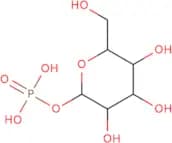
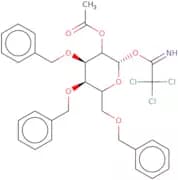
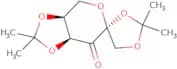
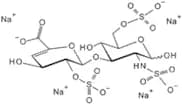

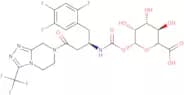
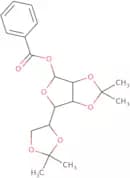
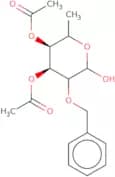


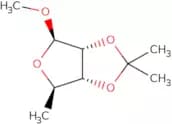
![D-[UL-13C6]Glucosamine HCl](/_next/image/?url=https%3A%2Fstatic.cymitquimica.com%2Fproducts%2F3D%2Fthumb-webp%2FMG45066.webp&w=3840&q=75)
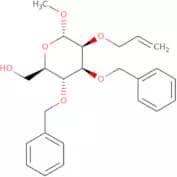

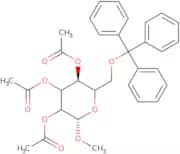
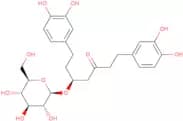
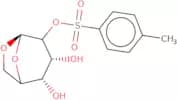
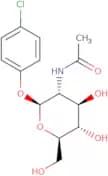
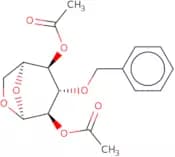

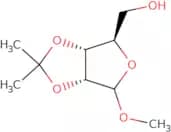

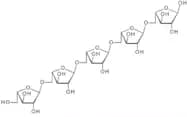
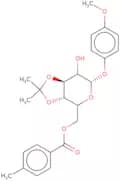
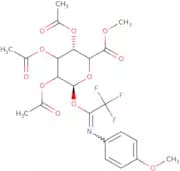


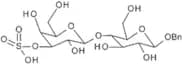
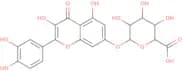
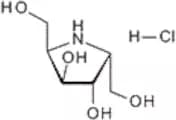
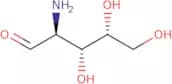

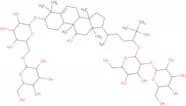
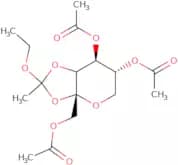
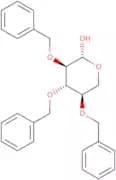

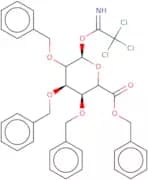
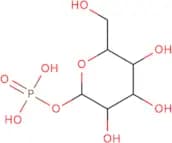
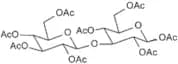
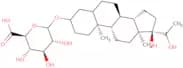
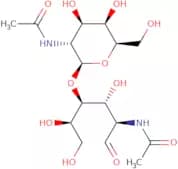
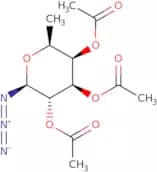


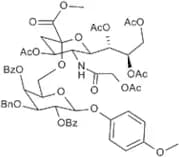

![Methyl 2,6-di-O-benzoyl-3,4-di-O-[bis(3,5-dimethylphenyl)]phosphino-a-D-glucopyranoside](/_next/image/?url=https%3A%2Fstatic.cymitquimica.com%2Fproducts%2F3D%2Fthumb-webp%2FMM166795.webp&w=3840&q=75)

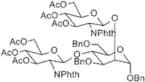
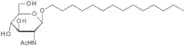

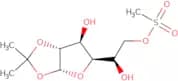
![[1-13C]Maltose monohydrate](/_next/image/?url=https%3A%2Fstatic.cymitquimica.com%2Fproducts%2F3D%2Fthumb-webp%2FOM76731.webp&w=3840&q=75)
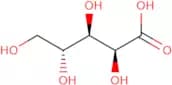
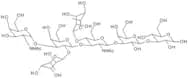
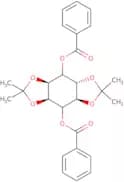
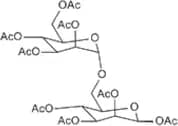
![Benzyl 2,3-O-[(1S,2S)-1,2-dimethoxy-1,2-dimethyl-1,2-ethanediyl]-a-L-xylopyranoside](/_next/image/?url=https%3A%2Fstatic.cymitquimica.com%2Fproducts%2F3D%2Fthumb-webp%2FMB16614.webp&w=3840&q=75)
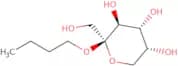

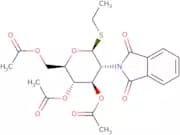

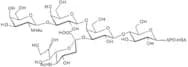

![Benzyl 2,3-O-[(1S,2S)-1,2-dimethoxy-1,2-dimethyl-1,2-ethanediyl]-b-D-arabinopyranoside](/_next/image/?url=https%3A%2Fstatic.cymitquimica.com%2Fproducts%2F3D%2Fthumb-webp%2FMB16615.webp&w=3840&q=75)



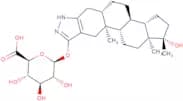

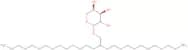

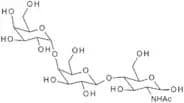
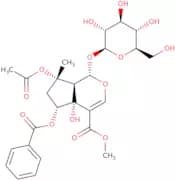



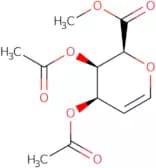
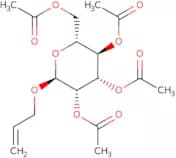


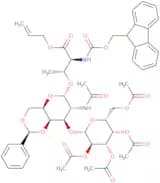


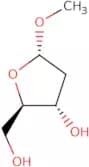
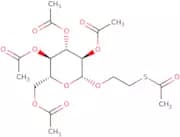


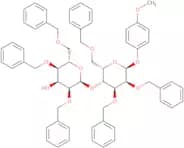
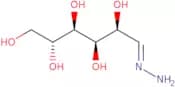

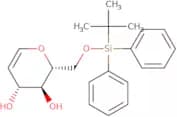
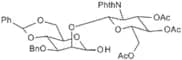

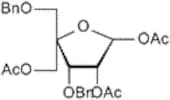
![D-[UL-13C6,15N]Glucosamine HCl](/_next/image/?url=https%3A%2Fstatic.cymitquimica.com%2Fproducts%2F3D%2Fthumb-webp%2FMG15630.webp&w=3840&q=75)
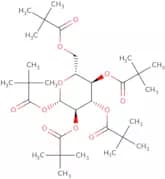
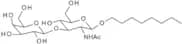
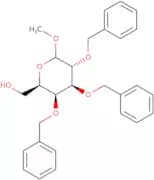
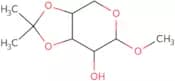
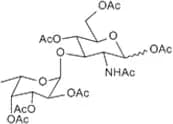

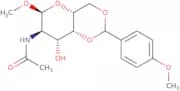
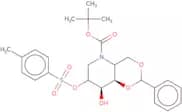
![O-(2-Azido-4,6-O-benzylidene-2-deoxy-a-D-galactopyranosyl)-N-[(9H-fluoren-9-ylmethoxy)carbonyl]-L-…](/_next/image/?url=https%3A%2Fstatic.cymitquimica.com%2Fproducts%2F3D%2Fthumb-webp%2FMA60609.webp&w=3840&q=75)


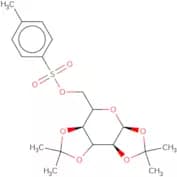

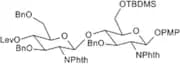
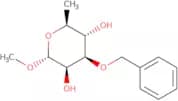

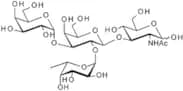
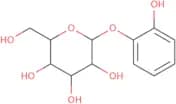
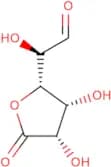
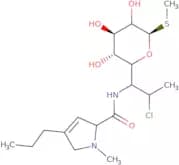
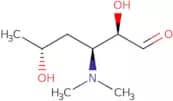

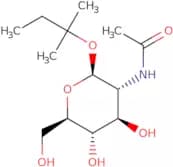
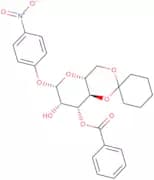


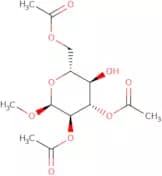
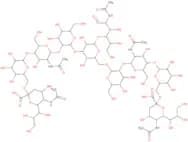
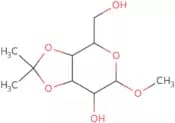
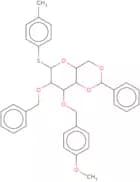
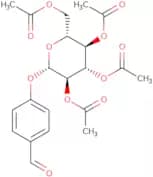
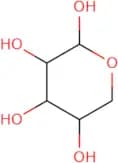

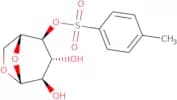

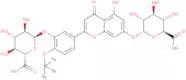
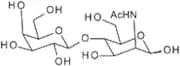


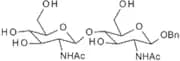


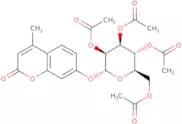

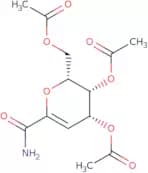
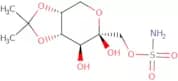
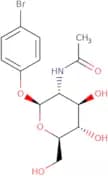
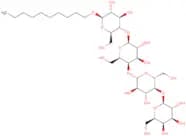

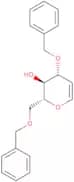
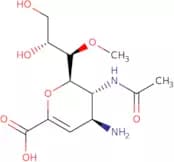

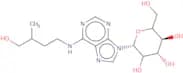
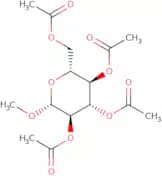



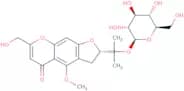

![Methyl 4-O-[4,6-O-benzylidene)-b-D-galactopyranosyl] b-D-glucopyranoside](/_next/image/?url=https%3A%2Fstatic.cymitquimica.com%2Fproducts%2F3D%2Fthumb-webp%2FOM30780.webp&w=3840&q=75)