Glycoscience
Subcategories of "Glycoscience"
- Aminosugars(108 products)
- Glyco-Related Antibodies(283 products)
- Glycolipids(46 products)
- Glycosaminoglycans (GAGs)(55 products)
- Glycosides(419 products)
- Monosaccharides(6,619 products)
- Oligosaccharides(3,712 products)
- Polysaccharides(505 products)
Found 11026 products of "Glycoscience"
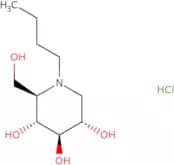
N-Butyldeoxynojirimycin hydrochloride
CAS:Competitive inhibitor of ceramide-glycosyltransferase used for substrate reduction therapy in lysosomal storage disorders. It inhibits glucosylceramide synthase, which catalyses the initial step in glycosphingolipid biosynthetic pathway. This compound delays the onset of symptoms in type 1 Gaucher disease, Sandhoff disease and Tay-Sachs disease. It also reduces brain abnormalities in mucolipidosis type IV.
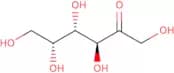
Formula:C10H21NO4•HClPurity:Min. 95%Color and Shape:PowderMolecular weight:255.74 g/molD-Tagatose
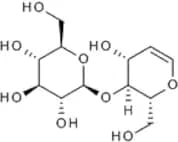
CAS:Low-calorie sweetener; additive in detergents, cosmetics, and pharmaceuticalsFormula:C6H12O6Purity:Min. 99 Area-%Color and Shape:PowderMolecular weight:180.16 g/molD-Cellobial
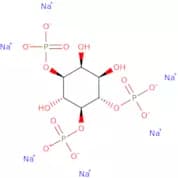
CAS:This compound has been used in the study of cellulase kineticsFormula:C12H20O9Purity:Min. 95%Color and Shape:PowderMolecular weight:308.28 g/molD-myo-Inositol 1,4,5-triphosphate sodium salt
CAS:D-myo-Inositol 1,4,5-triphosphate sodium salt is a diacylglycerol that is involved in intracellular signaling. It is synthesized by the hydrolysis of phosphatidylinositol 4,5-bisphosphate and dephosphorylation of inositol 1,4,5-trisphosphate. D-myo-Inositol 1,4,5-triphosphate sodium salt has been shown to be a potent agonist at the ryanodine receptor and can protect against neuronal death induced by glutamate or NMDA. It also has been shown to have beneficial effects on bowel disease and cytosolic Ca2+ levels.Formula:C6H9Na6O15P3Purity:Min. 95%Color and Shape:Orange To Red SolidMolecular weight:551.99 g/molN1-α-L-Arabinopyranosylamino-guanidine hydrochloride
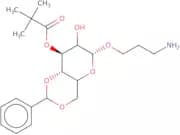
CAS:N1-a-L-Arabinopyranosylamino-guanidine HCl is a carbohydrate that belongs to the class of oligosaccharides. It is a synthetic compound, which is custom synthesized for use in research. This product has been shown to be high purity and is methylated, glycosylated, and click modified. The CAS number 109853-78-3 refers to the chemical name of this product. The molecular weight of N1-a-L-Arabinopyranosylamino-guanidine HCl is 597.14 g/mol with an empirical formula C8H23N2O6.Formula:C6H14N4O4•HClPurity:Min. 95%Color and Shape:White to off-white solid.Molecular weight:242.66 g/mol3-Aminopropyl 4,6-O-benzylidene-3-O-pivaloyl-b-D-galactopyranoside
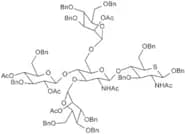
CAS:3-Aminopropyl 4,6-O-benzylidene-3-O-pivaloyl-b-D-galactopyranoside is a glycosylated and fluorinated saccharide that is used as a building block for the synthesis of complex carbohydrates. It can be modified to produce glycans with desired properties, such as improved solubility or stability in high temperatures. This product is available in custom synthesis and high purity.Formula:C21H31NO7Purity:Min. 95%Molecular weight:409.47 g/molBenzyl 2-acetamido-4-O-[2-acetamido-4-O-(2,4-di-O-acetyl-3,6-di-O-benzyl-b-D-glucopyranosyl)-3,6-di-O-(2-O-acetyl-3,4,6-tri-O-benzyl -a-D-mannopyranosyl)-2-deoxy-b-D-glucopyranosyl]-3,6-di-O-benzyl-2-deoxy-5-thio-b-D-glucopyranoside
This compound is a custom synthesis for Modification, Fluorination, Methylation, Monosaccharide, Synthetic, Click modification, Oligosaccharide and saccharide. It has CAS No. and Polysaccharide as Carbohydrate. The molecular weight of this compound isFormula:C119H132N2O29SPurity:Min. 95%Molecular weight:2,086.38 g/mol2-Chloro-4-nitrophenyl 2-azido-2-deoxy-b-D-galactopyranoside
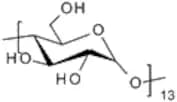
CAS:2-Chloro-4-nitrophenyl 2-azido-2-deoxy-b-D-galactopyranoside is a synthetic compound. It has been shown to be an inhibitor of glycosylation by blocking the terminal step of glycosylation, which is the formation of a covalent bond between a sugar and an amino acid. The compound has been used in click chemistry to methylate saccharides.Formula:C12H13ClN4O7Purity:Min. 95%Molecular weight:360.71 g/molθ-Cyclodextrins
Theta-cyclodextrin (θ-CD) contains 13 glucose units. This cyclodextrin has potential applications in host-guest chemistry, particularly for large molecules or assemblies.Purity:Min. 95%3,4-O-Benzylidene-D- ribonic acid γ-lactone
3,4-O-Benzylidene-D-ribonic acid gamma-lactone is a synthetic sugar that has been modified with fluorination and methylation. It is a complex carbohydrate that has been shown to have antiviral activity against influenza A virus. 3,4-O-Benzylidene-D- ribonic acid gamma-lactone has been synthesized using custom synthesis and high purity. The chemical structure of this product is O-(1,2:3,4:6,7:8,9) benzylidene D-ribonolactone.Purity:Min. 95%N-Acetyl-D-[1,2,3-¹³C3]neuraminic acid
CAS:N-Acetyl-D-[1,2,3-¹³C3]neuraminic acid is a modification of the natural sugar N-acetylneuraminic acid. It can be synthesized by reacting 1,2,3-¹³C3]cytidine with sodium hydroxide and acetic anhydride in methanol. It is a carbohydrate that can be found in many plants and animals. This compound has been shown to inhibit glycosylation and methylation reactions. N-Acetyl-D-[1,2,3-¹³C3]neuraminic acid is also a monosaccharide that belongs to the group of sugars. Due to its high purity and availability, this substance can be used as a substitute for sialic acid in research experiments.Formula:C3C8H19NO9Purity:Min. 95%Color and Shape:PowderMolecular weight:312.25 g/mol2-Acetamido-3,4,6-tri-O-acetyl-2-deoxy-D-glucohydroximo-1,5-lactone
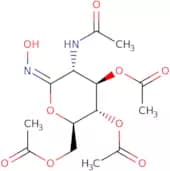
CAS:2-Acetamido-3,4,6-tri-O-acetyl-2-deoxy-D-glucohydroximo-1,5-lactone is a methylated sugar. It is a white to off white powder with a molecular weight of 518. The chemical formula for 2-Acetamido-3,4,6-tri-O-acetyl-2-deoxy--D--glucohydroximo--1,5--lactone is C16H26N2O8 and the structural formula is as follows:br>Formula:C14H20N2O9Purity:Min. 95%Color and Shape:White PowderMolecular weight:360.32 g/mol1,2,3,4-Tetra-O-acetyl-6-O-(tert-butyldimethylsilyl)-b-D-glucopyranose
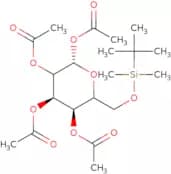
CAS:1,2,3,4-Tetra-O-acetyl-6-O-(tert-butyldimethylsilyl)-b-D-glucopyranose is a custom synthesis of an Oligosaccharide. It is a complex carbohydrate that has been modified with Methylation and Glycosylation. Carbohydrate Click chemistry has been used to modify the sugar molecule with Fluorination. This product is manufactured in high purity and can be used for pharmaceutical purposes.Formula:C20H34O10SiPurity:Min. 95%Molecular weight:462.57 g/molHyaluronic acid sodium salt - Low molecular weight 10,000 - 50,000
CAS:Gycosaminoglycan in many organs; joint lubricant and shock absorberFormula:(C14H20NO11Na)nPurity:Min. 95.0%Color and Shape:PowderD-Iditol
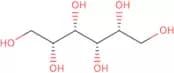
CAS:D-Iditol is a chromatographic stationary phase that is used for hydrophilic interaction chromatography. It is a polymer of 1,2-diols and long-chain fatty acids. D-Iditol has been shown to have long-term toxicity in rats and has been shown to be carcinogenic in mice. This substance binds to calcium stearate and forms ternary complexes with glutamate dehydrogenase and calcium stearate. The kinetic data on the formation of these complexes can be obtained using light signal detectors. D-Iditol also has an affinity for hydroxyl groups found in proteins, giving it the ability to bind to proteins such as glutathione reductase, cytochrome p450, mycobacterium, and erythrocytes.Formula:C6H14O6Purity:Min. 98 Area-%Color and Shape:White PowderMolecular weight:182.17 g/molPhenyl 2-acetamido-2-deoxy-α-D-glucopyranoside
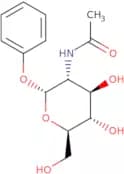
CAS:Phenyl 2-acetamido-2-deoxy-a-D-glucopyranoside is a fluorinated sugar that was synthesized by chemical modification of a natural sugar. It is a white, crystalline powder and has an odorless taste. This product is custom synthesized and can be used as an intermediate in the production of other saccharides. Phenyl 2-acetamido-2-deoxy-a-D-glucopyranoside has been modified to include methyl groups and glycosyl groups, which are not present in the natural product.Formula:C14H19NO6Purity:Min. 95%Color and Shape:SolidMolecular weight:297.3 g/mol2,3,5-Tri-O-benzyl-L-xylofuranose
CAS:2,3,5-Tri-O-benzyl-L-xylofuranose is a sugar molecule that has been modified to inhibit glycosidases. 2,3,5-Tri-O-benzyl-L-xylofuranose is an iminosugar that inhibits the enzyme β-glucosidase and α-galactosidase. The compound is not metabolized and it binds to the enzyme's active site. 2,3,5-Tri-O-benzyl L xylofuranose has been shown to be effective at inhibiting all of the glycosidases tested in this study with inhibition potencies ranging from 0.1 mM to 10 mM. This compound also inhibits epoxides and cyclic enzymes such as azido reductase and dihydropyrimidine dehydrogenase.Formula:C26H28O5Purity:Min. 95%Color and Shape:PowderMolecular weight:420.5 g/mol(Hydroxypropyl)methyl cellulose - Viscocity 2600-5600 cP
CAS:Hydroxypropyl methylcellulose (HPMC or hypromellose) is a semisynthetic, inert and viscoelastic polymer that is used as eye drops and as semi-synthetic substitute for tear-films. When applied, a hypromellose solution acts to swell and absorb water, by increasing the thickness of the tear-film, resulting in decreased eye irritation. In addition to its use in ophthalmic liquids, hypromellose has been used as an excipient in oral tablet and capsule formulations, where, depending on the grade, it functions as controlled-release agent. It is also used as a binder and as a component of tablet coatings. Hypromellose in aqueous solution, unlike methylcellulose, exhibits thermal gelation properties. HPMC is approved as a food additive, emulsifier, thickening and suspending agent, and as an alternative to animal gelatin (Codex Alimentarius code (E number) is E464).
Color and Shape:White Powder2,3-Dimethyl-6-tert-butyldimethylsilyl-a-cyclodextrin
Alpha-cyclodextrin (α-CD) derivative with a hydrophilic exterior and lipophilic cavity (smaller than β-CDs and γ-CDs) to allocate certain guest molecules. This structural characteristic enables applications in molecular encapsulation, solubility enhancement, and stabilization across multiple industries. In pharmaceuticals, it serves as a drug delivery vehicle, enhancing the bioavailability and stability of active ingredients. The food industry utilizes it as a stabilizer for flavors, colors, and nutrients, as well as a functional ingredient for its effects on lipid metabolism. In cosmetics, it acts as a complex agent for fragrances and active components. Its applications extend to analytical chemistry for chiral separation and to materials science for developing smart materials and nanosystems.Formula:C84H168O30Si6Purity:Min. 95%Molecular weight:1,826.73 g/molMethoxyphenyl 3-O-(3-O-allyl-2,4,6-tri-O-benzyl-b-D-galactopyranosyl)-6-O-benzyl-2-deoxy-2-N-phthalamido-b-D-glucopyranoside
Methoxyphenyl 3-O-(3-O-allyl-2,4,6-tri-O-benzyl-β-D-galactopyranosyl)-6-O-benzyl-2,-deoxy, 2N-(phthalamido)-bDglucopyranoside is a fluorinated monosaccharide that is synthesized from the corresponding benzaldehyde and propargylic alcohol. The glycosidic bond is formed by an O-(3'-O allyl) β - D - galactopyranosyl group. The methylene bridge in the molecule can be modified with a click chemistry reaction to react with a thiol group on a protein. This modification allows for the site specific incorporation of the sugar into proteins.Formula:C58H59NO13Purity:Min. 95%Molecular weight:978.09 g/molCalcium L-threonate
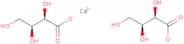
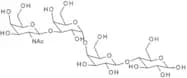
CAS:Calcium L-threonate is a four carbon monosaccharideFormula:C8H14CaO10Purity:Min. 98 Area-%Color and Shape:PowderMolecular weight:310.27 g/mol4-O-(6-O-[2-Acetamido-2-deoxy-b-D-glucopyranosyl]-b-D-galactopyranosyl)-D-glucopyranose
CAS:Lacto-N-neotetraose is a trisaccharide composed of two galactose units and one glucose unit. It has been found to be an effective carbohydrate for the treatment of colostrum depletion in newborns. Lacto-N-neotetraose can be obtained through methanolysis, which is the hydrolysis of lactose by the addition of methanol to produce a mixture of sugars. This process is activated by ion exchange chromatography, and then hydrolyzed to produce oligosaccharides. Lacto-N-neotetraose can also be obtained from human or horse milk as 13C NMR spectroscopy shows that it is present in both species.Formula:C20H35NO16Purity:Min. 98 Area-%Color and Shape:PowderMolecular weight:545.49 g/mol3,4:5,6-Di-O-isopropylidene-D-idonic acid methyl ester
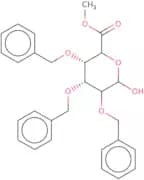
3,4:5,6-Di-O-isopropylidene-D-idonic acid methyl ester is a modified sugar. It is a complex carbohydrate which is synthesized from D-glyceraldehyde and D-ribose. This product can be used in the production of glycosylated proteins or as an intermediate for custom synthesis. 3,4:5,6-Di-O-isopropylidene-D-idonic acid methyl ester has high purity and can be ordered with custom synthesis. 3,4:5,6-Di-O-isopropylidene-D-idonic acid methyl ester is soluble in water and alcohols. It can be used as a reagent for click chemistry modification.Purity:Min. 95%2,3,4-Tri-O-benzyl-D-glucuronide methyl ester
2,3,4-Tri-O-benzyl-D-glucuronide methyl ester is an organic compound that is structurally classified as a saccharide. It can be used as an intermediate in the synthesis of oligosaccharides and glycosylated proteins. This product has been modified with Click chemistry, which is a method for modifying chemical structures with a simple reaction between two groups. The modification is stable in acidic conditions and can be removed by treatment with base. 2,3,4-Tri-O-benzyl-D-glucuronide methyl ester also contains fluorine atoms that have been introduced during the synthetic process.Formula:C28H30O7Purity:Min. 95%Color and Shape:White PowderMolecular weight:478.53 g/molSuccinyl-(2-hydroxypropyl)-b-cyclodextrin
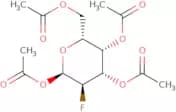
This beta-cyclodextrin (β-CD) derivative is a functionalized cyclic oligosaccharide composed of seven glucose units, characterized by a hydrophilic exterior and a lipophilic cavity (bigger than α-CD and smaller than γ-CDs), which allows it to encapsulate various guest molecules. This structural feature facilitates its use in multiple applications, including pharmaceuticals, food enhancement, and cosmetics. In the pharmaceutical industry, it enhances the solubility and stability of poorly water-soluble drugs, improving their bioavailability and efficacy while also masking unpleasant tastes. The food sector utilizes it as a stabilizer for flavors, colors, and nutrients, extending shelf life by protecting sensitive ingredients from degradation. In cosmetics, it serves as a complexing agent for fragrances and active components, ensuring their stability and controlled release. Its use expands to many other fields, including nanotechnology for drug delivery systems, environmental remediation for extracting organic pollutants, textiles for slow-release fragrances, and analytical chemistry for chiral separation.Formula:C42H70xyO35•(C4H5O3)x•(C3H7O)yPurity:Min. 95%Color and Shape:PowderMolecular weight:1767.591,3,4,6-Tetra-O-acetyl-2-deoxy-2-fluoro-D-galactopyranose
CAS:1,3,4,6-Tetra-O-acetyl-2-deoxy-2-fluoro-D-galactopyranose is a fluorinated sugar that is used in the synthesis of glycosides. It is a synthetic compound that is prepared by reacting 1,3,4,6-tetraacetyl galactose with potassium bifluoride and diethyl oxalate in presence of anhydrous sodium sulfate. The product obtained has the following structural formula: The chemical name for this compound is 1,3,4,6-Tetraacetyl -2-[(1R)-1-(ethoxycarbonyl)propyl]-2-(fluorooxymethyl) -D-galactopyranose. The CAS number for this compound is 83697–45–4.Formula:C14H19FO9Purity:(As Sum Of Anomers) Min. 98 Area-%Color and Shape:White PowderMolecular weight:350.3 g/molMethyl 2,3,4-tri-O-acetyl-6-O-tert-butyldimethylsilyl-a-D-mannopyranoside
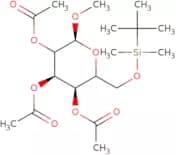
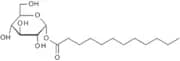
Methyl 2,3,4-tri-O-acetyl-6-O-tert-butyldimethylsilyl-a-D-mannopyranoside is a fluorinated monosaccharide. It is used in the synthesis of oligosaccharides and polysaccharides. This chemical can also be used for glycosylation and click modifications. Methyl 2,3,4-tri-O-acetyl-6-O-tert-butyldimethylsilyl--a--D--mannopyranoside has CAS No.Formula:C19H34O9SiPurity:Min. 95%Molecular weight:434.56 g/mol1-Oxododecyl a-D-glucopyranoside
CAS:1-Oxododecyl a-D-glucopyranoside is a synthetic, high purity, and complex carbohydrate that has been synthesized with methylation, saccharide, polysaccharide, click modification and modification. This product is custom synthesized to order for the synthesis of oligosaccharides. 1-Oxododecyl a-D-glucopyranoside is available in CAS No. 64395-91-1 and has been fluorinated for stability and modification.Formula:C18H34O7Purity:Min. 95%Color and Shape:White To Off-White SolidMolecular weight:362.46 g/molGlycyl-Lewisa
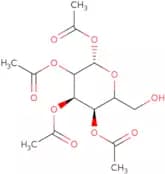
CAS:Glycyl-Lewisa is a synthetic, fluorinated monosaccharide that is produced by the modification of glycerol. Glycyl-Lewisa is a fluorescent compound that can be used as a biomarker for glycosylation, methylation, and other modifications. Glycyl-Lewisa is also a substrate for polysaccharide synthesis and has been shown to have antiviral effects against HIV. This product can be custom synthesized to meet specific customer needs.Formula:C22H39N3O15Purity:Min. 95%Molecular weight:585.56 g/mol1,2,3,4-Tetra-O-acetyl-D-mannopyranose
CAS:1,2,3,4-Tetra-O-acetyl-D-mannopyranose is a modified monosaccharide that is synthesized by the Click reaction. This compound has been shown to be useful in the synthesis of oligosaccharides and polysaccharides. It can also be used for protein modification or the fluorination of saccharides. It is also a high purity product that can be used as an intermediate for custom synthesis.Formula:C14H20O10Purity:Min. 95%Molecular weight:348.3 g/molPhenyl b-L-thiofucopyranoside
Phenyl b-L-thiofucopyranoside is a custom-synthesized, fluorinated, modified sugar that is used in the synthesis of oligosaccharides and polysaccharides. This compound is an excellent choice for methylation reactions due to its high reactivity and stability under harsh conditions. Phenyl b-L-thiofucopyranoside can be used as a precursor for the synthesis of saccharide derivatives, such as monosaccharides and complex carbohydrates. It has been shown to be stable to heat and pH extremes, making it ideal for use in organic syntheses.Formula:C12H16O4SPurity:Min. 95%Color and Shape:PowderMolecular weight:256.32 g/molGlobo-N-tetraose
CAS:Tetrasaccharide associated with the glycolipid globosideFormula:C26H45NO21Purity:Min. 95 Area-%Color and Shape:White PowderMolecular weight:707.63 g/molN-Acetyl-D-galactosamine
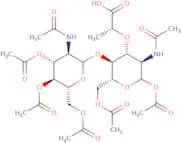
CAS:N-Acetyl-D-galactosamine (GalNAc) is an aldohexose (2-acetamido-2-deoxygalactose) in which the hydroxyl group at position 2 is replaced by a N-Acetyl group (Collins, 2006). GalNAc forms a key part of both N- and O-linked glycoproteins, glycolipids, gangliosides, blood groups, glycosaminoglycans (chondroitin and dermatan sulfate) and human milk oligosaccharides. The number of acetylgalactosamine residues attached to the IgA O-linked glycans of Crohn'sdisease patients is significantly decreased, and strongly correlated with clinical activity. It is suggested that alterations of GalNAc attachment in IgA may be useful as a novel diagnostic and prognostic marker of Crohn's disease (Inoue, 2012).Formula:C8H15NO6Purity:Min. 98%Color and Shape:White PowderMolecular weight:221.21 g/mol2-O-Acetamido-1,6-di-O-acetyl-2-deoxy-4-O-(2-acetamido-3,4,6-tri-O-acetyl-2-deoxy-D-glucopyranosyl)muramic acid
CAS:2-O-Acetamido-1,6-di-O-acetyl-2-deoxy-4-O-(2-acetamido-3,4,6-tri-O-acetyl)muramic acid is a synthetic oligosaccharide. This compound is used in research for the synthesis of glycosylides and glycosidase inhibitors. It can be modified to include fluorine atoms and click chemistry modifications. 2OAAmDDA is soluble in DMSO and acetone. It has a CAS number of 4891465.Formula:C29H42N2O18Purity:Min. 90 Area-%Color and Shape:PowderMolecular weight:706.65 g/molGT1b-Ganglioside ammonium
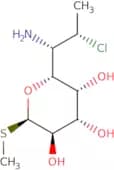
CAS:GT1b ganglioside (ammonium salt) has a core tetrasaccharide structure (Galβ1,3GalNAcβ1,4Galβ1,4Glc) with two sialic acids (NeuAc) linked α2,3/α2,8 to the inner galactose residue, sialic acid (NeuAc) linked α2,3 to the terminal galactose residue, and ceramide linked β to position 1 on the reducing terminal glucose residue (Ledeen, 2009). GT1b ganglioside is one of the major gangliosides in neuronal and glial membranes. It interacts with myelin-associated glycoprotein (MAG) and is essential for long-term axon-myelin stability. GT1b ganglioside also acts as a receptor for bacterial toxins, such as, tetanus and botulinum toxins (Nishiki, 1996), as well as for viruses. A few examples of which include: Merkel cell polyomavirus, JC virus, BK virus, norovirus, and others (Low, 2006).Formula:C95H165N5O48·xNH4Purity:Min. 95%Color and Shape:PowderMolecular weight:2,145.33 g/molMethyl 7-chloro-7-deoxy-1-thiolincosaminide
CAS:Methyl 7-chloro-7-deoxy-1-thiolincosaminide is a modification of the monosaccharide D-glucose. It has a CAS number of 22965-79-3 and is a white powder. Methyl 7-chloro-7-deoxy-1-thiolincosaminide can be used in the production of various carbohydrates, such as oligosaccharides and polysaccharides. This compound is also useful for the synthesis of sugar related products, including saccharides, glycosylation, and fluorination. Methyl 7-chloro-7-deoxy 1 -thiolincosaminide has been shown to be highly pure and synthetic, making it suitable for use in research or industrial settings.Formula:C9H18ClNO4SPurity:Min. 95%Color and Shape:PowderMolecular weight:271.76 g/molPhenyl 2,3,4,6-tetra-O-acetyl-b-D-thiogalactopyranoside
CAS:Phenyl 2,3,4,6-tetra-O-acetyl-b-D-thiogalactopyranoside is a sugar that belongs to the class of glycosides. It is a white crystalline powder and has a molecular weight of 459.8. The chemical formula for this compound is C 12 H 18 O 9 . Phenyl 2,3,4,6-tetra-O-acetyl-b-D-thiogalactopyranoside is used in the synthesis of oligosaccharides and polysaccharides. It can be used to modify the structure of saccharides and sugar molecules by methylation or fluorination. This product also has CAS No. 24404-53-3 and can be custom synthesized according to your specifications.Formula:C20H24O9SPurity:Min. 95%Color and Shape:PowderMolecular weight:440.47 g/molMethyl 2,3,4,6-tetra-O-benzyl-D-glucopyranoside
CAS:Methyl 2,3,4,6-tetra-O-benzyl-D-glucopyranoside is a glucopyranoside that has been chemically modified with an allyl group and an azide group. It is also the anomeric form of methyl 2,3,4,6-tetra-O-benzyl-β-D-glucopyranoside. The modification of the sugar moiety offers a new approach to synthesize β-linked D-, L-, or D/L-(2,3,4,6)-linked glycosides. This chemical modification is unambiguously determined by nmr analysis and alkene formation.Formula:C35H38O6Purity:Min. 95%Color and Shape:Clear LiquidMolecular weight:554.67 g/molN-[2-(4'-Nitrophenyl)-1-cyano-3-butene]-2,3,4,6-tetra-O-pivaloyl-D-glucopyranoside
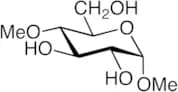
The product is a methylation, saccharide, Polysaccharide, CAS No., Click modification, Modification, Oligosaccharide, Custom synthesis, Glycosylation and High purity. The product is a fluorination and complex carbohydrate.Formula:C36H51N3O11Purity:Min. 95%Molecular weight:701.8 g/molMethyl 4-O-methyl-α-D-glucopyranoside
CAS:Methyl 4-O-methyl-α-D-glucopyranoside is a methyl glucoside analogueFormula:C8H16O6Purity:Min. 95%Color and Shape:PowderMolecular weight:208.21 g/molO-(2,3,4,6-Tetra-O-benzyl-a-D-gal)-(1-4)-O-(2,3,6-tri-O-benzyl-b-D-gal)-(1-4)-2,3,6-tri-O-benzyl-D-glc
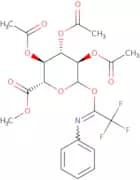
O-(2,3,4,6-Tetra-O-benzyl-a-D-gal)-(1-4)-O-(2,3,6-tri-O-benzyl-b-D-gal)-(1-4)-2,3,6-tri-O-benzyl D glucal is a modification of the Oligosaccharide carbohydrate. It is synthesized by custom synthesis and is high purity. The CAS number for this product is . The monosaccharide in this product is methylated and glycosylated. This product has fluorination and saccharide properties.Purity:Min. 95%1-(2,2,2-Trifluoro-N-phenylethanimidate)-2,3,4-tri-O-acetyl-D-glucopyranuronic acid methyl ester
CAS:1-(2,2,2-Trifluoro-N-phenylethanimidate)-2,3,4-tri-O-acetyl-D-glucopyranuronic acid methyl ester is a methylated variant of an oligosaccharide. It has been synthesized by the click modification of an oligosaccharide with a monosaccharide and a fluorinated saccharide. This compound has been shown to have antiviral activity against the influenza virus in vitro. The antiviral activity may be due to its ability to inhibit the viral polymerase and RNA synthesis or to prevent virus assembly and release.Formula:C21H22F3NO10Purity:Min. 95%Molecular weight:505.4 g/molChondroitin sulfate A sodium salt - Average MW 20,000 - 30,000
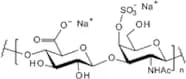
CAS:The disaccharide repeating unit of chondroitin sulphate consists of N-acetyl galactosamine sulphate linked β1,4 to glucuronic acid. Each monosaccharide may be left unsulphated, sulphated once, or sulphated twice. The most common pattern is that the hydroxyl groups of the 4 and 6 positions of the N-acetyl-galactosamine are sulphated, with some chains having the position 2 of the glucuronic acid sulphated.Purity:Min. 90 Area-%Color and Shape:White PowderPropargyl a-D-galactopyranoside
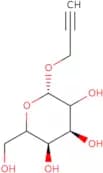
CAS:Propargyl a-D-galactopyranoside (PGAL) is a synthetic compound that belongs to the group of oligosaccharides. PGAL can be used in the synthesis of glycosylated saccharides, such as glycoproteins and glycolipids. The modification of PGAL with fluorine atoms is known to increase its stability. It has been shown that PGAL can be modified with methyl groups without affecting its chemical properties. Furthermore, PGAL can be modified with click chemistry reactions, which are chemoselective reactions that are catalyzed by copper(I) ions.Formula:C9H14O6Purity:Min. 95%Color and Shape:White to off-white oily solid.Molecular weight:218.21 g/molFurcellaran
CAS:Furcellaran (Danish agar) is similar to κ-carrageenan but is less sulphated (50%). It has been extracted from Furcellaria lumbricalis, which is mainly harvested off the coast of Denmark. This species, which is common to most parts of Europe, occurs as a loose form and only reproduces vegetatively. The image was kindly provided by Prof Mike Guiry from Cork who runs ‘The Seaweed Site’.Color and Shape:Powder4-O-(b-D-Galactopyranosyl)-b-D-thioglucopyranose
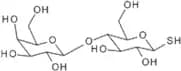
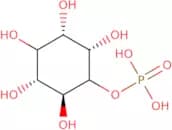
4-O-(b-D-Galactopyranosyl)-b-D-thioglucopyranose is a custom synthesis carbohydrate. It is an oligosaccharide that consists of a monosaccharide with a b-D-galactopyranosyl group and a b-D-thioglucopyranose group. 4-O-(b-D-Galactopyranosyl)-b-D-thioglucopyranose is a polysaccharide and belongs to the class of carbohydrates, which are saccharides or sugars. Carbohydrates are important in cell walls and are modified by methylation, glycosylation, and click modification. Carbohydrates can be classified as simple or complex carbohydrates. Simple carbohydrates contain one molecule with one type of sugar unit bonded together, while complex carbohydrates have more than one type of sugar unit bonded together.Formula:C12H22O10SPurity:Min. 95%Color and Shape:PowderMolecular weight:358.36 g/molD-myo-inositol 3-phosphate
CAS:D-myo-inositol 3-phosphate (IP3) is a molecule that is involved in the metabolism of carbohydrates, fats, and proteins. It is synthesized from D-myo-inositol 1,4,5-trisphosphate through the action of an enzyme called phosphatidylinositol kinase. IP3 binds to the calmodulin protein and has been shown to have biological properties, such as cytosolic or chloroplastic localization and transcriptional regulation. IP3 also participates in the synthesis of DNA and RNA. The sequence of IP3 has been determined for plants such as Solanum tuberosum and Arabidopsis thaliana.Formula:C6H13O9PPurity:Min. 95%Molecular weight:260.14 g/mol(1S) -1- [(2R, 3S) -3- Benzyloxy-N-butyl- 1- azetidinyl] -1, 2- ethanediol
(1S) -1- [(2R, 3S) -3- Benzyloxy-N-butyl- 1- azetidinyl] -1, 2- ethanediol is a synthetic compound that has been modified on the sugar moiety. It is a fluorinated oligosaccharide with an Oligosaccharide group consisting of an alpha (1→4) glycosidic linkage between two glucose molecules and a beta (1→6) glycosidic linkage between two galactose molecules. This compound can be custom synthesized to meet the needs of your project.Purity:Min. 95%FA2B Glycan, 2-AB labelled
This is a monosaccharide with 2-AB labelled. It is a modification of the oligosaccharide, carbohydrate, complex carbohydrate, and custom synthesis. This product has high purity and CAS No. It is methylated and glycosylated. The product is fluorinated and saccharide.Purity:Min. 95%Sucralose
CAS:Sucralose, an artificial sweetener, was discovered in a research programme supported by Tate & Lyle to halogenate sucrose. The majority of ingested sucralose is not broken down by the body, so it is noncaloric. In the European Union, it has been given the E number E955. Sucralose is about 320 to 1,000 times sweeter than sucrose, three times as sweet as both aspartame and acesulfame potassium, and twice as sweet as sodium saccharin. It is stable under heat and over a broad range of pH conditions. Therefore, it can be used in baking or in products that require a long shelf life. The commercial success of sucralose-based products stems from its favorable comparison to other low-calorie sweeteners in terms of taste profile, stability, and safety.Formula:C12H19Cl3O8Purity:Min. 98 Area-%Color and Shape:White PowderMolecular weight:397.63 g/mol



![N-Acetyl-D-[1,2,3-¹³C3]neuraminic acid](/_next/image/?url=https%3A%2Fstatic.cymitquimica.com%2Fproducts%2F3D%2Fthumb-webp%2FMA182016.webp&w=3840&q=75)



![4-O-(6-O-[2-Acetamido-2-deoxy-b-D-glucopyranosyl]-b-D-galactopyranosyl)-D-glucopyranose](/_next/image/?url=https%3A%2Fstatic.cymitquimica.com%2Fproducts%2F3D%2Fthumb-webp%2FOA05021.webp&w=3840&q=75)





![N-[2-(4'-Nitrophenyl)-1-cyano-3-butene]-2,3,4,6-tetra-O-pivaloyl-D-glucopyranoside](/_next/image/?url=https%3A%2Fstatic.cymitquimica.com%2Fproducts%2F3D%2Fthumb-webp%2FMN08500.webp&w=3840&q=75)


![(1S) -1- [(2R, 3S) -3- Benzyloxy-N-butyl- 1- azetidinyl] -1, 2- ethanediol](/_next/image/?url=https%3A%2Fstatic.cymitquimica.com%2Fproducts%2F3D%2Fthumb-webp%2FMB163382.webp&w=3840&q=75)