Glycoscience
Subcategories of "Glycoscience"
- Aminosugars(108 products)
- Glyco-Related Antibodies(283 products)
- Glycolipids(46 products)
- Glycosaminoglycans (GAGs)(55 products)
- Glycosides(419 products)
- Monosaccharides(6,619 products)
- Oligosaccharides(3,711 products)
- Polysaccharides(505 products)
Found 11027 products of "Glycoscience"
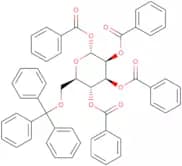
1,2,3,4-Tetra-O-benzoyl-6-O-trityl-a-D-mannopyranose
CAS:1,2,3,4-Tetra-O-benzoyl-6-O-trityl-a-D-mannopyranose is a methylated saccharide. It is a synthetic product that can be used for the modification of oligosaccharides and polysaccharides. This product has been fluorinated and can be used in the synthesis of complex carbohydrates. It can also be used for the synthesis of monosaccharides or sugars.Formula:C53H42O10Purity:Min. 95%Molecular weight:838.89 g/mol1,2,3-Tri-O-acetyl-5-deoxy-b-D-ribofuranose
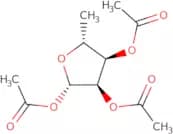
CAS:1,2,3-Tri-O-acetyl-5-deoxy-b-D-ribofuranose is a fluoropyrimidine prodrug. It can be converted to 5-fluorocytosine in vivo and has been shown to have antitumor properties. The positron emission from 1,2,3-triacetyl-5-deoxyribofuranose is used as a radiotracer for colorectal cancer.Formula:C11H16O7Purity:Min. 95%Color and Shape:White PowderMolecular weight:260.24 g/mol6-Phospho-D-glucono-1,5-lactone
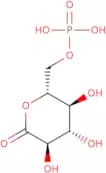
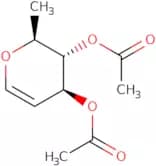
CAS:6-Phospho-D-glucono-1,5-lactone is a metabolite of D-gluconic acid that is formed by the action of a phosphoglucoisomerase. 6PGL has been shown to inhibit the growth of colorectal adenocarcinoma cells and to be effective against infectious diseases such as malaria. It is also involved in energy metabolism and cell division in plants. 6PGL may also have anticancer effects, as it inhibits prostate cancer cells and induces apoptosis through activation of epidermal growth factor receptor (EGFR) and inhibition of EGFR tyrosine kinase activity. It has been shown to act on redox potential, enzyme activities, and oxidative injury in liver cells.Formula:C6H11O9PPurity:Min. 95%Molecular weight:258.12 g/mol3,4-Di-O-acetyl-L-rhamnal
CAS:DNA-binding agentFormula:C10H14O5Color and Shape:Clear LiquidMolecular weight:214.22 g/mol6- Azido- 6- deoxy- 1, 2:3, 5- bis- isopropylidene-D- glycero- L- gulo- heptitol
CAS:6-Azido-6-deoxy-1,2:3,5-bisisopropylidene-D-glycero-L-guloheptitol is a synthetic monosaccharide that can be used for the synthesis of oligosaccharides and complex carbohydrates. It is prepared by the fluorination of 6,6'-azido-1,2:3,5 bisisopropylidene D-glycero L guloheptitol. The chemical name of 6,6'-azido 1,2:3,5 bisisopropylidene D glycero L guloheptitol is 2-(6'-Amino)-2-(6'-deoxy)-1-(isopropylidene)ethanol. This compound has been shown to react with carbonyl groups in sugar molecules to form new compounds called glycosides. 6,6'-Amino 1,
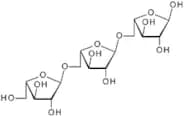
Formula:C13H23N3O6Purity:Min. 95%Molecular weight:317.34 g/mol1,5-α-L-Arabinotriose
CAS:1,5-α-L-Arabinotriose is a sugar that is found in the cell walls of plants. It is a trisaccharide composed of three L-arabinose units linked by α-(1→5) bonds. 1,5-α-L-Arabinotriose has been shown to be adsorbed on cellulose acetate and can be used to measure the molecular weight of the adsorbate. This sugar also undergoes optical rotations when it interacts with some dyes such as germanium tetrachloride. 1,5-α-L-Arabinotriose has many uses including: as a solute in chloride ion chromatography; as an absorbent in filtration experiments; and as a parameter for calculating thermodynamics for reactions involving hydrogen transfer.Formula:C15H26O13Purity:Min. 95 Area-%Color and Shape:Clear LiquidMolecular weight:414.36 g/mola-D-Glucose-1-phosphate disodium salt hydrate
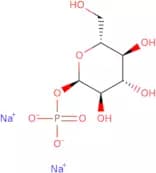
CAS:a-D-Glucose-1-phosphate disodium salt hydrate (aGPD) is a bacterial strain that has been shown to produce fatty acids from glucose. The production of fatty acids has been shown to be dependent on transfer reactions involving tagatose, which is an intermediate product of the process optimization of aGPD. The final product of these reactions is lactic acid, which is formed in an acidic environment. This bacterial strain has also been used as a model system for studying kidney bean phosphatase and photosynthetic activity in monoclonal antibody production.Formula:C6H11O9P·2Na·xH2OPurity:Min. 97%Color and Shape:White PowderMolecular weight:304.1 g/molMonosialyl, monofucosyl-(1-3)-lacto-N-hexaose
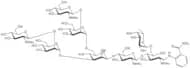
Monosialyl, monofucosyl-(1-3)-lacto-N-hexaose is a high purity oligosaccharide that is custom synthesized for use in glycosylation studies. It can be modified with methylation, fluorination, or Click chemistry to create a variety of sugar derivatives. Monosialyl, monofucosyl-(1-3)-lacto-N-hexaose has been shown to have complex carbohydrate properties and can be used as an α1→6 glycosidic linker in the synthesis of polysaccharides.Purity:Min. 95%NGA2F Glycan, 2-AB labelled
NGA2F Glycan is a complex carbohydrate that is synthesized by the enzymatic transfer of an N-acetylgalactosamine (GalNAc) residue to a serine or threonine residue on protein. It is modified with methylation, Click modification, and fluorination. NGA2F Glycan has two binding sites for 2-AB labelled monosaccharides. The glycosylation site is located at the non-reducing end of the molecule, while the oligosaccharide site is located at the reducing end of the molecule.
Purity:Min. 95%3-O-Methanesulfonyl-D-glucopyranose
CAS:3-O-Methanesulfonyl-D-glucopyranose is a high purity, custom synthesis sugar that can be modified with fluorination, glycosylation, methylation and modification. It is also synthesized from glycoaldehyde and methanesulfonic acid in the presence of sodium hydroxide and sodium acetate. 3-O-Methanesulfonyl-D-glucopyranose can be used to synthesize saccharides and oligosaccharides. This compound is soluble in water and has a boiling point of 218°C at 760 mmHg. It is slightly soluble in methanol, ethanol and acetone. 3-O-Methanesulfonyl-D-glucopyranose has a CAS number of 40631-95-6.Formula:C7H14O8SPurity:Min. 95%Color and Shape:PowderMolecular weight:258.25 g/mol4,5-Di-O-acetyl-2,6-anhydro-3-deoxy-D-erythro-hex-2-enononitrile
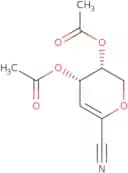
CAS:4,5-Di-O-acetyl-2,6-anhydro-3-deoxy-D-erythro-hex-2-enononitrile is a custom synthesis carbohydrate. It has been modified with methyl and glycosylation groups. This product can be used as an intermediate in the synthesis of other compounds. 4,5 Di O acetyl -2,6 anhydro 3 deoxy D erythro hex 2 enononitrile is a white crystalline solid that is soluble in water and ethanol. It has a melting point of 74°C and it is stable up to 168°C.Formula:C10H11NO5Purity:Min. 95%Molecular weight:225.2 g/mol3,6-Dideoxy-3,6-imino-4,5-O-isopropylidene-D-mannitol
3,6-Dideoxy-3,6-imino-4,5-O-isopropylidene-D-mannitol is a complex carbohydrate that is a sugar. It is an oligosaccharide and has CAS No. 123725-27-8. 3,6-Dideoxy-3,6-imino-4,5-O-isopropylidene D mannitol is a saccharide and it can be modified with methylation or glycosylation. 3,6-Dideoxy D mannitol can be fluorinated in the presence of elemental fluorine to produce 3,6 difluoro 2,5 dihydroxyhexanoic acid. 3,6 Dideoxy D mannitol is synthesized from 2 acetylacetone and tetrachloroethanol as starting materials.Purity:Min. 95%N-Glycolylneuraminic acid
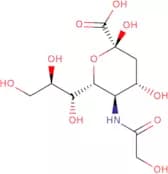
CAS:Regulates N-glycolylneuraminic acid biosynthesis in murine liverFormula:C11H19NO10Purity:Min. 95 Area-%Color and Shape:White Off-White PowderMolecular weight:325.27 g/mol(2R, 3S, 4R, 5S) -Methyl- 1- nonyl-3, 4, 5- piperidinetriol
(2R, 3S, 4R, 5S) -Methyl- 1- nonyl-3, 4, 5- piperidinetriol is a custom synthesis that has been modified with fluorination and methylation. This product is a monosaccharide or a synthetic oligosaccharide that is glycosylated with sugar. Carbohydrates are made up of complex carbohydrates.Purity:Min. 95%Sodium alginate, viscosity 250 - 350 mPa.s
CAS:Sodium alginate is a natural polysaccharide that is extracted from seaweed and used as an emulsifier, thickener, and stabilizer in food products. It is also used to create a gel with water or other liquids. The viscosity of sodium alginate can be modified by adding sugar, glycosylation, or methylation. Click modification is used to introduce fluorine atoms into the polymer backbone. Sodium alginate may be modified by adding oligosaccharides or monosaccharides for use as a bio-sorbent in wastewater treatment plants.Color and Shape:Powder2,3,4-Tri-O-acetyl-6-deoxy-6,6-difluoro-a-D-mannopyranosyl-1-bis[2-(acetylthio)ethyl]phosphate
CAS:Fucosylation inhibitorFormula:C20H29F2O13PS2Molecular weight:610.54 g/molL-Fucose - mycoplasma free, suitable for cell culture
CAS:L-fucose is used in cell culture to supplement the cell culture medium and provide a building block for cellular processes like fucosylation. When cells take up L-fucose they convert it to GDP-L-fucose MG01912 which is then used for adding fucose residues to glycoproteins. This is useful for studying metabolic pathways, correcting fucosylation deficiencies, or enhancing cellular functions.Our material is extensively purified in our Swiss manufacturing site to ensure it is mycoplasma free and low endotoxin.Formula:C6H12O5Purity:Min. 98 Area-%Molecular weight:164.16 g/molMethyl 2,3,4-tri-O-benzyl-6-O-trityl-a-D-galactopyranoside
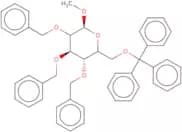
CAS:Methyl 2,3,4-tri-O-benzyl-6-O-trityl-a-D-galactopyranoside is a synthetic modified oligosaccharide. It has been shown to have potent antiplaque activity in animal models of dental caries and has been demonstrated to be an effective inhibitor of the glycosylation reaction. Methyl 2,3,4-tri-O-benzyl-6-O-trityl galactopyranoside is soluble in water and can be used as a fluorinated monosaccharide. The compound can also be used as a click modification with other sugars or saccharides.Formula:C47H46O6Purity:Min. 95%Molecular weight:706.89 g/mol2-Acetamido-2,6-dideoxy-D-galactose
CAS:2-Acetamido-2,6-dideoxy-D-galactose (2ADG) is a structural analogue of the natural monosaccharide 2,6-dideoxy-D-galactose. It has been shown to have an antimicrobial effect against aerobacter aerogenes in vitro. 2ADG is metabolized by glycosidases and methyl glycosides to form 1,4-anhydro-2,3,4,6 tetraacetamido-2,4,6 dideoxy D galactose. This compound inhibits the growth of bacterial strains that are resistant to polymyxin b., such as Pseudomonas aeruginosa. The inhibition of these bacteria is due to the inhibition of the synthesis of their outer membrane lipopolysaccharides by 2ADG. The antibacterial activity is also attributed to its ability to inhibit the metabolism of glycan molecules in some bacteria
Formula:C8H15NO5Purity:Min. 95%Color and Shape:White PowderMolecular weight:205.21 g/mol2-Acetamido-2-deoxy-L-mannopyranose
CAS:2-Acetamido-2-deoxy-L-mannopyranose is a sugar that is synthesized by the enzyme arabinofuranosidase. This enzyme catalyzes the hydrolysis of arabinose to form 2-acetamido-2-deoxy-l-mannopyranose. The enzyme has been shown to be thermostable and can be used as an acceptor for other enzymes, such as glycosyltransferases and glucosidases. The biosynthesis of 2-acetamido-2-deoxymannopyranose starts with l -arabinose, which is converted into d -arabinose by the action of aldaribinofuranosidase, followed by conversion into 2 acetamido--2 deoxymannopyranose by the action of arabinofuranosidase. Mutations in these enzymes have been found to affect the stereospecificFormula:C8H15NO6Purity:Min. 95%Color and Shape:PowderMolecular weight:221.2 g/mol(2S,3S,4S)-N-Ethyl-2-hydroxymethyl-3,4-pyrrolidinediol
(2S,3S,4S)-N-Ethyl-2-hydroxymethyl-3,4-pyrrolidinediol is a synthetic sugar that is commonly used in the synthesis of polysaccharides. It can also be used as a reagent for methylation and glycosylation reactions. This compound is available as a pure white powder with a melting point of 130°C to 135°C. (2S,3S,4S)-N-Ethyl-2-hydroxymethyl-3,4-pyrrolidinediol has been shown to be reactive with saccharide and polysaccharide substrates. Click modification can be performed on this product to make it reactive with other molecules or compounds. The purity of this compound exceeds 99%.Purity:Min. 95%3'-Sialyl-N-acetyllactosamine-β-ethylamine
Please enquire for more information about 3'-Sialyl-N-acetyllactosamine-β-ethylamine including the price, delivery time and more detailed product information at the technical inquiry form on this pageFormula:C27H47N3O19Purity:Min. 95%Molecular weight:717.67 g/mol2,6-Anhydro-D-glycero-D-ido-heptonamide
CAS:2,6-Anhydro-D-glycero-D-ido-heptonamide is a fluorinated carbohydrate that can be synthesized by the reaction of 2,6-anhydro-D-glycero-D-heptonic acid with N,N'-dicyclohexylcarbodiimide and ethyl bromoacetate. This compound is then modified with a methyl group at the C2 position or an acetyl group at the C3 position. The resulting product can be used in a wide variety of applications including biopharmaceuticals, diagnostic reagents, and inorganic chemicals.Purity:Min. 95%2-O-(α-D-Galactopyranosyl)-D-galactopyranose
CAS:Used as enzyme substrates, analytical standards and for in vitro diagnosticsFormula:C12H22O11Purity:Min. 97 Area-%Color and Shape:White PowderMolecular weight:342.3 g/molTelmisartan acyl-b-D-glucuronide
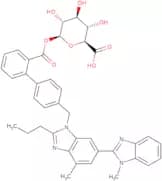
CAS:Telmisartan acyl-b-D-glucuronide is a drug metabolite that is formed by the conjugation of telmisartan with glucuronic acid. Telmisartan acyl-b-D-glucuronide is activated in vivo and reversibly inhibits the enzyme creatine kinase, which is involved in the metabolism of creatine to creatinine. The effective dose for this compound has been shown to be 10 mg/kg (orally) in humans. Telmisartan acyl-b-D-glucuronide has been shown to be an at1 receptor antagonist and may have some antihypertensive effects via modulation of ion channels. This drug also appears to have some proliferative effects on cells that are inhibited by radiation.Formula:C39H38N4O8Purity:Min. 95%Color and Shape:Off-White PowderMolecular weight:690.74 g/molPhenyl 2-azido-2-deoxy-b-D-thioglucopyranoside
Phenyl 2-azido-2-deoxy-b-D-thioglucopyranoside is a sugar that has the ability to form glycosidic bonds with other sugars. This compound is a fluorinated carbohydrate and can be custom synthesized. Phenyl 2-azido-2-deoxy-b-D-thioglucopyranoside is also methylated and glycosylated, which gives it high purity. It has a CAS number and is an Oligosaccharide.Purity:Min. 95%N-(Benzyl malonoate-1-yl)-2-amino-2-deoxy-3,5:6,7-di-O-isopropylidene-D-glycero-D-ido-heptono-1.4-lactone
N-(Benzyl malonoate-1-yl)-2-amino-2-deoxy-3,5:6,7-di-O-isopropylidene-D-glycero-D-idoheptono -1.4 -lactone is a synthetic compound that has been modified with fluorination and methylation. It is a monosaccharide that has been synthesized through a click modification and glycosylation. The CAS number for this compound is not available but it is classified as an oligosaccharide and saccharide. This carbohydrate has an average molecular weight of 647.1 g/mol and the structure contains 16 carbons, 36 hydrogens, 1 oxygen, and 2 nitrogens.Purity:Min. 95%(1S) -1- [(2S, 3R) - 3-Hydroxy-2- azetidinyl] -1, 2- ethanediol
Glycosylation of azetidinol is a chemical reaction in which a glycosylate group is transferred from an activated sugar to the nitrogen atom of an azetidinone. It can be used for the synthesis of oligosaccharides and polysaccharides by transferring the glycosyl group to their nitrogen atoms. Click modification refers to a type of chemical reaction that was developed by K. Barry Sharpless in 1996, which uses copper-catalyzed azide-alkyne cycloaddition. This type of reaction has been used for the synthesis of complex carbohydrates with high purity and low cost, as well as for modifying sugars with methyl groups or fluorine atoms.
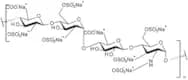
Purity:Min. 95%lambda-Carrageenan
CAS:Lambda-Carrageenan is a non-gelling sulphated galactan extracted from red seaweed (typically Gigartina stellata and Chondrus crispus). The structure of all carrageenans consists of a strictly alternating masked repeating unit of 1,3-linked α-D-galactose and 1,4-linked β-D-galactose. λ-Carrageenan has the α-linked unit 2-6-disulphated and the β-linked unit is 2-sulphated. The image was kindly provided by Prof Mike Guiry from Cork who runs ‘The Seaweed Site’.Color and Shape:PowderMolecular weight:1140.927-Deoxy-1,2:3,4:5,6-tri-O-isopropylidene-D-glycero-L-ido-heptitol
The 7-Deoxy-1,2:3,4:5,6-tri-O-isopropylidene-D-glycero-L-ido-heptitol is a synthetic oligosaccharide that can be custom synthesized for research purposes. It is composed of the sugar monomers 6,7-dideoxyglucose and 1,2:3,4:5,6-tetraisopropyldecaonol. The 7DG and 1,2:3,4:5,6TIDCA are linked together via an alpha(1→4) glycosidic linkage. This product has been fluorinated to increase its stability in aqueous solutions. br>br> The 7DG and 1,2:3,4:5,6TIDCA monomers are connected by an alpha(1→4) glycosidic linkage. The structuralPurity:Min. 95%Lacto-N-fucopentaose I
CAS:Milk oligosaccharide; expressed on human induced pluripotent cellsFormula:C32H55NO25Purity:Min. 95%Color and Shape:White PowderMolecular weight:853.77 g/molCroscarmellose sodium
CAS:Superdisintegrant used in pharmaceutical formulationsColor and Shape:White PowderMolecular weight:982.442-Azidomethyl-2-deoxy-3,4-O-isopropylidene-4-C-methyl-L-ribono-1.5-lactone
2-Azidomethyl-2-deoxy-3,4-O-isopropylidene-4-C-methyl-L-ribono-1.5-lactone is a modification of the sugar molecule ribose. It is synthesized by the methylation of 2,6 anhydroglucose with formaldehyde and sodium azide in methanol. This modification prevents the formation of cyclic hemiacetals and epimerization reactions that may occur during glycosylation or polysaccharide formation. 2A diol has been used as a model for oligosaccharides, carbohydrates, and complex carbohydrates. It is highly purified, has a CAS number, and can be used in custom synthesis projects.Purity:Min. 95%Maltotetraitol
CAS:Bulk sweetener; viscosity/bodying agent; humectant; cryoprotectant
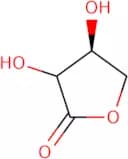
Formula:C24H44O21Purity:Min. 95%Color and Shape:White PowderMolecular weight:668.59 g/molD-Threonic acid-1,4,-lactone
CAS:D-Threonic acid-1,4,-lactone is a methylated saccharide that is prepared by the oxidation of D-threo-aldose. It can be used as a building block in the synthesis of glycosylates, oligosaccharides, and polysaccharides. The compound has been shown to inhibit the growth of Mycobacterium tuberculosis and Mycobacterium avium complex. D-Threonic acid-1,4,-lactone can also be fluorinated for use as an imaging agent for positron emission tomography (PET).Formula:C4H6O4Purity:Min. 95%Color and Shape:PowderMolecular weight:118.08 g/mol6- Deoxy- 1, 2:3, 5- bis- isopropylidene-D- ido-heptitol
6- Deoxy- 1, 2:3, 5- bis- isopropylidene-D- ido-heptitol is a modified oligosaccharide that is used as a reagent in the synthesis of complex carbohydrates. It has been shown to inhibit bacterial growth by binding to ribose and other sugars. 6-Deoxy-1,2:3,5-bis-isopropylidene-D-idoheptitol can be used to produce glycosides or methylated saccharides. This compound has been shown to have high purity and the CAS number for this product is 107738-94 -7.
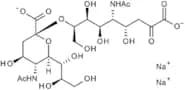
Purity:Min. 95%N-Acetylneuraminic acid dimer disodium salt
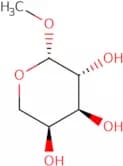
CAS:Intermediate in synthesis of ganglioside GD2Formula:C22H34N2O17·2NaPurity:Min. 95 Area-%Color and Shape:White PowderMolecular weight:644.49 g/molMethyl β-L-arabinopyranoside
CAS:Methyl β-L-arabinopyranoside is a stereochemically pure monosaccharide that has been used to calibrate and quantify the conformational, stereochemical, and spectrometric methods. Methyl β-L-arabinopyranoside has a conformation that is restricted by the presence of an α-hydroxyl group at C2. The chloride ion can be used to monitor this conformation. The diameter of methyl β-L-arabinopyranoside can be measured with a micropipette and monitored using an aerosol detector. Methyl β-L-arabinopyranoside can also be quantified by mass spectrometry or spectrophotometry. The conformational, stereochemical, and spectrometric methods have been calibrated using methyl β-L-arabinopyranoside as a standard to determine their accuracy in measuring the size of other molecules.
Formula:C6H12O5Purity:Min. 95%Color and Shape:White Off-White PowderMolecular weight:164.16 g/molPhenylethyl-beta-D-glucopyranoside
CAS:Phenylethyl-beta-D-glucopyranoside is a phenolic compound that is found in plants such as Echinacea. Phenylethyl-beta-D-glucopyranoside has been shown to inhibit tumor cell proliferation by increasing the levels of enzyme catalysis and enzyme activity, and decreasing the levels of protocatechuic acid. This compound also inhibits fatty acid synthesis, which may be due to its ability to inhibit the production of 4-hydroxycinnamic acid via inhibition of the enzyme acyl coenzyme A:cholesterol acyltransferase. The cyanobacterial strain Synechococcus elongatus PCC 7942 was found to produce phenylethyl glucoside, an iridoid glucoside with high cytotoxic activity against human tumor cells.Formula:C14H20O6Purity:Min. 95%Color and Shape:PowderMolecular weight:284.31 g/molGD1a-Ganglioside sodium
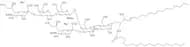
CAS:GD1a (shown as sodium salt) is one of the major gangliosides in neuronal and glial membranes. It has a core tetrasaccharide structure (Galβ1,3GalNAcβ1,4Galβ1,4Glc) with sialic acids linked α2,3/α2,8 to the inner galactose residue, α2,3 to the outer galactose residue and ceramide linked β to position 1 on the reducing terminal glucose residue (Ledeen, 2009). It interacts with myelin-associated glycoprotein (MAG) and is essential for long-term axon-myelin stability. It plays a role in viral infection as it is a receptor for viral glycoproteins in rotavirus and paramyxovirus 1. The hexasaccharide GD1a moiety was also found on a glycoprotein that acts as a receptor for adenovirus type 37. GD1a ganglioside also interacts with botulinum neurotoxin and is crucial for its entry into cells (Kolter, 2012).Formula:C84H148N4O39·xNaPurity:Min. 95%Color and Shape:White PowderMolecular weight:1,838.08 g/mol1,2,3,4-Tetra-O-acetyl-6-deoxy-6-fluoro-D-galactopyranose
CAS:1,2,3,4-Tetra-O-acetyl-6-deoxy-6-fluoro-D-galactopyranose is a synthetic sugar that is used in glycosylation reactions. It is a monosaccharide that was fluorinated to form a glycoside with the 6′ position of the hexose ring. This product has been shown to be useful for click modification of proteins and other complex carbohydrates. It can be used in methylation and monosaccharide synthesis.Formula:C14H19FO9Purity:Min. 95%Molecular weight:350.29 g/molRaspberry ketone glucoside
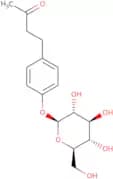
CAS:Raspberry ketone glucoside is a hydrogenated, isopropyl palmitate fatty acid. It is a dietary supplement that has been shown to inhibit the activity of matrix metalloproteinases, which are enzymes that break down collagen in the skin and lead to wrinkles. Raspberry ketone glucoside also inhibits tyrosinase, an enzyme involved in the production of melanin. As a result, raspberry ketone glucoside has been shown to reduce pigmentation and inhibit UV-induced skin damage. Raspberry ketone glucoside may have an inhibitory effect on fatty acids by inhibiting the synthesis of fatty acids and reducing the number of fat cells in adipose tissue. This compound is also used as a crystallization aid for cellulose and as an organic solvent for food composition.Formula:C16H22O7Purity:Min. 95%Color and Shape:White PowderMolecular weight:326.34 g/molPhenyl α-D-galactopyranoside
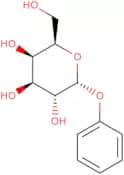
CAS:Phenyl a-D-galactopyranoside is a pesticide that is used to control the growth of endophytic fungi. It has been shown to have an antibacterial effect against Gram-positive bacteria and can be used as a fungicide. Phenyl a-D-galactopyranoside can be synthesized from the corresponding synthons, which are 3-hydroxybenzoic acid and 4-methylphenol. This compound contains a carbonyl group and hydroxyl group that are reactive with enzymes such as esterases, glucuronidases, and glutathione reductase, which hydrolyzes it into its inactive form.Formula:C12H16O6Purity:Min. 95%Color and Shape:PowderMolecular weight:256.25 g/molMaltodextrin, dextrose equivalent 10-15
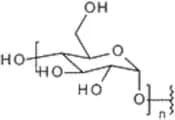
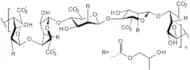
CAS:Ex starch-partial hydrolysis,food ingredient, moderatly sweet, easily digestedColor and Shape:PowderPropylene glycol alginate
CAS:Propylene glycol alginate is a reaction product of propylene oxide and alginic acid. At the 49th JECFA meeting (1997) it was resolved that the total dietary propylene glycol intake from all sources should be allocated an ADI of 0-25 mg/kg. Applications include as a stabiliser in beer foam due to electrostatic interaction between carboxyl groups on the glycol alginate molecules and amino groups on the peptides in the bubble wall and in ice cream by emulsifying the fat.Esterification is greater then 80%Viscosity (1% aq solution): 200-300 mpa.s
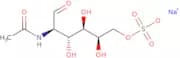
Purity:Min. 95%Color and Shape:PowderN-Acetyl-D-galactosamine-6-O-sulphate sodium
CAS:N-Acetyl-D-galactosamine-6-O-sulphate sodium is a carbohydrate that is used in the synthesis of oligosaccharides. The saccharide is fluorinated, methylated, and glycosylated. It also has a click modification at the reducing end. N-Acetyl-D-galactosamine-6-O-sulphate sodium is synthesized by custom synthesis and has high purity.
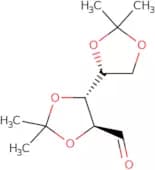
Formula:C8H14NO9SNaPurity:Min. 95%Color and Shape:PowderMolecular weight:323.25 g/mol2,3:4,5-Di-O-isopropylidene-D-arabinose
CAS:Synthetic building blockFormula:C11H18O5Purity:Min. 95%Color and Shape:Colorless PowderMolecular weight:230.26 g/molHeparan sulfate sodium salt
CAS:Heparin is a glycosaminoglycan which occurs in many mammalian tissues and has important anticoagulant and thrombolytic properties. The chemical structure is composed mainly of two disaccharide repeating units A and B. A is L-iduronic acid 2-suplhate linked α-(1,4) to 2-deoxy-2-sulfamido-D-galactose 6-sulphate while B is D-glucuronic acid β-(1,4) linked to 2-deoxy-2-sulfamido-D-glucose 6-sulphate.
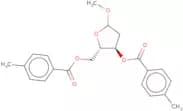
Color and Shape:White PowderMethyl 2-deoxy-3,5-di-O-toluoyl-L-ribofuranoside
CAS:Methyl 2-deoxy-3,5-di-O-toluoyl-L-ribofuranoside is a custom synthesis that is a complex carbohydrate that is used in the modification of saccharides. It has been shown to be able to methylate and glycosylate carbohydrates and can be fluorinated for use in click chemistry experiments. Methyl 2-deoxy-3,5-di-O-toluoyl-L-ribofuranoside is highly pure and can be synthesized with high yield.Formula:C22H24O6Purity:Min. 95%Color and Shape:Brown oil.Molecular weight:384.43 g/mol4-Isothiocyanatophenyl-α-D-mannopyranoside
CAS:4-Isothiocyanatophenyl-alpha-D-mannopyranoside is a synthetic glycosylated sugar that has been modified with fluorination and methylation. It is a custom synthesis that can be modified to customer specifications. This product is available in high purity and at competitive prices.Formula:C13H15NO6SPurity:Min. 98.0 Area-%Molecular weight:313.33 g/molRef: 3D-W-204140
1gTo inquire50mgTo inquire100mgTo inquire250mgTo inquire500mgTo inquire-Unit-ggTo inquire



![2,3,4-Tri-O-acetyl-6-deoxy-6,6-difluoro-a-D-mannopyranosyl-1-bis[2-(acetylthio)ethyl]phosphate](/_next/image/?url=https%3A%2Fstatic.cymitquimica.com%2Fproducts%2F3D%2Fthumb-webp%2FMT96598.webp&w=3840&q=75)



![(1S) -1- [(2S, 3R) - 3-Hydroxy-2- azetidinyl] -1, 2- ethanediol](/_next/image/?url=https%3A%2Fstatic.cymitquimica.com%2Fproducts%2F3D%2Fthumb-webp%2FMH163530.webp&w=3840&q=75)