Glycoscience
Subcategories of "Glycoscience"
- Aminosugars(108 products)
- Glyco-Related Antibodies(283 products)
- Glycolipids(46 products)
- Glycosaminoglycans (GAGs)(55 products)
- Glycosides(419 products)
- Monosaccharides(6,619 products)
- Oligosaccharides(3,709 products)
- Polysaccharides(505 products)
Found 11027 products of "Glycoscience"
GT1b-Oligosaccharide
CAS:GT1b oligosaccharide (sodium salt) has a core tetrasaccharide structure (Galβ1,3GalNAcβ1,4Galβ1,4Glc) with two sialic acids (NeuAc) linked α2,3/α2,8 to the inner galactose residue, and sialic acid (NeuAc) linked α2,3 to the terminal galactose residue (Ledeen, 2009). The GT1b ganglioside is one of the major gangliosides in neuronal and glial membranes; it interacts with myelin-associated glycoprotein (MAG) and is essential for long-term axon-myelin stability. GT1b ganglioside also acts as receptor for bacterial toxins, such as, tetanus and botulinum toxins (Nishiki, 1996), as well as for viruses. A few examples of which include: Merkel cell polyomavirus, JC virus, BK virus, norovirus and others (Low, 2006).Formula:C59H96N4O45Purity:(%) Min. 98%Color and Shape:PowderMolecular weight:1,581.39 g/molValibose
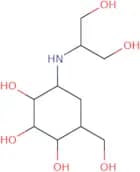
CAS:Inhibitor of alpha-glucosidaseFormula:C10H21NO6Purity:Min. 95%Molecular weight:251.28 g/molBenzyl 2-acetamido-4-O-{2-acetamido-4-O-[[2,4-Di-O-acetyl-3-O-[2,4-di-O-(2-acetamido-3,4,6-tri-O-acetyl-2-deoxy-b-D-glucopyranosyl)- 3,6-di-O-benzyl-a-D-mannopyranosyl]-6-O-[3,4-di-O-acetyl-2,6-di-O-(2-acetamido-3,4,6-tri-O-acetyl-2-deoxy-b-D-glucopyr
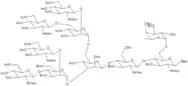
CAS:The carbohydrate is a saccharide that is a modification of the monosaccharide. It is synthesized from D-mannose and D-glucose and has a fluorination at the C4 position. The carbohydrate has been custom synthesized for high purity, methylation, glycosylation, and click modification.Formula:C167H206N6O65SPurity:Min. 95%Molecular weight:3,369.49 g/mol4-Deoxy-4-fluoro-D-glucopyranose
CAS:4-Deoxy-4-fluoro-D-glucopyranose is a fluorinated sugar that is found in the roots of Glycyrrhiza uralensis. It can inhibit glycosylation by blocking the stepwise addition of glucose to the growing oligosaccharide chain. 4-Deoxy-4-fluoro-D-glucopyranose also has biological activities, such as antiinflammatory and antitumor properties. This compound is an analog of D-arabinose and D-xylulose, which are found in many plants. 4DFG can be used to synthesize glycosides with various substituents on the hydroxyl group.
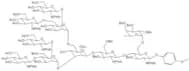
Purity:Min. 95%4-Methoxyphenyl 4-O-{4-O-[[2-O-Ac-3-O-[2,4-di-O-(3,4 ,6-tri-O-Ac-2-PhthN-β-D-Glc)-3,6-di-O-Bn-α-D-Man]-6-O-[3,4-di-O-Ac-2 ,6-di-O-(3,4 ,6-tri-O-Ac-2-PhthN-β-D-Glc)-α-D-Man]-β-D-Man]]-3,6-di-O-Bn -2-PhthN-β-D-Glc}-3-O-Bn-6-O-(tri-O-Bn-α-L-Fuc)-2-PhthN-β-D-
CAS:This compound is a synthetic glycosylation reagent that is used for the modification of proteins and polysaccharides. It can be used to introduce various sugars and oligosaccharides to proteins, such as Methylation, Click modification, Polysaccharide, Fluorination, saccharide, Modification, sugar, Oligosaccharide. The compound has a CAS No. 946164-26-7 and is available for custom synthesis with high purity.Formula:C201H204N6O72Purity:Min. 95%Molecular weight:3,855.77 g/mol2-O-(α-D-Galactopyranosyl)-D-galactopyranose
CAS:Used as enzyme substrates, analytical standards and for in vitro diagnosticsFormula:C12H22O11Purity:Min. 97 Area-%Color and Shape:White PowderMolecular weight:342.3 g/mol(1S) -1- [(2S, 3R) - 3-Hydroxy-2- azetidinyl] -1, 2- ethanediol
Glycosylation of azetidinol is a chemical reaction in which a glycosylate group is transferred from an activated sugar to the nitrogen atom of an azetidinone. It can be used for the synthesis of oligosaccharides and polysaccharides by transferring the glycosyl group to their nitrogen atoms. Click modification refers to a type of chemical reaction that was developed by K. Barry Sharpless in 1996, which uses copper-catalyzed azide-alkyne cycloaddition. This type of reaction has been used for the synthesis of complex carbohydrates with high purity and low cost, as well as for modifying sugars with methyl groups or fluorine atoms.
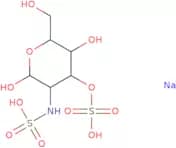
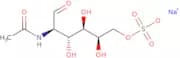
Purity:Min. 95%N-Acetyl-D-galactosamine-6-O-sulphate sodium
CAS:N-Acetyl-D-galactosamine-6-O-sulphate sodium is a carbohydrate that is used in the synthesis of oligosaccharides. The saccharide is fluorinated, methylated, and glycosylated. It also has a click modification at the reducing end. N-Acetyl-D-galactosamine-6-O-sulphate sodium is synthesized by custom synthesis and has high purity.
Formula:C8H14NO9SNaPurity:Min. 95%Color and Shape:PowderMolecular weight:323.25 g/molLactose octaisobutyrate
Synthetic building block for oligosaccharide synthesisFormula:C44H70O19Purity:Min. 95%Color and Shape:PowderMolecular weight:903.02 g/mol7-Deoxy-1,2:3,4:5,6-tri-O-isopropylidene-L-glycero-L-gulo-heptitol
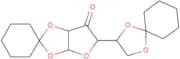
7-Deoxy-1,2:3,4:5,6-tri-O-isopropylidene-L-glycero-L-guloheptitol is a synthetic oligosaccharide. It is a complex carbohydrate that has been synthesized from glucose and galactose. The sugar's CAS number is 81271-78-9. This product can be custom synthesized to customer specifications and it is available in high purity and high quality. 7-Deoxy-1,2:3,4:5,6 -tri -O -isopropylidene -L -glycero -L -guloheptitol has been fluorinated with chlorine gas to produce the desired product. It has also undergone methylation and glycosylation reactions.Purity:Min. 95%1,2:5,6-Di-O-cyclohexylidene-a-D-ribo-hexofuranos-3-ulose hydrate
CAS:1,2:5,6-Di-O-cyclohexylidene-a-D-ribo-hexofuranos-3-ulose hydrate is a modified sugar that contains an oxygen atom in the furan ring. It has been shown to be stable and soluble in water, which is important for its applications in food and pharmaceuticals. This product can be used as a substitute for sucrose or glucose in foods. 1,2:5,6-Di-O-cyclohexylidene-a-D-ribo-hexofuranos 3 ulose hydrate has also been synthesized with methyl groups at the C1 position of the glycosyl residue. This modification yields a new molecule that exhibits increased stability and solubility.Formula:C18H28O7Purity:Min. 95%Molecular weight:356.41 g/mol(3S, 5S) -1-Benzyl-3, 4, 5- piperidinetriol
(3S, 5S) -1-Benzyl-3, 4, 5- piperidinetriol is a custom synthesis that belongs to the group of methylated and fluorinated triols. It is a high purity compound with a monosaccharide sugar. This product can be used as an intermediate for the synthesis of complex carbohydrate compounds such as oligosaccharides and polysaccharides.Purity:Min. 95%2,4-Di- C- methyl- 3, 4- O- isopropylidene -L- arabinonic acid γ-lactone
2,4-Di-C-methyl-3,4-O-isopropylidene-L-arabinonic acid gamma-lactone is a modification of an oligosaccharide. It has been synthesized to be used in the synthesis of complex carbohydrates. This product is custom synthesized and can be ordered with a high purity grade. The CAS number for this product is 123373-94-7 and the molecular weight is 498.5 g/mol. This product's chemical formula is C13H14O11 and it has a melting point of 185 °C to 191 °C. This product has a monosaccharide, methylation, glycosylation, polysaccharide, sugar, fluorination, saccharide structure that makes it an Oligosaccharide Carbohydrate Complex Carbohydrate Synthetic Custom synthesis High purity Glycosylation Polysaccharide Sugar Fluorination Saccharide.
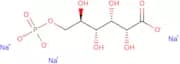
Purity:Min. 95%D-Gluconate 6-phosphate trisodium salt dihydrate
CAS:D-Gluconate 6-phosphate trisodium salt dihydrate is an oxidoreductase enzyme that catalyzes the conversion of D-gluconate 6-phosphate to D-glucono-6,1'-lactone. It is found in animals, where it is located in the cytoplasm and mitochondria. D-Gluconate 6-phosphate trisodium salt dihydrate has been shown to have a high kinetic activity in homogenates of rat liver and kidney, as well as in microsomes from rat liver. The enzyme also has a high affinity for phosphatidylethanolamine and low affinity for other lipids. This enzyme is inhibited by tetrazolium chloride and fatty acids.
Formula:C6H10O10P·3Na·2H2OPurity:Min. 97%Color and Shape:White PowderMolecular weight:378.11 g/mol2-Azido-2-deoxy-3,4-O-isopropylidene-L-gulonic acid methyl ester
2-Azido-2-deoxy-3,4-O-isopropylidene-L-gulonic acid methyl ester is a custom synthesis that is a complex carbohydrate. It has CAS No., and can be modified with saccharide, methylation, glycosylation, and click modification. The product is of high purity and can be synthesized with fluorination or other modifications.Purity:Min. 95%N-Acetylneuraminic acid dihydrate
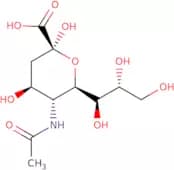
CAS:N-Acetylneuraminic acid dihydrate, also known as sialic acid dehydrate or Neu5Ac dehydrate, is often present in the terminal chains of many oligosaccharides and has a cellular recognition function (Varki and Schauer, 2009). Together with its non-hydrated form, N-acetylneuraminic acid and derivatives function as neurotransmitters and are involved in many post-translational protein modifications. N-acetylneuraminic acids are present on the surface of the vertebrate cells and can interact with pathogens, such as, bacteria and viruses. Recent scientific studies have revealed that the spike glycoprotein of the SARS-COV 2 coronavirus, responsible of the COVID-19, shows a high affinity to N-acetylneuranimic acid (Baker, 2020).Formula:C11H19NO9·2H2OPurity:Min. 95%Color and Shape:PowderMolecular weight:345.3 g/molSialyllacto-N-fucopentaose V
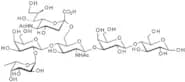
CAS:Sialyllacto-N-fucopentaose V is a complex carbohydrate with the CAS No. 89458-13-9. The molecular weight of this compound is 597.07 g/mol, and it has the following chemical structure:
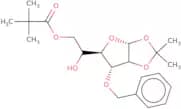
Formula:C43H72N2O33Purity:Min. 95%Molecular weight:1,145.03 g/mol3-O-Benzyl-1,2-O-isopropylidene-6-O-pivaloyl-α-D-glucofuranose
CAS:3-O-Benzyl-1,2-O-isopropylidene-6-O-pivaloyl-a-D-glucofuranose is a modification of the natural oligosaccharide. It is a complex carbohydrate that has been synthesized and modified by methylation, fluorination and glycosylation. This product is a monosaccharide with one free hydroxyl group at C3 position and is soluble in water. It has CAS No: 321380-09-0 and can be used as an intermediate for the synthesis of polysaccharides with different saccharide units.Formula:C21H30O7Purity:Min. 95%Color and Shape:White to off-white solid.Molecular weight:394.46 g/mol(1S) -1- [(2S, 3S,4R) -4-Hydroxymethyl-3- hydroxy-1- azetidinyl] -1, 2- ethanediol hydrochloride
This is a modification of an oligosaccharide, a carbohydrate that is composed of more than one sugar. This custom synthesis can be synthesized with high purity and in large quantities. The CAS number is 67767-44-0 and the molecular weight is 528.Purity:Min. 95%2,3,4-Trichloro-2,3,4-trideoxy-D-fructose
2,3,4-Trichloro-2,3,4-trideoxy-D-fructose is a custom synthesis that is a complex carbohydrate. It has been modified with glycosylation and methylation to produce the desired product. This compound has shown potential for use as a therapeutic agent in cancer treatment.Formula:C6H9Cl3O3Purity:Min. 95%Molecular weight:235.5 g/mol4-Aminophenyl 1,3-a-1,6-a-D-mannotriose
4-Aminophenyl 1,3-a-1,6-a-D-mannotriose is a custom synthesis of the complex carbohydrate Oligosaccharide. It belongs to the group of saccharides and has a CAS number. This product is modified with methylation and glycosylation and is made up of a series of monosaccharides linked by alpha (1,4) or beta (1,2) glycosidic bonds. 4-Aminophenyl 1,3-a-1,6-a-D-mannotriose may be fluorinated during its synthesis using an electrophilic substitution reaction. This product is synthetic and has high purity.Purity:Min. 95%6'-O-Sulfated Lewis A
The Lewis A glycan is a complex carbohydrate that consists of a sulfated disaccharide and an oligosaccharide. The Lewis A glycan is a modification of the Lewis B glycan, which lacks the sulfate group. The saccharide component is a monosaccharide, and can be synthesized using custom synthesis or purchased from CAS No.
Formula:C20H35NO18SPurity:Min. 95%Color and Shape:PowderMolecular weight:609.55 g/mol3-Cyano-(1H)-1,2,4-triazine
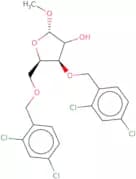
3-Cyano-(1H)-1,2,4-triazine is a synthetic compound that belongs to the group of complex carbohydrates. It is a monosaccharide and an oligosaccharide that can be custom synthesized and modified. 3-Cyano-(1H)-1,2,4-triazine is used as a glycosylation or polysaccharide modification agent in the synthesis of sugar molecules. It has been shown to have high purity and low toxicity.Purity:Min. 95%Methyl 3,5-di-O-(2,4-dichlorobenzyl)-a-D-ribofuranoside
CAS:Methyl 3,5-di-O-(2,4-dichlorobenzyl)-a-D-ribofuranoside is a custom synthesis that has been fluorinated and methylated. This compound is a monosaccharide with an aldehyde group at the C3 position. It is synthetically made and can be modified to form oligosaccharides or polysaccharides. The CAS number for this compound is 168427-35-8.Formula:C20H20Cl4O5Purity:Min. 90 Area-%Color and Shape:Yellow PowderMolecular weight:482.18 g/molMethyl b-D-thiogalactopyranoside
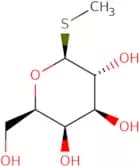
CAS:Methyl b-D-thiogalactopyranoside (MTGP) is a cell lysis agent that can be used for diagnostic purposes to measure enzyme activities in cells. It is also used to determine the kinetic of an enzyme reaction, as well as its acid formation. MTGP has been shown to inhibit sugar transport and metabolism by binding to the sugar molecule and preventing it from passing through cellular membranes. This inhibition prevents the accumulation of proton gradients across the membrane, which disrupts ATP production and leads to cell death. MTGP is also an inhibitor of glucose-6-phosphate dehydrogenase (G6PDH), which converts glucose into sorbitol. Sorbitol accumulates intracellularly and leads to cell death by osmotic lysis.Formula:C7H14O5SPurity:Min. 98 Area-%Color and Shape:PowderMolecular weight:210.25 g/mol3'-Sialyl Lewis A-sp-biotin
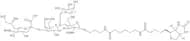
CAS:3'-Sialyl Lewis A-sp-biotin is a biotinylated oligosaccharideFormula:C50H84N6O26SPurity:Min. 95%Color and Shape:White PowderMolecular weight:1,217.29 g/mol(2R, 3R, 4R) -3- Benzyloxy- 1- benzyl-4- (hydroxymethyl) - 2- azetidinecarboxylic acid N-methylamide
(2R, 3R, 4R) -3- Benzyloxy- 1- benzyl-4- (hydroxymethyl) - 2- azetidinecarboxylic acid N-methylamide is a synthetic monosaccharide that can be used for carbohydrate modification. In addition to its use in the synthesis of saccharides and oligosaccharides, this compound has been shown to be useful as a fluorination reagent. This compound is also available with custom synthesis and high purity. (2R, 3R, 4R) -3-Benzyloxy-1-benzyl-4-(hydroxymethyl)-2-azetidinecarboxylic acid N-methylamide is an excellent methylation reagent and glycosylation agent. It can be used in the click chemistry modification of proteins and other biomolecules.Purity:Min. 95%6-Azido-6-deoxy-1,2-O-isopropylidene-α-D-glucofuranose
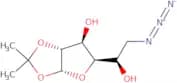
CAS:6-Azido-6-deoxy-1,2-O-isopropylidene-a-D-glucofuranose is a Custom synthesis, Modification, Fluorination, Methylation, Monosaccharide, Synthetic, Click modification, Oligosaccharide, saccharide that is CAS No. 65371-16-6. It is a sugar or Carbohydrate and complex carbohydrate.Formula:C9H15N3O5Purity:Min. 95%Color and Shape:PowderMolecular weight:245.23 g/mol1-Deoxy-D-xylulose 5-phosphate sodium salt
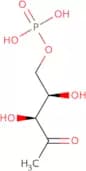
CAS:1-Deoxy-D-xylulose 5-phosphate sodium salt is a synthetic monosaccharide that is used in the synthesis of glycosylated, fluorinated, methylated, and click modified polysaccharides. It is also used to modify sugars and oligosaccharides. It can be synthesized from D-xylose by treatment with phosphoryl chloride. This product has CAS number 798554-58-2 and is available in high purity.Formula:C5H11O7P·xNaPurity:Min. 95%Color and Shape:PowderMolecular weight:214.11 g/molHeparin disaccharide II-A disodium salt
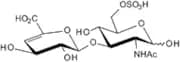
CAS:Heparin Disaccharide II-A Disodium Salt is a modification of heparin. It is an oligosaccharide with a molecular weight of about 2,000 Daltons. This product can be custom synthesized as per the requirement of the customer. The purity level of this product is very high and it has been shown to have antiviral, anticoagulant, anti-inflammatory, and anticlotting properties.Formula:C14H19NO14SNa2Purity:Min. 95 Area-%Color and Shape:White Off-White PowderMolecular weight:503.34 g/molD-Glucosamine-2-N,3-O-disulphate disodium salt
CAS:D-Glucosamine-2-N,3-O-disulphate disodium salt is a carbohydrate that is a modification of the saccharide D-glucosamine. It can be synthesized by modification and fluorination of the saccharide. The complex carbohydrate is a methylated glycosylated oligosaccharide that is custom synthesized and has high purity. This product contains no detectable impurities, such as other sugars or amino acids. This carbohydrate also undergoes methylation and glycosylation to provide stability to the molecule in the presence of water or heat.Formula:C6H11NO11S2Na2Purity:Min. 95%Color and Shape:White PowderMolecular weight:383.25 g/molMethyl 2,3,4-tri-O-acetyl-6-O-triisopropylsilyl-a-D-mannopyranoside
CAS:Methyl 2,3,4-tri-O-acetyl-6-O-triisopropylsilyl-a-D-mannopyranoside is a custom synthesis of a monosaccharide with a fluorinated methyl group. The compound has been synthesized by the Click modification of an oligosaccharide and polysaccharide. This product is available in high purity, and can be modified to suit your needs. For more information, please contact us today!
Formula:C22H40O9SiPurity:Min. 95%Molecular weight:476.64 g/mol3-OBenzyl-1, 2- O-isopropylidene-a- D- glucofuranose cyclic 5, 6- carbonate
3-OBenzyl-1, 2-O-isopropylidene-a-D-glucofuranose cyclic 5, 6-carbonate is a synthetic monosaccharide. It is a complex carbohydrate that has been modified with fluorination and methylation. This product can be custom synthesized to meet your needs. The CAS No. for this product is 109414-65-3.Purity:Min. 95%2-C-(tert.Butyldimethylsilyloxy)methyl-2,3:5,6-di-O-isopropylidene-D-allono-1.4-lactone
2-C-(tert.Butyldimethylsilyloxy)methyl-2,3:5,6-di-O-isopropylidene-D-allono-1.4-lactone is a custom synthesis that is a complex carbohydrate with the molecular formula C24H42O8 and molecular weight of 432. It has a CAS number of 71026-13-2 and can be found in the Polysaccharide category. The chemical modification of this compound includes methylation, glycosylation, and fluorination. This product is high purity and has been synthesized by Click chemistry.Purity:Min. 95%4- β- D-Ribofuranosyl-2, 6- piperidinedione
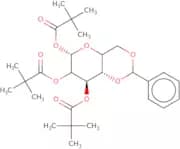
CAS:4-beta-D-Ribofuranosyl-2,6-piperidinedione is a sugar that can be used as a building block in the synthesis of saccharides and oligosaccharides. It has been shown to be useful for glycosylation reactions and click reactions. 4-beta-D-Ribofuranosyl-2,6-piperidinedione is also used in the synthesis of complex carbohydrates.Formula:C10H15NO6Purity:Min. 95%Molecular weight:245.23 g/mol4,6-O-Benzylidene-1,2,3-tri-O-pivaloyl-b-D-galactopyranose
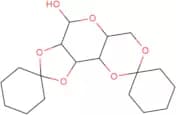
4,6-O-Benzylidene-1,2,3-tri-O-pivaloyl-b-D-galactopyranose is a custom synthesized glycosylation product. It is an oligosaccharide sugar with a molecular weight of 586. The structure has been modified by fluorination and methylation. 4,6-O-Benzylidene-1,2,3-tri-O-pivaloyl -b -D -galactopyranose can be used in the synthesis of saccharides and polysaccharides as well as in click chemistry modification.Formula:C28H40O9Purity:Min. 95%Molecular weight:520.63 g/mol2,3:4,6-Di-O-cyclohexylidene-a-D-mannopyranose
CAS:2,3:4,6-Di-O-cyclohexylidene-a-D-mannopyranose is a custom synthesis product. It can be modified with fluorination, methylation or monosaccharide substitution. The synthesis of 2,3:4,6-Di-O-cyclohexylidene-a-D-mannopyranose involves an oxidative coupling of glycerol and acetone to the corresponding 1,1,2,2 tetraacetate. The latter is then converted to the desired product by means of an acid catalyzed cyclization reaction. This compound is also synthetically derived from the sugar mannose via a series of reactions including methylation and glycosylation.Formula:C18H28O6Purity:Min. 95%Color and Shape:PowderMolecular weight:340.41 g/molD-Lyxonic acid potassium
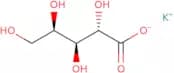
CAS:D-Lyxonic acid potassium salt is a pentitol that is a stereospecific, aldonic, and nature D-glycosylamine. It can be synthesized by reacting phenylhydrazine with glycolic acid chloride in the presence of catalytic amounts of sodium hydroxide. The yield is about 98%. This compound has been shown to have anti-inflammatory properties when it reacts with hydrogen chloride to form D-lyxonic acid chloride. It also has been shown to inhibit the growth of bacteria and fungi by binding to the cell wall and inhibiting protein synthesis.
Formula:C5H9KO6Purity:Min. 95%Color and Shape:PowderMolecular weight:204.22 g/mol1-Deoxy-D-sorbose
D-sorbose is a diastereomer of D-xylose. It inhibits the glycolysis pathway, which stops the production of energy and leads to cell death. D-sorbose is synthesized from D-xylose by enzymatic conversion with 1,4-dihydroxybenzene. The crystalline form of D-sorbose is polymorphic and can be identified using X-ray diffraction. It has been shown to have cytotoxic effects on C. elegans and A. actinomycetes, but not on E. coli or other Gram negative bacteria. The imbalance in the ratio of these organisms may lead to an increased risk for cancer in humans.
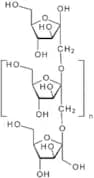
Purity:Min. 95%Fructooligosaccharide
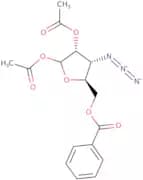
CAS:Fructooligosaccharide is a natural carbohydrate that is used in dietary supplements and as an additive to food products. It is a prebiotic, meaning it stimulates the growth of beneficial bacteria in the colon. Fructooligosaccharide has been shown to be effective against bowel disease by up-regulating protein genes and enzyme activities. Fructooligosaccharide also has significant anti-inflammatory properties. The anti-inflammatory effects may be due to its ability to inhibit prostaglandin synthesis.Purity:Min. 95 Area-%Color and Shape:White Powder1,2-Di-O-acetyl-3-azido-3-deoxy-5-O-benzoyl-D-ribofuranose
CAS:1,2-Di-O-acetyl-3-azido-3-deoxy-5-O-benzoyl-D-ribofuranose is a sugar that is synthetically modified with a fluorine atom. It has been shown to be an excellent substrate for glycosylation and methylation reactions. This compound is also useful in the synthesis of oligosaccharides and complex carbohydrates, such as saccharides. 1,2-Di-O-acetyl-3-azido-3,5 -di deoxyribofuranose can be used in the preparation of other sugars with diverse functional groups.Purity:Min. 95%Methyl 2,3,4-tri-O-benzoyl-6-O-tert-butyldimethylsilyl-a-D-galactopyranoside
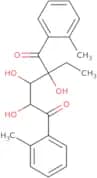
Methyl 2,3,4-tri-O-benzoyl-6-O-tert-butyldimethylsilyl-a-D-galactopyranoside is an oligosaccharide that is used as a synthetic intermediate for the synthesis of other glycosylated compounds. This compound is fluorinated at the C2 position to provide a reactive site for further modification. Methyl 2,3,4-tri-O-benzoyl-6-O-(tert butyldimethylsilyl)-a D galactopyranoside can be modified with click chemistry to introduce new functional groups such as hydroxyl and amine groups. The methyl group on this compound can also be removed using methanolysis to produce methyl 2,3,4 tri - O benzoyl - 6 - O tert butyldimethylsilyl - a D galactopyranoside.Formula:C34H40O9SiPurity:Min. 95%Molecular weight:620.78 g/mol1,2-Dideoxy-3,5-di-O-toluoyl-D-ribose
CAS:1,2-Dideoxy-3,5-di-O-toluoyl-D-ribose is a synthetic sugar that can be used in the synthesis of complex carbohydrates. It has been modified with fluorine, methylation, and click chemistry. It is also available as a high purity product. 1,2-Dideoxy-3,5-di-O-toluoyl-D-ribose is an oligosaccharide that is used in glycosylation reactions to form polysaccharides or saccharides. Click chemistry allows for the modification of this sugar with other molecules such as amino acids or peptides. This modification may be useful for studying protein interactions or for drug development.Formula:C21H22O5Purity:Min. 95%Molecular weight:354.4 g/mol3,4,6-Tri-O-benzyl-1,2-O-isopropylidene-a-D-glucopyranose
CAS:3,4,6-Tri-O-benzyl-1,2-O-isopropylidene-a-D-glucopyranose is a complex carbohydrate that is typically found in plants and fungi. It is also known as a methylated sugar and can be used to produce monosaccharide derivatives. This compound has been modified with fluorine which increases its stability and prevents degradation of the compound. 3,4,6-Tri-O-benzyl-1,2-O-isopropylidene-a-D-glucopyranose is typically synthesized from glycerol or glucose using a process called the Click reaction. The resulting product is an Oligosaccharide with high purity and high quality.Formula:C30H34O6Purity:Min. 95%Molecular weight:490.59 g/mol3,4-O-Isopropylidene-D-arabinose
CAS:3,4-O-Isopropylidene-D-arabinose is a synthetic compound that has been used as an active analogue for the study of nucleophile reactions. 3,4-O-Isopropylidene-D-arabinose undergoes nucleophilic addition with potassium azide to form a thiazolidine intermediate. The stereospecificity of this reaction was shown by the chemists and biochemists who synthesized it. It has also been shown to react with an anion in a similar manner. This chemical is used in the synthesis of d-arabinose, which can be used for the production of other compounds.
Formula:C8H14O5Purity:Min. 95%Molecular weight:190.2 g/molN1-α-L-Arabinopyranosylamino-guanidine hydrochloride
CAS:N1-a-L-Arabinopyranosylamino-guanidine HCl is a carbohydrate that belongs to the class of oligosaccharides. It is a synthetic compound, which is custom synthesized for use in research. This product has been shown to be high purity and is methylated, glycosylated, and click modified. The CAS number 109853-78-3 refers to the chemical name of this product. The molecular weight of N1-a-L-Arabinopyranosylamino-guanidine HCl is 597.14 g/mol with an empirical formula C8H23N2O6.Formula:C6H14N4O4•HClPurity:Min. 95%Color and Shape:White to off-white solid.Molecular weight:242.66 g/molθ-Cyclodextrins
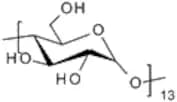
Theta-cyclodextrin (θ-CD) contains 13 glucose units. This cyclodextrin has potential applications in host-guest chemistry, particularly for large molecules or assemblies.Purity:Min. 95%3,4-O-Benzylidene-D- ribonic acid γ-lactone
3,4-O-Benzylidene-D-ribonic acid gamma-lactone is a synthetic sugar that has been modified with fluorination and methylation. It is a complex carbohydrate that has been shown to have antiviral activity against influenza A virus. 3,4-O-Benzylidene-D- ribonic acid gamma-lactone has been synthesized using custom synthesis and high purity. The chemical structure of this product is O-(1,2:3,4:6,7:8,9) benzylidene D-ribonolactone.Purity:Min. 95%Hyaluronic acid sodium salt - Low molecular weight 10,000 - 50,000
CAS:Gycosaminoglycan in many organs; joint lubricant and shock absorberFormula:(C14H20NO11Na)nPurity:Min. 95.0%Color and Shape:Powder(Hydroxypropyl)methyl cellulose - Viscocity 2600-5600 cP
CAS:Hydroxypropyl methylcellulose (HPMC or hypromellose) is a semisynthetic, inert and viscoelastic polymer that is used as eye drops and as semi-synthetic substitute for tear-films. When applied, a hypromellose solution acts to swell and absorb water, by increasing the thickness of the tear-film, resulting in decreased eye irritation. In addition to its use in ophthalmic liquids, hypromellose has been used as an excipient in oral tablet and capsule formulations, where, depending on the grade, it functions as controlled-release agent. It is also used as a binder and as a component of tablet coatings. Hypromellose in aqueous solution, unlike methylcellulose, exhibits thermal gelation properties. HPMC is approved as a food additive, emulsifier, thickening and suspending agent, and as an alternative to animal gelatin (Codex Alimentarius code (E number) is E464).
Color and Shape:White Powder



![(1S) -1- [(2S, 3R) - 3-Hydroxy-2- azetidinyl] -1, 2- ethanediol](/_next/image/?url=https%3A%2Fstatic.cymitquimica.com%2Fproducts%2F3D%2Fthumb-webp%2FMH163530.webp&w=3840&q=75)
![(1S) -1- [(2S, 3S,4R) -4-Hydroxymethyl-3- hydroxy-1- azetidinyl] -1, 2- ethanediol hydrochloride](/_next/image/?url=https%3A%2Fstatic.cymitquimica.com%2Fproducts%2F3D%2Fthumb-webp%2FMH163375.webp&w=3840&q=75)