Glycoscience
Subcategories of "Glycoscience"
- Aminosugars(108 products)
- Glyco-Related Antibodies(283 products)
- Glycolipids(46 products)
- Glycosaminoglycans (GAGs)(55 products)
- Glycosides(419 products)
- Monosaccharides(6,618 products)
- Oligosaccharides(3,714 products)
- Polysaccharides(505 products)
Found 11025 products of "Glycoscience"
Galacturonan DP4 sodium salt
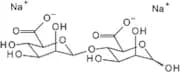
Sodium Tetragalacturonate (α-1,4 sodium tetrgalacturonate) is derived from pectin or pectic acid, by enzymatic or partial acid hydrolysis (Combo, 2012). It is used inâ¯galacturonic acidâ¯metabolism research as a substrate to identify, differentiate, and characterize endo- and exopolygalacturonase(s) and gluconase(s) (Jayani, 2005). The addition of very short fragments of homogalacturonan, tri-galacturonate, and tetra-galacturonate oligosaccharides, restore development in dark-grown, de-etiolated seedling mutants, suggesting that they are unable to generate de-methylesterified pectin fragments. A model of spatiotemporally separated photoreceptive and signal-responsive cell types has been proposed, that contains overlapping subsets of the regulatory network of light-dependent seedling development (Sinclair, 2017).Purity:Min. 95%(5R, 8S, 9S) -8- [(4S) - 2, 2- Dimethyl- 1, 3- dioxolan- 4- yl] - 9- hydroxy- 2, 2- dimethyl- 1, 3, 7- trioxaspiro[4.4] nonan- 6- on e
(5R, 8S, 9S) -8- [(4S) - 2, 2- Dimethyl- 1, 3- dioxolan- 4- yl] - 9- hydroxy- 2, 2- dimethyl- 1, 3, 7- trioxaspiro[4.4] nonan- 6- on e is an Oligosaccharide that is synthesized by click chemistry. The product is a synthetic glycosylation that contains fluorine atoms and methyl groups. It has a purity of 99% and a CAS number of 5963872.Purity:Min. 95%1,4-β-D-Xylopentaose
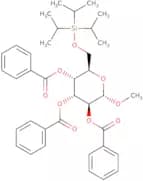
CAS:Xylopentaose is a pentose sugar that belongs to the group of polyols. It has been shown to be a dietary supplement that improves the lipid profile in mice and humans, which may be due to its ability to inhibit diacylglycerol acyltransferase, thereby preventing the synthesis of triglycerides. Xylopentaose is also able to increase serum glucose levels by stimulating insulin secretion through the activation of pancreatic β-cells. Xylopentaose can be used as a sweetener because it has some sweetness but does not cause tooth decay like sugar does.Formula:C25H42O21Purity:Min. 95%Color and Shape:PowderMolecular weight:678.59 g/molMethyl 2,3,4-tri-O-benzoyl-6-O-triisopropylsilyl-a-D-glucopyranoside
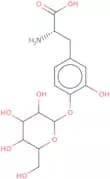
CAS:Methyl 2,3,4-tri-O-benzoyl-6-O-triisopropylsilyl-a-D-glucopyranoside is a Custom synthesis that is a complex carbohydrate. It is an Oligosaccharide with a Polysaccharide that is modified by Methylation and Glycosylation. This saccharide has CAS No. 356060-80-5 and can be found in Click modification and Synthetic. Methyl 2,3,4-tri-O-benzoyl-6-O-triisopropylsilyl-a-D -glucopyranoside has a high purity and fluorination level.Formula:C37H46O9SiPurity:Min. 95%Molecular weight:662.86 g/mol4'-O-(β-D-Glucopyranosyl)-L-DOPA
Controlled Product4'-O-(b-D-Glucopyranosyl)-L-DOPA is a custom synthesis, modification, fluorination, methylation, monosaccharide, synthetic, click modification, oligosaccharide saccharide. 4'-O-(b-D-Glucopyranosyl)-L-DOPA may be used in the treatment of certain cancers and for other conditions as determined by your doctor. 4'-O-(b-D-Glucopyranosyl)-L-DOPA may also be used for purposes not listed in this medication guide.Formula:C15H21NO9Purity:Min. 95%Color and Shape:White to off-white solid.Molecular weight:359.33 g/mol1,2,3,4-Tetra-O-acetyl-6-aminobenzoyl-6-deoxy-a-D-glucopyranoside
1,2,3,4-Tetra-O-acetyl-6-aminobenzoyl-6-deoxy-a-D-glucopyranoside is a fluorinated monosaccharide that is synthesized from 6-deoxyglucose through the glycosylation of 1,2,3,4,-tetraaminobenzoyl chloride. It is a white solid with a molecular weight of 242.1 g/mol and a CAS Number of 368737-85-0. This product has been modified with methylation and click chemistry to give it desired properties for use as an intermediate in the synthesis of complex carbohydrates.
Formula:C21H25NO10Purity:Min. 95%Molecular weight:451.42 g/molAllyl α-D-Glucopyranoside
CAS:Allyl alpha-D-glucopyranoside is an optical isomer of D-glucose that is used in the synthesis of a number of synthetic trisaccharides, including maltotriose. Allyl alpha-D-glucopyranoside is also a potent antibacterial agent and has been shown to be active against Escherichia coli, Staphylococcus aureus, and Pseudomonas aeruginosa. Allyl alpha-D-glucopyranoside has hydrophilic and hydrophobic properties, which makes it soluble in both water and organic solvents. This compound can also form stable complexes with metal cations such as sodium and potassium, making it useful for tissue culture experiments.
Formula:C9H16O6Molecular weight:220.22 g/molRef: 3D-W-203706
10gTo inquire25gTo inquire50gTo inquire100gTo inquire250gTo inquire-Unit-ggTo inquireFucoidan - Pelvetia canaliculata
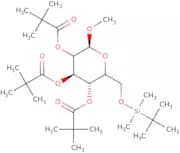
CAS:A fucan sulphate found in brown marine algae (Phaeophyta-typically Fucus serratus, Ascophyllum nodosum, Pelvitiata canaliculata (illustrated) and Macrocystis pyrifyra) and has been shown to have anticoagulant activity. The main constituents are α-1,4 and α-1,2 linked L-fucose sulphates although galactose also occurs and there are many variations of the basic structure found in different species of Phaeophyta. The image was kindly provided by Prof Mike Guiry from Cork who runs ‘The Seaweed Site’.Purity:Min. 95%Methyl 6-O-tert-butyldimethylsilyl-2,3,4-tri-O-pivaloyl-a-D-galactopyranoside
Methyl 6-O-tert-butyldimethylsilyl-2,3,4-tri-O-pivaloyl-a-D-galactopyranoside is a synthetic saccharide that can be used as a monosaccharide building block in the synthesis of complex carbohydrates. It has a CAS number and can be custom synthesized to meet the customer's needs. It is also fluorinated and can be modified with Click chemistry. This product is high purity and has been synthesized from glycosylation and fluorination.Formula:C28H52O9SiPurity:Min. 95%Molecular weight:560.81 g/molL-Arabinopyranosyl thiosemicarbazide
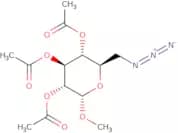
CAS:L-Arabinopyranosyl thiosemicarbazide is a carbohydrate that belongs to the group of saccharides. It is a synthetic, fluorinated monosaccharide that has been modified with methyl groups and glycosylation. L-Arabinopyranosyl thiosemicarbazide is used in the synthesis of complex carbohydrates and oligosaccharides. This compound can be custom synthesized according to your specifications. L-Arabinopyranosyl thiosemicarbazide is available at high purity and low price.Formula:C6H13N3O4SPurity:Min. 95%Molecular weight:223.25 g/molMethyl 2,3,4-tri-O-acetyl-6-azido-6-deoxy-a-D-glucopyranoside
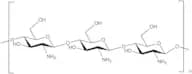
CAS:Methyl 2,3,4-tri-O-acetyl-6-azido-6-deoxy-a-D-glucopyranoside is a modification of the sugar glucose. It is a synthetically modified oligosaccharide that is used in the synthesis of complex carbohydrates and polysaccharides. Methyl 2,3,4-tri-O-acetyl-6-azido-6-deoxyglucopyranoside has been used for the fluorination and saccharide methylation reactions.Formula:C13H19N3O8Purity:Min. 95%Color and Shape:White PowderMolecular weight:345.31 g/molChitosan - Non-animal origin
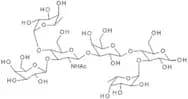
CAS:Chitosan from fungal cell walls. It is made by treating cell walls of fungi (agaricus bisporus) with sodium hydroxide.Viscosity typically 20-100 mPa.sMushroom OriginMolecular Weight: 13000DaColor and Shape:PowderLacto-N-difucohexaose II
CAS:Neutral difuco hexasasaccharide naturally present in human breast milkFormula:C38H65NO29Purity:Min. 90%Color and Shape:PowderMolecular weight:999.91 g/mol1,2-O-Isopropylidene-a-L-xylofuranose
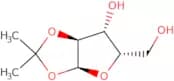
CAS:1,2-O-Isopropylidene-a-L-xylofuranose is a sulfate transport molecule that is present in the blood plasma. It binds to sulfate anions which are then transported by the sodium/sulfate co-transporter from the blood and into cells. This process is called equilibrative or facilitated transport. 1,2-O-Isopropylidene-a-L-xylofuranose also binds to adenosine and transports it across membranes. This process is regulated by surface receptors and uptake transporters that regulate the rate of adenosine uptake at different parts of the body.Formula:C8H14O5Purity:Min. 98 Area-%Color and Shape:White PowderMolecular weight:190.2 g/molCarboxymethyl cellulose
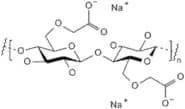
CAS:Carboxymethyl cellulose is used in food as a viscosity modifier, thickener, to stabilise emulsions and are found in gluten-free and reduced-fat products. It is also a constituent of toothpaste, laxatives, diet pills, water-based paints, detergents, textile sizing, and various paper products. In laundry detergents, it is used as a soil suspension polymer. It is also used in pharmaceuticals as a thickening agent and in the oil-drilling industry as a viscosity modifier and water-retaining agent.
Formula:C8H16O8Purity:Min. 95%Color and Shape:White PowderMolecular weight:240.21 g/mol1-O-Acetyl-2,3:5,6-di-O-isopropylidene-D-mannofuranose
The 1-O-acetyl-2,3:5,6-di-O-isopropylidene-D-mannofuranose is a custom synthesis. It is fluorinated at the 6 position and methylated at the 3 position. This modification is done to give it an acetyl group on the 1 carbon and a hydroxyl group on the 2 carbon. The compound has been synthesized by modifying the natural sugar mannose with an acetyl group and a hydroxyl group. The compound has not been modified in any other way as of yet, but it would be possible to add more modifications such as glycosylation or polysaccharide formation.Purity:Min. 95%6-Mono-tert-butyldimethylsilyl-γ-cyclodextrin,
This gamma-cyclodextrin (γ-CD) derivative is a modified cyclic oligosaccharide composed of eight glucose units, featuring a larger cavity size than α- and β-cyclodextrins. This structural characteristic allows γ-CDs to form inclusion complexes with a wider range of guest molecules, making it particularly versatile in various industries. In the food sector, it is used as a carrier and stabilizer for flavors, fat-soluble vitamins, and polyunsaturated fatty acids, protecting volatile compounds from evaporation. In pharmaceuticals, it enhances the solubility and bioavailability of poorly water-soluble drugs and, thanks to its larger ring size, allows for the encapsulation of larger molecules or even entire drug molecules. γ-CDs and derivatives are also used for environmental remediation and, in analytical chemistry, for the extraction and concentration of target substances.Formula:C54H94O40SIPurity:Min. 95%Molecular weight:1,542.27 g/mol2-Deoxy-D-glucose-6-phosphate sodium salt
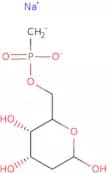
CAS:Glucose 6-phosphatase substrate
Formula:C6H12NaO8PPurity:Min. 98 Area-%Color and Shape:White PowderMolecular weight:266.12 g/mol1,5-Anhydro-D-fructose
CAS:Antioxidant; antibacterial; suppresses LPS-induced inflammatory responseFormula:C6H10O5Purity:Min. 95%Color and Shape:PowderMolecular weight:162.14 g/mol1,2:3,4-Di-O-isopropylidene-a-D-galactopyranose
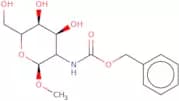
CAS:1,2:3,4-Di-O-isopropylidene-a-D-galactopyranose, also known as diacetone-D-galactose and galactose diacetonide, is a partially protected monosaccharide building block with isopropylidene groups on the 1,2 and 3,4 hydroxyls. The 6-hydroxyl is unprotected and able to undergo a variety of chemical transformations, such as glycosylation acting as a glycosyl acceptor to form 1,6-linked disaccharides.Formula:C12H20O6Purity:Min. 96.5 Area-%Color and Shape:Clear Viscous LiquidMolecular weight:260.28 g/molMethyl 2-benzyloxycarbonylamino-2-deoxy-a-D-glucopyranoside
CAS:Methyl 2-benzyloxycarbonylamino-2-deoxy-a-D-glucopyranoside is a monosaccharide that is modified with fluorine. The modification of the sugar molecule can be done by either a click or an oxidative process. In the case of this product, the modification was done by addition of fluorine to the methyl group on the second carbon atom of the benzyloxycarbonyl group. This product belongs to CAS No. 4704-15-8 and has a high purity. It is also a complex carbohydrate and consists of saccharides and sugars. Methyl 2-benzyloxycarbonylamino-2-deoxy-a-D-glucopyranoside can be used in polysaccharides and saccharides, as well as other applications related to carbohydrates such as modifying glycoproteins and glycolipids, as well as being used in pharmaceuticals suchFormula:C15H21NO7Purity:Min. 95%Molecular weight:327.33 g/molMaltoheptaose tricosaacetate
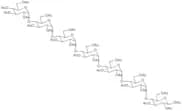
CAS:CO2-philic compound; used in pharmaceuticals and CO2-based processesFormula:C88H118O59Purity:Min. 95%Color and Shape:PowderMolecular weight:2,119.92 g/molN-Nonyldeoxynojirimycin
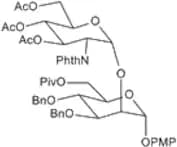
CAS:Inhibitor and pharmacological chaperone of lysosomal β-glucosidase (glucosylceramidase). The compound binds to the unstable glucosidase active site during the folding and post-translational processing in Golgi apparatus and endoplasmatic reticulum. It is effective in stabilising the enzyme and preventing accumulation of glucosylceramides in models for Gaucher disease, especially in the ones carrying N370S mutation. In addition, it has antiviral activity against Hepatitis C virus, which is mediated by misfolding of viral glycoproteins in the presence of the inhibitor.Formula:C15H31NO4Purity:Min. 95%Color and Shape:White PowderMolecular weight:289.41 g/mol4-Methoxyphenyl 2-O-(3,4,6-tri-O-acetyl-2-deoxy-2-phthalimido-a-D-glucopyranosyl)-3,4-di-O-benzyl-6-O-pivaloy-a-D-mannopyranoside
CAS:The chemical name of the compound is 4-Methoxyphenyl 2-O-(3,4,6-tri-O-acetyl-2-deoxy-2-phthalimido-a-D-glucopyranosyl)-3,4-di-O-benzyl--6--O--pivaloyl-[a]-D--mannopyranoside. The molecular formula is C47H69NO17. The molecular weight is 838.10 g/mol. This product is a white to off white solid that has no odor and a sweet taste. Compound can be custom synthesized to customer's specification and purity requirements. The CAS number for this compound is 1820574-70-6.
Formula:C52H57NO17Purity:Min. 95%Molecular weight:968.01 g/molPhenyl 3,4-di-O-acetyl-2-O-benzyl-a-L-thiofucopyranoside
CAS:This compound is a glycosylation product of the monosaccharide fucose and the disaccharide 2-O-benzyl-a-L-thiofucopyranoside. It is a custom synthesis that has been modified by fluorination, methylation and click chemistry. This product is available in high purity and with a CAS No. 183051-73-2.Purity:Min. 95%1,5-Anhydro-D-glucitol 6-dihydrogenphosphate
CAS:1,5-Anhydro-D-glucitol 6-dihydrogenphosphate is a biochemical analog. It has been shown to have anti-inflammatory effects in rat models of inflammatory bowel disease and metabolic disorders. 1,5-Anhydro-D-glucitol 6-dihydrogenphosphate inhibits the activity of bacterial enzymes that catalyze protein glycosylation. It also blocks the production of inflammatory cytokines and colony stimulating factors. The enzyme inhibition may be due to its ability to inhibit the synthesis of D-glucose from D-galactose by blocking the enzyme DALR (deleted in liver cancer).Formula:C6H13O8PPurity:Min. 95%Color and Shape:PowderMolecular weight:244.14 g/molTri-b-GalNAcAc3-6-aminoheaxanoate TFA
Tri-b-GalNAc-6-aminohexanoate TFA is the peracetylated TFA salt from MT184237. It is a synthetic ligand designed to target the asialoglycoprotein receptor (ASGPR) on hepatocytes. The three terminal beta-N-acetylgalactosamine (GalNAc) sugars provide an efficient ASGPR binding. It serves as a platform for lysosomal targeting chimera (LYTAC) development, allowing for the creation of chimeras that specifically target unwanted proteins for degradation within hepatocytes. In addition, tri-b-GalNAc-6-aminohexanoate facilitates the delivery of therapeutic cargo, such as RNA or Cas9 complexes, directly to hepatocytes via ASGPR-mediated endocytosis. This approach is promising for gene therapy and RNAi applications in the liver due to the specificity of ASGPR targeting and the versatility of the conjugation moiety.Formula:C85H140N11O37C2F3O2Purity:Min. 95 Area-%Molecular weight:2,021.09 g/mol1-Chloro-2-deoxy-3,5-di-O-toluoyl-D-ribofuranose
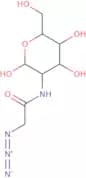
CAS:Synthetic building block for nucleic acid researchFormula:C21H21ClO5Purity:Min. 95%Color and Shape:Off-White PowderMolecular weight:388.84 g/molN-Azidoacetylmannosamine
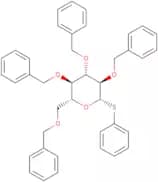
CAS:N-Azidoacetylmannosamine, also called ManNAz and 2-[(2-azidoacetyl)amino]-2-deoxy-D-mannose, is a click reagent for metabolic labelling of ManNAc. The azide is able to react with an alkyne in a 1,3-dipolar cycloaddition reaction (click chemistry) to enable linking to a fluorescent probe or a biotin. N-Azidoacetylmannosamine has been used in the chemical modification of glycoproteins to improve their in vivo efficacy and to label them for detection.Formula:C8H14N4O6Purity:Min. 90%Color and Shape:White PowderMolecular weight:262.22 g/molPhenyl 2,3,4,6-tetra-O-benzyl-b-D-thioglucopyranoside
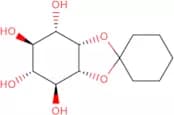
CAS:Phenyl 2,3,4,6-tetra-O-benzyl-b-D-thioglucopyranoside is a modification. It is an oligosaccharide that belongs to the class of carbohydrates. Phenyl 2,3,4,6-tetra-O-benzyl-b-D-thioglucopyranoside has a high purity and can be synthesized in a custom manner. It is a white to off white powder that has CAS No. 38184-10-0 and can be used for glycosylation or methylation reactions. It also has fluoroquinolone resistance and can be used as a complex carbohydrate in the synthesis of polysaccharides.Formula:C40H41O5SPurity:Min. 95%Color and Shape:White Off-White PowderMolecular weight:632.83 g/mol1,2-O-Cyclohexylidene-myo-inositol
CAS:1,2-O-Cyclohexylidene-myo-inositol (CIM) is a fatty acid that has a 6-hydroxyl group. This compound is used in the diagnosis of chemical biology, immunocomplexes and phosphate derivatives. CIM has been shown to bind to iron and form an immunocomplex with it. CIM also binds to phosphate derivatives, which are found in carbohydrate chemistry. The hydroxyl group on CIM can react with chloride ions and form asymmetric synthesis. Growth factors like insulin and other hormones can be synthesized from this compound through the addition of an amine group or phosphate group. CIM also reacts with monoclonal antibodies for use in diagnostic tests for pancreatic lipase.Formula:C12H20O6Purity:Min. 95%Color and Shape:PowderMolecular weight:260.28 g/mol1,5-Diepi-adenophorine
1,5-Diepi-adenophorine is a fluorinated monosaccharide. It is synthesized by an asymmetric glycosylation with 1,5-dideoxyadenosine and α-D-mannose as the donors. The synthesis of this compound requires custom synthesis and high purity. 1,5-Diepi-adenophorine can be modified with methyl groups or click chemistry to make it more suitable for use in biochemistry research.Purity:Min. 95%GD2-Oligosaccharide-sp-biotin
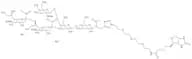
The structure of GD2-oligosaccharide-sp-biotin (sodium salt) comprises (GalNAcβ1,4Galβ1,4Glc) with two sialic acids linked (β-2,3/β-2,8) to the central galactose residue and biotin attached to position 1 of the reducing glucose moiety. GD2 ganglioside is expressed at a low concentration in the central nervous system, nerves, skin melanocytes and stem cells in healthy adults. On the other hand, GD2 ganglioside is overexpressed in a number of tumors, including: neuroblastoma, melanoma, small cell lung carcinoma and brain tumors. Recently, it has been found in low concentrations on breast cancer stem cells (CSC) that possess: self-renewal properties (division without disrupting the undifferentiated state) and tumor-initiating capabilities. It has been suggested that GD2 ganglioside may be developed as an effective target antigen for CSC immunotherapy.
Formula:C65H104N10O37S·2NaPurity:One SpotColor and Shape:White PowderMolecular weight:1,695.61 g/mol2,3,4,6-Tetra-O-benzyl-a-D-glucopyranosyl fluoride
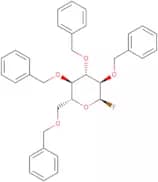
CAS:2,3,4,6-Tetra-O-benzyl-a-D-glucopyranosyl fluoride is a modification of a carbohydrate. It is a complex carbohydrate that has the CAS No. 89025-46-7 and is custom synthesized. The product contains an oligosaccharide and high purity that are synthetic and monosaccharides that are methylated, glycosylated, and polysaccharides that are sugars with fluorination. The product also contains saccharides with glycosylation and polysaccharide sugar units.Formula:C34H35FO5Purity:Min. 95%Color and Shape:White To Off-White SolidMolecular weight:542.64 g/molL-[1-13C]Fucose
CAS:L-[1-13C]Fucose is a custom synthesis. It is an oligosaccharide that consists of D-fucose, which is a sugar found in the cell wall of bacteria. L-[1-13C]Fucose has been used as a substrate for methylation reactions and click chemistry modifications to study the binding affinity of various proteins. This compound has also been used in saccharide modification studies and glycosylation reactions.Formula:CC5H12O5Purity:Min. 95%Color and Shape:PowderMolecular weight:195.19 g/molPhenyl-6-azido-6-deoxy-2,3,4-tris-O-(phenylmethyl)-1-thio-b-D-galactopyranoside
CAS:Phenyl-6-azido-6-deoxy-2,3,4-tris-O-(phenylmethyl)-1-thio-β-D-galactopyranoside is an oligosaccharide that can be used in the synthesis of complex carbohydrates. This compound has a CAS number of 260976-50-9 and a molecular weight of 536. It can be used as a synthetic intermediate in the production of saccharides and sugar derivatives. Phenyl 6 Azido 6 Deoxy 2,3,4 Tris O (phenylmethyl) 1 Thio β D Galactopyranoside is soluble in water and insoluble in organic solvents. It is also stable under acidic conditions and can be easily converted to other compounds with different functional groups.Purity:Min. 95%Rhodamine B isothiocyanate-dextran - Average MW 10,000
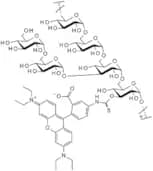
Rhodamine dextran (RD) is widely used as both an anterograde and retrograde tracer in neurons and for numerous other applications. It is biologically rather inert having α-1,6-linked glucose residues resistant to cleavage by most endogenous cellular glycosidases. It has low immunogenicity and makes an ideal long-term tracer for live cells. RD also serves as a valuable marker for cell loading of macromolecules by micro-injection, vesicular fusion, and electroporation, as well as for the uptake and internal processing of exogenous materials by phagocytotic and endocytic pathways.Color and Shape:PowderCharantoside
Charantoside is a natural flavone glycoside that belongs to the group of c-glycosides. It has significant anti-inflammatory activity, inhibiting tumor necrosis factor-α (TNF-α) and matrix metalloproteinase-7 (MMP-7), which are proinflammatory cytokines. Charantoside also has anti-diabetic properties, as it inhibits glucose uptake and stimulates insulin release from pancreatic β cells in vitro. Charantoside is found in plants of the Cucurbitaceae family, such as cucumber and pumpkin. This compound can be detected by fingerprinting techniques and was found to have been present in at least two plant families. Charantoside has been shown to inhibit TNF-α production in vivo studies conducted on mice.Purity:Min. 95%1,3,4,6-Tetra-O-acetyl-N-azidoacetylmannosamine
CAS:1,3,4,6-Tetra-O-acetyl-N-azidoacetylmannosamine, also called ManNAz tetraacetate, 1,3,4,6-tetra-O-acetyl-N-azidoacetyl-D-mannosamine and Ac4ManNAz, is an azide-containing metabolic glycoprotein labelling reagent that can be incorporated into the sialic acid biosynthesis pathway. The azide is able to react with an alkyne in a 1,3-dipolar cycloaddition reaction (click chemistry) to enable linking to a fluorescent probe or a biotin.Formula:C16H22N4O10Purity:Min. 95%Color and Shape:PowderMolecular weight:430.37 g/mol(2S, 3S, 4S) -2- (Hydroxymethyl) - 2- methyl- 3, 4- pyrrolidinediol
CAS:The product is a Carbohydrate, Modification, saccharide, Oligosaccharide. It is an artificial sugar that has been synthesized and modified for use in the food industry. The material is a complex carbohydrate with a high purity level and custom synthesis. It can be used in the production of sweeteners or as a flavor enhancer. The product is fluorinated to slow down its rate of degradation, which allows it to be used as an ingredient in processed foods. The product also has glycosylation sites that can be methylated or click-modified.Formula:C6H13NO3Purity:Min. 95%Molecular weight:147.17 g/molMethyl α-L-daunosamide hydrochloride
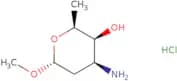
CAS:Methyl α-L-daunosamide hydrochloride is a drug that inhibits the production of DNA. It is used to treat infectious diseases such as malaria, in which it can inhibit the growth of the parasite by preventing DNA replication and transcription. The methyl α-L-daunosamide hydrochloride molecule is a polymerase chain inhibitor that binds to the enzyme adriamycin synthetase, which catalyzes the conversion of daunosamine into adriamycin. This binding prevents the formation of stable complexes with the target enzymes and blocks their activity, leading to inhibition of DNA synthesis and transcription. Methyl α-L-daunosamide hydrochloride has been shown to inhibit glycan biosynthesis in rat liver microsomes and does not have significant interactions with other drugs or with glycan in human serum.Formula:C7H15NO3•HClPurity:Min. 85 Area-%Color and Shape:PowderMolecular weight:197.66 g/molCarboxymethyl-dextran sodium salt - Average MW 4,000
CAS:Sodium carboxymethyl dextran is a white, odourless and tasteless powder, which is freely soluble in water or electrolyte solutions. Applications that have been described for carboxymethyl dextran include carriers of paramagnetic contrast agents, preparation of conjugates of pharmacologically active compounds and carboxymethyl dextrans in biosensors. A number of other uses in cosmetics, agriculture, foods, paints and textiles have been the subject of patent applications.Color and Shape:PowderDi-mannuronic acid sodium salt
Di-mannuronic acid sodium salt (β-1,4-linked sodium mannuronobiose) is one of a number of oligosaccharides obtained from alginate which is a polysaccharide in brown seaweeds containing: blocks of repeating mannuronic acid sequences (M-M-M-M etc), repeating guluronic acid sequences (G-G-G-G etc), and alternating M-G-M-G sequences.These oligosaccharides can be released using several methods (Lua, 2015; Yanga, 2004) and claims have been published that mannuronic acid oligosaccharides for example, can be effective in the prophylaxis and treatment of Alzheimer's disease, or for the prophylaxis and treatment of diabetes (USP 8835403B2, 2014).Formula:C12H16O13Na2Purity:Min. 98 Area-%Color and Shape:White Off-White PowderMolecular weight:414.23 g/mol2,3,4-Tri-O-acetyl-D-arabinopyranosyl bromide - Stabilised with 2% CaCO3
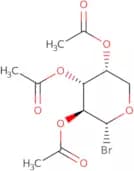
CAS:2,3,4-Tri-O-acetyl-D-arabinopyranosyl bromide - Stabilised with 2% CaCO3 is an organic compound that belongs to the group of glycosylations. It is a sugar derivative of arabinose and has been fluorinated with trifluoromethanesulfonic acid. This product is custom synthesized and can be used for Glycosylation reactions as well as methylations and click modifications. It is also a complex carbohydrate and can be used in the production of polysaccharides. The CAS number for this compound is 113889-50-2 and it has a monosaccharide content of 100%. This product is available for purchase at high purity.Formula:C11H15BrO7Purity:Min. 95%Color and Shape:PowderMolecular weight:339.14 g/mol2,3-Di-O-benzyl-4,6-O-ethylidene-D-glucopyranose
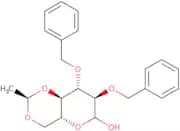
CAS:2,3-Di-O-benzyl-4,6-O-ethylidene-D-glucopyranose is a synthetic oligosaccharide that can be used as a starting material for the synthesis of glycosylated polysaccharides. It is custom synthesized to your specifications and is available in high purity.Formula:C22H26O6Purity:Min. 95%Color and Shape:PowderMolecular weight:386.44 g/molL-Glucosamine hydrochloride
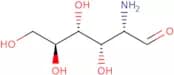
CAS:L-Glucosamine hydrochloride is a fluorescent derivative of L-glucosamine, which is an amino sugar that occurs naturally in the human body. L-glucosamine hydrochloride can be used to measure the uptake of glucose by cells and tissues. The hydroxyl group on the glucosamine molecule is responsible for this activity. L-glucosamine hydrochloride has been shown to have anticancer activity against leukemia cells in tissue cultures and it may be useful as a cancer treatment. It is also capable of inducing cytokine responses when it binds to antigen sites on T cells, which may lead to its use as an immunotherapy agent.Formula:C6H13NO5•HClPurity:Min. 95%Color and Shape:PowderMolecular weight:215.63 g/mol(2R, 3S, 4R, 5S) -3,4-O-Isopropylidene-2- butyl-3, 4, 5- piperidinetriol
The following product descriptions are from the company's website:Purity:Min. 95%Methyl protodioscin
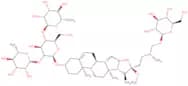
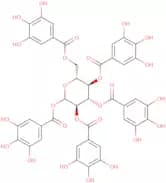
CAS:Methyl protodioscin is a natural compound that has been shown to have a promising therapeutic effect on autoimmune diseases. Methyl protodioscin is derived from soybean extract and it is known to inhibit the translocation of bacteria across the gut wall, which could be due to its ability to regulate mucin gene expression. In vitro assays show that methyl protodioscin has an effect on mitochondrial membrane potential, which may be related to its anti-inflammatory properties. The effects of methyl protodioscin on mitochondrial functions were studied in C. glabrata, and it was shown that this compound can be used as a therapeutic agent for balloon injury. Methyl protodioscin also inhibits the growth of Candida albicans and other fungi in vivo, suggesting that this compound might have antifungal activity.Formula:C52H86O22Purity:Min. 95%Molecular weight:1,063.23 g/mol1,2,3,4,6-Penta-O-galloyl-D-glucopyranose
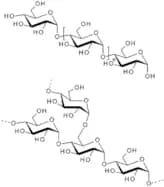
CAS:1,2,3,4,6-Penta-O-galloyl-D-glucopyranose (PGG) is a naturally occurring compound that has been shown to be involved in the transport of glucose across cell membranes. It increases the blood glucose levels in animals and is an inhibitor of phosphatase. PGG has also been shown to have potential therapeutic properties for diabetes. Studies have shown that PGG inhibits the enzymes involved in glycogen synthesis and glycogenolysis, which are important for maintaining normal blood glucose levels. This inhibition may be due to its affinity for receptor binding sites or its ability to act as a competitive inhibitor of these enzymes.Formula:C41H32O26Purity:Min. 95%Molecular weight:940.68 g/molCorn starch
CAS:Starch is a two component polysaccharide mixture of amylose and amylopectin. Amylose is a linear polysaccharide of α (1,4)-linked glucose residues and averages 20 to 30% of the total in most native starches. Amylopectin is a highly branced glucan containing both a (1,4) and a (1,6) linkages. The number of glucose residues in a single starch molecule can vary from five hundred to several hundred thousand, depending on the type of starch. Starch is the major storage form of energy in plants, just as glycogen is the storage form of energy for animals. The plant directs the starch molecules to the amyloplasts, where they are deposited to form granules. Thus, both in plants and in the extracted concentrate, starch exists as granules varying in diameter from 2 to 130 μm.Purity:Min. 95%Color and Shape:Powder


![(5R, 8S, 9S) -8- [(4S) - 2, 2- Dimethyl- 1, 3- dioxolan- 4- yl] - 9- hydroxy- 2, 2- dimethyl- 1, 3…](/_next/image/?url=https%3A%2Fstatic.cymitquimica.com%2Fproducts%2F3D%2Fthumb-webp%2FMD170669.webp&w=3840&q=75)











![L-[1-13C]Fucose](/_next/image/?url=https%3A%2Fstatic.cymitquimica.com%2Fproducts%2F3D%2Fthumb-webp%2FMF08310.webp&w=3840&q=75)