Glycoscience
Subcategories of "Glycoscience"
- Aminosugars(108 products)
- Glyco-Related Antibodies(282 products)
- Glycolipids(46 products)
- Glycosaminoglycans (GAGs)(55 products)
- Glycosides(419 products)
- Monosaccharides(6,616 products)
- Oligosaccharides(3,718 products)
- Polysaccharides(502 products)
Found 11010 products of "Glycoscience"
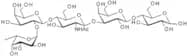
Blood group H pentaose type II
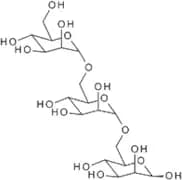
CAS:Blood group H pentaose type II is a carbohydrate. It is a saccharide with the molecular formula C5H11O4. The saccharide can be modified, for example by fluorination, methylation and glycosylation. The CAS number for this compound is 30517-76-1. This product is custom synthesized and has high purity and good quality.Formula:C32H55NO25Purity:Min. 90%Color and Shape:PowderMolecular weight:853.77 g/mol1,6-α-D-Mannotriose
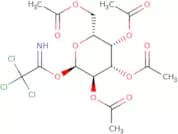
CAS:Produced by the reverse hydrolysis of a mannose substrateFormula:C18H32O16Purity:Min. 94 Area-%Color and Shape:PowderMolecular weight:504.44 g/mol2,3,4,6-Tetra-O-acetyl-a-D-galactopyranosyl trichloroacetimidate
CAS:2,3,4,6-Tetra-O-acetyl-a-D-galactopyranosyl trichloroacetimidate is a disaccharide that is an activated glycoprotein. It is used as a hapten for the production of monoclonal antibodies and as an immunogen in stepwise immunization with bovine serum albumin. This compound has been shown to be specific for the EGF receptor on neoglycoproteins and can be used to detect this receptor. The glycosidic residue of 2,3,4,6-tetra-O-acetyl-a-D-galactopyranosyl trichloroacetimidate allows it to bind to proteins such as albumin and act as a carrier for other molecules.Formula:C16H20Cl3NO10Purity:Min. 95%Color and Shape:White PowderMolecular weight:492.69 g/molHyaluronic acid octasaccharide ammonium salt
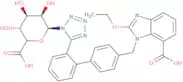
Hyaluronic acid is a polysaccharide containing repeating disaccharide units of β-1,3-N-acetyl glucosamine and β-1, 4-glucuronicâ¯acid. A series of unsaturated oligosaccharides (oligouronic acids) are released from hyaluronic acid by the action of hyaluronidase on the umbilical cord (Weissman, 1954). This octasaccharide ammonium salt and other enzymatically produced polymer homologs have been of value in the study of hyaluronic acid metabolism in both healthy and diseased tissues (Hascall, 2019).Formula:C56H86N4O45Purity:Min. 95 Area-%Color and Shape:PowderMolecular weight:1,535.3 g/molCandesartan N2-glucuronide
CAS:Candesartan N-glucuronide is a metabolite of candesartan. It is produced by human UDP-glucuronosyltransferase, which belongs to the subfamily of uridine diphosphate (UDP)-glucuronosyltransferases. Candesartan N-glucuronide inhibits angiotensin II receptor type 1 (AT1) and has minimal effects on angiotensin II receptor type 2 (AT2). Candesartan N-glucuronide binds to the AT1 receptor and blocks its activation by angiotensin II. This binding inhibits the uptake of sodium ions into cells and causes an increase in potassium ion secretion, leading to vasodilation. Candesartan N-glucuronide also induces the expression of cytochrome P450 3A5, which results in increased metabolism of drugs such as paclitaxel.
Formula:C30H28N6O9Purity:Min. 95%Molecular weight:616.58 g/molCellulose - Arbocel
CAS:Cellulose is a linear polysaccharide of β 1-4 linked glucose residues. The polysaccharide chains are bundled as microfibrils in cell walls and provide the essential structural components within growing plants. Each microfibril exhibits a high degree of three-dimensional internal bonding resulting in a crystalline structure that is insoluble in water, resistant to reagents and very strong.Color and Shape:PowderHeptakis(2,3-di-O-acetyl-6-O-tert-butyldimethylsilyl)cyclomaltoheptaose
CAS:This beta-cyclodextrin (β-CD) derivative is a functionalized cyclic oligosaccharide composed of seven glucose units, characterized by a hydrophilic exterior and a lipophilic cavity (bigger than α-CD and smaller than γ-CDs), which allows it to encapsulate various guest molecules. This structural feature facilitates its use in multiple applications, including pharmaceuticals, food enhancement, and cosmetics. In the pharmaceutical industry, it enhances the solubility and stability of poorly water-soluble drugs, improving their bioavailability and efficacy while also masking unpleasant tastes. The food sector utilizes it as a stabilizer for flavors, colors, and nutrients, extending shelf life by protecting sensitive ingredients from degradation. In cosmetics, it serves as a complexing agent for fragrances and active components, ensuring their stability and controlled release. Its use expands to many other fields, including nanotechnology for drug delivery systems, environmental remediation for extracting organic pollutants, textiles for slow-release fragrances, and analytical chemistry for chiral separation.Formula:C112H196O49Si7Purity:Min. 95%Molecular weight:2,523.32 g/mol2,3,6-Triethyl-gamma-cyclodextrin
This gamma-cyclodextrin (γ-CD) derivative is a modified cyclic oligosaccharide composed of eight glucose units, featuring a larger cavity size than α- and β-cyclodextrins. This structural characteristic allows γ-CDs to form inclusion complexes with a wider range of guest molecules, making it particularly versatile in various industries. In the food sector, it is used as a carrier and stabilizer for flavors, fat-soluble vitamins, and polyunsaturated fatty acids, protecting volatile compounds from evaporation. In pharmaceuticals, it enhances the solubility and bioavailability of poorly water-soluble drugs and, thanks to its larger ring size, allows for the encapsulation of larger molecules or even entire drug molecules. γ-CDs and derivatives are also used for environmental remediation and, in analytical chemistry, for the extraction and concentration of target substances.Formula:C95H176O40Purity:Min. 95%Molecular weight:1,958.39 g/molMannide monooleate
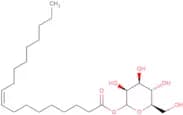
CAS:Mannide monooleate is a naturally occurring fatty acid that is found in the lipid bilayer of cell membranes. It has shown to be effective in the treatment of a number of chronic inflammatory diseases, such as arthritis and inflammatory bowel disease. Mannide monooleate is also being explored as an adjuvant for vaccines, and has shown efficacy against leishmania infection.Formula:C24H44O6Purity:Min. 95%Color and Shape:PowderMolecular weight:428.61 g/mol1-Deoxy-1-morpholino-D-fructose
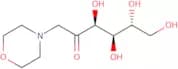
CAS:1-Deoxy-1-morpholino-D-fructose is a drug that has been shown to have an inhibitory effect on the production of dinitrophenol, leading to a decrease in the level of reactive oxygen species. The drug binds to lysine residues of proteins and forms adducts with physiological function. 1-Deoxy-1-morpholino-D-fructose also inhibits human serum albumin concentration, which may be due to its ability to inhibit oxidative DNA damage. This drug has been shown to be effective in vivo for treating autoimmune diseases and diabetes.Formula:C10H19NO6Purity:Min. 95%Molecular weight:249.26 g/molCellulose, particle size 20μm
CAS:Cellulose with a particle size of 20μm is an industrial biomass material that has various applications. It is commonly used in the production of paper, textiles, and biofuels. Cellulose is a complex carbohydrate that provides structural support to plant cell walls. It can also be used as an excipient in pharmaceutical formulations, such as in the production of tablets.Purity:Min. 95%Color and Shape:PowderD-Glycero-D-talo-heptitol
CAS:D-Glycero-D-talo-heptitol is a natural product that is found in plants and bacteria. It is an alditol, which is created by the glycosidic bond of a carbohydrate and a hydroxyl group. D-Glycero-D-talo-heptitol has shown to inhibit the activity of enzymes involved in fatty acid synthesis, such as 3-hydroxyacyl coenzyme A dehydrogenase, and carbohydrate synthesis, such as fructose 1,6 bisphosphatase. This compound also inhibits the borohydride reduction of glycan precursors. This may be due to its hydrophilic interactions with water molecules and its hydrophobic interactions with other lipid molecules.Formula:C7H16O7Purity:Min. 95%Color and Shape:White Off-White PowderMolecular weight:212.2 g/molL-Gulurono-6,3-lactone
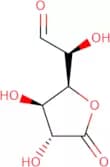
CAS:L-Gulurono-6,3-lactone is a methylated carbohydrate that can be modified with a variety of functional groups. It is used in the synthesis of saccharides and oligosaccharides. L-Gulurono-6,3-lactone has been shown to bind to a variety of proteins, including amyloid beta protein and human serum albumin. This compound is synthesized by reacting L-glucose with 2 equivalents of anhydrous hydrogen fluoride in acetic acid at room temperature. It is also fluorinated by reacting it with sodium borohydride and hydrogen fluoride in methanol at -78°C.Formula:C6H8O6Purity:Min. 95%Color and Shape:PowderMolecular weight:176.12 g/molFerrous gluconate dihydrate
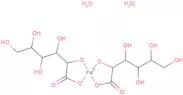
CAS:Ferrous gluconate dihydrate is a fine chemical that has many applications in research and development. It is a versatile building block that can be used as a starting material for the synthesis of complex compounds, such as drugs, pesticides, and perfumes. Ferrous gluconate dihydrate can also be used as a reaction component to produce speciality chemicals, such as benzyl alcohols. In addition to its usefulness in research, ferrous gluconate dihydrate is an important reagent for the production of high-quality pharmaceuticals.Formula:C12H22FeO14·2H2OPurity:Min. 95%Color and Shape:PowderMolecular weight:482.17 g/mol3,4,6-Tri-O-benzyl-2-nitro-D-galactal
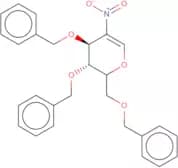
CAS:3,4,6-Tri-O-benzyl-2-nitro-D-galactal is a nitro compound that is used in the synthesis of glycopeptide antibiotics. It reacts with threonine, forming an intramolecular hydrogen bond to yield the corresponding methyl ester. The nitrate ion can also be used as a nucleophile to form an ether with alcohols or amines. This reaction is stereoselective and yields the desired product in high yields.Formula:C27H27NO6Purity:Min. 98 Area-%Color and Shape:PowderMolecular weight:461.51 g/mol2-Hydroxypropyl-b-cyclodextrin - Endotoxin level below 20 EU/g
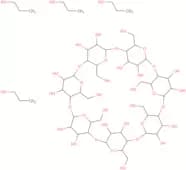
CAS:2-Hydroxypropyl-b-cyclodextrin is a water-soluble drug that is chemically stable in aqueous media. It has been shown to be safe for use in the eye, with no significant side effects. 2-Hydroxypropyl-b-cyclodextrin has been shown to have anti-inflammatory properties and will not cause hemolytic activity. 2-Hydroxypropyl-b-cyclodextrin binds to retinoic acid receptors, which are found on cells of the corneal surface and in human spermatozoa. The binding of retinoic acid inhibits the production of enzymes that break down retinoids and prevents cell proliferation. This agent also interacts with other cellular components such as proteins, lipids, carbohydrates, nucleic acids, and hormones.
Formula:C42•(H)70n•O35•(C3H7)nPurity:Min. 95%2,3-Dimethyl-β-cyclodextrin
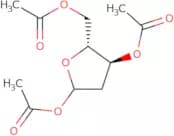
CAS:This beta-cyclodextrin (β-CD) derivative is a functionalized cyclic oligosaccharide composed of seven glucose units, characterized by a hydrophilic exterior and a lipophilic cavity (bigger than α-CD and smaller than γ-CDs), which allows it to encapsulate various guest molecules. This structural feature facilitates its use in multiple applications, including pharmaceuticals, food enhancement, and cosmetics. In the pharmaceutical industry, it enhances the solubility and stability of poorly water-soluble drugs, improving their bioavailability and efficacy while also masking unpleasant tastes. The food sector utilizes it as a stabilizer for flavors, colors, and nutrients, extending shelf life by protecting sensitive ingredients from degradation. In cosmetics, it serves as a complexing agent for fragrances and active components, ensuring their stability and controlled release. Its use expands to many other fields, including nanotechnology for drug delivery systems, environmental remediation for extracting organic pollutants, textiles for slow-release fragrances, and analytical chemistry for chiral separation.Formula:C56H98O35Purity:Min. 95%Color and Shape:PowderMolecular weight:1,331.36 g/mol1,3,5-Tri-O-acetyl-2-deoxy-D-ribose
CAS:Building block for DNA-related organic synthesisFormula:C11H16O7Purity:Min. 95%Color and Shape:Yellow PowderMolecular weight:260.24 g/mol6-deoxy-6-iodo-gamma-cyclodextrin
CAS:This gamma-cyclodextrin (γ-CD) derivative is a modified cyclic oligosaccharide composed of eight glucose units, featuring a larger cavity size than α- and β-cyclodextrins. This structural characteristic allows γ-CDs to form inclusion complexes with a wider range of guest molecules, making it particularly versatile in various industries. In the food sector, it is used as a carrier and stabilizer for flavors, fat-soluble vitamins, and polyunsaturated fatty acids, protecting volatile compounds from evaporation. In pharmaceuticals, it enhances the solubility and bioavailability of poorly water-soluble drugs and, thanks to its larger ring size, allows for the encapsulation of larger molecules or even entire drug molecules. γ-CDs and derivatives are also used for environmental remediation and, in analytical chemistry, for the extraction and concentration of target substances.Formula:C48H72I8O32Purity:Min. 95%Color and Shape:PowderMolecular weight:2,176.3 g/molLacto-N-fucopentaose I-BSA
Lacto-N-fucopentaose I-BSA is a Glycosylation, Oligosaccharide, sugar, Synthetic, Fluorination, Custom synthesis, Methylation, Monosaccharide, Polysaccharide, saccharide.Purity:Min. 95%Phenyl 2,3,4,6-tetra-O-acetyl-b-D-galactopyranoside
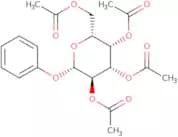
CAS:Phenyl 2,3,4,6-tetra-O-acetyl-b-D-galactopyranoside (TTA) is a synthetic monosaccharide that is used in the synthesis of complex carbohydrates. TTA is also known as Fluorination, Monosaccharide, Synthetic, Oligosaccharide, complex carbohydrate and has CAS No. 2872-72-2. TTA can be custom synthesized for research purposes or for commercial use and can be glycosylated to form polysaccharides. TTA is modified through methylation or click chemistry and can be used to modify sugar molecules or other carbohydrates. It is also high purity with less than 1% impurities.Formula:C20H24O10Purity:Min. 95%Color and Shape:PowderMolecular weight:424.4 g/molMethyl β-L-arabinopyranoside
CAS:Methyl β-L-arabinopyranoside is a monomer that is used for the synthesis of polymers. It has been shown to be an effective polymerization catalyst, with long-term stability and good storage properties. Methyl β-L-arabinopyranoside has been used in gas chromatographic analysis as an analyte to identify hydroxy groups, although it may also interfere with the detection of certain other analytes. This monomer is often used in the production of plastics and rubbers because it enhances bonding between rubber molecules and plasticizers. Methyl β-L-arabinopyranoside has also been shown to have tailing enhancements and extracts that are due to hydroxy groups, which can lead to signal enhancement in gas chromatography. Additives such as ammonium acetate can be added if there is a need to increase sensitivity or reduce tailing effects.Formula:C6H12O5Purity:Min. 95%Color and Shape:PowderMolecular weight:164.16 g/molFucogalactan - from Undaria pinnatifida
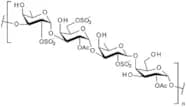
CAS:Fucogalactan (GFS) is a polysaccharide isolated and purified from the brown seaweed Undaria pinnatifida. The polysaccharide is a sulphated galactose containing fucan. Fucogalactan is currently under investigation for possible therapeutic indications including anti-inflammatory properties, immuno- modulating activities, inhibition of tumor growth, stem cell replentishment, antiviral activity, dementia and ulcer healing.Fucoidan ≥ 75 %
The image was kindly provided by Prof Mike Guiry from Cork who runs ‘The Seaweed Site’.Purity:(%) Min. 75%Color and Shape:Off-White PowderGalβ(1-3)[Neu5Acα(2-6)]GalNAc-β-pNP
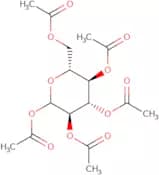
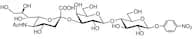
CAS:Formula:C31H45N3O21Purity:min. 97.0 area%(HPLC)Color and Shape:White to Light yellow to Green powder to crystalMolecular weight:795.701,2,3,4,6-Penta-O-acetyl-D-glucopyranose
CAS:Benzoate is a carboxylic acid that is found in many fruits and vegetables. Benzoate can be metabolized by the body to form hydrogen chloride, which may cause irritation of the mucous membranes of the respiratory tract. This chemical has been shown to have cytotoxic activity against human cancer cells in vitro. Benzoate also has an anti-inflammatory effect on insulin resistance and can be used as a topical treatment for psoriasis. The mechanism by which benzoate exerts its anticancer activity is not fully understood, but it may involve the production of reactive oxygen species or induction of apoptosis.
Formula:C16H22O11Purity:Min. 95%Color and Shape:White PowderMolecular weight:390.34 g/molFructooctasaccharide
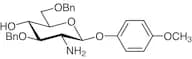
Fructo-octasaccharide (FOS) is a synthetic, high-purity carbohydrate that is used in the production of various food and beverage products. FOS is produced by enzymatic synthesis from sucrose and has been modified to include a fluorination step. FOS can be used as a sugar substitute and is found in many foods such as breads, beverages, yogurt, ice cream, candy, and chewing gum. FOS has been shown to stimulate the growth of beneficial bacteria in the gastrointestinal tract and may help promote healthy digestion.Formula:C48H82O41Purity:Min. 95%Color and Shape:PowderMolecular weight:1,315.14 g/mol4-Methoxyphenyl 2-Amino-3,6-di-O-benzyl-2-deoxy-β-D-glucopyranoside
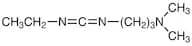
CAS:Formula:C27H31NO6Color and Shape:White to Almost white powder to crystalMolecular weight:465.551-(3-Dimethylaminopropyl)-3-ethylcarbodiimide
CAS:Formula:C8H17N3Purity:>98.0%(GC)(T)Color and Shape:Colorless to Yellow clear liquidMolecular weight:155.256-Amino-6-deoxy-beta-cyclodextrin
CAS:This beta-cyclodextrin (β-CD) derivative is a functionalized cyclic oligosaccharide composed of seven glucose units, characterized by a hydrophilic exterior and a lipophilic cavity (bigger than α-CD and smaller than γ-CDs), which allows it to encapsulate various guest molecules. This structural feature facilitates its use in multiple applications, including pharmaceuticals, food enhancement, and cosmetics. In the pharmaceutical industry, it enhances the solubility and stability of poorly water-soluble drugs, improving their bioavailability and efficacy while also masking unpleasant tastes. The food sector utilizes it as a stabilizer for flavors, colors, and nutrients, extending shelf life by protecting sensitive ingredients from degradation. In cosmetics, it serves as a complexing agent for fragrances and active components, ensuring their stability and controlled release. Its use expands to many other fields, including nanotechnology for drug delivery systems, environmental remediation for extracting organic pollutants, textiles for slow-release fragrances, and analytical chemistry for chiral separation.
Formula:C42H71NO34Molecular weight:1,134 g/molWheat starch
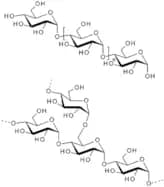
CAS:Starch is an energy storing polysaccharide produced by higher plants and some algae. Pure starch is a white, tasteless and odorless powder that is insoluble in cold water or alcohol. It consists of two types of polysaccharide: the linear and helical amylose (α-1,4-linked glucose) and the branched amylopectin (α-1,4 and α-1,6-linked glucose). Depending on the plant, starch generally contains 20 to 25% amylose and 75 to 80% amylopectin by weight.Purity:Min. 95%Color and Shape:Powderb-Lactose - min 70% b-anomer
CAS:70% β-D-Lactose is used in the pharmaceutical industry to produce tablets. It acts as a nutrient and as a filler in pills. It is also utilized in the dilution of heroin and to sweeten some beers.Formula:C12H22O11Color and Shape:White PowderMolecular weight:342.3 g/molBenzyl α-D-mannopyranoside
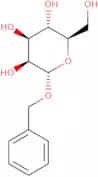
CAS:Benzyl a-D-mannopyranoside is a pharmaceutical dosage form of the drug benzyl a-D-mannopyranoside, which is used to control analysis of silver trifluoromethanesulfonate. It is administered orally as a monosodium salt, which is the only form that has been studied in humans. This combination therapy group was found to be more effective than benzyl groups or systematically administered drugs when used as monotherapy. Benzyl a-D-mannopyranoside may be glycosidated by cells in culture and this process may cause symptoms such as nausea and vomiting. However, glycosidation does not occur in humans.Formula:C13H18O6Purity:Min. 95%Color and Shape:PowderMolecular weight:270.28 g/molLactosylceramide
CAS:Asialylated glycosphingolipid and precursor for ganglioside biosynthesis. The compound is a major glycosphingolipid in human neutrophils and is involved in the regulation of superoxides as well as nitric oxide. Moreover, lactosylceramide accumulates in atherosclerotic plaques and is also found elevated in familial hypercholesterolemia and polycystic kidney disease. Animal studies revealed that lactosylceramide induces hypertrophy in cardiomyocytes via signal transduction pathway that is oxygen-sensitive.
Formula:C53H101NO13Purity:Min. 90 Area-%Color and Shape:White Yellow PowderMolecular weight:960.37 g/mol4-Hydroxypropofol 1-O-b-D-glucuronide sodium salt
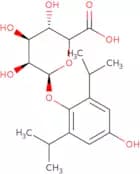
CAS:4-Hydroxypropofol 1-O-b-D-glucuronide is a metabolite of propofol that is found in human urine. It can be detected by chromatography and UV spectroscopy. 4-Hydroxypropofol 1-O-b-D-glucuronide has been shown to have radical scavenging activity and can be used as an analytical reagent for the validation of analytical methods. This compound has also been analysed for its cytotoxic and antiinflammatory effects on the cytosol of cultured cells, with promising results.
Formula:C18H25NaO8Purity:Min. 95%Color and Shape:PowderMolecular weight:392.38 g/mol1,6-Dichloro-1,6-dideoxy-D-fructose
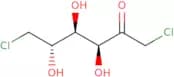
CAS:1,6-Dichloro-1,6-dideoxy-D-fructose (1,6DD) is a synthetic spermicide that prevents the fusion of the egg and sperm. It has been shown to be effective in reducing fertility in male rats. The pharmacological effects of 1,6DD are due to its benzalkonium chloride content. 1,6DD is a reactive chemical that can damage cellular membranes and lead to cell death. Benzalkonium chloride is toxic to human cells and can cause necrosis or apoptosis. The toxicity of 1,6DD on the brain has been demonstrated using human liver cells as well as human brain cells. This agent also has an effect on mineralization and causes an increase in calcium influx into cells by activating calcium channels.Purity:Min. 95%1,3-α-1,6-α-D-Mannotriose 1-O-propylamine acetate
1,3-a-1,6-a-D-Mannotriose 1-O-propylamine acetate salt is a modified oligosaccharide. It has been synthesized by the reaction of 1,3-a-1,6-a-D-mannopyranosyl bromide with proline amine acetate. This product is 98% pure and can be used as a complex carbohydrate in research or as a food additive. The CAS number for this product is 712092-14-8.Formula:C23H43O18NPurity:Min. 95%Color and Shape:PowderMolecular weight:621.58 g/molNeu5Acα(2-3)Galβ(1-4)Glc-β-pNP
CAS:Formula:C29H42N2O21Purity:>97.0%(HPLC)Color and Shape:White to Light yellow to Green powder to crystalineMolecular weight:754.651,4:3,6-Dianhydro-2-O-acetyl-D-glucitol
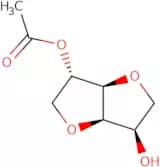
CAS:1,4:3,6-Dianhydro-2-O-acetyl-D-glucitol is an isosorbide intermediateFormula:C8H12O5Purity:Min. 95%Color and Shape:PowderMolecular weight:188.18 g/mol3,4,6-Tri-O-benzyl-D-glucal
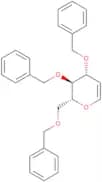
CAS:3,4,6-Tri-O-benzyl-D-glucal is a benzyl protected, 2,3 unsaturated glucal used as a chiral intermediate. The C2-C3 double bond of the pyranose ring can be modified via a variety of reactions including: hydrogenation, oxidation, hydroxylation, and aminohydroxylation, to generate structural complexity. 3,4,6-Tri-O-benzyl-D-glucal also minimizes tedious protecting-group strategies required for fully oxygenated sugars. The products of 2,3 unsaturated glycosides as chiral intermediates have played a role in the synthesis of many biologically active compounds, such as, nucleosides and modified sugar derivatives.Formula:C27H28O4Purity:Min. 98 Area-%Color and Shape:White PowderMolecular weight:416.51 g/molDextran sulfate sodium - MW 5,000-8,000
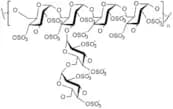
CAS:Dextran sulphate is a dextran derivative whose ulcer (colitis) -causing properties were first reported in hamsters and extrapolated a few years later to mice and rats. The exact mechanisms through which dextran sulphate induces intestinal inflammation are unclear but may be the result of direct damage of the monolayer of epithelial cells in the colon, leading to the crossing of intestinal contents (for e.g. commensal bacteria and their products) into underlying tissue and therefore induction of inflammation. The dextran sulphate sodium induced ulceration model in laboratory animals has some advantages, when compared to other animal models of colitis, due to its simplicity and similarities to human inflammatory bowel disease.Formula:(C6H7Na3O14S3)nPurity:Min. 95%Color and Shape:PowderL-Psicose
CAS:L-Psicose is a monosaccharide that is the only metabolite of D-fructose. It is found in many living organisms, such as bacteria and fungi. L-Psicose has been shown to inhibit ribitol dehydrogenase, an enzyme involved in the production of ribitol, which catalyzes the conversion of ribitol to ribulose 5-phosphate. Ribulose 5-phosphate is an important precursor molecule for glycolysis and pentose phosphate pathways. In addition, L-psicose has been shown to bind to proteins through hydrogen bonding, which may prevent the protein from folding properly or interacting with other molecules. This binding can lead to cell death if it inhibits essential cellular functions.Formula:C6H12O6Purity:Min. 95%Color and Shape:White PowderMolecular weight:180.16 g/molOctyl a-D-glucopyranoside
CAS:The enzyme alcohol dehydrogenase, which is located in the cytosol of cells, catalyzes the conversion of ethanol to acetaldehyde. In this reaction, a hydrogen ion (H+) is abstracted from ethanol and two electrons (e-) are added to the molecule. The addition of these electrons results in the formation of a hydrogen bond between the alcohol and an electron-donating species such as water or octyl glucopyranoside. Octyl glucopyranoside is a detergent that has been used as a substrate for measuring rates of alcohol dehydrogenase. This detergent also has been shown to be effective at removing glycol ethers from biological samples.
The biochemical research on octyl glucopyranoside includes its use as an equilibrative nucleoside and its effect on bowel disease.Formula:C14H28O6Purity:Min. 95%Color and Shape:White PowderMolecular weight:292.37 g/mol2-(D-Gluco-pentylhydroxypentyl)-4(R)-1,3-thiazolidine-4-carboxylic acid
CAS:2-(D-Gluco-pentylhydroxypentyl)-4(R)-1,3-thiazolidine-4-carboxylic acid is a custom synthesis. It is used in the glycosylation of saccharides and oligosaccharides. This product can be modified with fluorination, methylation, or click modification. It is also used in the synthesis of complex carbohydrates.Formula:C9H17NO7SPurity:(Hplc-Ms) Min. 95 Area-%Color and Shape:PowderMolecular weight:283.3 g/molChondroitin sulfate A sodium salt - Average MW 10,000 - 50,000
CAS:Chondroitin sulfate A sodium salt is a glycosaminoglycan that is derived from chondroitin. It is a complex carbohydrate with a high molecular weight and an average MW of 10,000 to 50,000 Da. The synthesis of the monosaccharide units in chondroitin sulfate A sodium salt occurs by Methylation, Click modification, Polysaccharide, or Fluorination. Chondroitin sulfate A sodium salt can be custom synthesized according to customer specifications and can be ordered as a CAS No. 39455-18-0 with high purity.Purity:Min. 95%Color and Shape:White Off-White PowderMethyl b-L-fucopyranoside
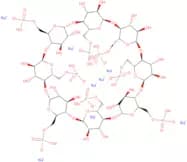
CAS:Methyl b-L-fucopyranoside is a glycosylating agent that is used to modify saccharides and oligosaccharides. It can be used for the synthesis of complex carbohydrates, such as polysaccharides and glycoconjugates. Methyl b-L-fucopyranoside is also useful for the synthesis of glycosylated proteins, which are proteins with sugar chains attached to them. The product is a white solid that is soluble in water.Formula:C7H14O5Purity:Min. 95%Color and Shape:White PowderMolecular weight:178.18 g/molgamma-Cyclodextrin dihydrogen phosphate sodium salt
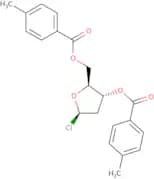
CAS:This gamma-cyclodextrin (γ-CD) derivative is a modified cyclic oligosaccharide composed of eight glucose units, featuring a larger cavity size than α- and β-cyclodextrins. This structural characteristic allows γ-CDs to form inclusion complexes with a wider range of guest molecules, making it particularly versatile in various industries. In the food sector, it is used as a carrier and stabilizer for flavors, fat-soluble vitamins, and polyunsaturated fatty acids, protecting volatile compounds from evaporation. In pharmaceuticals, it enhances the solubility and bioavailability of poorly water-soluble drugs and, thanks to its larger ring size, allows for the encapsulation of larger molecules or even entire drug molecules. γ-CDs and derivatives are also used for environmental remediation and, in analytical chemistry, for the extraction and concentration of target substances.Formula:C48H80O40Purity:Min. 95%Molecular weight:1,297.12 g/mol1-Chloro-2-deoxy-3,5-di-O-toluoyl-L-ribofuranose
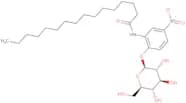
CAS:1-Chloro-2-deoxy-3,5-di-O-toluoyl-L-ribofuranose is a synthetic glycosylation agent with high purity and custom synthesis. It is a monosaccharide that can be used for the modification of complex carbohydrates, such as saccharides and polysaccharides. 1-Chloro-2-deoxyribofuranose is also known to react with other types of sugars to form glycosylated products. This product can be fluorinated or methylated to create new derivatives.Formula:C21H21ClO5Purity:(Argentometric Titration) Min 90%Color and Shape:PowderMolecular weight:388.84 g/mol2’-(N-Hexadecanoylamino)-4’-nitrophenyl-β-D-glucopyranoside
CAS:2’-(N-Hexadecanoylamino)-4’-nitrophenyl-b-D-glucopyranoside is a synthetic substrate that is used in diagnostic procedures to identify the presence of lysosomal enzymes. The reaction product, resorufin, is a fluorogenic substrate that reacts with the enzyme hexanoyl coenzyme A reductase and can be detected by spectrophotometry. This experimentally insensitive compound has been used to measure the activity of hexanoyl coenzyme A reductase in skin fibroblasts from patients with ichthyosis vulgaris. Resorufin fluorescence is proportional to the amount of hexanoyl coenzyme A reductase present in cells.Formula:C28H46N2O9Purity:Min. 95%Color and Shape:PowderMolecular weight:554.67 g/molLewis Y-PAA-biotin
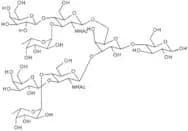
Lewis Y-PAA-biotin is a complex carbohydrate which is synthesized using Click chemistry. This compound has been modified to include a biotin moiety. Lewis Y-PAA-biotin has been shown to be resistant to enzymatic degradation and can be used as a saccharide in the synthesis of polysaccharides. Lewis Y-PAA-biotin is synthesized by attaching poly(acrylamide) (PAA) chains to the sugar moieties of Lewis Y. The carbonyl group on the PAA chains can be fluorinated, which makes it useful for click modification reactions with fluorinated compounds.Purity:Min. 95 Area-%Color and Shape:White PowderMolecular weight:732.7 g/molDifucosyllacto-N-hexaose (b)
CAS:Neutral octasasaccharide naturally present in human breast milk.Formula:C52H88N2O39Purity:Min. 90 Area-%Color and Shape:PowderMolecular weight:1,365.25 g/mol









![Galβ(1-3)[Neu5Acα(2-6)]GalNAc-β-pNP](/_next/image/?url=https%3A%2Fstatic.cymitquimica.com%2Fproducts%2F3B%2Fthumb-webp%2FG0345.webp&w=3840&q=75)