Glycoscience
Glycoscience is the study of carbohydrates and their derivatives, as well as the interactions and biological functions they participate in. This field of research is crucial for understanding a wide variety of biological processes, including cell recognition, signaling, immune response, and disease development. Glycoscience has important applications in biotechnology, medicine, and the development of new drugs and therapies. At CymitQuimica, we offer a wide selection of high-quality, high-purity products for glycoscience research. Our catalog includes monosaccharides, oligosaccharides, polysaccharides, glycoconjugates, and specific reagents, designed to support researchers in their studies on the structure, function, and applications of carbohydrates in biological systems. These resources are intended to facilitate scientific discoveries and practical applications in various areas of bioscience and medicine.
Subcategories of "Glycoscience"
- Aminosugars(108 products)
- Glyco-Related Antibodies(282 products)
- Glycolipids(46 products)
- Glycosaminoglycans (GAGs)(55 products)
- Glycosides(419 products)
- Monosaccharides(6,624 products)
- Oligosaccharides(3,682 products)
- Polysaccharides(503 products)
Found 11046 products of "Glycoscience"
Sort by
Purity (%)
0
100
|
0
|
50
|
90
|
95
|
100
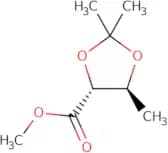
Methyl 4-deoxy-2,3-O-isopropylidene-L-threonate
CAS:<p>Methyl 4-deoxy-2,3-O-isopropylidene-L-threonate is a fluorinated sugar that can be synthesized with high purity. It has been used for the synthesis of glycosyls and polysaccharides or for the modification of natural sugars. This compound is an intermediate in the synthesis of complex carbohydrates such as oligosaccharides and polysaccharides. Click chemistry has also been used as a modification to this compound. Methyl 4-deoxy-2,3-O-isopropylidene-L-threonate is a white crystalline solid that is soluble in water and methanol but not in ethanol. It has a melting point of 155°C and a CAS number of 78086-72-3.</p>Formula:C8H14O4Purity:Min. 95%Molecular weight:174.19 g/mol8-Methoxycarbonyl-3-benzyl-3',4',6',6-tetra-O-acetyl-N,N'-diacetyl-b-chitobioside
CAS:8-Methoxycarbonyl-3-benzyl-3',4',6',6-tetra-O-acetyl-N,N'-diacetyl b-chitobioside is a synthetic product that belongs to the class of glycosides. This compound has been modified by the incorporation of methyl and fluorine atoms. It is used as an intermediate in the synthesis of oligosaccharides and saccharides for use in biotechnology research.Formula:C39H58N2O16Purity:Min. 95%Molecular weight:810.88 g/molMethyl 2,3-di-O-benzoyl-4,6-O-benzylidene-a-D-mannopyranoside
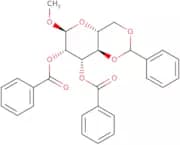
CAS:<p>Methyl 2,3-di-O-benzoyl-4,6-O-benzylidene-a-D-mannopyranoside is a custom synthesized compound that has been modified with fluorination and methylation. It is a monosaccharide sugar that has been synthetically produced. The synthesis of this compound includes the click modification of the benzoyl group to introduce fluoro groups. Methyl 2,3-di-O-benzoyl 4,6 O benzylidene a D mannopyranoside is an oligosaccharide sugar that is glycosylated and polysaccharides. This compound is made up of complex carbohydrates and high purity for research purposes.</p>Formula:C28H26O8Purity:Min. 95%Molecular weight:490.51 g/molVerbascotetraose
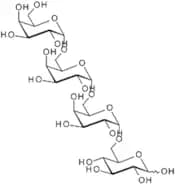
CAS:<p>Verbascotetraose is a disaccharide that is found in plants. Its chemical structure is composed of one glucose molecule and one fructose molecule. Verbascotetraose is produced by the plant tissue through a biosynthetic process, which involves the transfer reactions of phosphorylated hexoses. The resulting product is then converted to stachyose and oligosaccharides by dephosphorylation, glycan synthesis, and chromatographic method.<br>The production of verbascotetraose has been demonstrated in soybean products incubated with cellotriose and glycoside derivatives.</p>Formula:C24H42O21Purity:Min. 95%Molecular weight:666.58 g/mol5-(R-2-Pyridin-3-yl-pyrrolidine)-1-yl-5-deoxy-1,2-isopropylidene-a-D-xylofuranose
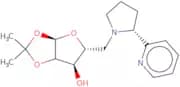
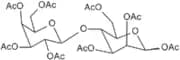
CAS:5-(R-2-Pyridin-3-yl-pyrrolidine)-1-yl-5-deoxy-1,2 isopropylidene a D xylofuranose is a Glycosylation with the formula C8H11NO4. It has been custom synthesized for use in the Click modification. The purity is high, with 98% of the product being pure. This product is available for custom synthesis and modification to meet your requirements.Formula:C17H24N2O4Purity:Min. 95%Molecular weight:320.39 g/mol1,2,3,6-Tetra-O-acetyl-4-O-(2,3,4,6-tetra-O-acetyl-b-D-galactopyranosyl)-D-mannopyranose
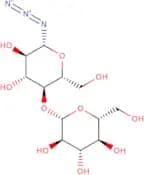
CAS:1,2,3,6-Tetra-O-acetyl-4-O-(2,3,4,6-tetra-O-acetyl-b-D-galactopyranosyl)-D-mannopyranose is a high purity sugar that is custom synthesized. It is fluorinated and then glycosylated with acetate to create 1,2,3,6-Tetra O acetyl 4 O-(2,3,4,6 tetra O acetyl b D galactopyranosyl) D mannopyranose. This sugar can be used for Click modification and has many applications in the field of glycobiology.Formula:C28H38O19Purity:Min. 95%Molecular weight:678.59 g/molb-Cellobiosyl azide
CAS:<p>b-Cellobiosyl azide is a carbohydrate that has been modified with fluorine. It has not been characterized by X-Ray diffraction and therefore has no known crystalline form. The chemical formula for b-Cellobiosyl azide is C6H9NO2F3. This product is available for custom synthesis to your specifications, please contact us for more information.</p>Formula:C12H21N3O10Purity:Min. 95%Molecular weight:367.3 g/molGalnacβ(1-3)GlcNAc-β-PNP
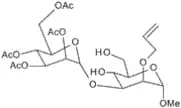
CAS:<p>Galnacβ(1-3)GlcNAc-β-PNP is a modification of galactose. Galnacβ(1-3)GlcNAc-β-PNP is used in the synthesis of complex carbohydrates, including oligosaccharides and polysaccharides. It is also used as a glycosylation or methylation site for the synthesis of sugar chains on proteins and glycoproteins. This product has been fluorinated to increase its stability and solubility in organic solvents.</p>Formula:C22H31N3O13Purity:Min. 95%Molecular weight:545.5 g/molMethyl 2-O-allyl-3-O-(2,3,4,6-tetra-O-acetyl-a-D-mannopyranosyl)-a-D-mannopyranoside
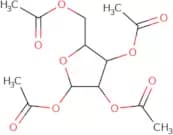
CAS:Methyl 2-O-allyl-3-O-(2,3,4,6-tetra-O-acetyl-a-D-mannopyranosyl)-a-D-mannopyranoside is a modification of the carbohydrate that is synthesized by an acetylation of the mannose residue. It has been synthesized as a potential therapeutic agent for cancer treatment. Methyl 2-O-allyl 3,4,6 tetra O acetyl a D mannoside (MAA) is an oligosaccharide which consists of three monosaccharides: mannose (1), allose (2) and glucose (3). The modification of MAA involves the addition of methyl groups to the allyl group on position 1. This modification can be done through fluorination or methylation. Methylated derivatives have shown anti tumor activity in vivo and in vitro studies. The complex carbohydrate has high purity andFormula:C24H36O15Purity:Min. 95%Molecular weight:564.53 g/mol1,2,3,5-Tetra-o-acetyl-D-xylofuranose
CAS:<p>1,2,3,5-Tetra-o-acetyl-D-xylofuranose is a fatty acid that is found in human red blood cells. It is used as a biochemical marker to diagnose the activity index of fatty acids in the red cell membrane. The activity index can be used to determine whether an individual has metabolic disorders such as hepatic steatosis or lc-ms/ms method. 1,2,3,5-Tetra-o-acetyl-D-xylofuranose also has antimicrobial effects against bacteria and fungi and can be used for the treatment of infectious diseases.</p>Formula:C13H18O9Purity:Min. 95%Molecular weight:318.28 g/molD-Talose-1-13C
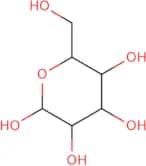
CAS:<p>D-Talose-1-13C is a high purity, custom synthesis sugar that has been modified with fluorination and glycosylation. This product is a synthetic, methylated oligosaccharide with an average molecular weight of 635. It is a complex carbohydrate that contains 1 13C isotope and has the CAS number 70849-29-5.</p>Formula:C6H12O6Purity:Min. 95%Molecular weight:181.15 g/mol4-Methoxyphenyl 6-O-(methyl 5-acetamido-4,7,8,9-tetra-O-acetyl-3,5-dideoxy-D-glycero-a-D-galacto-2-nonulopyranosylonate)-2,3-di-O-be nzyl-b-D-galactopyranoside
4-Methoxyphenyl 6-O-(methyl 5-acetamido-4,7,8,9-tetra-O-acetyl-3,5-dideoxy-D-glycero-a-D-galacto-2-nonulopyranosylonate)-2,3 -di O benzyl b D galactopyranoside is a modified oligosaccharide that is synthesized from the sugar galactose. The methyl group on the 4 position of the phenol end of the molecule is substituted with an acetamide group to form 4 methoxyphenyl 6 O (methyl 5 acetamido 4 7 8 9 tetra O acetyl 3 5 dideoxy D glycero a D galacto 2 nonulopyranosylonate)-2 3 di O benzyl b D galactopyranoside. This molecule has been fluorinated at the 2 and 3 positionsFormula:C47H57NO19Purity:Min. 95%Molecular weight:939.95 g/mol4,6-O-Benzylidene-D-glucono-1,5-lactone
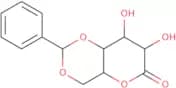
CAS:<p>4,6-O-Benzylidene-D-glucono-1,5-lactone is an oligosaccharide that is synthesized from D-glucose. It has a molecular weight of 536.7 g/mol and a CAS number of 62222-46-2. 4,6-O-Benzylidene-D-glucono-1,5-lactone is used for the modification of glycoproteins. The synthesis of this product starts with the fluorination of D glucose to give 1,2,3,4,6 tetrafluorohexane. This product can then be methylated to form 4,6 methylene dioxolanone or it can be benzylated to form 4,6 O benzylidene dioxolanone. Click chemistry can then be used to modify this product by adding an aminopropyl group at the C4 position</p>Formula:C13H14O6Purity:Min. 95%Molecular weight:266.25 g/mol1,2,3,4-Tetra-O-benzyl-6-O-trityl-b-D-glucopyranose
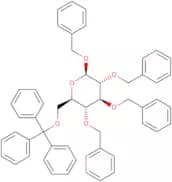
CAS:<p>1,2,3,4-Tetra-O-benzyl-6-O-trityl-b-D-glucopyranose is a fluorinated monosaccharide. It is synthesized by the reaction of 1,2,3,4 tetra-O-benzyl bromoacetone with sodium cyanoborohydride in sodium hydroxide solution. 1,2,3,4 Tetra-O-benzyl 6O trityl glucopyranose has been used as a glycosylation and polysaccharide modification agent for the synthesis of complex carbohydrates. This compound has also been shown to be an effective methylation agent for sugars.</p>Formula:C53H50O6Purity:Min. 95%Molecular weight:782.96 g/molMethyl 3,4-isopropylidene-b-L-arabinopyranoside
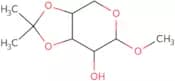
CAS:Methyl 3,4-isopropylidene-b-L-arabinopyranoside is a synthetic saccharide that has been modified by the Click chemistry. Click modification is a method of modifying a complex carbohydrate with a reactive group (e.g., an azide) at one end of the molecule and an electrophile at the other end of the molecule. The resulting product can be used in glycosylation reactions to form complex carbohydrates with various properties. Methyl 3,4-isopropylidene-b-L-arabinopyranoside is used as a precursor for the synthesis of oligosaccharides and polysaccharides. It also has been shown to be effective as an inhibitor of bacterial growth in vitro by inhibiting protein synthesis.Formula:C9H16O5Purity:Min. 95%Molecular weight:204.22 g/molD-Glucose-1,3-13C2
CAS:<p>Please enquire for more information about D-Glucose-1,3-13C2 including the price, delivery time and more detailed product information at the technical inquiry form on this page</p>Formula:C6H12O6Purity:Min. 95%Molecular weight:182.14 g/mol1,2,5-Tri-O-acetyl-3-deoxy-D-ribofuranose
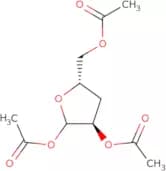
CAS:<p>1,2,5-Tri-O-acetyl-3-deoxy-D-ribofuranose is a modification of the sugar 3-deoxyribofuranose. It is a white to off-white powder that is soluble in water and methanol. 1,2,5-Tri-O-acetyl-3-deoxyribofuranose has been shown to be an inhibitor of bacterial growth in vitro as well as antiulcerogenic and cytotoxic. The compound also inhibits the growth of cancer cells and has been shown to inhibit the production of inflammatory cytokines such as tumor necrosis factor alpha and interleukin 1 beta.</p>Formula:C11H16O7Purity:Min. 95%Molecular weight:260.24 g/mol2,3,4,6-Tetra-O-benzyl-a-D-glucopyranose
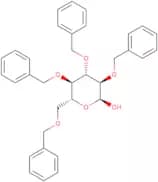
CAS:<p>2,3,4,6-Tetra-O-benzyl-a-D-glucopyranose is a synthetic derivative of galactose that can be used as a sugar donor in the synthesis of various types of glycosides. It is activated with phosphorus oxychloride and aluminium chloride to yield the corresponding anhydride. The hydroxy group on 2,3,4,6-tetra-O-benzyl-a-D-glucopyranose may be converted to an alkene by condensation with naphthalene or another electrophile. The stereoselective introduction of the hydroxy group using this method provides a valuable tool for chemists who are interested in synthesizing chiral molecules.</p>Formula:C34H36O6Purity:Min. 95%Color and Shape:White crystals.Molecular weight:540.65 g/mol2-Acetamido-3,4,6-tri-O-benzyl-2-deoxy-b-D-glucopyranosyl azide
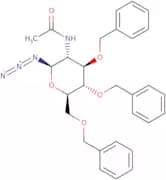
CAS:<p>2-Acetamido-3,4,6-tri-O-benzyl-2-deoxy-b-D-glucopyranosyl azide is a custom synthesis of an oligosaccharide that has been modified with fluorination and methylation. This carbohydrate is a sugar that can be used in the production of glycosylations or click chemistry reactions. It is a complex carbohydrate with high purity and can be used for research purposes or other applications.</p>Formula:C29H32N4O5Purity:Min. 95%Molecular weight:516.59 g/mol4,6-O-Benzylidene-N-Boc-2-O-p-toluenesulfonyl-1,5-imino-D-glucitol
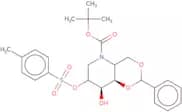
CAS:<p>4,6-O-Benzylidene-N-Boc-2-O-p-toluenesulfonyl-1,5-imino-D-glucitol is a monosaccharide that is used in the synthesis of complex carbohydrates. This compound can be custom synthesized and has a high purity. It is also available as a CAS number 1219116-88-7. 4,6-O-Benzylidene can be modified with methylation, click modification, fluorination, saccharide modification, or polysaccharide modification.</p>Formula:C25H31NO8SPurity:Min. 95%Molecular weight:505.58 g/molBenzyl 2-acetamido-3,6-di-O-benzoyl-2-deoxy-a-D-glucopyranoside
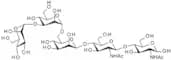
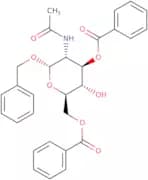
CAS:<p>A 2-acetamido-3,6-di-O-benzoyl-2-deoxy-a-D-glucopyranoside is a custom synthesis of a complex carbohydrate that has been modified with methylation and glycosylation. It is an Oligosaccharide with Polysaccharide and Modification. The CAS number for this compound is 82827-77-8 and has a purity of 99%. This compound has been fluorinated and synthesized.</p>Formula:C29H29NO8Purity:Min. 95%Molecular weight:519.54 g/molBlood Group A tetrasaccharide type II
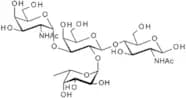
CAS:<p>A antigen tetrasaccharide Type I I, possible use in antiviral development</p>Formula:C28H48N2O20Purity:Min. 95%Color and Shape:PowderMolecular weight:732.68 g/molChondroitin sulphate tetrasaccharide ammonium salt
<p>Prepared by high resolution gel filtration of partial chondroitin ABC lyase digestion of mixed isomer chondroitin sulfate.Average MW ~ 992General formula:∆UA – (GalNAc,6S or 4S - GlcA)n - GalNAc,6S or 4Swhere n is number of disaccharide units n = 1 in a tetrasaccharide (dp4) Uronic acid (∆UA) at the non-reducing ends of the oligosaccharides has a C4-C5 double bond as a result of endolytic scission. The main disaccharide repeat in the original chondroitin sulphate is GlcA – GalNAc sulphated at C-6 or C-4 of the GalNAc residue; the CSD disaccharide unit (GlcA,2S – GalNAc,6S) is a minor component comprising approx. 5% of total disaccharides.</p>Color and Shape:PowderMolecular weight:Average MW 9923,4,5,6-Tetra-O-acetyl myo-inositol
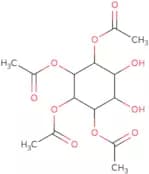
CAS:<p>3,4,5,6-Tetra-O-acetyl myo-inositol is a synthetic compound that functions as a methyl donor for the modification of saccharides and polysaccharides. It is used in click chemistry reactions to modify oligosaccharides with fluorinated alkyne moieties. 3,4,5,6-Tetra-O-acetyl myo-inositol is also used in glycosylation reactions to produce complex carbohydrates. This chemical has CAS number 90366-30-6.</p>Formula:C14H20O10Purity:Min. 95%Molecular weight:348.3 g/molSucrose octasulfate octatriethylammonium salt
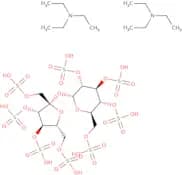
CAS:<p>Used for treatment of duodenal ulcers and gastroesophageal reflux</p>Formula:C12H22O35S8•(C6H15N)8Purity:Min. 95%Color and Shape:PowderMolecular weight:982.81 g/molHybrid N-Glycan
CAS:<p>Hybrid N-glycans are glycan structures that contain both a high mannose and complex type oligosaccharide. Hybrid N-glycans are expressed on the surface of mammalian cells, and they can be found in human serum. Hybrid N-glycans have been shown to activate caspase 3 and induce apoptosis in some mouse models. They also have biological functions such as growth factor binding or antibody binding. Hybrid N-glycans may be involved in the activation of the immune system or in the development of cancerous tumors.</p>Formula:C62H104N4O46Purity:Min. 95%Color and Shape:PowderMolecular weight:1,641.49 g/molIvermectin monosaccharide
CAS:<p>Ivermectin monosaccharide is a molecule that has been shown to have an inhibitory effect on the uptake of glucose by cyathostomes. This molecule does not bind to inulin, but it does bind to the receptor binding site for ivermectin. Ivermectin monosaccharide has been shown to have a high affinity for the receptor binding site and can be used as an alternative method for detecting low concentrations of ivermectin.</p>Formula:C41H62O11Purity:Min. 95%Molecular weight:730.92 g/mol1,2-O-Isopropylidene-3-O-benzyl-5-deoxy-5-C-(2-pyridyl)-D-xylofuranose
<p>1,2-O-Isopropylidene-3-O-benzyl-5-deoxy-5-C-(2-pyridyl)-D-xylofuranose is a fluorinated sugar. This compound has been synthesized by modifying the glycosylation site of N4,N4'-diisopropylidene-1,2,3,5,5'-pentaacetamido-[1,6]hexanedioic acid methyl ester to 1,2-O-isopropylidene. The structure of this compound consists of a C(2) pyridine moiety and an O(1) protonated methyl group on the terminal carbon atom.</p>Purity:Min. 95%Molecular weight:341.37 g/mol2,3,4-Tri-O-acetyl-1-azido-1-deoxy-b-D-arabinopyranosyl cyanide
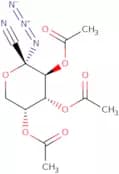
CAS:<p>2,3,4-Tri-O-acetyl-1-azido-1-deoxy-b-D-arabinopyranosyl cyanide is a synthetic carbohydrate that can be modified with fluorination, methylation and glycosylation. It is modified with acetyl groups at the 2, 3 and 4 positions of the sugar ring. This carbohydrate has been used to synthesize oligosaccharides and polysaccharides. The modification of this carbohydrate has been shown to improve its solubility in water.</p>Formula:C12H14N4O7Purity:Min. 95%Molecular weight:326.26 g/molMan-2a N-Glycan
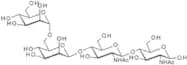
CAS:Man-2a N-glycan is a modification of the oligosaccharide mannose that is an important component of many glycoproteins. This product can be custom synthesized, and has been shown to have high purity. It is a carbohydrate that contains a monosaccharide and a polysaccharide. The glycan may also contain methylation, glycosylation, or fluorination. It has CAS No. 491845-49-9, which is the number assigned by the Chemical Abstracts Service (CAS) division of the American Chemical Society to identify substances.Formula:C28H48N2O21Purity:Min. 95%Molecular weight:748.68 g/mol2,3,4-Tri-O-acetyl-1,6-anhydro-b-D-glucopyranose
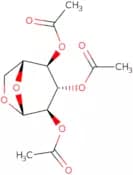
CAS:<p>2,3,4-Tri-O-acetyl-1,6-anhydro-b-D-glucopyranose is a high purity monosaccharide that is custom synthesized to meet your needs. This product is a sugar with a click modification, fluorination, glycosylation and methylation. It can be used as a synthetic oligosaccharide or monosaccharide in the synthesis of complex carbohydrates. It has CAS No. 13242-55-2 and can be used in saccharides.</p>Formula:C12H16O8Purity:Min. 95%Color and Shape:White PowderMolecular weight:288.25 g/mol3-Deoxy-D-[UL-13C6]fructose
3-Deoxy-D-[UL-13C6]fructose is a high purity, custom synthesis, modification, and fluorination of a methylated oligosaccharide. It is a synthetic molecule that can be used to study the methylation of complex carbohydrates. 3-Deoxy-D-[UL-13C6]fructose can be used as an intermediate in the synthesis of other sugar molecules. The structure is shown below:Purity:Min. 95%Methyl-2,3,6-tri-O-benzoyl-a-D-mannopyranose monohydrate
<p>Methyl-2,3,6-tri-O-benzoyl-a-D-mannopyranose monohydrate is a carbohydrate compound with the formula CHO. It is an Oligosaccharide made of three α-(1→2) linked mannose residues and one α-(1→3) linked mannose residue. This modification has been shown to be important for glycosylation and polysaccharide synthesis. Methyl-2,3,6-tri-O-benzoyl-a-D-mannopyranose monohydrate has high purity and CAS No.</p>Purity:Min. 95%2,3,4,6-Tetra-O-acetyl-b-D-glucopyranosyl-N-Fmoc-L-threonine pentafluorophenyl ester
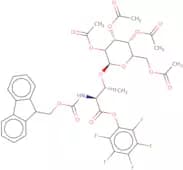
<p>2,3,4,6-Tetra-O-acetyl-b-D-glucopyranosyl-N-Fmoc-L-threonine pentafluorophenyl ester is a custom synthesis. This product is a complex carbohydrate that belongs to the group of polysaccharides. It has been modified by methylation and glycosylation. 2,3,4,6-Tetra-O-acetyl-b-D-glucopyranosyl-N-Fmoc-L--threonine pentafluorophenyl ester has a CAS number and is available in high purity. This product can be used as an additive for food products or as a starting material for the synthesis of other saccharides.</p>Formula:C39F5H36NO14Purity:Min. 95%Molecular weight:837.71 g/molT-antigen-HSA
<p>T-antigen-HSA is a synthetic, high-purity, custom synthesis glycoprotein with click modification. It is a complex carbohydrate that contains an oligosaccharide and a saccharide, which are attached to the protein backbone through an amide linkage. T-antigen-HSA is synthesized using recombinant DNA technology and can be modified by fluorination, methylation, or other modifications. This product has CAS No.</p>Purity:Min. 95%Color and Shape:White Powder3,2'-Di-O-acetyl-3',4'-O-carbonyl-6,6'-di-O-tert-butyldiphenylsilyl lactal
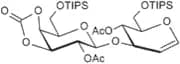
CAS:3,2'-Di-O-acetyl-3',4'-O-carbonyl-6,6'-di-O-tert-butyldiphenylsilyl lactal is a custom synthesis of a fluorinated carbohydrate. It is a modification of an oligosaccharide and can be used in the synthesis of saccharides and polysaccharides. The CAS number for this compound is 163228-35-1. This compound has been modified with click chemistry to add methyl groups to the hydroxyl group on the sugar ring. This compound has been used as a monosaccharide or as a part of complex carbohydrates.Formula:C35H62O12Si2Purity:Min. 95%Molecular weight:731.03 g/molNA2FB N-Glycan
CAS:<p>NA2FB N-Glycan is a custom synthesis that is prepared on a glycosylation scale. The monosaccharide units are linked by alpha-1,6 or alpha-1,3 glycosidic bonds to form a linear chain. The saccharides are attached to each other via the formation of beta-1,4 glycosidic bonds. NA2FB N-Glycan has a high purity and modification. It is available in various forms such as oligosaccharide, polysaccharide, saccharide and carbohydrate. This product can be used for research purposes or as raw material in the production of medicine.</p>Formula:C76H127N5O55Purity:Min. 95%Molecular weight:1,990.82 g/mol1-a-Methylaminotrityl-2-deoxy-3,5-di-O-toluoyl-D-ribose
<p>1-a-Methylaminotrityl-2-deoxy-3,5-di-O-toluoyl-D-ribose is a custom synthesis of an oligosaccharide. The compound has a CAS number and is a polysaccharide with glycosylation and methylation. It is fluorinated at the 1 position on the ribose ring and modified with a click chemistry reaction to link two sugars together. This modification allows for high purity of this compound.</p>Purity:Min. 95%1,2-O-Cyclohexylidene-a-D-xylopentodi-aldo-1,4-fructose
<p>1,2-O-Cyclohexylidene-a-D-xylopentodi-aldo-1,4-fructose is a custom synthesis of an oligosaccharide. It has a CAS number and is a polysaccharide. This product is modified by methylation and glycosylation. It also has a Click modification. 1,2-O-Cyclohexylidene-a-D-xylopentodi-aldo-1,4-fructose is manufactured with high purity and fluorination. The product is both synthetic and complex carbohydrate.</p>Purity:Min. 95%b-L-Xylose-1-phosphate
<p>b-L-Xylose-1-phosphate is a methylated, fluorinated, and custom synthesized monosaccharide that can be modified to produce an oligosaccharide or polysaccharide. This monomer is a sugar that is found in complex carbohydrates and has a purity of greater than 99%. It can be used for the synthesis of saccharides or as a fluorination agent.</p>Purity:Min. 95%Methyl 3,5-di-O-(p-chlorobenzoyl)-2-deoxy-D-ribofuranoside
CAS:<p>Methyl 3,5-di-O-(p-chlorobenzoyl)-2-deoxy-D-ribofuranoside is a custom synthesis. It is a complex carbohydrate that is an oligosaccharide or polysaccharide. It has been modified by methylation and glycosylation with saccharides. This product has high purity and can be used in the preparation of other compounds that require glycosylation or carbonylation reactions. The CAS number for this product is 99886-53-0.</p>Formula:C20H18Cl2O6Purity:Min. 95%Molecular weight:425.26 g/molLipid A (E. Coli) triethylammonium salt
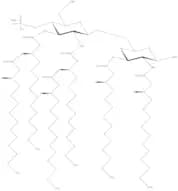
CAS:The Lipid A moiety of lipopolysaccharide forms the outer monolayer of the outer membrane in most Gram-negative bacteria. Escherichia coli lipid A is synthesized on the cytoplasmic side of the inner membrane by a conserved pathway of nine constitutive enzymes. Following attachment of the core oligosaccharide, nascent core-lipid A is flipped to the outer surface of the inner membrane by the ABC transporter MsbA, where the O-antigen polymer is attached. These complex glycoforms protect bacteria from antibiotics and complement-mediated lysis. The core and O-antigen domains are required for virulence and consequently are present in most clinical and environmental isolates (Raetz, 2007).Formula:C94H178N2O25P2Purity:Min. 95%Molecular weight:1,798.37 g/molConiferin
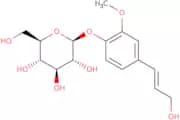
CAS:<p>Coniferin is a phenolic compound found in plants. It is a 4-hydroxycinnamic acid ester of p-hydroxybenzoic acid. Coniferin can be used as an additive for food and animal feed, as well as a preservative for cellulose. Coniferin has been shown to inhibit the growth of cancer cells, such as K562 cells, by affecting energy metabolism and polymerase chain reaction activities. The physiological effects of coniferin have not been extensively studied but it has been shown to inhibit enzyme activities in plant tissues. Coniferin has also been shown to act synergistically with crystalline cellulose and dihydroconiferyl alcohol to produce HPC powder, which is used for the preparation of HPC-cellulose membranes for protein separation.</p>Formula:C16H22O8Purity:Min. 95%Molecular weight:342.34 g/mol2-Acetamido-4-O-(2-acetamido-2-deoxy-a-D-galactopyranosyl)-2-deoxy-D-galactopyranose
CAS:<p>2-Acetamido-4-O-(2-acetamido-2-deoxy-a-D-galactopyranosyl)-2-deoxy-D-galactopyranose is a complex carbohydrate that has been modified by fluorination, saccharide modification, and methylation. This product is synthetically produced and can be custom synthesized to meet your specifications. It has a high purity level of 99% with a monosaccharide content of 97%.</p>Formula:C16H28N2O11Purity:Min. 95%Molecular weight:424.4 g/molHyaluronate biotin - Molecular Weight - 20kDa
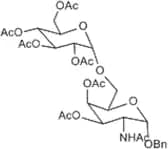
<p>Hyaluronate biotin is a high purity, complex carbohydrate that has been modified with methylation and glycosylation. It has a molecular weight of 20kDa and is supplied as a powder. It is a white to off-white solid that can be dissolved in water or buffer solutions. This product can be used as an excipient in the manufacture of biologics such as vaccines, antibodies, enzymes, or other therapeutic proteins.</p>Purity:Min. 95%Benzyl 2-acetamido-3,4-di-O-acetyl-6-O-(2,3,4,6-tetra-O-acetyl-a-D-glucopyranosyl)-2-deoxy-a-D-galactopyranoside
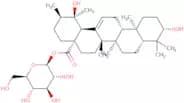
<p>Benzyl 2-acetamido-3,4-di-O-acetyl-6-O-(2,3,4,6-tetra-O-acetyl-aDglucopyranosyl)-2deoxy-. D.galactopyranoside (BzAGDP) is a complex carbohydrate that belongs to the group of oligosaccharides. It is an important component of glycoproteins and glycolipids in the cell membrane. BzAGDP has been synthesized by custom synthesis and has high purity with a CAS number of 80612-95-5. The chemical name for BzAGDP is benzyl 2 acetamido 3,4 di O acetyl 6 O (2,3 4 6 tetra O acetyl a D glucopyranosyl) 2 deoxy-. D galactopyranoside. The molecular formula is C21H32O7 and the molecular weight</p>Formula:C33H43NO17Purity:Min. 95%Molecular weight:725.69 g/molPomolic acid 28-O-b-D-glucopyranosyl ester
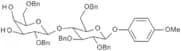
CAS:<p>Pomolic acid is a saponin isolated from the ethanol extract of Astragalus membranaceus. Pomolic acid has a nitrite reductase inhibitory effect and inhibits cell proliferation in certain cells, such as those found in the pancreas. The chemical structure of pomolic acid and its derivatives are similar to those of steroid glycosides and steroid alkaloids. It also has the ability to disrupt DNA replication and reduce insulin resistance. The use of pomolic acid in Chinese medicine formulas is reported to be effective for treating diabetes mellitus type 2, hyperlipidemia, and obesity.</p>Purity:Min. 95%4-Methoxyphenyl 2,3,6-tri-O-benzyl-4-O-(2,6-di-O-benzyl-b-D-galactopyranosyl)-b-D-glucopyranoside
CAS:4-Methoxyphenyl 2,3,6-tri-O-benzyl-4-O-(2,6-di-O-benzyl-b-D-galactopyranosyl)-b-D-glucopyranoside is a custom synthesis that belongs to the class of complex carbohydrate. It has been modified by methylation and glycosylation. This product is a fluorinated saccharide and has been synthesized using click chemistry. The purity of this product is high.Formula:C54H58O12Purity:Min. 95%Molecular weight:899.03 g/molMan-3b N-Glycan
CAS:<p>Man-3b N-Glycan is a glycan with a mannose backbone and an N-acetylglucosamine branch. This glycan can be customized to the user’s specification, including the desired sugar sequence and the length of the oligosaccharide. Man-3b N-Glycans are synthesized by modification of commercially available saccharides or by custom synthesis.</p>Formula:C34H58N2O26Purity:Min. 95%Molecular weight:910.82 g/mol





![3-Deoxy-D-[UL-13C6]fructose](/_next/image/?url=https%3A%2Fstatic.cymitquimica.com%2Fproducts%2F3D%2Fthumb-webp%2FMD14754.webp&w=3840&q=75)