Glycoscience
Glycoscience is the study of carbohydrates and their derivatives, as well as the interactions and biological functions they participate in. This field of research is crucial for understanding a wide variety of biological processes, including cell recognition, signaling, immune response, and disease development. Glycoscience has important applications in biotechnology, medicine, and the development of new drugs and therapies. At CymitQuimica, we offer a wide selection of high-quality, high-purity products for glycoscience research. Our catalog includes monosaccharides, oligosaccharides, polysaccharides, glycoconjugates, and specific reagents, designed to support researchers in their studies on the structure, function, and applications of carbohydrates in biological systems. These resources are intended to facilitate scientific discoveries and practical applications in various areas of bioscience and medicine.
Subcategories of "Glycoscience"
- Aminosugars(108 products)
- Glyco-Related Antibodies(282 products)
- Glycolipids(46 products)
- Glycosaminoglycans (GAGs)(55 products)
- Glycosides(419 products)
- Monosaccharides(6,624 products)
- Oligosaccharides(3,682 products)
- Polysaccharides(503 products)
Found 11046 products of "Glycoscience"
Sort by
Purity (%)
0
100
|
0
|
50
|
90
|
95
|
100
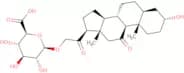
Alphadolone 21-b-D-glucuronide
CAS:<p>Alphadolone 21-b-D-glucuronide (ADG) is a synthetic compound that belongs to the group of carbohydrates. ADG is a sugar that has been modified with fluorination and methylation. It is also glycosylated and click modified. This product is custom synthesized for research purposes only.</p>Formula:C27H40O10Purity:Min. 95%Molecular weight:524.6 g/molHyaluronate biotin - Molecular Weight - 2500kDa
<p>Hyaluronate biotin is a complex carbohydrate that consists of a saccharide with a terminal sugar and methylated N-acetylglucosamine. The molecular weight of Hyaluronate biotin is 2500kDa. It can be synthesized by reacting the appropriate monosaccharides under the presence of an enzyme, such as glucose oxidase. This product has high purity and is modified using Fluorination and Click modification.</p>Purity:Min. 95%2,5-Dideoxystreptamine dihydrochloride
CAS:<p>2,5-Dideoxystreptamine dihydrochloride is a compound that has been investigated as an antibiotic. This chemical inhibits the growth of microorganisms by inhibiting their protein synthesis, which is required for cell division. 2,5-Dideoxystreptamine dihydrochloride was first isolated from Streptomyces griseus and has been shown to have high levels of activity against Bacillus subtilis and Micrococcus lysodeikticus.</p>Purity:Min. 95%D-[4,5,6]-Fructose-13C3
CAS:<p>D-[4,5,6]-Fructose-13C3 is a potent inhibitor of the golgi alpha-mannosidases which are enzymes that catalyze the hydrolysis of mannose residues from glycoproteins. This compound has been shown to inhibit the synthesis of glycoproteins in vitro and in vivo. D-[4,5,6]-Fructose-13C3 also inhibits other chemical reactions by binding to fatty acids or proteins. In cell culture, this compound has been shown to synergistically interact with cytochalasin B, which disrupts Golgi membranes. D-[4,5,6]-Fructose-13C3 is lipophilic and can be easily detected by magnetic resonance spectroscopy (MRS). MRS can be used to monitor the inhibition of fatty acid synthesis in cells cultured with this agent.</p>Formula:C3C3H12O6Purity:Min. 95%Molecular weight:183.13 g/mol1,2:5,6-Di-O-isopropylidene-3,4-di-O-benzyl-D-myo-inositol
CAS:<p>1,2:5,6-Di-O-isopropylidene-3,4-di-O-benzyl-D-myo-inositol is a synthetic compound that is used as a building block for the synthesis of oligosaccharides. It is a monosaccharide and can be methylated to form a glycosylation. 1,2:5,6-Di-O-isopropylidene-3,4-di-O-benzyl-D myo inositol can also be fluorinated to form a saccharide.</p>Formula:C26H32O6Purity:Min. 95%Molecular weight:440.53 g/molD-Xylonic acid lithium
CAS:<p>D-Xylonic acid lithium salt is a redox potential regulator that belongs to the class of nucleotide phosphate. It has been shown to inhibit the transcriptional regulation of genes in Saccharomyces cerevisiae strain. D-Xylonic acid lithium salt inhibits the growth of bacteria by binding to a hydroxyl group on the surface of bacterial cells, which disrupts the cell membrane and causes cell death. This drug also has film-forming properties and can be used as a model system for studying glycolaldehyde, an intermediate in sugar metabolism.</p>Formula:C5H10O6•LiPurity:Min. 95%Molecular weight:173.07 g/molPhenyl 2,3,4,6-tetra-O-benzyl-a-L-thioglucopyranoside
<p>Phenyl 2,3,4,6-tetra-O-benzyl-a-L-thioglucopyranoside is a complex carbohydrate that can be modified with methylation, glycosylation, or click modification. It has a CAS number of 62790-21-8 and is a member of the Polysaccharides class. The main function of this compound is as an Oligosaccharide. This compound is Fluorinated and Synthetic.</p>Formula:C40H40O5SPurity:Min. 95%Molecular weight:632.81 g/molN-Acetyl-D-galactosamine, plant-based
CAS:<p>N-Acetyl-D-galactosamine (GalNAc) is an aldohexose. It forms a key part of both N- and O-linked glycoproteins, glycolipids, gangliosides, blood groups, glycosaminoglycans (chondroitin and dermatan sulfate) and human milk oligosaccharides.This N-Acetyl-D-galactosamine product (MA184543) is plant-based and produced synthetically from Arabic gum.GalNAc clusters and derivatives, typically composed of three (or more) GalNAc moieties arranged in a specific spatial configuration, are a powerful tool for targeted delivery of nucleic acid therapeutics, specifically in liver targeted therapies. These multivalent ligands effectively bind and internalize via the asialoglycoprotein receptor (ASGPR) expressed on the surface of hepatocytes.</p>Formula:C8H15NO6Purity:Min. 97 Area-%Molecular weight:221.21 g/molPhenyl 6-azido-6-deoxy-2,3,4-tri-O-benzyl-b-D-thioglucopyranoside
CAS:<p>Phenyl 6-azido-6-deoxy-2,3,4-tri-O-benzyl-b-D-thioglucopyranoside is a methylated saccharide that can be modified with click chemistry. It is a synthetic compound that is used in the synthesis of oligosaccharides and glycosylations. The chemical formula for this compound is C12H19N5O7.</p>Formula:C33H36N3O4SPurity:Min. 95%Molecular weight:570.72 g/mol6-Chloro-6-deoxy-D-glucitol
<p>6-Chloro-6-deoxy-D-glucitol is a synthetic sugar, in which the D-glucose moiety has been substituted with a 6-chloro group. It is an important precursor for the synthesis of many complex carbohydrates and polysaccharides. The product can be used as a methylating agent to modify saccharides, oligosaccharides, and polysaccharides. The product is also used to modify sugars by glycosylation, fluorination, or click chemistry. In addition, this product can be used as a starting material for the synthesis of other sugars via glycosylation or fluorination.</p>Formula:C6H13ClO5Purity:Min. 95%Molecular weight:200.62 g/mol(Hydroxypropyl)methyl cellulose - Viscocity 75000-140000 cP, 2 % in H2O
CAS:<p>Viscoelastic polymer; excipient; food additive</p>Purity:Min. 95%Methyl 3,6-dideoxy-a-D-arabino-hexopyranoside
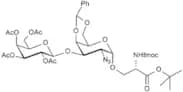
CAS:<p>Methyl 3,6-dideoxy-a-D-arabino-hexopyranoside is a fluorinated sugar analog. It is a monosaccharide that has been synthesized and modified to include an amine group for the purpose of glycosylation. Methyl 3,6-dideoxy-a-D-arabino-hexopyranoside has CAS number 6154-71-8 and can be found in the Polysaccharides category. The compound is soluble in water, ethanol, methanol, acetone, ethyl acetate and chloroform. Methyl 3,6-dideoxy-a-D-arabino-hexopyranoside has a molecular weight of 392.5 grams per mole and a density of 1.3 grams per cubic centimeter. Methyl 3,6 -dideoxy -a -D -arabino -hexopyranoside is</p>Formula:C7H14O4Purity:Min. 95%Molecular weight:162.19 g/mol3-O-(2,3,4,6-Tetra-O-acetyl-b-D-galactopyranosyl)-2-azido-4,6-O-benzylidene-2-deoxy-a-D-galactopyranosyl-Fmoc serine tert-butyl este r
CAS:<p>Methylation of polysaccharides is the process of adding methyl groups to chemical compounds. This process can be achieved by using a variety of reagents. One type of reagent is a methyl donor, which is capable of transferring a methyl group to another molecule. The Methylation Kit contains various reagents that allow for the efficient and specific modification of polysaccharides, including carbohydrates, oligosaccharides, and saccharides. The kit includes two types of reagents: Methyl donors and Methyl acceptors. The kit also contains other additives such as solvents, buffers, and pH indicators. The 3-O-(2,3,4,6-Tetra-O-acetyl-b-D-galactopyranosyl)-2-azido-4,6-O-benzylidene-2-deoxy-a-D-galactopyranosyl Fmoc serine tert but</p>Formula:C49H56N4O18Purity:Min. 95%Molecular weight:988.99 g/mol6-a-D-Glucopyranosylmaltotriose tetradecaacetate
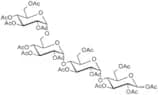
CAS:<p>6-a-D-Glucopyranosylmaltotriose tetradecaacetate is a synthetic carbohydrate that is used as a building block for the synthesis of complex carbohydrates. It is synthesized from maltotriose by glycosylation with 6-a-D-glucopyranose and subsequent enzymatic hydrolysis. 6-a-D-Glucopyranosylmaltotriose tetradecaacetate has been shown to be resistant to modification of its methyl groups, which makes it an ideal candidate for custom synthesis. This compound has been shown to be stable under physiological conditions, which makes it ideal for use in biomedical applications.<br>6-a-D-Glucopyranosylmaltotriose tetradecaacetate can be used in the synthesis of oligosaccharides or polysaccharides due to its high purity, which is comparable to that of dext</p>Formula:C52H70O35Purity:Min. 95%Molecular weight:1,255.09 g/molGlufosfamide
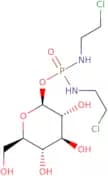
CAS:<p>Glufosfamide is a cytotoxic drug that is used in the treatment of some types of cancer. It is a prodrug that requires conversion to its active form, glufosfamid, by esterase enzymes before it can exert its genotoxic effects. Glufosfamide has shown to be active against platinum-resistant ovarian cancer and solid tumours. This drug also has been shown to inhibit the growth of prostate cancer cells and miapaca-2 cells, which are derived from pancreatic cancer. Glufosfamide has been found to have low toxicity in mice, but there may be adverse reactions when combined with other drugs such as erythromycin or ketoconazole.</p>Formula:C10H21Cl2N2O7PPurity:Min. 95%Molecular weight:383.16 g/molN-Acetyl-D-lactosamine BSA (3 atom spacer)
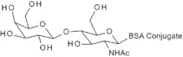
CAS:<p>N-Acetyl-D-lactosamine BSA (3 atom spacer) is a synthetic oligosaccharide with 3 acetyl groups on the reducing end and a biotin-streptavidin complex attached to the nonreducing end. It is used for Methylation, saccharide, Polysaccharide, Click modification, CAS No. 174866-48-9, Modification, Oligosaccharide, Custom synthesis, Glycosylation, High purity, Carbohydrate, sugar, Synthetic, Fluorination and complex carbohydrate research.</p>Purity:Min. 95%Olmesartan N2-glucuronide
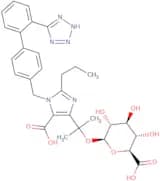
CAS:<p>Olmesartan N2-glucuronide is a methylated metabolite of olmesartan, which is an angiotensin II receptor blocker. Olmesartan glucuronide is a high purity chemical compound with CAS No. 369395-57-3. It can be custom synthesized to order and has been used in glycosylation reactions as a sugar donor or acceptor. This product is also useful for the Click modification of oligosaccharides and polysaccharides, as well as for the modification of saccharides with fluorination and other chemical reactions.</p>Formula:C30H34N6O9Purity:Min. 95%Molecular weight:622.63 g/molMethyl 6-O-(a-D-mannopyranosyl)-a-D-mannopyranoside
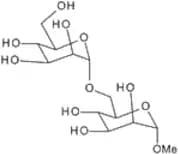
CAS:<p>Methyl 6-O-(a-D-mannopyranosyl)-a-D-mannopyranoside is a complex carbohydrate that belongs to the group of carbohydrates. Methyl 6-O-(a-D-mannopyranosyl)-a-D-mannopyranoside is a modification of the monosaccharides, which are vital for cellular metabolism. Methyl 6-O-(a-D-mannopyranosyl)-a-D-mannopyranoside is used in the synthesis of oligosaccharides, polysaccharides and glycolipids. This product has been shown to be an effective inhibitor of bacterial growth in vitro and has also been shown to have antiinflammatory properties.<br>Methyl 6-O-(a-D-mannopyranosyl)-a-D-mannopyranoside is a white crystalline powder with a melting point range from 120°C to 130°C. It</p>Formula:C13H24O11Purity:Min. 95%Color and Shape:SolidMolecular weight:356.32 g/mol6-Deoxy-3-C-methyl-D-gulose
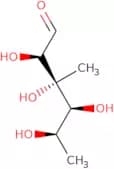
CAS:<p>6-Deoxy-3-C-methyl-D-gulose is an enantiomer of 3,6-dideoxy-D-gluconic acid. This compound has been shown to be a virulent factor in mastitis caused by the mutant strain of Escherichia coli (MT1) and to be expressed at a higher level in mastitic milk than in normal milk. 6DMG has also been shown to induce monoclonal antibody production and stimulate specific immune responses. It is thought that 6DMG damages cells, which leads to the release of intracellular components that trigger an antibody response. The biological function of 6DMG is not known, but it may play a role in the infection process by stimulating an antibody response against infectious agents.</p>Purity:Min. 95%3-Deoxy-3-fluoro-D-fructose
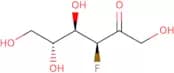
CAS:<p>3-Deoxy-3-fluoro-D-fructose is a monosaccharide that has been used as an inhibitor of glucose uptake and metabolism in the lymphocytic leukemia cell line. This compound has been shown to inhibit the glucose transporter GLUT1, which is responsible for the transport of glucose across the plasma membrane. 3-Deoxy-3-fluoro-D-fructose inhibits cancer cells by inhibiting galactitol production through inhibition of gluconeogenesis. It also inhibits oxidative phosphorylation in lymphocytic leukemia cells, leading to apoptosis. 3-Deoxy-3-fluoro-D-fructose has been shown to inhibit cancer growth by blocking glucose uptake in xenopus oocytes.</p>Purity:Min. 95%Methyl 2,3,4,6-tetra-O-acetyl-b-D-thiogalactopyranoside
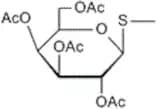
CAS:<p>Methyl 2,3,4,6-tetra-O-acetyl-b-D-thiogalactopyranoside is a synthetic carbohydrate with the CAS number 55722-48-0. Methyl 2,3,4,6-tetra-O-acetyl-b-D-thiogalactopyranoside is used in the synthesis of oligosaccharides and monosaccharides. This product can be custom synthesized to meet your specifications. Methyl 2,3,4,6-tetra-O-acetyl-b -D -thiogalactopyranoside has been fluorinated and glycosylated for the synthesis of complex carbohydrates and saccharides. This product has high purity and can be customized to meet your specifications.</p>Formula:C15H22O9SPurity:Min. 95%Molecular weight:378.4 g/molm-Methoxytopolin-9-glucoside
CAS:<p>M-methoxytopolin-9-glucoside is a synthetic oligosaccharide that has been modified with fluorination and methylation. It is an important intermediate for the synthesis of complex carbohydrates. M-methoxytopolin-9-glucoside can be used in the production of glycosylated polysaccharides, including glycoproteins, proteoglycans, and mucopolysaccharides. This product is offered at a purity level of > 98% and can be used for custom synthesis.</p>Formula:C19H23N5O6Purity:Min. 95%Molecular weight:417.42 g/mol3-Azido-2,3-dideoxy-D-ribose
CAS:<p>3-Azido-2,3-dideoxy-D-ribose is a boron trifluoride etherate that has significant activity against the anomers of d-mannitol. It can be used as a stereoselective synthesis of the triflate on the corresponding anomer. Triflate is prepared by reaction with trifluoromethanesulfonic acid chloride and then reacted with sodium azide in ethanol to yield 3-azido-2,3-dideoxy-D-ribose. The product can be purified by recrystallization from acetic acid and water or by extraction with chloroform. This compound is also extracted from boric acid and dioxane using aqueous sodium hydroxide solution.</p>Purity:Min. 95%3,5-O-Isopropylidene-L-arabinofuranose
<p>3,5-O-Isopropylidene-L-arabinofuranose is a sugar that is used in the synthesis of saccharides. It is a monosaccharide that can be modified by fluorination, methylation, and custom synthesis. This product has been shown to be an excellent substrate for click chemistry and can be used as an intermediate in the production of oligosaccharides and polysaccharides. 3,5-O-Isopropylidene-L-arabinofuranose has a high purity level and can be used as a replacement for other sugars in complex carbohydrate synthesis.</p>Purity:Min. 95%L-Ribose
CAS:<p>L-Ribose is a monosaccharide that is a constituent of ribonucleic acid, deoxyribonucleic acid and other compounds. It can be found in small quantities in most living organisms. L-Ribose has been modified to include fluorine atoms at the C2 position. The addition of fluorine atoms increases the stability of the molecule and its resistance to hydrolysis by esterases. L-Ribose has also been modified with methyl groups at the C3 position and glycosylation at the C4 position. This modification preserves the biological activity of L-Ribose and increases its water solubility. L-Ribose is used as a building block for custom synthesis, such as peptides or oligosaccharides.>>END>></p>Formula:C5H10O5Molecular weight:150.13 g/molMonosialyl, monofucosyllacto-N-hexaose I
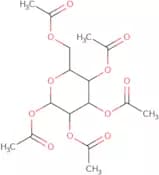
<p>Monosialyl, monofucosyllacto-N-hexaose I is a high purity sugar that has been custom synthesized for Click modification. The glycosylation reaction of this sugar was performed with methylated bovine erythrocyte as the glycosylase donor. The product will be delivered in the form of white powder and is available at CAS No. 71607-56-1.</p>Formula:C57H95N3O43Purity:Min. 95%Color and Shape:PowderMolecular weight:1,510.36 g/molPenta-O-acetyl-a-L-idopyranose
CAS:<p>Penta-O-acetyl-a-L-idopyranose is a monosaccharide that is synthesized from D-glucose and acetic anhydride. It has been modified with methylation, fluorination, and saccharide modification. Penta-O-acetyl-a-L-idopyranose is soluble in water, methanol, ethanol, and acetone. This compound has been shown to be useful for glycosylation reactions as well as click chemistry. CAS No. 16299-15-3.</p>Formula:C16H22O11Purity:Min. 95%Color and Shape:PowderMolecular weight:390.34 g/molMethyl 3-O-(a-D-galactopyranosyl)-b-D-galactopyranoside
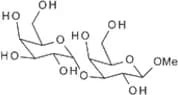
Methyl 3-O-(a-D-galactopyranosyl)-b-D-galactopyranoside is a fluorinated methylated carbohydrate. It is an oligosaccharide with a sugar backbone. The sugar in the molecule is a monosaccharide, which is attached to other sugars through glycosylation. Methyl 3-O-(a-D-galactopyranosyl)-b-D-galactopyranoside has been synthesized and can be custom synthesized for specific requirements. It has high purity and can be obtained with a variety of modifications, such as fluorination to increase its stability. This compound can be used in a variety of applications, including the treatment of tuberculosis infections and cancer.Formula:C13H24O11Purity:Min. 95%Color and Shape:White to off-white solid.Molecular weight:356.32 g/molGala1-3Galb1-4(6-deoxyGlcNAc)-HSA
<p>Gala1-3Galb1-4(6-deoxyGlcNAc)-HSA is a custom synthesis of a complex carbohydrate. It is an oligosaccharide with CAS No. and Polysaccharide that has been modified by Methylation, Glycosylation, and Click modification. Carbohydrate is one of the most important macronutrients for human health, as it provides energy and cell building blocks. Sugar (e.g., glucose) is the simplest form of carbohydrate, while saccharide refers to chains of sugar molecules. Gala1-3Galb1-4(6-deoxyGlcNAc)-HSA has been fluorinated and synthesized with high purity in order to be used as a drug delivery system. This drug can be used to treat various diseases such as diabetes mellitus type I or II, cancer, or HIV/AIDS.</p>Purity:Min. 95%2-Acetamido-3,4,6-tri-O-acetyl-2-deoxy-a-D-galactopyranosyl-(N-Fmoc)-L-serine pentafluorophenyl ester
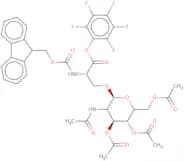
CAS:The 2-acetamido-3,4,6-tri-O-acetyl-2-deoxy-a-D-galactopyranosyl-(N-Fmoc)-L-serine pentafluorophenyl ester is a synthetic sugar that has been modified using the Click chemistry. It is a complex carbohydrate that can be used in the synthesis of oligosaccharides and polysaccharides. This product is custom synthesized to order and has high purity. The 2AA3TA2DO6TFA2DGA2DGAPFPE2SAR2LSE5 is an oligosaccharide with a monosaccharide at the reducing end and methylated at the nonreducing end. The 2AA3TA2DO6TFA2DGA2DGAPFPE2SAR2LSE5 has been fluorinated at the saccharide position on the nonreducing endFormula:C38F5H35N2O13Purity:Min. 95%Molecular weight:822.69 g/mola-Tetrasaccharide-APE-KLH
<p>a-Tetrasaccharide-APE-KLH is a modification of the original tetrasaccharide APE-KLH conjugate. This modified conjugate has increased stability and higher binding affinity to the Fc receptor, which is required for antibody therapy. It is synthesized by custom synthesis and has high purity, with a CAS number of 674797-36-5. The monosaccharides in this conjugate are methylated and glycosylated, with a molecular weight of 1254. The saccharides are fluorinated and saccharide with a molecular weight of 1354.</p>Purity:Min. 95%N-Glycolyl GM1 ganglioside
<p>N-Glycolyl GM1 ganglioside has a core tetrasaccharide structure (Galβ1,3GalNAcβ1,4Galβ1,4Glc) with N-glycolyl sialic acid linked α2,3 to the central galactose residu,e and ceramide linked β to position 1 on the reducing terminal glucose residue (Ledeen, 2009). SV40, Py, and the human BK viruses are unusual among viruses in that they use glycolipids as their major cell surface receptors. SV40 uses the N-glycolylneuraminic acid (NeuGc) analog of the ganglioside GM1 [GM1(Gc)] as the cell surface receptor and it gave markedly stronger binding signals than the NeuAc analog [GM1(Ac)] (Campanero-Rhodes, 2007).</p>Purity:Min. 95%Ethyl 2,3,4-tri-O-benzyl-b-D-thiogalactopyranoside
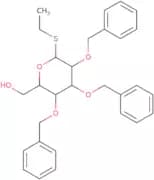
CAS:<p>Ethyl 2,3,4-tri-O-benzyl-b-D-thiogalactopyranoside is a synthetically produced saccharide typically used as a building block in oligo-saccharide synthesis.</p>Purity:Min. 95%Ondansetron 7-D-glucuronide (mixture of isomers)
CAS:<p>Ondansetron 7-D-glucuronide (mixture of isomers) is a synthetic compound with a molecular weight of 552.9 and chemical formula C17H20F3NO5. It has been modified by the addition of a fluorine atom at position 2 on the phenyl ring. Ondansetron 7-D-glucuronide (mixture of isomers) has been synthesized by glycosylation, oligosaccharide, sugar, methylation and monosaccharide synthesis. This compound is used in pharmaceuticals as an antiemetic agent for the prevention and treatment of nausea and vomiting following surgery or chemotherapy.</p>Purity:Min. 95%Acarbose tridecaacetate
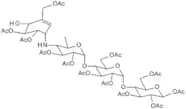
CAS:<p>Acarbose tridecaacetate is a bacterial extract that has been shown to inhibit the growth of various strains of bacteria. This extract was extracted from the fields and contains aluminum oxide impurities. Acarbose tridecaacetate has shown efficacy in seed culture and actinomyces, which are two types of bacteria. The sequence of this extract has been determined using aluminum oxide. Acarbose tridecaacetate is soluble in a variety of solvents, including organic solvents and solvents. It can be purified by chromatography to remove any bulk drug or organic solvent that may be present.</p>Formula:C51H69NO31Purity:Min. 95%Color and Shape:White PowderMolecular weight:1,192.08 g/mol2-Deoxy-3,4-O-isopropylidene-D-arabino-hexose propylene dithioacetal
CAS:<p>2-Deoxy-3,4-O-isopropylidene-D-arabino-hexose propylene dithioacetal is a synthetic monosaccharide. It is a custom synthesis and can be modified with methylation, fluorination, or click chemistry. 2-Deoxy-3,4-O-isopropylidene-D-arabino-hexose propylene dithioacetal has been used in the synthesis of glycosylated proteins and oligosaccharides. It is also used as a buffer standard in high performance liquid chromatography (HPLC) methods for analysis of saccharides and sugar alcohols.</p>Formula:C12H22O4S2Purity:Min. 95%Molecular weight:294.43 g/mol2,5-Anhydro-D-mannofuranose oxime
CAS:<p>2,5-Anhydro-D-mannofuranose oxime is a glycosylation inhibitor that prevents the formation of glycosidic bonds. It is used in the synthesis of complex carbohydrates, such as polysaccharides and oligosaccharides. This compound can be fluorinated or methylated to produce 2,5-anhydro-D-mannofuranose oxime derivatives that are useful for click chemistry. 2,5-Anhydro-D-mannofuranose oxime has been shown to inhibit the enzymatic conversion of mannitol to mannose and fructose by blocking the enzyme alpha mannosidase. The high purity of this compound makes it suitable for use in a variety of reactions, including glycobiology studies and carbohydrate modifications.</p>Formula:C6H11NO5Purity:Min. 95%Molecular weight:177.16 g/molPropofol-D-glucuronide methyl ester
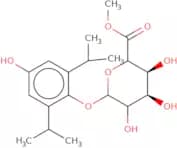
Propofol-D-glucuronide methyl ester is a modification of propofol, which is an anesthetic drug. It is also known as a polysaccharide or saccharide. The modification is made by the addition of methyl groups to the phenolic hydroxyl group on the sugar ring. This modification has been shown to have properties that are similar to those of propofol, but with greater solubility in water and a longer duration of action. Propofol-D-glucuronide methyl ester is synthesized from D-glucuronic acid, which is obtained from glucose through Oligosaccharide synthesis. This compound can be used for glycosylation reactions.Formula:C19H28O7Purity:Min. 95%Molecular weight:368.42 g/molBenzyl 4,6-O-benzylidene-b-D-glucopyranoside
CAS:<p>Benzyl 4,6-O-benzylidene-b-D-glucopyranoside is a synthetic monosaccharide. It is an oligosaccharide that has undergone glycosylation and polysaccharide modifications. Benzyl 4,6-O-benzylidene-b-D-glucopyranoside can be used for the preparation of various carbohydrates with customized structures. This product can be synthesized in high purity.</p>Formula:C20H22O6Purity:Min. 95%Color and Shape:PowderMolecular weight:358.39 g/mol5-(S-2-Phenyl-pyrrolidine)-1-yl-5-deoxy-1,2-isopropylidene-a-D-xylofuranose
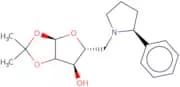
CAS:<p>The compound is a custom synthesis of 5-(S-2-Phenyl-pyrrolidine)-1-yl-5-deoxy-1,2-isopropylidene-a-D-xylofuranose. The compound is modified with fluorination, methylation, and monosaccharide. The compound has been synthesized using click chemistry for the modification of oligosaccharides and saccharides. The CAS No. for this compound is 1014404-87-5. This carbohydrate is a complex carbohydrate that has the ability to modify glycosylation and sugar structures in cells.</p>Formula:C18H25NO4Purity:Min. 95%Molecular weight:319.4 g/molFluconazole D-glucuronide
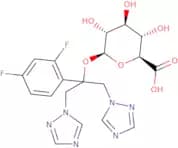
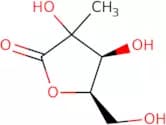
CAS:<p>Fluconazole D-glucuronide is a synthetic, fluorinated sugar that has been modified with a glycosylation. It is synthesized by reacting fluconazole with the sugar glucuronic acid in the presence of an enzyme called glycosyltransferase. Fluconazole D-glucuronide is a custom synthesis, and it can be used as a pharmaceutical intermediate to produce other compounds. Fluconazole D-glucuronide is also used as an analytical standard for quantifying fluconazole in biological samples.</p>Purity:Min. 95%2-C-Methyl-D-arabono-1,4-lactone
CAS:<p>2-C-Methyl-D-arabono-1,4-lactone is a synthetic sugar that can be custom synthesized to order. This product is fluorinated and methylated, which allows for the modification of any desired position. The product is also an oligosaccharide with a high purity and can be modified using click chemistry. 2-C-Methyl-D-arabono-1,4-lactone can be used as a sugar in glycosylation reactions or as a polysaccharide in complex carbohydrate synthesis.</p>Formula:C6H10O5Purity:Min. 95%Molecular weight:162.14 g/mol(2-Pirydyl) 2,3,4,6-tetra-O-acetyl-1-deoxy-b-D-galacto-1-C-pyranoside
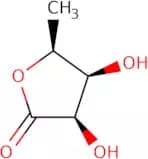
<p>2-Pirydyl 2,3,4,6-tetra-O-acetyl-1-deoxy-b-D-galacto-1Cpyranoside is a custom synthesis of a high purity glycosylation. This compound is an oligosaccharide that contains a sugar and a polysaccharide. The sugar is a monosaccharide while the polysaccharide is made up of many saccharides. The modification on this compound is methylation. This product has been assigned CAS No.: 362889-00-0.</p>Purity:Min. 95%Molecular weight:409.39 g/mol5-Deoxy-L-lyxono-1,4-lactone
CAS:<p>5-Deoxy-L-lyxono-1,4-lactone is a crystalline solid that belongs to the class of hydroxamic acids. This compound has been shown to react with hydroxylamine in an aldonic reaction and to inhibit the enzyme xanthin oxidase. The monoclinic crystal structure of 5-Deoxy-L-lyxono-1,4-lactone was determined by XRD analysis. This compound is synthesized from glyoxylate and malonitrile in an efficient manner. It also inhibits glucose oxidation and can be used as an additive for food products.</p>Formula:C5H8O4Purity:Min. 95%Molecular weight:132.12 g/mol(1R,3S,4R,8S)-3-Acetoxy-1-acetoxymethyl-8-benzloxy-2,6-dioxabicyclo[3,2,1]octane
CAS:(1R,3S,4R,8S)-3-Acetoxy-1-acetoxymethyl-8-benzloxy-2,6-dioxabicyclo[3,2,1]octane is a modification of a complex carbohydrate. It is synthesized by the methylation and glycosylation of the monosaccharide (1R,3S,4R,8S)-3-acetoxy-1-acetoxymethylcyclohexanecarboxylic acid. This product has a CAS number of 229469-37-8 and is available in high purity with 98% to 99% purity. This product can be used as an ingredient in pharmaceuticals or other chemical products.Formula:C18H22O7Purity:Min. 95%Molecular weight:350.36 g/molGemfibrozil b-D-glucuronide-D6
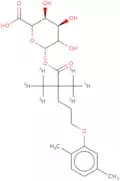
Controlled ProductGemfibrozil b-D-glucuronide-D6 is a methylated, saccharide, Polysaccharide. It is a custom synthesis of the synthetic and fluorinated gemfibrozil b-D-glucuronide. The product is purified by HPLC to >98% purity and supplied as a white powder.Formula:C21H24D6O9Purity:Min. 95%Color and Shape:White to off-white solid.Molecular weight:432.49 g/molCarboxymethyl-dextran sodium salt 10-20% COOH terminally reduced - Average molecular weight 70000
CAS:Drug carrier for cancer therapy & imaging, biocompatible, soluble, biodegradablePurity:Min. 95%2-Acetamido-2-deoxy-3,4,6-tri-O-acetyl-b-D-galactopyranosyl)-L-threonine
<p>2-Acetamido-2-deoxy-3,4,6-tri-O-acetyl-b-D-galactopyranosyl)-L-threonine is a custom synthesis. It is modified with fluorination and methylation. This product is an oligosaccharide with saccharide, CAS No., and polysaccharide. It has glycosylation and sugar which are carbohydrates. The complex carbohydrate can be found in a variety of sources such as corn syrup, honey, molasses, soybean oil, etc.</p>Purity:Min. 95%2-Hydroxyestradiol-2-O-b-D-glucuronide
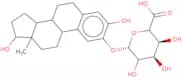
CAS:2-Hydroxyestradiol-2-O-b-D-glucuronide is a modified oligosaccharide that has been synthesized by custom synthesis. It can be used in the modification of other carbohydrates, and as a monosaccharide or methylated glycosylated saccharide. 2-Hydroxyestradiol-2-O-b-D-glucuronide is also an effective inhibitor for bacterial growth, which may be due to its ability to inhibit the synthesis of cellular constituents such as lipids and proteins.Formula:C24H32O9Purity:Min. 95%Molecular weight:464.51 g/mol

![D-[4,5,6]-Fructose-13C3](/_next/image/?url=https%3A%2Fstatic.cymitquimica.com%2Fproducts%2F3D%2Fthumb-webp%2FMF171832.webp&w=3840&q=75)










![(1R,3S,4R,8S)-3-Acetoxy-1-acetoxymethyl-8-benzloxy-2,6-dioxabicyclo[3,2,1]octane](/_next/image/?url=https%3A%2Fstatic.cymitquimica.com%2Fproducts%2F3D%2Fthumb-webp%2FMA10599.webp&w=3840&q=75)