


Glycoscience
Glycoscience is the study of carbohydrates and their derivatives, as well as the interactions and biological functions they participate in. This field of research is crucial for understanding a wide variety of biological processes, including cell recognition, signaling, immune response, and disease development. Glycoscience has important applications in biotechnology, medicine, and the development of new drugs and therapies. At CymitQuimica, we offer a wide selection of high-quality, high-purity products for glycoscience research. Our catalog includes monosaccharides, oligosaccharides, polysaccharides, glycoconjugates, and specific reagents, designed to support researchers in their studies on the structure, function, and applications of carbohydrates in biological systems. These resources are intended to facilitate scientific discoveries and practical applications in various areas of bioscience and medicine.
Subcategories of "Glycoscience"
- Aminosugars(108 products)
- Glyco-Related Antibodies(282 products)
- Glycolipids(46 products)
- Glycosaminoglycans (GAGs)(55 products)
- Glycosides(419 products)
- Monosaccharides(6,624 products)
- Oligosaccharides(3,682 products)
- Polysaccharides(503 products)
Found 11046 products of "Glycoscience"
Sort by
Purity (%)
0
100
|
0
|
50
|
90
|
95
|
100
Lauryl glucose neopentyl glycol
CAS:Lauryl glucose neopentyl glycol is a sugar that is used in the synthesis of glycoconjugates. It is synthesized from lauryl alcohol and neopentyl glycol. Lauryl glucose neopentyl glycol can be modified with fluorine, glycosylation, methylation, or modification. This compound has been shown to have anti-inflammatory properties and to inhibit the growth of prostate cancer cells.Formula:C31H60O12Purity:Min. 95%Molecular weight:624.8 g/molMethyl 1-(4'-tert-butyldimethylsilyl-6-hydroxyraloxifene)-2,3,4-tri-O-acetyl-b-D-glycopyranuronate
CAS:<p>Methyl 1-(4'-tert-butyldimethylsilyl-6-hydroxyraloxifene)-2,3,4-tri-O-acetyl-b-D-glycopyranuronate is a modified carbohydrate. It is a synthetic saccharide that has been modified with methylation, fluorination and saccharide synthesis. This product can be custom synthesized and is available in high purity. Methyl 1-(4'-tert-butyldimethylsilyl-6-hydroxyraloxifene)-2,3,4-tri-O-acetyl-b-D--glycopyranuronate can be used in glycosylation reactions as well as Click modification reactions. CAS No: 174264–49–4.</p>Formula:C46H55NO13SSiPurity:Min. 95%Molecular weight:890.08 g/molSulpho Lewisx Na
<p>Sulpho Lewisx Na is a high purity, custom synthesized sugar that has been modified using a click chemistry reaction. It has been fluorinated and glycosylated to produce a complex carbohydrate. Sulpho Lewisx Na is a synthetic oligosaccharide produced with the intention of mimicking the structure of Lewisx in order to study its properties. The CAS number for this compound is 2641-19-2 and it can be found under the name Oligosaccharide, Monosaccharide, saccharide, Carbohydrate on Pubchem CID 1039264.</p>Formula:C20H34NNaO18SPurity:Min. 95%Molecular weight:631.54 g/molDisialyloctasaccharide
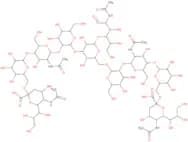
CAS:<p>Disialyloctasaccharide is a sialylated glycan that is found in human serum. It is a diagnostic marker for cancer, and has been shown to be elevated in women with breast cancer. Disialyloctasaccharide can also be used as a biomarker for depression. The amino acid sequence of this glycan has been determined, and it has been shown that the protein glycosylation of disialyloctasaccharide is quantified by measuring the relative amount of sialic acid residues in the molecule. Disialyloctasaccharide can be used as a biomarker for eukaryotes, including yeast and mammals. This glycan also has anti-tumor activity, which may be due to its ability to bind to receptors on tumor cells.</p>Formula:C76H125N5O57Purity:Min. 95%Color and Shape:PowderMolecular weight:2,020.81 g/mol1,2:3,4:5,6-Tri-O-isopropylidene-D-mannitol
CAS:<p>1,2:3,4:5,6-Tri-O-isopropylidene-D-mannitol is a dietary fiber that is made up of <br>inulin and oligosaccharides. It can be found in various plants and vegetables. This dietary fiber has been shown to have cancer preventive properties. 1,2:3,4:5,6-Tri-O-isopropylidene-D-mannitol has also been shown to decrease the risk of colon cancer by reducing the production of diacylglycerol which is an important signaling molecule in carcinogenesis.</p>Formula:C15H26O6Purity:Min. 95%Molecular weight:302.4 g/mol2,3,4-Tri-O-acetyl-b-D-xylopyranosyl-Fmoc-L-serine
<p>2,3,4-Tri-O-acetyl-b-D-xylopyranosyl-Fmoc-L-serine is a carbohydrate which is modified by fluorination and methylation. It is a complex carbohydrate that can be custom synthesized to include saccharide or oligosaccharide. 2,3,4-Tri-O-acetyl-b-D-xylopyranosyl Fmoc L serine has CAS No. 1807631–35–0 and molecular weight of 703. It also has high purity and custom synthesis capabilities.</p>Formula:C29H31NO12Purity:Min. 95%Molecular weight:585.56 g/molNistose trihydrate
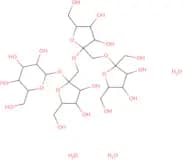
CAS:<p>Nistose trihydrate is a polysaccharide that is found in the cell walls of plants, including inulin and d-biotin. It has been shown that nistose trihydrate can be used as an additive to mammalian cells to improve enzymatic reactions. In addition, nistose trihydrate can be used as a food additive to reduce cholesterol levels and modulate blood sugar levels. Nistose trihydrate also has antimicrobial activity against staphylococcus, which are gram-positive bacteria.</p>Formula:C24H42O21•3H2OPurity:Min. 95%Molecular weight:720.6 g/mol5-Hydroxyvitamin D3 25-glucuronide
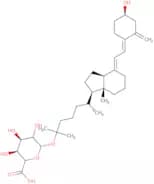
CAS:<p>5-Hydroxyvitamin D3 25-glucuronide is a glycosylated form of vitamin D that is synthesized by the addition of glucose to the 5-hydroxy group in the side chain. The synthesis of this product requires an intermediate step, which is the methylation of 25-hydroxyvitamin D. It is a complex carbohydrate that can be found in both natural and synthetic forms. The product has been modified using Click chemistry, fluorination, and saccharide modification to increase its stability and solubility. This product also has a high purity level.</p>Formula:C33H52O8Purity:Min. 95%Molecular weight:576.76 g/molN-D-Glucopyranosyl-5-aminosalicylic acid
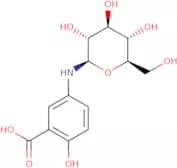
CAS:<p>5-Aminosalicylic acid (5-ASA) is an anti-inflammatory drug that belongs to the class of drugs called nonsteroidal anti-inflammatory drugs (NSAIDs). 5-ASA is an acidic compound that is a metabolite of salicylic acid. It is used in the treatment of rheumatoid arthritis, osteoarthritis, and other inflammatory diseases. The preparation of 5-ASA involves homogenizing liver tissue and then extracting it with water. This extract can be chromatographed using preparative high performance liquid chromatography (HPLC) or spectroscopically analyzed by mass spectrometry. 5-ASA has been shown to have hepatoprotective effects in rats when given at a dose of 400 mg/kg body weight by intraperitoneal injection.</p>Formula:C13H17NO8Purity:Min. 95%Molecular weight:315.28 g/molDiosmetin-d3-3,7-O-di-Glucuronide
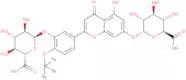
CAS:Controlled Product<p>Diosmetin-d3-3,7-O-di-Glucuronide is a white to off-white powder that is soluble in water. It is a synthetic compound that can be used as a sugar or carbohydrate modification. It has been shown to be useful for the synthesis of complex carbohydrates and polysaccharides. This product can also be used in click chemistry, methylation, and fluoroination.</p>Formula:C28H25D3O18Purity:Min. 95%Molecular weight:655.53 g/molUzarigenin digitaloside
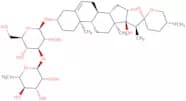
CAS:<p>Uzarigenin digitaloside is a glycoside that belongs to the group of cardiac glycosides. It is derived from digitoxigenin and uzarigenin, which are present in the roots of Digitalis lanata. Uzarigenin digitaloside has been shown to have effects on cardiac muscle tissue, inhibiting the production of cAMP and cGMP and thereby reducing the activity of protein kinases and phosphodiesterase. This leads to an increase in intracellular levels of calcium ions, which in turn activates the myofilaments that contract the heart muscle cells.</p>Purity:Min. 95%Mannioside A
CAS:<p>Mannioside A is a postulated antigen that may be found in the Dracaena genus of plants. This compound has been shown to have an affinity for membranes, which could possibly be used as a strategy for vaccines and other pharmaceutical products. Mannioside A also has hemolytic activity, which may be useful in developing new treatments for autoimmune disorders such as multiple sclerosis.</p>Purity:Min. 95%1,2,4,6-Tetra-O-acetyl-3-O-propargyl-D-glucopyranose
<p>1,2,4,6-Tetra-O-acetyl-3-O-propargyl-D-glucopyranose is a custom synthesis of a monosaccharide. The 1,2,4,6-tetra acetyl group and the 3-O propargyl group are introduced to the D glucose ring by modifications. This modification increases the stability of the molecule and protects it from hydrolysis. The glycosylation is performed with an oligosaccharide to form a complex carbohydrate.</p>Purity:Min. 95%3,2',3',4'-Tetra-O-acetyl-6,6'-di-O-triisopropylsilyl-lactal
<p>3,2',3',4'-Tetra-O-acetyl-6,6'-di-O-triisopropylsilyl-lactal is a modification of the carbohydrate saccharide. This synthetic compound has been prepared by reacting 2,5-dichloro-1,4-benzoquinone with methyl 3,2',3',4'-tetraacetoxychalcone in the presence of triethylsilane. It can be used as an intermediate for the synthesis of oligosaccharides and complex carbohydrates.</p>Formula:C38H68O13Si2Purity:Min. 95%Molecular weight:789.11 g/molPhenyl 2,3-di-O-benzyl-4,6-O-benzylidene-b-D-thioglucopyranoside
CAS:<p>Phenyl 2,3-di-O-benzyl-4,6-O-benzylidene-b-D-thioglucopyranoside is an oligosaccharide that can be used to modify carbohydrate polymers. It is synthesized from the reaction of phenyl 2,3-di-O-benzylglycosides with boron trifluoride etherate and dithioglycolate in acetic acid. This material has a purity of >98% and can be used as a sugar modification agent for glycoproteins.</p>Formula:C33H32O5SPurity:Min. 95%Molecular weight:540.67 g/mol1,2-O-Isopropylidene-5-O-p-toluoyl-a-D-xylofuranose
CAS:<p>1,2-O-Isopropylidene-5-O-p-toluoyl-a-D-xylofuranose is a glycosylation product of orotic acid with 5,6-dihydroxybenzoic acid. It is a white solid that can be used for the synthesis of various saccharides. 1,2-O-Isopropylidene-5-O-p-toluoyl-a-D -xylofuranose is an effective reagent for the methylation of carbohydrates and also shows high reactivity with fluorine. This compound has a CAS number of 7509660 and has been modified with click chemistry to form an oligosaccharide. 1,2 -O -Isopropylidene -5 -O p -toluoyl -a D xylofuranose is synthesized by custom synthesis and has a purity</p>Purity:Min. 95%4-Methylumbelliferyl 2,3,4,6-tetra-O-acetyl-a-D-mannopyranoside
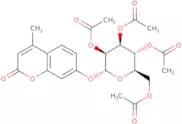
CAS:<p>The expression profile of 4-methylumbelliferyl 2,3,4,6-tetra-O-acetyl-a-D-mannopyranoside was analyzed in human cells. The gene expression levels were analyzed and compared to the profiles from other cell types. Analysis showed that this compound is expressed at high levels in the zingiberaceae family of plants.</p>Formula:C24H26O12Purity:Min. 95%Molecular weight:506.46 g/mol1-Acetyl-3-O-(2,3,4,6-tetra-O-acetyl-b-D-glucopyranosyl)indole
CAS:<p>1-Acetyl-3-O-(2,3,4,6-tetra-O-acetyl-b-D-glucopyranosyl)indole is a synthetic glycoside that is used as a fluorescent probe for the analysis of glycoconjugates. It has been shown to be a highly sensitive reagent for the detection of N-linked glycoproteins. 1A3G can be modified by click chemistry and the modifications are stable under harsh conditions.</p>Formula:C24H27NO11Purity:Min. 95%Molecular weight:505.47 g/molGM1-Lysoganglioside sodium
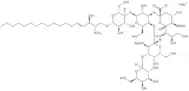
CAS:<p>GM1-Lysoganglioside (sodium salt) has the core tetrasaccharide structure (Galβ1,3GalNAcβ1,4Galβ1,4Glc) with sialic acid linked α2,3 to the inner galactose residue and sphingosine linked β to position 1 on the reducing terminal glucose residue (Ledeen, 2009). GM1 lysoganglioside has been shown that it is capable of binding amyloid-β proteins and can act as a seed for amyloid fibril formation, in early stages of Alzheimerâs disease (Chiricozzi, 2020).</p>Formula:C55H97N3O30·xNaPurity:Min. 95%Color and Shape:White PowderMolecular weight:1,280.36 g/molDecyl 4-O-b-D-lactopyranosyl-b-D-lactopyranoside
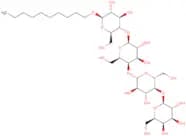
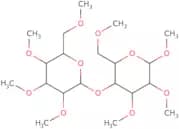
CAS:<p>Decyl 4-O-b-D-lactopyranosyl-b-D-lactopyranoside is a high purity, custom synthesis, glycosylated oligosaccharide. It has been modified with Click chemistry to incorporate a fluorine atom on the sugar ring. This complex carbohydrate has a CAS No. of 1858224-00-6 and is synthesized by methylation and fluorination reactions. Decyl 4-O-b-D-lactopyranosyl-b-D-lactopyranoside can be used in biomedical research as a model for glycans and glycolipids, as well as in industrial applications such as food production.</p>Formula:C34H62O21Purity:Min. 95%Molecular weight:806.84 g/mol3,6-Di-O-benzyl-D-glucal
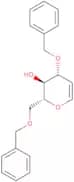
CAS:<p>3,6-Di-O-benzyl-D-glucal is a substrate for the enzyme fatty acid hydroxylase. This enzyme catalyzes the hydroxylation of fatty acids to produce hydroxy fatty acids and 3,6-di-O-benzyl-D-glucal. The stereoselective nature of this enzyme has been shown using microscopy to examine the reaction time in both monolayers and bilayers. The kinetics of this reaction have also been analyzed by kinetic analysis. It is thought that this reaction takes place in the cytosol, although it may also occur in mitochondria or chloroplasts.</p>Formula:C20H22O4Purity:Min. 95%Molecular weight:326.39 g/molDihydrozeatin-9-glucoside
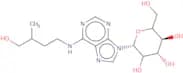
CAS:<p>Dihydrozeatin-9-glucoside is a conjugate of the natural product dihydrozeatin and glucose. The glucoside has been found to inhibit the growth of plants, which may be due to its ability to bind to polyclonal antibodies. Dihydrozeatin-9-glucoside is also an immunogen that has been shown to produce monoclonal antibodies in tissue culture. It has been used for immunoaffinity chromatography and as a biochemical marker for plant tissue cultures. Dihydrozeatin-9-glucoside binds to wheat leaf cells and inhibits their growth, making it a potential tool for the study of plant cell death.</p>Formula:C16H25N5O6Purity:Min. 95 Area-%Color and Shape:White PowderMolecular weight:383.4 g/mol1,3:1,4-b-Glucotetraose (A)
CAS:<p>1,3:1,4-B-glucotetraose (A) is a high purity and custom synthesis of Oligosaccharide. It is an oligosaccharide sugar derived from glucose. The chemical structure contains an alpha-(1,4)-linked 1,4-alpha-D-glucopyranosyl residue with a glycosylation at the 3 position. 1,3:1,4-B-glucotetraose (A) is synthesized by methylation of 1,3:1,4-B-glucotetraose (B), followed by fluorination and then click modification. This compound has CAS No. 58484-04-1 and can be used in applications such as Fluorination or Click Modification.</p>Formula:C24H42O21Purity:Min. 95%Molecular weight:666.58 g/molTri-O-acetyl-4,6-O-benzylidene-D-glucopyranose
CAS:<p>Tri-O-acetyl-4,6-O-benzylidene-D-glucopyranose is a synthetic oligosaccharide that is used as an intermediate in the preparation of triacetylated glycosaminoglycans. This compound is also useful for studying glycosylation reactions and for measuring sugar binding affinity. Tri-O-acetyl-4,6-O-benzylidene-D-glucopyranose has been custom synthesized by our chemists to meet your specific requirements.</p>Formula:C19H22O9Purity:Min. 95%Molecular weight:394.4 g/molMethyl 4-O-[4,6-O-benzylidene)-b-D-galactopyranosyl] b-D-glucopyranoside
CAS:<p>Methyl 4-O-[4,6-O-benzylidene)-b-D-galactopyranosyl] b-D-glucopyranoside is a synthetic sugar with a high purity and custom synthesis. It has been modified by fluorination, methylation, glycosylation, and click modification. This product can be used as a pharmaceutical ingredient for the treatment of tuberculosis.</p>Formula:C20H28O11Purity:Min. 95%Molecular weight:444.43 g/mol3,4,6-Tri-O-acetyl-2-deoxy-2-phthalimido-a-D-glucopyranosyl fluoride
CAS:<p>3,4,6-Tri-O-acetyl-2-deoxy-2-phthalimido-a-D-glucopyranosyl fluoride is a synthetic saccharide that has been modified with the Click chemistry. It is an acetylated derivative of 2,3,4,6-trihydroxybenzoic acid and was prepared by the fluorination of 3,4,6-trihydroxybenzoic acid followed by glycosylation with 4-(N-(1-(ethoxycarbonyl)ethyl)amino)-benzeneboronic acid. The product is a white to off white powder that is soluble in water and low solvents. The purity of this product is >98% as determined by HPLC analysis.</p>Formula:C20H20FNO9Purity:Min. 95%Molecular weight:437.37 g/molAllyl β-D-lactose
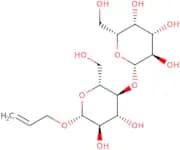
CAS:<p>Allyl β-D-lactose is a disaccharide with an aliphatic alkene functional handle. This can be used as a functionalised monomer in the synthesis of glycopolymers.</p>Formula:C15H26O11Purity:Min. 95%Color and Shape:PowderMolecular weight:382.36 g/mol2-C-Methyl-D-mannopyranose
CAS:<p>2-C-Methyl-D-mannopyranose is a low molecular weight sugar that is found in the cell walls of bacteria and some plants. It has been shown to have an immunostimulating effect when administered to mice with murine sarcoma. 2-C-Methyl-D-mannopyranose has also been shown to be cytotoxic against murine leukemia cells. This compound has a glycosidic structure and can be hydrolyzed by acid or alkali to form mannose. 2-C-Methyl-D-mannopyranose can be synthesized using ion exchange chromatography, which separates compounds according to their molecular weight. The molecular weights of this compound range from low to high, with a monomeric unit of 160 Da. The nmr spectra of this compound show peaks at 1.5 ppm corresponding to the C=O stretching vibration and at 7 ppm corresponding to the C=N stretching</p>Formula:C7H14O6Purity:Min. 95%Molecular weight:194.18 g/molα-D-Galactose
CAS:<p>α-D-Galactose is a monosaccharide that is found in the human serum. It is a potent inducer of liver lesions and mitochondrial membrane potential, which may be due to its ability to stimulate the synthesis of proinflammatory cytokines. α-D-Galactose also has anti-inflammatory properties, as well as structural analysis properties that can be used for diagnosis. α-D-Galactose has been used as a model system for studying oligosaccharides, which are carbohydrates with more than one sugar unit. α-D-Galactose binds to sephadex g-100 by hydrogen bonds and can be detected by laser ablation mass spectrometry.</p>Formula:C6H12O6Purity:Min. 95%Molecular weight:180.16 g/mol2,3,4-Tri-O-acetyl-b-D-ribopyranosyl azide
CAS:<p>2,3,4-Tri-O-acetyl-b-D-ribopyranosyl azide is a high purity chemical with custom synthesis. It has been shown to have a fluorination and glycosylation reaction. This chemical also has methylation and modification properties that may be useful for the synthesis of oligosaccharides and monosaccharides. 2,3,4-Tri-O-acetyl-b-D-ribopyranosyl azide may be used as an intermediate for saccharide or complex carbohydrate synthesis.</p>Formula:C11H15N3O7Purity:Min. 95%Molecular weight:301.26 g/mol1,2:5,6-Di-O-isopropylidene-3-O-methyl-a-D-glucofuranose
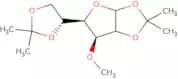
CAS:<p>1,2:5,6-Di-O-isopropylidene-3-O-methyl-a-D-glucofuranose is a glycosylation agent that belongs to the group of complex carbohydrates. It is a synthetic compound that can be modified with methyl groups, fluorine atoms, or click modification. 1,2:5,6-Di-O-isopropylidene-3-O-methyl-a-D-glucofuranose is used as a monosaccharide for the synthesis of oligosaccharides and polysaccharides. This compound has high purity and can be custom synthesized to meet customer specifications.</p>Formula:C13H22O6Purity:Min. 95%Molecular weight:274.31 g/molGM3-Ganglioside ammonium
CAS:<p>Ganglioside GM3 (ammonium salt) has a core disaccharide structure (Galβ1,4Glc) with sialic acid linked a2,3 to the galactose residue and ceramide linked β to position 1 on the reducing terminal glucose residue (Ledeen, 2009). Ganglioside GM3 is strongly associated with human tumors, such as, lung, brain and melanomas where it is over expressed. It is seen as a possible tumor-associated carbohydrate antigen for cancer immunotherapy (Changping, 2019). GM3 ganlioside is implicated in various other diseases involving chronic inflammation, such as, insulin resistance, leptin resistance, T-cell function and immune disorders (e.g. allergic asthma). GM3 ganglioside has also been shown to play an essential role in murine and human auditory systems, and a common pathological feature of GM3S deficiency is deafness (Inokuchi, 2018).</p>Formula:C59H111N3O21xNH4Purity:Min. 95%Molecular weight:1,198.52 g/molL-a-Phosphatidyl-(1,2-dipalmitoyl)-D-myo-inositol
CAS:<p>L-a-Phosphatidyl-(1,2-dipalmitoyl)-D-myo-inositol is a phospholipid that is a major component of the cell membrane. It is derived from myo-inositol and palmitic acid. L-a-Phosphatidyl-(1,2-dipalmitoyl)-D-myo-inositol has been shown to have anticoagulant properties. It binds to the thrombin receptor and inhibits the binding of thrombin to this receptor. This inhibitor does not affect the activity of other proteases such as trypsin or chymotrypsin. L-a-Phosphatidyl-(1,2-dipalmitoyl)-D-myo-inositol can also be used for industrial purposes as an emulsifier or polymer conjugate.</p>Formula:C41H79O13PPurity:Min. 95%Molecular weight:811.03 g/mol1,3,4,6-Tetra-O-acetyl-2-benzoylamino-2-deoxy-D-glucopyranoside
CAS:<p>1,3,4,6-Tetra-O-acetyl-2-benzoylamino-2-deoxy-D-glucopyranoside is a synthetic carbohydrate with a fluorinated sugar that has been custom synthesized for use in click chemistry. The fluorination at the 2 position of the sugar provides an additional site for modification and has been shown to increase stability. This product is available in high purity, and can be used for oligosaccharide synthesis.</p>Formula:C21H25NO10Purity:Min. 95%Molecular weight:451.42 g/molPhenyl 2,3,4-tri-O-acetyl-a-L-thiorhamnopyranoside
CAS:<p>Phenyl 2,3,4-tri-O-acetyl-a-L-thiorhamnopyranoside is a synthetic compound that is used as a protecting group for the synthesis of oligosaccharides. It is also used to synthesize saccharides in a complex carbohydrate modification. The compound can be fluorinated to form an active fluorinated compound. Phenyl 2,3,4-tri-O-acetyl-a-L-thiorhamnopyranoside has been shown to have high purity and low toxicity in animal studies.</p>Formula:C18H22O7SPurity:Min. 95%Molecular weight:382.43 g/molMethyl 4-O-methyl-D-glucopyranosyluronate
<p>Methyl 4-O-methyl-D-glucopyranosyluronate is a fungal metabolite that is produced by the reaction of armillaria with methyl 4-O-methyl-D-glucopyranoside. Methyl 4-O-methylglucuronyluronate has been shown to have an esterase activity, which can hydrolyze esters and linkages in the cell wall of fungi. This enzyme has been shown to have kinetic parameters that are different for different substrates. The catalytic site of this enzyme has also been found to be glutamic acid, which plays a role in the synthesis and degradation of proteins. Methyl 4-O-methylglucuronyluronate has been found to be insoluble in water and is not active against bacteria.</p>Formula:C8H14O7Purity:Min. 95%Molecular weight:222.2 g/molL-Idaric acid 1,4-lactone
CAS:<p>L-Idaric acid 1,4-lactone is a synthetic glycosylidic sugar that can be modified with fluorine compounds to create a variety of derivatives. It is used as a monomer in the synthesis of oligosaccharides, polysaccharides, and complex carbohydrates. L-Idaric acid 1,4-lactone can also be synthesized from methyl erythritol tetraacetate and glycerol in the presence of acetic anhydride.</p>Formula:C6H8O7Purity:Min. 98%Color and Shape:White PowderMolecular weight:192.12 g/mol2,3,4,6-Tetra-O-acetyl-b-D-galactopyranosyl-(N2-Fmoc)-L-Asparagine tert-butyl ester
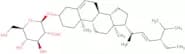
CAS:2,3,4,6-Tetra-O-acetyl-b-D-galactopyranosyl-(N2-Fmoc)-L-Asparagine tert-butyl ester is an oligosaccharide with a high purity. It has shown to be stable in the presence of acid and basic conditions. This product can be used in Click chemistry and glycosylation reactions. The molecular weight is 581.5 Da and the CAS number is 467465-72-1.Formula:C37H44N2O14Purity:Min. 95%Molecular weight:740.75 g/molStigmasterol glucoside
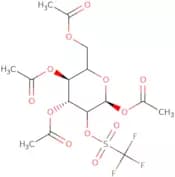
CAS:<p>Stigmasterol glucoside is a phenolic compound that has been isolated from the aerial parts of the plant Stachytarpheta jamaicensis. It has inhibitory properties against Gram-positive and Gram-negative bacteria, including methicillin-resistant Staphylococcus aureus. In addition, it has shown to have significant cytotoxicity against human colon cancer cells.<br>Stigmasterol glucoside is soluble in water and shows phase transition at about 60 °C. The chemical structure of stigmasterol glucoside contains a hydroxybenzoic acid group, which can form an ester with an organic acid such as acetic acid or benzoic acid. The hydroxyl group present in this compound can also react with an amine to form an amide bond. This reactivity may be responsible for its biological activities.</p>Formula:C35H58O6Purity:Min. 95%Molecular weight:574.83 g/mol1,3,4,6-Tetra-O-acetyl-2-O-trifluoromethanesulfonyl-b-D-talopyranose
<p>1,3,4,6-Tetra-O-acetyl-2-O-trifluoromethanesulfonyl-b-D-talopyranose (TATP) is a radiopharmaceutical that is used in positron emission tomography (PET) scans. TATP has been shown to be sensitive to changes in the body's metabolism and can be used to identify areas of inflammation or disease. TATP is a nucleophilic compound that can be hydrolyzed by basic conditions such as hydroxide ion or hydrogen peroxide. Hydrolysis of TATP yields galactose and trifluoromethanesulfonic acid. The yield of TATP from the reaction with hydroxide ion is low because it reacts quickly with water. This compound has been used as a contrast agent for imaging because it is readily taken up by cells and accumulates in areas of high metabolic activity such as tumors</p>Formula:C15H19F3O12SPurity:Min. 95%Molecular weight:480.37 g/mol2-Acetonyl-1,3,4,6-tetra-O-acetyl-2-deoxy-b-D-galactopyranoside
<p>2-Acetonyl-1,3,4,6-tetra-O-acetyl-2-deoxy-b-D-galactopyranoside is a synthetic sugar that has been modified to contain an acetyl group at the C2 position. The synthesis of this compound is based on the modification of galactose with acetic anhydride. This product has been shown to be resistant to hydrolysis by esterases or glucuronidases and can also inhibit bacterial growth in culture. It is a monosaccharide with a CAS number of 85583-40-7. It is also used as a precursor for the synthesis of complex carbohydrates.</p>Purity:Min. 95%Asialo-GM1-pentasaccharide-APD-HSA
<p>Asialo-GM1-pentasaccharide-APD-HSA is a complex carbohydrate that is custom synthesized. It has high purity and CAS No. This product is a monosaccharide, methylated, glycosylated, polysaccharide with sugar and fluorinated saccharides.</p>Purity:Min. 95%Methyl cellulose - USP testing specifications, viscosity: 1,500 cP
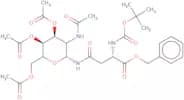
CAS:<p>Methyl cellulose is a synthetic polymer of cellulose. It is prepared by treating the natural polymer with a methylating agent, such as dimethyl sulfate. Methylation is carried out in the presence of an acid catalyst to produce mainly methyl ethers and methyl esters. The degree of substitution may be controlled by the amount of catalyst. Methyl cellulose is used as a thickener, emulsifier, or stabilizer in many food products, including ice cream and toothpaste.</p>Purity:Min. 95%2N-Boc-4N-(2-acetamido-2-deoxy-3,4,6-tri-O-acetyl-b-D-glucopyranosyl)-L-asparagine-O-benzyl ester
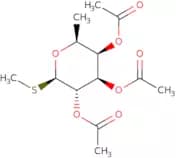
<p>Glycosylation is the process of adding glycosyl groups to a molecule. This process is essential for the synthesis of complex carbohydrates, which are essential in cell membranes and other biological structures. Methylation is the addition of one or more CH3 groups to a compound. Click chemistry is a type of chemical reaction that is used when an orthogonal protection strategy is required. Polysaccharides are long chains of sugar molecules linked together by glycosidic bonds. Fluorination is the introduction of fluorine into organic molecules to modify their properties. Saccharide refers to any sugar, especially monosaccharides and oligosaccharides. Modification refers to the altering of a molecule by adding or removing functional groups, such as methyl groups or glycosyl groups. Sugar refers to any carbohydrate that contains two hydroxyl (OH) groups on adjacent carbons and includes monosaccharides and oligosaccharides. Synthetic means artificially made by humans</p>Formula:C30H41N3O13Purity:Min. 95%Molecular weight:651.67 g/molMethyl 2,3,4-tri-O-acetyl-β-L-thiofucopyranoside
CAS:<p>Methyl 2,3,4-tri-O-acetyl-b-L-thiofucopyranoside is a ferrite that is important for the growth of cells. It can be used as a growth factor to promote the growth of cells. Covid®-19 pandemic A/Aureus strain is resistant to this drug and it has been shown to inhibit cellular transformation in human epidermal cells. The drug also reduces the size and number of cancerous lesions in mice by inhibiting tumor angiogenesis. Methyl 2,3,4-tri-O-acetyl-b-L-thiofucopyranoside can cause an overload of Ca2+ ions in the cell, which may lead to apoptosis or necrosis.</p>Formula:C13H20O7SPurity:Min. 95%Molecular weight:320.36 g/molMethyl (4'-O-hexanoyldaidzein-7-yl-b-D-2'',3'',4''-tri-O-acetylglucopyranosid)urinate
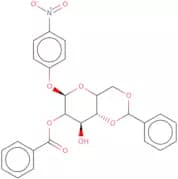
CAS:Methyl (4'-O-hexanoyldaidzein-7-yl-b-D-2'',3'',4''-tri-O-acetylglucopyranosid)urinate is a synthetic glycosylate that has a number of sugar moieties attached to its uronic acid group. It can be used for the preparation of oligosaccharides, sugar derivatives, and fluorinated saccharides. This product is available in high purity and can be custom synthesized.Formula:C34H36O14Purity:Min. 95%Molecular weight:668.64 g/mol4-Nitrophenyl 2-benzoyl-4,6-O-benzylidene-a-D-mannopyranoside
CAS:<p>4-Nitrophenyl 2-benzoyl-4,6-O-benzylidene-a-D-mannopyranoside is a glycosylated sugar that has been modified with methyl groups and fluorine atoms. It is a synthetic, monosaccharide oligosaccharide that can be custom synthesized to suit your needs. This product is CAS No. 94063-92-0 and it is available in high purity.</p>Formula:C26H23NO9Purity:Min. 95%Molecular weight:493.46 g/molMethyl 2,4,6-tri-O-methyl-a-D-glucopyranoside
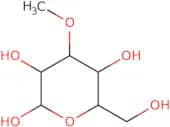
CAS:<p>Methyl 2,4,6-tri-O-methyl-a-D-glucopyranoside is a sugar that has been modified by the addition of a methyl group to the hydroxyl group at the C2 position. The chemical name for this sugar is methyl 2,4,6-tri-O-methyl-β--glucopyranoside. This modification of the sugar molecule can be achieved through either a Click or an Oligosaccharide synthesis approach.<br>Methyl 2,4,6-tri-O-methyl-a-D--glucopyranoside is used in various applications including as a synthetic intermediate for saccharides or as a carbohydrate building block for glycosylations. Methyl 2,4,6--tri--O--methyl--β--glucopyranoside is also used in fluorination reactions to produce fluoro sugars and can be used as a custom synthesis service with high purity</p>Purity:Min. 95%Phenyl 2,3,4,6-tetra-O-benzoyl-b-D-thiogalactopyranoside
CAS:Phenyl 2,3,4,6-tetra-O-benzoyl-b-D-thiogalactopyranoside is a sugar that can be custom synthesized. It has a high purity and can be fluorinated or glycosylated. This compound is used for the synthesis of oligosaccharides and saccharides. Phenyl 2,3,4,6-tetra-O-benzoyl-b-D-thiogalactopyranoside is used in the modification of complex carbohydrates.Purity:Min. 95%5-Deoxy-1,2-O-isopropylidene-5-[(2S-phenylpyrrolidine)-1-yl]-a-D-xylofuranose
CAS:<p>5-Deoxy-1,2-O-isopropylidene-5-[(2S-phenylpyrrolidine)-1-yl]-a-D-xylofuranose is a monosaccharide that was synthesized by the fluorination of D-xylose in the presence of a catalytic amount of boron trifluoride. The methylation of the hydroxyl group at C5 with dimethyl sulfate followed by a click modification to introduce a terminal alkyne moiety, which can be reacted with amines, alcohols, or thiols to produce glycosides. This compound is an oligosaccharide that is classified as a complex carbohydrate. It has been used as a substrate for glycosylation reactions and has shown potential for use in polysaccharide synthesis.</p>Formula:C18H25NO4Purity:Min. 95%Molecular weight:319.4 g/mol










![Methyl 4-O-[4,6-O-benzylidene)-b-D-galactopyranosyl] b-D-glucopyranoside](/_next/image/?url=https%3A%2Fstatic.cymitquimica.com%2Fproducts%2F3D%2Fthumb-webp%2FOM30780.webp&w=3840&q=75)








![5-Deoxy-1,2-O-isopropylidene-5-[(2S-phenylpyrrolidine)-1-yl]-a-D-xylofuranose](/_next/image/?url=https%3A%2Fstatic.cymitquimica.com%2Fproducts%2F3D%2Fthumb-webp%2FMD07491.webp&w=3840&q=75)