Glycoscience
Glycoscience is the study of carbohydrates and their derivatives, as well as the interactions and biological functions they participate in. This field of research is crucial for understanding a wide variety of biological processes, including cell recognition, signaling, immune response, and disease development. Glycoscience has important applications in biotechnology, medicine, and the development of new drugs and therapies. At CymitQuimica, we offer a wide selection of high-quality, high-purity products for glycoscience research. Our catalog includes monosaccharides, oligosaccharides, polysaccharides, glycoconjugates, and specific reagents, designed to support researchers in their studies on the structure, function, and applications of carbohydrates in biological systems. These resources are intended to facilitate scientific discoveries and practical applications in various areas of bioscience and medicine.
Subcategories of "Glycoscience"
- Aminosugars(108 products)
- Glyco-Related Antibodies(282 products)
- Glycolipids(46 products)
- Glycosaminoglycans (GAGs)(55 products)
- Glycosides(419 products)
- Monosaccharides(6,622 products)
- Oligosaccharides(3,682 products)
- Polysaccharides(503 products)
Found 11042 products of "Glycoscience"
Sort by
Purity (%)
0
100
|
0
|
50
|
90
|
95
|
100
2-Acetamido-4-O-(2-acetamido-2-deoxy-a-D-galactopyranosyl)-2-deoxy-D-galactopyranose
CAS:<p>2-Acetamido-4-O-(2-acetamido-2-deoxy-a-D-galactopyranosyl)-2-deoxy-D-galactopyranose is a complex carbohydrate that has been modified by fluorination, saccharide modification, and methylation. This product is synthetically produced and can be custom synthesized to meet your specifications. It has a high purity level of 99% with a monosaccharide content of 97%.</p>Formula:C16H28N2O11Purity:Min. 95%Molecular weight:424.4 g/molMethyl 3,6-di-O-benzyl-2-deoxy-2-phthalimido-b-D-glucopyranoside
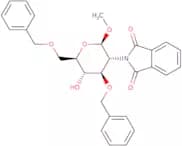
CAS:<p>Methyl 3,6-di-O-benzyl-2-deoxy-2-phthalimido-b-D-glucopyranoside is a custom synthesis product that is used to modify saccharides. This compound is an oligosaccharide and polysaccharide that can be fluorinated to form a complex carbohydrate. Methyl 3,6-di-O-benzyl-2-deoxy-2-phthalimido-b-D--glucopyranoside has been shown to react with monosaccharides and sugars in the presence of base to form a modified sugar.</p>Formula:C29H29NO7Purity:Min. 95%Molecular weight:503.54 g/mol2-Deoxy-a-L-ribofuranose
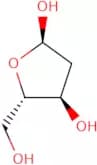
CAS:<p>2-Deoxy-a-L-ribofuranose is a monosaccharide that can be modified by either fluorination or methylation. It is an important building block in the synthesis of complex carbohydrates and saccharides, such as oligosaccharides and polysaccharides. 2-Deoxy-a-L-ribofuranose has been shown to have excellent purity, high quality, and custom synthesis for use in pharmaceuticals.<br>2-Deoxy-a-L-ribofuranose can be used in the production of nucleotides, which are essential for DNA replication and transcription. These nucleotides are also involved in protein synthesis, as they contain nitrogenous bases which provide the amino acids needed for proteins.</p>Formula:C5H10O4Purity:Min. 95%Molecular weight:134.13 g/molPomolic acid 28-O-b-D-glucopyranosyl ester
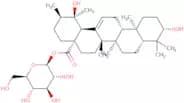
CAS:<p>Pomolic acid is a saponin isolated from the ethanol extract of Astragalus membranaceus. Pomolic acid has a nitrite reductase inhibitory effect and inhibits cell proliferation in certain cells, such as those found in the pancreas. The chemical structure of pomolic acid and its derivatives are similar to those of steroid glycosides and steroid alkaloids. It also has the ability to disrupt DNA replication and reduce insulin resistance. The use of pomolic acid in Chinese medicine formulas is reported to be effective for treating diabetes mellitus type 2, hyperlipidemia, and obesity.</p>Purity:Min. 95%Phenyl 3,6-diazido-2,4-di-O-benzyl-3,6-dideoxy-b-D-thioglucopyranoside
CAS:<p>Phenyl 3,6-diazido-2,4-di-O-benzyl-3,6-dideoxy-b-D-thioglucopyranoside is a custom synthesis. It is a fluorinated sugar that is modified by methylation and monosaccharides. Phenyl 3,6-diazido-2,4-di-O-benzyl-3,6-dideoxy -bD thioglucopyranoside is an oligosaccharide that can be used as a carbohydrate or polysaccharide. It has an CAS number of 68874461 8.</p>Formula:C26H32N6O3SPurity:Min. 95%Molecular weight:508.64 g/mol2-Acetamido-6-azido-2,6-dideoxy-D-galactopyranose
CAS:<p>2-Acetamido-6-azido-2,6-dideoxy-D-galactopyranose is a synthetic, unnatural monosaccharide bearing an azido biorthogonal reaction group. This compound can enter the cell and is processed by biosynthetic enzymes, in a manner similar to the natural O-linked N-acetyl-β-D-glucosamine. The glycans produced bear the azido functional group which can be chemically tagged with fluorescent dyes or biotin for visualisation or affinity.</p>Formula:C8H14N4O5Purity:Min. 95%Molecular weight:246.22 g/mol1,3,5-Tri-O-acetyl-2-deoxy-2-fluoro-a-D-arabinofuranose
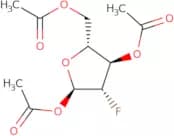
CAS:<p>1,3,5-Tri-O-acetyl-2-deoxy-2-fluoro-a-D-arabinofuranose is a sugar that is modified with fluorine. It has been synthesized using the "click" reaction methodology and is available for custom synthesis. This synthetic sugar can be used in glycosylation reactions or as a monosaccharide or polysaccharide in complex carbohydrate click chemistry. This product is of high purity and can be modified with methyl groups or other functional groups to suit your needs.</p>Formula:C11H15FO7Purity:Min. 95%Molecular weight:278.23 g/molβ-L-Fucopyranosyl phosphate
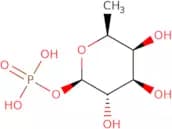
CAS:<p>b-L-Fucopyranosyl phosphate is a glycosylphosphate that is expressed on the cell surface of many organisms and is an analog of the natural sugar. It has been shown to be a competitive inhibitor, uncompetitive inhibitor, or stereoselective of glycoconjugates. b-L-Fucopyranosyl phosphate binds to the lectin receptor by binding at the monosaccharide in the terminal position, which prevents the attachment of glycoconjugates to this receptor. This binding decreases cellular adhesion and causes cells to become less adherent to other cells or surfaces. The ph optimum for b-L-fucopyranosyl phosphate is 7.5 and it can be used in vitro as a preparative hplc column eluent for lectins.</p>Formula:C6H13O8PPurity:Min. 95%Color and Shape:PowderMolecular weight:244.14 g/molGlycyl-lacto-N-neotetraose
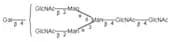
<p>Glycyl-lacto-N-neotetraose is a complex carbohydrate that is custom synthesized and has high purity. It is an Oligosaccharide, Carbohydrate, and Polysaccharide that can be modified with methylation and glycosylation. This product can be used in the synthesis of other monosaccharides or saccharides to form complex carbohydrates. Glycyl-lacto-N-neotetraose is also fluorinated on one of its hydroxyl groups to produce an active water soluble compound for use in research.</p>Formula:C28H49N3O21Purity:Min. 95%Molecular weight:763.7 g/mol1,2,3-Tri-O-benzoyl-4,6-O-(4-methoxybenzylidene)-a-D-mannopyranose
<p>1,2,3-Tri-O-benzoyl-4,6-O-(4-methoxybenzylidene)-a-D-mannopyranose is a carbonyl compound that is an intermediate in the synthesis of saccharides. The chemical modification of this compound can be used to synthesize complex carbohydrates. This compound has been fluorinated and methylated to produce a variety of derivatives with different properties. It also has been glycosylated and click modified for use in research and development.</p>Formula:C35H30O10Purity:Min. 95%Molecular weight:610.61 g/molMethyl 2,3,6-tri-O-benzoyl-4-O-trifluoromethanesulfonyl-a-D-galactopyranoside
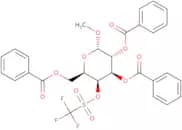
CAS:<p>Methyl 2,3,6-tri-O-benzoyl-4-O-trifluoromethanesulfonyl-a-D-galactopyranoside is a glycosylation product that is synthesized by the reaction of methyl 4,6-dichlorohexanoate and D-galactose. The compound has been modified with a trifluoromethanesulfonyl group at the 6 position on the benzene ring. This modification allows for an increased stability in acidic conditions.</p>Formula:C29H25F3O11SPurity:Min. 95%Molecular weight:638.56 g/mol2-Keto-D-galactonic acid
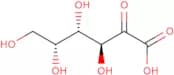
CAS:<p>2-Keto-D-galactonic acid is a chemical compound that is used as an intermediate in the synthesis of antibiotics. It has been found to inhibit the growth of bacteria, such as Erwinia carotovora and Escherichia coli. The 2-keto-d-galactonic acid can be crystallized in two forms: an amorphous form or a crystalline form.</p>Purity:Min. 95%Norethindrone b-D-glucuronide
CAS:<p>Norethindrone b-D-glucuronide is a synthetic steroid that has been modified to include a sugar group. This modification increases the solubility of the compound, which is necessary for its use as a progestogen in oral contraceptives. Norethindrone b-D-glucuronide is an orally active contraceptive that contains two sugar molecules that are attached to the hormone norethindrone. One sugar molecule is linked to the C2 carbon and the other is linked to the C3 carbon of norethindrone, forming a glucuronide ester. The glucuronide esters are more soluble than unconjugated norethindrone and this increased solubility allows for better absorption through mucous membranes.</p>Formula:C26H34O8Purity:Min. 95%Molecular weight:474.54 g/mol2-Acetamido-3,4-di-O-acetyl-6-O-[a-2-(4,7,8,9-tetra-O-acetyl-N-acetyl-D-neuraminic acid methyl ester)]-2-deoxy-a-D-galactopyranosyl Fmocthreonine
<p>This is a custom synthesis for a polysaccharide. The CAS number is not available. It is a complex carbohydrate that contains an oligosaccharide. This polysaccharide has been modified with methylation and glycosylation, as well as click modification. It can be fluorinated to increase the purity. It is a sugar with high purity.</p>Formula:C51H63N3O24Purity:Min. 95%Molecular weight:1,102.05 g/molMethyl 2,3-O-isopropylidene-5-O-benzyl-b-D-ribofuranoside
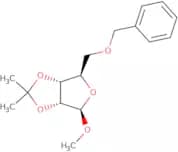
CAS:<p>Methyl 2,3-O-isopropylidene-5-O-benzyl-b-D-ribofuranoside is a modified sugar that is synthesized by the methylation of 5-O-benzyl bromoformate with Methyl 2,3,4,5,-tetraacetoxybromobenzene. This compound is also known as Methyl 2,3,4,5,-tetraacetoxybromobenzene. It has CAS No. 33019-63-5 and molecular weight of 290.</p>Formula:C16H22O5Purity:Min. 95%Molecular weight:294.34 g/molMethyl 2,3,4,6-tetra-O-acetyl-b-D-mannopyranoside
CAS:<p>Methyl 2,3,4,6-tetra-O-acetyl-b-D-mannopyranoside is a high purity methylated glycosylated oligosaccharide. This product has been custom synthesized on demand using state of the art technology and is available in a variety of purities and modifications.<br> Methyl 2,3,4,6-tetra-O-acetyl-b-D-mannopyranoside is used as a fluorescent probe for carbohydrate binding proteins. It has also been used in the synthesis of glycoproteins.</p>Formula:C15H22O10Purity:Min. 95%Molecular weight:362.33 g/molA2G1 N-Glycan
<p>A2G1 N-glycan is a high purity, methylated, custom modified oligosaccharide with a fluorinated terminal monosaccharide. It is an oligosaccharide composed of a mixture of saccharides and is synthesized using Click chemistry to introduce the fluorination at the C-3 position. A2G1 N-glycan has been shown to be useful in various applications, such as Methylation, Custom synthesis, Click modification, CAS No., Oligosaccharide, Polysaccharide, saccharide, Carbohydrate, Fluorination, complex carbohydrate.</p>Purity:Min. 95%Color and Shape:PowderMolecular weight:1,625 g/mol1,6-Anhydro-2,3-O-isopropylidene-4-O-(2,3,4,6-tetra-O-acetyl-a-D-mannopyranosyl)-b-D-mannopyranose
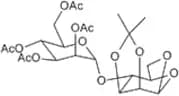
CAS:<p>1,6-Anhydro-2,3-O-isopropylidene-4-O-(2,3,4,6-tetra-O-acetyl-a-D-mannopyranosyl)-b-D-mannopyranose is a methylated saccharide that has been modified with a click reaction. This product is available for custom synthesis and modification. It is an oligosaccharide with high purity and can be synthesized or modified to be glycosylated or fluorinated. The CAS number for this product is 67591 05 3.</p>Formula:C23H32O14Purity:Min. 95%Molecular weight:532.5 g/mol1,2,3,4,5,6-Hexa-O-acetyl-myo-inositol
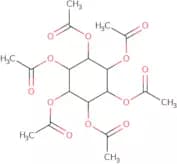
CAS:<p>Myo-inositol is a naturally occurring organic compound that belongs to the group of sugars and polyols. It has been isolated from plants, where it is found in the form of its solubilized acetate ester. Myo-inositol is important as a component of cell membranes, as well as being an essential part of intracellular signaling pathways. This compound has also been shown to have an inhibitory effect on cervical cancer cells and can be used in the treatment of this condition. Myo-inositol binds iron and has been shown to have anti-inflammatory properties.</p>Formula:C18H24O12Purity:Min. 95%Molecular weight:432.16 g/mol1,3,4,6-Tetra-O-acetyl-2-deoxy-D-glucopyranose
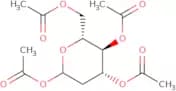
CAS:<p>1,3,4,6-Tetra-O-acetyl-2-deoxy-D-glucopyranose is a custom synthesis that has been modified with fluorination and methylation. The product is a monosaccharide that is synthetic and click modification. It is an oligosaccharide or complex carbohydrate that contains saccharide units. 1,3,4,6-Tetra-O-acetyl-2-deoxy-D-glucopyranose is a sugar that has the CAS number 6951591. It can be used in glycosylation reactions to produce polysaccharides.</p>Formula:C14H20O9Purity:Min. 95%Color and Shape:White To Off-White SolidMolecular weight:332.3 g/mol6-O-Benzyl-D-mannose
6-O-Benzyl-D-mannose is a methylated monosaccharide. It is an important intermediate in the synthesis of oligosaccharides and polysaccharides. 6-O-Benzyl-D-mannose can be used for modification of saccharides, carbohydrates and sugars. This product has high purity and a custom synthesis.Formula:C13H18O6Purity:Min. 95%Molecular weight:270.28 g/molMogroside IVe
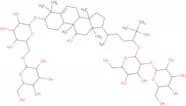
CAS:<p>Mogroside IVe is a natural compound that belongs to the group of polyphenols. It is a derivative of mogrosides, which are found in the fruit of the plant Glycosmis pentaphylla. Mogroside IVe has been shown to have minimal toxicity and can be used in tissue culture as a growth factor-β1 inducer. The drug also has hypoglycemic effects and may be useful for treating diabetes mellitus type 2. Mogroside IVe activates AMP-activated protein kinase (AMPK) by inhibiting toll-like receptor 4 (TLR4), which prevents tumor necrosis factor-α (TNF-α) production, leading to apoptosis. This drug also inhibits polymerase chain reaction (PCR) and fatty acid synthase activity, which may lead to potential anticancer effects against cervical cancer cells.</p>Purity:Min. 95%Color and Shape:SolidMethyl 1-O-benzyl-2,3-O-isopropylidene-a-D-manno-hept-5-enofuranoside
<p>Methyl 1-O-benzyl-2,3-O-isopropylidene-a-D-manno-hept-5-enofuranoside is a custom synthesis of a glycoconjugate consisting of a methylated monosaccharide. This compound is modified with fluorination and methylation. It has been shown to inhibit the growth of methicillin resistant Staphylococcus aureus (MRSA) and Clostridium perfringens. The structure of this compound has not been determined yet.</p>Formula:C19H24O6Purity:Min. 95%Molecular weight:348.39 g/mol2-[(Azidoacetyl)amino]-2-deoxy-D-galactose
CAS:<p>Azide funcationalised galactosamine. Can be used in click chemistry.</p>Purity:Min. 95%Molecular weight:262.22 g/mol4'-Hydroxytrazodone b-D-glucuronide
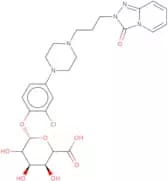
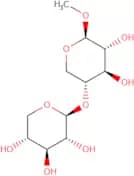
CAS:<p>4'-Hydroxytrazodone b-D-glucuronide is a modification of the drug 4'-hydroxytrazodone, which is used to treat hypertension and depression. The modification prevents the degradation of 4'-hydroxytrazodone by glucuronyl transferase enzymes in the liver, prolonging its half-life. It is synthesized from the glycogen or starch of plants such as corn, wheat, or potatoes. This compound can also be found in natural sources such as honey and fruit juices.</p>Formula:C25H30ClN5O8Purity:Min. 95%Molecular weight:564 g/molMethyl b1-4-D-xylobioside
CAS:<p>Methyl b1-4-D-xylobioside is a bioreactor that binds to the carbohydrate binding domain of the enzyme. It has been shown to be reactive with galactose and other glycosides, and is used as a substrate for electrophotographic analysis. This product also has immobilized properties, which make it suitable for use in an acceptor column in order to purify oligosaccharides or gene products with similar sequences. Methyl b1-4-D-xylobioside is used as a selective inhibitor of tuberculosis by binding to the enzyme mycobactin synthase, which is involved in the biosynthesis of mycolic acids.</p>Formula:C11H20O9Purity:Min. 95%Molecular weight:296.27 g/molLactosyl-b-1,1'-N-octanoyl-L-threo-sphingosine
CAS:Lactosyl-b-1,1'-N-octanoyl-L-threo-sphingosine is a glycosylation agent that is used in the synthesis of complex carbohydrates. This compound has been shown to be stable in aqueous solutions and can be used for the modification of saccharides, oligosaccharides, and polysaccharides. Lactosyl-b-1,1'-N-octanoyl-L-threo-sphingosine is also useful for the fluorination of sugars. The CAS number for this compound is 939036-94-9.Formula:C38H71NO13Purity:Min. 95%Molecular weight:749.97 g/molMethyl b-D-glucopyranoside hemihydrate
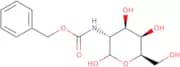
CAS:<p>Methyl b-D-glucopyranoside hemihydrate is a white crystalline solid that is soluble in water. It is a synthetic product, which can be custom synthesized and modified to suit the needs of customers. Methyl b-D-glucopyranoside hemihydrate is used for the synthesis of glycosidic substances and as a raw material for saccharide derivatives. This compound has been shown to have high purity, and is often used in the production of oligosaccharides and monosaccharides.</p>Formula:C7H14O6H2OPurity:Min. 95%Color and Shape:White to off-white solid.Molecular weight:203.19 g/mol2-(Benzyloxycarbonylamino)-2-deoxy-D-galactose
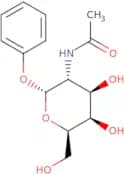
CAS:<p>2-(Benzyloxycarbonylamino)-2-deoxy-D-galactose is a synthetic, fluorinated carbohydrate. It is a monosaccharide with the chemical formula C6H11NO5 and is soluble in water. The glycosylation of 2-(benzyloxycarbonylamino)-2-deoxy-D-galactose has been shown to be more stable than that of other sugars, such as glucose or maltose. This modification can be accomplished by a click reaction. 2-(Benzyloxycarbonylamino)-2-deoxy-D-galactose can be used to modify proteins, such as antibodies and enzymes, by glycosylating amino acid residues on the protein surface.</p>Formula:C14H19NO7Purity:Min. 95%Molecular weight:313.3 g/molPhenyl 2-acetamido-2-deoxy-a-D-galactopyranoside
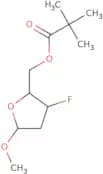
CAS:<p>Phenyl 2-acetamido-2-deoxy-a-D-galactopyranoside is a high purity, custom synthesis, and synthetic carbohydrate. It is a modification of the natural sugar D-galactose by the addition of two acetamido groups at the C2 and C3 positions. Phenyl 2-acetamido-2-deoxy-a-D-galactopyranoside has been fluorinated to allow for chemoselective binding to DNA. This product is methylated at the C1 position, glycosylated at the C6 position, and click modified at the C5 position.</p>Formula:C14H19NO6Purity:Min. 95%Molecular weight:297.3 g/molMethyl 2,3-dideoxy-3-fluoro-5-O-pivaloyl-a-D-ribofuranoside
CAS:<p>Methyl 2,3-dideoxy-3-fluoro-5-O-pivaloyl-a-D-ribofuranoside is a custom synthesis of the monosaccharide methyl 2,3-dideoxy-3-fluoro-5-(O-(2,2,2,-trifluoroethoxy)carbonyl)a-D-ribofuranoside. It has been modified by the addition of a pivaloyl group in order to enhance its stability and inhibit enzymatic degradation. This product is available for purchase as a custom synthesis with high purity and modification for use in oligosaccharides and polysaccharides.</p>Purity:Min. 95%3,4,6-Tri-O-acetyl-2-azido-2-deoxy-D-galactose - non-animal origin
CAS:<p>3,4,6-Tri-O-acetyl-2-azido-2-deoxy-D-galactose (TADA) is a non-animal origin sugar that can be custom synthesized to meet your needs. TADA is modified with fluorination, glycosylation, and methylation to increase its stability and improve its properties. It also has an acetate group at the 3 position of the glucose molecule for easy conjugation with proteins. TADA is used in glycosylations to produce oligosaccharides and monosaccharides.</p>Formula:C12H17N3O8Purity:Min. 98 Area-%Molecular weight:331.28 g/molTrichloroethyl 2,3,4-tri-O-acetyl-b-D-glucopyranosiduronic acid methyl ester
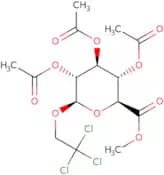
CAS:<p>Trichloroethyl 2,3,4-tri-O-acetyl-b-D-glucopyranosiduronic acid methyl ester is a synthetic carbohydrate that can be used for glycosylation reactions. Trichloroethyl 2,3,4-tri-O-acetyl-b-D-glucopyranosiduronic acid methyl ester is an intermediate in the synthesis of oligosaccharides and complex carbohydrates. It can be used to modify the sugar component of glycoproteins and glycopeptides.</p>Formula:C15H19Cl3O10Purity:Min. 95%Molecular weight:465.66 g/molHuman urine oligosaccharides
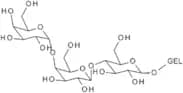
<p>This mixture contains some of the neutral and sialylated oligosaccharides found in human urine.</p>Purity:Min. 95%Globotriose-GEL
<p>Immobilised on Fractogel with glycosylamine formation of the monosaccharide</p>Purity:Min. 95%Color and Shape:White LiquidMonosialyl, difucosyllacto-N-neohexaose
<p>Monosialyl, difucosyllacto-N-neohexaose is a high purity, custom synthesis sugar that can be modified with fluorination and glycosylation. It has CAS No. and has the following properties: oligosaccharide, monosaccharide, saccharide, complex carbohydrate. Monosialyl, difucosyllacto-N-neohexaose is a synthetic carbohydrate that is used in click modification and methylation. This product can also be used for glycosylation and modification.</p>Formula:C63H105N3O47Purity:Min. 95%Molecular weight:1,656.5 g/molDulcitol
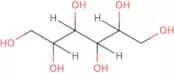
CAS:<p>Dulcitol is a sugar alcohol that is used in the food industry and as an alternative to sucrose. Dulcitol can be found in wastewater treatment and has been shown to be an inhibitor of wild-type strains of Escherichia coli and Bacteroides fragilis. It also inhibits the growth of Gram-positive bacteria, such as Staphylococcus aureus, by inhibiting their ability to synthesize DNA. Dulcitol is metabolized through a number of metabolic transformations, including hydrolysis by esterases or glucuronidases, oxidation by cytochrome P450 enzymes, reduction by glutathione reductase, or conjugation with glucuronic acid. Dulcitol can also inhibit the activity of certain enzymes such as protein kinase C (PKC).</p>Formula:C6H14O6Purity:Min. 99.0 Area-%Molecular weight:182.17 g/molRef: 3D-D-9500
1kgTo inquire5kgTo inquire10kgTo inquire25kgTo inquire2500gTo inquire-Unit-kgkgTo inquire4-Amino-2,6-anhydro-3,4-dideoxy-D-glycero-D-galacto-non-2-enoic acid
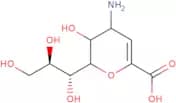
CAS:<p>4-Amino-2,6-anhydro-3,4-dideoxy-D-glycero-D-galacto-non-2-enoic acid is a modified oligosaccharide that is used in biochemical and medicinal research. This product can be custom synthesized to order and may be available as an off the shelf product. It has high purity and is available with a monosaccharide or methylated glycosylated saccharide. The CAS number for this product is 263155-12-0.</p>Formula:C9H15NO7Purity:Min. 95%Molecular weight:249.22 g/molAllyl 2,3-di-O-benzyl-a-D-glucopyranoside
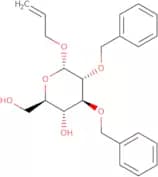
CAS:<p>Allyl 2,3-di-O-benzyl-a-D-glucopyranoside is a plant growth regulator that stimulates callus formation. It belongs to the group of auxins and has been shown to promote callus growth in Arabidopsis thaliana cultivars, such as glaberrima and kinetin. This compound has also been shown to stimulate the formation of calli from coconut explants.</p>Formula:C23H28O6Purity:Min. 95%Molecular weight:400.46 g/mol1,4:3,6-Dianhydro-2,5-di-O-methyl-L-mannitol
<p>1,4:3,6-Dianhydro-2,5-di-O-methyl-L-mannitol is a carbohydrate that belongs to the group of polysaccharides. It is a methylated saccharide that can be modified with Click chemistry or glycosylsation. This product has high purity and can be custom synthesized for specific applications. It is also available in fluorinated form and as a complex carbohydrate.</p>Formula:C8H14O4Purity:Min. 95%Molecular weight:174.19 g/molMaltosyl-ascorbic acid
<p>Maltosyl-ascorbic acid is a glycosylated form of ascorbic acid that has been shown to have synergistic effects with thiobarbituric acid and ethanal. Maltosyl-ascorbic acid also exhibits antioxidative activity and is able to inhibit the formation of thiobarbituric acid-reactive substances and α-tocopherol in lipids. Maltosyl-ascorbic acid has been shown to have antioxidant effects in stearothermophilus, which may be due to its ability to reduce lipid peroxidation. Maltosyl-ascorbic acid is also able to inhibit the transfer of alpha-tocopherol from lipoproteins into cells, which may be due to its antioxidative effect.</p>Purity:Min. 95%3-[(2,3,4,6-Tetra-O-acetyl-b-D-galactopyranosyl)thio]-propanoic acid
CAS:<p>3-[(2,3,4,6-Tetra-O-acetyl-b-D-galactopyranosyl)thio]-propanoic acid is a modified carbohydrate with the chemical formula (C14H12O4S). It is an oligosaccharide composed of a saccharide and a sugar. The saccharide portion of 3-[(2,3,4,6-Tetra-O-acetyl-b-D-galactopyranosyl)thio]-propanoic acid is classified as a carbohydrate and has CAS number 79360-05-7. The sugar portion of 3-[(2,3,4,6-Tetra-O-acetyl-b-D</p>Formula:C17H24O11SPurity:Min. 95%Molecular weight:436.43 g/molMonofucosyl, monosialyllacto-N-neohexaose-APD-HSA
<p>Monofucosyl, monosialyllacto-N-neohexaose-APD-HSA is a complex carbohydrate that is synthesized through the enzymatic polymerization of glucose. This synthetic oligosaccharide is composed of a single monosaccharide, fucose, and two sialic acid residues. Monofucosyl, monosialyllacto-N-neohexaose-APD-HSA can be used in the synthesis of various glycoconjugates such as glycoproteins, glycolipids, or proteoglycans. The chemical modification of this sugar molecule can also be performed to produce a variety of products with different properties.</p>Purity:Min. 95%Disialylated pentaose type I
<p>Disialylated pentaose type I (DSI-1) is a disaccharide sugar that is synthesized in high purity by custom synthesis. It is a complex carbohydrate that consists of five monosaccharides: glucose, galactose, mannose, fucose and N-acetylneuraminic acid. DSI-1 has been shown to have glycosylation and methylation activity. This product has been modified with fluorination and saccharide modification, as well as Click chemistry. Disialylated pentaose type I is used in the pharmaceutical industry as an intermediate for the production of glycoconjugates and in the food industry to produce artificial sweeteners.</p>Formula:C42H67N3O32Na2Purity:Min. 95%Molecular weight:1,171.96 g/mol4-Methylphenyl 3,4,6-tri-O-acetyl-2-O-benzyl-b-D-thiogalactopyranoside
CAS:<p>4-Methylphenyl 3,4,6-tri-O-acetyl-2-O-benzyl-b-D-thiogalactopyranoside is a synthetically produced saccharide typically used as a building block in oligo-saccharide synthesis.</p>Formula:C26H30O8SPurity:Min. 95%Molecular weight:502.58 g/mol1-O-tert-Butyldiphenysilyl-2-azido-4,6-O-benzylidene-2-deoxy-b-D-galactopyranoside
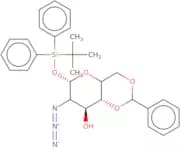
CAS:<p>1-O-tert-Butyldiphenysilyl-2-azido-4,6-O-benzylidene-2-deoxy-b-D-galactopyranoside is a custom synthesis of an oligosaccharide. It is a modification of the original compound by fluorination, methylation and glycosylation. The molecular weight of 1BPSA is 522.08 g/mol and its CAS number is 132183-16-5. This product is soluble in water and can be used for the synthesis of complex carbohydrates.</p>Formula:C29H33N3O5SiPurity:Min. 95%Molecular weight:531.68 g/molN-b-D-Glucopyranosyl-L-Asn
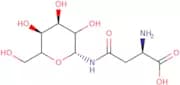
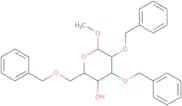
CAS:<p>N-b-D-Glucopyranosyl-L-Asn is a complex carbohydrate that is modified by glycosylation and methylation. It is an Oligosaccharide, Polysaccharide, Modification, saccharide that can be synthesized from D-Glucose or D-Mannose. N-b-D-Glucopyranosyl-L-Asn has high purity and can be fluorinated for modification. This product can be used as a sugar and is also used in Click chemistry for modification.</p>Formula:C10H18N2O8Purity:Min. 95%Molecular weight:294.26 g/molMethyl 2,3,6-tri-O-benzyl-b-D-glucopyranoside
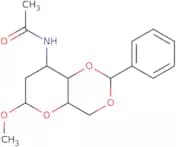
CAS:<p>Methyl 2,3,6-tri-O-benzyl-b-D-glucopyranoside is a glycoconjugate that is a synthetically modified glycosylated sugar. It is used to modify proteins by covalently attaching the sugar to an amino acid residue. Methyl 2,3,6-tri-O-benzyl-b-D-glucopyranoside has been shown to be useful for click chemistry reactions and can be used in the synthesis of polysaccharides and oligosaccharides. This compound can also be used as a substitute for glucose in the synthesis of saccharides or sugars. Methyl 2,3,6-tri-O-benzyl-b-D-glucopyranoside is insoluble in water and has a CAS number of 19488494.</p>Formula:C28H32O6Purity:Min. 95%Molecular weight:464.55 g/molMethyl 3-acetamido-4,6-O-benzylidene-2,3-dideoxy-a-D-ribo-hexopyranoside
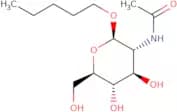
CAS:<p>Methyl 3-acetamido-4,6-O-benzylidene-2,3-dideoxy-a-D-ribohexopyranoside is an organic compound. It is a fluorescent glycosylation reagent used in the synthesis of oligosaccharides and polysaccharides. The modification of this product can be customized to suit your needs. This product is available in high purity and with a CAS No. 23819-31-0.</p>Formula:C16H21NO5Purity:Min. 95%Molecular weight:307.35 g/molAmyl 2-acetamido-2-deoxy-b-D-glucopyranoside
CAS:<p>Amyl 2-acetamido-2-deoxy-b-D-glucopyranoside is a chemical compound that is used as an additive for industrial purposes. It is soluble in n-butanol, ethylene glycol, ferrocene, and methanol. The molecular weight of this chemical compound is 542.07 g/mol.</p>Formula:C13H25NO6Purity:Min. 95%Molecular weight:291.34 g/mol








![2-[(Azidoacetyl)amino]-2-deoxy-D-galactose](/_next/image/?url=https%3A%2Fstatic.cymitquimica.com%2Fproducts%2F3D%2Fthumb-webp%2FMA32519.webp&w=3840&q=75)



![3-[(2,3,4,6-Tetra-O-acetyl-b-D-galactopyranosyl)thio]-propanoic acid](/_next/image/?url=https%3A%2Fstatic.cymitquimica.com%2Fproducts%2F3D%2Fthumb-webp%2FMT04253.webp&w=3840&q=75)