Glycoscience
Glycoscience is the study of carbohydrates and their derivatives, as well as the interactions and biological functions they participate in. This field of research is crucial for understanding a wide variety of biological processes, including cell recognition, signaling, immune response, and disease development. Glycoscience has important applications in biotechnology, medicine, and the development of new drugs and therapies. At CymitQuimica, we offer a wide selection of high-quality, high-purity products for glycoscience research. Our catalog includes monosaccharides, oligosaccharides, polysaccharides, glycoconjugates, and specific reagents, designed to support researchers in their studies on the structure, function, and applications of carbohydrates in biological systems. These resources are intended to facilitate scientific discoveries and practical applications in various areas of bioscience and medicine.
Subcategories of "Glycoscience"
- Aminosugars(108 products)
- Glyco-Related Antibodies(282 products)
- Glycolipids(46 products)
- Glycosaminoglycans (GAGs)(55 products)
- Glycosides(419 products)
- Monosaccharides(6,622 products)
- Oligosaccharides(3,682 products)
- Polysaccharides(503 products)
Found 11041 products of "Glycoscience"
Sort by
Purity (%)
0
100
|
0
|
50
|
90
|
95
|
100
1,2:3,4-Di-O-isopropylidene-α-D-fucopyranose
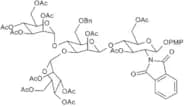
CAS:<p>1,2:3,4-Di-O-isopropylidene-a-D-fucopyranose is a tailored drug that was developed to have the same chemical structure as endogenous natural fucopyranosides. It has been shown to be a potent inhibitor of bacterial growth in vitro. The drug has been shown to have anti-inflammatory effects in vivo and may be useful for the treatment of autoimmune diseases. 1,2:3,4-Di-O-isopropylidene-a-D-fucopyranose has been observed to inhibit the production of inflammatory cytokines such as IL1β and TNFα by macrophages at concentrations of 10 μM or less. It has also been shown to inhibit NFκB activation by inhibiting IκB kinase activity.</p>Formula:C12H20O5Purity:Min. 95%Color and Shape:Clear colourless to yellow oil.Molecular weight:244.28 g/mol4-Methoxyphenyl 4-O-[2-O-acetyl-3,4-di-O-(2,3,4,6-tetra-O-acetyl-α-D-mannopyranosyl)-6-O-benzyl-β-D-mannopyrannosyl]-3,6-di-O-acetyl -2-deoxy-2-phthalimido-β-D-glucopyranoside
<p>This compound is a glycosylation product of 4-methoxyphenol, 4-O-[2-O-acetyl-3,4-di-O-(2,3,4,6-tetra-O-acetyl-aD-mannopyranosyl)-6-O-benzyl -bD -mannopyrannoside]-, 3,6 -di -O -acetyl-. It has been custom synthesized for your order. This product is offered at high purity and with low background fluorescence.</p>Formula:C68H79NO34Purity:Min. 95%Molecular weight:1,454.34 g/mol2-O-β-D-Galactopyranosyl-D-galactose
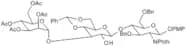
CAS:<p>Please enquire for more information about 2-O-β-D-Galactopyranosyl-D-galactose including the price, delivery time and more detailed product information at the technical inquiry form on this page</p>Formula:C12H22O11Purity:Min. 95%Molecular weight:342.30 g/mol4-Methoxyphenyl 4-O-[4,6-O-benzylidene-3-O-(2,3,4,6-tetra-O-acetyl-α-D-mannopyranosyl)-β-D-glucopyranosyl]-3,6-di-O-benzyl-2-deoxy-2 -phthalimido-β-D-glucopyranoside
<p>4-Methoxyphenyl 4-O-[4,6-O-benzylidene-3-O-(2,3,4,6-tetra-O-acetyl-a-D-mannopyranosyl)-b-D-glucopyranosyl]-3,6 -di-O-benzyl 2 deoxy 2 phthalimido b D glucopyranoside is a synthetic compound with the molecular formula C76H107N19O38. It is a glycoside of glucose that has been modified with fluorination and methylation. The product is soluble in ethanol and methanol. It has been shown to inhibit the growth of bacteria.</p>Formula:C62H65NO22Purity:Min. 95%Molecular weight:1,176.17 g/molAllyl β-D-galactopyranoside
CAS:<p>Allyl β-D-galactopyranoside is a complex carbohydrate that is modified by methylation, glycosylation, and fluorination. It can be synthesized using the Carbohydrate-Click reaction. Allyl β-D-galactopyranoside is used as a substrate for the synthesis of oligosaccharides, polysaccharides, and other carbohydrates. This product has high purity and is available in custom synthesis.</p>Formula:C9H16O6Purity:Min. 95%Color and Shape:White PowderMolecular weight:220.22 g/mol2,3,1',3',4',6'-Hexa-O-acetyl-6-O-methacryloyl-sucrose
<p>2,3,1',3',4',6'-Hexa-O-acetyl-6-O-methacryloyl-sucrose is a saccharide that has been modified using methylation and click chemistry. It is also known as hexaacetylsucrose. This product is used in the production of glycoproteins and polysaccharides. 2,3,1',3',4',6'-Hexa-O-acetyl-6-O-methacryloyl-sucrose is a synthetic compound that can be custom synthesized to order. It has high purity and can be ordered in a variety of purities.</p>Purity:Min. 95%Methyl 5-N,4-O-Carbonyl-3,5-dideoxy-2-S-phenyl-2-thio-D-glycero-b-D-galacto-2-nonulopyranosylonate
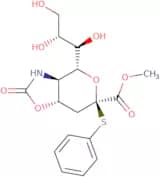
CAS:<p>Methyl 5-N,4-O-Carbonyl-3,5-dideoxy-2-S-phenyl-2-thio-D-glycero-b-D-galacto-2-nonulopyranosylonate is a glycosylation agent. It can be used to synthesize complex carbohydrates with a variety of saccharides including glucose, mannose, and galactose. This product is also known as Methyl 3,5 Dideoxy -5-(N-(4'-O-(carbonyl)benzoyl)-3',4'-dimethoxybenzoyl)-2,3'-diene glycero - 2', 3' - dideoxyribofuranosyl(1 '→ 4')pentaacetate or CAS No. 934591–79–4.</p>Formula:C17H21NO8SPurity:Min. 95%Color and Shape:White PowderMolecular weight:399.42 g/molN-(2,4-Dinitrophenyl-deoxygalactonojirimycin
<p>N-(2,4-Dinitrophenyl-deoxygalactonojirimycin is a complex carbohydrate that has been modified with methylation, glycosylation, and click modification. It has an Oligosaccharide chain and a CAS number of 888315-21-2. N-(2,4-Dinitrophenyl-deoxygalactonojirimycin is a high purity product that is available in the form of a white solid.</p>Purity:Min. 95%Lactosyl fluoride
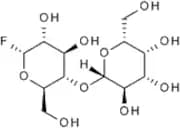
CAS:<p>Lactosyl fluoride is a kinetic inhibitor of glycosidase enzymes. It has been shown to be an effective inhibitor of the enzyme β-galactosidase in both the presence and absence of calcium. Lactosyl fluoride has also been shown to inhibit other glycosidases, including α-galactosidase and α-mannosidase. The lactose derivative is activated by hydrogen fluoride, which allows it to react with the enzyme and block its activity. This product can be used as a chemical biology tool for studying glycoconjugates or as a medicine for treating diseases caused by the accumulation of oligosaccharides, such as Gaucher's disease or Tay-Sachs disease.</p>Formula:C12H21FO10Purity:Min. 95%Color and Shape:White PowderMolecular weight:344.29 g/mol5-Azido-5-deoxy-1-C-butyl-2,3-O-isopropylidene-D-ribofuranose
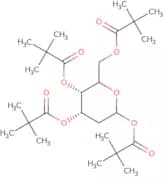
<p>5-Azido-5-deoxy-1-C-butyl-2,3-O-isopropylidene-D-ribofuranose is a custom synthesis of an oligosaccharide that is modified by methylation and glycosylation. It has a CAS number of 533881-00-6.</p>Purity:Min. 95%2-Deoxy-1,3,4,6-tetra-O-pivaloyl-D-glucopyranose
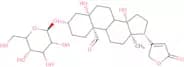
<p>2-Deoxy-1,3,4,6-tetra-O-pivaloyl-D-glucopyranose is a glycosylation sugar that belongs to the category of complex carbohydrates. It is a methylated sugar that can be fluorinated or modified with other saccharides. This product can be custom synthesized and has high purity.</p>Formula:C26H44O9Purity:Min. 95%Molecular weight:500.64 g/molGlucostrophanthidin
CAS:<p>Glucostrophanthidin is a cardiac glycoside, which is derived from natural plant sources, specifically from species in the Apocynaceae family. This compound exerts its effects primarily through inhibition of the sodium-potassium ATPase enzyme, leading to an increase in intracellular sodium concentration. The downstream effect of this process involves an increase in intracellular calcium via the sodium-calcium exchange mechanism, ultimately enhancing the contractility of cardiac muscle fibers.</p>Formula:C29H42O11Purity:Min. 95%Molecular weight:566.64 g/mol2-Amino-2,4-dideoxy-4-C-methyl- D-arabinaric acid 1-methyl ester
<p>2-Amino-2,4-dideoxy-4-C-methyl-D-arabinaric acid 1-methyl ester is a fluorinated carbohydrate that belongs to the group of modified saccharides. It is a synthetic compound that is custom synthesized and can be used as a chemical intermediate. 2-Amino-2,4-dideoxy-4-C-methyl--D--arabinaric acid 1 methyl ester has been shown to have high purity and can be used in glycosylation reactions. This product also has strong methylation properties and can be used for click chemistry modifications.</p>Purity:Min. 95%1,2,3,4-Tetra-O-benzoyl-6-O-tert-butyldimethylsilyl-a-D-mannopyranose
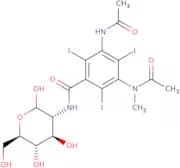
CAS:<p>1,2,3,4-Tetra-O-benzoyl-6-O-tert-butyldimethylsilyl-a-D-mannopyranose is a custom synthesis of a complex carbohydrate. It is an Oligosaccharide that is Polysaccharide in nature. The saccharide has been modified with Methylation and Glycosylation. Carbohydrate modifications include Click modification and Fluorination. CAS No. 1222709-51-4. 1,2,3,4 Tetra O benzoyl 6 O tert butyldimethylsilyl a D mannopyranose has high purity with a purity greater than 99%.</p>Formula:C40H42O10SiPurity:Min. 95%Molecular weight:710.86 g/molMetrizamide
CAS:<p>Radiopaque contrast agent; diagnostic aid for myelography</p>Formula:C18H22I3N3O8Purity:(%) Min. 95%Color and Shape:White PowderMolecular weight:789.1 g/molGlycyl-Oligosaccharidesmannose 3(a)
<p>Glycyl-Oligosaccharidesmannose 3(a) (GL3(a)) is a complex carbohydrate that is composed of mannose and glycyl chains. It has been modified with methyl, click, fluorination, and saccharide modifications. GL3(a) has been synthesized using custom synthesis methods that yield high purity.</p>Formula:C36H62N4O26Purity:Min. 95%Molecular weight:966.89 g/mol2,3:5,6-Di-O-isopropylidene-2-C-hydroxymethyl-D-allono-1,4-lactone
<p>2,3:5,6-Di-O-isopropylidene-2-C-hydroxymethyl-D-allono-1,4-lactone is a synthetic monosaccharide that is used in the synthesis of glycosides and polysaccharides. It is an acetal of D - allonic acid and 2,3:5,6 - di - O - isopropylidene - 1,4 - lactone. This compound has been shown to be effective in modifying the properties of saccharides and oligosaccharides. This compound can be custom synthesized to meet your needs.</p>Purity:Min. 95%3-O-(α-D-Galactopyranosyl)-D-galactopyranose
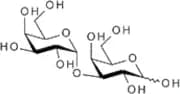
CAS:<p>A carbohydrate, commonly known as alpha gal, found in most mammalian cell membranes. It is not found in primates, including humans, whose immune systems recognize it as a foreign body and produce xenoreactive immunoglobulin M antibodies, leading to organ rejection after transplantation. Anti-α gal immunoglobulin G antibodies are some of the most common in humans. Regular stimulation from gut flora, typically initiated within the first six months of life, leads to an exceptionally high titre of around 1% of all circulating IgG. Recent studies are showing increasing evidence that this allergy may be induced by the bite of the lone star tick (Amblyomma americanum) in North America and the castor bean tick (Ixodes ricincus) in Sweden.</p>Formula:C12H22O11Purity:Min. 95 Area-%Color and Shape:PowderMolecular weight:342.3 g/molBenzyl 2,3,5-tri-O-benzyl-1,4 dithio-D-ribofuranoside
CAS:<p>Benzyl 2,3,5-tri-O-benzyl-1,4 dithio-D-ribofuranoside is a glycosylation agent that is used to modify the structure of polysaccharides. It reacts with a saccharide in a stepwise manner to form an oligosaccharide or a custom synthesis. This modification can be achieved through methylation, click modification and fluorination. Benzyl 2,3,5-tri-O-benzyl-1,4 dithio-D-ribofuranoside has been shown to be effective for modifying complex carbohydrates such as saccharides and oligosaccharides. The chemical is also used in the production of sugar alcohols such as maltitol and sorbitol.</p>Purity:Min. 95%4-Aminobutyl 3-O-(a-D-mannopyranosyl)-a-D-mannopyranoside
<p>4-Aminobutyl 3-O-(a-D-mannopyranosyl)-a-D-mannopyranoside is a fluorescent, water soluble, and hydrophilic glycoside. This compound is synthesized through the condensation of 4-aminobutyric acid with 3-(2,3,4,6-tetraacetyl glucosamine) to form an aminobutyl ester. The aminobutyl ester is then reacted with a D-mannose derived from 2,3,4,6-tetraacetyl glucosamine. This product is used in glycoprotein analysis and can be modified for various purposes.</p>Purity:Min. 95%Lactose 3'-sulfate
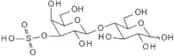
CAS:<p>Unusual lactose sulphate isolated from canine milk (beagle-Canis familiaris), which does not appear to have previously been isolated from milk or other natural sources. The structure was established by 2D NMR spectroscopy and mass spectrometry.</p>Formula:C12H22O14SPurity:Min. 95%Color and Shape:Beige PowderMolecular weight:422.36 g/mol2-Acetamido-2-deoxy-4,6-O-isopropylidene-D-glucopyranose
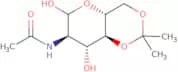
CAS:<p>2-Acetamido-2-deoxy-4,6-O-isopropylidene-D-glucopyranose is a modification of 2,3,4,5,6 tetraacetamido 1,2,3,4,5 pentaoxo 1,2 deoxy D glucose. It is an oligosaccharide that has been synthesized for the first time in 1977. The monosaccharide can be methylated and glycosylated to form polysaccharides such as mannans and galactans. The chemical structure of this product can be modified with fluorination or saccharide substitution.</p>Formula:C11H19NO6Purity:Min. 95%Molecular weight:261.27 g/molD-Gluconic acid lithium salt
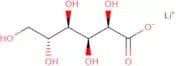
CAS:<p>D-Gluconic acid lithium salt is a cationic compound that has been shown to inhibit the growth of bacteria by forming a covalent linkage with the ribose in RNA. This inhibits the enzyme activity of the cell and prevents transcription and replication. The chemical formula for this compound is CH3CH2OH-CH2COOH+Li+→CH3CH2OLi+H2O, where D-gluconic acid is carboxylate anion and lithium ion is cation. Electrophoresis studies have shown that this compound binds to proteins, which may be due to its hydrophilic properties. X-ray diffraction data has revealed that it forms a crystalline structure. This compound can be used as an antimicrobial agent against Group P2 Gram-positive cocci (e.g., Enterococcus faecalis) and other infectious diseases such as Staphylococcus aureus, Streptococcus pneumonia</p>Formula:C6H11O7LiPurity:Min. 95%Color and Shape:White PowderMolecular weight:202.09 g/molmyo-Inositol 1,2,4,5,6-pentakisphosphate
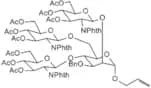
<p>Myo-inositol 1,2,4,5,6-pentakisphosphate (IP) is a phosphate of inositol that is found in the cytosol. It is an important component of polyphosphates and can be used for oxygen transport. It has been shown to inhibit the growth of cancer cells by binding to monoclonal antibodies that are targeted against CD20 and CD22 on cancer cells. IP also inhibits the activity of kinases and phosphatases in mammalian cells. This may be due to the inhibition of cytokine release from macrophages treated with IL-1β. Inositol phosphates are involved in many cellular responses including platelet-derived growth factor activation, cell proliferation, and protein synthesis.</p>Formula:C6H17O21P5Purity:Min. 95%Molecular weight:580.06 g/molAllyl 2,4,6-tri-O-(3,4,6-tri-O-acetyl-2-deoxy-2-phthalimido-b-D-glucopyranosyl)-3-O-benzyl-a-D-mannopyranoside
<p>Allyl 2,4,6-tri-O-(3,4,6-tri-O-acetyl-2-deoxy-2-phthalimido-b-D-glucopyranosyl)-3-O-benzyl a -D -mannopyranoside is a glycosylated oligosaccharide. It is synthesized from 3,4,6 tri O acetyl 2 deoxy 2 phthalimido b D glucopyranosyl chloride and allyl alcohol by the click reaction with sodium azide in the presence of palladium catalysis. This product has been fluorinated at the 6 position of allose. The purity of this product is high and it has been modified on the saccharide chain with methyl groups at the C1 and C2 positions of glucose. Allyl 2,4,6 tri O (3 4 6 tri O acetyl 2 deoxy 2 phthalimido b D gluc</p>Formula:C76H79N3O33Purity:Min. 95%Molecular weight:1,562.44 g/molAllyl 2,3,4-tri-O-benzyl b-D-galactopyranoside
<p>Allyl 2,3,4-tri-O-benzyl b-D-galactopyranoside is a custom synthesis of an oligosaccharide with a complex carbohydrate and a high purity. Allyl 2,3,4-tri-O-benzyl b-D-galactopyranoside can be used for a variety of applications including as an intermediate for the production of other chemicals or as a food additive. It is also used in the synthesis of other carbohydrates and saccharides. This compound has been shown to be effective in methylation reactions and glycosylation reactions.</p>Purity:Min. 95%1,2,3,4,6-Penta-O-benzoyl-D-glucopyranoside
CAS:<p>Penta-O-benzoyl-D-glucopyranoside is a carbohydrate that has been prepared in a preparative scale. It is an organic compound and the structural formula is C12H22O11. The diameter of this molecule is around 1.5 nm, which makes it mesoporous. Penta-O-benzoyl-D-glucopyranoside has been analysed by high performance liquid chromatography (HPLC) and mass spectrometry (MS). The tree ring processability of this product is good and can be processed thermally.</p>Formula:C41H32O11Purity:Min. 95%Molecular weight:700.69 g/mol2,3,4,6-Tetra-O-benzyl-D-glucopyranose
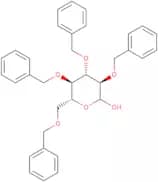
CAS:<p>2,3,4,6-Tetra-O-benzyl-D-glucopyranose is a selectively protected intermediate, where the anomeric 1-O-hydroxyl group is free. This hemiacetal has been used successfully as an intermediate for glucosylation couplings, where it was converted into 2,3,4,6-tetra-O-benzyl-D-glucopyranose trichloroacetimidate using trichloroacetonitrile in the presence of a base such as potassium carbonate and DBU. Importantly, this imidate donor with no neighbouring participating groups is commonly used for the selective formation of α-glucosides. 2,3,4,6-tetra-O-benzyl-D-glucopyranose can also be oxidized to the lactone, or reduced to give the open chain form. Additionally, 2,3,4,6-tetra-O-benzyl-D-glucopyranose can be used for the preparation of glucono-1,5-lactone hydrazine, which was used, in-turn, to form a glucosylidene-spirocyclopropane.</p>Formula:C34H36O6Purity:Min. 97 Area-%Color and Shape:White PowderMolecular weight:540.65 g/mol2-Acetamido-2-deoxy-3-O-methyl-D-glucopyranose
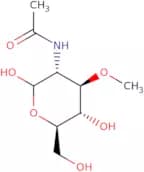
CAS:<p>2-Acetamido-2-deoxy-3-O-methyl-D-glucopyranose (2A2DMG) is a nonsteroidal antiinflammatory drug that belongs to the class of drugs known as Cox inhibitors. This agent has been shown to inhibit ATP sensitive K+ channels in primary cells from rat urinary bladder, which leads to a decrease in intracellular Ca2+ levels. 2A2DMG also inhibits COX enzymes, which are responsible for the synthesis of prostaglandins and thromboxanes. This decreases inflammation and pain. 2A2DMG has antineoplastic properties and has been shown to inhibit cancer cell growth in vitro. It also prevents cell proliferation by interfering with the synthesis of collagen, the main structural protein of connective tissue.</p>Formula:C9H17NO6Purity:Min. 95%Color and Shape:PowderMolecular weight:235.23 g/molN-Acetyl-D-galactosamine-PAP-HSA
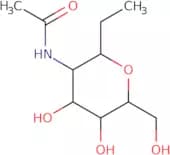
CAS:<p>N-Acetyl-D-galactosamine-PAP-HSA is a complex carbohydrate that consists of a sugar, an acetyl group and a phosphate. This product is available in custom synthesis and modification. N-Acetyl-D-galactosamine-PAP-HSA can be used for the treatment of cancer, diabetes, liver disease, kidney disease and other diseases. It has been modified with fluorine groups to create new derivatives with improved properties.</p>Purity:Min. 95%5-Azido-5-deoxy-2,3-O-isopropylidene-2-C-([trifluormethanesulfonyloxy]methyl)- D-ribono-1.4-lactone
<p>This is a custom synthesis of 5-azido-5-deoxy-2,3-O-isopropylidene-2-[(trifluoromethanesulfonyloxy)methyl]-D-ribono-1.4 -lactone (5ADL). The compound can be used as a synthetic intermediate and is a glycoside that contains an azido group. It is also known as a sugar and has the CAS number: 6374506-32-8. This compound has been shown to inhibit bacterial growth in vitro by inhibiting protein synthesis, DNA replication, and RNA transcription.</p>Purity:Min. 95%3-O-(a-D-Mannopyranosyl)-D-mannopyranose
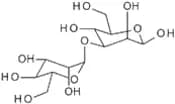
CAS:<p>Isolated from the products of the acid reversion of D-mannose</p>Formula:C12H22O11Purity:Min. 95 Area-%Color and Shape:White PowderMolecular weight:342.3 g/mol2,3:4,5-Di-O-isopropylidene-L-arabitol
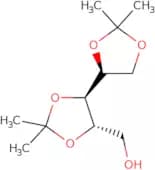
CAS:<p>2,3:4,5-Di-O-isopropylidene-L-arabitol is a modification of an oligosaccharide in which the hydroxyl group at position 4 on the D-ribose moiety has been replaced with an isopropylidene group. The synthesis of 2,3:4,5-Di-O-isopropylidene-L-arabitol can be achieved by methylation and fluorination of L-arabinose. This compound is used in glycosylations and polysaccharide syntheses. 2,3:4,5-Di-O-isopropylidene-L--arabitol is also found as a natural constituent of many plants.<br>2,3:4,5--Di--O--isopropylidene--L--arabitol is chemically described as α-(1→6)-D--glucop</p>Formula:C11H20O5Purity:Min. 95%Color and Shape:PowderMolecular weight:232.27 g/molD-Salicin
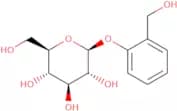
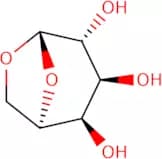
CAS:<p>D-Salicin is a naturally occurring compound, classified as a biologically active glycoside. It is acquired from the bark of willow trees, primarily species within the genus Salix. The primary mode of action of D-Salicin involves its metabolic conversion into salicylic acid within the human body. This conversion occurs in the gastrointestinal tract and bloodstream, ultimately displaying effects similar to non-steroidal anti-inflammatory drugs (NSAIDs).</p>Formula:C13H18O7Purity:Min. 98 Area-%Color and Shape:White Off-White PowderMolecular weight:286.28 g/mol1,6-Anhydro-b-D-galactopyranose
CAS:<p>Used for preparation of biologically active compounds</p>Formula:C6H10O5Purity:Min. 97 Area-%Color and Shape:White Off-White PowderMolecular weight:162.14 g/molEthyl 2,3,4-tri-O-benzyl-L-thiofucopyranoside
CAS:<p>Ethyl 2,3,4-tri-O-benzyl-L-thiofucopyranoside is a glycosylation agent that is used in the synthesis of complex carbohydrates. It can also be used in the methylation and click modification of saccharides. Ethyl 2,3,4-tri-O-benzyl-L-thiofucopyranoside has been shown to have a high purity and can be custom synthesized to fit the needs of the customer. This product has a CAS number of 169532-17-6 and it is available in both monosaccharides and oligosaccharides.</p>Formula:C29H34O4SPurity:Min. 95%Color and Shape:White Off-White PowderMolecular weight:478.64 g/molN-[2-Acetamido-2-deoxy-6-O-(a-L-fucopyranosyl)-D-glucopyranosyl]-L-asparagine
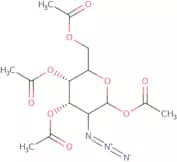
CAS:<p>N-[2-Acetamido-2-deoxy-6-O-(a-L-fucopyranosyl)-D-glucopyranosyl]-L-asparagine is a custom synthesis methylated oligosaccharide with a molecular weight of 732.13 Da. It has been fluorinated, modified and saccharide methylated. N-[2-Acetamido-2-deoxy-6-O-(a-L-fucopyranosyl)-D-glucopyranosyl]-L asparagine is soluble in water and has a purity of >98%. The chemical name for this compound is 2-[(5Z,6E)-5,6,7,8,9,10,11,12,13,14,15,16] -octadecahydro--[1H] -indeno[1',3':4',5]pyrrol</p>Formula:C18H31N3O12Purity:Min. 95%Molecular weight:481.45 g/mol1,3,4,6-Tetra-O-acetyl-2-azido-2-deoxy-D-mannopyranose
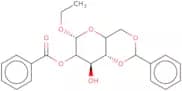
<p>1,3,4,6-Tetra-O-acetyl-2-azido-2-deoxy-D-mannopyranose is a sugar derivative that has been synthesized to be able to hydrogen bond with other sugar derivatives. This product can be utilized in the synthesis of several other compounds.</p>Formula:C14H19N3O9Purity:Min. 95%Molecular weight:373.32 g/molEthyl 2-O-benzoyl-4,6-O-benzylidene-β-D-galactopyranoside
CAS:<p>Ethyl 2-O-benzoyl-4,6-O-benzylidene-β-D-galactopyranoside (E2B) is a fluorinated oligosaccharide that has been synthesized using the Click chemistry. The synthesis proceeds via an oxidative coupling of benzoyl chloride and 4,6-O-benzylidene β-D galactopyranose. The product was purified by crystallization from methanol.<br>E2B is a complex carbohydrate that can be modified to suit your needs. It is used in research as a model for glycosylation and polysaccharides with methylation or sugar modification.</p>Formula:C22H24O7Purity:Min. 95%Color and Shape:Off-White PowderMolecular weight:400.43 g/mol4-Methoxyphenyl 4-O-(3,6-di-O-benzyl-2-deoxy-4-O-levulinoyl-2-phthalimido-b-D-glucopyranosyl)-3-O-benzyl-2-deoxy-2-phthalimido-b-D-g lucopyranoside
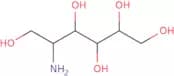
<p>4-Methoxyphenyl 4-O-(3,6-di-O-benzyl-2-deoxy-4-O-levulinoyl-2-phthalimido-b-D-[1]glucopyranosyl)-3,6,6'-triphosphate (4MP) is a fluorinated monosaccharide that can be synthesized from 4,4'-dimethoxybenzophenone and 2,3,4,5',6'-pentachlorobenzene. This synthetic compound is used to prepare modified polysaccharides. 4MP has been shown to methylate glycoproteins and modify oligosaccharides. It has also been shown to inhibit the growth of Mycobacterium tuberculosis by inhibiting the synthesis of cell wall lipids.</p>Formula:C61H58N2O16Purity:Min. 95%Molecular weight:1,075.12 g/mol2-Amino-2-deoxy-glucitol
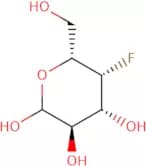
CAS:<p>2-Amino-2-deoxy-glucitol is a kinetic inhibitor of the enzyme glycogen phosphorylase, which catalyzes the rate-limiting step in glycogenolysis. It binds to the enzyme and blocks access to the active site by an amide group, thus inhibiting the phosphorylation of glucose residues. This prevents the breakdown of glycogen and leads to increased levels of blood sugar. 2-Amino-2-deoxy-glucitol is used as a treatment for pertussis (whooping cough) and as an adjunct therapy during insulin shock therapy for diabetic ketoacidosis. The drug has also been shown to bind to histidine residues on the enzyme and inhibit its activity.</p>Formula:C6H15NO5Purity:Min. 95%Molecular weight:181.19 g/mol4-Deoxy-4-fluoro-D-galactose
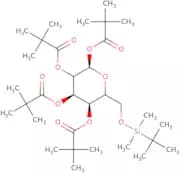
CAS:<p>4-Deoxy-4-fluoro-D-galactose (FUDG) is a modification of the sugar galactose. It is an inhibitor of glucosyltransferases, and it is used in the synthesis of oligosaccharides. FUDG has been shown to be a substrate for recombinant proteins that bind to 2-deoxy-2-fluoro-d-mannose, which are involved in the regulation of blood group expression. The binding affinity and specificity of FUDG for these proteins was examined using electrophysiology techniques. These results may help to rationalize how FUDG binds to these proteins and its potential as a glucose sensor.</p>Formula:C6H11FO5Purity:Min. 95 Area-%Color and Shape:PowderMolecular weight:182.15 g/mol1,2,3,4-Tetra-O-pivaloyl-6-O-(tert-butyldimethylsilyl)-a-D-mannopyranose
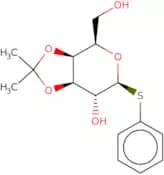
<p>1,2,3,4-Tetra-O-pivaloyl-6-O-(tert-butyldimethylsilyl)-a-D-mannopyranose is a synthetic compound that can be used as a fluorinated monosaccharide. It is synthesized from 1,2,3,4-tetra-O-pivaloyl-6-[(tert-butyldimethylsilyl)oxy]-aD mannopyranose. This product is also known as Tetra O Pivalate Mannose (TPM). This product has been shown to be effective in the synthesis of carbohydrates and complex carbohydrates.</p>Formula:C32H58O10SiPurity:Min. 95%Molecular weight:630.88 g/molPhenyl 3,4-O-isopropylidene-b-D-thiogalactopyranoside
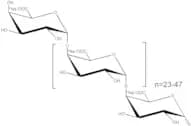
CAS:<p>Phenyl 3,4-O-isopropylidene-b-D-thiogalactopyranoside is a custom synthesis of the complex carbohydrate Oligosaccharide, Polysaccharide. It belongs to Modification, saccharide, Methylation, Glycosylation, Carbohydrate. Phenyl 3,4-O-isopropylidene-b-D-thiogalactopyranoside can be used for Click modification, sugar and High purity. This compound is Fluorinated and Synthetic.</p>Formula:C15H20O5SPurity:Min. 95%Color and Shape:PowderMolecular weight:312.38 g/molGalacturonan oligosaccharides DP25-DP50 sodium salt
<p>Mixed DP 25-50 Na galacturonans, (α-1,4 25-50 Na galacturonans) are derived from pectin or pectic acid, by enzymatic or partial acid hydrolysis. They are used in galacturonic acid metabolism research as a substrate to identify, differentiate, and characterize endo- and exopolygalacturonase(s) and gluconase(s). In recent studies, it has been shown that long oligogalacturonides (degree of polymerization (DP) from 25â50), help to induce plant defense signaling resulting in enhanced defenses to necrotrophic pathogens.</p>Purity:Min. 90 Area-%Color and Shape:Powder2,3,6-Tri-O-benzyl-γ-cyclodextrin
<p>This gamma-cyclodextrin (γ-CD) derivative is a modified cyclic oligosaccharide composed of eight glucose units, featuring a larger cavity size than α- and β-cyclodextrins. This structural characteristic allows γ-CDs to form inclusion complexes with a wider range of guest molecules, making it particularly versatile in various industries. In the food sector, it is used as a carrier and stabilizer for flavors, fat-soluble vitamins, and polyunsaturated fatty acids, protecting volatile compounds from evaporation. In pharmaceuticals, it enhances the solubility and bioavailability of poorly water-soluble drugs and, thanks to its larger ring size, allows for the encapsulation of larger molecules or even entire drug molecules. γ-CDs and derivatives are also used for environmental remediation and, in analytical chemistry, for the extraction and concentration of target substances.</p>Formula:C216H224O40Purity:Min. 95%Molecular weight:3,460.07 g/mol1,2,3,4-Tetra-O-benzoyl-6-O-triisopropylsilyl-b-D-glucopyranose
<p>1,2,3,4-Tetra-O-benzoyl-6-O-triisopropylsilyl-b-D-glucopyranose is a synthetic compound that belongs to the class of carbohydrates. It is a high purity custom synthesis that can be modified with fluorination, glycosylation, methylation, and modification. This product has CAS number 541087-49-0. 1,2,3,4-Tetra-O-benzoyl-6-O-triisopropylsilyl-b -D -glucopyranose is used in the synthesis of oligosaccharides and monosaccharides.</p>Formula:C46H54O10SiPurity:Min. 95%Molecular weight:795.02 g/mol2-C-Methyl- 2, 3- O- isopropylidene - D- ribonic acid g- lactone
<p>2-C-Methyl- 2, 3- O- isopropylidene - D- ribonic acid g- lactone (2CMP) is a modification of the sugar D- ribose that has been found to be useful in the synthesis of oligosaccharides. It can be synthesized from 2,3-O-isopropylidene -D-ribofuranose and methyl iodide. 2CMP is used as a building block for glycosylation reactions because it is easily converted to different sugars by methylation, fluorination, or saccharide modification.</p>Purity:Min. 95%Compression wood galactan
<p>Compression wood is a type of reaction wood formed on the underside of softwood stems when they are tilted from the vertical and on the underside of branches, which unlike normal wood contains significant amounts of β-(1,4)-galactan.</p>Purity:Min. 95%Color and Shape:Off-White To Brown SolidHepta-O-acetylrutinose
CAS:<p>Hepta-O-acetylrutinose is a synthetic monosaccharide that is fluorinated. It can be used in the synthesis of oligosaccharides, polysaccharides, and glycosylations. Hepta-O-acetylrutinose has been shown to be useful in click chemistry and other modifications due to its reactive groups. The CAS number for this compound is 29202-64-0.</p>Formula:C26H36O17Purity:(%) Min. 95%Color and Shape:White PowderMolecular weight:620.57 g/mol







![5-Azido-5-deoxy-2,3-O-isopropylidene-2-C-([trifluormethanesulfonyloxy]methyl)- D-ribono-1.4-lactone](/_next/image/?url=https%3A%2Fstatic.cymitquimica.com%2Fproducts%2F3D%2Fthumb-webp%2FMA163999.webp&w=3840&q=75)

![N-[2-Acetamido-2-deoxy-6-O-(a-L-fucopyranosyl)-D-glucopyranosyl]-L-asparagine](/_next/image/?url=https%3A%2Fstatic.cymitquimica.com%2Fproducts%2F3D%2Fthumb-webp%2FOA29849.webp&w=3840&q=75)