Glycoscience
Glycoscience is the study of carbohydrates and their derivatives, as well as the interactions and biological functions they participate in. This field of research is crucial for understanding a wide variety of biological processes, including cell recognition, signaling, immune response, and disease development. Glycoscience has important applications in biotechnology, medicine, and the development of new drugs and therapies. At CymitQuimica, we offer a wide selection of high-quality, high-purity products for glycoscience research. Our catalog includes monosaccharides, oligosaccharides, polysaccharides, glycoconjugates, and specific reagents, designed to support researchers in their studies on the structure, function, and applications of carbohydrates in biological systems. These resources are intended to facilitate scientific discoveries and practical applications in various areas of bioscience and medicine.
Subcategories of "Glycoscience"
- Aminosugars(108 products)
- Glyco-Related Antibodies(282 products)
- Glycolipids(46 products)
- Glycosaminoglycans (GAGs)(55 products)
- Glycosides(419 products)
- Monosaccharides(6,622 products)
- Oligosaccharides(3,682 products)
- Polysaccharides(503 products)
Found 11041 products of "Glycoscience"
Sort by
Purity (%)
0
100
|
0
|
50
|
90
|
95
|
100
Conduritol D
CAS:<p>Conduritol D (CD) is a natural product that has been isolated from the pancreas of rats. It is homochiral, and it has been shown to be active in the treatment of diabetic patients. CD has a hydroxy group at C-4' and an alcohol group at C-5'. The functional groups are acetylated at C-3', which may make this compound more potent than other similar compounds with different functional groups. It is also synthesized stereoselectively, making it a selective molecule. CD has been shown to have pharmacokinetic properties that may be beneficial for treating diabetes.</p>Formula:C6H10O4Purity:Min. 95 Area-%Color and Shape:Clear LiquidMolecular weight:146.14 g/molN-Acetyl-heparin
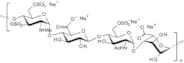
CAS:<p>N-Acetyl heparin is a glycosaminoglycan, which occurs in many mammalian tissues and has important anticoagulant and thrombolytic properties. The chemical structure is composed mainly of two disaccharide repeating units A and B. A is L-iduronic acid 2-suplhate linked α-(1,4) to 2-deoxy-2-sulfamido-D-galactose 6-sulphate, while B is D-glucuronic acid β-(1,4) linked to 2-deoxy-2-sulfamido-D-glucose 6-sulphate.</p>Purity:Min. 95%Color and Shape:PowderGD1a-Oligosaccharide
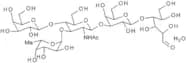
CAS:<p>GD1a oligosaccharide is the carbohydrate moiety from the disialylated glycosphingolipid GD1a of the a-series (shown in the sodium form), a major ganglioside found in neuronal and glial membranes. GD1a oligosaccharide has a core tetrasaccharide structure (Galβ1,3GalNAcβ1,4Galβ1,4Glc) with sialic acids linked α2,3/α2,8 to the inner galactose residue, α2,3 to the outer galactose residue (Ledeen, 2009). GD1a ganglioside interacts with myelin-associated glycoprotein (MAG) and is essential for long-term axon-myelin stability. GD1a ganglioside plays a role in viral infection as it is a receptor for viral glycoproteins in rotavirus and paramyxovirus 1. The hexasaccharide GD1a moiety was also found on a glycoprotein that acts as a receptor for adenovirus type 37. Additionally, GD1a ganglioside interacts with botulinum neurotoxin (BoNT) and is crucial for its entry into cells (Kolter, 2012).</p>Formula:C48H79N3O37Purity:Min. 95%Color and Shape:PowderMolecular weight:1,290.14 g/molEthyl cellulose viscosity 20cP
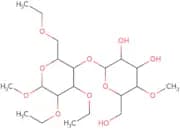
CAS:<p>Ethyl cellulose is an organic compound that is soluble in alcohols, acetone and ethers. It is a viscous liquid that can be dissolved in water to form a gel. Ethyl cellulose can be modified with oligosaccharides, carbohydrates, complex carbohydrates, and other substances. Ethyl cellulose has been used for the production of edible films, as well as capsules and tablets. The viscosity of ethyl cellulose can be changed by adding different substances to it. This modification allows ethyl cellulose to be customized for various purposes such as creating high purity products or glycosylation.</p>Purity:Min. 95%Color and Shape:PowderPrednisolone succinate b-cyclodextrin conjugate
<p>The prednisolone succinate cyclodextrin beta conjugate represents a specific class of cyclodextrin derivatives where the drug molecule (prednisolone succinate) is covalently bound to β-cyclodextrin. The conjugate is designed to combine the beneficial properties of cyclodextrins with the therapeutic effects of prednisolone. Prednisolone succinate cyclodextrin beta conjugate aims to improve the solubility, stability, and bioavailability of prednisolone while potentially offering controlled release properties.</p>Purity:Min. 95%L-Idonic acid sodium
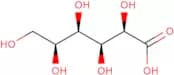
CAS:<p>L-Idonic acid sodium is a plant hormone that regulates carbohydrate metabolism. It has been shown to regulate the synthesis of galacturonic acid and malic acid, which are important for the production of glucose. L-Idonic acid sodium also regulates the synthesis of fatty acids, which are important for cell membrane formation. L-Idonic acid sodium is an intermediate in the biosynthesis of l-tartaric acid, which is an enzyme substrate. The gene product that encodes this molecule has been characterized as a protein with a molecular weight of approximately 9,000 daltons and a hydroxyl group on C-3.</p>Formula:C6H11O7NaPurity:Min. 95%Color and Shape:PowderMolecular weight:218.15 g/molD-myo-Inositol-1,3,6-triphosphate
<p>1,3-Diphosphoglycerate is a glycosylation product of D-glyceraldehyde 3-phosphate and was first described in 1957. It is a key intermediate in the glycolytic pathway and is also found in the synthesis of polysaccharides. D-myo-Inositol-1,3,6-triphosphate (IP3) is an intracellular second messenger that regulates calcium release from intracellular stores. IP3 binds to the IP3 receptor on the endoplasmic reticulum to activate protein kinase C (PKC). PKC then phosphorylates downstream proteins involved in cell growth and proliferation. IP3 can be modified by methylation, glycosylation, or fluorination to produce modified forms with different biological activities.</p>Formula:C6H15O15P3Purity:Min. 95%Molecular weight:420.1 g/molHyaluronic acid sodium salt - Average MW 1.5 - 2.5 million Da
CAS:<p>The sodium salt of hyaluronic acid is a glycosaminoglycan found in many organs, where it functions as a joint lubricant and shock absorber. It is obtained principally from synovial fluid, vitreous humor of the eye, umbilical tissue and cocks comb. The chemical structure of hyaluronic is a disaccharide repeat of β-(1,3) glucuronic acid and β-(1,4) N-acetyl glucosamine.</p>Formula:(C14H20NO11Na)nPurity:Min. 95%Color and Shape:PowderN,N',N'',N''',N''''-Pentaacetyl chitopentaose
CAS:<p>Chitopentaose is a pentaacetyl derivative of the sugar chitohexaose. It is an oligosaccharide that has been shown to inhibit the activity of glycosidases and lectins, which may be due to its high affinity to these enzymes. Chitopentaose has also been found to bind to insulin receptors in the human tumor cell line A-20, leading to a reduction in tumor growth. The molecule also inhibits the transcriptional regulation of genes encoding for penicillin-binding protein, mouse tumor necrosis factor, and α1-acid glycoprotein.</p>Formula:C40H67N5O26Purity:Min. 95 Area-%Color and Shape:PowderMolecular weight:1,033.98 g/mol1-13C-D-Rhamnose
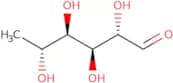
CAS:<p>1-13C-D-Rhamnose is a monosaccharide that belongs to the group of pentoses. It is an inhibitor of bacterial growth and has been shown to inhibit the growth of P. aeruginosa strains. The mechanism of action for 1-13C-D-Rhamnose is not yet known, but it may be due to its ability to inhibit bacterial DNA polymerase, which prevents chain reactions from occurring and leads to cell death. 1-13C-D-Rhamnose has a homologous structure to GDP-D-mannose and can interact with hydrogen bonding interactions. It is found in papillae on the tongue and inhibits taste receptor cells by binding to the sweet taste receptors on the surface of these cells. The optimal pH for 1-13C-D-Rhamnose's inhibitory properties is 5.5</p>Formula:C6H12O5Purity:Min. 95%Molecular weight:164.16 g/molEthyl b-D-fructopyranoside
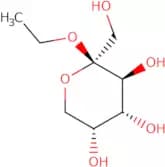
CAS:<p>Salidroside is a phenylpropanoid, a type of secondary metabolite. It is found in the plant family Ranunculaceae and can be extracted from the roots of Rhodiola rosea (golden root) and other plants in this family. Salidroside has been shown to have anti-inflammatory properties, which may be due to its inhibition of prostaglandin synthesis. Salidroside also has strong antioxidant properties, which may be due to its ability to scavenge free radicals. Salidroside can be used as an additive for foods such as breads and pastries because it inhibits the formation of phthalic acid that is produced by baking.</p>Formula:C8H16O6Purity:Min. 95%Molecular weight:208.21 g/molMethyl 6-amino-6-deoxy-a-D-glucopyranoside
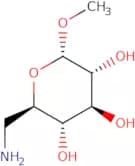
CAS:<p>Methyl 6-amino-6-deoxy-a-D-glucopyranoside is a saccharide with a molecular weight of 362.4 g/mol. This carbohydrate is fluorinated and modified with an amine group on the C1 position, which makes it a complex carbohydrate. It can be custom synthesized to order and has high purity. CAS No. 5155-47-5</p>Formula:C7H15NO5Purity:Min. 98 Area-%Color and Shape:Clear LiquidMolecular weight:193.2 g/mol4-Methoxyphenyl 3,4,6-tri-O-acetyl-2-deoxy-2-phthalimido-b-D-glucopyranoside
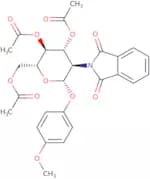
CAS:<p>4-Methoxyphenyl 3,4,6-tri-O-acetyl-2-deoxy-2-phthalimido-b-D-glucopyranoside (MPEG) is a monoclonal antibody that binds to the glycoprotein MART1 on melanoma cells. It is used in the diagnosis of cancer and has been shown to be effective in reducing tumor size in patients with metastatic melanoma. MPEG has also been shown to have a therapeutic effect against chronic lymphocytic leukemia (CLL). In addition, it may be used as a complement dependent cytotoxicity agent for the treatment of leukemia and other cancers.</p>Formula:C27H27NO11Purity:Min. 95%Molecular weight:541.52 g/molCyclohexylmethyl-4-O-(a-D-glucopyranosyl)-b-D-glucopyranoside
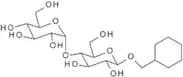
CAS:<p>Detergent used for the solubilization of membrane proteins. Important for the solubilization is the detergent-to-protein ratio. At low ratios (1:10) the membranes are lysed and large complexes of are formed containing protein, detergent, and membrane lipids. With progressively larger ratios smaller complexes are obtained. Finally, at ratios of 10:1 to 20:1 individual detergent-protein complexes are formed free of membrane lipids. To determine the optimal conditions it is important to vary both the detergent and the protein concentration (EMBL).</p>Formula:C19H34O11Purity:Min. 95%Color and Shape:PowderMolecular weight:438.47 g/molAllyl a-D-lactose
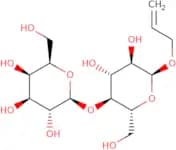
CAS:<p>A functionalized carbohydrate that serves as a valuable precursor for the synthesis of complex glycoconjugates, oligosaccharides, and glycopolymers through reactions like glycosylation and click chemistry</p>Formula:C15H26O11Molecular weight:382.36 g/molMethyl 4,6-O-benzylidene-2,3-di-O-methanesulfonyl-a-D-glucopyranoside
CAS:<p>Methyl 4,6-O-benzylidene-2,3-di-O-methanesulfonyl-a-D-glucopyranoside is a glycosylation product that can be used in the synthesis of complex carbohydrates. It is also useful in the synthesis of saccharides, oligosaccharides, and monosaccharides. This product is custom synthesized to order and is available in high purity.</p>Formula:C16H22O10S2Purity:Min. 95%Molecular weight:438.47 g/mol6-O-(b-D-Galactopyranosyl)-D-glucopyranose
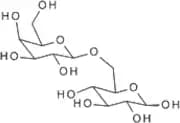
CAS:<p>6-O-(b -D-Galactopyranosyl)-D-glucopyranose, also called allolactose, is a glucose disaccharide with β1-6 glycosidic link, similar to lactose (glucose β1-4 linked). Allolactose is an inducer of the lac operon in E. coli and many other enteric bacteria.</p>Formula:C12H22O11Purity:Min. 90 Area-%Color and Shape:White PowderMolecular weight:342.3 g/molCanagliflozin hemihydrate
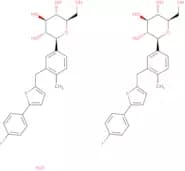
CAS:<p>Canagliflozin is an oral diabetes drug that belongs to the class of sodium-glucose cotransporter 2 (SGLT2) inhibitors. It works by blocking reabsorption of glucose in the kidney, thereby lowering blood sugar levels. Canagliflozin has been shown to be a potent inhibitor of insulin resistance and has been used clinically in combination with metformin hydrochloride. The chemical stability of canagliflozin is dependent on its particle size, which can range from 10 micrometres to 100 micrometres. A number of analytical methods have been developed for canagliflozin, including high performance liquid chromatography with ultraviolet detection, gas chromatography with mass spectrometry detection, and dihedral angle analysis. Canagliflozin is an example of a polymorphic compound: it exists as two enantiomers due to chiral symmetry.</p>Formula:(C24H25FO5S)2•H2OPurity:Min. 95%Color and Shape:PowderMolecular weight:907.05 g/mol(4R)-3-O-Benzyl-1,2-O-isopropylidene-4-(2,6-piperidinedione-4-yl)-D-threose
<p>(4R)-3-O-Benzyl-1,2-O-isopropylidene-4-(2,6-piperidinedione-4-yl)-D-threose is a methylated sugar. It is synthesized by the modification of a natural sugar molecule with a fluorinated group. This product can be used in the synthesis of complex carbohydrates and pharmaceuticals. (4R)-3-O-Benzyl-1,2-O-isopropylidene-4-(2,6 piperidinedione) -D -threose has high purity and can be modified to have a range of different properties. It is an important synthetic intermediate for monosaccharides and oligosaccharides.</p>Purity:Min. 95%(4S,9R)-4-Benzyloxy-N-benzyloxycarbonyl-8-oxo-9-methoxy-octahydro-pyrano[4,3-b]pyrrole
<p>The compound is a fluorinated, glycosylated, polysaccharide-linked, custom-synthesized and modified natural product. The compound is of high purity and has been shown to have a range of biological activities including:<br>1) Antibacterial activity against Gram (+) bacteria such as Staphylococcus aureus and Streptococcus pyogenes.<br>2) Anti-inflammatory activity in the carrageenan-induced paw edema model of inflammation in rats.<br>3) Antifungal activity against Candida albicans.<br>4) Inhibition of bacterial biofilm formation and cellular adhesion to surfaces.<br>5) Inhibition of HIV replication in vitro and inhibition of HIV integrase function in vitro.<br>6) Inhibition of TNF-α production by LPS activated macrophages. <br>7) Protection from phototoxicity induced by UVB irradiation in human skin cells.<br>8) Protection from</p>Purity:Min. 95%Galactan, from potato
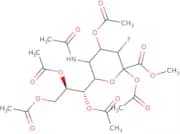
CAS:<p>A linear β-(1,4)-galactan from potato tubers. Other linear β-(1,4)-galactans have been isolated from lemon peel, potato tubers and Norwegian acacia gum.</p>Color and Shape:White Powder2,4,7,8,9-Penta-O-acetyl-N-acetyl-3-fluoro-b-D-neuraminic acid methyl ester
CAS:<p>Inhibitor of sialyltransferases</p>Formula:C36H54N18O24Purity:Min. 90 Area-%Color and Shape:White PowderMolecular weight:551.47 g/mol(2S,3R,4R,5S)-5-Acetylamino-3,4-dihydroxy-2-formylpiperidine
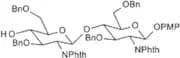
<p>(2S,3R,4R,5S)-5-Acetylamino-3,4-dihydroxy-2-formylpiperidine is a custom synthesis that can be modified to meet your needs. It is a fluorinated complex carbohydrate and has been shown to have high purity. The modification process of this chemical is simple and can be done in either the lab or in the field. (2S,3R,4R,5S)-5-Acetylamino-3,4-dihydroxy-2-formylpiperidine is synthesized by methylation of 5-(acetylamino)piperidinone with diazomethane followed by protection of the amine group with an acetyl group. This chemical also has Oligosaccharide and Polysaccharide properties.</p>Purity:Min. 95%4-Methoxyphenyl 4-O-(3,6-di-O-benzyl-2-deoxy-2-phthalimido-b-D-glucopyranosyl)-3,6-di-O-benzyl-2-deoxy-2-phthalimido-b-D-glucopyrano side
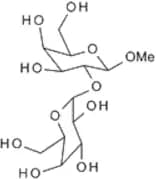
CAS:<p>4-Methoxyphenyl 4-O-(3,6-di-O-benzyl-2-deoxy-2-phthalimido-b-D-glucopyranosyl)-3,6-di-O-benzyl-2-deoxy -2 -phthalimido -b -D -glucopyrano side is a custom synthesis of a complex carbohydrate. It has a CAS number of 140615‑82‑3 and can be found in glycosylations, carbohydrates, methylation, sugar, fluorination. It is high purity with a lot of modifications.</p>Formula:C63H58N2O14Purity:Min. 95%Molecular weight:1,067.14 g/molMethyl 2-O-(a-D-galactopyranosyl)-b-D-galactopyranoside
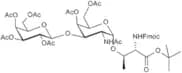
<p>Methyl 2-O-(a-D-galactopyranosyl)-b-D-galactopyranoside is a custom synthesis that is fluorinated at the 2 position. It is an oligosaccharide, polysaccharide, and carbohydrate. The product has been modified with the Click modification and has high purity. It is also a monosaccharide sugar or synthetic sugar. Methyl 2-O-(a-D-galactopyranosyl)-b-D-galactopyranoside can be used in complex carbohydrates and fluorination reactions.</p>Formula:C13H24O11Purity:Min. 95%Molecular weight:356.32 g/mol2-Acetamido-3-O-(2,3,4,6-tetra-O-acetyl-b-D-galactopyranosyl)-4,6-di-O-acetyl-2-deoxy-a-D-galactopyranosyl-Fmoc-L-threonine tert-but yl ester
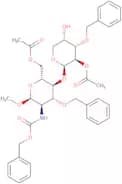
<p>2-Acetamido-3-O-(2,3,4,6-tetra-O-acetyl-b-D-galactopyranosyl)-4,6-di-O-acetyl-2,6 -deoxy--a-,D-,galactopyranosyl--Fmoc--L--threonine tert--but yl ester is a synthetic carbohydrate that contains 2 acetamido groups and 3 O-(2,3,4,6 tetra O acetyl b D galactopyranosyl) groups. The chemical name for this compound is 2 Acetamido 3 O (2 3 4 6 tetra O acetyl b D galactopyranosyl) 4 6 di O acetyl 2 deoxy a D galactopyranosyl Fmoc L threonine tert but yl ester. It has been synthesized by the Click modification reaction of an oligos</p>Formula:C49H62N2O21Purity:Min. 95%Molecular weight:1,015.02 g/molMethyl 6-O-acetyl-3-O-benzyl-N-Cbz-2-deoxy-4-O-(methyl-2-O-acetyl-3-O-benzyl-a-L-idopyranuronosyl)-a-D-glucopyranosaminide,
CAS:<p>Methyl 6-O-acetyl-3-O-benzyl-N-Cbz-2-deoxy-4-O-(methyl-2-O-acetyl-3-O-benzyl)-aLidopyranuronosyl)-aDglucopyranosaminide is a carbohydrate that belongs to the class of saccharides. It is a synthetic oligosaccharide that is made up of a monosaccharide, fructose, and 2 disaccharides, maltose and glucuronic acid. This product has been modified by fluorination, methylation, glycosylation, and click chemistry.</p>Purity:Min. 95%(2-Carboxyethyl)-b-cyclodextrin sodium
<p>This beta-cyclodextrin (β-CD) derivative is a functionalized cyclic oligosaccharide composed of seven glucose units, characterized by a hydrophilic exterior and a lipophilic cavity (bigger than α-CD and smaller than γ-CDs), which allows it to encapsulate various guest molecules. This structural feature facilitates its use in multiple applications, including pharmaceuticals, food enhancement, and cosmetics. In the pharmaceutical industry, it enhances the solubility and stability of poorly water-soluble drugs, improving their bioavailability and efficacy while also masking unpleasant tastes. The food sector utilizes it as a stabilizer for flavors, colors, and nutrients, extending shelf life by protecting sensitive ingredients from degradation. In cosmetics, it serves as a complexing agent for fragrances and active components, ensuring their stability and controlled release. Its use expands to many other fields, including nanotechnology for drug delivery systems, environmental remediation for extracting organic pollutants, textiles for slow-release fragrances, and analytical chemistry for chiral separation.</p>Formula:C42H70nO35•(C3H4O2Na)nPurity:Min. 95%Color and Shape:White to pale yellowsolid.Molecular weight:1,135 g/molN-Acetyl-D-mannosamine - low endotoxin grade
CAS:<p>Please enquire for more information about N-Acetyl-D-mannosamine - low endotoxin grade including the price, delivery time and more detailed product information at the technical inquiry form on this page</p>Formula:C8H15NO6Molecular weight:221.21 g/molDextran 70 - MW 64,000 to 76,000
CAS:<p>Dextran is α-(1,6)-linked α-D-glucan with α-(1,3)-linked glucose branch points produced by fermentation of Leuconostoc mesenteroides via the action of the enzyme dextransucrase on sucrose. The main use for native dextran is as an extender in blood transfusions and products having a range of sharp cut-off molecular weights are produced commercially for this and other applications. A complex of Iiron with dextran, known as iron dextran, is used as a source of iron for baby piglets which are often anaemic at birth.</p>Color and Shape:White Off-White PowderMannan (ex Saccharomyces cerevisiae)
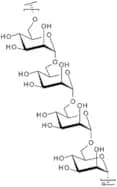
CAS:<p>The main cell-wall components of baker’s yeast (Saccharomyces cerevisiae) as well as β-glucan are mannans with an α-1,6 mannose backbone and α-1,2 and α-1,3 mannose branches.<br>The image was kindly provided by Dr. Chris Lawson.</p>Color and Shape:White Slightly Brown PowderDermatan sulphate sodium salt,average MW 92000
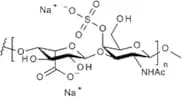
CAS:<p>Dermatan sulphate is a glycosaminoglycan found in skin, blood vessels, heart valves, tendons, aorta, spleen and brain and is usually isolated from pig skin or beef lung tissue. The disaccharide repeat unit is composed of L-iduronic acid and N-acetyl-galactosamine-4-sulphate linked β-(1,3) and β-(1,4). There are also small amounts of D-glucuronic acid.</p>Color and Shape:PowderSucrose octabenzoate - Mixture of benzoylated sucrose isomers
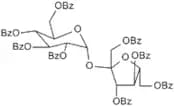
CAS:<p>Sucrose octabenzoate is a practically colorless, odorless, transparent, glass-like material which is compatible with a number of synthetic resins, such as polyvinyl chloride, vinyl chloride-vinyl acetate copolymer, polyvinyl acetate and cellulose acetate. Sucrose octabenzoate improves the hardness and gloss of these products and has also been found to be useful as a component of inks, adhesives, coatings and plastic objects.</p>Formula:C68H54O19Purity:Min. 95%Color and Shape:White PowderMolecular weight:1,175.14 g/mol2,3,6,2',3',6',2'',3'',4'',6''-Deca-O-acetyl-a-D-cellotriosyl bromide
<p>2,3,6,2',3',6',2'',3'',4'',6''-Deca-O-acetyl-a-D-cellotriosyl bromide is a glycosylation reagent that can be used in the synthesis of polysaccharides and oligosaccharides. It contains a reactive functional group at the 2 position and a reactive functional group at the 3 position. This product can be custom synthesized to meet your needs. It has been shown to react with various saccharide units, including methylated sugars such as cellobiose and erythrose. The purity of this compound is >99%.</p>Purity:Min. 95%Methyl 2-acetamido-2-deoxy-3-O-(b-D-galactopyranosyl)-a-D-galactopyranoside
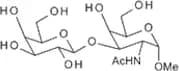
CAS:<p>Methyl 2-acetamido-2-deoxy-3-O-(b-D-galactopyranosyl)-a-D-galactopyranoside is a lectin that binds to the terminal galactose of b-D-galactopyranosides. It has been shown to be a potent inhibitor of cellular death and is able to bind to the surface of cells, preventing their destruction by the immune system or other natural factors. The binding site for MGA is found on cell membranes, and it can also act as an antiinflammatory agent. MGA has also been shown to inhibit interactions between proteins, which may lead to changes in protein synthesis and regulation. Lectins are proteins that bind to specific carbohydrates on the surfaces of cells. They are part of a group called glycoproteins and are often used as probes in techniques such as lectin histochemistry and immunohistochemistry.</p>Formula:C15H27NO11Purity:Min. 98 Area-%Color and Shape:White PowderMolecular weight:397.38 g/molIsopropyl 2-acetamido-2-deoxy-α-D-glucopyranoside
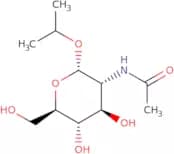
CAS:<p>Isopropyl 2-acetamido-2-deoxy-α-D-glucopyranoside is a modification of an oligosaccharide. It has been synthesized and characterized by NMR spectroscopy. This carbohydrate is custom synthesized as a complex carbohydrate. It is also a synthetic carbohydrate. Isopropyl 2-acetamido-2-deoxy-α-D-glucopyranoside is used as a monosaccharide, in glycosylation, methylation, polysaccharides, and other sugar chemistry reactions. Isopropyl 2-acetamido-2-deoxy-α-D-glucopyranoside can be used for fluorination or saccharides.</p>Formula:C11H21NO6Purity:Min. 95%Color and Shape:PowderMolecular weight:263.29 g/molCarboxymethyl-γ-cyclodextrin sodium salt
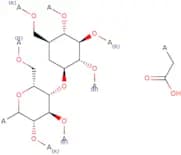
<p>This gamma-cyclodextrin (γ-CD) derivative is a modified cyclic oligosaccharide composed of eight glucose units, featuring a larger cavity size than α- and β-cyclodextrins. This structural characteristic allows γ-CDs to form inclusion complexes with a wider range of guest molecules, making it particularly versatile in various industries. In the food sector, it is used as a carrier and stabilizer for flavors, fat-soluble vitamins, and polyunsaturated fatty acids, protecting volatile compounds from evaporation. In pharmaceuticals, it enhances the solubility and bioavailability of poorly water-soluble drugs and, thanks to its larger ring size, allows for the encapsulation of larger molecules or even entire drug molecules. γ-CDs and derivatives are also used for environmental remediation and, in analytical chemistry, for the extraction and concentration of target substances.</p>Formula:C54H86O46·xNaPurity:Min. 95%Color and Shape:PowderMolecular weight:1,471.23 g/molCarboxymethyl cellulose sodium - Viscosity 1400 - 2000cps
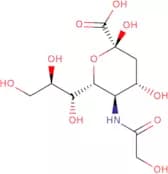
CAS:<p>Food additive; soil suspension polymer in detergents; thickening agent</p>Formula:(C6H7O2(OH)k(OCH2COONa)m)nPurity:Min. 95%Color and Shape:White PowderMolecular weight:PolymerN-Glycolylneuraminic acid
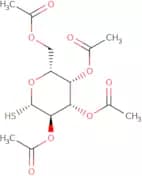
CAS:<p>Regulates N-glycolylneuraminic acid biosynthesis in murine liver</p>Formula:C11H19NO10Purity:Min. 95 Area-%Color and Shape:White Off-White PowderMolecular weight:325.27 g/mol2,3,4,6-Tetra-O-acetyl-b-D-thiogalactopyranose
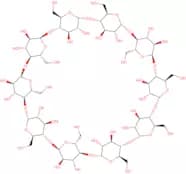
CAS:<p>2,3,4,6-Tetra-O-acetyl-b-D-thiogalactopyranose is a synthetic sugar that is prepared by the fluorination of D-galactopyranose and subsequent acetylation. This compound can be used for glycosylation reactions and as a substrate for click chemistry. It is an oligosaccharide with four monosaccharides in its backbone. The CAS number of 2,3,4,6-Tetra-O-acetyl-b-D-thiogalactopyranose is 50615-66-2.</p>Formula:C14H20O9SPurity:Min. 95%Color and Shape:PowderMolecular weight:364.37 g/molε-Cyclodextrin
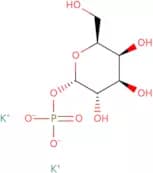
CAS:<p>Epsilon-cyclodextrin (ε-CD) consists of 10 glucose units. Its larger cavity size offers potential for encapsulating larger guest molecules or forming more complex inclusion compounds.</p>Formula:C60H100O50Purity:Min. 95%Molecular weight:1,621.41 g/mola-L-Galactose-1-phosphate dipotassium salt
CAS:<p>a-L-Galactose-1-phosphate dipotassium salt is an oligosaccharide that can be prepared by the methylation of a galactose molecule. It is a synthetic compound that has been shown to have antiviral properties. The modification of the sugar structure with fluorine atoms increases the stability of the molecule and prevents its degradation. This product is soluble in water and can be used as a pharmaceutical intermediate for other compounds.</p>Formula:C6H11K2O9PPurity:Min. 95%Color and Shape:PowderMolecular weight:336.33 g/mol6-Deoxy-D-psicose
<p>6-Deoxy-D-psicose is a sugar molecule that is made up of six carbon atoms. It is one of the two possible epimers of D-psicose, and it can be used as an alkaline equilibrating agent for the conversion of D-fructose to 1-deoxy-D-fructose. 6-Deoxy-D-psicose can also be used as a substrate in reactions with other sugars to form new compounds. 6DPSC can be transformed into rhamnose by heating it at 100°C in alkaline solution, or into l-rhamnose by heating it at 120°C in alkaline solution. The transformation process converts 6DPSC into its epimer, which is stable at high temperatures without decomposing. 6DPSC has been shown to have efficient properties for use in research and for the production of various substances.</p>Purity:Min. 95%Methyl 2-deoxy-2-fluoro-L-arabinofuranoside
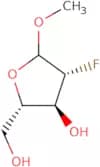
CAS:<p>Methyl 2-deoxy-2-fluoro-L-arabinofuranoside is a synthetic monosaccharide that can be used as a building block for the synthesis of oligosaccharides and polysaccharides. It has been shown to have high purity, and it can be custom synthesized. Methyl 2-deoxy-2-fluoro-L-arabinofuranoside is an excellent source of fluorine atoms, which are commonly used in glycosylation reactions. This product is also useful for click chemistry reactions with methyl groups, as well as other modifications such as oxidation, reduction, esterification, and acetylation.</p>Formula:C6H11FO4Purity:Min. 95%Color and Shape:PowderMolecular weight:166.15 g/molD-Allose-6-phosphate disodium
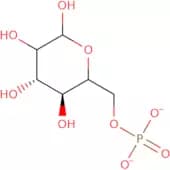
CAS:<p>D-Allose-6-phosphate disodium is a fluorinated sugar that is used in the synthesis of oligosaccharides and polysaccharides. It can be modified by methylation, fluorination, or click chemistry. This product has been custom synthesized to produce high purity and high quality.</p>Formula:C6H11O9PNa2Purity:Min. 95%Color and Shape:White Off-White PowderMolecular weight:304.1 g/mol2,3,4-Tri-O-acetyl-1-O-azido-1-deoxy-b-D-arabinopyranoside
CAS:<p>2,3,4-Tri-O-acetyl-1-O-azido-1-deoxy-b-D-arabinopyranoside is a methylated sugar that can be used to modify oligosaccharides. It has an acetyl functional group on the 2' position of the ribose moiety. This product is a white crystalline powder and it is soluble in water and methanol.</p>Formula:C11H15N3O7Purity:Min. 95%Molecular weight:301.25 g/mol3-O-Benzyl-2-deoxy-D-arabinopyranose
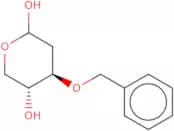
<p>3-O-Benzyl-2-deoxy-D-arabinopyranose is a modified sugar that can be used in the synthesis of oligosaccharides. It is a white powder that has a purity level of more than 99%. The CAS number for 3-O-Benzyl-2-deoxy-D-arabinopyranose is 52397-07-8. This product can be custom synthesized to meet your specific needs. It can also be methylated, glycosylated, or modified with a click chemistry reaction.</p>Formula:C12H16O4Purity:Min. 95%Molecular weight:224.25 g/mol4-Methoxyphenyl 2,4,6-tri-O-acetyl-b-D-galactopyranoside
CAS:<p>4-Methoxyphenyl 2,4,6-tri-O-acetyl-b-D-galactopyranoside is a synthetic carbohydrate that can be modified to meet your requirements. It is also known as Glycosylation, Oligosaccharide, sugar, Synthetic, Fluorination, Custom synthesis, Methylation, CAS No. 383905-62-2 and Monosaccharide Polysaccharide Saccharide. This product has been Click modification and complex carbohydrate. We offer this product at high purity and with modification.</p>Formula:C19H24O10Purity:Min. 95%Molecular weight:412.39 g/molMethyl (phenyl 2-O-benzoyl-3-O-benzyl-1-thio-a-L-idopyranosyluronate)
CAS:<p>Methyl (phenyl 2-O-benzoyl-3-O-benzyl-1-thio-a-L-idopyranosyluronate) is a custom synthesis, which has been modified with fluorination, methylation and click modification. This product is a monosaccharide or oligosaccharide that can be used as a synthetic building block for the production of saccharides and polysaccharides in glycosylation reactions. Methyl (phenyl 2-O-benzoyl-3-O-benzyl-1-thio-a-L-idopyranosyluronate) is also a carbohydrate that contains an oxygen atom in the form of an ether bond to one of its hydroxyl groups. It has been shown to have antiinflammatory effects by inhibiting prostaglandin synthesis.</p>Formula:C27H26O7SPurity:Min. 95%Molecular weight:494.56 g/molLacto-N-fucopentaose III
CAS:<p>Neutral pentasaccharide naturally present in human breast milk</p>Formula:C32H55NO25Purity:Min. 95%Color and Shape:White PowderMolecular weight:853.77 g/mol







![(4S,9R)-4-Benzyloxy-N-benzyloxycarbonyl-8-oxo-9-methoxy-octahydro-pyrano[4,3-b]pyrrole](/_next/image/?url=https%3A%2Fstatic.cymitquimica.com%2Fproducts%2F3D%2Fthumb-webp%2FMB164009.webp&w=3840&q=75)