Enzyme, Peptide and Protein Related Compounds
Subcategories of "Enzyme, Peptide and Protein Related Compounds"
- Amino Acids (AA)(40,600 products)
- Enzymes(3,477 products)
- Peptides(27,926 products)
- Proteins(15,001 products)
Found 1265 products for "Enzyme, Peptide and Protein Related Compounds".
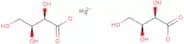
Magnesium L-threonate monohydrate
CAS:Magnesium L-threonate monohydrate is a complex chemical that is a versatile building block. The CAS No. for this compound is 500304-76-7. Magnesium L-threonate monohydrate can be used as a research chemical, reagent or speciality chemical in the laboratory. It is also useful as a building block for complex chemical reactions and as an intermediate for the synthesis of other compounds. Magnesium L-threonate monohydrate has been shown to be useful in the synthesis of pharmaceuticals, agrochemicals and materials science products.
Formula:C8H14MgO10·H2OPurity:Min. 95%Color and Shape:White PowderMolecular weight:312.51 g/molRopivacaine hydrochloride monohydrate
CAS:Controlled ProductReversible inhibitor of voltage-gated sodium channelsFormula:C17H29ClN2O2Purity:Min. 95%Color and Shape:White Off-White PowderMolecular weight:328.88 g/molFenirofibrate
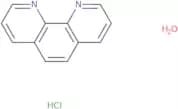
CAS:Fenirofibrate is a drug that belongs to the group of drugs called fibrates. It is used to treat metabolic disorders, such as high cholesterol and triglycerides. Fenirofibrate inhibits the activity of human liver cells by inhibiting fatty acid synthesis and oxidation. It also has shown antithrombotic effects in humans. The mechanism of action of fenofibrate may be due to its ability to increase the redox potential in urine samples, which leads to hemolytic activity. The drug has been shown to stimulate growth factor production in human erythrocytes and myotubes. Fenofibrate has been shown to inhibit the activity of lipase enzymes present in the livers of rats and humans, which may contribute to its lipid-lowering properties.Formula:C17H17ClO4Purity:Min. 95 Area-%Color and Shape:PowderMolecular weight:320.77 g/molo-Phenanthroline monohydrochloride monohydrate
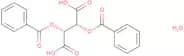
CAS:o-Phenanthroline monohydrochloride monohydrate is a ligand that is used in crystallography to study the crystal structure of metal ions. It has been shown to be an efficient catalyst for the ring-opening of chloroformates, and can also be used as an analytical reagent that is capable of detecting chlorine in organic compounds. The hydrate form of o-phenanthroline monohydrochloride has a molecular formula of C12H14ClN3O4·2H2O and a molecular weight of 392.7 g/mol.Formula:C12H8N2·HCl·H2OColor and Shape:PowderMolecular weight:234.68 g/molDibenzoyl-L-tartaric acid monohydrate
CAS:Dibenzoyl-L-tartaric acid monohydrate is a chiral molecule that can be found in nature. It is soluble in organic solvents, but insoluble in water. Dibenzoyl-L-tartaric acid monohydrate has an affinity for carboxylate ligands and absorbs at 360 nm. The optical rotation of this compound is +20° to -50°, depending on the concentration and pH of the solution. This molecule is a potential pollutant because it can be degraded by oxidation or photolysis, yielding environmentally hazardous compounds. Its conformation may be changed by light or heat and, as a result, its properties may also change.
Formula:C18H14O8·H2OPurity:Min. 95%Color and Shape:PowderMolecular weight:376.31 g/molSorbitan monolaurate
CAS:Sorbitan monolaurate is a natural compound that can be isolated from the seeds of the Cucurbitaceae family. It is used in sample preparation for biocompatible polymers, as well as for detergent compositions. Sorbitan monolaurate has been shown to act as an absorption enhancer, which may be due to its ability to form hydrogen bonds with other molecules and its capacity to interact with sodium citrate. Sorbitan monolaurate also has biological properties such as the inhibition of autoimmune diseases, malonic acid production, and bacterial growth.Formula:C18H34O6Purity:Min. 95%Color and Shape:Slightly Yellow Clear LiquidMolecular weight:346.46 g/molMosapride citrate
CAS:Serotonin 5-HT4 receptor agonist
Formula:C27H25ClFN3O3•C6H8O7Purity:Min. 95%Color and Shape:PowderMolecular weight:614.02 g/molSodium ammonium phosphate tetrahydrate
CAS:Sodium ammonium phosphate tetrahydrate is an inorganic compound that is a salt. It is used as a test compound to measure the inhibition of viral growth. The test compound binds to the virus and prevents it from binding to cells, thus inhibiting viral replication. Sodium ammonium phosphate tetrahydrate can also be used as a means of preventing cavities by lowering the pH level in the mouth and inhibiting bacterial growth. Selenium compounds have been shown to have antiviral properties when tested on the typhimurium virus. Selenium compounds are not active against herpes simplex virus, but protocatechuic acid has been shown to inhibit herpes simplex virus replication in vitro and in vivo. Protocatechuic acid has also been shown to inhibit fatty acid synthesis and chloride ion uptake into cells, which may be responsible for its anti-viral properties.Formula:NaNH5PO4·4H2OPurity:Min. 95%Color and Shape:PowderMolecular weight:209.07 g/molS-Methylisovalerate
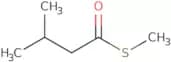
CAS:S-Methylisovalerate is a branched fatty acid that is an intermediate in the biosynthesis of valine. It has been isolated from Corynebacterium glutamicum and Brevibacterium sp. S-Methylisovalerate has been identified by gas chromatography/mass spectrometry (GC/MS) as a major component of the volatile organic compounds produced by strains of Corynebacterium glutamicum and Brevibacterium sp. The GC/MS profile of these strains consists mainly of ester compounds, such as methyl ethyl acetate and butyric acid.
Formula:C6H12OSPurity:Min. 95%Color and Shape:Colorless Clear LiquidMolecular weight:132.22 g/molSodium 3-phosphoglycerate hydrate
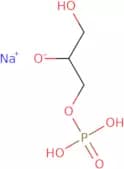
CAS:Sodium 3-phosphoglycerate hydrate is a salt of sodium and phosphoglycerate. It is used as a pharmaceutical ingredient to treat metabolic disorders such as hypoglycemia, hyperglycemia, and diabetes mellitus. The chemical structure of 3PGA consists of three phosphate groups and one glycerate group attached to the carbon backbone. This compound's three phosphate groups are critical for its function in energy metabolism and storage. One phosphate group is involved in the synthesis of ATP (adenosine triphosphate), while two phosphate groups are involved in the breakdown of glucose (glycolysis). The enzyme inhibitors that inhibit the enzymes phosphofructokinase and pyruvate kinase are also present in this compound, which may be responsible for its effects on insulin secretion. Sodium 3-phosphoglycerate hydrate contains redox potentials that can be measured by cyclic voltammetry or potentiometry. This study provides structural analysis of thisFormula:C3H8O6P•Nax•(H2O)yColor and Shape:PowderMolecular weight:194.06 g/molTri-sodium citrate
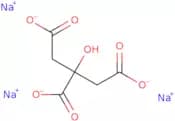
CAS:Sodium citrate is widely used as an excipient in the pharmaceutical industry. It helps regulate the pH as a stabilizer or an alkalizing agent. Sodium citrate can also bind to certain metal ions in drug formulations providing stability and avoiding ht interference with the drug's main activity. In the food industry, its main use is as a food preservative.
Formula:C6H5Na3O7Purity:Min. 98%Color and Shape:White Off-White PowderMolecular weight:258.07 g/molSpermidine phosphate salt hexahydrate
CAS:Controlled ProductSpermidine phosphate salt hexahydrate is a reaction component, reagent, useful scaffold, and high quality research chemical. It is a versatile building block that can be used as a fine chemical or speciality chemical. Spermidine phosphate salt hexahydrate is CAS No. 23273-82-7 and has the following properties: soluble in water; slightly soluble in methanol; insoluble in ether and chloroform. This product is an intermediate for complex compounds such as aminopyrimidines, quinazolinones, and nitroimidazoles.Formula:(C7H19N3)2•(H2O)6•(H3O4P)3Purity:Min. 95%Color and Shape:White PowderMolecular weight:692.57 g/mol1,2,3-Benzenetricarboxylic acid hydrate
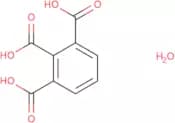
CAS:1,2,3-Benzenetricarboxylic acid hydrate (BTAH) is a molecule that has been studied as a potential photosensitizer for photodynamic therapy. This compound is an organic semiconductor with a wide absorption spectrum and a large quantum yield in the visible region. It also has high charge carrier mobility, which makes it suitable for use in electronic devices. BTAH is an additive that can be used to inhibit the formation of cancer cells and reduce inflammation. BTAH has been shown to have anti-inflammatory properties by inhibiting prostaglandin synthesis. The molecular structure of BTAH consists of three benzene rings joined together by two carboxyl groups. The central ring in this molecule is also known as 1,2,3-benzenetricarboxylic acid or 3,4-dihydroxybenzoic acid.Formula:C9H6O6·xH2OPurity:Min. 98 Area-%Color and Shape:PowderMolecular weight:210.14 g/molL-Arginine a-ketoglutarate (1:1)
CAS:L-Arginine a-ketoglutarate (1:1) is a water soluble compound that is used as a precursor for the synthesis of polyamines. It is also an intermediate in the urea cycle and can be used to synthesize glutamate, glutamine, and argininosuccinic acid. L-Arginine a-ketoglutarate (1:1) has been shown to improve myocardial function and reduce infarct size in animal models. This drug has also been shown to augment neuroprotective properties of metoprolol succinate on cerebellar Purkinje neurons in vitro. The degradation of L-arginine a-ketoglutarate (1:1) by monoamine oxidase B produces hydrogen peroxide, which may be responsible for its cardioprotective effects.Formula:C6H14N4O2·C5H6O5Purity:Min. 95%Color and Shape:PowderMolecular weight:320.3 g/molCisapride monohydrate
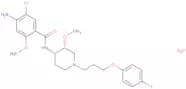
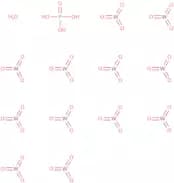
CAS:Controlled ProductSerotonin receptor (5-HT4) agonistFormula:C23H29ClFN3O4·H2OPurity:Min. 95%Color and Shape:PowderMolecular weight:483.96 g/molPhosphotungstic acid hydrate
CAS:Phosphotungstic acid hydrate is a white, crystalline solid that belongs to the group of phosphotungstates. It is soluble in methanol and water and has a low vapor pressure. Phosphotungstic acid hydrate is stable at room temperature and below, but decomposes above 100°C. The reaction mechanism for phosphotungstic acid hydrate is the formation of an acid complex with a proton from water, which can be written as PW6O14(OH)2 + H2O PW6O14(OH)3H+ + OH- This reaction solution is acidic, with a pH of 2 or less. Hydroxyl groups on the phosphotungstate react with hydrogen fluoride to form tungsten hexafluoride gas. Hydrogen bonding interactions between the hydroxyl groups in phosphotungstic acid hydrate are responsible for its structural analysis. Oxidation catalysts such as magnesium saltFormula:H3P(W3O10)4•H2OPurity:Min. 95%Color and Shape:PowderMolecular weight:2,880.05 g/molTolterodine tartrate
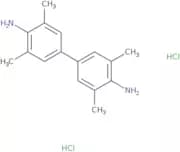
CAS:Muscarinic antagonistFormula:C22H31NO·C4H6O6Purity:Min. 95%Color and Shape:PowderMolecular weight:475.57 g/mol3,3',5,5'-Tetramethylbenzidine dihydrochloride dihydrate
CAS:3,3',5,5'-Tetramethylbenzidine dihydrochloride dihydrate is a hydrophilic, non-fluorescent, and water-soluble chemical that is used as an enzyme-linked immunosorbent assay (ELISA) substrate. It has been shown to be reactive with peroxide and hydrogen peroxide in vitro and in vivo. 3,3',5,5'-Tetramethylbenzidine dihydrochloride dihydrate also has peroxidase-like activity when interacting with monomers to form polymers. The monomers are recombinantly human proteins that have been modified to increase the molecule's solubility. This increased solubility increases the interaction of the monomers with oxidants such as hydrogen peroxide or peroxides.
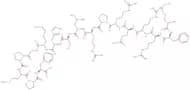
Formula:C16H20N2·2HCl·2H2OPurity:Min. 95%Color and Shape:PowderMolecular weight:349.3 g/molApelin-17 trifluoroacetate
CAS:Apelin-17 trifluoroacetate is a reaction component, reagent and useful scaffold for the synthesis of complex compounds. It is a high quality, research chemical that is used in the synthesis of fine chemicals. Apelin-17 trifluoroacetate has versatile building block and can be used as a useful intermediate or as a speciality chemical. It also has high reactivity and is soluble in organic solvents.
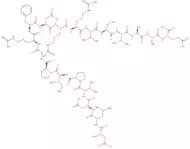
Formula:C96H156N34O20S•C2HF3O2Purity:Min. 95%Color and Shape:PowderMolecular weight:2,252.57 g/molCalcineurin Substrate trifluoroacetate salt H-Asp-Leu-Asp-Val-Pro-Ile-Pro-Gly-Arg-Phe-Asp-Arg-Arg-Val-Ser-Val-Ala-Ala-Glu-OH trifluo roacetate salt
CAS:Please enquire for more information about Calcineurin Substrate trifluoroacetate salt H-Asp-Leu-Asp-Val-Pro-Ile-Pro-Gly-Arg-Phe-Asp-Arg-Arg-Val-Ser-Val-Ala-Ala-Glu-OH trifluo roacetate salt including the price, delivery time and more detailed product information at the technical inquiry form on this pageFormula:C92H150N28O29Purity:Min. 95%Molecular weight:2,112.35 g/mol