Antimicrobials
Antimicrobials are agents that destroy or inhibit the growth of microorganisms, including bacteria, viruses, fungi, and parasites. These compounds are essential in the prevention and treatment of infections, playing a crucial role in medicine, agriculture, and the food industry. At CymitQuimica, we offer an extensive range of high-quality, high-purity antimicrobials suitable for various scientific and industrial applications. Our catalog includes antibiotics, antifungals, antivirals, and disinfectants, all designed to meet the needs of research and development, as well as clinical and production applications. With our products, professionals can ensure the effectiveness and safety in infection control and public health protection.
Subcategories of "Antimicrobials"
- Antibiotics(4,112 products)
- Antifungals(837 products)
- Antiparasitics(704 products)
- Antivirals(763 products)
Found 2422 products of "Antimicrobials"
Sort by
Purity (%)
0
100
|
0
|
50
|
90
|
95
|
100
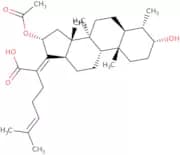
11-Deoxyfusidic acid
CAS:<p>11-Deoxyfusidic acid is a steroidal antibiotic, which is derived from the fermentation broth of certain strains of fungi, specifically within the Fusidium genus. Its mode of action involves inhibiting bacterial protein synthesis by interacting with elongation factor G (EF-G) on the ribosome, thus disrupting essential processes and impeding bacterial growth.</p>Formula:C31H48O5Purity:Min. 95%Molecular weight:500.71 g/molCefepime-d3 sulfate
CAS:Controlled Product<p>Cefepime-d3 sulfate is an isotopically labeled antibiotic, which is derived from the fourth-generation cephalosporin, cefepime. The source of this compound is synthetic, utilizing deuterium to label the parent cefepime molecule, allowing for detailed metabolic and pharmacokinetic studies. With deuterium's stable, non-radioactive nature, it serves as a powerful tool in mass spectrometry-based analyses.</p>Formula:C19H23D3N6O9S3Purity:Min. 95%Molecular weight:581.66 g/mol7-O-Demethyl rapamycin
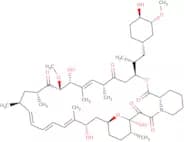
CAS:<p>7-O-Demethyl rapamycin is a macrolide compound, which is a derivative of rapamycin, originally sourced from the bacterial species *Streptomyces hygroscopicus*. This compound operates by binding to the FK506-binding protein 12 (FKBP12), forming a complex that inhibits the mammalian target of rapamycin (mTOR) pathway. This inhibition interferes with cellular processes such as cell growth, proliferation, and survival by altering the phosphorylation state of downstream targets.</p>Formula:C50H77NO13Purity:80%MinMolecular weight:900.15 g/molGentamicin c1 sulfate
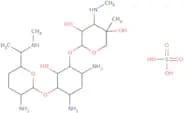
CAS:<p>Gentamicin c1 sulfate is an aminoglycoside antibiotic, which is derived from the fermentation of the soil bacterium *Micromonospora purpurea*. Its mode of action involves binding to the 30S ribosomal subunit, disrupting protein synthesis by causing misreading of mRNA and inhibiting the initiation of translation. This mechanism is particularly effective against a broad spectrum of Gram-negative bacteria, including *Pseudomonas aeruginosa* and members of the Enterobacteriaceae family.</p>Formula:C21H45N5O11SPurity:Min. 95%Molecular weight:575.7 g/molAqabamycin G
CAS:<p>Aqabamycin G is a macrolactam antibiotic, which is derived from marine bacteria belonging to the genus Streptomyces. This compound is noted for its complex structure, featuring a macrolactam ring that is crucial for its biological activity. Aqabamycin G's mode of action involves inhibiting bacterial protein synthesis by binding to the bacterial ribosomal subunit, thereby disrupting peptide bond formation. This interference with the protein production machinery of bacterial cells results in effective bacteriostatic or bactericidal outcomes, depending on the concentration and specific bacterial target.</p>Formula:C18H11N3O5Purity:Min. 95%Molecular weight:349.3 g/molPurfalcamine
CAS:<p>Purfalcamine is a synthetic pharmaceutical compound that belongs to a class of molecules known as small-molecule inhibitors. It is sourced through advanced chemical synthesis, enabling precise structural modifications to optimize its biological activity. The mode of action of Purfalcamine involves selective inhibition of a specific target protein involved in key cellular signaling pathways. This targeted interaction disrupts abnormal cellular processes, making it a promising therapeutic candidate for certain diseases.</p>Formula:C29H33FN8OPurity:Min. 95%Molecular weight:528.6 g/molCefotaxime sodium - Sterile grade
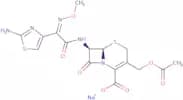
CAS:<p>Cefotaxime sodium - Sterile grade is a cephalosporin antibiotic, which is derived from the beta-lactam class of antibacterial agents. It effectively disrupts bacterial cell wall synthesis by binding to and inhibiting penicillin-binding proteins, leading to cell lysis and death. This mechanism of action is potent against a variety of Gram-positive and Gram-negative bacteria, making it a valuable tool in clinical settings.</p>Formula:C16H17N5O7S2·NaPurity:Min. 95%Molecular weight:478.46 g/molFenbuconazole-lactone B rh-9130
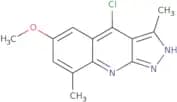
CAS:<p>Fenbuconazole-lactone B rh-9130 is an azole fungicide, which is a chemically synthesized compound. It is derived from the lactone form of fenbuconazole, an established triazole fungicide, and designed to inhibit sterol biosynthesis. Its mode of action involves disrupting the synthesis of ergosterol, a critical component of fungal cell membranes, thereby impeding fungal growth and reproduction.</p>Formula:C19H16ClN3O2Purity:Min. 95%Molecular weight:353.8 g/molCeftizoxime alapivoxil
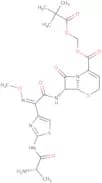
CAS:<p>Ceftizoxime alapivoxil is a prodrug antibiotic, which is derived from ceftizoxime, a third-generation cephalosporin. This semi-synthetic source enables the compound to effectively combat a wide range of bacterial infections by improving oral bioavailability compared to its parent compound. Once administered, ceftizoxime alapivoxil is metabolized in the body to release ceftizoxime, which exerts its antibacterial activity by binding to penicillin-binding proteins (PBPs) on bacterial cell walls. This binding action inhibits the transpeptidation step critical for cell wall synthesis, leading to cell lysis and bacterial death.</p>Purity:Min. 95%1,4-Dihydro-2,3-benzodithiine
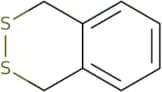
CAS:<p>1,4-Dihydro-2,3-benzodithiine is a synthetic organic compound, which is often utilized in the field of material science and chemical research. It is derived from aromatic dithiins, characterized by a unique heterocyclic structure containing sulfur atoms within its ring system. The compound’s mode of action primarily involves its ability to partake in various cycloaddition reactions due to the electron-rich nature of the dithiine ring, which can facilitate interactions with electrophiles.</p>Formula:C8H8S2Purity:Min. 95%Molecular weight:168.3 g/mol8-Hydroxy-3,5,6,7,3',4'-hexamethoxyflavone
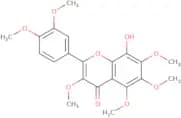
CAS:<p>8-Hydroxy-3,5,6,7,3',4'-hexamethoxyflavone is a flavonoid compound, which is a naturally occurring polyphenolic substance found predominantly in various citrus fruits. As part of the flavone class of flavonoids, its structure is characterized by the presence of multiple methoxy and hydroxyl groups. These functional groups contribute to its biochemical properties, particularly its ability to act as an electron donor.</p>Formula:C21H22O9Purity:Min. 95%Molecular weight:418.4 g/molSatranidazole
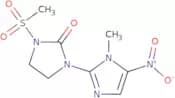
CAS:<p>Satranidazole is an antimicrobial agent that falls under the category of synthetic nitroimidazoles. It is derived from chemical synthesis and is designed to combat infections caused by specific organisms. The mode of action involves the reduction of the nitro group within the organism, creating reactive intermediates that disrupt DNA synthesis and lead to cell death. This mode of action is notably effective against protozoal infections and anaerobic bacterial infections.</p>Formula:C8H11N5O5SPurity:Min. 95%Molecular weight:289.27 g/molFlorpyrauxifen
CAS:<p>Florpyrauxifen is a synthetic auxin herbicide, which is derived from chemical synthesis. It functions by mimicking natural plant hormones called auxins, which regulate plant growth and development. The mode of action involves disrupting normal cellular function by causing uncontrolled growth, leading to plant death.</p>Formula:C13H8Cl2F2N2O3Purity:Min. 95%Molecular weight:349.11 g/molN-Demethylclindamycin
CAS:<p>N-Demethylclindamycin is a metabolite of clindamycin, which is a semi-synthetic antibiotic derived from the naturally occurring compound lincomycin. This product is synthesized by enzymatic or chemical processes that remove the N-methyl group from clindamycin's molecular structure, making it an important derivative in the study of antibiotic activity and metabolic pathways.</p>Formula:C17H31ClN2O5SPurity:Min. 95%Molecular weight:411 g/molTulathromycin B - 95%
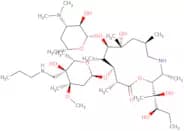
CAS:<p>Inhibitor of protein synthesis; macrolide class</p>Formula:C41H79N3O12Purity:Min. 95%Molecular weight:806.08 g/mol4-Epitetracycline ammonium
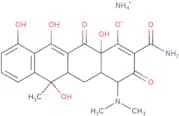
CAS:<p>4-Epitetracycline ammonium is a tetracycline analog, which is a derivative of the well-known antibiotic tetracycline. This compound is synthesized from naturally occurring tetracycline through chemical modification, involving the alteration of the hydroxyl group at the C-4 position. As a result, 4-Epitetracycline ammonium retains the fundamental characteristics of its parent compound.</p>Formula:C22H27N3O8Purity:Min. 95%Molecular weight:461.5 g/molSofosbuvir impurity M
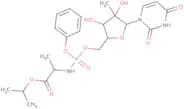
CAS:<p>Sofosbuvir impurity M is a chemical impurity, which is a by-product identified during the synthesis and manufacturing of the antiviral drug Sofosbuvir. This impurity originates from the complex chemical reactions involved in the production of nucleoside analogues, which are crucial in the formation of the active pharmaceutical ingredient.</p>Formula:C22H30N3O10PPurity:Min. 95%Molecular weight:527.5 g/molAmustaline dihydrochloride
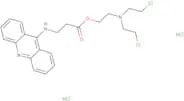
CAS:<p>Amustaline dihydrochloride is a chemical compound known for its alkylating properties, which is synthetically derived through chemical synthesis methods. The mode of action of Amustaline dihydrochloride involves the formation of covalent bonds with nucleophilic entities in DNA, leading to cross-linking and subsequent disruption of DNA function. This results in the inhibition of cellular replication, ultimately inducing apoptosis or programmed cell death in rapidly dividing cells.</p>Formula:C22H27Cl4N3O2Purity:Min. 95%Molecular weight:507.3 g/molPuromycin aminonucleoside
CAS:<p>Inducer of apoptosis; translational inhibitor; aminonucleoside antibiotic</p>Formula:C12H18N6O3Purity:Min. 95%Molecular weight:294.31 g/molAliconazole
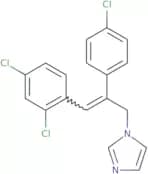
CAS:<p>Aliconazole is a triazole-based antifungal agent, which is a synthetic derivative developed through chemical synthesis. It functions by inhibiting the enzyme lanosterol 14α-demethylase, crucial in the biosynthesis of ergosterol, a vital component of fungal cell membranes. By disrupting ergosterol production, aliconazole compromises the structural integrity of the cell membrane, leading to increased permeability and eventual cell death.</p>Formula:C18H13Cl3N2Purity:Min. 95%Molecular weight:363.7 g/molBacitracin B3
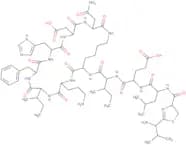
CAS:<p>Bacitracin B3 is an antibacterial agent, which is derived from the bacterium Bacillus subtilis. Its mode of action involves the inhibition of bacterial cell wall synthesis. This is achieved by interfering with the dephosphorylation of bactoprenol, an essential carrier molecule in the transport of peptidoglycan precursors across the cytoplasmic membrane. The disruption of this process leads to a weakened cell wall, ultimately resulting in bacterial cell lysis and death.</p>Formula:C65H101N17O16SPurity:Min. 95%Molecular weight:1,408.7 g/mol4′-O-De(2,6-dideoxy-3-O-methyl-α-L-arabino-hexopyranosyl)-5-O-demethylavermectin A1a
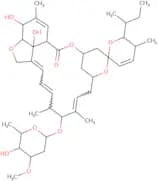
CAS:<p>4′-O-De(2,6-dideoxy-3-O-methyl-α-L-arabino-hexopyranosyl)-5-O-demethylavermectin A1a is a semi-synthetic derivative of avermectin, which is a naturally occurring compound isolated from the fermentation broth of the soil bacterium *Streptomyces avermitilis*. This compound exhibits potent antiparasitic activity by targeting the glutamate-gated chloride channels in the nervous systems of parasitic organisms. By binding and activating these channels, it increases the permeability of the cell membrane to chloride ions, resulting in paralysis and death of the parasite.</p>Formula:C41H60O11Purity:Min. 95%Molecular weight:728.91 g/molPolymyxin E2 sulfate
CAS:<p>Polymyxin E2 sulfate is a cyclic polypeptide antibiotic, which is derived from the bacterium *Paenibacillus polymyxa*. This compound acts by disrupting the bacterial cell membrane, specifically interacting with the lipopolysaccharides and phospholipids in the outer membrane, leading to increased permeability and eventual cell death. It primarily targets gram-negative bacteria, making it effective against a range of pathogens responsible for serious infections.</p>Formula:C52H98N16O13Purity:Min. 95%Molecular weight:1,155.4 g/mol1-Naphthol-o-sulfate potassium
CAS:<p>1-Naphthol-o-sulfate potassium is a sulfate ester, which is a derivative of naphthol. It is synthesized from 1-naphthol, a phenolic compound, through sulfation, typically using chlorosulfonic acid or oleum, followed by neutralization with potassium hydroxide to produce the potassium salt form. This particular compound is involved in various biochemical pathways, especially as a conjugated metabolite in phase II metabolism.</p>Formula:C10H8KO4SPurity:Min. 95%Molecular weight:263.33 g/molRibocil-C (R enantiomer)
CAS:<p>Ribocil-C (R enantiomer) is a synthetic small molecule, which is designed as an antibacterial agent specifically targeting the bacterial riboflavin synthesis pathway. This compound is derived from chemical synthesis methodologies, tailored to exploit the protonation state and steric configuration unique to the R enantiomer. Ribocil-C functions by selectively inhibiting riboswitch-mediated regulation in the flavin mononucleotide (FMN) riboswitch, disrupting the synthesis of riboflavin in bacteria. This targeted inhibition disrupts essential metabolic processes, critically hampering bacterial growth and viability.</p>Formula:C21H21N7OSPurity:Min. 95%Molecular weight:419.5 g/molBaringolin
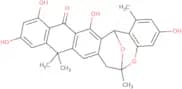
CAS:<p>Baringolin is a peptide-based antibiotic, which is derived from marine sources, specifically linked to natural products obtained from marine microorganisms. Its mode of action involves the inhibition of bacterial protein synthesis, which is achieved by interfering with the bacterial ribosome. This inhibition disrupts the ability of bacteria to produce essential proteins, ultimately leading to cell death.</p>Formula:C69H66N18O13S5Purity:Min. 95%Molecular weight:1,515.7 g/mol(-)-Anthrabenzoxocinone
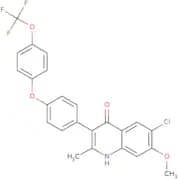
CAS:<p>(-)-Anthrabenzoxocinone is a type of polyketide compound, which is a natural product derived from microbial sources, specifically Streptomyces species. This compound is characterized by its complex aromatic structure, which is a hallmark of polyketides known for their diverse biological activities. The mode of action of (-)-anthrabenzoxocinone primarily involves the inhibition of bacterial RNA synthesis, reflecting its role as an antibiotic. Additionally, it exhibits potential antitumor activity, possibly through the inhibition of topoisomerase enzymes that are crucial for DNA replication and transcription.</p>Formula:C27H24O7Purity:Min. 95%Molecular weight:460.5 g/molELQ-300
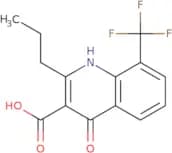
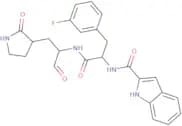
CAS:<p>ELQ-300 is a potent antimalarial compound, which is a synthetic quinolone derivative. As a product of chemical synthesis and medicinal chemistry, it targets the electron transport chain in the mitochondrial cytochrome bc1 complex. This compound acts by selectively inhibiting the cytochrome bc1 complex, a critical component of the parasite's mitochondrial respiratory chain, thus preventing ATP synthesis and ultimately leading to the death of the parasite.</p>Formula:C24H17ClF3NO4Purity:Min. 95%Molecular weight:475.8 g/molSars-cov mpro-in-1
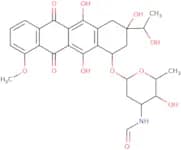
CAS:<p>SARS-CoV Mpro-in-1 is a chemical compound that acts as a selective inhibitor of the main protease (Mpro) of the SARS coronavirus. This inhibitor is synthesized through chemical processes, leveraging medicinal chemistry techniques aimed at designing molecules that specifically target viral proteases. Its mode of action involves binding to the active site of the SARS-CoV main protease, thereby blocking the protease's enzymatic activity essential for viral replication. Inhibition occurs by preventing the cleavage of the viral polyprotein, an event crucial for producing the mature, functional proteins that the virus needs to proliferate within the host.</p>Formula:C25H25FN4O4Purity:Min. 95%Molecular weight:464.5 g/molBaumycin C2
CAS:<p>Baumycin C2 is an anthracycline antibiotic, which is a type of chemotherapy agent used in cancer treatment. This compound is derived from the bacterium Streptomyces, known for producing specific metabolites that interfere with cellular processes. The mode of action of Baumycin C2 involves intercalating into DNA, thereby disrupting the enzyme topoisomerase II. This interference prevents proper DNA replication and transcription, ultimately leading to apoptosis in rapidly dividing cancer cells. The uses and applications of Baumycin C2 predominantly relate to its efficacy against various types of cancers, including leukemias, lymphomas, and solid tumors such as breast cancer. By targeting DNA replication, Baumycin C2 plays a crucial role in reducing tumor growth and proliferation, representing a significant tool in oncological pharmacotherapy. Researchers continue to explore its potential in combination therapies to enhance its effectiveness and mitigate resistance.</p>Formula:C28H31NO11Purity:Min. 95%Molecular weight:557.5 g/molβ-Lactoglobulin A from bovine milk
CAS:<p>β-Lactoglobulin A is a whey protein found predominantly in bovine milk, characterized as a globular protein. It is sourced from the milk of cows and serves as a major component of whey, the liquid by-product of cheese production. The structure of β-Lactoglobulin A allows it to bind hydrophobic molecules, such as fatty acids and vitamins, which may facilitate their transport and absorption in the digestive tract.</p>Purity:Min. 95%Bleomycin acid
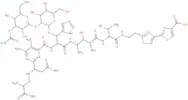
CAS:<p>Bleomycin acid is a chemotherapeutic agent, which is a derivative of antibiotics isolated from the bacterium *Streptomyces verticillus*. This bioactive compound exhibits its mode of action primarily through binding to DNA and inducing strand breaks. The interaction of bleomycin acid with DNA leads to the formation of free radicals, which subsequently result in single and double-strand breaks. These actions disrupt the DNA synthesis and repair processes, ultimately inhibiting cancer cell proliferation.</p>Formula:C50H72N16O22S2Purity:Min. 95%Molecular weight:1,313.3 g/molNojirimycin bisulfite
CAS:<p>Nojirimycin bisulfite is a potent glycosidase inhibitor, which is a derivative of nojirimycin known for its significant impact on carbohydrate metabolism. This compound originates from microorganisms, primarily isolated from the bacterium *Streptomyces* species. The mechanism through which Nojirimycin bisulfite exerts its effects involves the inhibition of glycosidases, enzymes responsible for breaking down complex carbohydrates into simpler sugars. By interfering with these enzymes, Nojirimycin bisulfite disrupts the normal processing of carbohydrates.</p>Formula:C6H13NO7SPurity:Min. 95%Molecular weight:243.24 g/molPyraoxystrobin
CAS:<p>Pyraoxystrobin is a fungicidal compound, which is a chemically synthesized strobilurin derivative. It functions by disrupting the mitochondrial respiration in fungi. Specifically, pyraoxystrobin inhibits the cytochrome bc1 complex in the electron transport chain, effectively preventing adenosine triphosphate (ATP) synthesis.</p>Formula:C22H21ClN2O4Purity:Min. 95%Molecular weight:412.9 g/molFosmidomycin sodium
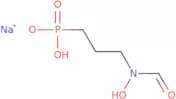
CAS:<p>Fosmidomycin sodium is an antibiotic compound, which is derived from phosphonic acid. It functions as an inhibitor of the enzyme 1-deoxy-D-xylulose 5-phosphate reductoisomerase (DXR), crucial in the non-mevalonate pathway of isoprenoid biosynthesis. By targeting this enzyme, fosmidomycin sodium disrupts the production of isoprenoids, essential components for the growth and survival of certain bacteria and parasites.</p>Formula:C4H9NNaO5PPurity:Min. 95%Molecular weight:205.08 g/molDesmethyl ferroquine
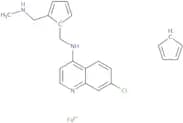
CAS:<p>Desmethyl ferroquine is an antimalarial compound, which is a derivative of ferroquine. It is synthesized through chemical modification processes, specifically designed to enhance its pharmacokinetic and pharmacodynamic properties. This compound exhibits its mode of action by compromising the integrity of the Plasmodium parasite's digestive vacuole. By doing so, it disrupts heme detoxification, which is crucial for the parasite’s survival within red blood cells.</p>Formula:C22H22ClFeN3Purity:Min. 95%Molecular weight:419.7 g/molBA-53038B
CAS:<p>BA-53038B is a microbial-based insecticide, which is derived from a naturally occurring bacterium. It functions through a specific mode of action involving the disruption of the digestive processes in target insect larvae. Once ingested by the larvae, the bacterial spores produce endotoxins that bind to receptors in the gut of susceptible insect species, causing cell lysis and eventual death. This product is highly selective, targeting specific insect pests while minimizing harm to non-target organisms and beneficial insects.</p>Formula:C14H16ClNOPurity:Min. 95%Molecular weight:249.73 g/molChlortetracycline-13C-d3 hydrochloride
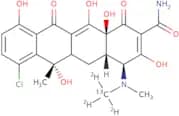
Controlled Product<p>Chlortetracycline-13C-d3 hydrochloride is a stable isotope-labeled antibiotic with action on bacterial protein synthesis inhibition and is used for research in bacterial resistance and analytical studies.</p>Formula:C2113CH21D3Cl2N2O8Color and Shape:PowderMolecular weight:519.35 g/molNeosartoricin B
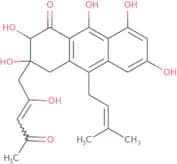
CAS:<p>Neosartoricin B is a promising antibiotic compound, which is derived from fungal sources, specifically the genus *Neosartorya*. Its unique mode of action involves disrupting the cell wall synthesis of target fungal organisms, making it highly effective against a range of pathogenic fungi. This compound works by interfering with the biosynthesis of essential components required for cell wall integrity, ultimately leading to cell lysis and death of the fungal cells.</p>Formula:C24H26O8Purity:Min. 95%Molecular weight:442.5 g/molImipenem Monohydrate, Antibiotic for Culture Media Use Only
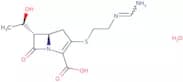
CAS:<p>Imipenem acts as an antimicrobial through inhibiting cell wall synthesis of various gram-positive and gram-negative bacteria. It remains very stable in the presence of beta-lactamase (both penicillinase andcephalosporinase) produced by some bacteria, and is a strong inhibitor of beta-lactamases from some gram-negative bacteria that are resistant to most beta-lactam antibiotics.</p>Formula:C12H19N3O5SPurity:Min. 98.0 Area-%Molecular weight:317.36 g/molML406
CAS:<p>ML406 is a synthetic small molecule compound, which is a chemically-engineered agent with a precise mode of action targeting specific biological pathways. It is synthesized through controlled laboratory processes to achieve high purity and specificity. The compound functions by modulating target proteins or receptors, thereby influencing cellular pathways of interest. Due to its high specificity, ML406 is utilized primarily within a research context to elucidate complex biological mechanisms and validate the roles of potential therapeutic targets.</p>Formula:C20H20N2O4Purity:Min. 95%Molecular weight:352.4 g/molE-Ceftazidime
CAS:<p>E-Ceftazidime is a third-generation cephalosporin antibiotic, which is derived from the mold Acremonium. It functions by inhibiting bacterial cell wall synthesis, a crucial component for bacterial survival and replication. This inhibition occurs through the binding to specific penicillin-binding proteins (PBPs) within the bacterial cell wall, thus preventing cross-linking of the peptidoglycan chains, which results in the eventual lysis and death of the bacterial cell.</p>Formula:C22H22N6O7S2Purity:Min. 95%Molecular weight:546.60 g/molDesciclovir
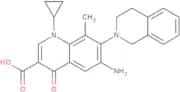
CAS:<p>Desciclovir is an antiviral agent, which is a synthetic nucleoside analog derived from guanine. Its mode of action involves the selective inhibition of viral DNA polymerase, leading to the termination of viral DNA chain elongation. By mimicking the natural substrates of the viral nucleic acid synthesis machinery, Desciclovir effectively disrupts the replication of viral genetic material, impeding the proliferation of the virus within the host cells.</p>Formula:C8H11N5O2Purity:Min. 95%Molecular weight:209.21 g/mol6-Amino-1-cyclopropyl-7-(3,4-dihydro-1H-isoquinolin-2-yl)-8-methyl-4-oxoquinoline-3-carboxylic acid
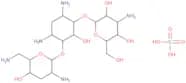
CAS:<p>6-Amino-1-cyclopropyl-7-(3,4-dihydro-1H-isoquinolin-2-yl)-8-methyl-4-oxoquinoline-3-carboxylic acid is a synthetic quinolone antibiotic, which is derived from chemical synthesis processes designed to mimic the naturally occurring quinolone core structure. With a specific mechanism of action, it inhibits bacterial DNA gyrase and topoisomerase IV. These enzymes are critical for supercoiling and uncoiling DNA, meaning that their inhibition results in an inability of bacterial cells to properly replicate their DNA, ultimately leading to cell death.</p>Formula:C23H23N3O3Purity:Min. 95%Molecular weight:389.4 g/molTobramycin sulfate
CAS:<p>Tobramycin sulfate is an aminoglycoside antibiotic, which is derived from selected strains of Streptomyces tenebrarius. It functions by binding irreversibly to the 30S subunit of bacterial ribosomes, thereby inhibiting protein synthesis. This disruption in essential protein formation results in bactericidal activity, particularly against Gram-negative bacteria.</p>Formula:C18H39N5O13SPurity:Min. 95%Molecular weight:565.6 g/molVineomycin A1
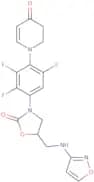
CAS:<p>Vineomycin A1 is a cytotoxic antibiotic, which is isolated from the fermentation broth of certain Streptomyces species. This compound is a member of the anthracycline class of antibiotics, known for their potent antitumor activity. Vineomycin A1 exerts its effects by intercalating into DNA, disrupting the DNA replication process and ultimately inducing apoptosis in rapidly dividing cells. This mode of action makes it a valuable tool in studying cellular responses to DNA damage and has potential implications in cancer research. Leveraging its ability to target malignant cells, Vineomycin A1 is primarily examined for its therapeutic potential in oncology, particularly in treating certain types of cancers that are resistant to standard therapies. As a research chemical, it enables scientists to gain insights into the mechanisms of drug resistance and DNA repair pathways, contributing to the development of novel cancer treatment strategies.</p>Formula:C49H58O18Purity:Min. 95%Molecular weight:935.00 g/molContezolid
CAS:<p>Contezolid is an oxazolidinone antibiotic, which is a class of synthetic compounds primarily derived through chemical synthesis. It functions by inhibiting bacterial protein synthesis, specifically by binding to the 50S subunit of the bacterial ribosome. This action prevents the formation of the initiation complex, thereby hindering the growth and replication of bacteria.</p>Formula:C18H15F3N4O4Purity:Min. 95%Molecular weight:408.3 g/molHomoembelin
CAS:<p>Homoembelin is a chemical compound that is classified as a natural product alkaloid, which is derived from specific plant sources, notably the fruit of the plant Embelia ribes. It operates through a variety of biochemical interactions at the molecular level, including the inhibition of specific enzymes and modulation of signaling pathways. This mode of action has garnered interest due to its potential effects in various therapeutic contexts.</p>Formula:C15H22O4Purity:Min. 95%Molecular weight:266.33 g/molParvodicin C2
CAS:<p>Parvodicin C2 is a natural antibiotic compound, which is derived from the fermentation of specific actinomycete strains. This antibiotic functions through the inhibition of bacterial protein synthesis, specifically targeting the ribosomal subunits and leading to disruption in the peptide chain elongation process. The targeted mode of action allows it to effectively limit the replication and survival of susceptible bacterial strains.</p>Formula:C83H88Cl2N8O29Purity:Min. 95%Molecular weight:1,732.5 g/molFenpicoxamid-phenol
CAS:<p>Fenpicoxamid-phenol is a fungicide, which is a synthetic chemical compound primarily used in agriculture. It originates from advanced chemical synthesis methods that leverage specific molecular architectures to inhibit fungal growth effectively. The mode of action involves targeting and disrupting fungal respiration at the mitochondrial level, specifically inhibiting complex III of the electron transport chain. This selective interference curtails energy production in the fungal cells, thereby halting their growth and propagation.</p>Formula:C26H30N2O9Purity:Min. 95%Molecular weight:514.5 g/mol