Antimicrobials
Antimicrobials are agents that destroy or inhibit the growth of microorganisms, including bacteria, viruses, fungi, and parasites. These compounds are essential in the prevention and treatment of infections, playing a crucial role in medicine, agriculture, and the food industry. At CymitQuimica, we offer an extensive range of high-quality, high-purity antimicrobials suitable for various scientific and industrial applications. Our catalog includes antibiotics, antifungals, antivirals, and disinfectants, all designed to meet the needs of research and development, as well as clinical and production applications. With our products, professionals can ensure the effectiveness and safety in infection control and public health protection.
Subcategories of "Antimicrobials"
- Antibiotics(4,112 products)
- Antifungals(837 products)
- Antiparasitics(704 products)
- Antivirals(763 products)
Found 2422 products of "Antimicrobials"
Sort by
Purity (%)
0
100
|
0
|
50
|
90
|
95
|
100
Herbimycin
CAS:<p>Herbimycin is an antibiotic, which is a natural product derived from Streptomyces bacteria. It functions primarily as a tyrosine kinase inhibitor, disrupting cellular signaling pathways by binding to the ATP-binding site of kinases and inhibiting phosphorylation events. This mode of action makes it an effective tool for scientists studying signal transduction processes and oncogenic transformation.</p>Formula:C30H42N2O9Purity:Min. 95%Molecular weight:574.66 g/molCephalexin hydrochloride
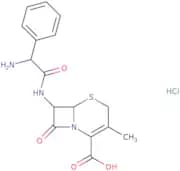
CAS:<p>Cephalexin hydrochloride is a cephalosporin antibiotic, which is a type of beta-lactam antibiotic. It is derived from the fungus Acremonium, previously known as Cephalosporium, with a bactericidal mode of action. This compound works by inhibiting bacterial cell wall synthesis. Specifically, it binds to one or more of the penicillin-binding proteins (PBPs), which in turn disrupts the final stages of bacterial cell wall formation and results in cell lysis mediated through autolytic enzyme action.</p>Formula:C16H18ClN3O4SPurity:Min. 95%Molecular weight:383.9 g/molTebufloquin
CAS:<p>Tebufloquin is an insecticide, which is a synthetic compound designed to target specific pests. It is derived from chemical synthesis with a mode of action that interferes with critical biological pathways in insects, rendering them unable to survive or reproduce. Tebufloquin works primarily by targeting the nervous system of insects, leading to paralysis and eventual death.</p>Formula:C17H20FNO2Purity:Min. 95%Molecular weight:289.34 g/molTunicamycin V
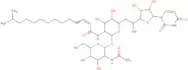
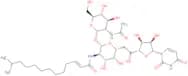
CAS:<p>Tunicamycin V is an antibiotic and nucleoside analog, which is a secondary metabolite derived from various Streptomyces species. It functions predominantly by inhibiting the initial step of N-linked glycosylation, a critical post-translational modification process in eukaryotic cells. This inhibition occurs through the blockage of UDP-N-acetylglucosamine: dolichyl-phosphate N-acetylglucosamine-1-phosphate transferase, thereby preventing the synthesis of dolichol-linked oligosaccharides and ultimately affecting protein folding and quality control mechanisms within the endoplasmic reticulum.</p>Formula:C38H62N4O16Purity:Min. 95%Molecular weight:830.9 g/molBO3482
CAS:<p>Please enquire for more information about BO3482 including the price, delivery time and more detailed product information at the technical inquiry form on this page</p>Formula:C14H20N2NaO5S2Purity:Min. 95%Molecular weight:383.4 g/molDimethenamid-oxalamid
CAS:<p>Dimethenamid-oxalamid is a pre-emergent herbicide, which is a synthetic compound developed for agricultural use. It is derived from research focused on improving crop protection through chemical innovation. The mode of action involves inhibiting the synthesis of very long-chain fatty acids (VLCFAs) in weeds, disrupting their cell division and growth processes, ultimately leading to the prevention of weed emergence.</p>Formula:C12H17NO4SPurity:Min. 95%Molecular weight:271.33 g/molFibracillin
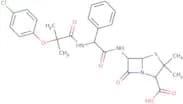
CAS:<p>Fibracillin is a bioengineered peptide, which is derived from specifically modified bacterial strains with advanced genetic manipulation techniques. Its mode of action involves the stimulation of fibroblast activity through targeted binding to cellular receptors, promoting collagen synthesis and extracellular matrix formation. This action facilitates the regeneration of connective tissues and supports wound healing processes.</p>Formula:C26H28ClN3O6SPurity:Min. 95%Molecular weight:546 g/molAT-527
CAS:<p>AT-527 is an investigational antiviral compound, which is a nucleoside analog prodrug with a specific mode of action inhibiting viral RNA polymerase. This product is derived from synthetic organic chemistry processes, uniquely designed to interfere with the replication machinery of certain RNA viruses. Upon administration, AT-527 undergoes intracellular conversion to its active triphosphate form, which then incorporates into the viral RNA. This incorporation results in premature chain termination or erroneous RNA synthesis, effectively disrupting the viral replication cycle.</p>Formula:C24H33FN7O7PPurity:Min. 95%Molecular weight:581.5 g/mol2-(1-Hydroxyethyl)-6-ethylaniline
CAS:<p>2-(1-Hydroxyethyl)-6-ethylaniline is an organic chemical compound, which is often utilized as an intermediate in the synthesis of dyes, pigments, and other industrial chemicals. This compound is derived from aromatic amines and undergoes specific chemical reactions that enable its functionality in various synthetic processes.</p>Formula:C10H15NOPurity:Min. 95%Molecular weight:165.23 g/mol2-(((5-Methyl-2-thienyl)methylene)amino)-N-phenylbenzamide
CAS:<p>2-(((5-Methyl-2-thienyl)methylene)amino)-N-phenylbenzamide is a synthetic compound that functions as an enzyme inhibitor, specifically targeting proteins involved in various signaling pathways. This compound is sourced through synthetic organic chemistry whereby it is meticulously crafted to interact with biological molecules at a molecular level. Its mode of action involves binding to the active or allosteric sites of specific enzymes, which can modulate the enzyme's activity. This interaction can lead to the downregulation or inhibition of specific biochemical pathways, making it an invaluable tool in the study of cellular processes.</p>Formula:C19H16N2OSPurity:Min. 95%Molecular weight:320.4 g/molN-(4-(4-Methylpiperidin-1-yl)-3-(trifluoromethyl)phenyl)-4-(morpholinomethyl)benzamide
CAS:<p>N-(4-(4-Methylpiperidin-1-yl)-3-(trifluoromethyl)phenyl)-4-(morpholinomethyl)benzamide is a sophisticated chemical compound, classified as a synthetic small molecule. It is synthesized through a series of organic reactions, showcasing the intricate art of modern chemical synthesis and design.</p>Formula:C25H30F3N3O2Purity:Min. 95%Molecular weight:461.5 g/molRolitetracycline
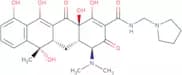
CAS:<p>Rolitetracycline is a semi-synthetic tetracycline antibiotic, which is derived from the natural compound tetracycline. It functions primarily by inhibiting protein synthesis in susceptible bacteria. This is achieved through the binding to the 30S ribosomal subunit, effectively blocking the attachment of aminoacyl-tRNA to the mRNA-ribosome complex, thereby preventing the addition of new amino acids to the nascent peptide chain. As a result, bacterial cell growth is inhibited, leading to bacteriostatic effects.</p>Formula:C27H33N3O8Purity:Min. 95%Color and Shape:PowderMolecular weight:527.57 g/molTunicamycin
CAS:<p>Inhibitor of N-glycosylation in eukaryotes</p>Formula:C37H60N4O16Purity:Min. 95%Color and Shape:PowderMolecular weight:816.892'-Deoxycoformycin
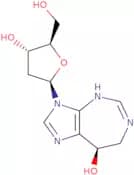
CAS:<p>2'-Deoxycoformycin is a potent adenosine deaminase inhibitor, which is derived from the fermentation of Streptomyces antibioticus, a species of actinomycete bacteria. This compound acts by specifically inhibiting the enzyme adenosine deaminase, leading to an accumulation of toxic deoxyadenosine triphosphate in lymphocytes. This buildup hinders DNA synthesis, effectively suppressing the proliferation of lymphoid cells.</p>Formula:C11H16N4O4Purity:Min. 95%Molecular weight:268.27 g/molSpiromesifen-alcohol-4-hydroxymethyl
CAS:<p>Spiromesifen-alcohol-4-hydroxymethyl is a selective miticide, which is a derivative of spiromesifen. This compound is sourced from novel chemical synthesis approaches focusing on the manipulation of chemical structures to improve efficacy and selectivity. The mode of action of Spiromesifen-alcohol-4-hydroxymethyl centers on disrupting the lipid biosynthesis pathway within target mites and whiteflies. By inhibiting acetyl-CoA carboxylase, it leads to impaired energy storage and membrane biosynthesis, ultimately causing the mortality of these pests.</p>Formula:C17H20O4Purity:Min. 95%Molecular weight:288.34 g/molAvermectin a1b
CAS:<p>Avermectin A1b is an antiparasitic compound, which is a macrocyclic lactone isolated from the soil bacterium *Streptomyces avermitilis*. This compound functions primarily by enhancing the release of gamma-aminobutyric acid (GABA) and binding to glutamate-gated chloride channels in nerve and muscle cells of parasites. This interaction leads to an increase in the permeability of cell membranes to chloride ions, resulting in paralysis and death of the parasite.</p>Formula:C48H72O14Purity:Min. 95%Molecular weight:873.1 g/molFradimycin B
CAS:<p>Fradimycin B is an aminoglycoside antibiotic, which is derived from the bacterium Streptomyces. It exhibits its mode of action by binding to the bacterial 30S ribosomal subunit, thereby inhibiting protein synthesis. This results in a bactericidal effect, effectively disrupting the growth and proliferation of susceptible bacterial strains.</p>Formula:C38H38O14Purity:Min. 95%Molecular weight:718.7 g/mol(1S,3R,6R,7R,10R,11R)-6-[(E,2R,5R)-5,6-Dimethylhept-3-en-2-yl]-7,11-dimethyl-2-oxapentacyclo[8.8.0.01,3.03,7.011,16]octadec-15-ene-1 4,17-dione
CAS:<p>(E)-Parthenolide is a sesquiterpene lactone, which is a naturally occurring organic compound often extracted from plants such as feverfew (Tanacetum parthenium). This compound exerts its effects primarily through the modulation of NF-kB signaling pathways, which play crucial roles in the regulation of immune responses, cell proliferation, and survival. By inhibiting NF-kB, (E)-Parthenolide can interfere with the expression of genes that promote cell growth and inflammation. This action makes it a compound of interest in cancer research, particularly as a potential therapeutic agent that targets cancer stem cells and reduces chemoresistance. Its applications extend to studying its efficacy in inhibiting tumor growth and inducing apoptosis in various cancer cell lines. Moreover, due to its natural source, (E)-Parthenolide is also being explored for its potential as an anti-inflammatory agent in the treatment of inflammatory conditions.</p>Formula:C28H40O3Purity:Min. 95%Molecular weight:424.6 g/molHypothemycin
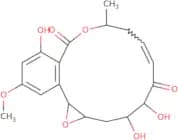
CAS:<p>Hypothemycin is a natural product that serves as a potent inhibitor of protein kinases. It is derived from the fungus Hypomyces subiculosus and belongs to the class of resorcylic acid lactones. Its mode of action involves binding covalently to the ATP-binding site of kinases, leading to the inhibition of their activity. This covalent modification is achieved through the formation of a Michael-type addition with a reactive ene-diene functionality within its structure. By targeting these critical enzymes, hypothemycin disrupts key signaling pathways that are essential for cell growth and proliferation.</p>Purity:Min. 95%Capsimycin
CAS:<p>Capsimycin is an antibiotic product, which is derived from the bacterium Streptomyces. This compound is part of a class of natural products isolated from soil-dwelling actinomycetes, known for their ability to produce a wide array of bioactive molecules. The mode of action of Capsimycin involves the inhibition of cell wall biosynthesis in susceptible bacterial strains. This specific mechanism disrupts the integrity of the bacterial cell wall, ultimately leading to cell lysis and death, making Capsimycin effective against a variety of Gram-positive bacteria.</p>Formula:C30H40N2O6Purity:Min. 95%Molecular weight:524.60 g/molCladosporin
CAS:<p>Cladosporin is a secondary metabolite and natural product, specifically a fungal cyclodepsipeptide, which is isolated from the fungus *Cladosporium cladosporioides*. It exhibits its mode of action by selectively inhibiting the lysyl-tRNA synthetase enzyme in the Plasmodium species, the causative agent of malaria. This inhibition disrupts the protein synthesis pathway crucial for the survival and proliferation of the parasite.</p>Formula:C16H20O5Purity:Min. 95%Molecular weight:292.33 g/mol(Z)-Fenpyroximate
CAS:<p>(Z)-Fenpyroximate is a selective acaricide, which is a chemical agent specifically designed to control mite populations. It is derived from the chemical class of pyrazole compounds. The mode of action of (Z)-Fenpyroximate involves the inhibition of the mitochondrial electron transport chain, particularly targeting complex I (NADH: ubiquinone oxidoreductase). This disruption prevents ATP production, leading to mite mortality due to energy starvation.</p>Formula:C20H19N3O4Purity:Min. 95%Molecular weight:365.4 g/molMetalaxyl-hydroxymethyl
CAS:<p>Metalaxyl-hydroxymethyl is a systemic fungicide, which is synthesized chemically. With its unique mechanism of action as an acylalanine fungicide, it targets and disrupts RNA synthesis specifically in oomycetes—a group of fungus-like organisms. This disruption inhibits the growth and spread of pathogenic fungi.</p>Formula:C15H21NO5Purity:Min. 95%Molecular weight:295.33 g/molOligomycin A
CAS:<p>Oligomycin A is a macrolide antibiotic, which is isolated from the Streptomyces species of bacteria. Its mode of action involves inhibiting ATP synthase by binding to the F_O subunit of the enzyme complex in the mitochondrial membrane. This binding effectively stops the flow of protons across the membrane, which is critical for ATP generation through oxidative phosphorylation.</p>Formula:C45H74O11Purity:Min. 95%Color and Shape:PowderMolecular weight:791.06 g/molTenatoprazole sodium
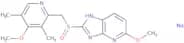
CAS:<p>Tenatoprazole sodium is a proton pump inhibitor, which is a synthetic pharmaceutical compound designed to selectively inhibit the hydrogen-potassium ATPase enzyme in the gastric parietal cells. This enzyme is essential for the final step of gastric acid production. Originating from organic chemical synthesis processes, Tenatoprazole sodium features a unique imidazopyridine structure, distinguishing it from other members of the proton pump inhibitor class such as omeprazole, which belongs to the benzimidazole family.</p>Formula:C16H18N4NaO3SPurity:Min. 95%Molecular weight:369.4 g/molPSI-352938
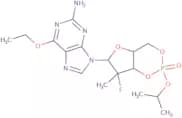
CAS:<p>Please enquire for more information about PSI-352938 including the price, delivery time and more detailed product information at the technical inquiry form on this page</p>Formula:C16H23FN5O6PPurity:Min. 95%Molecular weight:431.36 g/molArbekacin sulfate
CAS:<p>Inhibitor of DNA replication; aminoglycoside class</p>Formula:C22H44N6O10·xH2SO4Purity:Min. 95%Color and Shape:White PowderMolecular weight:650.7 g/molTigecycline mesylate
CAS:<p>Tigecycline mesylate is a novel glycylcycline antibiotic, which is a derivative of the tetracycline class of antibiotics. It is a semi-synthetic product derived from minocycline, exhibiting a broad spectrum of antibacterial activity. Tigecycline mesylate functions through the inhibition of bacterial protein synthesis. It achieves this by binding to the 30S ribosomal subunit, thereby preventing the incorporation of amino acid residues into elongating peptide chains, a crucial step in protein production.</p>Formula:C30H43N5O11SPurity:Min. 95%Molecular weight:681.8 g/mol3-Descyano fludioxonil 3-carboxylic acid
CAS:<p>3-Descyano fludioxonil 3-carboxylic acid is a synthetic compound, which is derived from chemical modification of fludioxonil, a well-known fungicide. The compound acts by disrupting fungal cell osmoregulation through inhibition of the protein kinase pathway. This disruption inhibits spore germination and mycelial growth, contributing to its antifungal properties.</p>Formula:C12H7F2NO4Purity:Min. 95%Molecular weight:267.18 g/mol2-Sec-butyl-1-(decyloxy)-4-tritylbenzene
CAS:<p>2-Sec-butyl-1-(decyloxy)-4-tritylbenzene is a synthetic organic compound, typically utilized in chemical research and development. It is sourced through a series of organic synthesis reactions, involving alkylation, etherification, and aromatic substitution, primarily in a controlled laboratory environment.</p>Formula:C39H48OPurity:Min. 95%Molecular weight:532.8 g/molAlamifovir
CAS:<p>Alamifovir is an antiviral agent, which is synthetically derived. The mode of action of Alamifovir involves the inhibition of viral replication within host cells by targeting specific viral enzymes crucial for the replication process. This interference with the viral life cycle diminishes the ability of the virus to propagate and spread within the host organism.</p>Formula:C19H20F6N5O5PSPurity:Min. 95%Molecular weight:575.42 g/molVancomycin aglycon
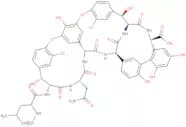
CAS:<p>Vancomycin aglycon is a glycopeptide antibiotic, which is a derivative of vancomycin. It is sourced from the fermentation products of certain Amycolatopsis species, a genus of actinobacteria. The mode of action of vancomycin aglycon involves the inhibition of bacterial cell wall synthesis. It specifically binds to the D-Ala-D-Ala terminus of nascent peptidoglycan chains, thereby preventing the cross-linking that is crucial for maintaining cell wall integrity.</p>Formula:C53H52Cl2N8O17Purity:Min. 95%Molecular weight:1,143.93 g/molCefadroxil monohydrate, Antibiotic for Culture Media Use Only
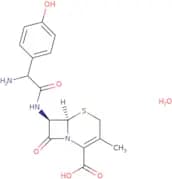
CAS:<p>Cefadroxil is a broad-spectrum bactericidal antibiotic that belongs to the cephalosporin family. It is a semi-synthetic penicillin and inhibits bacterial cell wall synthesis through binding to one or more of the penicillin-binding proteins (PBPs). Cefadroxil monohydrate is used as an antibiotic for culture media and has been proven to be effective against methicillin-resistant Staphylococcus aureus (MRSA). In addition, the drug has been shown to have no significant effect on blood tests or microscopic studies.</p>Formula:C16H19N3O6SPurity:Min. 97.0 Area-%Molecular weight:381.40 g/mol4-(4,5-Dihydroxy-3-methoxy-6-methyloxan-2-yl)oxy-2,5,7-trihydroxy-3-methoxy-2-methyl-3,4-dihydrotetracene-1,6,11-trione
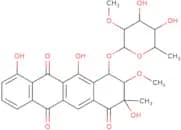
CAS:<p>4-(4,5-Dihydroxy-3-methoxy-6-methyloxan-2-yl)oxy-2,5,7-trihydroxy-3-methoxy-2-methyl-3,4-dihydrotetracene-1,6,11-trione is an anthraquinone derivative, which is a specialized organic compound. This compound is typically derived from complex synthetic processes involving multi-step organic reactions starting from anthraquinone precursors. Its mode of action primarily involves the disruption of microbial cell walls and the inhibition of essential enzymatic pathways that are critical for microbial replication and survival.</p>Formula:C27H28O12Purity:Min. 95%Molecular weight:544.5 g/molMGB-BP-3
CAS:<p>MGB-BP-3 is a synthetic antimicrobial agent, which is derived from natural DNA-binding minor groove binder (MGB) compounds. Its structure is based on distamycin, known for targeting the minor groove of DNA. MGB-BP-3 operates by binding to specific sequences within the DNA minor groove, thereby interfering with the replication and transcription processes of bacterial cells. This binding disrupts the DNA function and inhibits the growth and proliferation of bacterial pathogens.</p>Formula:C36H37N7O4Purity:Min. 95%Molecular weight:631.7 g/molSecorapamycin B
CAS:<p>Secorapamycin B is a secondary metabolite, which is a macrolide lactam produced by the actinobacterium species Amycolatopsis. This compound is characterized by its unique structural features, including a polyketide backbone, which is biosynthesized via modular polyketide synthases. The mode of action for Secorapamycin B involves binding to FK-binding proteins (FKBP), inhibiting calcineurin function, and subsequently suppressing T-cell activation.</p>Formula:C51H81NO14Purity:Min. 95%Molecular weight:932.20 g/molClindamycin sulfoxide
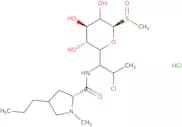
CAS:<p>Clindamycin sulfoxide is a potent metabolite of the lincosamide antibiotic clindamycin, which is derived from the fermentation product of *Streptomyces lincolnensis*. This compound acts by inhibiting bacterial protein synthesis through binding to the 50S ribosomal subunit, thereby interfering with the translocation steps in protein elongation. The mechanism effectively suppresses the growth of a broad range of Gram-positive bacteria, including *Staphylococcus aureus*, *Streptococcus pneumoniae*, and anaerobic microorganisms.</p>Formula:C18H33ClN2O6SPurity:Min. 95%Molecular weight:440.98 g/molThiamethoxam-urea
CAS:<p>Thiamethoxam-urea is an advanced agrochemical formulation, which is a synthetic compound derived from the integration of the neonicotinoid insecticide thiamethoxam and the stabilizing agent urea. This product is engineered from laboratory synthesis, where chemical reactions enable the effective combination of these components to ensure optimal stability and efficacy. The mode of action of Thiamethoxam-urea involves neurotoxic interference within the central nervous system of target organisms, primarily acting as an agonist at nicotinic acetylcholine receptors in insects. This disrupts neural transmission, leading to paralysis and eventual death of the pest.</p>Formula:C8H10ClN3O2SPurity:Min. 95%Molecular weight:247.7 g/mol6-Chloro didesacetyl famciclovir
CAS:<p>6-Chloro didesacetyl famciclovir is a synthetic antiviral compound, which is derived from famciclovir, with specific modifications to enhance its biochemical properties. It is a chlorinated analog resulting from structural alterations to famciclovir, a prodrug of the antiviral agent penciclovir.</p>Formula:C10H14ClN5O2Purity:Min. 95%Molecular weight:271.7 g/molMoxifloxacin
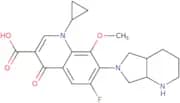
CAS:<p>Moxifloxacin is a synthetic broad-spectrum antibiotic, which is derived from the fluoroquinolones class. It functions by inhibiting bacterial topoisomerase II (DNA gyrase) and topoisomerase IV, enzymes critical for DNA replication, transcription, repair, and recombination. The inhibition of these enzymes results in DNA breakage, thereby leading to bacterial cell death.</p>Formula:C21H24FN3O4Purity:Min. 95%Molecular weight:401.4 g/molValidamycin D
CAS:<p>Validamycin D is an antifungal antibiotic produced by the fermentation of certain Streptomyces species. This compound acts by inhibiting the synthesis of trehalose, a crucial component in the cell structure and stress response of fungi. By disrupting trehalose production, Validamycin D effectively impairs the growth and viability of fungal cells, making it a potent agent in the management of fungal pathogens.</p>Formula:C20H35NO13Purity:Min. 95%Molecular weight:497.5 g/molBonducellpin D
CAS:<p>Bonducellpin D is an experimental bioactive compound derived from the seeds of Caesalpinia bonduc, a tropical plant species known for its rich phytochemical composition. This product is of natural botanical origin, harnessed through advanced extraction and purification techniques to ensure its high purity and activity.</p>Formula:C22H28O7Purity:Min. 95%Molecular weight:404.5 g/molRiamilovir
CAS:<p>Riamilovir is an antiviral agent, which is synthesized chemically, designed to combat the replication of specific viruses. It acts as a nucleoside analogue, interfering with viral nucleic acid synthesis. By incorporating itself into the viral RNA, it effectively hampers the ability of the virus to replicate its genetic material, thereby inhibiting its proliferation within the host.</p>Formula:C5H4N6O3SPurity:Min. 95%Molecular weight:228.19 g/molAmidosulfuron-o-desmethyl
CAS:<p>Amidosulfuron-o-desmethyl is a metabolite derivative, which is studied primarily as a secondary product originating from the breakdown of the herbicide amidosulfuron. Synthesized through microbial and environmental degradation processes, it is part of the sulfonylurea class of compounds. The mode of action involves inhibition of the plant enzyme acetolactate synthase (ALS), leading to disrupted synthesis of essential branched-chain amino acids, ultimately affecting plant growth and survival.</p>Formula:C8H13N5O7S2Purity:Min. 95%Molecular weight:355.4 g/molTebuthiuron-N-hydroxymethyl
CAS:<p>Tebuthiuron-N-hydroxymethyl is a derivative herbicide, primarily sourced from synthetic chemical processes. It functions as a broad-spectrum soil-active herbicide with systemic properties. Its mode of action involves the inhibition of photosynthesis by disrupting electron transport in the chloroplasts, thereby stunting plant growth and effectively controlling a wide range of vegetation.</p>Formula:C9H16N4O2SPurity:Min. 95%Molecular weight:244.32 g/molTropodithietic acid
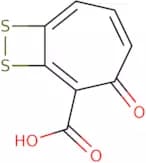
CAS:<p>Tropodithietic acid is a bioactive compound, which is a potent antibacterial agent derived from certain marine bacteria, including the genus Phaeobacter. This antibiotic is characterized by its ability to disrupt quorum sensing, a mechanism that bacteria use for communication and coordination of group behaviors, including virulence. By interfering with this process, tropodithietic acid impedes bacterial colonization and biofilm formation, effectively inhibiting pathogenic activity.</p>Purity:Min. 95%Aspterric acid
CAS:<p>Plant growth regulator</p>Formula:C15H22O4Purity:Min. 95%Molecular weight:266.33 g/molN4-Methyl-5-(3,4,5-trimethoxybenzyl)-pyrimidine-2,4-diamine
CAS:<p>N4-Methyl-5-(3,4,5-trimethoxybenzyl)-pyrimidine-2,4-diamine is a synthetic organic compound, classified as an antimicrobial agent. This compound is developed through chemical synthesis processes, derived from pyrimidine analogs, and is commonly used in medicinal chemistry and pharmacology research. It operates by inhibiting key enzymes involved in the folic acid pathway, crucial for bacterial growth and proliferation. By targeting this pathway, the compound prevents nucleic acid synthesis, ultimately leading to bacterial cell death.</p>Formula:C15H20N4O3Purity:Min. 95%Molecular weight:304.34 g/molClenhexerol
CAS:<p>Clenhexerol is a topical antiseptic, which is a chemically synthesized product with broad-spectrum antimicrobial properties. It is derived from chlorhexidine, commonly used in various medical formulations for its efficacy against both Gram-positive and Gram-negative bacteria. Clenhexerol operates through disrupting microbial cell membranes, leading to leakage of cellular components and cell death, making it highly effective in reducing microbial load on skin and mucous membranes.</p>Formula:C14H22Cl2N2OPurity:Min. 95%Molecular weight:305.2 g/molTylosin D
CAS:<p>Tylosin D is an antibiotic product, which is derived from the bacterium *Streptomyces fradiae*. Its mode of action involves binding to the 50S subunit of the bacterial ribosome, thereby inhibiting protein synthesis essential for bacterial growth and replication. This mechanism is particularly effective against Gram-positive bacteria and mycoplasma species, making it a crucial agent in combatting infections in the veterinary field.</p>Formula:C46H79NO17Purity:Min. 95%Molecular weight:918.1 g/mol



![(1S,3R,6R,7R,10R,11R)-6-[(E,2R,5R)-5,6-Dimethylhept-3-en-2-yl]-7,11-dimethyl-2-oxapentacyclo[8.8.0…](/_next/image/?url=https%3A%2Fstatic.cymitquimica.com%2Fproducts%2F3D%2Fthumb-webp%2FQAC90820.webp&w=3840&q=75)