Antimicrobials
Antimicrobials are agents that destroy or inhibit the growth of microorganisms, including bacteria, viruses, fungi, and parasites. These compounds are essential in the prevention and treatment of infections, playing a crucial role in medicine, agriculture, and the food industry. At CymitQuimica, we offer an extensive range of high-quality, high-purity antimicrobials suitable for various scientific and industrial applications. Our catalog includes antibiotics, antifungals, antivirals, and disinfectants, all designed to meet the needs of research and development, as well as clinical and production applications. With our products, professionals can ensure the effectiveness and safety in infection control and public health protection.
Subcategories of "Antimicrobials"
- Antibiotics(4,121 products)
- Antifungals(871 products)
- Antiparasitics(699 products)
- Antivirals(764 products)
Found 2422 products of "Antimicrobials"
Sort by
Purity (%)
0
100
|
0
|
50
|
90
|
95
|
100
BA-53038B
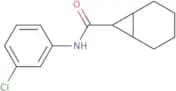
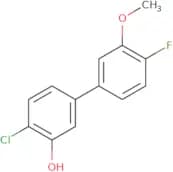
CAS:<p>BA-53038B is a microbial-based insecticide, which is derived from a naturally occurring bacterium. It functions through a specific mode of action involving the disruption of the digestive processes in target insect larvae. Once ingested by the larvae, the bacterial spores produce endotoxins that bind to receptors in the gut of susceptible insect species, causing cell lysis and eventual death. This product is highly selective, targeting specific insect pests while minimizing harm to non-target organisms and beneficial insects.</p>Formula:C14H16ClNOPurity:Min. 95%Molecular weight:249.73 g/molβ-Lactoglobulin A from bovine milk
CAS:<p>β-Lactoglobulin A is a whey protein found predominantly in bovine milk, characterized as a globular protein. It is sourced from the milk of cows and serves as a major component of whey, the liquid by-product of cheese production. The structure of β-Lactoglobulin A allows it to bind hydrophobic molecules, such as fatty acids and vitamins, which may facilitate their transport and absorption in the digestive tract.</p>Purity:Min. 95%Neosartoricin B
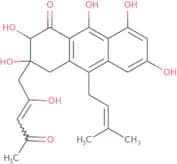
CAS:Neosartoricin B is a promising antibiotic compound, which is derived from fungal sources, specifically the genus *Neosartorya*. Its unique mode of action involves disrupting the cell wall synthesis of target fungal organisms, making it highly effective against a range of pathogenic fungi. This compound works by interfering with the biosynthesis of essential components required for cell wall integrity, ultimately leading to cell lysis and death of the fungal cells.Formula:C24H26O8Purity:Min. 95%Molecular weight:442.5 g/molChlortetracycline-13C-d3 hydrochloride
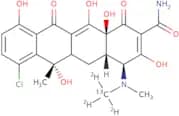
Controlled Product<p>Chlortetracycline-13C-d3 hydrochloride is a stable isotope-labeled antibiotic with action on bacterial protein synthesis inhibition and is used for research in bacterial resistance and analytical studies.</p>Formula:C2113CH21D3Cl2N2O8Color and Shape:PowderMolecular weight:519.35 g/molNojirimycin bisulfite
CAS:<p>Nojirimycin bisulfite is a potent glycosidase inhibitor, which is a derivative of nojirimycin known for its significant impact on carbohydrate metabolism. This compound originates from microorganisms, primarily isolated from the bacterium *Streptomyces* species. The mechanism through which Nojirimycin bisulfite exerts its effects involves the inhibition of glycosidases, enzymes responsible for breaking down complex carbohydrates into simpler sugars. By interfering with these enzymes, Nojirimycin bisulfite disrupts the normal processing of carbohydrates.</p>Formula:C6H13NO7SPurity:Min. 95%Molecular weight:243.24 g/molPyraoxystrobin
CAS:<p>Pyraoxystrobin is a fungicidal compound, which is a chemically synthesized strobilurin derivative. It functions by disrupting the mitochondrial respiration in fungi. Specifically, pyraoxystrobin inhibits the cytochrome bc1 complex in the electron transport chain, effectively preventing adenosine triphosphate (ATP) synthesis.</p>Formula:C22H21ClN2O4Purity:Min. 95%Molecular weight:412.9 g/molFosmidomycin sodium
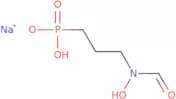
CAS:<p>Fosmidomycin sodium is an antibiotic compound, which is derived from phosphonic acid. It functions as an inhibitor of the enzyme 1-deoxy-D-xylulose 5-phosphate reductoisomerase (DXR), crucial in the non-mevalonate pathway of isoprenoid biosynthesis. By targeting this enzyme, fosmidomycin sodium disrupts the production of isoprenoids, essential components for the growth and survival of certain bacteria and parasites.</p>Formula:C4H9NNaO5PPurity:Min. 95%Molecular weight:205.08 g/molDesmethyl ferroquine
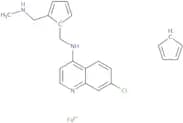
CAS:<p>Desmethyl ferroquine is an antimalarial compound, which is a derivative of ferroquine. It is synthesized through chemical modification processes, specifically designed to enhance its pharmacokinetic and pharmacodynamic properties. This compound exhibits its mode of action by compromising the integrity of the Plasmodium parasite's digestive vacuole. By doing so, it disrupts heme detoxification, which is crucial for the parasite’s survival within red blood cells.</p>Formula:C22H22ClFeN3Purity:Min. 95%Molecular weight:419.7 g/molML406
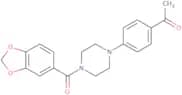
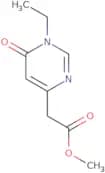
CAS:<p>ML406 is a synthetic small molecule compound, which is a chemically-engineered agent with a precise mode of action targeting specific biological pathways. It is synthesized through controlled laboratory processes to achieve high purity and specificity. The compound functions by modulating target proteins or receptors, thereby influencing cellular pathways of interest. Due to its high specificity, ML406 is utilized primarily within a research context to elucidate complex biological mechanisms and validate the roles of potential therapeutic targets.</p>Formula:C20H20N2O4Purity:Min. 95%Molecular weight:352.4 g/molImipenem Monohydrate, Antibiotic for Culture Media Use Only
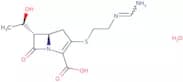
CAS:<p>Imipenem acts as an antimicrobial through inhibiting cell wall synthesis of various gram-positive and gram-negative bacteria. It remains very stable in the presence of beta-lactamase (both penicillinase andcephalosporinase) produced by some bacteria, and is a strong inhibitor of beta-lactamases from some gram-negative bacteria that are resistant to most beta-lactam antibiotics.</p>Formula:C12H19N3O5SPurity:Min. 98.0 Area-%Molecular weight:317.36 g/molContezolid
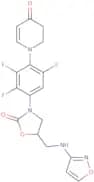
CAS:<p>Contezolid is an oxazolidinone antibiotic, which is a class of synthetic compounds primarily derived through chemical synthesis. It functions by inhibiting bacterial protein synthesis, specifically by binding to the 50S subunit of the bacterial ribosome. This action prevents the formation of the initiation complex, thereby hindering the growth and replication of bacteria.</p>Formula:C18H15F3N4O4Purity:Min. 95%Molecular weight:408.3 g/molE-Ceftazidime
CAS:<p>E-Ceftazidime is a third-generation cephalosporin antibiotic, which is derived from the mold Acremonium. It functions by inhibiting bacterial cell wall synthesis, a crucial component for bacterial survival and replication. This inhibition occurs through the binding to specific penicillin-binding proteins (PBPs) within the bacterial cell wall, thus preventing cross-linking of the peptidoglycan chains, which results in the eventual lysis and death of the bacterial cell.</p>Formula:C22H22N6O7S2Purity:Min. 95%Molecular weight:546.60 g/molParvodicin C2
CAS:<p>Parvodicin C2 is a natural antibiotic compound, which is derived from the fermentation of specific actinomycete strains. This antibiotic functions through the inhibition of bacterial protein synthesis, specifically targeting the ribosomal subunits and leading to disruption in the peptide chain elongation process. The targeted mode of action allows it to effectively limit the replication and survival of susceptible bacterial strains.</p>Formula:C83H88Cl2N8O29Purity:Min. 95%Molecular weight:1,732.5 g/molDesciclovir
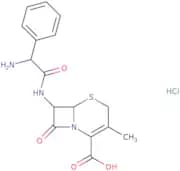
CAS:<p>Desciclovir is an antiviral agent, which is a synthetic nucleoside analog derived from guanine. Its mode of action involves the selective inhibition of viral DNA polymerase, leading to the termination of viral DNA chain elongation. By mimicking the natural substrates of the viral nucleic acid synthesis machinery, Desciclovir effectively disrupts the replication of viral genetic material, impeding the proliferation of the virus within the host cells.</p>Formula:C8H11N5O2Purity:Min. 95%Molecular weight:209.21 g/molCephalexin hydrochloride
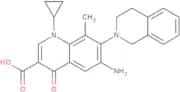
CAS:<p>Cephalexin hydrochloride is a cephalosporin antibiotic, which is a type of beta-lactam antibiotic. It is derived from the fungus Acremonium, previously known as Cephalosporium, with a bactericidal mode of action. This compound works by inhibiting bacterial cell wall synthesis. Specifically, it binds to one or more of the penicillin-binding proteins (PBPs), which in turn disrupts the final stages of bacterial cell wall formation and results in cell lysis mediated through autolytic enzyme action.</p>Formula:C16H18ClN3O4SPurity:Min. 95%Molecular weight:383.9 g/mol6-Amino-1-cyclopropyl-7-(3,4-dihydro-1H-isoquinolin-2-yl)-8-methyl-4-oxoquinoline-3-carboxylic acid
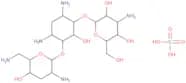
CAS:<p>6-Amino-1-cyclopropyl-7-(3,4-dihydro-1H-isoquinolin-2-yl)-8-methyl-4-oxoquinoline-3-carboxylic acid is a synthetic quinolone antibiotic, which is derived from chemical synthesis processes designed to mimic the naturally occurring quinolone core structure. With a specific mechanism of action, it inhibits bacterial DNA gyrase and topoisomerase IV. These enzymes are critical for supercoiling and uncoiling DNA, meaning that their inhibition results in an inability of bacterial cells to properly replicate their DNA, ultimately leading to cell death.</p>Formula:C23H23N3O3Purity:Min. 95%Molecular weight:389.4 g/molTobramycin sulfate
CAS:<p>Tobramycin sulfate is an aminoglycoside antibiotic, which is derived from selected strains of Streptomyces tenebrarius. It functions by binding irreversibly to the 30S subunit of bacterial ribosomes, thereby inhibiting protein synthesis. This disruption in essential protein formation results in bactericidal activity, particularly against Gram-negative bacteria.</p>Formula:C18H39N5O13SPurity:Min. 95%Molecular weight:565.6 g/molVineomycin A1
CAS:<p>Vineomycin A1 is a cytotoxic antibiotic, which is isolated from the fermentation broth of certain Streptomyces species. This compound is a member of the anthracycline class of antibiotics, known for their potent antitumor activity. Vineomycin A1 exerts its effects by intercalating into DNA, disrupting the DNA replication process and ultimately inducing apoptosis in rapidly dividing cells. This mode of action makes it a valuable tool in studying cellular responses to DNA damage and has potential implications in cancer research. Leveraging its ability to target malignant cells, Vineomycin A1 is primarily examined for its therapeutic potential in oncology, particularly in treating certain types of cancers that are resistant to standard therapies. As a research chemical, it enables scientists to gain insights into the mechanisms of drug resistance and DNA repair pathways, contributing to the development of novel cancer treatment strategies.</p>Formula:C49H58O18Purity:Min. 95%Molecular weight:935.00 g/molHodgkinsine B
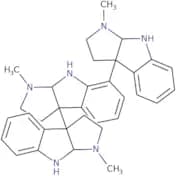
CAS:<p>Hodgkinsine B is an indole alkaloid, which is a complex organic compound derived from natural sources. It is isolated from the leaves of certain Rubiaceae family plants, including Psychotria colorata. Hodgkinsine B is characterized by its unique trimeric structure that contributes to its pharmacological properties.</p>Formula:C33H38N6Purity:Min. 95%Molecular weight:518.7 g/molAmikacin B Sulfate
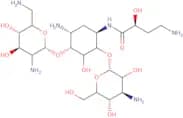
CAS:<p>Inhibitor of protein synthesis; aminoglycoside</p>Formula:C22H44N6O12xH2so4Purity:Min. 95%Molecular weight:584.62 g/mol