Fatty Acids
Fatty acids are carboxylic acids with long hydrocarbon chains, which can be either saturated or unsaturated. They are essential components of lipids, serving as key building blocks for complex lipids, energy sources, and signaling molecules. Fatty acids are involved in various biological processes, including metabolism, cell membrane structure, and inflammation. At CymitQuimica, we offer a diverse range of high-quality fatty acids to support your research in lipid biochemistry, nutrition, and related fields.
Subcategories of "Fatty Acids"
- Acylglycerols/Glycerides(42 products)
- Eicosanoids(6 products)
- Fatty Acid Esters(850 products)
- Halogenated Fatty Acids(32 products)
Found 2455 products of "Fatty Acids"
Sort by
Purity (%)
0
100
|
0
|
50
|
90
|
95
|
100
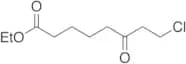
8-Chloro-6-oxo-octanoic Acid Ethyl Ester
CAS:Controlled Product<p>Applications Intermediate in the synthesis of Lipoic Acid and its derivatives.<br></p>Formula:C10H17ClO3Color and Shape:NeatMolecular weight:220.69Ethyl Palmitoleate-d5
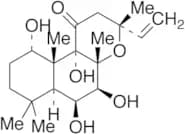
CAS:Controlled Product<p>Stability Light Sensitive<br>Applications Ethyl Palmitoleate-d5 is the isotope analog of Ethyl Palmitoleate. Ethyl Palmitoleate is used in biological studies for calcium relase-activated calcium channel blockade as a potential tool in antipancreatitis therapy.<br>References Gerasimenko, J.V., et al.: Proc. Natl. Acad. Sci. U.S.A., 110, 13186 (2013)<br></p>Formula:C18H29D5O2Color and Shape:Colourless OilyMolecular weight:287.49Desacetyl Forskolin
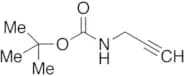
CAS:Controlled Product<p>Applications Desacetyl Forskolin is an analogue of Forskolin (F701800). Desacetyl Forskolin was tested for its ability to activate rat brain adenylate cyclase, activate detergent-solubilized rat brain adenylate cyclase, increase cyclic AMP in intact S49 wild-type cells, and inhibit the binding of 3H-forskolin to rat brain membranes.<br>References Desouza, N., et al.: Med. Res. Rev., 3, 201 (1983); Seamon, K., et al.: J. Med. Chem., 26, 436 (1983); Seguin, E., et al.: Planta Medica, 54, 4 (1988);<br></p>Formula:C20H32O6Color and Shape:NeatMolecular weight:368.46N-Boc-propargylamine
CAS:Controlled Product<p>Applications N-Boc-propargylamine is used in the preparation of triazolobenzylidene-thiazolopyrimidines which act as CDC25 phosphatase inhibitors. Also used in the synthesis of β-glucan polysaccharide analogs.<br>References Duval, R. et al.: J. Comb. Chem., 11, 947 (2009); Tanaka, H. et al.: Tetrahedron Lett., 53, 4104 (2012);<br></p>Formula:C8H13NO2Color and Shape:NeatMolecular weight:155.2cis-7,10,13,16-Docosatetraenoic Acid Ethyl Ester-d5
CAS:Controlled Product<p>Applications cis-7,10,13,16-Docosatetraenoic Acid Ethyl Ester-d5 is an isotopic analog of cis-7,10,13,16-Docosatetraenoic Acid Ethyl Ester. cis-7,10,13,16-Docosatetraenoic Acid Ethyl Ester is an ethyl analog of cis-7,10,13,16-Docosatetraenoic Acid (D494510). cis-7,10,13,16-Docosatetraenoic Acid has been identified as a protein kinase inhibitor, affecting serotonin levels in studies.<br>References Mirnikjoo, B. et al.: J. Biol. Chem., 276, 10888 (2001);<br></p>Formula:C24D5H35O2Color and Shape:NeatMolecular weight:365.604Butyl Palmitate
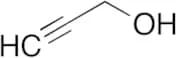
CAS:Controlled ProductFormula:C20H40O2Color and Shape:ColourlessMolecular weight:312.53Propargyl Alcohol
CAS:Controlled Product<p>Applications Propargyl Alcohol is used as a corrosion inhibitor, a metal complex solution, a solvent stabilizer and an electroplating brightener additive. It is also used as an intermediate in organic synthesis.<br> Not a dangerous good if item is equal to or less than 1g/ml and there is less than 100g/ml in the package<br>References Zhang, T., et al.: Res. Chem. Interm. (2013); Choudhary, Y., et al.: SPE Product. Operat., 28, 268 (2013); Hed, Y., et al.: J. Mater. Chem. Mater. Bio. Med., 1, 6015 (2013);<br></p>Formula:C3H4OColor and Shape:NeatMolecular weight:56.06Hexadecanal
CAS:Controlled Product<p>Stability Air and Moisture sensitive<br>Applications It is used in the production of lipid and fatty acids.<br>References Cerniglia, C., et al.: J. Bacteriol., 118, 844 (1974), Leahy, J., et al.: Microbiolog. Rev., 54, 305 (1990),<br></p>Formula:C16H32OColor and Shape:NeatMolecular weight:240.42Methyl Palmitoleate
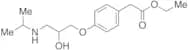
CAS:<p>Applications Methyl Palmitoleate is used as a component in the preparation of a biodiesel fuels.<br>References Luo, H. et al.: Biores. Tech., 140, 337 (2013); Arias-Penaranda, M. et al.: Biores. Tech., 140, 158 (2013);<br></p>Formula:C17H32O2Color and Shape:ColourlessMolecular weight:268.43Metoprolol Acid Ethyl Ester
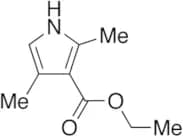
CAS:Controlled Product<p>Applications Intermediate for the preparation of Metoprolol Acid.<br> Not a dangerous good if item is equal to or less than 1g/ml and there is less than 100g/ml in the package<br></p>Formula:C16H25NO4Color and Shape:NeatMolecular weight:295.372,4-Dimethyl-1H-pyrrole-3-carboxylic Acid Ethyl Ester
CAS:Controlled Product<p>Applications 2,4-Dimethyl-1H-pyrrole-3-carboxylic Acid Ethyl Ester is used in the preparation of blue pyrrole dyes. 2,4-Dimethyl-1H-pyrrole-3-carboxylic Acid Ethyl Ester is also used as an intermediate in the synthesis of receptor tyrosine kinase (RTK) inhibitors and their metabolites.<br>References Treibs, A. et al.: Lieb. Ann. Chem., 2, 289 (1978); Elsinghorst, P. et al.: J. Lab. Comp. Radiopharm., 52, 360 (2009);<br></p>Formula:C9H13NO2Color and Shape:NeatMolecular weight:167.212-(5Z)-5-Tetradecen-1-yl-cyclobutanone
CAS:Controlled ProductFormula:C18H32OColor and Shape:NeatMolecular weight:264.45Perhydrofarnesyl Acetone
CAS:Controlled Product<p>Applications Perhydrofarnesyl Acetone is used as a flavor and fragrance agent, it is often used in jasmine compositions.<br>References Toda, H. et al.: Dev. Food Sci., 17, 181 (1988); Maggi, F. et al.: Food Chem., 113, 216 (2009); Maggi, F. et al.: Chem. Biodiv., 8, 2057 (2011);<br></p>Formula:C18H36OColor and Shape:ColourlessMolecular weight:268.485,7-Docosadiynoic Acid
CAS:Controlled Product<p>Applications Amphiphilic molecule used in the synthesis of artificial cell membranes for diagnostics and therapeutics.<br>References Deckert, A.A., et al.: Langmuir, 11, 643 (1995); Charych, D., and Nagy, J.O.: Chemtech, 26(9), 24 (1996); Pan, J.J. and Charych, D.: Langmuir, 13, 1365 (1997)<br></p>Formula:C23H38O2Color and Shape:NeatMolecular weight:346.55Hexadecanamide
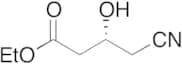
CAS:Controlled Product<p>Applications Hexadecanamide (cas# 629-54-9) is a useful research chemical.<br></p>Formula:C16H33NOColor and Shape:NeatMolecular weight:255.45(3R)-4-Cyano-3-hydroxybutanoic Acid Ethyl Ester
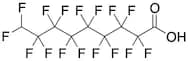
CAS:Controlled Product<p>Applications (3R)-4-Cyano-3-hydroxybutanoic Acid Ethyl Ester is used in a biocatalytic process for the synthesis of an atorvastatin intermediate and degredation products/impurities.<br>References Ma, S. et al.: Green Chem., 12, 81 (2010); Stach, J. et al.: Coll. Czech. Chem. Comm., 73, 229 (2008);<br></p>Formula:C7H11NO3Color and Shape:NeatMolecular weight:157.179H-Hexadecafluorononanoic Acid
CAS:Controlled Product<p>Applications 9H-Hexadecafluorononanoic Acid (cas# 76-21-1) is a useful research chemical.<br></p>Formula:C9H2O2F16Color and Shape:NeatMolecular weight:446.091,2-Dipalmitoyl-sn-glycero-3-phosphoethanolamine
CAS:<p>1,2-Dipalmitoyl-sn-glycero-3-phosphoethanolamine is a phospholipid that plays an important role in many cellular processes. It is a major component of the lipid bilayer that surrounds cells and provides stability to the membrane. 1,2-Dipalmitoyl-sn-glycero-3-phosphoethanolamine can form hydrogen bonding interactions with other molecules in the cytoplasm. The redox potential of this compound is also high enough to allow it to participate in oxidation reactions. This phospholipid also has a phase transition temperature at which it changes from a liquid state to a solid state at room temperature. 1,2-Dipalmitoyl-sn-glycero-3-phosphoethanolamine can be used as a reaction mechanism for synthesizing glycosylated proteins or lipids. In vitro assays have been performed using this compound as</p>Formula:C37H74NO8PMolecular weight:691.96 g/mol3-Cyanobenzoic acid ethyl ester
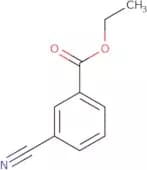
CAS:<p>3-Cyanobenzoic acid ethyl ester is a reaction component that is used in organic synthesis. It is a versatile building block, useful intermediate, and useful building block. 3-Cyanobenzoic acid ethyl ester is a fine chemical that can be used as a reagent for the preparation of other compounds. This compound has been assigned CAS No. 2463-16-3 and has the molecular formula C7H6O2.</p>Formula:C10H9NO2Purity:Min. 95%Color and Shape:PowderMolecular weight:175.18 g/mol4-Cyanobenzoic acid ethyl ester
CAS:<p>4-Cyanobenzoic acid ethyl ester is a hydrogen-bonding acceptor that is also able to form exciplexes with styrene. It has a conformation that is similar to that of aminobenzoate, which is a hydrogen-bonding donor. 4-Cyanobenzoic acid ethyl ester reacts with solvents such as benzene and chloroform, undergoing hydration reactions to form the corresponding 4-cyanophenol derivatives. It undergoes cyclization when heated in the presence of ruthenium(II) chloride to produce 1,4-dihydropyridine derivatives. The reaction mechanism for this reaction consists of two steps: an intramolecular nucleophilic attack followed by an intramolecular electrophilic substitution. The deionized water used in this synthetic process eliminates the need for drying agents and stabilizers, making it easier to carry out the synthesis.</p>Formula:C10H9NO2Purity:Min. 95%Color and Shape:PowderMolecular weight:175.18 g/molHexadecanal
CAS:<p>Hexadecanal is a chemical compound that belongs to the group of basic proteins. It is an intermediate in the synthesis of hexanol and hexadecanoic acid. Hexadecanal has been shown to have receptor activity on rat liver microsomes, as well as p450 activity. The physiological functions of this molecule are unknown, but it has been shown to have synergic effects with other bioactive phytochemicals such as sodium citrate.</p>Formula:C16H32OPurity:Min. 95 Area-%Color and Shape:White Off-White PowderMolecular weight:240.42 g/molPaliperidone palmitate
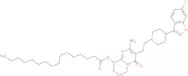
CAS:Controlled Product<p>Paliperidone palmitate is a drug that is used in the treatment of schizophrenia. It is the most potent and selective atypical antipsychotic agent available. Paliperidone palmitate has shown long-term efficacy and low risk of extrapyramidal symptoms, which are associated with some other antipsychotic agents. The drug has been shown to have minimal effects on prolactin levels, although it can cause an increase in serum prolactin levels when administered with risperidone. Paliperidone palmitate is a prodrug that is metabolized by esterases to its active form, paliperidone. Paliperidone does not bind to plasma proteins and therefore may be more suitable for patients with hepatic impairment.</p>Formula:C39H57FN4O4Purity:Min. 95%Color and Shape:PowderMolecular weight:664.89 g/molL-Propargylglycine
CAS:<p>L-Propargylglycine is a novel, synthetic compound that has been shown to inhibit bacterial growth. It is a strong inhibitor of the polymerase chain reaction (PCR) and nuclear DNA replication. L-Propargylglycine has also been shown to inhibit mitochondrial membrane potential and human serum which may lead to its anti-inflammatory properties. L-Propargylglycine has antioxidative properties, antimicrobial peptide activity, and ATP channel inhibition. This drug also has a number of other pharmacological effects including modulation of intestinal inflammation in models of inflammatory bowel disease and improvement of atherosclerotic lesions in animal models.</p>Formula:C5H7NO2Purity:(%) Min. 98%Color and Shape:PowderMolecular weight:113.11 g/mol2-Chloro-5-hydroxybenzoic acid ethyl ester
CAS:<p>2-Chloro-5-hydroxybenzoic acid ethyl ester is synthesized by the substitution of anthranilic acid with an aryl ring. The substituents on the aryl ring are chloro and hydroxy, which are attached to carbon atoms. 2-Chloro-5-hydroxybenzoic acid ethyl ester can be metabolized into a number of different metabolites. For example, it can be converted into acid metabolites that have substituents on the benzene ring such as nitro or nitroso groups. These metabolites are then excreted in urine or bile.</p>Formula:C9H9ClO3Purity:Min. 95%Color and Shape:Off-White To Yellow To Brown SolidMolecular weight:200.62 g/mol4,6-Dichloro-1H-indole-2-carboxylic acid ethyl ester
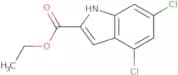
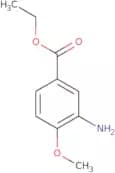
CAS:<p>4,6-Dichloro-1H-indole-2-carboxylic acid ethyl ester is a synthetic compound that functions as an agonist of the indole 2 receptor. It has been shown to have affinity for cortical and brain membranes, with a greater affinity for acidic regions of the membrane. 4,6-Dichloro-1H-indole-2-carboxylic acid ethyl ester is also capable of binding to the indole 2 receptor and activating it. The carboxyl group in this compound is substituted with benzene rings, which are connected by a moiety containing two carboxylic groups. 4,6-Dichloro-1H-indole-2-carboxylic acid ethyl ester was synthesised from 1H -indole acetic acid and chloroethane in four steps.</p>Formula:C11H9Cl2NO2Purity:Min. 95%Color and Shape:SolidMolecular weight:258.1 g/mol3-Amino-4-methoxybenzoic acid ethyl ester
CAS:<p>3-Amino-4-methoxybenzoic acid ethyl ester is a chemical building block that can be used in the synthesis of various organic compounds. It is an important reaction component, and can also be used as a reagent or useful scaffold. 3-Amino-4-methoxybenzoic acid ethyl ester is soluble in organic solvents and has a high quality. This chemical has been shown to be useful for research purposes.</p>Formula:C10H13NO3Purity:Min. 95%Color and Shape:PowderMolecular weight:195.22 g/mol1,2-Dipalmitoyl-sn-glycero-3-phosphatidic acid sodium
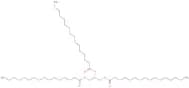
CAS:<p>1,2-Dipalmitoyl-sn-glycero-3-phosphatidic acid sodium (DPPA) is a drug substance that has been used in primary culture to study the cell membrane of hepatocytes. This compound is a phospholipid with a cavity at one end and contains two hydroxy groups that can be conjugated to other molecules. It has been shown to be effective against Hepatitis B virus and mesenchymal stromal cells. DPPA has also been used as an adjuvant for gadolinium contrast agents for magnetic resonance imaging. Gadolinium may bind to the hydroxy groups on DPPA, which increases its birefringence and brightness on MRI scans.</p>Formula:C35H69Na2O8PPurity:Min. 98 Area-%Color and Shape:White PowderMolecular weight:694.87 g/molGlycerol tripalmitate
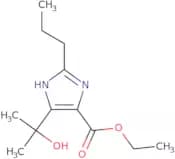
CAS:<p>Glycerol tripalmitate is a triglyceride that is composed of three molecules of glycerol and one molecule of palmitic acid. It is used in the manufacture of sephadex g-100, a chromatographic material that separates proteins based on their size. Glycerol tripalmitate has been shown to have high chemical stability, which is important for its use as a pharmaceutical excipient. This substance also has a physiological function in the human body, including the production of lipids, such as fatty acids and triglycerides. Glycerol tripalmitate can be used to study phase transition temperature by using surface methodology. Carbonyl oxygens are present on the surface of this substance, which may have neurotrophic effects.</p>Formula:C51H98O6Purity:Min. 85 Area-%Color and Shape:PowderMolecular weight:807.32 g/mol4-(1-Hydroxy-1-methylethyl)-2-propyl-1H-imidazole-5-carboxylic acid ethyl ester
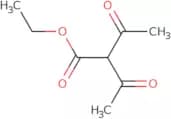
CAS:<p>4-(1-Hydroxy-1-methylethyl)-2-propyl-1H-imidazole-5-carboxylic acid ethyl ester is a synthetic drug with pharmacological properties that are similar to those of the natural product medoxomil. It has been shown to be a potent blocker of the GABA receptor and is used for the treatment of epilepsy. 4-(1-Hydroxy-1-methylethyl)-2-propyl-1H-imidazole-5-carboxylic acid ethyl ester has been shown to be an inhibitor of rat liver microsomes and also has a high affinity for the enzyme cilexetil, which is responsible for the conversion of cilexetil into its active form.</p>Formula:C12H20N2O3Purity:Min. 95%Color and Shape:PowderMolecular weight:240.3 g/mol2-Acetyl-3-oxo-butyric acid ethyl ester - 90%
CAS:<p>2-Acetyl-3-oxo-butyric acid ethyl ester (2ABEE) is a chemokine receptor antagonist that binds to the CCR5 receptor. It is a small molecule drug candidate with potential therapeutic value for HIV and other diseases. 2ABEE has been shown to be active against human immunodeficiency virus type 1 (HIV-1) in cell culture and animal models, as well as against influenza virus in mice. This compound also inhibits the production of chemokines, which are inflammatory proteins that recruit immune cells from the blood stream to the site of infection. In addition, 2ABEE is not toxic to healthy human cells, indicating that it may have fewer side effects than other anti-HIV drugs.</p>Formula:C8H12O4Purity:Min. 95%Color and Shape:Clear LiquidMolecular weight:172.18 g/mol2-Amino-5-iodobenzoic acid ethyl ester
CAS:<p>2-Amino-5-iodobenzoic acid ethyl ester is a chemical reagent that is used to prepare 2-chloro-5-iodobenzoic acid. It can be prepared by the hydrolysis of 2,4,6-trinitrobenzene with an aqueous solution of sodium hydroxide. The iodination reaction proceeds in two steps: (1) chlorination of methyl anthranilate with chlorine and (2) addition of the resultant product to 2,4,6-trinitrobenzene. In the first step, methyl anthranilate reacts with chlorine to form 2-chloro-5-iodobenzoic acid ethyl ester and hydrogen chloride gas. In the second step, this product reacts with 2,4,6-trinitrobenzene to form 2-amino 5 -iodobenzoic acid ethyl ester and nitrogen gas</p>Formula:C9H10INO2Purity:Min. 95%Color and Shape:PowderMolecular weight:291.09 g/mol1-Palmitoyl-rac-glycerol
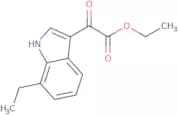
CAS:<p>1-Palmitoyl-rac-glycerol is a fatty acid that contains nitrogen atoms. It has hypoglycemic effects and is used to treat metabolic disorders. 1-Palmitoyl-rac-glycerol has been shown to have a protective effect on the liver by decreasing the levels of triglycerides in the blood and preventing lipid peroxidation. It also improves glucose metabolism and insulin sensitivity. 1-Palmitoyl-rac-glycerol is an important component of biological membranes, where it forms a hydrophobic region that helps maintain membrane structure. This compound also has hemolytic activity, which may be due to its ability to bind with phospholipids or cell membranes, leading to changes in their permeability or stability. The stability of 1-palmitoyl-rac glycerol can be tested by adding reagents such as sodium nitrite or potassium permanganate, which will cause a color change from yellow to brown if it reacts</p>Formula:C19H38O4Purity:Min. 95%Color and Shape:PowderMolecular weight:330.5 g/mol7-Ethylindole-3-glyoxylic acid ethyl ester
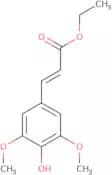
CAS:<p>7-Ethylindole-3-glyoxylic acid ethyl ester is a versatile building block that can be used in the synthesis of complex compounds. It is a useful intermediate in the synthesis of pharmaceuticals, which can also be used as a reagent and speciality chemical. The compound has been shown to have high quality and is a useful scaffold for the synthesis of new compounds.</p>Formula:C14H15NO3Purity:Min. 95%Molecular weight:245.27 g/mol3,5-Dimethoxy-4-hydroxycinnamic acid ethyl ester
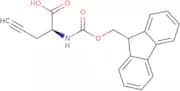
CAS:<p>3,5-Dimethoxy-4-hydroxycinnamic acid ethyl ester is a redox potential with an acidic character. It can be synthesized from p-hydroxybenzoic acid and acetate extract of the plant Carthamus tinctorius. The synthesis starts with an asymmetric synthesis of protocatechuic acid and its derivatives. This compound is also found in the surface methodology of fatty acids and radiation that has been studied by nmr spectroscopic data. 3,5-Dimethoxy-4-hydroxycinnamic acid ethyl ester has bioactive phenolic properties and can be used for the treatment of various diseases such as cancer or diabetes.</p>Formula:C13H16O5Purity:Min. 95%Color and Shape:PowderMolecular weight:252.26 g/molFmoc-L-propargylglycine
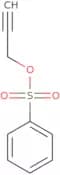
CAS:<p>Fmoc-L-propargylglycine is a cyclic peptide that is synthesized by chemical ligation. It has antiviral, anti-tumor, and anti-inflammatory activities. Fmoc-L-propargylglycine inhibits the growth of cancer cells in vitro. The mechanism of action is not fully understood, but it may involve the inhibition of cellular proliferation and the induction of apoptosis. This compound also inhibits epidermal growth factor (EGF) induced cell proliferation in caco-2 cells.</p>Formula:C20H17NO4Purity:Min. 98 Area-%Color and Shape:White PowderMolecular weight:335.35 g/molPropargyl benzenesulfonate
CAS:<p>Propargyl benzenesulfonate is a chemical compound that has been shown to inhibit protease activity, an enzyme that breaks down proteins. It is also used in the synthesis of aminoindane and cyclic peptides. The chemical stability of propargyl benzenesulfonate has been demonstrated by its ability to withstand trifluoroacetic acid and hydrochloric acid, as well as malonic acid and immobilized conditions. Propargyl benzenesulfonate binds to integrin receptors on cells and inhibits depression-like behavior in animal models. It also has the ability to form hydrogen bonds with amines. The structural formula for propargyl benzenesulfonate is shown below:</p>Formula:C9H8O3SPurity:Min. 98%Color and Shape:Clear LiquidMolecular weight:196.22 g/molPalmitoyl-glycine
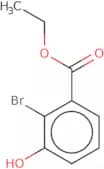
CAS:<p>Palmitoyl-glycine is a fatty acid amide. It is an analog of the naturally occurring amino acid glycine that has been modified by adding a palmitoyl group to the side chain. Palmitoyl-glycine is enzymatically inactivated by bacterial enzymes and cationic surfactants and can be used as a skin cell model system for basic structure and physiological effects.<br>Palmitoyl-glycine has been shown to have skin cell protective effects against oxidative stress, which may be due to its ability to form hydrogen bonds with the acyl chains of lipids.</p>Formula:C18H35NO3Purity:Min. 95%Color and Shape:White PowderMolecular weight:313.48 g/mol2-Bromo-3-hydroxybenzoic acid ethyl ester
CAS:<p>2-Bromo-3-hydroxybenzoic acid ethyl ester is a versatile building block that can be used in the synthesis of complex compounds. It is a fine chemical and research chemical with CAS No. 1260889-94-8. This compound has high quality and is used as a reagent, scaffold, or intermediate in organic syntheses. 2-Bromo-3-hydroxybenzoic acid ethyl ester is also useful for the preparation of speciality chemicals and reaction components.</p>Formula:C9H9BrO3Purity:Min. 95%Color and Shape:Yellow PowderMolecular weight:245.07 g/mol2-Palmitoylglycerol
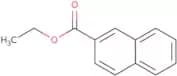
CAS:<p>2-Palmitoylglycerol is a monoacylglycerol that is synthesized from the breakdown of dietary fats. It is also synthesized in tissues through the action of phospholipase A2 and diacylglycerol acyltransferase. 2-Palmitoylglycerol has been shown to bind to the cannabinoid receptor type 1 (CB1), which leads to activation of peroxisome proliferator-activated receptor α (PPARα). This activation induces gene expression changes that lead to increased fatty acid oxidation and decreased triglyceride synthesis in liver cells. 2-Palmitoylglycerol has been shown to reduce body weight gain and increase insulin sensitivity in mice models on high fat diets.<br>2-Palmitoylglycerol has also been shown to increase butyrate, a short chain fatty acid, levels in rats with metabolic disorders.</p>Formula:C19H38O4Purity:Min. 95%Color and Shape:PowderMolecular weight:330.5 g/molβ-Naphthoic acid ethyl ester
CAS:<p>β-Naphthoic acid ethyl ester (BNAE) is a synthetic compound that has been used as an intermediate in the synthesis of organic compounds. It is also used to prepare hydroxamic acids, which are active methylene compounds. BNAE reacts with nucleophiles and is susceptible to nucleophilic attack. The reaction mechanism for this type of compound involves a cavity with a constant volume, which increases the reactivity of the molecule. This type of reaction can be explained using the functional theory and the use of organic solvents. BNAE is stable when exposed to carbon tetrachloride and hydroxamic acids, but not when exposed to diethyl succinate or chemical agents such as sodium nitrite.</p>Formula:C13H12O2Purity:Min. 95%Color and Shape:PowderMolecular weight:200.23 g/molN-(Phenylsulfonyl)palmitamide
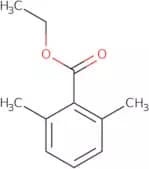
<p>N-(Phenylsulfonyl)palmitamide is a versatile building block that can be used to create complex compounds for research. CAS No. is 527-87-2 and it is a reagent and speciality chemical with high quality. It is also useful as a reaction component in the synthesis of other compounds, or as a scaffold for the synthesis of new derivatives.</p>Formula:C22H37NO3SMolecular weight:395.61 g/mol2,6-Dimethylbenzoic acid ethyl ester
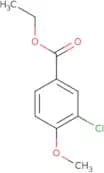
CAS:<p>2,6-Dimethylbenzoic acid ethyl ester (DBE) is an organic compound that is used as a starting material for the synthesis of other chemicals. It is produced by reacting chlorobenzene with magnesium in the presence of a suitable catalyst such as copper(II) chloride. The reaction can be carried out in bulk or in liquid phase, and yields are optimized by using activated carbon as a support. DBE is one of the most commonly used dialkyl benzoates for chemical syntheses due to its high reactivity. DBE has a particle size of about 10 micrometres and a bulk density close to 1 g/cm3.</p>Formula:C11H14O2Purity:Min. 95%Color and Shape:PowderMolecular weight:178.23 g/mol3-Chloro-4-methoxybenzoic acid ethyl ester
CAS:<p>3-Chloro-4-methoxybenzoic acid ethyl ester is a chemical compound that is used as a reactant in organic synthesis. It has shown high quality and can be used for research. 3-Chloro-4-methoxybenzoic acid ethyl ester can be used as a scaffold to make fine chemicals, pharmaceuticals, and other products. It has been shown to be useful in the synthesis of many complex compounds and as an intermediate or building block for chemical reactions.</p>Formula:C10H11ClO3Purity:Min. 95%Color and Shape:PowderMolecular weight:214.65 g/molPipotiazine palmitate
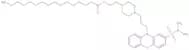
CAS:Controlled Product<p>Pipotiazine palmitate is a long-acting antipsychotic drug that belongs to the class of phenothiazine derivatives. It is used for the treatment of schizophrenia and other psychotic disorders. Pipotiazine palmitate has been shown to be effective in treating chronic schizophrenia with minimal side effects. This drug binds to dopamine D2 receptors, which leads to a decrease in dopaminergic activity in the brain and improves symptoms of psychosis. Pipotiazine palmitate is administered orally in two doses per day. A major limitation of this medication is its low bioavailability due to its high lipophilicity, which may be due to its undecylenate ester form.</p>Formula:C40H63N3O4S2Purity:Min. 95 Area-%Color and Shape:PowderMolecular weight:714.08 g/mol4-Bromo-2,6-pyridinedicarboxylic acid ethyl ester
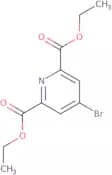
CAS:<p>4-Bromo-2,6-pyridinedicarboxylic acid ethyl ester is a luminescent compound that emits light in the visible region of the spectrum. It can be used as a ligand for polymerized monolayers or as a bifunctional covalent coupling agent. The carboxylate group on 4-Bromo-2,6-pyridinedicarboxylic acid ethyl ester interacts with lanthanide metal ions to produce luminescence. This chemical also has low frequency emission and can be used for supramolecular interactions.</p>Formula:C11H12BrNO4Purity:Min. 95%Molecular weight:302.12 g/mol1-palmitoyl-2-(10-(4-((trifluoromethyl)diazirinyl)phenyl)-8-oxadecanoyl)-sn-glycero-3-phosphocholine
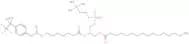
CAS:<p>1-palmitoyl-2-(10-(4-((trifluoromethyl)diazirinyl)phenyl)-8-oxadecanoyl)-sn-glycero-3-phosphocholine (PPC) is a liposome that induces necrotic cell death. It binds to the mitochondria and inhibits adenine nucleotide translocation, leading to the loss of mitochondrial membrane potential and the release of cytosolic calcium. This leads to activation of proapoptotic proteins, such as Bax and Bak, which initiates caspase-independent apoptosis. PPC also induces light emission from phospholipid hydroperoxide decomposition, which can be used as a biomarker for cellular physiology.</p>Formula:C41H68TF3N3O9PPurity:Min. 95%Molecular weight:837.98 g/molAscorbyl palmitate
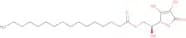
CAS:<p>Ascorbyl palmitate is an ester of ascorbic acid and palmitic acid. It is a water-soluble antioxidant that has been shown to be safe for oral ingestion at doses of up to 3 grams per day. Ascorbyl palmitate is used in topical formulations to provide protection against sun damage, and also has been shown to have anti-inflammatory properties, which may be due to its inhibitory effect on the mcl-1 protein. Ascorbyl palmitate has a phase transition temperature at about 41°C. This compound can be used in pharmaceuticals for the treatment of infectious diseases caused by bacteria such as tuberculosis or herpes simplex virus type 1 (HSV-1). This chemical also has been shown to have physiological effects on bowel disease and toxicity studies show that it does not cause any adverse reactions in rats or rabbits when given orally.</p>Formula:C22H38O7Purity:Min 98%Color and Shape:White PowderMolecular weight:414.53 g/mol7-[4-(4-Fluorophenyl)-6-(1-methylethyl)-2-(N-methyl-N-methylsulfonyl-amino)-pyrimidin-5-yl]-3,5-dihydroxy-hept-6-enoic acid ethyl es ter
CAS:<p>Rosuvastatin is a statin drug that inhibits cholesterol synthesis by inhibiting the enzyme HMG-CoA reductase. Rosuvastatin has been shown to reduce high-sensitivity C-reactive protein (hsCRP) and low-density lipoprotein cholesterol (LDL-C), which are risk factors for cardiovascular disease, in patients with hypercholesterolemia. Rosuvastatin also has a high degree of potency and specificity for the HMG-CoA reductase enzyme and shows no significant cross-reactivity with other HMG-CoA reductase inhibitors. Rosuvastatin is metabolized by CYP3A4 and CYP2C9. Drugs that inhibit these enzymes may increase the plasma levels of rosuvastatin, while drugs that induce these enzymes may decrease the plasma levels of rosuvastatin.</p>Formula:C24H32FN3O6SPurity:Min. 95%Color and Shape:PowderMolecular weight:509.59 g/mol1-Hexadecanethiol
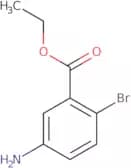
CAS:<p>1-Hexadecanethiol (1-HDT) is a chemical substance that is used in the synthesis of polymers and as a reagent for surface modification. It has been shown to be an effective cationic surfactant with antimicrobial properties. 1-HDT has also been used to pattern surfaces and is found in water vapor, where it can react with oxygen to form 3-mercaptopropionic acid. 1-HDT reacts with thiols, alcohols, amines, and amino acids to form sulfides. In vitro assays have shown that 1-HDT can inhibit the growth of carboxy terminal protein polymer films. Chemical stability is dependent on the chemical species, which can be predicted by examining chemical structure and reactivity.</p>Formula:C16H34SPurity:Min. 95%Color and Shape:PowderMolecular weight:258.5 g/mol5-Amino-2-bromobenzoic acid ethyl ester
CAS:<p>5-Amino-2-bromobenzoic acid ethyl ester is a chemical compound that can be used for the production of pharmaceuticals and research chemicals. It is a versatile building block that can be used in the synthesis of complex compounds with valuable applications. 5-Amino-2-bromobenzoic acid ethyl ester is a reagent, speciality chemical, and useful building block that can be used in the synthesis of high quality compounds. This compound has been identified as an intermediate in organic reactions and as a reaction component. CAS No. 208176-32-3</p>Formula:C9H10BrNO2Purity:Min. 95%Color and Shape:PowderMolecular weight:244.09 g/mol






















![7-[4-(4-Fluorophenyl)-6-(1-methylethyl)-2-(N-methyl-N-methylsulfonyl-amino)-pyrimidin-5-yl]-3,5-di…](/_next/image/?url=https%3A%2Fstatic.cymitquimica.com%2Fproducts%2F3D%2Fthumb-webp%2FFF35383.webp&w=3840&q=75)