Fatty Acids
Subcategories of "Fatty Acids"
- Acylglycerols/Glycerides(43 products)
- Eicosanoids(6 products)
- Fatty Acid Esters(947 products)
- Halogenated Fatty Acids(32 products)
Found 2448 products of "Fatty Acids"
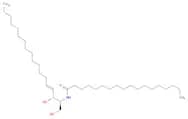
Hexadecanamide,N-[(1S,2R,3E)-2-hydroxy-1-(hydroxymethyl)-3-heptadecenyl]-
CAS:Formula:C34H67NO3Purity:99%Color and Shape:SolidMolecular weight:537.9007Malonicaciddisodiumsalt
CAS:Formula:C3H2Na2O4Purity:99%Color and Shape:SolidMolecular weight:148.0251N-Stearoyl-D-Sphingosine
CAS:Formula:C36H71NO3Purity:97%Color and Shape:SolidMolecular weight:565.9538399999999Ref: IN-DA007P0G
Discontinued productLecithin Hydrogenated
CAS:Formula:C42H84NO8PPurity:95%Color and Shape:SolidMolecular weight:762.0920210000005Ref: IN-DA00GRBD
Discontinued productC14Ceramide
CAS:Formula:C32H63NO3Purity:97.0%Color and Shape:SolidMolecular weight:509.84751999999963Ref: IN-DA019DHY
Discontinued productMalonyl coenzyme A lithium salt
CAS:Formula:C24H38LiN7O19P3SPurity:90%Color and Shape:SolidMolecular weight:860.5213030000003Ref: IN-DA007D27
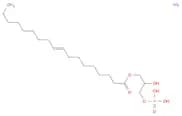
Discontinued productLysophosphatidic Acid
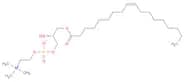
CAS:Formula:C21H41NaO7PPurity:95%Color and Shape:SolidMolecular weight:459.5096L-α-LYSOPHOSPHATIDYLCHOLINE, OLEOYL
CAS:Formula:C26H52NO7PPurity:97%Color and Shape:SolidMolecular weight:521.66739-Hydroperoxy-10(E),12(E)-octadecadienoic acid
CAS:Formula:C18H32O4Purity:>98%Color and Shape:SolidMolecular weight:312.4415-Oxo-5(Z),8(Z),11(Z),13(E)-eicosatetraenoic acid
CAS:Formula:C20H30O3Purity:>98%Color and Shape:White SolidMolecular weight:318.4511(E)-Octadecen-9-ynoic acid
CAS:Formula:C18H30O2Purity:>98%Color and Shape:In solution, EthanolMolecular weight:278.435(S),6(S)-dihydroxy-7(E),9(E),11(Z),14(Z)-eicosatetraenoic acid
CAS:Formula:C20H32O4Purity:>98%Color and Shape:In solution, EthanolMolecular weight:336.47CLA 9(Z),11(E) / CLA 10(E),12(Z) free Fatty acid 80%
CAS:Formula:C18H32O2Purity:>80%Color and Shape:LiquidMolecular weight:280.45cis-9,10-Methyleneoctadecanoic acid, >80%
CAS:Formula:C19H36O2Purity:>80%Color and Shape:SolidMolecular weight:296.4913-Hydroperoxy-9(E),11(E)-octadecadienoic acid
CAS:Formula:C18H32O4Purity:>98%Color and Shape:SolidMolecular weight:312.449-Octadecynoic acid
CAS:Formula:C18H32O2Purity:>98%Color and Shape:In solution, EthanolMolecular weight:280.45cis-2-Nonen-1-ol
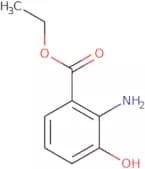
CAS:Formula:C9H18OPurity:>95.0%(GC)Color and Shape:Colorless to Light yellow clear liquidMolecular weight:142.242-Amino-3-hydroxybenzoic acid ethyl ester
CAS:2-Amino-3-hydroxybenzoic acid ethyl ester is soluble in organic solvents and is a catalyst for the hydrolysis of phenoxazinones. It has been shown to be the most active among the amino acid esters at pH 7. The optimum temperature for this enzyme is 37 degrees Celsius. The substrate specificity of this enzyme, which was purified by fractionation, is 3-hydroxyanthranilic acid and 3-hydroxyanthranilic acid with metals such as copper or zinc ions. This enzyme also catalyses the hydrolysis of proteins and peptides containing hydrophobic amino acids.
Formula:C9H11NO3Purity:Min. 95%Color and Shape:PowderMolecular weight:181.19 g/molRef: 3D-FA67660
Discontinued product1-Palmitoyl-rac-glycerol
CAS:1-Palmitoyl-rac-glycerol is a fatty acid that contains nitrogen atoms. It has hypoglycemic effects and is used to treat metabolic disorders. 1-Palmitoyl-rac-glycerol has been shown to have a protective effect on the liver by decreasing the levels of triglycerides in the blood and preventing lipid peroxidation. It also improves glucose metabolism and insulin sensitivity. 1-Palmitoyl-rac-glycerol is an important component of biological membranes, where it forms a hydrophobic region that helps maintain membrane structure. This compound also has hemolytic activity, which may be due to its ability to bind with phospholipids or cell membranes, leading to changes in their permeability or stability. The stability of 1-palmitoyl-rac glycerol can be tested by adding reagents such as sodium nitrite or potassium permanganate, which will cause a color change from yellow to brown if it reacts
Formula:C19H38O4Purity:Min. 95%Color and Shape:PowderMolecular weight:330.5 g/molRef: 3D-FP26736
Discontinued productFmoc-S-[2,3-bis(palmitoyloxy)propyl]-L-cysteine
CAS:Fmoc-S-[2,3-bis(palmitoyloxy)propyl]-L-cysteine is a fine chemical that is used as a building block in the synthesis of complex natural products and pharmaceuticals. It has versatile applications in both research and industry. Fmoc-S-[2,3-bis(palmitoyloxy)propyl]-L-cysteine is an intermediate or scaffold for the synthesis of many types of compounds, including antibiotics, anti-cancer agents, hormones, and anti-inflammatory drugs. This compound is soluble in organic solvents such as DMSO and DMF.
Formula:C53H83NO8SPurity:Min. 95 Area-%Color and Shape:White Off-White PowderMolecular weight:894.29 g/molRef: 3D-FF47755
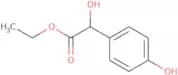
Discontinued product4-Hydroxymandelic acid ethyl ester
CAS:Mandelic acid is a natural product that can be found in the leaves and rhizomes of plants from the genus Mandelia. It has been analysed for its natural product profile and was found to contain alcohols, fatty acids, and volatile compounds. 4-Hydroxymandelic acid ethyl ester is a synthetic compound that has been shown to have age-related benefits and functional properties. The compound has been shown to increase fatty acid synthesis, decrease oxidation of fatty acids, and inhibit signalling pathways associated with inflammation.
Formula:C10H12O4Purity:Min. 95%Color and Shape:PowderMolecular weight:196.2 g/molRef: 3D-FH67870
Discontinued productFmoc-Cys((R)-2,3-di(palmitoyloxy)-propyl)-OH
CAS:Fmoc-Cys((R)-2,3-di(palmitoyloxy)-propyl)-OH is a versatile building block that is useful for the synthesis of complex compounds. This compound has been shown to be a useful intermediate in the synthesis of pharmaceuticals, organic dyes and research chemicals. Fmoc-Cys((R)-2,3-di(palmitoyloxy)-propyl)-OH is a fine chemical that is used as a reagent in organic synthesis. It has CAS No. 139573-77-6 and can be used as a speciality chemical or reaction component.
Formula:C53H83NO8SPurity:Min. 95 Area-%Color and Shape:White PowderMolecular weight:894.29 g/molRef: 3D-FF111417
Discontinued productN-(Phenylsulfonyl)palmitamide
N-(Phenylsulfonyl)palmitamide is a versatile building block that can be used to create complex compounds for research. CAS No. is 527-87-2 and it is a reagent and speciality chemical with high quality. It is also useful as a reaction component in the synthesis of other compounds, or as a scaffold for the synthesis of new derivatives.
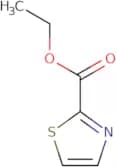
Formula:C22H37NO3SMolecular weight:395.61 g/molThiazole-2-carboxylic acid ethyl ester
CAS:Thiazole-2-carboxylic acid ethyl ester is a synthetic compound that is used as a model for peroxides and as a substrate in the study of carbonyl chemistry. It has been shown to react with benzene, yielding an alpha-hydroxybenzylidene ketone. The heterocycle can be converted to the corresponding carboxylic acid by dehydrogenation with hydrogen peroxide or sodium perborate. The yields of this reaction are dependent on the substituent effects of the heterocycle. Thiazole-2-carboxylic acid ethyl ester reacts with serine protease and amide in an enzyme assay. Kinetic data for this reaction are available in the literature.
Formula:C6H7NO2SPurity:Min. 95%Color and Shape:PowderMolecular weight:157.19 g/molRef: 3D-FT139140
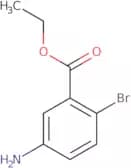
Discontinued product5-Amino-2-bromobenzoic acid ethyl ester
CAS:5-Amino-2-bromobenzoic acid ethyl ester is a chemical compound that can be used for the production of pharmaceuticals and research chemicals. It is a versatile building block that can be used in the synthesis of complex compounds with valuable applications. 5-Amino-2-bromobenzoic acid ethyl ester is a reagent, speciality chemical, and useful building block that can be used in the synthesis of high quality compounds. This compound has been identified as an intermediate in organic reactions and as a reaction component. CAS No. 208176-32-3Formula:C9H10BrNO2Purity:Min. 95%Color and Shape:PowderMolecular weight:244.09 g/molRef: 3D-FA67376
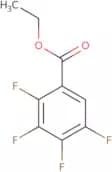
Discontinued product2,3,4,5-Tetrafluorobenzoic acid ethyl ester
CAS:2,3,4,5-Tetrafluorobenzoic acid ethyl ester is a fine chemical that is useful in the synthesis of complex compounds. It is a versatile building block with many potential applications in research and as a reagent. 2,3,4,5-Tetrafluorobenzoic acid ethyl ester has been shown to have high purity and quality. This compound can be used as a reaction component for other chemical reactions and as an intermediate for the production of pharmaceuticals. CAS No. 122894-73-9
Formula:C9H6F4O2Purity:Min. 95%Molecular weight:222.14 g/molRef: 3D-FT38143
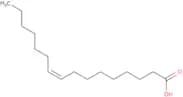
Discontinued productPalmitoleic acid, 70%
CAS:Palmitoleic acid is a fatty acid that has been shown to have anti-inflammatory effects. Palmitoleic acid inhibits the production of pro-inflammatory cytokines and attenuates the activation of macrophages, as well as inhibiting the expression of genes involved in cell proliferation. Palmitoleic acid has also been shown to be effective against bowel disease, such as Crohn's disease. In a low-dose group, palmitoleic acid inhibited the production of matrix metalloproteinases in 3T3-L1 preadipocytes and hl-60 cells. It also decreased the release of basic proteins from these cells and increased their energy metabolism.
Formula:C16H30O2Purity:Min. 70%Color and Shape:Clear LiquidMolecular weight:254.41 g/mol2-Amino-5-iodobenzoic acid ethyl ester
CAS:2-Amino-5-iodobenzoic acid ethyl ester is a chemical reagent that is used to prepare 2-chloro-5-iodobenzoic acid. It can be prepared by the hydrolysis of 2,4,6-trinitrobenzene with an aqueous solution of sodium hydroxide. The iodination reaction proceeds in two steps: (1) chlorination of methyl anthranilate with chlorine and (2) addition of the resultant product to 2,4,6-trinitrobenzene. In the first step, methyl anthranilate reacts with chlorine to form 2-chloro-5-iodobenzoic acid ethyl ester and hydrogen chloride gas. In the second step, this product reacts with 2,4,6-trinitrobenzene to form 2-amino 5 -iodobenzoic acid ethyl ester and nitrogen gas
Formula:C9H10INO2Purity:Min. 95%Color and Shape:PowderMolecular weight:291.09 g/mol1-Palmitoyl-2-oleoyl-rac-glycerol
CAS:1-Palmitoyl-2-oleoyl-rac-glycerol is a fatty acid that is made in the mitochondria and is an intermediate in the production of diacylglycerol. It has been shown to have a linear response with cellular protein levels, and it has been shown to be involved in the genetic mechanisms of cells. 1-Palmitoyl-2-oleoyl-rac-glycerol has been found to have a number of protein targets, including phosphatidylinositide 3 kinase, PKC, and Akt. This molecule also has been used as an analytical method for measuring fatty acids in tissue samples and has been shown to alter enzyme levels, such as those found in prostaglandin synthase 2. 1-Palmitoyl-2-oleoyl-rac-glycerol can be synthesized by laser ablation or chromatographic science methods.
Formula:C37H70O5Purity:Min. 95%Color and Shape:Solidified MassMolecular weight:594.95 g/molRef: 3D-FP159222
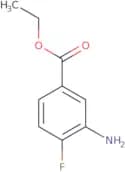
Discontinued product3-Amino-4-fluorobenzoic acid ethyl ester
CAS:3-Amino-4-fluorobenzoic acid ethyl ester is a linker that is used to attach a drug molecule to the tautomycin, an analgesic. It has been shown to have nontoxic properties in animals and does not react with intestinal contents. The 3-Amino-4-fluorobenzoic acid ethyl ester also reacts with azide, phosphatase, and hydrocarbons. It is stable in the presence of aromatic hydrocarbons and can be used as a photolabeling agent for introducing a fluorescent group into a molecule.
Formula:C9H10FNO2Purity:Min. 95%Color and Shape:PowderMolecular weight:183.18 g/molRef: 3D-FA70330
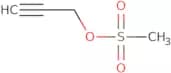
Discontinued productPropargyl methanesulfonate ester
CAS:Propargyl methanesulfonate ester is an organic compound that is used as a cross-coupling reagent in the synthesis of chiral mesylates. It is prepared by treatment of propargyl alcohol with methanesulfonyl chloride and sodium hydroxide in an organic solvent. The product is purified by removal of the solvent, followed by crystallization or distillation. The mesylate group reacts with an amine to give a secondary amine, which can be converted to a carbamate or mediated reaction product. This process can also generate genotoxic impurities, such as dioxane and 1,4-dioxane, which are removed by transfer to an inert solvent.
Formula:C4H6O3SPurity:Min. 95%Color and Shape:Clear LiquidMolecular weight:134.15 g/molRef: 3D-FP27194
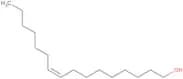
Discontinued productPalmitoleyl alcohol
CAS:Palmitoleyl alcohol is a natural compound that is found in the human body and in palm oil. Palmitoleyl alcohol has been shown to have anti-inflammatory properties and may be useful for the treatment of cancer, inflammation, and other diseases. It is a cationic surfactant that is used in detergent compositions and pharmaceutical preparations. Palmitoleyl alcohol also has a reactive group that can be detected with chemical ionization. This reactive group can undergo biodegradation in the body due to its biocompatibility and hydrophilicity.
Formula:C16H32OPurity:Min. 95%Color and Shape:Colorless PowderMolecular weight:240.42 g/molRef: 3D-FP63578
Discontinued product3-Oxodecanoic acid ethyl ester
CAS:3-Oxodecanoic acid ethyl ester is a selenium compound that can be catalytic. It has been shown to produce lactones by the cyclization of an anthranilic acid. Selenium compounds are often used as research catalysts in organic synthesis, specifically for the elimination and cyclization reactions. 3-Oxodecanoic acid ethyl ester is also a natural product that can be found in various plants and animals. It has been found to have an active role in many natural products, such as benzyne and heterocycles.
Formula:C12H22O3Purity:Min. 95%Color and Shape:PowderMolecular weight:214.3 g/molRef: 3D-FO15283
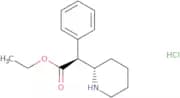
Discontinued product(aS,2S)-alpha-Phenyl-2-piperidineacetic acid Ethyl ester hydrochloride
CAS:Controlled ProductPlease enquire for more information about (aS,2S)-alpha-Phenyl-2-piperidineacetic acid Ethyl ester hydrochloride including the price, delivery time and more detailed product information at the technical inquiry form on this pageFormula:C15H21NO2·HClPurity:Min. 95%Molecular weight:283.79 g/molrac 1,2-Bis-palmitoyl-3-chloropropanediol-D5
CAS:Controlled ProductRac-1,2-Bis-palmitoyl-3-chloropropanediol (rac1,2BPC) is a dispersive compound that has been used in the experimental phase of extraction. It has been shown to be efficient in the quantification and screening of fatty acids. Rac1,2BPC has also been used as a spiking agent for food samples to identify contaminants. The recoveries have been validated and linearity has been demonstrated. Rac1,2BPC is an anion that can be quantified by liquid chromatography with wavelength detection at 202 nm.
Formula:C35H62D5ClO4Purity:Min. 95%Molecular weight:592.38 g/molRef: 3D-FB171239
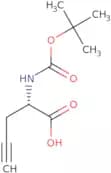
Discontinued productBoc-L-Propargylglycine
CAS:Boc-L-Propargylglycine is an antibacterial agent that can be used for the treatment of cancer. It has been shown to have specificities against cancer cells, as well as a high potency and low toxicity. Boc-L-Propargylglycine may be useful in biochemistry experiments because it can form conjugates with amines, hydroxyl groups, and amino acids. This drug also binds to DNA by forming triplexes and high-potency complexes with guanine residues. Boc-L-propargylglycine has been shown to inhibit the growth of cancer cells in vitro. It is orally bioactive, which means that it is absorbed and distributed throughout the body when taken by mouth.
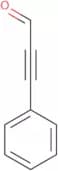
Formula:C10H15NO4Purity:Min. 95%Molecular weight:213.23 g/molPhenylpropargylaldehyde
CAS:Phenylpropargylaldehyde is an organic compound that is a chiral molecule, which means it has two enantiomers. It was first synthesized in 1964 by R.B. Woodward and T.W. Rittenberg at the University of Chicago, and is used as a chemical intermediate in the synthesis of other compounds with biological activity such as matrix metalloproteinase inhibitors, for example marimastat. Phenylpropargylaldehyde can be prepared from malonic acid and phenylboronic acid in a reaction mechanism that involves nucleophilic substitutions, carbonyl group activation and hydrogen bonding to lysine residues on proteins. The asymmetric synthesis of this compound has been shown to suppress genes associated with metabolic disorders such as diabetes mellitus type 2, fatty acid metabolism disorders and endocrine disorders (e.g., thyroid). It also has adjuvant therapeutic properties in cancer treatment, especially when combined with synthetic fatty acids such as oleic acid or ar
Purity:Min. 95%Palmitoleic acid methyl ester
CAS:Palmitoleic acid methyl ester is a bio-based chemical that can be used in wastewater treatment. It has been shown to inhibit the activity of lipase, an enzyme that catalyzes the hydrolysis of triglycerides, and may be useful for the removal of fatty acids from wastewater. Palmitoleic acid methyl ester has a phase transition temperature of about 120°C and a thermal expansion coefficient similar to polyethylene. This product was found to be a good solid catalyst for the production of nitric oxide from nitrogen atoms. The antioxidant vitamins C and E were found to have synergistic effects with palmitoleic acid methyl ester. This product also has antimicrobial properties against infectious diseases such as tuberculosis, which may be due to its ability to inhibit protein synthesis by disrupting ribosomal function.
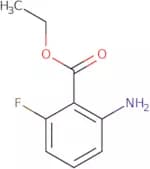
Formula:C17H32O2Purity:Min. 95%Molecular weight:268.43 g/mol2-Amino-6-fluorobenzoic acid ethyl ester
CAS:2-Amino-6-fluorobenzoic acid ethyl ester is a chemical that can be used as a building block in the synthesis of more complex compounds. It is a versatile intermediate and can be used to synthesize other important compounds, such as pharmaceuticals. This compound has been shown to be useful for the preparation of 2-amino-4,6-difluorobenzoic acid ethyl ester and many other derivatives. The colorless solid is soluble in ether and dichloromethane.
Formula:C9H10FNO2Purity:Min. 95%Color and Shape:PowderMolecular weight:183.18 g/molRef: 3D-FA67884
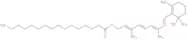
Discontinued productVitamin A palmitate
CAS:Vitamin A palmitate is a fat-soluble vitamin that has antioxidant properties. It is available as a supplement in the form of retinol and retinyl palmitate. Vitamin A palmitate is an inactive form of vitamin A that can be converted to retinol in vivo by esterases and other enzymes. The conversion of vitamin A palmitate to retinol may be inhibited by various substances, such as estradiol benzoate. This conversion leads to the formation of free radicals, which cause oxidative injury to cells. Studies have shown that vitamin A palmitate can be toxic for humans because it interferes with the synthesis of mucin, an important constituent of human lungs and airways. Vitamin A palmitate also alters gene expression in some experimental models, leading to changes in cell growth or death.
Formula:C36H60O2Color and Shape:Yellow PowderMolecular weight:524.86 g/molDexamethasone 21-palmitate
CAS:Controlled ProductDexamethasone 21-palmitate is a sample preparation agent that is used to prevent the loss of cells or particles during storage. It can be used in vitro as an immunosuppressant to inhibit lymphocyte transformation, particle, and cell nuclei formation. Dexamethasone 21-palmitate is also used for eye disorders, inflammatory bowel disease, and human macrophages. The product may also be used for choroidal neovascularization in eye disorders.
Formula:C38H59FO6Purity:Min. 95%Color and Shape:White PowderMolecular weight:630.87 g/molRef: 3D-FD21400
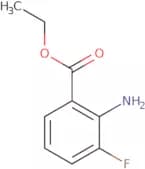
Discontinued product2-Amino-3-fluorobenzoic acid ethyl ester
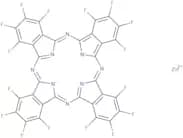
CAS:Please enquire for more information about 2-Amino-3-fluorobenzoic acid ethyl ester including the price, delivery time and more detailed product information at the technical inquiry form on this pageFormula:C9H10FNO2Purity:Min. 95%Color and Shape:PowderMolecular weight:183.18 g/molZinc 1,2,3,4,8,9,10,11,15,16,17,18,22,23,24,25-hexadecafluoro-29H,31H-phthalocyanine
CAS:Please enquire for more information about Zinc 1,2,3,4,8,9,10,11,15,16,17,18,22,23,24,25-hexadecafluoro-29H,31H-phthalocyanine including the price, delivery time and more detailed product information at the technical inquiry form on this pageFormula:C32F16N8ZnPurity:Min. 95%Molecular weight:865.75 g/mol


![Hexadecanamide,N-[(1S,2R,3E)-2-hydroxy-1-(hydroxymethyl)-3-heptadecenyl]-](/_next/image/?url=https%3A%2Fstatic.cymitquimica.com%2Fproducts%2FIN%2Fthumb-webp%2FDA00I4QC.webp&w=3840&q=75)









![Fmoc-S-[2,3-bis(palmitoyloxy)propyl]-L-cysteine](/_next/image/?url=https%3A%2Fstatic.cymitquimica.com%2Fproducts%2F3D%2Fthumb-webp%2FFF47755.webp&w=3840&q=75)