Cinnamic Acids
Found 660 products of "Cinnamic Acids"
4-Formylcinnamic acid
CAS:4-Formylcinnamic acid is a molecule that is produced by the condensation of benzaldehyde and formic acid. The nmr spectra of 4-formylcinnamic acid show that it has a structure with two aromatic rings. It has been shown to activate Toll-like receptor 4 (TLR4) in human liver cells. The radiation induced photochemical properties of this molecule have been studied using x-ray diffraction data and the hydrochloric acid decoupling technique. This molecule has also been shown to suppress tumor xenografts in mice and primary cells in vitro, which may be due to its ability to inhibit cellular proliferation and induce cell death by apoptosis.Formula:C10H8O3Purity:Min. 97 Area-%Color and Shape:White PowderMolecular weight:176.17 g/mol4-Methoxycinnamic acid methyl ester
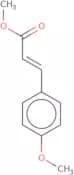
CAS:4-Methoxycinnamic acid methyl ester is an organic compound that has potential use as a reaction modifier. The C8-C9 alkene, which is a common structural motif in fatty acids and cinnamic acid derivatives, can be efficiently produced through the use of this chemical. This organic acid is also used to modify the reactivity of other molecules by changing their steric or electronic properties. It has been shown to increase the diameter of filamentous fungi and to have a significant effect on the selectivity for reactions involving alkene substrates.Formula:C11H12O3Purity:Min. 95%Color and Shape:PowderMolecular weight:192.21 g/molIsopentyl 4-methoxycinnamate
CAS:Isopentyl 4-methoxycinnamate is a fluorescent molecule that is used to measure otoacoustic emissions in neonates. The viscosity of isopentyl 4-methoxycinnamate can be measured by using an analytical method for determining the melting point. Isopentyl 4-methoxycinnamate has been shown to inhibit the growth of bacteria such as Staphylococcus aureus, which is resistant to ciprofloxacin. Isopentyl 4-methoxycinnamate has also been shown to have potent inhibition activity against Escherichia coli and Pseudomonas aeruginosa, but not against Enterobacter cloacae. The fluorescence intensity of isopentyl 4-methoxycinnamate can be enhanced by adding glycerin or sodium citrate to the solution. It can also be prepared as a particle by adding sodium chloride or potassium chlorideFormula:C15H20O3Purity:Min. 95%Color and Shape:PowderMolecular weight:248.32 g/mol2-Methylcinnamic acid, predominantly trans
CAS:The 2-methylcinnamic acid is a derivative of cinnamic acid. It is an organic compound that is a colorless liquid at room temperature. The 2-methylcinnamic acid can be synthesized via the Suzuki coupling reaction between 2-chlorocinnamic acid and 4-hydroxycinnamic acid in the presence of a ruthenium complex, a diphosphine ligand, and an acidic co-solvent. This organic compound has been shown to inhibit prostaglandin synthesis by interacting with the prostanoid receptor, a protein located on the surface of cells that binds to inflammatory agents or hormones. These interactions may also lead to the inhibition of cyclooxygenase (COX) enzymes, which are responsible for prostaglandin synthesis. The 2-methylcinnamic acid can also be converted into flavonoids such as quercetin and apigenin through oxidation reactions.
Formula:C10H10O2Purity:Min. 95%Color and Shape:PowderMolecular weight:162.19 g/mol3-Hydroxycinnamic acid
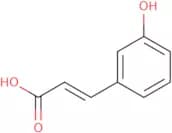
CAS:3-Hydroxycinnamic acid is a natural compound that belongs to the group of caffeic acids. It is found in many plants, including coffee beans and tea leaves. 3-Hydroxycinnamic acid has been shown to inhibit the proliferation of 3T3-L1 preadipocytes and HL-60 cells by inhibiting mitochondrial membrane potential. This compound also inhibits the activity of 4-hydroxyphenylacetic acid (4HPA) hydroxylase, which converts phenylalanine into tyrosine and 4HPA, an intermediate in the synthesis of melanin. 3-Hydroxycinnamic acid can be used as a model system for studying caffeic acids in vitro. Structural analysis has demonstrated that 3-hydroxycinnamic acid contains nitrogen atoms, which may be essential for its anti-inflammatory activities.Formula:C9H8O3Purity:Min. 95%Color and Shape:PowderMolecular weight:164.16 g/moltrans-4-Coumaric acid
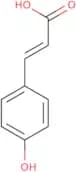
CAS:Trans-4-coumaric acid or p-coumaric acid, is a derivative of the cinnamic acid. It is the initial substrate to produce several intermediates such as ferulic acid, caffeic acid, rosmarinic acid, gallic acid, and carnosic acid. Trans-4-coumaric acid, as well as its derivatives, have antioxidant properties; they are common ingredients in cosmetics and as dietary supplement.Formula:C9H8O3Purity:Min. 98 Area-%Color and Shape:PowderMolecular weight:164.16 g/mol3,5-Di-tert-butyl-4-hydroxycinnamic acid
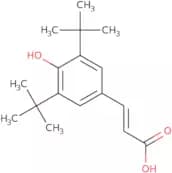
CAS:3,5-Di-tert-butyl-4-hydroxycinnamic acid is a chemical compound that belongs to the group of antihistaminic drugs. It is used as an antiallergic drug and has shown to be effective in treating hay fever and asthma. 3,5-Di-tert-butyl-4-hydroxycinnamic acid has been shown to be metabolised by rat plasma into dimethylformamide, tetrahydrofuran, reactive amides, chlorides and volatile compounds. These metabolites are then excreted via the kidneys or liver. The synthesis of 3,5-Di-tert-butyl-4-hydroxycinnamic acid can be done through a two step process that starts with the reaction of pivalaldehyde with hydrochloric acid followed by hydrogenation with rhodium on charcoal catalyst.Formula:C17H24O3Purity:Min. 95%Color and Shape:PowderMolecular weight:276.37 g/mol3,4-Dimethoxycinnamic acid
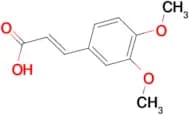
CAS:3,4-Dimethoxycinnamic acid is a bioactive phenolic compound that has antioxidant and anti-inflammatory properties. It is also known to reduce oxidative injury in the human serum. 3,4-Dimethoxycinnamic acid is found in chlorogenic acids, which are bioactive phenolic compounds found in plants. These phenolic compounds have been shown to be effective against autoimmune diseases and carcinoma cell lines. 3,4-Dimethoxycinnamic acid has also been shown to inhibit the growth of cancer cells by interfering with their ability to synthesize DNA and RNA. This compound binds to DNA gyrase, inhibiting its activity and preventing it from unwinding the double helix during replication. The crystal structures of 3,4-dimethoxycinnamic acid have been determined using x-ray crystallography and subcritical water extraction.Formula:C11H12O4Purity:Min. 95%Color and Shape:PowderMolecular weight:208.21 g/mol4-Acetamidocinnamic acid
CAS:4-Acetamidocinnamic acid is a useful building block for many different organic synthesis reactions. It can be used as a reagent, research chemical or specialty chemical, and is often used as a reaction component or intermediate in the synthesis of complex compounds. 4-Acetamidocinnamic acid is also a versatile building block with many applications in organic synthesis. It has been shown to be useful as a scaffold in synthesizing peptides and other bioactive molecules.
Formula:C11H11NO3Purity:Min. 95%Color and Shape:PowderMolecular weight:205.21 g/mol2,5-Dihydroxycinnamic acid
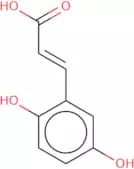
CAS:2,5-Dihydroxycinnamic acid is an intermediate in the metabolism of 4-hydroxycinnamic acid and is a precursor for the formation of methylthioadenosine. It has been shown to stimulate the growth of human epidermal cells and increase colony-stimulating factor production. 2,5-Dihydroxycinnamic acid also has been found to have cytotoxic effects on HL-60 cells, as well as inhibitory effects on human serum. The detection sensitivity for this compound is 0.1 mg/L, which can be achieved using liquid chromatography with UV detection. 2,5-Dihydroxycinnamic acid can be prepared by hydrolysis of dimethylthiourea with alkaline or acidic conditions at room temperature or 37 degrees Celsius. This compound has pharmacokinetic properties that are similar to those of 4-hydroxycinnamic acid and is believed to act similarly by inhibiting proteinFormula:C9H8O4Purity:Min. 95%Color and Shape:Off-White PowderMolecular weight:180.16 g/molMethyl 3,4,5-trimethoxycinnamate
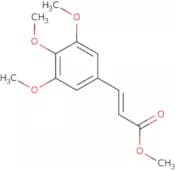
CAS:Methyl 3,4,5-trimethoxycinnamate (MTMC) is a compound that has been used as the active ingredient in traditional Chinese medicine for the treatment of cardiac disease. It has been shown to have an inhibitory effect on ventricular myocytes and to induce apoptosis in rat heart cells. MTMC also inhibits neutrophil recruitment and reduces the expression of pro-apoptotic proteins. It has also been shown to be effective in treating congestive heart failure by blocking cardiac hypertrophy and myocardial apoptosis. Methyl 3,4,5-trimethoxycinnamate has not been tested on humans or animals for safety or efficacy in treating depression.Formula:C13H16O5Purity:Min. 95%Color and Shape:White PowderMolecular weight:252.26 g/molMethyl 4-hydroxy-3-methoxycinnamate
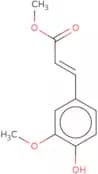
CAS:Methyl 4-hydroxy-3-methoxycinnamate is a natural phenolic compound that is found in small quantities in many plants and foods. It is used to produce other compounds, such as vanillin, which are used as flavoring agents. Methyl 4-hydroxy-3-methoxycinnamate can be quantified using the enzymatic reaction of peroxidase with 3,4,5-trimethoxybenzene. The kinetics of this reaction have been studied by titration calorimetry. Aspergillus niger catalase has been shown to be sensitive to methyl 4-hydroxy-3-methoxycinnamate. Birch and oak wood lignocellulosic biomass can be converted into sugars through a hydrolysis process with methyl 4-hydroxy-3-methoxycinnamate. The carbohydrate content of birch and oak wood was reduced by approximately 60
Formula:C11H12O4Purity:Min. 95%Color and Shape:PowderMolecular weight:208.21 g/molRef: 10-F608922
1g552.00€5g1,452.00€10g2,147.00€2.5g1,053.00€50mg110.00€100mg175.00€250mg249.00€500mg427.00€3-(4-Hydroxyphenyl)acrylic acid
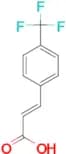
CAS:Formula:C9H8O3Purity:98%Color and Shape:SolidMolecular weight:164.164-(Trifluoromethyl)cinnamic acid
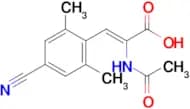
CAS:Formula:C10H7F3O2Purity:97%Color and Shape:SolidMolecular weight:210.104(Z)-2-acetamido-3-(4-cyano-2,6-dimethylphenyl)acrylic acid
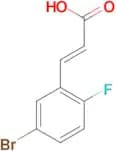
CAS:Purity:97%Molecular weight:258.27700815-Bromo-2-fluorocinnamic acid
CAS:Formula:C9H6BrFO2Purity:97%Color and Shape:SolidMolecular weight:245.0473,4-Dimethoxycinnamic acid
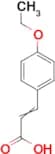
CAS:Formula:C11H12O4Purity:95%Color and Shape:SolidMolecular weight:208.2133-(4-Ethoxyphenyl)acrylic acid
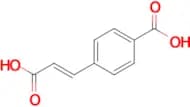
CAS:Formula:C11H12O3Purity:97%Color and Shape:SolidMolecular weight:192.2141,4-Benzenediacrylic acid
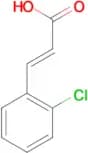
CAS:Formula:C12H10O4Purity:98%Color and Shape:SolidMolecular weight:218.2082-Chlorocinnamic acid
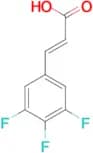
CAS:Formula:C9H7ClO2Purity:98%Color and Shape:Solid, White to light yellow crystal powderMolecular weight:182.63,4,5-Trifluorocinnamic acid
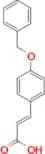
CAS:Formula:C9H5F3O2Purity:97%Color and Shape:SolidMolecular weight:202.132(E)-3-(4-(Benzyloxy)phenyl)acrylic acid
CAS:Formula:C16H14O3Purity:98%Color and Shape:SolidMolecular weight:254.2853-(4-Aminophenyl)acrylic acid
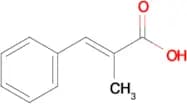
CAS:Formula:C9H9NO2Purity:95%Color and Shape:SolidMolecular weight:163.1762-Methyl-3-phenylacrylic acid
CAS:Formula:C10H10O2Purity:97%Color and Shape:Light yellow powderMolecular weight:162.1883-(3-Chlorophenyl)acrylic acid
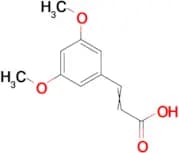
CAS:Formula:C9H7ClO2Purity:95%Color and Shape:White to very pale yellow powderMolecular weight:182.63-(3,5-Dimethoxyphenyl)acrylic acid
CAS:Formula:C11H12O4Purity:95%Color and Shape:SolidMolecular weight:208.213Ref: 10-F663973
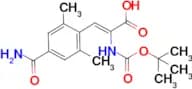
1g492.00€5g1,309.00€10g2,617.00€2.5g1,150.00€50mg120.00€100mg160.00€250mg223.00€500mg410.00€(Z)-2-((tert-butoxycarbonyl)amino)-3-(4-carbamoyl-2,6-dimethylphenyl)acrylic acid
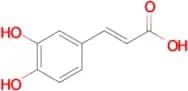
CAS:Purity:96%Molecular weight:334.37200933-(3,4-Dihydroxyphenyl)acrylic acid
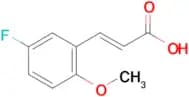
CAS:Formula:C9H8O4Purity:95%Color and Shape:Solid, Yellow powderMolecular weight:180.1595-Fluoro-2-methoxycinnamic acid
CAS:Formula:C10H9FO3Purity:95%Color and Shape:SolidMolecular weight:196.177