Flavonoids
Subcategories of "Flavonoids"
- Anthocyanidins(46 products)
- Anthocyanin(46 products)
- Catechin(88 products)
- Chalcones(237 products)
- Pterocarpan(28 products)
Found 2409 products of "Flavonoids"
7,2'-Dibenzyloxy-4'-methoxyisoflavone
CAS:7,2'-Dibenzyloxy-4'-methoxyisoflavone is a synthetic isoflavone compound, which is derived from chemical synthesis processes rather than natural sources. Isoflavones are a class of flavonoids often studied for their diverse biological activities, including antioxidant, anti-inflammatory, and potential anticancer properties. This compound is characterized by its unique chemical structure that incorporates benzyl and methoxy groups, possibly enhancing its pharmacokinetic profile and efficacy.
Formula:C30H24O5Purity:Min. 95%Molecular weight:464.51 g/mol6,7-Dimethoxy-2',4'-dihydroxyisoflavone
CAS:6,7-Dimethoxy-2',4'-dihydroxyisoflavone is a naturally occurring isoflavone, which is typically derived from various plant sources, such as legumes or medicinal herbs. It belongs to a class of polyphenolic compounds known for their antioxidative capabilities. This compound acts primarily by scavenging free radicals and reducing oxidative stress, thus protecting cellular structures from damage. Its mode of action involves the modulation of cellular antioxidant pathways and potential interaction with estrogen receptors, contributing to its biological effects.
Formula:C17H14O6Purity:Min. 95%Molecular weight:314.29 g/mol7-Benzyloxy-4'-methoxyisoflavone
CAS:7-Benzyloxy-4'-methoxyisoflavone is a synthetic isoflavone derivative, which is meticulously designed with specific substituents to enhance its bioactivity. This compound is derived from isoflavones, a class of naturally occurring polyphenolic compounds found predominantly in soy products and other plants. Isoflavones are known for their diverse biological activities, including antioxidant and anti-inflammatory properties.
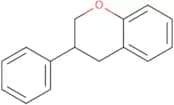
Formula:C23H18O4Purity:Min. 95%Molecular weight:358.39 g/molIsoflavan
CAS:Isoflavan is a naturally occurring isoflavonoid derivative, which is primarily sourced from soybeans and other legumes. These compounds are secondary metabolites found in the plant kingdom, notable for their structural similarity to estrogens. Isoflavans act as phytoestrogens, binding to estrogen receptors and exerting both estrogenic and antiestrogenic effects depending on the presence of endogenous hormones. They exhibit a multifaceted mode of action, encompassing antioxidant activities by neutralizing free radicals and modulating oxidative stress pathways.
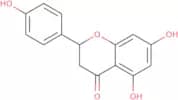
Formula:C15H14OPurity:Min. 95%Molecular weight:210.27 g/mol(±)-Naringenin
CAS:Inhibits CYP3A4 and Shad 3 transcription; antioxidant; anti-tumor
Formula:C15H12O5Purity:Min. 98 Area-%Color and Shape:Brown White PowderMolecular weight:272.25 g/mol3,5,7-Trihydroxy-4'-methoxyflavone
CAS:3,5,7-Trihydroxy-4'-methoxyflavone is a flavonoid compound, which is naturally occurring in various plants. These bioactive compounds are part of a larger group known as flavones, prevalent in many fruits, vegetables, and certain herbs. Flavonoids such as 3,5,7-Trihydroxy-4'-methoxyflavone are synthesized through the plant's secondary metabolic pathways, typically as a response to environmental stressors or as part of normal growth processes.
Formula:C16H12O6Purity:Min. 95%Color and Shape:PowderMolecular weight:300.26 g/molRef: 3D-FT66491
Discontinued productGossypetin-7-glucoside
CAS:Gossypetin-7-glucoside is a flavonoid glycoside, which is a naturally occurring compound found primarily in plants. This substance is derived from the flavonoid gossypetin, which is a member of the flavonoid class of polyphenolic secondary metabolites in plants, predominantly sourced from cotton plants. The mode of action of gossypetin-7-glucoside is largely attributed to its antioxidant properties. It acts by scavenging free radicals, thereby reducing oxidative stress and potentially mitigating cellular damage.
Formula:C21H20O13Purity:(%) Min. 95%Color and Shape:PowderMolecular weight:480.38 g/molOrobol
CAS:Please enquire for more information about Orobol including the price, delivery time and more detailed product information at the technical inquiry form on this page
Formula:C15H10O6Purity:Min. 95%Color and Shape:Yellow PowderMolecular weight:286.24 g/mol6,4'-Dimethoxyflavanone
6,4'-Dimethoxyflavanone is a flavanone derivative, which is a type of organic compound belonging to the larger class of flavonoids. These compounds are primarily sourced from natural products, frequently occurring in various plant species. Flavonoids are known for their diverse bioactive properties, which can include antioxidant, anti-inflammatory, and potential anticancer activities. The mode of action for 6,4'-Dimethoxyflavanone typically involves interacting with cellular pathways to modulate enzyme activities or signaling processes, potentially influencing oxidative stress and cellular proliferation.
Formula:C17H16O4Purity:Min. 95%Molecular weight:284.31 g/molRef: 3D-XD182832
Discontinued productPhaseollinisoflavan
CAS:Phaseollinisoflavan is a naturally occurring isoflavone compound, which is derived from the legume plant, Phaseolus vulgaris, commonly known as the common bean. Its mode of action primarily involves the inhibition of enzymatic activity, particularly affecting pathways related to oxidative stress and various metabolic processes. This isoflavone exerts its effects by modulating signal transduction pathways, which are critical in cellular response mechanisms.
Formula:C20H20O4Purity:Min. 95%Molecular weight:324.37 g/molQuercetin-3-arabinoside
CAS:Quercetin-3-arabinoside is a flavonoid glycoside, which is a naturally occurring compound found in various plants including fruits and vegetables. It is derived from quercetin, a flavonoid widely distributed in the plant kingdom. The arabinoside component is a sugar moiety that enhances the solubility and stability of the compound. Quercetin-3-arabinoside exerts its effects through antioxidant activity, where it scavenges free radicals and chelates metal ions, thus protecting cells from oxidative stress and potential damage.
Formula:C20H18O11Purity:Min. 95%Color and Shape:PowderMolecular weight:434.35 g/molRef: 3D-FQ65464
Discontinued productPinostrobin
CAS:Pinostrobin is a natural flavonoid compound, which is derived primarily from the rhizomes of plants such as the fingerroot (Boesenbergia rotunda) and various species of the Pinus genus. Its mode of action involves potent antioxidant activity, where it scavenges free radicals, thus reducing oxidative stress. Additionally, Pinostrobin exhibits antimicrobial properties by disrupting microbial cell membranes and inhibiting essential microbial enzymes.
Formula:C16H14O4Color and Shape:PowderMolecular weight:270.28 g/molRef: 3D-FP66572
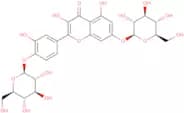
Discontinued productQuercetin-7,4'-diglucoside
CAS:Quercetin-7,4'-diglucoside is a flavonoid glycoside, which is a bioactive compound derived from various plants, particularly in fruits, vegetables, and certain leaves. It functions through its ability to modulate cellular pathways related to oxidative stress and inflammation, acting as a potent antioxidant and anti-inflammatory agent. These modes of action are primarily attributed to its capacity to scavenge free radicals and attenuate the expression of pro-inflammatory cytokines by interfering with signaling pathways, such as NF-κB and MAPK.
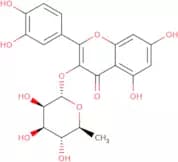
Formula:C27H30O17Purity:Min. 90%Color and Shape:Clear LiquidMolecular weight:626.52 g/molQuercetin 3-α-L-rhamnoside
CAS:Quercetin 3-α-L-rhamnoside is a flavonoid compound, which is a plant-derived product with rich biological activity. It is primarily sourced from various fruits and vegetables, where it occurs naturally as a glycoside. The mode of action involves its capability to modulate oxidative stress and inflammation through interactions with several cellular pathways, primarily by acting as an antioxidant and modulating enzyme activity related to reactive oxygen species.
Formula:C21H20O11Purity:Min. 95%Color and Shape:White PowderMolecular weight:448.38 g/molRef: 3D-MQ08116
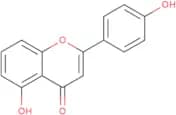
Discontinued product4',5-Dihydroxyflavone
CAS:4',5-Dihydroxyflavone is a naturally occurring flavone, which is a type of polyphenolic compound. It is derived from various plant sources, particularly those rich in flavonoids, such as certain fruits, vegetables, and herbal extracts. The compound's mode of action primarily involves its ability to act as an antioxidant, scavenging free radicals and reducing oxidative stress in biological systems. This antioxidant activity is often linked to neuroprotective properties, as it may help mitigate damage to neurons caused by oxidative stress.
Formula:C15H10O4Purity:Min. 98%Color and Shape:PowderMolecular weight:254.24 g/molRef: 3D-FD66316
Discontinued productVestitol
CAS:Vestitol is a naturally occurring flavonoid, which is a bioactive compound derived from various plant species. As a flavonoid, vestitol is synthesized by plants during their metabolic processes and is found predominantly in legumes such as red clover. Its biochemical mode of action includes modulation of reactive oxygen species (ROS) and interactions with cellular signaling pathways that regulate oxidative stress. By scavenging free radicals, vestitol contributes to the protection of cellular structures and biomolecules from oxidative damage.
Formula:C16H16O4Purity:Min. 95%Color and Shape:White Off-White PowderMolecular weight:272.3 g/molDehydroequol
CAS:Dehydroequol is a dietary supplement ingredient, which is a metabolite of the soy isoflavone daidzein. It is produced through the biotransformation by certain gut bacteria that convert daidzein into equol compounds, specifically the dehydrogenated form. This compound is noted for its estrogenic activity, acting primarily as a selective estrogen receptor modulator (SERM). Dehydroequol binds to estrogen receptors with a preference for the beta subtype, exerting moderate estrogenic effects.
Formula:C15H12O3Purity:Min. 95%Molecular weight:240.25 g/molEucomol
CAS:Eucomol is a synthetic compound derived from plant-based sources, designed as an antioxidant agent. It functions by scavenging reactive oxygen species (ROS), thereby reducing oxidative stress in biological systems. Eucomol's mode of action involves donating electrons to neutralize free radicals, which prevents cellular damage and maintains cellular homeostasis.
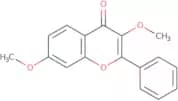
Formula:C17H16O6Purity:Min. 95%Molecular weight:316.31 g/mol3,7-Dimethoxyflavone
CAS:3,7-Dimethoxyflavone is a naturally occurring flavone, which is a type of polyphenolic compound. It is sourced from various plant species, notably those within the genus *Kaempferia*, and can also be synthesized in laboratory settings. The compound is characterized by its distinct chemical structure, featuring methoxy groups at the 3 and 7 positions on the flavone backbone.
Formula:C17H14O4Purity:Min. 95%Color and Shape:PowderMolecular weight:282.29 g/molConrauinone C
CAS:Conrauinone C is an alkaloid, which is a type of naturally occurring chemical compound. It is derived from certain plants, particularly those found in tropical regions, belonging to the Apocynaceae family. This alkaloid exhibits its mode of action by interacting with specific molecular targets in biological systems, potentially modulating cellular pathways and affecting enzyme activity.
Formula:C26H28O5Purity:Min. 95%Molecular weight:420.5 g/mol