Flavonoids
Flavonoids are a group of plant metabolites with antioxidant properties that contribute to the color of fruits and flowers. They play a significant role in protecting plants from UV radiation and pathogens. Flavonoids are studied for their potential health benefits, including anti-inflammatory, antiviral, and anticancer properties. They are widely researched in the fields of pharmacology, nutrition, and molecular biology.
Subcategories of "Flavonoids"
- Anthocyanidins(46 products)
- Anthocyanin(46 products)
- Catechin(88 products)
- Chalcones(237 products)
- Pterocarpan(28 products)
Found 2404 products of "Flavonoids"
Sort by
Purity (%)
0
100
|
0
|
50
|
90
|
95
|
100
Hegoflavon B
CAS:<p>Please enquire for more information about Hegoflavon B including the price, delivery time and more detailed product information at the technical inquiry form on this page</p>Formula:C30H20O12Purity:Min. 95%Molecular weight:572.47 g/molHerbacetin
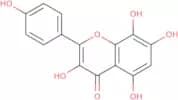
CAS:<p>Herbacetin is a naturally occurring flavonoid, which is a type of polyphenolic compound extracted from plants, particularly from the leaves of the flax plant. It functions primarily by inhibiting the activity of various enzymes and signaling pathways that are involved in oxidative stress and inflammatory responses. The inhibition of these pathways can modulate cellular processes, making it a subject of interest in the study of disease mechanisms and potential treatments.</p>Formula:C15H10O7Purity:Min. 95%Color and Shape:Off-White PowderMolecular weight:302.24 g/mol5,6,7-Trihydroxyflavone
CAS:<p>Baicalein is a natural compound found in Scutellaria baicalensis, a medicinal plant used in the Chinese traditional medicine. Baicalein has anti-tumoral properties as it was shown to interact with several molecular targets involved in tumour biology, such as Erk, ROS, MMP-2/-9, p53 and MAPK. Baicalein was also reported as a non-covalent, non-peptidomimetic inhibitors of the main protease Mpro (3CLpro) from SARS-CoV-2 with IC50 of 0.94 μM and EC50 of 1.69 μM.</p>Formula:C15H10O5Purity:Min. 95%Color and Shape:Yellow PowderMolecular weight:270.24 g/molKakkatin
CAS:<p>Kakkatin is a natural antimicrobial agent, which is derived from specific plant extracts known for their inherent bioactive properties. It functions by disrupting the cellular membranes of pathogenic microorganisms, leading to their subsequent inactivation. This mode of action is attributed to its unique phytochemical constituents, which interact with microbial cell structures to inhibit growth and proliferation.</p>Formula:C16H12O5Purity:Min. 95%Molecular weight:284.26 g/molKaempferol 7-O-neohesperidoside
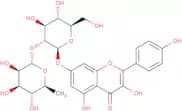
CAS:<p>Kaempferol 7-O-neohesperidoside is a flavonoid glycoside, which is commonly derived from various plant sources, including fruits, vegetables, and certain herbs. This compound is part of the broader flavonoid family, known for their bioactive properties, and can be extracted using advanced chromatographic techniques.</p>Formula:C27H30O15Purity:Min. 95 Area-%Color and Shape:PowderMolecular weight:594.52 g/mol3-Hydroxy-7,8,3'-trimethoxyflavone
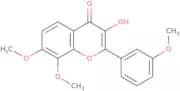
CAS:<p>3-Hydroxy-7,8,3'-trimethoxyflavone is a specialized flavonoid compound, which is isolated predominantly from certain plant sources known for their diverse array of secondary metabolites. The compound belongs to the flavone subclass, characterized by its distinctive hydroxyl and methoxy functional groups, which are crucial in determining its biochemical properties and interactions.</p>Formula:C18H16O6Purity:Min. 95%Molecular weight:328.32 g/molRhamnetin 3-rhamnoside
CAS:<p>Rhamnetin 3-rhamnoside is a flavonoid glycoside, which is a type of polyphenolic compound typically found in plants. It is primarily derived from natural sources such as fruits, vegetables, and certain medicinal plants, where it often contributes to the plant's natural defense mechanisms. The compound acts as a potent antioxidant due to its capability to scavenge free radicals, thereby protecting cells from oxidative stress and potential damage.</p>Formula:C22H22O11Purity:Min. 95%Molecular weight:462.4 g/molIsoflavan
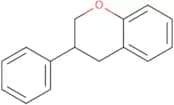
CAS:<p>Isoflavan is a naturally occurring isoflavonoid derivative, which is primarily sourced from soybeans and other legumes. These compounds are secondary metabolites found in the plant kingdom, notable for their structural similarity to estrogens. Isoflavans act as phytoestrogens, binding to estrogen receptors and exerting both estrogenic and antiestrogenic effects depending on the presence of endogenous hormones. They exhibit a multifaceted mode of action, encompassing antioxidant activities by neutralizing free radicals and modulating oxidative stress pathways.</p>Formula:C15H14OPurity:Min. 95%Molecular weight:210.27 g/mol5,7,8-Trihydroxyflavone
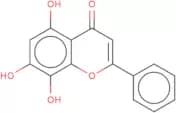
CAS:<p>5,7,8-Trihydroxyflavone is a flavonoid compound, which is a type of phytochemical derived from the structural class of polyphenols commonly found in various plants. This specific flavonoid is naturally occurring in certain botanicals and can be isolated through extraction processes. The mode of action of 5,7,8-Trihydroxyflavone involves its interaction with cellular pathways, primarily acting as an antioxidant. It mitigates oxidative stress by scavenging free radicals and upregulating the expression of antioxidant enzymes.</p>Formula:C15H10O5Purity:Min. 95%Color and Shape:Yellow PowderMolecular weight:270.24 g/mol2',7,8-Trimethoxyflavone
CAS:<p>2',7,8-Trimethoxyflavone is a specialized flavonoid compound, which is naturally derived from certain medicinal plants. This compound belongs to the broader class of polyphenolic molecules known as flavones, often found in various fruits and vegetables. It is primarily isolated from plants such as Kaempferia parviflora, renowned for its traditional use in herbal medicine.</p>Formula:C18H16O5Purity:Min. 95%Molecular weight:312.32 g/molDiosmetin
CAS:<p>Diosmetin is a flavonoid compound, which is derived from natural sources such as citrus fruits and certain herbs. As an aglycone of the flavonoid glycoside diosmin, it is primarily sourced through the metabolic transformation of diosmin in the body. Diosmetin functions through modulation of oxidative stress pathways and inhibition of pro-inflammatory enzymes. Its biochemical activity includes scavenging free radicals and reducing the activity of certain inflammatory mediators, which contributes to its potential therapeutic effects.</p>Formula:C16H12O6Purity:Min. 95%Color and Shape:Yellow PowderMolecular weight:300.26 g/mol2'-O-Methylisoliquiritigenin
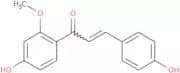
CAS:<p>2'-O-Methylisoliquiritigenin is a methylated flavonoid, which is a specialized biologically active compound found naturally in certain plants, most notably in licorice species. It is an analog of isoliquiritigenin, produced through methylation at the 2' position of the molecule, which enhances its chemical stability and potential bioactivity. The primary mode of action for 2'-O-Methylisoliquiritigenin involves the modulation of various biological pathways, including anti-inflammatory and antioxidant mechanisms. It has been shown to interact with key cellular signaling pathways influencing gene expression, cell cycle regulation, and apoptosis.</p>Formula:C16H14O4Purity:Min. 95%Color and Shape:PowderMolecular weight:270.28 g/molFlavanone hydrazone - 99%
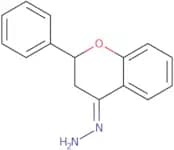
CAS:<p>Flavanone hydrazone - 99% is a highly pure chemical compound that serves as an important intermediate in organic synthesis. It originates primarily from synthetic processes involving hydrazides and flavanones, which are derivatives of flavonoids noted for their wide range of biological activities. The mode of action of flavanone hydrazone involves the introduction of a hydrazone group, which can facilitate the formation of various heterocyclic compounds. This makes it valuable in the construction of complex organic molecules, a process crucial in the fields of medicinal chemistry and drug discovery.</p>Formula:C15H14N2OPurity:(%) Min. 99%Color and Shape:PowderMolecular weight:238.28 g/mol3,7,8,2',4'-Pentamethoxyflavone
CAS:<p>3,7,8,2',4'-Pentamethoxyflavone is a naturally occurring flavonoid, which is a type of polyphenolic compound, broadly found in various plants. This compound is typically isolated from plant sources known for their rich bioactive profiles, such as certain species within the Rutaceae and other plant families. The distinctive feature of flavonoids, including 3,7,8,2',4'-Pentamethoxyflavone, lies in their diverse biological activities, which are attributed to their multi-targeted mode of action.</p>Formula:C20H20O7Purity:Min. 95%Molecular weight:372.37 g/molLuteolin 3′,7-diglucoside
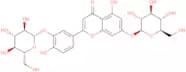
CAS:<p>Luteolin 3′,7-diglucoside is a flavonoid compound, which is predominantly found in a variety of plant species. It acts as an antioxidant, which is significant in its ability to neutralize free radicals, thereby potentially reducing oxidative stress at the cellular level. This compound is derived from natural sources such as fruits, vegetables, and herbs, where it exists as a glycosylated form of luteolin, bonded with glucose molecules.</p>Formula:C27H30O16Purity:Min. 95%Color and Shape:PowderMolecular weight:610.52 g/mol5,2'-Dimethoxyflavone
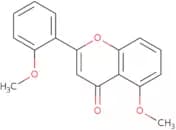
CAS:<p>5,2'-Dimethoxyflavone is a synthetic or naturally occurring flavone, which is derived from certain plants. It belongs to the class of polyphenolic compounds found predominantly in the plant kingdom. As a secondary metabolite, this compound is linked to the plant's defense mechanisms, typically sourced from herbs known for their therapeutic potential.</p>Formula:C17H14O4Purity:Min. 95%Color and Shape:PowderMolecular weight:282.29 g/mol7,8-Dihydroxyflavone
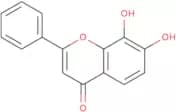
CAS:<p>7,8-Dihydroxyflavone is a synthetic flavonoid, which is derived from naturally occurring compounds found in plants. It is known to act as a tropomyosin receptor kinase B (TrkB) agonist, mimicking the action of brain-derived neurotrophic factor (BDNF). By selectively binding to TrkB receptors, it activates downstream signaling pathways involved in neuronal survival, differentiation, and synaptic plasticity.</p>Formula:C15H10O4•(H2O)xPurity:Min. 95%Color and Shape:PowderMolecular weight:254.24 g/molFluoxastrobin
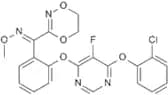
CAS:<p>Fluoxastrobin is a systemic fungicide, which is a synthetic chemical compound designed for use in agriculture. Its source is derived from laboratory synthesis, specifically created to inhibit key fungal pathogens. The mode of action of Fluoxastrobin involves disrupting mitochondrial respiration by targeting the pathogens' electron transport chain, thereby inhibiting energy production and ultimately halting their growth and proliferation.</p>Formula:C21H16ClFN4O5Purity:Min. 95%Color and Shape:PowderMolecular weight:458.83 g/mol7-Benzyloxy-4'-methoxyisoflavone
CAS:<p>7-Benzyloxy-4'-methoxyisoflavone is a synthetic isoflavone derivative, which is meticulously designed with specific substituents to enhance its bioactivity. This compound is derived from isoflavones, a class of naturally occurring polyphenolic compounds found predominantly in soy products and other plants. Isoflavones are known for their diverse biological activities, including antioxidant and anti-inflammatory properties.</p>Formula:C23H18O4Purity:Min. 95%Molecular weight:358.39 g/mol6,8-Diprenylorobol
CAS:<p>6,8-Diprenylorobol is a prenylated isoflavonoid, which is a type of bioactive compound. It is isolated primarily from various plant sources, such as those belonging to the Fabaceae family. The structural uniqueness of 6,8-Diprenylorobol arises from the addition of prenyl groups to the isoflavonoid backbone, which enhances its biological activity.</p>Formula:C25H26O6Purity:Min. 95%Color and Shape:PowderMolecular weight:422.47 g/mol