Flavonoids
Subcategories of "Flavonoids"
- Anthocyanidins(46 products)
- Anthocyanin(46 products)
- Catechin(88 products)
- Chalcones(237 products)
- Pterocarpan(28 products)
Found 2409 products of "Flavonoids"
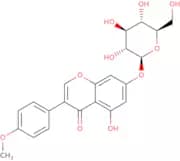
Biochanin A-7-O-glucoside
CAS:Biochanin A-7-O-glucoside is a naturally occurring isoflavone glucoside, which is derived from various plants, particularly red clover and soy. It is a secondary metabolite, commonly found in legumes and other related species. The mode of action of Biochanin A-7-O-glucoside involves its structural ability to act as an antioxidant, scavenging free radicals and mitigating oxidative stress. This biochemical property allows it to influence various molecular pathways related to cell signaling and gene expression.
Formula:C22H22O10Purity:Min. 95%Color and Shape:SolidMolecular weight:446.4 g/mol5-Hydroxy-7,8-dimethoxy (2R)-flavanone-5-o-beta-D-glucopyranoside
CAS:5-Hydroxy-7,8-dimethoxy (2R)-flavanone-5-o-beta-D-glucopyranoside is a flavanone glycoside, which is a type of naturally occurring polyphenolic compound. This compound is typically derived from various plant sources, particularly those used in traditional medicine.Formula:C23H26O10Purity:Min. 95%Molecular weight:462.40 g/molBavachinin A
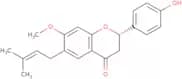
CAS:Bavachinin A is a prenylated flavanone, which is a type of natural compound. It is sourced from the seeds of Psoralea corylifolia, a plant commonly found in traditional Chinese and Indian medicine. The compound exhibits its mode of action primarily through the modulation of specific cellular pathways, including the inhibition of certain enzymes and interaction with receptor sites that play a crucial role in inflammatory and oxidative stress responses.Formula:C21H22O4Purity:Min. 95%Color and Shape:SolidMolecular weight:338.4 g/molPetanin
CAS:Petanin is a natural compound isolated from the fruit of Lycium barbarum. It has been shown to have anti-inflammatory and antioxidant properties, as well as protective effects against UV radiation. Petanin is used in dietary supplements and works in synergy with other nutrients to help protect cells and repair skin damage.Purity:Min. 95%Scutellarein tetramethyl ether
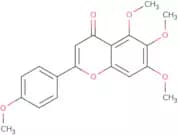
CAS:Scutellarein tetramethyl ether is a methylated flavonoid compound, which is a result of structural modifications to scutellarein, itself a naturally occurring flavone. This compound is derived from various plant sources, particularly those within the Scutellaria genus, known for their bioactive flavonoid content. The modification involves methylation of hydroxyl groups, which can augment its bioavailability and stability.Formula:C19H18O6Purity:Min. 95 Area-%Color and Shape:PowderMolecular weight:342.34 g/molPomiferin
CAS:Pomiferin is a polyphenolic compound, which is a bioactive flavonoid derived from the fruit of the Osage orange tree, scientifically known as Maclura pomifera. This compound is primarily extracted from the osage orange's pulp and seeds. The mode of action of pomiferin involves its potent antioxidant capabilities, which allow it to effectively scavenge reactive oxygen and nitrogen species, thereby mitigating oxidative stress. Additionally, pomiferin has demonstrated anti-inflammatory properties, likely mediated through the modulation of signaling pathways and the downregulation of pro-inflammatory cytokines.Formula:C25H24O6Purity:Min. 95%Molecular weight:420.45 g/mol5,6,7,8-Tetrahydroxyflavone
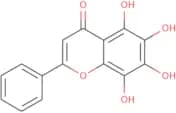
CAS:5,6,7,8-Tetrahydroxyflavone is a naturally derived flavonoid, which is isolated from various plants known for their rich polyphenolic content. This compound belongs to the broader class of flavonoids, compounds renowned for their antioxidative properties. Its mode of action involves modulation of various cellular pathways, including the inhibition of oxidative stress and modulation of enzyme activities, which are critical for cellular homeostasis and protection.Purity:Min. 95%2-O-beta-L-Galactopyranosylorientin
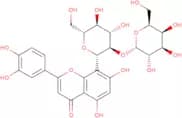
CAS:2-O-beta-L-Galactopyranosylorientin is a flavonoid glycoside, which is a subclass of naturally occurring polyphenolic compounds. This product is typically isolated from plant sources, notably those belonging to the family Poaceae. Its structure consists of an orientin molecule glycosylated with a galactose sugar moiety, enhancing its solubility and biological activity.Purity:Min. 95%Vitexin 4'-glucoside
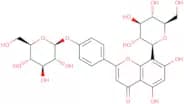
CAS:Vitexin 4'-glucoside is a natural flavonoid glycoside, which is a type of secondary metabolite found in plants. It is derived from various plant sources, particularly in the leaves, stems, and seeds of certain medicinal plants, where it plays roles in plant defense mechanisms and stress responses. As a flavonoid, its mode of action primarily involves antioxidant activity, scavenging free radicals, and modulating oxidative stress. This is significant in the interaction with cellular signaling pathways and enzyme inhibition.Purity:Min. 95%7-Hydroxy-5,8-dimethoxyflavanone
CAS:7-Hydroxy-5,8-dimethoxyflavanone is a naturally occurring flavanone, which is a subcategory of flavonoids commonly found in various plants. This compound is derived from plant sources, often isolated during phytochemical studies examining the secondary metabolites produced by flora. The mode of action of 7-Hydroxy-5,8-dimethoxyflavanone involves modulating various biochemical pathways, potentially influencing enzymatic activity and signal transduction mechanisms. This flavanone has garnered scientific interest due to its reported bioactive properties, such as antioxidant and anti-inflammatory effects.
Uses and applications of 7-Hydroxy-5,8-dimethoxyflavanone are primarily in research settings, where it is utilized to explore its potential therapeutic benefits. Scientists investigate its efficacy in cell culture and animal models to better understand its effects on human health. Research is ongoing to assess its potential applications in developing nutraceuticals or pharmaceuticals, particularly in areas concerning oxidative stress and inflammation-related disorders. The exploration of its pharmacokinetic properties, safety profile, and bioavailability remains an active area of scientific inquiry.Formula:C17H16O5Purity:Min. 95%Molecular weight:300.3 g/mol(-)-Epiafzelechin
CAS:(-)-Epiafzelechin is a flavan-3-ol compound, which is a type of flavonoid. It is derived primarily from plant sources, including various tea leaves and cocoa. The compound is known for its potent antioxidant properties, which act by neutralizing free radicals and thereby reducing oxidative stress within biological systems. This action helps in maintaining cellular integrity and function, which is crucial in preventing various oxidative damage-related diseases.Formula:C15H14O5Purity:Min. 95%Color and Shape:PowderMolecular weight:274.27 g/molDihydrokaempferol-3-O-glucoside
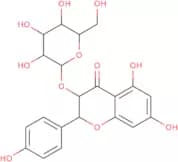
CAS:Dihydrokaempferol-3-O-glucoside is a flavonoid glucoside, which is derived from plant sources, notably found in various fruits and vegetables. This compound is part of the flavonoid family, characterized by its polyphenolic structure and pivotal role in plant physiology and human health. The mode of action of dihydrokaempferol-3-O-glucoside predominantly involves its antioxidant properties. It neutralizes free radicals, thereby reducing oxidative stress and potentially mitigating damage at the cellular level.Formula:C21H22O11Purity:Min. 95%Color and Shape:PowderMolecular weight:450.39 g/mol3-(4-Methyl benzoyloxy)flavone
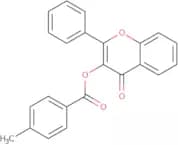
CAS:3-(4-Methyl benzoyloxy)flavone is a synthetic flavonoid ester, which is derived from chemical modification of natural flavonoids. Flavonoids are a class of polyphenolic compounds commonly found in various fruits, vegetables, and beverages. The introduction of the 4-methylbenzoyloxy group offers structural diversity, which may enhance or modify the biological activities traditionally associated with flavonoids.
Formula:C23H16O4Purity:Min. 95%Molecular weight:356.37 g/mol6,4'-Dihydroxy-5,7-dimethoxyflavanone
CAS:6,4'-Dihydroxy-5,7-dimethoxyflavanone is a naturally occurring flavanone, which is a type of polyphenolic compound commonly found in various plant species. These compounds are synthesized through plant secondary metabolic pathways and are typically located in fruits, flowers, and leaves, playing essential roles in plant defense and pigmentation.Formula:C17H16O6Purity:Min. 95%Molecular weight:316.3 g/mol2',5,6',7-Tetraacetoxyflavanone
CAS:2',5,6',7-Tetraacetoxyflavanone is a flavanone derivative, which is a type of flavonoid compound primarily sourced from plants, particularly citrus fruits. Its structure consists of a flavanone backbone with acetoxy groups at specific positions, which may influence its biochemical activity. Flavanones like 2',5,6',7-Tetraacetoxyflavanone are of interest in the scientific community due to their potential biological activities, including antioxidant properties.Formula:C23H20O10Purity:Min. 95%Molecular weight:456.4 g/mol5,6,2'-Trimethoxyflavone
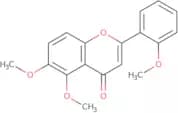
CAS:5,6,2'-Trimethoxyflavone is a naturally occurring flavone compound, which is a type of polyphenolic compound found in various botanical species. It is derived primarily from plants belonging to the genus Kaempferia, as well as other related species that are known for their diverse secondary metabolites.Formula:C18H16O5Purity:Min. 95%Molecular weight:312.32 g/molKaempferol-3,7-dirhamnoside
CAS:Kaempferol-3,7-dirhamnoside is a flavonoid glycoside, which is commonly found in various plant species, particularly those in the Fabaceae family. This compound is structurally composed of the flavonoid kaempferol, linked to two rhamnopyranoside sugar moieties. It is primarily sourced from plants such as Tephrosia purpurea, where it plays a role in the plant's defense mechanisms.Formula:C27H30O14Purity:Min. 95%Molecular weight:578.52 g/molKumatakenin
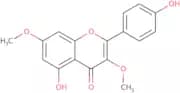
CAS:Kumatakenin is a naturally occurring flavonoid compound, which is derived from various plant sources, particularly in the Meliaceae family. It functions as an antioxidant by scavenging free radicals and reducing oxidative stress at the molecular level. The compound interacts with reactive oxygen species (ROS) using its phenolic hydroxyl groups, effectively neutralizing them and preventing cellular damage.Formula:C17H14O6Purity:(%) Min. 95%Color and Shape:PowderMolecular weight:314.29 g/molrac-Tetrahydrodaidzein
CAS:rac-Tetrahydrodaidzein is a racemic compound, which is a mixture of two enantiomers. It is derived from the reduction of the isoflavone daidzein, primarily found in soybeans and other legumes. This compound exhibits interesting pharmacological properties due to its ability to interact with estrogen receptors, functioning as a modulator of estrogenic activity. Its mode of action involves binding to these receptors, potentially influencing various estrogen-mediated physiological processes.Formula:C15H14O4Purity:Min. 95%Color and Shape:PowderMolecular weight:258.27 g/molKaempferol-3-rhamnoglucoside-7-glucoside
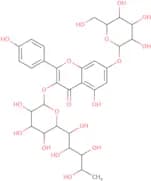
CAS:Kaempferol-3-rhamnoglucoside-7-glucoside is a flavonoid glycoside, which is a type of bioactive compound. It is commonly derived from plant sources such as certain fruits, vegetables, and herbs, where it occurs naturally as part of the plant’s secondary metabolites. This compound is structurally characterized by its glycosidic linkages, where sugar moieties such as rhamnose and glucose are attached to the kaempferol backbone.Formula:C33H40O20Purity:Min. 95%Molecular weight:756.66 g/molScutellarin methylester
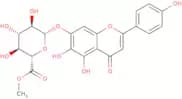
CAS:Scutellarin methylester is a flavonoid derivative, which is a modified form of the naturally occurring compound scutellarin. It originates from plant sources, notably from species within the *Scutellaria* genus. The modification to a methyl ester potentially increases its bioavailability and modifies its pharmacokinetic properties.Purity:Min. 95%3'-Methoxypuerarin
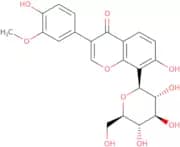
CAS:3'-Methoxypuerarin is a specialized isoflavone derivative, which is a type of phytochemical compound. This compound is primarily sourced from the roots of *Pueraria* species, which are well-known for their rich content of isoflavones. As an organic chemical, 3'-Methoxypuerarin exhibits potential pharmacological activity by interacting with various cellular pathways, often involving signal transduction mechanisms.Formula:C22H22O10Purity:Min. 95%Color and Shape:White PowderMolecular weight:446.4 g/molCuneatin-7-methyl ether
CAS:Cuneatin-7-methyl ether is a naturally occurring compound, classified as a flavonoid derivative. It is primarily sourced from certain plant species known for producing bioactive flavonoids. These plants are typically found in specific geographical regions, and the compound can be extracted through meticulous phytochemical methods.Formula:C18H14O6Purity:Min. 95%Color and Shape:PowderMolecular weight:326.3 g/mol6'-Prenylpiscidone
CAS:6'-Prenylpiscidone is an isoflavone derivative, which is a class of polyphenolic compounds primarily found in plants, particularly legumes. It is sourced from natural botanical origins, often derived from specific species known for their rich isoflavone content. The mode of action of 6'-Prenylpiscidone involves interactions with cellular targets that may influence a variety of biological pathways. These pathways are often associated with antioxidant activity, modulation of enzyme function, and potential estrogenic or anti-estrogenic effects due to its structural similarity to estrogen hormones.Formula:C26H28O7Purity:Min. 95%Color and Shape:SolidMolecular weight:452.5 g/mol5-Methoxyflavanone
CAS:5-Methoxyflavanone is an organic compound, which is a flavonoid derivative obtained primarily through synthetic procedures involving the modification of flavanones. This compound is synthesized through specific chemical reactions that introduce a methoxy group into the flavanone structure, thereby altering its chemical and biological properties.Formula:C16H14O3Purity:Min. 95%Molecular weight:254.28 g/molSteppogenin
CAS:Steppogenin is a metabolic modulator, which is derived from natural plant sources known for their enzymatic properties. Its mode of action involves the induction of cytochrome P450 enzymes, facilitating various oxidative reactions within biological systems. As an enzyme inducer, Steppogenin modulates metabolic pathways, making it invaluable for the study of drug metabolism and pharmacokinetics.Formula:C15H12O6Purity:Min. 95%Molecular weight:288.25 g/mol3,7,4-Trihydroxy-5-methoxy-8-prenylflavanone, (2R,3S)
CAS:3,7,4-Trihydroxy-5-methoxy-8-prenylflavanone, (2R,3S), is a prenylated flavanone, which is a type of polyphenolic compound. This compound is typically derived from various plant sources, particularly those that produce flavonoids as secondary metabolites. Its structure is characterized by the presence of hydroxyl and methoxy groups, as well as a prenylated side chain, which contribute to its physicochemical properties.Formula:C21H22O6Purity:Min. 95%Molecular weight:370.4 g/mol(S)-Hesperetin
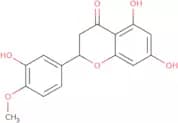
CAS:(S)-Hesperetin is a flavonoid compound, which is a naturally occurring polyphenolic structure. It is predominantly derived from citrus fruits, including oranges and lemons, through the metabolic breakdown of its glycoside form, hesperidin. This transformation occurs in the human body, where hesperidin is hydrolyzed to release hesperetin and other metabolites.
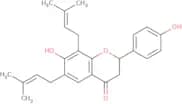
Formula:C16H14O6Purity:Min. 95%Molecular weight:302.28 g/mol7,4'-Dihydroxy-6,8-diprenylflavanone
CAS:7,4'-Dihydroxy-6,8-diprenylflavanone is a prenylated flavonoid, which is a type of naturally occurring compound found in various plants. This compound is often derived from specific plant species known for their rich flavonoid content. The prenylation of flavonoids, such as 7,4'-Dihydroxy-6,8-diprenylflavanone, often enhances their biological activity.Formula:C25H28O4Purity:Min. 95%Molecular weight:392.5 g/mol6,7,2',3',4'-Pentamethoxyisoflavone
CAS:6,7,2',3',4'-Pentamethoxyisoflavone is a naturally occurring flavonoid compound, which is derived from certain plant sources known for their rich polyphenolic content. As part of the isoflavone family, this compound is structurally similar to estrogen, allowing it to potentially interact with estrogen receptors in the body. Its mode of action includes modulating various biochemical pathways, including antioxidant and anti-inflammatory pathways, due to its ability to influence enzyme activities and cell signaling processes.Formula:C20H20O7Purity:Min. 95%Color and Shape:PowderMolecular weight:372.37 g/mol5,7-Dihydroxy-3',4',5'-trimethoxyflavanone
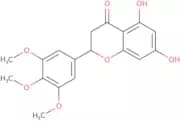
CAS:5,7-Dihydroxy-3',4',5'-trimethoxyflavanone is a flavanone compound, which is a type of polyphenolic compound found predominantly in the plant kingdom. This compound can be sourced from various plants, where it often occurs as part of the natural defense mechanisms to protect the organism from environmental stressors.
Formula:C18H18O7Purity:Min. 95%Molecular weight:346.33 g/molIso-Osajin
CAS:Iso-Osajin is a naturally occurring compound that falls under the category of prenylated flavonoids. It is isolated from the seeds of Psoralea corylifolia, a plant traditionally used in various medicinal systems. The compound exhibits its mode of action primarily through antimicrobial activities, potentially disrupting microbial cell membranes or inhibiting essential enzymes. Iso-Osajin has been of considerable interest due to its promising pharmacological effects, including antibacterial, antifungal, and possibly antiviral properties.Formula:C25H24O5Purity:Min. 95%Color and Shape:PowderMolecular weight:404.46 g/mol5,7,2',4'-Tetrahydroxy-8,3'-di(gamma,gamma-dimethylallyl)-isoflavanone
CAS:5,7,2',4'-Tetrahydroxy-8,3'-di(gamma,gamma-dimethylallyl)-isoflavanone is a prenylated isoflavanone, which is a type of flavonoid compound extensively studied in natural product chemistry. It is primarily sourced from specific plant species known for their rich secondary metabolite profiles, often within the Fabaceae family. The mode of action of this compound involves its interaction at the molecular level with various biological targets, potentially leading to antioxidant, anti-inflammatory, or antimicrobial effects. These actions are mediated through the compound’s ability to modulate enzyme activities, interact with cellular membranes, and influence signaling pathways.Formula:C25H28O6Purity:Min. 95%Molecular weight:424.50 g/molAromadendrin 7-O-methyl ether
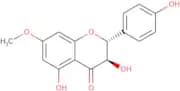
CAS:Aromadendrin 7-O-methyl ether is a flavonoid compound, which is a type of bioactive molecule. It is sourced primarily from plant materials, where it occurs naturally as a secondary metabolite. The mode of action of Aromadendrin 7-O-methyl ether involves interaction with various biological pathways, potentially affecting enzyme activity and cell signaling mechanisms. Such interactions may contribute to its reported antioxidant and anti-inflammatory properties.
Formula:C16H14O6Purity:Min. 95%Color and Shape:PowderMolecular weight:302.28 g/mol6-Chloroflavone
CAS:6-Chloroflavone is a synthetic flavonoid derivative, which is a modified chemical compound originating from naturally occurring flavonoids found in various plants. Structurally, it is characterized by the substitution of a chlorine atom at the 6th position on the flavone backbone. This chemical modification is designed to alter its physicochemical properties and enhance its biological activity.Formula:C15H9ClO2Purity:Min. 95%Molecular weight:256.68 g/molPodospicatin
CAS:Podospicatin is a type of natural compound, which is derived from fungal sources. This unique compound is isolated from specific fungal species known for their ability to produce bioactive secondary metabolites. Podospicatin is characterized by its distinctive molecular structure, which contributes to its potential bioactivity.Formula:C17H14O7Purity:Min. 95%Color and Shape:PowderMolecular weight:330.29 g/mol5,7,3'-Trihydroxy-6,4',5'-trimethoxyflavone
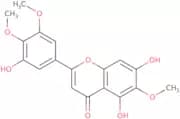
CAS:5,7,3'-Trihydroxy-6,4',5'-trimethoxyflavone is a methoxylated flavonoid, which is a type of polyphenolic compound. This compound is typically sourced from certain plant species known for their high antioxidant content. Flavonoids are widely studied for their diverse biological activities and are often isolated from traditional medicinal plants.Purity:Min. 95%Homoferreirin
CAS:Homoferreirin is a biochemical siderophore, which is a low-molecular-weight iron-chelating compound derived from plant sources. Its mechanism of action involves binding ferric iron (Fe^3+) ions with high affinity, forming a stable complex. This complex aids in the solubilization and transport of iron across cellular membranes, which is crucial in environments where iron availability is limited, such as in soil and certain biological niches.
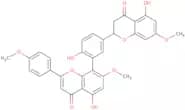
Formula:C17H16O6Purity:Min. 95%Molecular weight:316.31 g/molAmentoflavone-7,7'',4',4''- tetramethyl ether
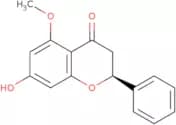
CAS:Amentoflavone-7,7'',4',4''-tetramethyl ether is a specialized bioflavonoid derivative, which is synthesized from the natural biflavonoid amentoflavone found in various plant sources, such as Ginkgo biloba and St. John's Wort. The structural modification involving methylation enhances its pharmacokinetic properties, such as bioavailability and metabolic stability, making it a subject of interest in the scientific community.Formula:C34H26O10Purity:Min. 95%Molecular weight:594.56 g/mol7-Hydroxy-5-methoxyflavanone
CAS:7-Hydroxy-5-methoxyflavanone is a naturally occurring flavanone compound, which is derived from various plant sources. These sources often include fruits, vegetables, and certain medicinal herbs, known for their rich flavonoid content. The mode of action of 7-Hydroxy-5-methoxyflavanone primarily involves its role as an antioxidant. It helps in scavenging free radicals and reducing oxidative stress, which is a common pathway in cellular protection against damage.
Formula:C16H14O4Purity:Min. 95 Area-%Color and Shape:PowderMolecular weight:270.28 g/molEuropetin
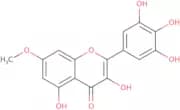
CAS:Europetin is a flavonoid, a type of naturally occurring compound, which is derived from various plant sources. The compound functions as an anti-inflammatory agent by modulating signaling pathways involved in inflammatory responses, such as the NF-kB pathway. Its efficacy in reducing inflammatory mediators makes it a subject of interest for exploring therapeutic interventions.Formula:C16H12O8Purity:Min. 95%Molecular weight:332.26 g/mol3,5,7,2',6'-Pentahydroxyflavanone
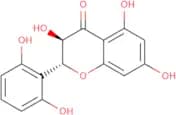
CAS:3,5,7,2',6'-Pentahydroxyflavanone is a flavonoid derivative, which is a type of polyphenolic compound known for its potential health benefits. Typically sourced from various plants, flavonoids like 3,5,7,2',6'-Pentahydroxyflavanone are abundant in fruits, vegetables, and certain medicinal herbs. The mode of action of this compound primarily involves its ability to exert antioxidant and anti-inflammatory effects. It achieves this by scavenging free radicals and modulating pathways associated with oxidative stress and inflammation.Formula:C15H12O7Purity:Min. 95%Molecular weight:304.25 g/molPodocarpus flavanone
CAS:Podocarpus flavanone is a naturally occurring flavonoid derivative, which is sourced from the Podocarpus genus, a group of coniferous trees native to the Southern Hemisphere. The compound is characterized by its polyphenolic structure, contributing to its ability to engage in a range of biochemical interactions. Its mode of action primarily involves the inhibition of microbial growth through disruption of microbial cell membranes and interference with key enzymatic pathways necessary for cell survival.Formula:C33H26O10Purity:Min. 95%Molecular weight:582.6 g/molDaidzein bis-tert-butyldimethylsilyl ether
CAS:Daidzein bis-tert-butyldimethylsilyl ether is a synthetic derivative of the isoflavone daidzein, which is primarily sourced from soybeans and other legumes. It’s modified through the attachment of tert-butyldimethylsilyl ether groups, enhancing its stability and facilitating its use in various experimental conditions. This compound acts as a precursor or an intermediate in the synthesis of other complex molecules, allowing detailed structural or functional studies on isoflavones in biochemical pathways.Formula:C27H38O4Si2Purity:Min. 95%Molecular weight:482.76 g/molRetusin tlc
CAS:Retusin TLC is a flavonoid compound, which is derived from natural plant sources. Flavonoids are known for their diverse biological activities, primarily due to their antioxidant properties. The mode of action of Retusin TLC involves its ability to scavenge free radicals, thereby reducing oxidative stress at the cellular level. This activity plays a crucial role in modulating various biochemical pathways, potentially leading to anti-inflammatory and anti-cancer effects.Formula:C16H12O5Purity:Min. 95%Molecular weight:284.26 g/molWarangalone
CAS:Warangalone is a type of flavonoid compound, which is derived from the roots of the medicinal plant Abrus precatorius. This compound is characterized by its polyphenolic structure, making it an excellent candidate for various biochemical interactions. Warangalone exhibits its mode of action primarily through the disruption of microbial cell walls, leading to effective antimicrobial activity. Its interactions with microbial membranes result in altered permeability, ultimately inhibiting the growth and replication of various bacterial and fungal species.
Formula:C25H24O5Purity:Min. 95%Molecular weight:404.46 g/molFlavanone-d5
CAS:Flavanone-d5 is an isotopically labeled flavonoid, which is a type of phenolic compound found in various plants. This compound is sourced from natural flavonoids that have been enriched with deuterium, an isotope of hydrogen, typically at five specific positions within the molecular structure. The mode of action involves the examination of metabolic pathways and interactions due to its stable isotopic labeling, allowing for precise tracing in biochemical assays.Formula:C15H12O2Purity:Min. 95%Molecular weight:229.28 g/molVincetoxicoside B
CAS:Vincetoxicoside B is a natural compound, specifically a glycoside, which is derived from plant sources, notably within the genus Vincetoxicum. This compound, isolated from certain medicinal plants, represents a significant interest in phytochemistry due to its complex molecular structure and potential biological activities.
Purity:Min. 95%Quercetin 3-(2''-galloyl-alpha-L-arabinopyranoside)
CAS:Quercetin 3-(2''-galloyl-alpha-L-arabinopyranoside) is a flavonoid derivative, which is found predominantly in plants. It is derived from the modifications of quercetin, a widely studied polyphenolic compound endemic to many fruits, vegetables, and grains. The compound acts primarily as an antioxidant, engaging in scavenging free radicals and chelating metal ions, which contributes to reducing oxidative stress in biological systems.Formula:C27H22O15Purity:Min. 95%Molecular weight:586.45 g/molIsowighteone
CAS:Isowighteone is a naturally occurring flavonoid, which is derived from various plant sources, particularly in traditional medicinal herbs. Its biological activity stems from its structure, characterized by phenolic hydroxyl groups that enable it to participate in redox reactions, highlighting its antioxidant properties.Formula:C20H18O5Purity:Min. 95%Molecular weight:338.35 g/mol