Flavonoids
Flavonoids are a group of plant metabolites with antioxidant properties that contribute to the color of fruits and flowers. They play a significant role in protecting plants from UV radiation and pathogens. Flavonoids are studied for their potential health benefits, including anti-inflammatory, antiviral, and anticancer properties. They are widely researched in the fields of pharmacology, nutrition, and molecular biology.
Subcategories of "Flavonoids"
- Anthocyanidins(46 products)
- Anthocyanin(46 products)
- Catechin(88 products)
- Chalcones(237 products)
- Pterocarpan(28 products)
Found 2408 products of "Flavonoids"
Sort by
Purity (%)
0
100
|
0
|
50
|
90
|
95
|
100
5-Methoxyflavanone
CAS:5-Methoxyflavanone is an organic compound, which is a flavonoid derivative obtained primarily through synthetic procedures involving the modification of flavanones. This compound is synthesized through specific chemical reactions that introduce a methoxy group into the flavanone structure, thereby altering its chemical and biological properties.Formula:C16H14O3Purity:Min. 95%Molecular weight:254.28 g/mol8-Chloroflavanone
CAS:<p>8-Chloroflavanone is a synthetic flavonoid derivative, which is primarily obtained through chemical synthesis involving the chlorination of flavanone substrates. Its mode of action involves the modulation of various biological pathways, including potential inhibition of specific enzymes and interaction with receptor sites, which may influence cellular signaling mechanisms.</p>Formula:C15H11ClO2Purity:Min. 95%Molecular weight:258.7 g/molSotetsuflavone
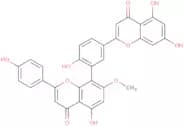
CAS:<p>Sotetsuflavone is a flavonoid-based compound, which is a type of product derived from natural plant sources, specifically certain species in the Cycad family. It is characterized by its complex chemical structure, which enables it to interact with various biological systems. The mode of action of Sotetsuflavone involves modulation of signaling pathways and interaction with specific cellular receptors, which can influence enzymatic activity and gene expression. These interactions suggest its potential in influencing oxidative stress and inflammatory responses.</p>Formula:C31H20O10Purity:Min. 95%Molecular weight:552.48 g/mol6,4'-Dihydroxy-5,7-dimethoxyflavanone
CAS:<p>6,4'-Dihydroxy-5,7-dimethoxyflavanone is a naturally occurring flavanone, which is a type of polyphenolic compound commonly found in various plant species. These compounds are synthesized through plant secondary metabolic pathways and are typically located in fruits, flowers, and leaves, playing essential roles in plant defense and pigmentation.</p>Formula:C17H16O6Purity:Min. 95%Molecular weight:316.3 g/mol6,2',4'-Trimethoxyflavone
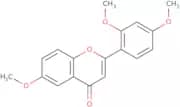
CAS:<p>6,2',4'-Trimethoxyflavone is a flavonoid compound, which is a type of phytochemical found in various plant species. It is derived from natural sources, including certain medicinal herbs and plants known for their bioactive properties. This specific flavone is characterized by its three methoxy groups attached at distinct positions on the flavonoid backbone, which confer unique chemical properties and biological activities.</p>Formula:C18H16O5Purity:Min. 95%Molecular weight:312.32 g/mol2',5,6',7-Tetraacetoxyflavanone
CAS:<p>2',5,6',7-Tetraacetoxyflavanone is a flavanone derivative, which is a type of flavonoid compound primarily sourced from plants, particularly citrus fruits. Its structure consists of a flavanone backbone with acetoxy groups at specific positions, which may influence its biochemical activity. Flavanones like 2',5,6',7-Tetraacetoxyflavanone are of interest in the scientific community due to their potential biological activities, including antioxidant properties.</p>Formula:C23H20O10Purity:Min. 95%Molecular weight:456.4 g/molIsomucronulatol
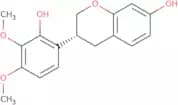
CAS:<p>Isomucronulatol is a naturally occurring flavonoid compound, which is a secondary metabolite sourced primarily from various plant species. It exhibits significant antioxidant activity by scavenging free radicals and reducing oxidative stress, which can damage cellular components such as lipids, proteins, and DNA. Additionally, Isomucronulatol demonstrates anti-inflammatory effects by modulating signaling pathways involved in the inflammatory response, thereby reducing the production of pro-inflammatory cytokines.</p>Formula:C17H18O5Purity:Min. 95%Color and Shape:PowderMolecular weight:302.32 g/molrac-Tetrahydrodaidzein
CAS:<p>rac-Tetrahydrodaidzein is a racemic compound, which is a mixture of two enantiomers. It is derived from the reduction of the isoflavone daidzein, primarily found in soybeans and other legumes. This compound exhibits interesting pharmacological properties due to its ability to interact with estrogen receptors, functioning as a modulator of estrogenic activity. Its mode of action involves binding to these receptors, potentially influencing various estrogen-mediated physiological processes.</p>Formula:C15H14O4Purity:Min. 95%Color and Shape:PowderMolecular weight:258.27 g/molQuercetin 3,7,4'-trimethylether
CAS:<p>Quercetin 3,7,4'-trimethylether is a flavonoid derivative, which is a naturally occurring compound. It is sourced from various plants where it acts as a secondary metabolite. Its mode of action involves the modulation of signaling pathways and the inhibition of certain enzymes. Specifically, it has demonstrated the ability to interfere with cellular processes fundamental to cancer progression, such as proliferation and apoptosis.</p>Formula:C18H16O7Purity:Min. 95%Molecular weight:344.32 g/molVaccarin
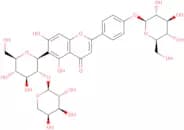
CAS:<p>Vaccarin is a bioactive flavonoid, which is derived from the plant Vaccaria segetalis. It is a naturally occurring compound, primarily sourced from the seeds of this plant. The mode of action of Vaccarin involves its ability to interact with various biological pathways, particularly those related to anti-inflammatory and antioxidant processes. It acts by modulating enzyme activity and gene expression associated with these pathways, potentially influencing cellular behavior and physiological responses.</p>Formula:C32H38O19Purity:Min. 95%Molecular weight:726.63 g/molLicoisoflavone A
CAS:<p>Licoisoflavone A is a naturally occurring isoflavone, which is extracted from plants of the Glycyrrhiza genus, notably known for their medicinal applications. This compound exhibits a unique mode of action, primarily through its anti-inflammatory and antioxidant activities, which involve modulation of various signaling pathways and inhibition of pro-inflammatory cytokines. By influencing these pathways, Licoisoflavone A can mitigate oxidative stress and reduce inflammation, showcasing its potential in therapeutic applications.</p>Purity:Min. 95%Bilobetin
CAS:<p>Bilobetin is a flavonoid compound, which is sourced from the leaves of the Ginkgo biloba tree. This compound primarily functions through its antioxidative properties, influencing a variety of neural pathways. Its mode of action involves the scavenging of reactive oxygen species and modulation of cellular signaling pathways that impact synaptic transmission and neuroplasticity.</p>Purity:Min. 95%Cuneatin-7-methyl ether
CAS:<p>Cuneatin-7-methyl ether is a naturally occurring compound, classified as a flavonoid derivative. It is primarily sourced from certain plant species known for producing bioactive flavonoids. These plants are typically found in specific geographical regions, and the compound can be extracted through meticulous phytochemical methods.</p>Formula:C18H14O6Purity:Min. 95%Color and Shape:PowderMolecular weight:326.3 g/mol3,7,4'-Trihydroxy-5-methoxy-8-prenylflavanone, (2R,3S)-
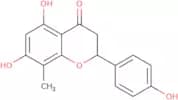
<p>3,7,4'-Trihydroxy-5-methoxy-8-prenylflavanone, (2R,3S)- is a naturally occurring prenylated flavanone, which is primarily sourced from various plant species. This compound is part of the larger flavonoid family and is often found in certain medicinal plants known for their wide range of therapeutic properties. Its structure comprises a flavanone backbone, modified by hydroxyl, methoxy, and prenyl groups that contribute to its distinctive chemical profile.</p>Purity:Min. 95%5,7,4’-Trihydroxy-8-methylflavanone
CAS:<p>5,7,4’-Trihydroxy-8-methylflavanone is a flavanone, which is a type of flavonoid compound. Flavonoids are secondary metabolites commonly found in plants and are responsible for a variety of biological activities. This particular compound can be sourced from various plant species known for their rich content of natural phenolic substances.</p>Formula:C16H14O5Purity:Min. 95%Molecular weight:286.28 g/molNeoastilbin
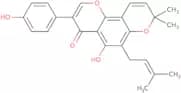
CAS:<p>Neoastilbin is a natural flavonoid compound, which is derived from the plant species *Smilax glabra*. It acts by modulating immune responses and inhibiting specific enzymatic pathways associated with inflammation, making it an effective agent in reducing inflammatory processes.</p>Formula:C21H22O11Purity:Min. 95%Color and Shape:PowderMolecular weight:450.39 g/molOsajin
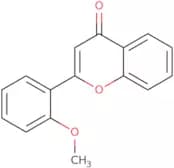
CAS:<p>Osajin is a natural flavonoid compound, which is derived from the fruit of Maclura pomifera, also known as the Osage orange. This compound is characterized by its distinctive isoflavone structure, which is central to its biological activity. The mode of action of Osajin involves modulation of various biochemical pathways, predominantly exhibiting antioxidant properties. It acts by scavenging free radicals and enhancing cellular defense mechanisms against oxidative stress, thereby contributing to its potential therapeutic efficacy.</p>Formula:C25H24O5Purity:Min. 95%Color and Shape:PowderMolecular weight:404.46 g/mol2'-Methoxyflavone
CAS:<p>Enhances TRAIL-induced apoptosis in MOLT-4- cells</p>Formula:C16H12O3Purity:Min. 95%Color and Shape:White PowderMolecular weight:252.26 g/mol5,7,3'-Trihydroxy-4'-methoxy-8-prenylflavanone
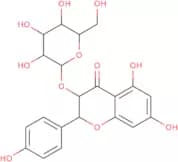
CAS:5,7,3'-Trihydroxy-4'-methoxy-8-prenylflavanone is a prenylated flavanone, which is often isolated from various plant sources, particularly those in the Fabaceae family. The compound belongs to a class of naturally occurring polyphenolic compounds that have drawn interest for their diverse biological activities. It is characterized by the presence of a prenyl group and multiple hydroxy and methoxy functional groups, contributing to its unique chemical properties.Formula:C21H22O6Purity:Min. 95%Molecular weight:370.4 g/molDihydrokaempferol-3-O-glucoside
CAS:Dihydrokaempferol-3-O-glucoside is a flavonoid glucoside, which is derived from plant sources, notably found in various fruits and vegetables. This compound is part of the flavonoid family, characterized by its polyphenolic structure and pivotal role in plant physiology and human health. The mode of action of dihydrokaempferol-3-O-glucoside predominantly involves its antioxidant properties. It neutralizes free radicals, thereby reducing oxidative stress and potentially mitigating damage at the cellular level.Formula:C21H22O11Purity:Min. 95%Color and Shape:PowderMolecular weight:450.39 g/mol