Flavonoids
Flavonoids are a group of plant metabolites with antioxidant properties that contribute to the color of fruits and flowers. They play a significant role in protecting plants from UV radiation and pathogens. Flavonoids are studied for their potential health benefits, including anti-inflammatory, antiviral, and anticancer properties. They are widely researched in the fields of pharmacology, nutrition, and molecular biology.
Subcategories of "Flavonoids"
- Anthocyanidins(46 products)
- Anthocyanin(46 products)
- Catechin(88 products)
- Chalcones(237 products)
- Pterocarpan(28 products)
Found 2404 products of "Flavonoids"
Sort by
Purity (%)
0
100
|
0
|
50
|
90
|
95
|
100
Phaseollinisoflavan
CAS:<p>Phaseollinisoflavan is a naturally occurring isoflavone compound, which is derived from the legume plant, Phaseolus vulgaris, commonly known as the common bean. Its mode of action primarily involves the inhibition of enzymatic activity, particularly affecting pathways related to oxidative stress and various metabolic processes. This isoflavone exerts its effects by modulating signal transduction pathways, which are critical in cellular response mechanisms.</p>Formula:C20H20O4Purity:Min. 95%Molecular weight:324.37 g/mol3',4',7-Trihydroxyflavone
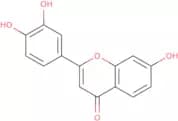
CAS:<p>3',4',7-Trihydroxyflavone is a naturally occurring flavonoid compound, which is derived from a variety of plant sources. It is a type of secondary metabolite commonly found in fruits, vegetables, and certain herbs. This compound exerts its effects primarily through its antioxidant properties, which involve scavenging free radicals and modulating oxidative stress pathways in biological systems.</p>Formula:C15H10O5Purity:Min. 95%Color and Shape:Slightly Yellow PowderMolecular weight:270.24 g/mol3',4',5',5,7-Pentamethoxyflavone
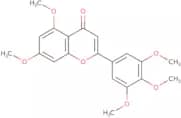
CAS:<p>3',4',5',5,7-Pentamethoxyflavone is a synthetic flavonoid compound, which is derived from the structural modification of naturally occurring flavonoids found in various plants. The compound is specifically produced for research and development purposes, exploring its biological and pharmacological potential. The mode of action involves interaction with various cellular pathways, including modulation of enzyme activity, influence on cell signaling pathways, and potential antioxidant properties due to its polyphenolic structure.</p>Formula:C20H20O7Purity:Min. 95%Color and Shape:PowderMolecular weight:372.37 g/molQuercetin-7,4'-diglucoside
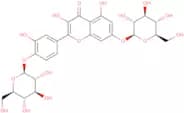
CAS:<p>Quercetin-7,4'-diglucoside is a flavonoid glycoside, which is a bioactive compound derived from various plants, particularly in fruits, vegetables, and certain leaves. It functions through its ability to modulate cellular pathways related to oxidative stress and inflammation, acting as a potent antioxidant and anti-inflammatory agent. These modes of action are primarily attributed to its capacity to scavenge free radicals and attenuate the expression of pro-inflammatory cytokines by interfering with signaling pathways, such as NF-κB and MAPK.</p>Formula:C27H30O17Purity:Min. 90%Color and Shape:Clear LiquidMolecular weight:626.52 g/molQuercetin hydrate
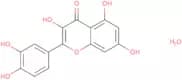
CAS:<p>Inhibitor of HSP70 and HSP27 expression</p>Formula:C15H10O7·xH2OPurity:Min. 95%Color and Shape:Yellow Green PowderMolecular weight:302.24 g/molDihydroprunetin
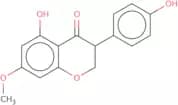
CAS:<p>Dihydroprunetin is a synthetic analog of natural flavonoid compounds, which is derived from chemical modifications of prunetin, originally sourced from various plant species. It functions primarily as an antioxidant by inhibiting oxidative stress pathways and scavenging free radicals. This activity is attributed to modifications that enhance its stability and bioavailability compared to its natural counterparts.</p>Formula:C16H14O5Purity:Min. 95%Molecular weight:286.28 g/molDehydroequol
CAS:<p>Dehydroequol is a dietary supplement ingredient, which is a metabolite of the soy isoflavone daidzein. It is produced through the biotransformation by certain gut bacteria that convert daidzein into equol compounds, specifically the dehydrogenated form. This compound is noted for its estrogenic activity, acting primarily as a selective estrogen receptor modulator (SERM). Dehydroequol binds to estrogen receptors with a preference for the beta subtype, exerting moderate estrogenic effects.</p>Formula:C15H12O3Purity:Min. 95%Molecular weight:240.25 g/mol7-Benzyloxy-2',3',4'-trimethoxyisoflavone
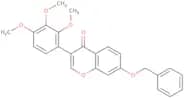
CAS:<p>7-Benzyloxy-2',3',4'-trimethoxyisoflavone is a synthetic isoflavone, which is a type of flavonoid compound often derived from plant secondary metabolites. Its source lies in laboratory synthesis, using specific chemical reactions to obtain the desired isoflavone structure with a benzyloxy group and methoxy groups at specified positions on the molecule.</p>Formula:C25H22O6Purity:Min. 95%Molecular weight:418.44 g/molLiquiritin
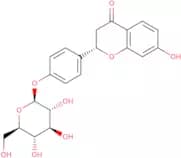
CAS:<p>Natually produced by plants such as liquorice, liquiritin is formed by the linkage between liquiritigenin and a beta-D-glucopyranosyl residue at position 4. Liquiritin clinical relevance has been as an antiviral and anti-inflammatory agent. In 2020, an artificial intelligent approach has indicated that liquiritin might inhibit SARS-CoV-2 by acting similarly to type I interferon.</p>Formula:C21H22O9Purity:Min. 95%Color and Shape:White PowderMolecular weight:418.39 g/mol3',4',5'-Trimethoxyflavanone
<p>3',4',5'-Trimethoxyflavanone is a specialized flavonoid compound, which is synthesized from natural sources, such as plants belonging to the flavonoid family. This compound is characterized by its distinctive methoxy group modifications on the flavanone backbone, enhancing its bioactive potential. Its mode of action involves modulation of various biochemical pathways, including antioxidant systems and inflammatory mediators. By stabilizing free radicals and inhibiting pro-inflammatory enzymes, 3',4',5'-Trimethoxyflavanone plays a crucial role in cellular protection and homeostasis.</p>Formula:C18H16O5Purity:Min. 95%Molecular weight:312.3 g/molEupafolin
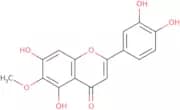
CAS:<p>Eupafolin is a naturally occurring flavonoid compound, specifically a flavone, which is derived from certain medicinal plants, primarily in the genus *Artemisia*. It is a secondary metabolite found in various parts of these plants, including the leaves and stems. As a bioactive substance, eupafolin exerts its effects through several biochemical pathways, most notably by scavenging free radicals and modulating inflammatory responses. Its mode of action involves the inhibition of key enzymes and molecules in the inflammatory cascade, as well as the upregulation of antioxidant defenses.</p>Formula:C16H12O7Purity:Min. 95%Color and Shape:PowderMolecular weight:316.26 g/molHesperetin
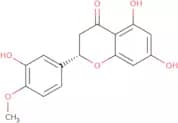
CAS:<p>Hesperetin is a flavonoid compound, which is naturally derived from citrus fruits such as oranges and lemons. As a notable bioactive molecule, its mode of action primarily involves the modulation of oxidative stress and inflammatory pathways. Hesperetin exerts its effects by scavenging free radicals and inhibiting the activation of inflammatory cytokines, making it a compound of significant interest in the biochemical and pharmacological sectors.</p>Formula:C16H14O6Purity:Min. 98.5 Area-%Color and Shape:White PowderMolecular weight:302.28 g/mol3,7,3'-Trihydroxyflavone
CAS:<p>3,7,3'-Trihydroxyflavone is a flavonoid derivative, which is a type of polyphenolic compound commonly found in various plants and is derived from natural sources like fruits, vegetables, and herbal plants. It is characterized by its polyphenolic structure, which contributes to its ability to scavenge free radicals and reduce oxidative stress.</p>Formula:C14O5H10Purity:Min. 98%Color and Shape:PowderMolecular weight:258.23 g/molSilandrin hplc
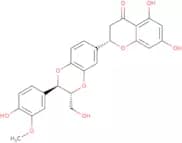
CAS:<p>Please enquire for more information about Silandrin hplc including the price, delivery time and more detailed product information at the technical inquiry form on this page</p>Purity:Min. 95%2'-Hydroxy-β-naphthoflavone
CAS:<p>2'-Hydroxy-β-naphthoflavone is a synthetic flavonoid, which is derived from structural modifications of natural flavonoids. It functions as a potent aryl hydrocarbon receptor (AhR) agonist and enzyme inducer. The structure is based on a naphthoflavone framework, allowing it to efficiently interact with cellular proteins related to xenobiotic metabolism.</p>Formula:C19H12O3Purity:Min. 95%Color and Shape:PowderMolecular weight:288.3 g/mol3-Methoxyflavone
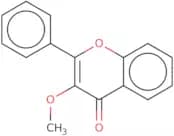
CAS:<p>3-Methoxyflavone is a synthetic flavonoid, which is a type of product known for its biological activities and potential therapeutic applications. It is derived from flavones, naturally occurring compounds found in various plants, known for their role in plant pigmentation and UV protection. The compound's mode of action is primarily through interaction with various biological targets, including modulation of enzyme activity and regulation of signal transduction pathways.</p>Formula:C16H12O3Purity:Min. 95%Color and Shape:White PowderMolecular weight:252.26 g/molApigenin-7-glucoside
CAS:<p>Apigenin-7-glucoside is a naturally occurring flavonoid glycoside, which is derived primarily from various plant sources, including parsley, celery, chamomile, and some fruits. This compound is formed when apigenin, a flavonoid, is conjugated with a glucose molecule. The interaction with glucose enhances its solubility and bioavailability in biological systems.</p>Formula:C21H20O10Purity:Min. 95%Color and Shape:Yellow PowderMolecular weight:432.39 g/molHesperidin methylchalcone
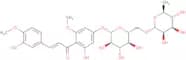
CAS:<p>Hesperidin methylchalcone is a specialized flavonoid product, which is derived from citrus fruits, predominantly oranges. It is chemically modified from its natural form to enhance its solubility and bioavailability, making it more effective in biological systems. The mode of action of hesperidin methylchalcone involves the modulation of oxidative stress and inflammation within the body, primarily by acting as an antioxidant and anti-inflammatory agent. It achieves these effects by scavenging free radicals and inhibiting pro-inflammatory enzymes, which contributes to cellular protection and stabilization of connective tissues.</p>Formula:C29H36O15Purity:Min. 98.0%Color and Shape:PowderMolecular weight:624.59 g/mol3-Hydroxy-7,2',4'-trimethoxyflavone
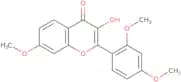
CAS:<p>3-Hydroxy-7,2',4'-trimethoxyflavone is a specialized flavone compound, which is a type of polyphenolic molecule commonly found in a variety of plants. This product is naturally derived, often isolated from diverse botanical sources like various species of herbs and flowering plants known for their medicinal properties. The compound exhibits various biological activities through its interactions with cellular pathways, predominantly by modulating enzymatic functions and signaling pathways that influence oxidative stress and inflammation.</p>Formula:C18H16O6Purity:Min. 95%Molecular weight:328.32 g/molAlnusin
CAS:<p>Alnusin is a phytochemical compound, which is a naturally occurring flavonoid sourced from the bark and leaves of the alder tree (genus Alnus). This compound is structurally categorized as an O-methylated flavonoid, specifically demonstrating unique biological activities.</p>Formula:C16H12O6Purity:90%Color and Shape:PowderMolecular weight:300.26 g/mol