Primary Antibodies
Primary antibodies are immunoglobulins that bind specifically to an antigen of interest, allowing for the detection and quantification of proteins, peptides, or other biomolecules. These antibodies are critical tools in a wide range of applications, including Western blotting, immunohistochemistry, and ELISA. At CymitQuimica, we offer an extensive selection of high-quality primary antibodies that provide specificity and sensitivity for various research needs, including cancer, immunology, and cell biology studies.
Subcategories of "Primary Antibodies"
- Cancer Research Antibodies(3,722 products)
- Cardiovascular Antibodies(2 products)
- Developmental Biology(764 products)
- Epigenetics Antibodies(162 products)
- Immunology Antibodies(2,591 products)
- Metabolism Antibodies(291 products)
- Microbiology Antibodies(741 products)
- Signal Transduction(2,771 products)
- Tags & Cellular Markers(34 products)
Show 1 more subcategories
Found 75602 products of "Primary Antibodies"
Sort by
Purity (%)
0
100
|
0
|
50
|
90
|
95
|
100
UNC5A rabbit pAb
UNC5A belongs to a family of netrin-1 (MIM 601614) receptors thought to mediate the chemorepulsive effect of netrin-1 on specific axons. For more information on UNC5 proteins, see UNC5C (MIM 603610).[supplied by OMIM, Apr 2004],E2F-1 (Acetyl-K117) rabbit pAb
The protein encoded by this gene is a member of the E2F family of transcription factors. The E2F family plays a crucial role in the control of cell cycle and action of tumor suppressor proteins and is also a target of the transforming proteins of small DNA tumor viruses. The E2F proteins contain several evolutionally conserved domains found in most members of the family. These domains include a DNA binding domain, a dimerization domain which determines interaction with the differentiation regulated transcription factor proteins (DP), a transactivation domain enriched in acidic amino acids, and a tumor suppressor protein association domain which is embedded within the transactivation domain. This protein and another 2 members, E2F2 and E2F3, have an additional cyclin binding domain. This protein binds preferentially to retinoblastoma protein pRB in a cell-cycle dependent manner. It can mediaECFP rabbit pAb
Cyan Fluorescent Protein (CFP) is a genetic mutant of green fluorescent protein (GFP) originally derived from the jellyfish Aequorea victoria.CCKBR rabbit pAb
This gene encodes a G-protein coupled receptor for gastrin and cholecystokinin (CCK), regulatory peptides of the brain and gastrointestinal tract. This protein is a type B gastrin receptor, which has a high affinity for both sulfated and nonsulfated CCK analogs and is found principally in the central nervous system and the gastrointestinal tract. Alternative splicing results in multiple transcript variants. A misspliced transcript variant including an intron has been observed in cells from colorectal and pancreatic tumors. [provided by RefSeq, Dec 2015],PKC ζ (phospho Thr560) rabbit pAb
Protein kinase C (PKC) zeta is a member of the PKC family of serine/threonine kinases which are involved in a variety of cellular processes such as proliferation, differentiation and secretion. Unlike the classical PKC isoenzymes which are calcium-dependent, PKC zeta exhibits a kinase activity which is independent of calcium and diacylglycerol but not of phosphatidylserine. Furthermore, it is insensitive to typical PKC inhibitors and cannot be activated by phorbol ester. Unlike the classical PKC isoenzymes, it has only a single zinc finger module. These structural and biochemical properties indicate that the zeta subspecies is related to, but distinct from other isoenzymes of PKC. Alternative splicing results in multiple transcript variants encoding different isoforms. [provided by RefSeq, Jul 2008],EPYC rabbit pAb
epiphycan(EPYC) Homo sapiens Dermatan sulfate proteoglycan 3 is a member of the small leucine-rich repeat proteoglycan family. This gene is composed of seven exons. It regulates fibrillogenesis by interacting with collagen fibrils and other extracellular matrix proteins. [provided by RefSeq, Jul 2008],Cleaved-Cathepsin A 32k (R326) rabbit pAb
This gene encodes a member of the peptidase S10 family of serine carboxypeptidases. Alternative splicing results in multiple transcript variants, at least one of which encodes a preproprotein that is proteolytically processed to generate two chains that comprise the heterodimeric active enzyme. This enzyme possesses deamidase, esterase and carboxypeptidase activities and acts as a scaffold in the lysosomal multienzyme complex. Mutations in this gene are associated with galactosialidosis. [provided by RefSeq, Nov 2015],MBPHL rabbit pAb
This gene encodes a protein with two immunoglobulin superfamily domains and a fibronectin 3 domain. Alternative splicing results in multiple transcript variants. [provided by RefSeq, May 2012],Cleaved-Caspase-4/5 p20 (D270/D311) rabbit pAb
This gene encodes a protein that is a member of the cysteine-aspartic acid protease (caspase) family. Sequential activation of caspases plays a central role in the execution-phase of cell apoptosis. Caspases exist as inactive proenzymes composed of a prodomain and a large and small protease subunit. Activation of caspases requires proteolytic processing at conserved internal aspartic residues to generate a heterodimeric enzyme consisting of the large and small subunits. This caspase is able to cleave and activate its own precursor protein, as well as caspase 1 precursor. When overexpressed, this gene induces cell apoptosis. Alternative splicing results in transcript variants encoding distinct isoforms. [provided by RefSeq, Jul 2008],TNR19 rabbit pAb
The protein encoded by this gene is a member of the TNF-receptor superfamily. This receptor is highly expressed during embryonic development. It has been shown to interact with TRAF family members, and to activate JNK signaling pathway when overexpressed in cells. This receptor is capable of inducing apoptosis by a caspase-independent mechanism, and it is thought to play an essential role in embryonic development. Alternatively spliced transcript variants encoding distinct isoforms have been described. [provided by RefSeq, Jul 2008],MARK2 (phospho Thr596) rabbit pAb
microtubule affinity regulating kinase 2(MARK2) Homo sapiens This gene encodes a member of the Par-1 family of serine/threonine protein kinases. The protein is an important regulator of cell polarity in epithelial and neuronal cells, and also controls the stability of microtubules through phosphorylation and inactivation of several microtubule-associating proteins. The protein localizes to cell membranes. Multiple transcript variants encoding different isoforms have been found for this gene. [provided by RefSeq, Jul 2009],Moesin/Ezrin/Radixin rabbit pAb
Moesin (for membrane-organizing extension spike protein) is a member of the ERM family which includes ezrin and radixin. ERM proteins appear to function as cross-linkers between plasma membranes and actin-based cytoskeletons. Moesin is localized to filopodia and other membranous protrusions that are important for cell-cell recognition and signaling and for cell movement. [provided by RefSeq, Jul 2008],Crystallin-αB (phospho Ser59) rabbit pAb
Mammalian lens crystallins are divided into alpha, beta, and gamma families. Alpha crystallins are composed of two gene products: alpha-A and alpha-B, for acidic and basic, respectively. Alpha crystallins can be induced by heat shock and are members of the small heat shock protein (HSP20) family. They act as molecular chaperones although they do not renature proteins and release them in the fashion of a true chaperone; instead they hold them in large soluble aggregates. Post-translational modifications decrease the ability to chaperone. These heterogeneous aggregates consist of 30-40 subunits; the alpha-A and alpha-B subunits have a 3:1 ratio, respectively. Two additional functions of alpha crystallins are an autokinase activity and participation in the intracellular architecture. The encoded protein has been identified as a moonlighting protein based on its ability to perform mechanistically distinAP-1 (phospho Ser243) rabbit pAb
This gene is the putative transforming gene of avian sarcoma virus 17. It encodes a protein which is highly similar to the viral protein, and which interacts directly with specific target DNA sequences to regulate gene expression. This gene is intronless and is mapped to 1p32-p31, a chromosomal region involved in both translocations and deletions in human malignancies. [provided by RefSeq, Jul 2008],Csk rabbit pAb
catalytic activity:ATP + a [protein]-L-tyrosine = ADP + a [protein]-L-tyrosine phosphate.,function:Specifically phosphorylates 'Tyr-504' on LCK, which acts as a negative regulatory site. Can also act on the LYN and FYN kinases.,PTM:Autophosphorylation of Tyr-304 occurs only at abnormally high CSK concentrations in vitro.,similarity:Belongs to the protein kinase superfamily. Tyr protein kinase family.,similarity:Belongs to the protein kinase superfamily. Tyr protein kinase family. CSK subfamily.,similarity:Contains 1 protein kinase domain.,similarity:Contains 1 SH2 domain.,similarity:Contains 1 SH3 domain.,subcellular location:Mainly cytoplasmic, also present in lipid rafts.,subunit:Interacts with PTPN8 (By similarity). Interacts with phosphorylated SIT1, PAG1, LIME1 and TGFB1I1.,tissue specificity:Expressed in lung and macrophages.,Claudin-1 rabbit pAb
Tight junctions represent one mode of cell-to-cell adhesion in epithelial or endothelial cell sheets, forming continuous seals around cells and serving as a physical barrier to prevent solutes and water from passing freely through the paracellular space. These junctions are comprised of sets of continuous networking strands in the outwardly facing cytoplasmic leaflet, with complementary grooves in the inwardly facing extracytoplasmic leaflet. The protein encoded by this gene, a member of the claudin family, is an integral membrane protein and a component of tight junction strands. Loss of function mutations result in neonatal ichthyosis-sclerosing cholangitis syndrome. [provided by RefSeq, Jul 2008],CD318 (phospho Tyr707) rabbit pAb
This gene encodes a transmembrane protein which contains three extracellular CUB domains and acts as a substrate for Src family kinases. The protein plays a role in the tyrosine phosphorylation-dependent regulation of cellular events that are involved in tumor invasion and metastasis. Alternative splicing results in multiple transcript variants of this gene. [provided by RefSeq, May 2013],PAKα (phospho Ser199) rabbit pAb
This gene encodes a family member of serine/threonine p21-activating kinases, known as PAK proteins. These proteins are critical effectors that link RhoGTPases to cytoskeleton reorganization and nuclear signaling, and they serve as targets for the small GTP binding proteins Cdc42 and Rac. This specific family member regulates cell motility and morphology. Alternatively spliced transcript variants encoding different isoforms have been found for this gene. [provided by RefSeq, Apr 2010],Mi2-β rabbit pAb
The product of this gene belongs to the SNF2/RAD54 helicase family. It represents the main component of the nucleosome remodeling and deacetylase complex and plays an important role in epigenetic transcriptional repression. Patients with dermatomyositis develop antibodies against this protein. Somatic mutations in this gene are associated with serous endometrial tumors. Alternative splicing results in multiple transcript variants encoding different isoforms. [provided by RefSeq, Jul 2014],Abl1 (phospho Thr735) rabbit pAb
This gene is a protooncogene that encodes a protein tyrosine kinase involved in a variety of cellular processes, including cell division, adhesion, differentiation, and response to stress. The activity of the protein is negatively regulated by its SH3 domain, whereby deletion of the region encoding this domain results in an oncogene. The ubiquitously expressed protein has DNA-binding activity that is regulated by CDC2-mediated phosphorylation, suggesting a cell cycle function. This gene has been found fused to a variety of translocation partner genes in various leukemias, most notably the t(9;22) translocation that results in a fusion with the 5' end of the breakpoint cluster region gene (BCR; MIM:151410). Alternative splicing of this gene results in two transcript variants, which contain alternative first exons that are spliced to the remaining common exons. [prPax-9 rabbit pAb
This gene is a member of the paired box (PAX) family of transcription factors. Members of this gene family typically contain a paired box domain, an octapeptide, and a paired-type homeodomain. These genes play critical roles during fetal development and cancer growth. Mice lacking this gene exhibit impaired development of organs, musculature and the skeleton, including absent and abnormally developed teeth, and neonatal lethality. Mutations in the human gene are associated with selective tooth agenesis-3. [provided by RefSeq, Sep 2015],ARL11 rabbit pAb
This gene encodes a tumor suppressor related to the ADP-ribosylation factor (ARF) family of proteins. The encoded protein may play a role in apoptosis in a caspase-dependent manner. Polymorphisms in this gene have been associated with some familial cancers. [provided by RefSeq, May 2010],MRP-S17 rabbit pAb
Mammalian mitochondrial ribosomal proteins are encoded by nuclear genes and help in protein synthesis within the mitochondrion. Mitochondrial ribosomes (mitoribosomes) consist of a small 28S subunit and a large 39S subunit. They have an estimated 75% protein to rRNA composition compared to prokaryotic ribosomes, where this ratio is reversed. Another difference between mammalian mitoribosomes and prokaryotic ribosomes is that the latter contain a 5S rRNA. Among different species, the proteins comprising the mitoribosome differ greatly in sequence, and sometimes in biochemical properties, which prevents easy recognition by sequence homology. This gene encodes a 28S subunit protein that belongs to the ribosomal protein S17P family. The encoded protein is moderately conserved between human mitochondrial and prokaryotic ribosomal proteins. Pseudogenes corresponding to this gene are foundFR-α rabbit pAb
The protein encoded by this gene is a member of the folate receptor family. Members of this gene family bind folic acid and its reduced derivatives, and transport 5-methyltetrahydrofolate into cells. This gene product is a secreted protein that either anchors to membranes via a glycosyl-phosphatidylinositol linkage or exists in a soluble form. Mutations in this gene have been associated with neurodegeneration due to cerebral folate transport deficiency. Due to the presence of two promoters, multiple transcription start sites, and alternative splicing, multiple transcript variants encoding the same protein have been found for this gene. [provided by RefSeq, Oct 2009],Rad52 (phospho Tyr104) rabbit pAb
The protein encoded by this gene shares similarity with Saccharomyces cerevisiae Rad52, a protein important for DNA double-strand break repair and homologous recombination. This gene product was shown to bind single-stranded DNA ends, and mediate the DNA-DNA interaction necessary for the annealing of complementary DNA strands. It was also found to interact with DNA recombination protein RAD51, which suggested its role in RAD51 related DNA recombination and repair. A pseudogene of this gene is present on chromosome 2. Alternative splicing results in multiple transcript variants. Additional alternatively spliced transcript variants of this gene have been described, but their full-length nature is not known. [provided by RefSeq, Jul 2014],Histone H3 (tri methyl K79) Monoclonal antibody
Histone H3 is one of the five main histone proteins involved in the structure of chromatin in eukaryotic cells. Core component of nucleosome. Nucleosomes wrap and compact DNA into chromatin, limiting DNA accessibility to the cellular machineries which require DNA as a template. Histones thereby play a central role in transcription regulation, DNA repair, DNA replication and chromosomal stability.PR48 rabbit pAb
Protein phosphatase 2 (formerly named type 2A) is one of the four major Ser/Thr phosphatases and is implicated in the negative control of cell growth and division. Protein phosphatase 2 holoenzymes are heterotrimeric proteins composed of a structural subunit A, a catalytic subunit C, and a regulatory subunit B. The regulatory subunit is encoded by a diverse set of genes that have been grouped into the B/PR55, B'/PR61, and B''/PR72 families. These different regulatory subunits confer distinct enzymatic specificities and intracellular localizations to the holozenzyme. The product of this gene belongs to the B'' family. The B'' family has been further divided into subfamilies. The product of this gene belongs to the beta subfamily of regulatory subunit B''. [provided by RefSeq, Apr 2010],XPO7 rabbit pAb
The transport of protein and large RNAs through the nuclear pore complexes (NPC) is an energy-dependent and regulated process. The import of proteins with a nuclear localization signal (NLS) is accomplished by recognition of one or more clusters of basic amino acids by the importin-alpha/beta complex; see MIM 600685 and MIM 602738. The small GTPase RAN (MIM 601179) plays a key role in NLS-dependent protein import. RAN-binding protein-16 is a member of the importin-beta superfamily of nuclear transport receptors.[supplied by OMIM, Jul 2002],SPZ1 rabbit pAb
This gene encodes a bHLH-zip transcription factor which functions in the mitogen-activate protein kinase (MAPK) signaling pathway. Because of its role in the upregulation of cell proliferation and tumorigenesis, this gene may serve as a target for Ras-induced tumor treatments. [provided by RefSeq, Oct 2011],ABHD14B rabbit pAb
function:Has hydrolase activity towards p-nitrophenyl butyrate (in vitro). May activate transcription.,similarity:Belongs to the AB hydrolase superfamily. ABHD14 family.,subcellular location:Predominantly cytoplasmic.,subunit:May interact with TAF1.,tissue specificity:Ubiquitous. Detected in spleen, thymus, prostate, testis, ovary, small intestine, colon, peripheral blood leukocyte, heart, placenta, lung, liver, skeletal muscle, pancreas and kidney.,HS12B rabbit pAb
heat shock protein family A (Hsp70) member 12B(HSPA12B) Homo sapiens The protein encoded by this gene contains an atypical heat shock protein 70 (Hsp70) ATPase domain and is therefore a distant member of the mammalian Hsp70 family. This gene may be involved in susceptibility to atherosclerosis. Alternative splicing results in multiple transcript variants encoding different isoforms. [provided by RefSeq, Dec 2015],Thioredoxin rabbit pAb
The protein encoded by this gene acts as a homodimer and is involved in many redox reactions. The encoded protein is active in the reversible S-nitrosylation of cysteines in certain proteins, which is part of the response to intracellular nitric oxide. This protein is found in the cytoplasm. Two transcript variants encoding different isoforms have been found for this gene. [provided by RefSeq, Oct 2011],Histone H2A (Acetyl Lys120) rabbit pAb
Histones are basic nuclear proteins that are responsible for the nucleosome structure of the chromosomal fiber in eukaryotes. Two molecules of each of the four core histones (H2A, H2B, H3, and H4) form an octamer, around which approximately 146 bp of DNA is wrapped in repeating units, called nucleosomes. The linker histone, H1, interacts with linker DNA between nucleosomes and functions in the compaction of chromatin into higher order structures. This gene is intronless and encodes a replication-dependent histone that is a member of the histone H2A family. Transcripts from this gene lack polyA tails but instead contain a palindromic termination element. This gene is found in the small histone gene cluster on chromosome 6p22-p21.3. [provided by RefSeq, Aug 2015],HSP27 Rabbit pAb
Heat shock protein 27 (Hsp27) also known as heat shock protein beta-1 (HSPB1) is a protein that in humans is encoded by the HSPB1 gene. Hsp27 is a chaperone of the sHsp (small heat shock protein) group among ubiquitin, α-crystallin, Hsp20 and others.Involved in stress resistance and actin organization.SL9A5 rabbit pAb
caution:The number, localization and denomination of hydrophobic domains in the Na(+)/H(+) exchangers vary among authors.,function:Involved in pH regulation to eliminate acids generated by active metabolism or to counter adverse environmental conditions. Major proton extruding system driven by the inward sodium ion chemical gradient. Plays an important role in signal transduction.,PTM:Phosphorylated (Possible).,similarity:Belongs to the monovalent cation:proton antiporter 1 (CPA1) transporter (TC 2.A.36) family.,tissue specificity:Expressed in brain, testis, spleen, and skeletal muscle.,ZIP2 rabbit pAb
This gene encodes a member of the ZIP family of metal ion transporters. The encoded protein functions as a zinc transporter. Mutations in this gene may be associated with susceptibility to carotid artery disease. Multiple transcript variants have been described. [provided by RefSeq, Mar 2010],PAH rabbit pAb
PAH encodes the enzyme phenylalanine hydroxylase that is the rate-limiting step in phenylalanine catabolism. Deficiency of this enzyme activity results in the autosomal recessive disorder phenylketonuria. [provided by RefSeq, Jul 2008],RGS21 rabbit pAb
Regulator of G protein signaling (RGS) proteins are regulatory and structural components of G protein-coupled receptor complexes. RGS proteins are GTPase-activating proteins for Gi (see GNAI1; MIM 139310) and Gq (see GNAQ; MIM 600998) class G-alpha proteins. They accelerate transit through the cycle of GTP binding and hydrolysis and thereby accelerate signaling kinetics and termination.[supplied by OMIM, Nov 2008],TBA1A rabbit pAb
Microtubules of the eukaryotic cytoskeleton perform essential and diverse functions and are composed of a heterodimer of alpha and beta tubulins. The genes encoding these microtubule constituents belong to the tubulin superfamily, which is composed of six distinct families. Genes from the alpha, beta and gamma tubulin families are found in all eukaryotes. The alpha and beta tubulins represent the major components of microtubules, while gamma tubulin plays a critical role in the nucleation of microtubule assembly. There are multiple alpha and beta tubulin genes, which are highly conserved among species. This gene encodes alpha tubulin and is highly similar to the mouse and rat Tuba1 genes. Northern blotting studies have shown that the gene expression is predominantly found in morphologically differentiated neurologic cells. This gene is one of three alpha-tubulin genes in a cluster on chromosome 12q.IκB-α rabbit pAb
This gene encodes a member of the NF-kappa-B inhibitor family, which contain multiple ankrin repeat domains. The encoded protein interacts with REL dimers to inhibit NF-kappa-B/REL complexes which are involved in inflammatory responses. The encoded protein moves between the cytoplasm and the nucleus via a nuclear localization signal and CRM1-mediated nuclear export. Mutations in this gene have been found in ectodermal dysplasia anhidrotic with T-cell immunodeficiency autosomal dominant disease. [provided by RefSeq, Aug 2011],BTBD9 rabbit pAb
This locus encodes a BTB/POZ domain-containing protein. This domain is known to be involved in protein-protein interactions. Polymorphisms at this locus have been reported to be associated with susceptibility to Restless Legs Syndrome and may also be associated with Tourette Syndrome. Alternatively spliced transcript variants have been described. [provided by RefSeq, Aug 2011],Cytokeratin 10 rabbit pAb
This gene encodes a member of the type I (acidic) cytokeratin family, which belongs to the superfamily of intermediate filament (IF) proteins. Keratins are heteropolymeric structural proteins which form the intermediate filament. These filaments, along with actin microfilaments and microtubules, compose the cytoskeleton of epithelial cells. Mutations in this gene are associated with epidermolytic hyperkeratosis. This gene is located within a cluster of keratin family members on chromosome 17q21. [provided by RefSeq, Jul 2008],Histone H4(Acetyl Lys91) Rabbit pAb
Histone H4 is one of the 5 main histone proteins involved in the structure of chromatin in eukaryotic cells. H4 is a structural component of the nucleosome, and is subject to covalent modification, including acetylation and methylation, which may alter expression of genes located on DNA associated with its parent histone octamer.ZNF232 rabbit pAb
function:May be involved in transcriptional regulation.,similarity:Belongs to the krueppel C2H2-type zinc-finger protein family.,similarity:Contains 1 SCAN box domain.,similarity:Contains 5 C2H2-type zinc fingers.,tissue specificity:Ubiquitous. Higher expression seen in the liver, testis and ovary.,Internexin-α rabbit pAb
Neurofilaments are type IV intermediate filament heteropolymers composed of light, medium, and heavy chains. Neurofilaments comprise the axoskeleton and they functionally maintain the neuronal caliber. They may also play a role in intracellular transport to axons and dendrites. This gene is a member of the intermediate filament family and is involved in the morphogenesis of neurons. [provided by RefSeq, Jun 2009],IFITM3 rabbit pAb
The protein encoded by this gene is an interferon-induced membrane protein that helps confer immunity to influenza A H1N1 virus, West Nile virus, and dengue virus. Two transcript variants, only one of them protein-coding, have been found for this gene. Another variant encoding an N-terminally truncated isoform has been reported, but the full-length nature of this variant has not been determined. [provided by RefSeq, May 2012],Neuropilin-1 rabbit pAb
This gene encodes one of two neuropilins, which contain specific protein domains which allow them to participate in several different types of signaling pathways that control cell migration. Neuropilins contain a large N-terminal extracellular domain, made up of complement-binding, coagulation factor V/VIII, and meprin domains. These proteins also contains a short membrane-spanning domain and a small cytoplasmic domain. Neuropilins bind many ligands and various types of co-receptors; they affect cell survival, migration, and attraction. Some of the ligands and co-receptors bound by neuropilins are vascular endothelial growth factor (VEGF) and semaphorin family members. Several alternatively spliced transcript variants that encode different protein isoforms have been described for this gene. [provided by RefSeq, Oct 2011],TLR2 rabbit pAb
The protein encoded by this gene is a member of the Toll-like receptor (TLR) family which plays a fundamental role in pathogen recognition and activation of innate immunity. TLRs are highly conserved from Drosophila to humans and share structural and functional similarities. This protein is a cell-surface protein that can form heterodimers with other TLR family members to recognize conserved molecules derived from microorganisms known as pathogen-associated molecular patterns (PAMPs). Activation of TLRs by PAMPs leads to an up-regulation of signaling pathways to modulate the host's inflammatory response. This gene is also thought to promote apoptosis in response to bacterial lipoproteins. This gene has been implicated in the pathogenesis of several autoimmune diseases. Alternative splicing results in multiple transcript variants. [provided by RefSeq, Jan 2016],RLP24 rabbit pAb
This gene encodes a protein sharing a low level of sequence similarity with human ribosomal protein L24. Although this gene has been referred to as RPL24, L30, and 60S ribosomal protein L30 isolog in the sequence databases, it is distinct from the human genes officially named RPL24 (which itself has been referred to as ribosomal protein L30) and RPL30. The protein encoded by this gene localizes to the nucleolus and is thought to play a role in the biogenesis of the 60S ribosomal subunit. The precise function of this gene is currently unknown. This gene utilizes alternative polyadenylation signals and has multiple pseudogenes. [provided by RefSeq, Jul 2012],GCN5 rabbit pAb
KAT2A, or GCN5, is a histone acetyltransferase (HAT) that functions primarily as a transcriptional activator. It also functions as a repressor of NF-kappa-B (see MIM 164011) by promoting ubiquitination of the NF-kappa-B subunit RELA (MIM 164014) in a HAT-independent manner (Mao et al., 2009 [PubMed 19339690]).[supplied by OMIM, Sep 2009],TIS11D rabbit pAb
This gene is a member of the TIS11 family of early response genes. Family members are induced by various agonists such as the phorbol ester TPA and the polypeptide mitogen EGF. The encoded protein contains a distinguishing putative zinc finger domain with a repeating cys-his motif. This putative nuclear transcription factor most likely functions in regulating the response to growth factors. [provided by RefSeq, Jul 2008],OR2LD rabbit pAb
Olfactory receptors interact with odorant molecules in the nose, to initiate a neuronal response that triggers the perception of a smell. The olfactory receptor proteins are members of a large family of G-protein-coupled receptors (GPCR) arising from single coding-exon genes. Olfactory receptors share a 7-transmembrane domain structure with many neurotransmitter and hormone receptors and are responsible for the recognition and G protein-mediated transduction of odorant signals. The olfactory receptor gene family is the largest in the genome. The nomenclature assigned to the olfactory receptor genes and proteins for this organism is independent of other organisms. [provided by RefSeq, Jul 2008],DYLT3 rabbit pAb
dynein light chain Tctex-type 3(DYNLT3) Homo sapiens This gene encodes a member of a subclass of dynein light chains. The encoded protein homodimerizes and forms the light chain component of the cytoplasmic dynein motor protein complex. This protein may be important for binding dynein to specific cargos including the spindle checkpoint protein BUB3. This protein may also function independently of dynein as a transcriptional modulator. Pseudogenes of this gene are found on chromosomes 2 and 20.[provided by RefSeq, Mar 2010],AMPO rabbit pAb
This gene encodes a member of the M1 zinc aminopeptidase family. The encoded protein is a zinc-dependent metallopeptidase that catalyzes the removal of an amino acid from the amino terminus of a protein or peptide. This protein may play a role in the generation of angiotensin IV. Alternate splicing results in multiple transcript variants. [provided by RefSeq, Oct 2010],RGS16 (phospho Tyr168) rabbit pAb
The protein encoded by this gene belongs to the 'regulator of G protein signaling' family. It inhibits signal transduction by increasing the GTPase activity of G protein alpha subunits. It also may play a role in regulating the kinetics of signaling in the phototransduction cascade. [provided by RefSeq, Jul 2008],Adducin α/β rabbit pAb
adducin 1(ADD1) Homo sapiens Adducins are a family of cytoskeleton proteins encoded by three genes (alpha, beta, gamma). Adducin is a heterodimeric protein that consists of related subunits, which are produced from distinct genes but share a similar structure. Alpha- and beta-adducin include a protease-resistant N-terminal region and a protease-sensitive, hydrophilic C-terminal region. Alpha- and gamma-adducins are ubiquitously expressed. In contrast, beta-adducin is expressed at high levels in brain and hematopoietic tissues. Adducin binds with high affinity to Ca(2+)/calmodulin and is a substrate for protein kinases A and C. Alternative splicing results in multiple variants encoding distinct isoforms; however, not all variants have been fully described. [provided by RefSeq, Jul 2008],PKR (phospho Thr446) rabbit pAb
The protein encoded by this gene is a serine/threonine protein kinase that is activated by autophosphorylation after binding to dsRNA. The activated form of the encoded protein can phosphorylate translation initiation factor EIF2S1, which in turn inhibits protein synthesis. This protein is also activated by manganese ions and heparin. Three transcript variants encoding two different isoforms have been found for this gene. [provided by RefSeq, Oct 2011],AR-α1A rabbit pAb
Alpha-1-adrenergic receptors (alpha-1-ARs) are members of the G protein-coupled receptor superfamily. They activate mitogenic responses and regulate growth and proliferation of many cells. There are 3 alpha-1-AR subtypes: alpha-1A, -1B and -1D, all of which signal through the Gq/11 family of G-proteins and different subtypes show different patterns of activation. This gene encodes alpha-1A-adrenergic receptor. Alternative splicing of this gene generates four transcript variants, which encode four different isoforms with distinct C-termini but having similar ligand binding properties. [provided by RefSeq, Jul 2008],IL-20 rabbit pAb
The protein encoded by this gene is a cytokine structurally related to interleukin 10 (IL10). This cytokine has been shown to transduce its signal through signal transducer and activator of transcription 3 (STAT3) in keratinocytes. A specific receptor for this cytokine is found to be expressed in skin and upregulated dramatically in psoriatic skin, suggesting a role for this protein in epidermal function and psoriasis. [provided by RefSeq, Jul 2008],Cadherin-20 rabbit pAb
This gene is a type II classical cadherin from the cadherin superfamily and one of three cadherin 7-like genes located in a cluster on chromosome 18. The encoded membrane protein is a calcium dependent cell-cell adhesion glycoprotein comprised of five extracellular cadherin repeats, a transmembrane region and a highly conserved cytoplasmic tail. Type II (atypical) cadherins are defined based on their lack of a HAV cell adhesion recognition sequence specific to type I cadherins. Since disturbance of intracellular adhesion is a prerequisite for invasion and metastasis of tumor cells, cadherins are considered prime candidates for tumor suppressor genes. [provided by RefSeq, Jul 2008],I23O1 rabbit pAb
This gene encodes indoleamine 2,3-dioxygenase (IDO) - a heme enzyme that catalyzes the first and rate-limiting step in tryptophan catabolism to N-formyl-kynurenine. This enzyme acts on multiple tryptophan substrates including D-tryptophan, L-tryptophan, 5-hydroxy-tryptophan, tryptamine, and serotonin. This enzyme is thought to play a role in a variety of pathophysiological processes such as antimicrobial and antitumor defense, neuropathology, immunoregulation, and antioxidant activity. Through its expression in dendritic cells, monocytes, and macrophages this enzyme modulates T-cell behavior by its peri-cellular catabolization of the essential amino acid tryptophan.[provided by RefSeq, Feb 2011],Olfactory receptor 2J2 rabbit pAb
olfactory receptor family 2 subfamily J member 2(OR2J2) Homo sapiens Olfactory receptors interact with odorant molecules in the nose, to initiate a neuronal response that triggers the perception of a smell. The olfactory receptor proteins are members of a large family of G-protein-coupled receptors (GPCR) arising from single coding-exon genes. Olfactory receptors share a 7-transmembrane domain structure with many neurotransmitter and hormone receptors and are responsible for the recognition and G protein-mediated transduction of odorant signals. The olfactory receptor gene family is the largest in the genome. The nomenclature assigned to the olfactory receptor genes and proteins for this organism is independent of other organisms. [provided by RefSeq, Jul 2008],Survivin rabbit pAb(N-ternal)
This gene is a member of the inhibitor of apoptosis (IAP) gene family, which encode negative regulatory proteins that prevent apoptotic cell death. IAP family members usually contain multiple baculovirus IAP repeat (BIR) domains, but this gene encodes proteins with only a single BIR domain. The encoded proteins also lack a C-terminus RING finger domain. Gene expression is high during fetal development and in most tumors, yet low in adult tissues. Alternatively spliced transcript variants encoding distinct isoforms have been found for this gene. [provided by RefSeq, Jun 2011],OSBL8 rabbit pAb
This gene encodes a member of a family of proteins containing an N-terminal pleckstrin homology domain and a highly conserved C-terminal oxysterol-binding protein-like sterol-binding domain. It binds mutliple lipid-containing molecules, including phosphatidylserine, phosphatidylinositol 4-phosphate (PI4P) and oxysterol, and promotes their exchange between the endoplasmic reticulum and the plasma membrane. Alternative splicing results in multiple transcript variants. [provided by RefSeq, Feb 2016],PEX6 rabbit pAb
This gene encodes a member of the AAA (ATPases associated with diverse cellular activities) family of ATPases. This member is a predominantly cytoplasmic protein, which plays a direct role in peroxisomal protein import and is required for PTS1 (peroxisomal targeting signal 1, a C-terminal tripeptide of the sequence ser-lys-leu) receptor activity. Mutations in this gene cause peroxisome biogenesis disorders of complementation group 4 and complementation group 6. Several transcript variants encoding different isoforms have been found for this gene. [provided by RefSeq, Oct 2015],CDT1 rabbit pAb
The protein encoded by this gene is involved in the formation of the pre-replication complex that is necessary for DNA replication. The encoded protein can bind geminin, which prevents replication and may function to prevent this protein from initiating replication at inappropriate origins. Phosphorylation of this protein by cyclin A-dependent kinases results in degradation of the protein. [provided by RefSeq, Mar 2011],DLEU7 rabbit pAb
alternative products:Additional isoforms seem to exist,developmental stage:Expressed in the fetal brain, liver and kidney.,tissue specificity:Ubiquitous.,LexA DNA Binding Region rabbit pAb
LexA (EC 3. 1. 8) is a DNA binding protein, is associated with SOS response of cyanobacteria as well as other regulatory networs. Has been shown to directly regulate genes involved in carbon assimilation or controlled by carbon availability. In Synechocystis PCC 6803 LexA is not localised to the thylakoid membranes but to the inner region of the cytoplasm.MGST3 rabbit pAb
This gene encodes a member of the MAPEG (Membrane Associated Proteins in Eicosanoid and Glutathione metabolism) protein family. Members of this family are involved in the production of leukotrienes and prostaglandin E, important mediators of inflammation. This gene encodes an enzyme which catalyzes the conjugation of leukotriene A4 and reduced glutathione to produce leukotriene C4. This enzyme also demonstrates glutathione-dependent peroxidase activity towards lipid hydroperoxides.[provided by RefSeq, May 2011],OATP1 rabbit pAb
This gene encodes a sodium-independent transporter which mediates cellular uptake of organic ions in the liver. Its substrates include bile acids, bromosulphophthalein, and some steroidal compounds. The protein is a member of the SLC21A family of solute carriers. Alternative splicing of this gene results in multiple transcript variants. [provided by RefSeq, Dec 2008],PDE10A rabbit pAb
The protein encoded by this gene belongs to the cyclic nucleotide phosphodiesterase family. It plays a role in signal transduction by regulating the intracellular concentration of cyclic nucleotides. This protein can hydrolyze both cAMP and cGMP to the corresponding nucleoside 5' monophosphate, but has higher affinity for cAMP, and is more efficient with cAMP as substrate. Alternatively spliced transcript variants have been described for this gene. [provided by RefSeq, Dec 2011],ZP2 rabbit pAb
The zona pellucida is an extracellular matrix that surrounds the oocyte and early embryo. It is composed of three glycoproteins with various functions during fertilization and preimplantation development. The glycosylated mature peptide is one of the structural components of the zona pellucida and functions in secondary binding and penetration of acrosome-reacted spermatozoa. Female mice lacking this gene do not form a stable zona matrix and are sterile. Alternative splicing results in multiple transcript variants. [provided by RefSeq, Feb 2014],TNNI3K rabbit pAb
This gene encodes a protein that belongs to the MAP kinase kinase kinase (MAPKKK) family of protein kinases. The protein contains ankyrin repeat, protein kinase and serine-rich domains and is thought to play a role in cardiac physiology. [provided by RefSeq, Sep 2012],GRB14 rabbit pAb
The product of this gene belongs to a small family of adapter proteins that are known to interact with a number of receptor tyrosine kinases and signaling molecules. This gene encodes a growth factor receptor-binding protein that interacts with insulin receptors and insulin-like growth-factor receptors. This protein likely has an inhibitory effect on receptor tyrosine kinase signaling and, in particular, on insulin receptor signaling. This gene may play a role in signaling pathways that regulate growth and metabolism. Alternative splicing results in multiple transcript variants. [provided by RefSeq, Dec 2014],Creatine Kinase M rabbit pAb
The protein encoded by this gene is a cytoplasmic enzyme involved in energy homeostasis and is an important serum marker for myocardial infarction. The encoded protein reversibly catalyzes the transfer of phosphate between ATP and various phosphogens such as creatine phosphate. It acts as a homodimer in striated muscle as well as in other tissues, and as a heterodimer with a similar brain isozyme in heart. The encoded protein is a member of the ATP:guanido phosphotransferase protein family. [provided by RefSeq, Jul 2008],DLL1 rabbit pAb
DLL1 is a human homolog of the Notch Delta ligand and is a member of the delta/serrate/jagged family. It plays a role in mediating cell fate decisions during hematopoiesis. It may play a role in cell-to-cell communication. [provided by RefSeq, Jul 2008],DNA Ligase III rabbit pAb
This gene is a member of the DNA ligase family. Each member of this family encodes a protein that catalyzes the joining of DNA ends but they each have a distinct role in DNA metabolism. The protein encoded by this gene is involved in excision repair and is located in both the mitochondria and nucleus, with translation initiation from the upstream start codon allowing for transport to the mitochondria and translation initiation from a downstream start codon allowing for transport to the nucleus. Additionally, alternate transcriptional splice variants, encoding different isoforms, have been characterized. [provided by RefSeq, Jul 2008],Collagen II α1 (Cleaved-Gln182) rabbit pAb
disease:Defects in COL2A1 are a cause of primary avascular necrosis of femoral head (ANFH) [MIM:608805]; also called ischemic necrosis of the femoral head or osteonecrosis of the femoral head. ANFH causes disability that often requires surgical intervention. Most cases are sporadic, but families in which there is an autosomal dominant inheritance of the disease have been identified. It has been estimated that 300,000 to 600,000 people in the United States have ANFH. Approximately 15,000 new cases of this common and disabling disorder are reported annually. The age at the onset is earlier than that for osteoarthritis. The diagnosis is typically made when patients are between the ages of 30 and 60 years. The clinical manifestations, such as pain on exertion, a limping gait, and a discrepancy in leg length, cause considerable disability. Moreover, nearly 10 percent of the 500,000 total-hip arthroplasties performed each year in the United States involve patients with ANFH. As a result, this disease creates a substantial socioeconomic cost as well as a burden for patients and their families.,disease:Defects in COL2A1 are a cause of rhegmatogenous retinal detachment autosomal dominant (DRRD) [MIM:609508]. Rhegmatogenous retinal detachment most frequently results from a break or tear in the retina that allows fluid from the vitreous humor to enter the potential space beneath the retina. It is often associated with pathologic myopia and in most cases leads to visual impairment or blindness if untreated.,disease:Defects in COL2A1 are the cause of a variety of chondrodysplasia including hypochondrogenesis and osteoarthritis.,disease:Defects in COL2A1 are the cause of achondrogenesis hypochondrogenesis type 2 (ACG2) [MIM:200610]. ACG2 is a disease characterized by the absence of ossification in the vertebral column, sacrum and pubic bones.,disease:Defects in COL2A1 are the cause of Kniest syndrome (KS) [MIM:156550]; also known as Kniest dysplasia or metatropic dwarfism type II. KS is a moderately severe chondrodysplasia phenotype that results from mutations in the COL2A1 gene. Characteristics of the disorder include a short trunk and extremities, mid-face hypoplasia, cleft palate, myopia, retinal detachment, and hearing loss.,disease:Defects in COL2A1 are the cause of Legg-Calve-Perthes disease (LCPD) [MIM:150600]; also known as Legg-Perthes disease or Perthes disease. LCPD is characterized by loss of circulation to the femoral head, resulting in avascular necrosis in a growing child. Clinical pictures of the disease vary, depending on the phase of disease progression through ischemia, revascularization, fracture and collapse, and repair and remodeling of the bone.,disease:Defects in COL2A1 are the cause of multiple epiphyseal dysplasia with myopia and conductive deafness (EDMMD) [MIM:132450]. Multiple epiphyseal dysplasia is a generalized skeletal dysplasia associated with significant morbidity. Joint pain, joint deformity, waddling gait, and short stature are the main clinical signs and symptoms. EDMMD is an autosomal dominant disorder characterized by epiphyseal dysplasia associated with progressive myopia, retinal thinning, crenated cataracts, conductive deafness.,disease:Defects in COL2A1 are the cause of osteoarthritis with mild chondrodysplasia [MIM:604864]. Osteoarthritis is a common disease that produces joint pain and stiffness together with radiologic evidence of progressive degeneration of joint cartilage. Some forms of osteoarthritis are secondary to events such as trauma, infections, metabolic disorders, or congenital or heritable conditions that deform the epiphyses or related structures. In most patients, however, there is no readily identifiable cause of osteoarthritis. Inheritance in a Mendelian dominant manner has been demonstrated in some families with primary generalized osteoarthritis. Reports demonstrate coinheritance of primary generalized osteoarthritis with specific alleles of the gene COL2A1, the precursor of the major protein of cartilage.,disease:Defects in COL2A1 are the cause of platyspondylic lethal skeletal dysplasia Torrance type (PLSD-T) [MIM:151210]. Platyspondylic lethal skeletal dysplasias (PLSDs) are a heterogeneous group of chondrodysplasias characterized by severe platyspondyly and limb shortening. PLSD-T is characterized by varying platyspondyly, short ribs with anterior cupping, hypoplasia of the lower ilia with broad ischial and pubic bones, and shortening of the tubular bones with splayed and cupped metaphyses. Histology of the growth plate typically shows focal hypercellularity with slightly enlarged chondrocytes in the resting cartilage and relatively well-preserved columnar formation and ossification at the chondro-osseous junction. PLSD-T is generally a perinatally lethal disease, but a few long-term survivors have been reported.,disease:Defects in COL2A1 are the cause of spondyloepiphyseal dysplasia congenital type (SEDC) [MIM:183900]. This disorder is characterized by disproportionate short stature and pleiotropic involvement of the skeletal and ocular systems.,disease:Defects in COL2A1 are the cause of spondyloperipheral dysplasia (SPD) [MIM:271700]. SPD patients manifest short stature, midface hypoplasia, sensorineural hearing loss, spondyloepiphyseal dysplasia, platyspondyly and brachydactyly.,disease:Defects in COL2A1 are the cause of Stickler syndrome type 1 (STL1) [MIM:108300]; also known as vitreous type 1, or membranous vitreous type. STL1 is an autosomal dominant form of Stickler syndrome, an inherited disorder that associates ocular signs with more or less complete forms of Pierre Robin sequence, bone disorders and sensorineural deafness. Ocular disorders may include juvenile cataract, myopia, strabismus, vitreoretinal or chorioretinal degeneration, retinal detachment, and chronic uveitis. Robin sequence includes an opening in the roof of the mouth (a cleft palate), a large tongue (macroglossia), and a small lower jaw (micrognathia). Bones are affected by slight platyspondylisis and large, often defective epiphyses. Juvenile joint laxity is followed by early signs of arthrosis. The degree of hearing loss varies among affected individuals and may become more severe over time. Syndrome expressivity is variable.,disease:Defects in COL2A1 are the cause of Stickler syndrome type 1 non-syndromic ocular (STL1O) [MIM:609508]. STL1O is an autosomal dominant form of Stickler syndrome characterized by the ocular signs typically seen in STL1 such as cataract, myopia, retinal detachment. STL1 systemic features of premature osteoarthritis, cleft palate, hearing impairment, and craniofacial abnormalities are either absent or very mild in STL1O patients.,disease:Defects in COL2A1 are the cause of Strudwick type spondyloepimetaphyseal dysplasia (SEMD) [MIM:184250]. SEMD is characterized by disproportionate short stature, pectus carinatum, and scoliosis, as well as dappled metaphyses (which is not seen in SEDC).,disease:Defects in COL2A1 are the cause of Wagner syndrome type II (WS-II); a disease characterized by early-onset cataracts, lattice degeneration of the retina, and retinal detachment without involvement of monocular tissues.,disease:Of special interest are three different variants that replace arginine codons at positions 275, 719 and 989 in the triple-helical domain with codons for cysteine, an amino acid not normally found in the triple-helical domain of type II collagen from any species. They are of special interest, because they are the only amino acid substitutions in the triple-helical domain that replaces a Y-position amino acid and cause a disease phenotype. Also, they are recurrent in that they have been found in more than one unrelated individual.,function:Type II collagen is specific for cartilaginous tissues. It is essential for the normal embryonic development of the skeleton, for linear growth and for the ability of cartilage to resist compressive forces.,PTM:Prolines at the third position of the tripeptide repeating unit (G-X-Y) are hydroxylated in some or all of the chains.,PTM:The N-telopeptide is covalently linked to the helical COL2 region of alpha 1(IX), alpha 2(IX) and alpha 3(IX) chain. The C-telopeptide is covalently linked to an another site in the helical region of alpha 3(IX) COL2.,similarity:Belongs to the fibrillar collagen family.,similarity:Contains 1 VWFC domain.,subunit:Homotrimers of alpha 1(II) chains.,tissue specificity:High expression of isoform 2 in juvenile chondrocyte and low in fetal chondrocyte.,HME2 rabbit pAb
Homeobox-containing genes are thought to have a role in controlling development. In Drosophila, the 'engrailed' (en) gene plays an important role during development in segmentation, where it is required for the formation of posterior compartments. Different mutations in the mouse homologs, En1 and En2, produced different developmental defects that frequently are lethal. The human engrailed homologs 1 and 2 encode homeodomain-containing proteins and have been implicated in the control of pattern formation during development of the central nervous system. [provided by RefSeq, Jul 2008],PRPC rabbit pAb
This gene encodes a member of the heterogeneous family of proline-rich salivary glycoproteins. The encoded preproprotein undergoes proteolytic processing to generate one or more mature isoforms before secretion from the parotid and submandibular/sublingual glands. Multiple distinct alleles of this locus including the parotid isoelectric-focusing variant slow (PIF-s), the parotid acidic protein (Pa), and the double band slow (Db-s) isoforms have been characterized. The reference genome encodes the Db-s allele. Certain alleles of this gene are associated with susceptibility to dental caries. This gene is located in a cluster of closely related salivary proline-rich proteins on chromosome 12. Co-transcription of this gene with adjacent genes has been observed. Alternate splicing of this gene results in multiple transcript variants encoding different isoforms. [provided by RefSeq, Oct 2015],PI 3-kinase p85α (phospho Tyr607) rabbit pAb
Phosphatidylinositol 3-kinase phosphorylates the inositol ring of phosphatidylinositol at the 3-prime position. The enzyme comprises a 110 kD catalytic subunit and a regulatory subunit of either 85, 55, or 50 kD. This gene encodes the 85 kD regulatory subunit. Phosphatidylinositol 3-kinase plays an important role in the metabolic actions of insulin, and a mutation in this gene has been associated with insulin resistance. Alternative splicing of this gene results in four transcript variants encoding different isoforms. [provided by RefSeq, Jun 2011],FoxC1/2 rabbit pAb
This gene belongs to the forkhead family of transcription factors which is characterized by a distinct DNA-binding forkhead domain. The specific function of this gene has not yet been determined; however, it has been shown to play a role in the regulation of embryonic and ocular development. Mutations in this gene cause various glaucoma phenotypes including primary congenital glaucoma, autosomal dominant iridogoniodysgenesis anomaly, and Axenfeld-Rieger anomaly. [provided by RefSeq, Jul 2008],BLM (phospho Thr99) rabbit pAb
The Bloom syndrome gene product is related to the RecQ subset of DExH box-containing DNA helicases and has both DNA-stimulated ATPase and ATP-dependent DNA helicase activities. Mutations causing Bloom syndrome delete or alter helicase motifs and may disable the 3'-5' helicase activity. The normal protein may act to suppress inappropriate recombination. [provided by RefSeq, Jul 2008],SGK1 (4D12) Mouse mAb
Serum and glucocorticoid-inducible kinase (SGK) is a serine/threonine kinase closely related to Akt. SGK is rapidly induced in response to a variety of stimuli, including serum, glucocorticoid, follicle stimulating hormone, osmotic shock, and mineralocorticoids.Cleaved-Ephrin-A4 (S170) rabbit pAb
function:May play a role in the interaction between activated B lymphocytes and dendritic cells in tonsils.,similarity:Belongs to the ephrin family.,tissue specificity:Expressed in the adult spleen, lymph node, prostate, ovary, small intestine, and colon, and in fetal heart, lung, liver and kidney. Also detected in hematopoietic cell lines.,Keratin-pan rabbit pAb
keratin 2(KRT2) Homo sapiens The protein encoded by this gene is a member of the keratin gene family. The type II cytokeratins consist of basic or neutral proteins which are arranged in pairs of heterotypic keratin chains coexpressed during differentiation of simple and stratified epithelial tissues. This type II cytokeratin is expressed largely in the upper spinous layer of epidermal keratinocytes and mutations in this gene have been associated with bullous congenital ichthyosiform erythroderma. The type II cytokeratins are clustered in a region of chromosome 12q12-q13. [provided by RefSeq, Jul 2008],NDE1 rabbit pAb
This gene encodes a member of the nuclear distribution E (NudE) family of proteins. The encoded protein is localized at the centrosome and interacts with other centrosome components as part of a multiprotein complex that regulates dynein function. This protein plays an essential role in microtubule organization, mitosis and neuronal migration. Mutations in this gene cause lissencephaly 4, a disorder characterized by lissencephaly, severe brain atrophy, microcephaly, and severe mental retardation. Alternative splicing results in multiple transcript variants. [provided by RefSeq, Mar 2012],Claudin-8 rabbit pAb
This gene encodes a member of the claudin family. Claudins are integral membrane proteins and components of tight junction strands. Tight junction strands serve as a physical barrier to prevent solutes and water from passing freely through the paracellular space between epithelial or endothelial cell sheets, and also play critical roles in maintaining cell polarity and signal transductions. This protein plays important roles in the paracellular cation barrier of the distal renal tubule, and in the paracellular barrier to prevent sodium back-leakage in distal colon. Differential expression of this gene has been observed in colorectal carcinoma and renal cell tumors, and along with claudin-7, is an immunohistochemical marker for the differential diagnosis of chromophobe renal cell carcinoma and renal oncocytoma.[provided by RefSeq, May 2010],NFIP2 rabbit pAb
function:May be involved in endocytosis. Regulates ENaC surface expression (By similarity). May be involved in NF-kappa-B and MAPK signaling pathways.,induction:By T-cell activation.,PTM:Ubiquitinated by NEDD4 or NEDD4L; which does not affect turnover.,subunit:Interacts with NEDD4L (By similarity). Interacts with NEDD4.,tissue specificity:Expressed in brain, lung, heart, skeletal muscle, kidney, liver and placenta.,OXDD rabbit pAb
The protein encoded by this gene is a peroxisomal flavoprotein that catalyzes the oxidative deamination of D-aspartate and N-methyl D-aspartate. Flavin adenine dinucleotide or 6-hydroxyflavin adenine dinucleotide can serve as the cofactor in this reaction. Two transcript variants encoding different isoforms have been found for this gene. [provided by RefSeq, Jul 2008],Ron α rabbit pAb
This gene encodes a cell surface receptor for macrophage-stimulating protein (MSP) with tyrosine kinase activity. The mature form of this protein is a heterodimer of disulfide-linked alpha and beta subunits, generated by proteolytic cleavage of a single-chain precursor. The beta subunit undergoes tyrosine phosphorylation upon stimulation by MSP. This protein is expressed on the ciliated epithelia of the mucociliary transport apparatus of the lung, and together with MSP, thought to be involved in host defense. Alternative splicing generates multiple transcript variants encoding different isoforms that may undergo similar proteolytic processing. [provided by RefSeq, Jan 2016],IGF-IR (phospho Tyr1161) rabbit pAb
This receptor binds insulin-like growth factor with a high affinity. It has tyrosine kinase activity. The insulin-like growth factor I receptor plays a critical role in transformation events. Cleavage of the precursor generates alpha and beta subunits. It is highly overexpressed in most malignant tissues where it functions as an anti-apoptotic agent by enhancing cell survival. Alternatively spliced transcript variants encoding distinct isoforms have been found for this gene. [provided by RefSeq, May 2014],SRp75 rabbit pAb
This gene encodes a member of the arginine/serine-rich splicing factor family. The encoded protein likely functions in mRNA processing. [provided by RefSeq, Feb 2009],CMTM5 rabbit pAb
This gene encodes a member of the chemokine-like factor superfamily. This family of genes encodes multi-pass membrane proteins that are similar to both the chemokine and the transmembrane 4 superfamilies of signaling molecules. The encoded protein may exhibit tumor suppressor activity. Alternative splicing results in multiple transcript variants. [provided by RefSeq, Jan 2014],Gab 2 (phospho Ser159) rabbit pAb
GRB2 associated binding protein 2(GAB2) Homo sapiens This gene is a member of the GRB2-associated binding protein (GAB) gene family. These proteins contain pleckstrin homology (PH) domain, and bind SHP2 tyrosine phosphatase and GRB2 adapter protein. They act as adapters for transmitting various signals in response to stimuli through cytokine and growth factor receptors, and T- and B-cell antigen receptors. The protein encoded by this gene is the principal activator of phosphatidylinositol-3 kinase in response to activation of the high affinity IgE receptor. Two alternatively spliced transcripts encoding different isoforms have been described for this gene. [provided by RefSeq, Nov 2009],Parkin (phospho Ser131) rabbit pAb
The precise function of this gene is unknown; however, the encoded protein is a component of a multiprotein E3 ubiquitin ligase complex that mediates the targeting of substrate proteins for proteasomal degradation. Mutations in this gene are known to cause Parkinson disease and autosomal recessive juvenile Parkinson disease. Alternative splicing of this gene produces multiple transcript variants encoding distinct isoforms. Additional splice variants of this gene have been described but currently lack transcript support. [provided by RefSeq, Jul 2008],MDC rabbit pAb
function:May play a role in the trafficking of activated/effector T-lymphocytes to inflammatory sites and other aspects of activated T-lymphocyte physiology. Chemotactic for monocytes, dendritic cells and natural killer cells. Mild chemoattractant for primary activated T-lymphocytes and a potent chemoattractant for chronically activated T-lymphocytes but has no chemoattractant activity for neutrophils, eosinophils, and resting T-lymphocytes. Binds to CCR4. Processed forms MDC(3-69), MDC(5-69) and MDC(7-69) seem not be active.,online information:CCL22 entry,PTM:The N-terminal processed forms MDC(3-69), MDC(5-69) and MDC(7-69) are produced by proteolytic cleavage after secretion from monocyte derived dendrocytes.,similarity:Belongs to the intercrine beta (chemokine CC) family.,tissue specificity:Highly expressed in macrophage and in monocyte-derived dendritic cells, and thymus. Also found in lymph node, appendix, activated monocytes, resting and activated macrophages. Lower expression in lung and spleen. Very weak expression in small intestine. In lymph node expressed in a mature subset of Langerhans' cells (CD1a+ and CD83+). Expressed in Langerhans' cell histiocytosis but not in dermatopathic lymphadenopathy. Expressed in atopic dermatitis, allergic contact dermatitis skin, and psoriasis, in both the eptdermis and dermis.,WDFY1 rabbit pAb
The protein encoded by this gene is a phosphatidylinositol 3-phosphate binding protein, which contains a FYVE zinc finger domain and multiple WD-40 repeat domains. When exogenously expressed, it localizes to early endosomes. Mutagenesis analysis demonstrates that this endosomal localization is mediated by the FYVE domain. [provided by RefSeq, Jan 2015],mPRγ rabbit pAb
function:Steroid membrane receptor. Binds progesterone. May be involved in oocyte maturation.,similarity:Belongs to the ADIPOR family.,tissue specificity:Expressed in the kidney, colon, adrenal and lung.,RL35A rabbit pAb
Ribosomes, the organelles that catalyze protein synthesis, consist of a small 40S subunit and a large 60S subunit. Together these subunits are composed of 4 RNA species and approximately 80 structurally distinct proteins. This gene encodes a ribosomal protein that is a component of the 60S subunit. The protein belongs to the L35AE family of ribosomal proteins. It is located in the cytoplasm. The rat protein has been shown to bind to both initiator and elongator tRNAs, and thus, it is located at the P site, or P and A sites, of the ribosome. Although this gene was originally mapped to chromosome 18, it has been established that it is located at 3q29-qter. Alternative splicing results in multiple transcript variants. As is typical for genes encoding ribosomal proteins, there are multiple processed pseudogenes of this gene dispersed through the genome. [provided by RefSeq, Oct 2015],DDX21 rabbit pAb
DEAD box proteins, characterized by the conserved motif Asp-Glu-Ala-Asp (DEAD), are putative RNA helicases. They are implicated in a number of cellular processes involving alteration of RNA secondary structure such as translation initiation, nuclear and mitochondrial splicing, and ribosome and spliceosome assembly. Based on their distribution patterns, some members of this family are believed to be involved in embryogenesis, spermatogenesis, and cellular growth and division. This gene encodes a DEAD box protein, which is an antigen recognized by autoimmune antibodies from a patient with watermelon stomach disease. This protein unwinds double-stranded RNA, folds single-stranded RNA, and may play important roles in ribosomal RNA biogenesis, RNA editing, RNA transport, and general transcription. [provided by RefSeq, Jul 2008],MPP10 rabbit pAb
This gene encodes a protein that is phosphorylated during mitosis. The protein localizes to the nucleolus during interphase and to the chromosomes during M phase. The protein associates with the U3 small nucleolar ribonucleoprotein 60-80S complexes and may be involved in pre-rRNA processing. [provided by RefSeq, Dec 2010],KTU rabbit pAb
This gene encodes a highly conserved protein involved in the preassembly of dynein arm complexes which power cilia. These complexes are found in some cilia and are assembled in the cytoplasm prior to transport for cilia formation. Mutations in this gene have been associated with primary ciliary dyskinesia. Multiple transcript variants encoding different isoforms have been found for this gene.[provided by RefSeq, Oct 2009],NOTCH1 (Cleaved-Val1711) rabbit pAb
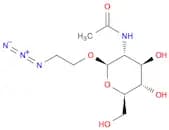
disease:Defects in NOTCH1 are a cause of aortic valve disease [MIM:109730]. The disorder consists of an early developmental defect in the aortic valve and a later de-repression of calcium deposition that causes progressive aortic valve disease. Calcification of the aortic valve is the third leading cause of heart disease in adults. The incidence increases with age, and it is often associated with a bicuspid aortic valve present in 1-2% of the population.,disease:NOTCH1 truncation is associated with T-cell acute lymphoblastic leukemia.,function:Functions as a receptor for membrane-bound ligands Jagged1, Jagged2 and Delta1 to regulate cell-fate determination. Upon ligand activation through the released notch intracellular domain (NICD) it forms a transcriptional activator complex with RBP-J kappa and activates genes of the enhancer of split locus. Affects the implementation of differentiation, proliferation and apoptotic programs. May be important for normal lymphocyte function. In altered form, may contribute to transformation or progression in some T-cell neoplasms. Involved in the maturation of both CD4+ and CD8+ cells in the thymus. May be important for follicular differentiation and possibly cell fate selection within the follicle. During cerebellar development, may function as a receptor for neuronal DNER and may be involved in the differentiation of Bergmann glia.,PTM:Phosphorylated.,PTM:Synthesized in the endoplasmic reticulum as an inactive form which is proteolytically cleaved by a furin-like convertase in the trans-Golgi network before it reaches the plasma membrane to yield an active, ligand-accessible form. Cleavage results in a C-terminal fragment N(TM) and a N-terminal fragment N(EC). Following ligand binding, it is cleaved by TNF-alpha converting enzyme (TACE) to yield a membrane-associated intermediate fragment called notch extracellular truncation (NEXT). This fragment is then cleaved by presenilin dependent gamma-secretase to release a notch-derived peptide containing the intracellular domain (NICD) from the membrane.,similarity:Belongs to the NOTCH family.,similarity:Contains 3 LNR (Lin/Notch) repeats.,similarity:Contains 36 EGF-like domains.,similarity:Contains 5 ANK repeats.,subcellular location:Following proteolytical processing NICD is translocated to the nucleus.,subunit:Heterodimer of a C-terminal fragment N(TM) and an N-terminal fragment N(EC) which are probably linked by disulfide bonds. Interacts with DNER, DTX1, DTX2 and RBPSUH. Also interacts with MAML1, MAML2 and MAML3 which act as transcriptional coactivators for NOTCH1.,tissue specificity:In fetal tissues most abundant in spleen, brain stem and lung. Also present in most adult tissues where it is found mainly in lymphoid tissues.,β-D-Glucopyranoside, 2-azidoethyl 2-(acetylamino)-2-deoxy-
CAS:Formula:C10H18N4O6Purity:98%Color and Shape:SolidMolecular weight:290.2731CtBP1 rabbit pAb
This gene encodes a protein that binds to the C-terminus of adenovirus E1A proteins. This phosphoprotein is a transcriptional repressor and may play a role during cellular proliferation. This protein and the product of a second closely related gene, CTBP2, can dimerize. Both proteins can also interact with a polycomb group protein complex which participates in regulation of gene expression during development. Alternative splicing of transcripts from this gene results in multiple transcript variants. [provided by RefSeq, Jul 2008],CEAM3 rabbit pAb
This gene encodes a member of the family of carcinoembryonic antigen-related cell adhesion molecules (CEACAMs), which are used by several bacterial pathogens to bind and invade host cells. The encoded transmembrane protein directs phagocytosis of several bacterial species that is dependent on the small GTPase Rac. It is thought to serve an important role in controlling human-specific pathogens by the innate immune system. Alternatively spliced transcript variants have been described. [provided by RefSeq, Mar 2013],CCNL2 rabbit pAb
The protein encoded by this gene belongs to the cyclin family. Through its interaction with several proteins, such as RNA polymerase II, splicing factors, and cyclin-dependent kinases, this protein functions as a regulator of the pre-mRNA splicing process, as well as in inducing apoptosis by modulating the expression of apoptotic and antiapoptotic proteins. Alternatively spliced transcript variants encoding different isoforms have been described for this gene. [provided by RefSeq, Aug 2011],CRF-RI rabbit pAb
This gene encodes a G-protein coupled receptor that binds neuropeptides of the corticotropin releasing hormone family that are major regulators of the hypothalamic-pituitary-adrenal pathway. The encoded protein is essential for the activation of signal transduction pathways that regulate diverse physiological processes including stress, reproduction, immune response and obesity. Alternative splicing results in multiple transcript variants. Naturally-occurring readthrough transcription between this gene and upstream GeneID:147081 results in transcripts that encode isoforms that share similarity with the products of this gene. [provided by RefSeq, Aug 2016],CDCP1 (phospho-Tyr734) rabbit pAb
This gene encodes a transmembrane protein which contains three extracellular CUB domains and acts as a substrate for Src family kinases. The protein plays a role in the tyrosine phosphorylation-dependent regulation of cellular events that are involved in tumor invasion and metastasis. Alternative splicing results in multiple transcript variants of this gene. [provided by RefSeq, May 2013],HS74L rabbit pAb
The protein encoded by this gene is heat shock inducible and may act as a chaperone. The encoded protein can protect the heat-shocked cell against the harmful effects of aggregated proteins. This gene is highly expressed in leukemia cells and may be a good target for therapeutic intervention. Several transcripts encoding different isoforms have been found for this gene. [provided by RefSeq, Dec 2015],ERC2 rabbit pAb
This gene encodes a protein that belongs to the Rab3-interacting molecule (RIM)-binding protein family. Members of this protein family form part of the cytomatrix at the active zone (CAZ) complex and function as regulators of neurotransmitter release. Alternative splicing results in multiple transcript variants. [provided by RefSeq, Nov 2015],DONS rabbit pAb
This gene lies downstream of the SON gene and spans 10 kb on chromosome 21. The function of this gene is unknown. [provided by RefSeq, Jul 2008],Nek4 rabbit pAb
catalytic activity:ATP + a protein = ADP + a phosphoprotein.,cofactor:Magnesium.,function:Seems to act exclusively upon threonine residues.,similarity:Belongs to the protein kinase superfamily.,similarity:Belongs to the protein kinase superfamily. NEK Ser/Thr protein kinase family. NIMA subfamily.,similarity:Contains 1 protein kinase domain.,tissue specificity:Highest expression in adult heart, followed by pancreas, skeletal muscle, brain, liver, kidney, lung and placenta. Present in most primary carcinomas.,ALK (phospho Tyr1604) rabbit pAb
This gene encodes a receptor tyrosine kinase, which belongs to the insulin receptor superfamily. This protein comprises an extracellular domain, an hydrophobic stretch corresponding to a single pass transmembrane region, and an intracellular kinase domain. It plays an important role in the development of the brain and exerts its effects on specific neurons in the nervous system. This gene has been found to be rearranged, mutated, or amplified in a series of tumours including anaplastic large cell lymphomas, neuroblastoma, and non-small cell lung cancer. The chromosomal rearrangements are the most common genetic alterations in this gene, which result in creation of multiple fusion genes in tumourigenesis, including ALK (chromosome 2)/EML4 (chromosome 2), ALK/RANBP2 (chromosome 2), ALK/ATIC (chromosome 2), ALK/TFG (chromosome 3), ALK/NPM1 (chromosome 5), ALK/SQSTM1 (chromosomeTrk A (phospho Tyr680/Y681) rabbit pAb
This gene encodes a member of the neurotrophic tyrosine kinase receptor (NTKR) family. This kinase is a membrane-bound receptor that, upon neurotrophin binding, phosphorylates itself and members of the MAPK pathway. The presence of this kinase leads to cell differentiation and may play a role in specifying sensory neuron subtypes. Mutations in this gene have been associated with congenital insensitivity to pain, anhidrosis, self-mutilating behavior, mental retardation and cancer. Alternate transcriptional splice variants of this gene have been found, but only three have been characterized to date. [provided by RefSeq, Jul 2008],KCNE2 rabbit pAb
potassium voltage-gated channel subfamily E regulatory subunit 2(KCNE2) Homo sapiens Voltage-gated potassium (Kv) channels represent the most complex class of voltage-gated ion channels from both functional and structural standpoints. Their diverse functions include regulating neurotransmitter release, heart rate, insulin secretion, neuronal excitability, epithelial electrolyte transport, smooth muscle contraction, and cell volume. This gene encodes a member of the potassium channel, voltage-gated, isk-related subfamily. This member is a small integral membrane subunit that assembles with the KCNH2 gene product, a pore-forming protein, to alter its function. This gene is expressed in heart and muscle and the gene mutations are associated with cardiac arrhythmia. [provided by RefSeq, Jul 2008],CD11A rabbit pAb
This gene encodes a member of the serine/threonine protein kinase family. Members of this kinase family are known to be essential for eukaryotic cell cycle control. Due to a segmental duplication, this gene shares very high sequence identity with a neighboring gene. These two genes are frequently deleted or altered in neuroblastoma. The protein kinase encoded by this gene can be cleaved by caspases and may play a role in cell apoptosis. Alternative splicing results in multiple transcript variants. [provided by RefSeq, Sep 2015],CASPR3 rabbit pAb
The protein encoded by this gene belongs to the NCP family of cell-recognition molecules. This family represents a distinct subgroup of the neurexins. NCP proteins mediate neuron-glial interactions in vertebrates and glial-glial contact in invertebrates. The protein encoded by this gene may play a role in cell recognition within the nervous system. Alternatively spliced transcript variants encoding different isoforms have been described but their biological nature has not been determined. [provided by RefSeq, Jul 2008],Caspase 10 (p23/17, Cleaved-Val220) Antibody
This gene encodes a protein which is a member of the cysteine-aspartic acid protease (caspase) family. Sequential activation of caspases plays a central role in the execution-phase of cell apoptosis. Caspases exist as inactive proenzymes which undergo proteolytic processing at conserved aspartic residues to produce two subunits, large and small, that dimerize to form the active enzyme. This protein cleaves and activates caspases 3 and 7, and the protein itself is processed by caspase 8. Mutations in this gene are associated with type IIA autoimmune lymphoproliferative syndrome, non-Hodgkin lymphoma and gastric cancer. Alternatively spliced transcript variants encoding different isoforms have been described for this gene. [provided by RefSeq, Apr 2011],Bcl-7a rabbit pAb
This gene is directly involved, with Myc and IgH, in a three-way gene translocation in a Burkitt lymphoma cell line. As a result of the gene translocation, the N-terminal region of the gene product is disrupted, which is thought to be related to the pathogenesis of a subset of high-grade B cell non-Hodgkin lymphoma. The N-terminal segment involved in the translocation includes the region that shares a strong sequence similarity with those of BCL7B and BCL7C. Two transcript variants encoding different isoforms have been found for this gene. [provided by RefSeq, Jul 2008],RP1 rabbit pAb
This gene encodes a member of the doublecortin family. The protein encoded by this gene contains two doublecortin domains, which bind microtubules and regulate microtubule polymerization. The encoded protein is a photoreceptor microtubule-associated protein and is required for correct stacking of outer segment disc. This protein and the RP1L1 protein, another retinal-specific protein, play essential and synergistic roles in affecting photosensitivity and outer segment morphogenesis of rod photoreceptors. Because of its response to in vivo retinal oxygen levels, this protein was initially named ORP1 (oxygen-regulated protein-1). This protein was subsequently designated RP1 (retinitis pigmentosa 1) when it was found that mutations in this gene cause autosomal dominant retinitis pigmentosa. Mutations in this gene also cause autosomal recessive retinitis pigmentosa. Transcript variants resulted from an alternative promoter and alternative splicings have been found, which overlap the current reference sequence and has several exons upstream and downstream of the current reference sequence. However, the biological validity and full-length nature of some variants cannot be determined at this time.[provided by RefSeq, Sep 2010],CYB561D2 rabbit pAb
cofactor:Binds 2 heme groups non-covalently.,similarity:Contains 1 cytochrome b561 domain.,RM53 rabbit pAb
Mammalian mitochondrial ribosomal proteins are encoded by nuclear genes and help in protein synthesis within the mitochondrion. Mitochondrial ribosomes (mitoribosomes) consist of a small 28S subunit and a large 39S subunit. They have an estimated 75% protein to rRNA composition compared to prokaryotic ribosomes, where this ratio is reversed. Another difference between mammalian mitoribosomes and prokaryotic ribosomes is that the latter contain a 5S rRNA. Among different species, the proteins comprising the mitoribosome differ greatly in sequence, and sometimes in biochemical properties, which prevents easy recognition by sequence homology. This gene encodes a 39S subunit protein. A pseudogene corresponding to this gene is found on chromosome 1p. [provided by RefSeq, Jul 2008],NRX3A rabbit pAb
alternative products:A number of isoforms, alpha-type (AC Q9Y4C0) and beta-type (shown here), are produced by alternative promoter usage. Beta-type isoforms differ from alpha-type isoforms in their N-terminus,alternative products:A number of isoforms, alpha-type (shown here) and beta-type (AC Q9HDB5), are produced by alternative promoter usage. Beta-type isoforms differ from alpha-type isoforms in their N-terminus. Additional isoforms produced by alternative splicing seem to exist,function:Neuronal cell surface protein that may be involved in cell recognition and cell adhesion.,function:Neuronal cell surface protein that may be involved in cell recognition and cell adhesion. May mediate intracellular signaling.,similarity:Belongs to the neurexin family.,similarity:Contains 1 laminin G-like domain.,similarity:Contains 3 EGF-like domains.,similarity:Contains 6 laminin G-like domains.,subunit:The cytoplasmic C-terminal region binds to CASK (By similarity). Binds to neuroligins NLGN1, NLGN2 and NLGN3.,subunit:The laminin G-like domain 2 binds to NXPH1. Specific isoforms bind to alpha-dystroglycan. The cytoplasmic C-terminal region binds to CASK.,tissue specificity:Predominantly expressed in brain.,MYH6/MYH7 rabbit pAb
Cardiac muscle myosin is a hexamer consisting of two heavy chain subunits, two light chain subunits, and two regulatory subunits. This gene encodes the alpha heavy chain subunit of cardiac myosin. The gene is located ~4kb downstream of the gene encoding the beta heavy chain subunit of cardiac myosin. Mutations in this gene cause familial hypertrophic cardiomyopathy and atrial septal defect 3. [provided by RefSeq, Mar 2010],VASP (phospho Ser238) rabbit pAb
Vasodilator-stimulated phosphoprotein (VASP) is a member of the Ena-VASP protein family. Ena-VASP family members contain an EHV1 N-terminal domain that binds proteins containing E/DFPPPPXD/E motifs and targets Ena-VASP proteins to focal adhesions. In the mid-region of the protein, family members have a proline-rich domain that binds SH3 and WW domain-containing proteins. Their C-terminal EVH2 domain mediates tetramerization and binds both G and F actin. VASP is associated with filamentous actin formation and likely plays a widespread role in cell adhesion and motility. VASP may also be involved in the intracellular signaling pathways that regulate integrin-extracellular matrix interactions. VASP is regulated by the cyclic nucleotide-dependent kinases PKA and PKG. [provided by RefSeq, Jul 2008],GBG11 rabbit pAb
This gene is a member of the guanine nucleotide-binding protein (G protein) gamma family and encodes a lipid-anchored, cell membrane protein. As a member of the heterotrimeric G protein complex, this protein plays a role in this transmembrane signaling system. This protein is also subject to carboxyl-terminal processing. Decreased expression of this gene is associated with splenic marginal zone lymphomas. [provided by RefSeq, Jul 2008],EAAT3 rabbit pAb
This gene encodes a member of the high-affinity glutamate transporters that play an essential role in transporting glutamate across plasma membranes. In brain, these transporters are crucial in terminating the postsynaptic action of the neurotransmitter glutamate, and in maintaining extracellular glutamate concentrations below neurotoxic levels. This transporter also transports aspartate, and mutations in this gene are thought to cause dicarboxylicamino aciduria, also known as glutamate-aspartate transport defect. [provided by RefSeq, Mar 2010],GNL3 rabbit pAb
The protein encoded by this gene may interact with p53 and may be involved in tumorigenesis. The encoded protein also appears to be important for stem cell proliferation. This protein is found in both the nucleus and nucleolus. Three transcript variants encoding two different isoforms have been found for this gene. [provided by RefSeq, Nov 2010],TCF-9 rabbit pAb
The first mRNA transcript isolated for this gene was part of an artificial chimera derived from two distinct gene transcripts and a primer used in the cloning process (see Genbank accession M29204). A positively charged amino terminus present only in the chimera was determined to bind GC-rich DNA, thus mistakenly thought to identify a transcription factor gene. [provided by RefSeq, Jul 2008],PSB3 rabbit pAb
The proteasome is a multicatalytic proteinase complex with a highly ordered ring-shaped 20S core structure. The core structure is composed of 4 rings of 28 non-identical subunits; 2 rings are composed of 7 alpha subunits and 2 rings are composed of 7 beta subunits. Proteasomes are distributed throughout eukaryotic cells at a high concentration and cleave peptides in an ATP/ubiquitin-dependent process in a non-lysosomal pathway. An essential function of a modified proteasome, the immunoproteasome, is the processing of class I MHC peptides. This gene encodes a member of the proteasome B-type family, also known as the T1B family, that is a 20S core beta subunit. The 26 S proteasome may be involved in trinucleotide repeat expansion, a phenomenon which is associated with many hereditary neurological diseases. Pseudogenes have been identified on chromosomes 2 and 12. Alternative splicing results in multiple transcript variants [provided by RefSeq, Sep 2013],DDX53 rabbit pAb
This intronless gene encodes a protein which contains several domains found in members of the DEAD-box helicase protein family. Other members of this protein family participate in ATP-dependent RNA unwinding. [provided by RefSeq, Sep 2011],p53RFP rabbit pAb
caution:Lacks the His residue in the RING-type domain 2 that is one of the conserved features of the family.,domain:The RING-type zinc finger domain mediates binding to an E2 ubiquitin-conjugating enzyme.,function:E3 ubiquitin-protein ligase which accepts ubiquitin from E2 ubiquitin-conjugating enzymes UBE2L3 and UBE2L6 in the form of a thioester and then directly transfers the ubiquitin to targeted substrates such as LCMT2, thereby promoting their degradation. Induces apoptosis via a TP53/p53-dependent but caspase-independent mechanism.,pathway:Protein modification; protein ubiquitination.,PTM:Auto-ubiquitinated.,similarity:Belongs to the RBR family. RNF144 subfamily.,similarity:Contains 1 IBR-type zinc finger.,similarity:Contains 2 RING-type zinc fingers.,subunit:Interacts with UBE2L3, UBE2L6 and LCMT2.,tissue specificity:Broadly expressed, with lowest levels in brain, spleen and thymus.,LRP5 rabbit pAb
This gene encodes a transmembrane low-density lipoprotein receptor that binds and internalizes ligands in the process of receptor-mediated endocytosis. This protein also acts as a co-receptor with Frizzled protein family members for transducing signals by Wnt proteins and was originally cloned on the basis of its association with type 1 diabetes mellitus in humans. This protein plays a key role in skeletal homeostasis and many bone density related diseases are caused by mutations in this gene. Mutations in this gene also cause familial exudative vitreoretinopathy. Alternative splicing results in multiple transcript variants. [provided by RefSeq, May 2014],COX2/Cyclooxygenase 2 Mouse mAb
Prostaglandin-endoperoxide synthase 2, also known as cyclooxygenase-2 or simply COX-2, is an enzyme that in humans is encoded by the PTGS2 gene. There are two isozymes of COX encoded by distinct gene products: a constitutive COX-1 (this enzyme) and an inducible COX-2, which differ in their regulation of expression and tissue distribution. The expression of these two transcripts is differentially regulated by relevant cytokines and growth factors. A splice variant of COX-1 termed COX-3 was identified in the CNS of dogs, but does not result in a functional protein in humans. Two smaller COX-1-derived proteins (the partial COX-1 proteins PCOX-1A and PCOX-1B) have also been discovered, but their precise roles are yet to be described.GPM6B rabbit pAb
glycoprotein M6B(GPM6B) Homo sapiens This gene encodes a membrane glycoprotein that belongs to the proteolipid protein family. Proteolipid protein family members are expressed in most brain regions and are thought to be involved in cellular housekeeping functions such as membrane trafficking and cell-to-cell communication. This protein may also be involved in osteoblast differentiation. Alternate splicing results in multiple transcript variants. Pseudogenes of this gene are located on chromosomes Y and 22. [provided by RefSeq, Jan 2016],FBX22 rabbit pAb
This gene encodes a member of the F-box protein family which is characterized by an approximately 40 amino acid motif, the F-box. The F-box proteins constitute one of the four subunits of the ubiquitin protein ligase complex called SCFs (SKP1-cullin-F-box), which function in phosphorylation-dependent ubiquitination. The F-box proteins are divided into 3 classes: Fbws containing WD-40 domains, Fbls containing leucine-rich repeats, and Fbxs containing either different protein-protein interaction modules or no recognizable motifs. The protein encoded by this gene belongs to the Fbxs class and, as a transcriptional target of the tumor protein p53, is thought to be involved in degradation of specific proteins in response to p53 induction. Alternative splicing results in multiple transcript variants. [provided by RefSeq, Dec 2010],EP3A rabbit pAb
Testicular sperm are morphologically differentiated but are not progressively motile nor able to fertilize an egg. Post-testicular maturation requires exposure of spermatozoa to the microenvironment of the epididymal lumen. Spermatozoa undergo extensive changes in the epididymis, including enzymatic modifications, loss of pre-existing components and addition of new glycoproteins from epididymal secretions. These modifying proteins and enzymes are synthesized by epithelial cells lining the epididymal duct and secreted apically into the lumen, where they come into contact with, and may be absorbed onto, the sperm membranes. The proteins encoded by the genes in this cluster are synthesized and secreted by epididymal epithelial cells. [provided by RefSeq, Jul 2008],Defensin α4 rabbit pAb
defensin alpha 4(DEFA4) Homo sapiens Defensins are a family of antimicrobial and cytotoxic peptides thought to be involved in host defense. They are abundant in the granules of neutrophils and also found in the epithelia of mucosal surfaces such as those of the intestine, respiratory tract, urinary tract, and vagina. Members of the defensin family are highly similar in protein sequence and distinguished by a conserved cysteine motif. Several alpha defensin genes are clustered on chromosome 8. This gene differs from other genes of this family by an extra 83-base segment that is apparently the result of a recent duplication within the coding region. The protein encoded by this gene, defensin, alpha 4, is found in the neutrophils; it exhibits corticostatic activity and inhibits corticotropin stimulated corticosterone production. [provided by RefSeq, Oct 2014],IL-1α rabbit pAb
The protein encoded by this gene is a member of the interleukin 1 cytokine family. This cytokine is a pleiotropic cytokine involved in various immune responses, inflammatory processes, and hematopoiesis. This cytokine is produced by monocytes and macrophages as a proprotein, which is proteolytically processed and released in response to cell injury, and thus induces apoptosis. This gene and eight other interleukin 1 family genes form a cytokine gene cluster on chromosome 2. It has been suggested that the polymorphism of these genes is associated with rheumatoid arthritis and Alzheimer's disease. [provided by RefSeq, Jul 2008],PCBP3 rabbit pAb
This gene encodes a member of the KH-domain protein subfamily. Proteins of this subfamily, also referred to as alpha-CPs, bind to RNA with a specificity for C-rich pyrimidine regions. Alpha-CPs play important roles in post-transcriptional activities and have different cellular distributions. This gene's protein is found in the cytoplasm, yet it lacks the nuclear localization signals found in other subfamily members. Alternative splicing results in multiple transcript variants encoding distinct isoforms. [provided by RefSeq, Jul 2008],AMPD3 rabbit pAb
This gene encodes a member of the AMP deaminase gene family. The encoded protein is a highly regulated enzyme that catalyzes the hydrolytic deamination of adenosine monophosphate to inosine monophosphate, a branch point in the adenylate catabolic pathway. This gene encodes the erythrocyte (E) isoforms, whereas other family members encode isoforms that predominate in muscle (M) and liver (L) cells. Mutations in this gene lead to the clinically asymptomatic, autosomal recessive condition erythrocyte AMP deaminase deficiency. Alternatively spliced transcript variants encoding different isoforms of this gene have been described. [provided by RefSeq, Jul 2008],MOB2 rabbit pAb
function:Stimulates the autophosphorylation and kinase activity of STK38 and STK38L.,PTM:Phosphorylated.,similarity:Belongs to the MOB1/phocein family.,subunit:Binds STK38 and STK38L.,IL-1F10 rabbit pAb
The protein encoded by this gene is a member of the interleukin 1 cytokine family. This gene and eight other interleukin 1 family genes form a cytokine gene cluster on chromosome 2. This cytokine is thought to participate in a network of interleukin 1 family members to regulate adapted and innate immune responses. Two alternatively spliced transcript variants encoding the same protein have been reported. [provided by RefSeq, Jul 2008],C/EBP β (phospho Thr235) rabbit pAb
This intronless gene encodes a transcription factor that contains a basic leucine zipper (bZIP) domain. The encoded protein functions as a homodimer but can also form heterodimers with CCAAT/enhancer-binding proteins alpha, delta, and gamma. Activity of this protein is important in the regulation of genes involved in immune and inflammatory responses, among other processes. The use of alternative in-frame AUG start codons results in multiple protein isoforms, each with distinct biological functions. [provided by RefSeq, Oct 2013],SH3B4 rabbit pAb
This gene encodes a protein with 3 Asn-Pro-Phe (NPF) motifs, an SH3 domain, a PXXP motif, a bipartite nuclear targeting signal, and a tyrosine phosphorylation site. This protein is involved in cargo-specific control of clathrin-mediated endocytosis, specifically controlling the internalization of a specific protein receptor. [provided by RefSeq, Jul 2008],hnRNP C1/C2 rabbit pAb
This gene belongs to the subfamily of ubiquitously expressed heterogeneous nuclear ribonucleoproteins (hnRNPs). The hnRNPs are RNA binding proteins and they complex with heterogeneous nuclear RNA (hnRNA). These proteins are associated with pre-mRNAs in the nucleus and appear to influence pre-mRNA processing and other aspects of mRNA metabolism and transport. While all of the hnRNPs are present in the nucleus, some seem to shuttle between the nucleus and the cytoplasm. The hnRNP proteins have distinct nucleic acid binding properties. The protein encoded by this gene can act as a tetramer and is involved in the assembly of 40S hnRNP particles. Multiple transcript variants encoding at least two different isoforms have been described for this gene. [provided by RefSeq, Jul 2008],VHL rabbit pAb
von Hippel-Lindau tumor suppressor(VHL) Homo sapiens Von Hippel-Lindau syndrome (VHL) is a dominantly inherited familial cancer syndrome predisposing to a variety of malignant and benign tumors. A germline mutation of this gene is the basis of familial inheritance of VHL syndrome. The protein encoded by this gene is a component of the protein complex that includes elongin B, elongin C, and cullin-2, and possesses ubiquitin ligase E3 activity. This protein is involved in the ubiquitination and degradation of hypoxia-inducible-factor (HIF), which is a transcription factor that plays a central role in the regulation of gene expression by oxygen. RNA polymerase II subunit POLR2G/RPB7 is also reported to be a target of this protein. Alternatively spliced transcript variants encoding distinct isoforms have been observed. [provided by RefSeq, Jul 2008],FAM35A/B rabbit pAb
PTM:Phosphorylated upon DNA damage, probably by ATM or ATR.,similarity:Belongs to the FAM35 family.,ACE1 rabbit pAb
This gene encodes an enzyme involved in catalyzing the conversion of angiotensin I into a physiologically active peptide angiotensin II. Angiotensin II is a potent vasopressor and aldosterone-stimulating peptide that controls blood pressure and fluid-electrolyte balance. This enzyme plays a key role in the renin-angiotensin system. Many studies have associated the presence or absence of a 287 bp Alu repeat element in this gene with the levels of circulating enzyme or cardiovascular pathophysiologies. Multiple alternatively spliced transcript variants encoding different isoforms have been identified, and two most abundant spliced variants encode the somatic form and the testicular form, respectively, that are equally active. [provided by RefSeq, May 2010],OR2J1 rabbit pAb
Olfactory receptors interact with odorant molecules in the nose, to initiate a neuronal response that triggers the perception of a smell. The olfactory receptor proteins are members of a large family of G-protein-coupled receptors (GPCR) arising from single coding-exon genes. Olfactory receptors share a 7-transmembrane domain structure with many neurotransmitter and hormone receptors and are responsible for the recognition and G protein-mediated transduction of odorant signals. The olfactory receptor gene family is the largest in the genome. The nomenclature assigned to the olfactory receptor genes and proteins for this organism is independent of other organisms. [provided by RefSeq, Jul 2008],GTR2 rabbit pAb
This gene encodes an integral plasma membrane glycoprotein of the liver, islet beta cells, intestine, and kidney epithelium. The encoded protein mediates facilitated bidirectional glucose transport. Because of its low affinity for glucose, it has been suggested as a glucose sensor. Mutations in this gene are associated with susceptibility to diseases, including Fanconi-Bickel syndrome and noninsulin-dependent diabetes mellitus (NIDDM). Alternative splicing results in multiple transcript variants of this gene. [provided by RefSeq, Jul 2013],NM23-H2 rabbit pAb
Nucleoside diphosphate kinase (NDK) exists as a hexamer composed of 'A' (encoded by NME1) and 'B' (encoded by this gene) isoforms. Multiple alternatively spliced transcript variants have been found for this gene. Read-through transcription from the neighboring upstream gene (NME1) generates naturally-occurring transcripts (NME1-NME2) that encode a fusion protein comprised of sequence sharing identity with each individual gene product. [provided by RefSeq, Nov 2010],Olfactory receptor 11H1/11H2/11H12 rabbit pAb
Olfactory receptors interact with odorant molecules in the nose, to initiate a neuronal response that triggers the perception of a smell. The olfactory receptor proteins are members of a large family of G-protein-coupled receptors (GPCR) arising from single coding-exon genes. Olfactory receptors share a 7-transmembrane domain structure with many neurotransmitter and hormone receptors and are responsible for the recognition and G protein-mediated transduction of odorant signals. The olfactory receptor gene family is the largest in the genome. The nomenclature assigned to the olfactory receptor genes and proteins for this organism is independent of other organisms. [provided by RefSeq, Jul 2008],MEK4 (F194)Rabbit pAb
SAPK/Erk kinase (SEK1), also known as MEK4 or MKK4 or Jun kinase kinase (JNKK), activates the MAP kinase homologues SAPK and JNK in response to various cellular stresses and inflammatory cytokines . Activation of SEK1 occurs through MEKK phosphorylation of serine and threonine residues at positions 257 and 261, respectively. Like MEK, SEK is a dual-specificity protein kinase that phosphorylates SAPK/JNK at a conserved T*PY* site in its activation loop . Phosphorylation by Akt at Ser80 inhibits SEK1 and suppresses stress-activated signal transduction .MYPT1 (phospho-Ser507) rabbit pAb
Myosin phosphatase target subunit 1, which is also called the myosin-binding subunit of myosin phosphatase, is one of the subunits of myosin phosphatase. Myosin phosphatase regulates the interaction of actin and myosin downstream of the guanosine triphosphatase Rho. The small guanosine triphosphatase Rho is implicated in myosin light chain (MLC) phosphorylation, which results in contraction of smooth muscle and interaction of actin and myosin in nonmuscle cells. The guanosine triphosphate (GTP)-bound, active form of RhoA (GTP.RhoA) specifically interacted with the myosin-binding subunit (MBS) of myosin phosphatase, which regulates the extent of phosphorylation of MLC. Rho-associated kinase (Rho-kinase), which is activated by GTP. RhoA, phosphorylated MBS and consequently inactivated myosin phosphatase. Overexpression of RhoA or activated RhoA in NIH 3T3 cells increased phosphHEN2 rabbit pAb
function:May serve as DNA-binding protein and may be involved in the control of cell-type determination, possibly within the developing nervous system.,similarity:Contains 1 basic helix-loop-helix (bHLH) domain.,subunit:Efficient DNA binding requires dimerization with another bHLH protein.,GBP4 rabbit pAb
Guanylate-binding proteins, such as GBP4, are induced by interferon and hydrolyze GTP to both GDP and GMP (Vestal, 2005 [PubMed 16108726]).[supplied by OMIM, Dec 2008],Sam 68 rabbit pAb
This gene encodes a member of the K homology domain-containing, RNA-binding, signal transduction-associated protein family. The encoded protein appears to have many functions and may be involved in a variety of cellular processes, including alternative splicing, cell cycle regulation, RNA 3'-end formation, tumorigenesis, and regulation of human immunodeficiency virus gene expression. Alternative splicing results in multiple transcript variants. [provided by RefSeq, Dec 2012],ROS1 rabbit pAb
This proto-oncogene, highly-expressed in a variety of tumor cell lines, belongs to the sevenless subfamily of tyrosine kinase insulin receptor genes. The protein encoded by this gene is a type I integral membrane protein with tyrosine kinase activity. The protein may function as a growth or differentiation factor receptor. [provided by RefSeq, Jul 2008],TAAR6 rabbit pAb
This gene encodes a seven-transmembrane G-protein-coupled receptor that likely functions as a receptor for endogenous trace amines. Mutations in this gene may be associated with schizophrenia.[provided by RefSeq, Feb 2010],Histone H2B (Acetyl Lys15) rabbit pAb
H2BFS (H2B Histone Family Member S (Pseudogene)) is a Pseudogene. Diseases associated with H2BFS include endometrial stromal sarcoma. Among its related pathways are Packaging Of Telomere Ends. GO annotations related to this gene include sequence-specific DNA binding and protein heterodimerization activity. An important paralog of this gene is HIST1H2BH.ESCO1 rabbit pAb
establishment of sister chromatid cohesion N-acetyltransferase 1(ESCO1) Homo sapiens ESCO1 belongs to a conserved family of acetyltransferases involved in sister chromatid cohesion (Hou and Zou, 2005 [PubMed 15958495]).[supplied by OMIM, Mar 2008],APOC1 Polyclona Antibody
This gene encodes a member of the apolipoprotein C1 family. This gene is expressed primarily in the liver, and it is activated when monocytes differentiate into macrophages. The encoded protein plays a central role in high density lipoprotein (HDL) and very low density lipoprotein (VLDL) metabolism. This protein has also been shown to inhibit cholesteryl ester transfer protein in plasma. A pseudogene of this gene is located 4 kb downstream in the same orientation, on the same chromosome. This gene is mapped to chromosome 19, where it resides within a apolipoprotein gene cluster. Alternative splicing and the use of alternative promoters results in multiple transcript variants. [provided by RefSeq, Sep 2016],DNAJC2/MPP11 (phospho-Ser47) rabbit pAb
This gene is a member of the M-phase phosphoprotein (MPP) family. The gene encodes a phosphoprotein with a J domain and a Myb DNA-binding domain which localizes to both the nucleus and the cytosol. The protein is capable of forming a heterodimeric complex that associates with ribosomes, acting as a molecular chaperone for nascent polypeptide chains as they exit the ribosome. This protein was identified as a leukemia-associated antigen and expression of the gene is upregulated in leukemic blasts. Also, chromosomal aberrations involving this gene are associated with primary head and neck squamous cell tumors. This gene has a pseudogene on chromosome 6. Alternatively spliced variants which encode different protein isoforms have been described. [provided by RefSeq, Jul 2008],CC107 rabbit pAb
This gene encodes a membrane protein which contains a coiled-coil domain in the central region. Multiple alternatively spliced transcript variants encoding different isoforms have been found for this gene. [provided by RefSeq, Jan 2013],Jun B rabbit pAb
function:Transcription factor involved in regulating gene activity following the primary growth factor response. Binds to the DNA sequence 5'-TGA[CG]TCA-3'.,induction:By growth factors.,similarity:Belongs to the bZIP family.,similarity:Belongs to the bZIP family. Jun subfamily.,similarity:Contains 1 bZIP domain.,subunit:Binds DNA as an homodimer or as an heterodimer with another member of the jun/fos family.,CPXM2 rabbit pAb
caution:As it has lost active sites residues and zinc-binding sites it is unlikely to be catalytically active.,function:May be involved in cell-cell interactions.,similarity:Belongs to the peptidase M14 family.,similarity:Contains 1 F5/8 type C domain.,AAT1 rabbit pAb
alternative products:Additional isoforms (AAT-1L and AAT-1S) may exist,function:Isoform 4 may play a role in spermatogenesis.,PTM:Isoform 4 is phosphorylated by PKA.,subcellular location:Isoform 4 is found in the mitochondria and localized in the neck of the sperm.,subunit:Interacts with AMY1 and AKAP1. Isoform 4 belongs to a complex together with AMY1, AKAP1 and PRKAR2B. Isoform 3 does not interact with AMY1.,tissue specificity:Isoform 1 is strongly expressed in the liver. Isoform 4 is widely expressed, but strongly expressed in all spermatogenesis-related tissues, including the testis, the epithelium of cauda and the corpus epididymis. Isoform 4 is present in the spermatid and mature sperm. Isoform 4 is also expressed in Leydig cells. Isoform 3 is expressed in the testis.,