Vitamins
Found 1118 products of "Vitamins"
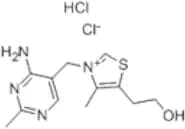
Oxythiamine Hydrochloride
CAS:Controlled ProductStability Hygroscopic
Applications Oxythiamine HCl (cas# 136-16-3) is a useful research chemical.Formula:C12H15N3O2S·HClColor and Shape:NeatMolecular weight:301.79Oleuropein
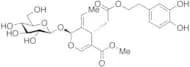
CAS:Applications Oleuropein is a tyrosol ester derivative of elenolic acid and phenolic glycoside found in olive oil. Oleuropein shows antioxidant, anti-ischemic and hypolipidemic activity. Oleuropein has also been used as an immunomodulator .
References Speroni, E. et al.: Phytother. Res., 12, S98 (1998); Andreadou, I. et al.: J. Nutrit., 136, 2213 (2006):;Giamarellos-Bourboulis, E.J. et al.: Shock, 26, 410 (2006);Formula:C12H17O7Purity:>95%Color and Shape:NeatMolecular weight:540.51Magnolol
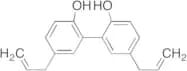
CAS:Controlled ProductApplications Magnolol is the bioactive phytochemicals found in Magnolia officinalis (1). Magnolol has been used to treat anxiety, cough, headache and allergies (2). It also inhibits tumor necrosis factor-α-*induced ICAM-1 expression in human lung epithelial cells.
Not a dangerous good if item is equal to or less than 1g/ml and there is less than 100g/ml in the package
References (1) Amorati, R., et al.: J Org Chem. (2015) 80:10651-9.(2) Wu, C., et. al.: Inflammation (2014) 37:1957-67Formula:C18H18O2Color and Shape:Off-WhiteMolecular weight:266.33Calcifediol
CAS:Controlled ProductStability Light Sensitive, Temperature Sensitive
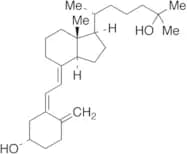
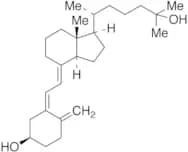
Applications Calcifediol is a metabolite of Vitamin D. The principal circulating form of vitamin D3, formed in the liver by hydroxylation at C-25. Calcium regulator.
Not a dangerous good if item is equal to or less than 1g/ml and there is less than 100g/ml in the package
References Morii, et al.: Arch. Biochem. Biophys., 120, 513 (1967); Blunt, et al.: Biochemistry, 7, 3317 (1968), Liu, et al.: Science, 311, 1770 (2006);Formula:C27H44O2Color and Shape:Off-WhiteMolecular weight:400.64O-Desmethyl Adapalene
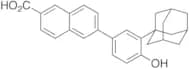
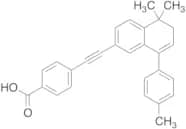
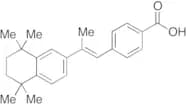
CAS:Controlled ProductApplications An intermediate in the preparation of Adapalene derivatives.
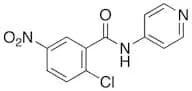
References Zinner, R., et al.: Mol. Cancer Ther., 8, 521 (2009), Virtanen, M., et al.: Exper. Dermatol., 19, 674 (2010),Formula:C27H26O3Color and Shape:NeatMolecular weight:398.492-Chloro-5-nitro-N-4-pyridinylbenzamide
CAS:Controlled ProductApplications A cell-permeable chloro-nitro-benzamido compound that acts as a potent, specific, irreversible, and high-affinity antagonist of PPARγ with a Ki of 1 nM. Displays >800-fold greater selectivity for PPARγ over PPARα and PPARδ (Ki = 0.85 µM and 1.8 µM, respectively). Blocks hormone- and agonist-induced adipogenesis in 3T3-L1 cells. It suppresses interactions between PPARγ and coactivator-derived peptides, while promotes the recruitment of corepressor-derived peptides. Shown to modulate the interaction of PPARγ2 with the cofactor proteins through covalent binding to Cys313 in its ligand-binding domain.
References Lee, G., et al: J. Biol. Chem., 277, 19649 (2003), Schaefer, K.L., et al: Cancer Res., 65, 2251 (2005), Masuda, T., et al.: Clin. Cancer Res., 11, 4012 (2005), Raikwar, H.P., et al.: J. Neuroimmunol., 167, 99 (2005)Formula:C12H8ClN3O3Color and Shape:NeatMolecular weight:277.66Isovitamin D3 (90%)
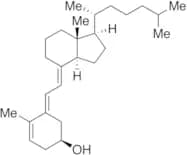
CAS:Controlled ProductStability Light Sensitive
Applications Isovitamin D3 is a metabolite of Vitamin D. Studies show that Isovitamin D3 is biologically active in normal rats but inactive in anephric rats.
References Holick, M.F. et al.: Science, 180, 964 (1973); Wilczek, H. et al.: Prak. Lek., 59, 794 (1979);Formula:C27H44OPurity:90%Color and Shape:NeatMolecular weight:384.6410-Formyl-5,6,7,8-tetrahydro Folic Acid Disodium (Technical Grade)
CAS:Controlled ProductStability Hygroscopic, Light Sensitive, Temperature Sensitive
Applications 10-Formyl-5,6,7,8-tetrahydro Folic Acid Disodium Salt is the disodium salt of F701085, which is a Folic Acid (F680300) derivative. Folic Acid is a vitamin needed to synthesize DNA, conduct DNA repair and methylate DNA, it also acts as a cofactor in biological reactions involving folate.10-Formyl-5,6,7,8-tetrahydro Folic Acid Disodium Salt is also used in the diagnosis and prevention and therapy of cerebral folate dificiency in relation to formation of folate receptor autoantibodies and treatment with reduced folate and antioxidants.
References Slieker, L.J., et al.: Mol. Pharmacol., 25, 294-302 (1984); Xu, L., et al.: Mol. Pharm., 7, 1311 (2010); Everette, J., et al.: J. Agric. Food Chem., 58, 8139 (2010); Alshatwi, A., et al.: Food, Chem., Toxicol., 48, 1881 (2010); McKay, D., et al.: Nut. J., 9 (2010)Ramaekers, WO 2006119589, (2006)Formula:C20H23N7O7·2NaColor and Shape:NeatMolecular weight:517.4(S)-Naringenin
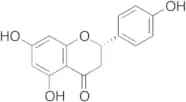
CAS:Applications (S)-Naringenin, an active flavanone, maintains antioxidative, anti-inflammatory and antitumorigenic activities. Used in the treatment of praquat (PQ)-induced oxidative stress.
References Podder, B. et al.: J. Microbiol. Biotech., 24, 605 (2014); Abd El Azim, M. et al.: Org. Chem. An Ind. J., 10,410 (2014);Formula:C15H12O5Color and Shape:Light BrownMolecular weight:272.25Eupatilin
CAS:Controlled ProductStability Hygroscopic
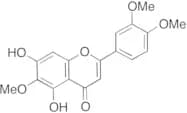
Applications Eupatilin maintains anticoagulant and antiplatelet activity isolated from the Artemisia princeps Pampanini flower.
References Ryu, R. et al.: Prev. Nutr. Food Sci., 18, 181 (2013);Formula:C18H16O7Color and Shape:Light Yellow To BeigeMolecular weight:344.32Calcitroic Acid
CAS:Controlled ProductStability Light Sensitive
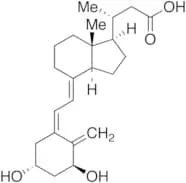
Applications Calcitroic Acid is a major metabolite of Calcitriol (C144500).
Not a dangerous good if item is equal to or less than 1g/ml and there is less than 100g/ml in the package
References Esvelt, R.P. et al.: Arch. Biochem. Biophys., 206, 403 (1981); Onisko, B.L. et al.: Biochemistry, 19, 4124 (1980); Reddy, G.S. et al.: Biochemistry, 28, 1763 (1989);Formula:C23H34O4Purity:>85%Color and Shape:NeatMolecular weight:374.513-epi-25-Hydroxy Vitamin D3
CAS:Stability Light Sensitive, Temperature Sensitive
Applications The epimer metabolite of Calcifediol or 25-hydroxyvitamin D3 (C125700).
Not a dangerous good if item is equal to or less than 1g/ml and there is less than 100g/ml in the package
References Sakaki, T., et al.: Eur. J. Biochem., 267, 6158 (2000), Kamao, M., et al.: J. Biol. Chem., 278, 1463 (2003),Formula:C27H44O2Color and Shape:NeatMolecular weight:400.64gamma-Tocopherol
CAS:Stability Light Sensitive
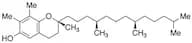
Applications One of the naturally occurring forms of Vitamin E. Most abundant Tocopherol in soybean and corn oils.
References Emerson, et al.: Science, 83, 421 (1936), Bieri, J.G., et al.: J. Nutr., 104, 850 (1974), Jiang, Q., et al.: Am. J. Clin. Nutr., 74, 714 (2001),Formula:C28H48O2Color and Shape:Light BrownMolecular weight:416.6825-Hydroxy Vitamin D2
CAS:Controlled ProductStability Light Sensitive, Temperature Sensitive
Applications A metabolite of Vitamin D2 (V676040).
Not a dangerous good if item is equal to or less than 1g/ml and there is less than 100g/ml in the package
References Barnes, P., et al.: J. Clin. Invest., 83, 1527 (1989), Holick, M., et al.: J. Cell Biochem., 88(2), 296 (2003), Maunsell, Z., et al.: Clin. Chem., 51, 1683 (2005),Formula:C28H44O2Color and Shape:White To Light YellowMolecular weight:412.65Convallatoxin
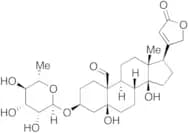
CAS:Controlled ProductApplications Convallatoxin is a cardenolide that is used in the treatment of congestive heart failure. It may also be used in the treatment of tumor cells at nanomolar concentrations due to its anti-proliferative effects; in particular, human lung cancer. It is naturally found in the roots of Adonis Amurensis.
Not a dangerous good if item is equal to or less than 1g/ml and there is less than 100g/ml in the package
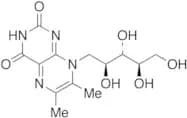
References Schneider, N., et al.: Nat. Prod. Res., (2015); Yin, L., et al.: Zhong Cao Yao, 45, 3361 (2014);Formula:C29H42O10Color and Shape:White To Off-WhiteMolecular weight:550.646,7-Dimethylribityl Lumazine (>90%)
CAS:Controlled ProductStability Light Sensitive
Applications 6,7-Dimethyl-8-ribityllumazine serves as fluorophore in Lumazine (L473800) proteins (LumP) of luminescent bacteria.
References Kulinski, T., et al.: Biochemistry, 26, 540 (1987), Chatwell, L., et al.: J. Mol. Biol., 382, 44 (2008), Sancar, A., et al.: J. Biol. Chem., 283, 32153 (2008),Formula:C13H18N4O6Purity:>90%Color and Shape:Yellow To Dark BrownMolecular weight:326.31Folitixorin (~80%) (Mixture of Diastereomers)
CAS:Stability Hygroscopic, Moisture Sensitive, Temperature Sensitive
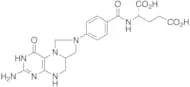
Applications A stable folate lyophilized compound suitable for use in the treatment of cancer and other therapies.
References Park, H., et al.: Science, 268, 1866 (1995), Banerjee, R., et al.: J. Biol. Chem., 282, 14916 (2007), Klar, T., et al.: J. Mol. Biol., 366, 954 (2007),Formula:C20H23N7O6Color and Shape:NeatMolecular weight:457.44Vitamin K2(5)
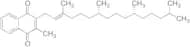
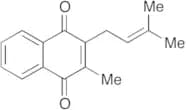
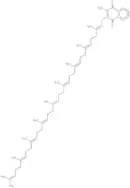
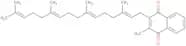
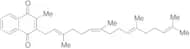
CAS:Controlled ProductApplications Vitamin K2(5) is an analog of Vitamin K that acts as a reducing agent and also acts as an electron carrier in the electron transport chain of many bacteria. Intake of Vitamin K2(5) is associated with a reduced risk of coronary heart disease.
References Fu, Q., et al.: Biodegradation, 20, 109 (2009); Gelejinse, J., et al.: J. Nut., 134, 3100 (2004); Jiang, M., et al.: Biochemistry, 47, 3426 (2008)Formula:C16H16O2Color and Shape:NeatMolecular weight:240.3Isotachysterol3, 90%
CAS:Controlled ProductImpurity Cholecalciferol EP Impurity D
Stability Light Sensitive, Temperature Sensitive
Applications Isotachysterol3 (Cholecalciferol EP Impurity D) is a degradation product of Vitamin D3 (V676045). Isotachysterol3 has been shown to stimulate intestinal Ca transport and bone Ca mobilization in anephric rats.
Not a dangerous good if item is equal to or less than 1g/ml and there is less than 100g/ml in the package
References Bolos, J. et al.: Cien. Indust. Farm., 6, 259 (1987); Holick, M.F. et al.: Science, 180, 964 (1973);Formula:C27H44OPurity:90%Color and Shape:Off-WhiteMolecular weight:384.64Vitamin B2 (Riboflavin) 13C4 ,15N2
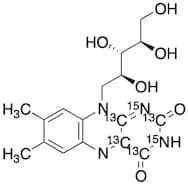
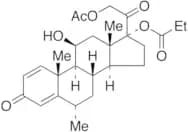
CAS:Controlled ProductFormula:C4C13H2015N2N2O6Color and Shape:NeatMolecular weight:382.326α-Methyl Prednisolone Aceponate
CAS:Applications Used in treatment of seborrhoeic dermatitis includes topical treatments such as corticosteroids, antifungals, metronidazole and pimecrolimus.
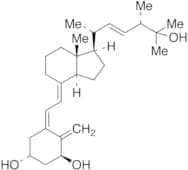
References Miyachi, Y., et al.: Br. J. Dermatol., 114, 231 (1986), Rallis, E., et al.: Drugs Exp. Clin. Res., 30, 191 (2004), Ozcan, H., et al.: Eur. J. Dermatol., 17, 313 (2007),Formula:C27H36O7Color and Shape:White To Off-WhiteMolecular weight:472.571alpha,25-Dihydroxy Vitamin D2
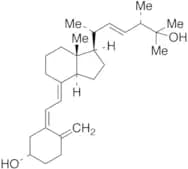
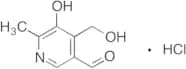
CAS:Controlled ProductFormula:C28H44O3Color and Shape:NeatMolecular weight:428.65Isopyridoxal Hydrochloride
CAS:Applications Isopyridoxal Hydrochloride is an active vitamer of the B6 complex in humans, and a metabolite standard in the determination of all seven vitamin B6-related compounds. It is also a metabolite in a pyridoxine degradation pathway by soil bacteria.
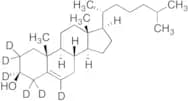
References Edwards, P., et. al.: Clinica Chimica Acta: Int. J. Clin. Chem., 190, (1990); Lee, Y. C., et. al.: J. Bio. Chem., 261, (1986); Argoudelis, C. J.: J. Chromatogr. A, 790, (1998)Formula:C8H9NO3·HClColor and Shape:NeatMolecular weight:203.62Cholesterol-d6
CAS:Controlled ProductStability Hygroscopic
Applications Labelled Cholesterol (C432501). Cholesterol is the principal sterol of the higher animals. Cholesterol was found in all body tissues, especial in the brain, spinal cord, and in animal fats or oils. Cholesterol is the main constituent of gallstones.
References Rosin, Z., et al.: Physiol. Chem., 124, 282 (1923), Schoenheimer, et al.: J. Biol. Chem., 105, 355 (1934), Gemant, et al.: Life Sci., 1, 233 (1962), Johnson, K., et al.: 4, 457 (1964),Formula:C272H6H40OColor and Shape:Off White SolidMolecular weight:392.69D-Calcium pantothenate
CAS:Pantothenic acid (pantothenate) is a water-soluble vitamin of the B complex. It is an essential nutrient that is necessary for the normal development and maintenance of the human body. Pantothenate is necessary for energy metabolism, as well as synthesis of coenzyme A and acetylcholine. Pantothenate also participates in the synthesis of hemoglobin, blood cells, and steroid hormones. Pantothenate deficiency can lead to dermatitis, insomnia, irritability, fatigue, depression, dizziness, muscle pain or cramps, and hair loss. D-Calcium pantothenate (DCP) is a salt form of pantothenic acid that has been shown to be effective in treating coronary heart disease and oxidative injury. DCP has been used as a model system to study polymerase chain reactions (PCR) in vitro. This vitamin also acts as an antioxidant by reducing free radicals such as peroxides and lipid hydroFormula:C18H32CaN2O10Color and Shape:White Off-White PowderMolecular weight:476.53 g/mol22-Fluorovitamin D3
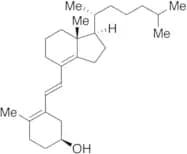
CAS:22-Fluorovitamin D3 is a synthetic analog of vitamin D3, which is derived from chemical synthesis involving fluorination at the C-22 position. This modification results in a compound that mimics the structure and activity of naturally occurring vitamin D3 but with altered pharmacokinetics and metabolic stability. The fluorine atom, due to its size and electronegativity, influences the binding affinity and activity of the compound at vitamin D receptors.Formula:C27H43FOPurity:Min. 95%Molecular weight:402.63 g/molDihydrotachysterol
CAS:Dihydrotachysterol is a synthetic analog of vitamin D, which is derived from ergocalciferol or cholecalciferol. It is a semi-synthetic compound tailored to mimic the active form of vitamin D, playing a crucial role in calcium metabolism. Unlike naturally occurring vitamin D, Dihydrotachysterol does not require metabolic activation in the kidneys, making it particularly useful in patients with impaired renal function.Formula:C28H46OPurity:Min. 98 Area-%Color and Shape:PowderMolecular weight:398.66 g/molPantethine
CAS:Pantethine is a dietary supplement, which is a derivative of pantothenic acid, sourced from vitamin B5. As a biologically active compound, it undergoes conversion to pantetheine, which then forms coenzyme A (CoA) and acyl-carrier proteins. This conversion is critical, as CoA is an essential cofactor involved in numerous biochemical reactions that are integral to fatty acid metabolism, among other processes.Formula:C22H42N4O8S2Purity:Min. 95%Color and Shape:PowderMolecular weight:554.72 g/molMenaquinone 7
CAS:Vitamin K2 related compoundFormula:C46H64O2Purity:Min. 97 Area-%Color and Shape:PowderMolecular weight:649 g/mol6-Fluorovitamin D3
CAS:6-Fluorovitamin D3 is a synthetic analog of vitamin D3, which is a modified form of the naturally occurring hormone known as cholecalciferol. This molecule is typically derived through chemical synthesis, incorporating a fluorine atom at a specific position on the vitamin D3 structure. The introduction of the fluorine atom is designed to enhance the stability of the compound and potentially alter its biological activity.Formula:C27H43FOPurity:Min. 95%Molecular weight:402.63 g/moldelta-Tocotrienol
CAS:Delta-Tocotrienol is a natural compound, part of the vitamin E family, which is primarily sourced from the seeds and fruits of certain plants, such as annatto. This compound is a potent antioxidant, exerting its effects through the scavenging of free radicals and protection of polyunsaturated fatty acids in cell membranes from oxidative damage. Additionally, delta-Tocotrienol inhibits the enzyme HMG-CoA reductase, leading to a reduction in cholesterol synthesis.
Formula:C27H40OPurity:Min. 95%Color and Shape:Clear LiquidMolecular weight:380.61 g/molL-Biotin
CAS:L-Biotin, also known as biotin or vitamin H, is a water-soluble vitamin that is an essential cofactor in the carboxylation of several enzymes. L-Biotin is involved in fatty acid synthesis and amino acid metabolism. L-Biotin has been shown to be cytotoxic against cancer cells in vitro. It has been used to diagnose parathyroid function by measuring urinary excretion of l-biotin after administration of human parathyroid hormone (PTH). L-Biotin can also be used as a targeting molecule for diagnostic purposes.Formula:C10H16N2O3SPurity:Min. 95%Color and Shape:White PowderMolecular weight:244.3 g/molRiboflavin
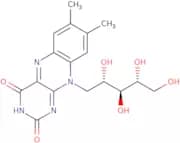
CAS:Riboflavin is a water-soluble vitamin, which is derived primarily from dietary sources such as milk, eggs, nuts, and green vegetables. As a precursor to coenzymes flavin mononucleotide (FMN) and flavin adenine dinucleotide (FAD), riboflavin plays a crucial role within the cellular metabolic pathways. These coenzymes are essential for redox reactions occurring in mitochondrial energy metabolism, particularly within the electron transport chain.Formula:C17H20N4O6Purity:Min. 98 Area-%Color and Shape:Yellow PowderMolecular weight:376.36 g/molMenaquinone 9
CAS:Menaquinone 9 is a vitamin K2 product, which is a naturally occurring compound found in fermented foods and certain animal products. It is a member of the menaquinone group, distinguished by the number of isoprene units in its side chain. Menaquinone 9 is synthesized by certain bacteria in the gut and absorbed through the intestines. Its primary mode of action involves serving as a cofactor for the enzyme gamma-glutamyl carboxylase, which is crucial for the post-translational modification of specific proteins required for calcium binding.Formula:C56H80O2Purity:Min. 95%Color and Shape:PowderMolecular weight:785.23 g/molCholecalciferol - 100IU/mg - contains 2.5g/kg active
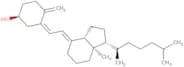
CAS:Cholecalciferol - 100IU/mg - contains 2.5g/kg active is a chemical compound known as vitamin D3. It is derived primarily from cholesterol through photochemical synthesis in animal skin exposed to ultraviolet light. The product functions as a hormone regulator by modulating calcium and phosphorus metabolism within biological systems. This process is crucial for maintaining bone density and immune system efficacy.
Formula:C27H44OPurity:Min. 95%Color and Shape:White PowderMolecular weight:384.64 g/mol5-Methyltetrahydrofolic acid disodium salt
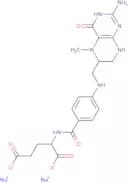
CAS:5-Methyltetrahydrofolic acid disodium salt is a form of vitamin B9 that is produced by the body from 5,10-methylenetetrahydrofolate. It also can be obtained through the diet in foods such as milk, eggs, and leafy vegetables. This vitamin is necessary for many cellular processes, including amino acid metabolism. 5-Methyltetrahydrofolic acid disodium salt has been shown to have a significant effect on neuron cell growth and health. It has been shown to stimulate the enzyme activities of catecholamine-O-methyltransferase and dopamine beta hydroxylase in vitro. The effects were seen with both acidic and neutral pHs. 5-Methyltetrahydrofolic acid disodium salt has been found to be a selective inhibitor of receptor α (rho) uptake in Caco-2 cells at acidic pHs but not at neutral pHs. In additionFormula:C20H23N7Na2O6Color and Shape:PowderMolecular weight:503.42 g/molMenaquinone (K2)
CAS:Menaquinone (K2) is a fat-soluble vitamin, which is a form of Vitamin K. It is naturally found in animal and fermented foods. Menaquinone is synthesized by specific bacteria during fermentation processes. Its primary mode of action involves carboxylation of specific proteins, which is essential for calcium binding in bones and blood vessels.Formula:C31H40O2Purity:Min. 98 Area-%Color and Shape:Yellow PowderMolecular weight:444.65 g/molVitamin D3 b-D-Glucuronide, >90%
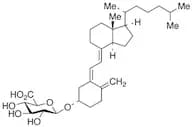
CAS:Controlled ProductStability Temperature and Light Sensitive
Applications A metabolite of Vitamin D3.
References Bell, P.A., et al.: Biochem. J., et al.: 115, 663 (1969), Kumar, R.S., et al.: J. Clin. Invest., 65, 277 (1980), Shimada, K., et al.: Biol. Pharm. Bull., 19, 491 (1996),Formula:C33H52O7Purity:>90%Color and Shape:NeatMolecular weight:560.7613-cis-Vitamin A Palmitate
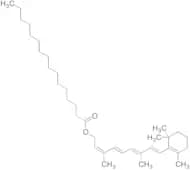
CAS:Formula:C36H60O2Color and Shape:Colourless To YellowMolecular weight:524.8604Butyrate-Vitamin D3
CAS:Butyrate-Vitamin D3 (Butyrate-Cholecalciferol) is a modified form of vitamin D3, wherein a butyric acid group replaces a hydroxyl group in the vitamin D3 structure. This compound modulates gene expression and cellular function while exhibiting anti-inflammatory properties. It is employed in researching immune regulation, metabolic disorders, and cancer.Formula:C31H50O2Color and Shape:SolidMolecular weight:454.73Propionyl-L-carnitine Hydrochloride
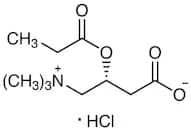
CAS:Formula:C10H19NO4·HClPurity:>98.0%(T)Color and Shape:White to Almost white powder to crystalMolecular weight:253.72Lycopene
CAS:Formula:C40H56Purity:>85.0%(qNMR)Color and Shape:Red to Dark red powder to crystalMolecular weight:536.89Vitamin A Palmitate (Retinyl Palmitate) for tissue culture, 1.615-1.860MIU/g
CAS:Formula:C36H60O2Color and Shape:Clear, Yellow to orange, Viscous liquidMolecular weight:524.86Vitamin A (Retinol), 90%
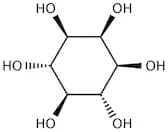
CAS:Formula:C20H30OPurity:min. 90.0%Color and Shape:Light yellow to dark yellow, PowderMolecular weight:286.45Inositol pure, 99%
CAS:Formula:C6H12O6Purity:min. 99%Color and Shape:White, Crystalline powder, Clear, ColourlessMolecular weight:180.16Vitamin A Acetate (Retinyl Acetate) for tissue culture
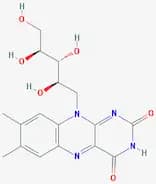
CAS:Formula:C22H32O2Color and Shape:Yellow to pale brown, Crystalline powderMolecular weight:328.49Riboflavin pure, 98%
CAS:Formula:C17H20N4O6Purity:min. 98%Color and Shape:Orange yellow, Crystalline powder, Clear, OrangeMolecular weight:376.37L-Ascorbic Acid Calcium Salt Dihydrate extrapure, 99%
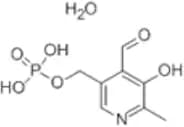
CAS:Formula:C12H14CaO12·2H2OPurity:min. 99%Color and Shape:White to pale yellow, Crystalline powderMolecular weight:426.34Pyridoxal-5-Phosphate Monohydrate extrapure, 98%
CAS:Formula:C8H10NO6P·H2OPurity:min. 98%Color and Shape:Off white to yellow, Crystalline powderMolecular weight:265.16Rutin Trihydrate pure, 95%
CAS:Formula:C27H30O16·3H2OPurity:min. 95%Color and Shape:Yellowish green, PowderMolecular weight:664.56Calcium-D-Pantothenate pure, 98%
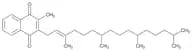
CAS:Formula:C18H32N2O10CaPurity:min. 98%Color and Shape:White to off-white, Crystalline powder/ crystals, Clear, ColourlessMolecular weight:476.54Vitamin K1 extrapure, 98%
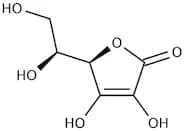
CAS:Formula:C31H46O2Purity:min. 98%Color and Shape:Clear, Yellow to pale brown, Viscous liquidMolecular weight:450.88L-Ascorbic Acid extrapure AR, 99.7%
CAS:Formula:C6H8O6Purity:min. 99.7%Color and Shape:White, Crystalline powder, Clear, ColourlessMolecular weight:176.13L-Ascorbic Acid Sodium Salt extrapure, 99%
CAS:Formula:C6H7NaO6Purity:min. 99%Color and Shape:White to pale yellow, Crystalline powder, ClearMolecular weight:198.11Menadione O/S (Vitamin K3) pure, 98%
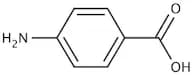
CAS:Formula:C11H8O2Purity:min. 98%Color and Shape:Yellow, Crystalline powder, ClearMolecular weight:172.18p-Aminobenzoic Acid (pABA) pure, 99%
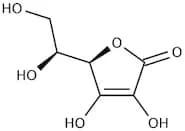
CAS:Formula:C7H7NO2Purity:min. 99%Color and Shape:White to off-white, Crystalline powder, Clear, Pale yellowMolecular weight:137.14L-Ascorbic Acid extrapure AR, ACS, ExiPlus, Multi-Compendial, 99.7%
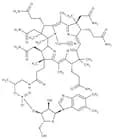
CAS:Formula:C6H8O6Purity:min. 99.7%Color and Shape:White, Crystalline powder, Clear, ColourlessMolecular weight:176.13Vitamin B12 for molecular biology, 97%
CAS:Formula:C63H88O14N14PCoPurity:min. 97%Color and Shape:Dark red, Crystalline powder, Clear, RedMolecular weight:1355.38DL-a-Tocopherol Acetate (Vitamin E Acetate) for tissue culture, 98%
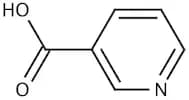
CAS:Formula:C31H52O3Purity:min. 98%Color and Shape:Clear, Yellow, Viscous liquidMolecular weight:472.74Nicotinic Acid (Pyridine-3-Carboxylic Acid) pure, 99%
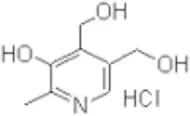
CAS:Formula:C6H5NO2Purity:min.99%Color and Shape:White to off - white, Crystalline powder, Clear, Colourless to pale yellowMolecular weight:123.11Pyridoxine Hydrochloride (Vitamin B6) pure, 98%
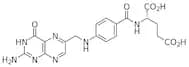
CAS:Formula:C8H11NO3HClPurity:min. 98%Color and Shape:White to off-white, Crystalline powder, Clear, Colourless to pale yellowMolecular weight:205.64Folic Acid pure, 98%
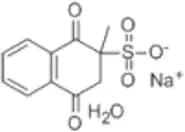
CAS:Formula:C19H19N7O6Purity:min.98%Color and Shape:Orange yellow, Crystalline powder, ClearMolecular weight:441.40Menadione Sodium Bisulphite Trihydrate W/S (Vitamin K3 Sodium Bisulphite Trihydrate) pure, 95%
CAS:Formula:C11H8O2·NaHSO3·3H2OPurity:min. 95%Color and Shape:White to off-white, Crystalline powderMolecular weight:330.26D-Biotin extrapure, 99%
CAS:Formula:C10H16N2O3SPurity:min. 99%Color and Shape:White, Crystalline powderMolecular weight:244.32Folic Acid ExiPlus, Multi-Compendial, 98%
CAS:Formula:C19H19N7O6Purity:min.98%Color and Shape:Orange yellow, Crystalline powder, ClearMolecular weight:441.40Thiamine Hydrochloride pure, 98.5%
CAS:Formula:C12H17N4OSCl·HClPurity:min. 98.5%Color and Shape:White to off-white, Crystalline powder, ClearMolecular weight:337.27Vitamin B12a (B12 Analog) ExiPlus, Multi-Compendial, 98%-102%
CAS:Formula:C63H91CoN13O14PPurity:98 - 102%Color and Shape:Dark red, Crystalline powder, Clear, RedMolecular weight:1355.38Thiamine Hydrochloride ExiPlus, Multi-Compendial, 98.5%
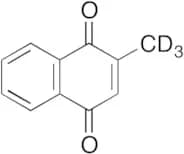
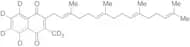
CAS:Formula:C12H17N4OSCl·HClPurity:min. 98.5%Color and Shape:White to off white, Crystalline powder, ClearMolecular weight:337.272-(Methyl-d3)-1,4-naphthalenedione (Vitamin K3-d3)
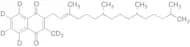
CAS:Controlled ProductApplications Isotope labelled d3; 1,4-Dihydro-1,4-dioxo-2-methylnaphthalene-d3; (Vitamin K3), precursor to various types of Vitamin K. Used as a micronutrient for livestock and pet foods.
References Sakamoto, S., et al.: Anal. Bioanal. Chem., 396, 2955 (2010), Gohil, V., et al.: Nat. Biotechnol., 28, 249 (2010), Hu, W., et al.: Anal. Biochem., 398, 245 (2010),Formula:C11H5D3O2Color and Shape:NeatMolecular weight:175.2Auraptene
CAS:Controlled ProductApplications Auraptene is a natural bioactive monoterpene coumarin ether. Auraptene has shown a remarkable effect in the prevention of degenerative diseases.
References Brunhofer, G., et al.: Bioorg. Med. Chem., 20, 669 (2012); Furukawa, Y., et al.: Int. J. Mole. Sci., 13, 5338 (2012);Formula:C19H22O3Color and Shape:NeatMolecular weight:298.38Menaquinone 4-d7 (Mixture of cis-trans isomers) (100ug/mL in Acetonitrile)
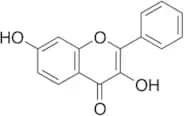
CAS:Controlled ProductFormula:C31H33D7O2Color and Shape:Yellow To Light YellowMolecular weight:451.697,3-Dihydroxyflavone
CAS:Controlled ProductFormula:C15H10O4Color and Shape:NeatMolecular weight:254.238N-Boc-glycine-13C
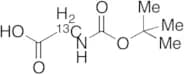
CAS:Controlled ProductFormula:CC6H13NO4Color and Shape:NeatMolecular weight:176.175Vitamin K1-d7 (100µg/mL in Acetonitrile)
CAS:Controlled ProductFormula:C31H39D7O2Color and Shape:Single SolutionMolecular weight:457.74S-(1-Pentyl-5-biotinylamido)glutathione
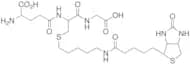
Controlled ProductFormula:C25H42N6O8S2Color and Shape:NeatMolecular weight:618.77Doxercalciferol-D3
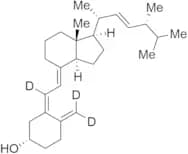
CAS:Controlled ProductFormula:C282H3H41OColor and Shape:NeatMolecular weight:399.67Vitamin D3-d7 (Major)
CAS:Controlled ProductStability Light Sensitive, Temperature Sensitive
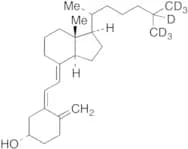
Applications The vitamin that mediates intestinal calcium absorbtion, bone calcium metabolism and probably, muscle activity. Occurs in and is isolated from fish liver oils. Vitamin D acts through a receptor that is a member of the ligand-dependent transcription factor superfamily. Modulates the proliferation and differentiation of both normal and cancer cells. Has antiproliferative and antimetastatic effects on breast, colon, and prostate cancer cells. Activated vitamin D receptors in intestine and bone maintain calcium absorbance and homeostasis.
Not a dangerous good if item is equal to or less than 1g/ml and there is less than 100g/ml in the package
References Haussler, R., et al.: J. Biol. Chem., 247, 2328 (1972), Holick, M.F., Rec. Res. Canc. Res., 164, 3 (2003), Palmer, H.G., et al.: Cancer Res., 63, 7799 (2003), Welsh, J., et al.: J. Nutr., 133, 2425S (2003),Formula:C27D7H37OColor and Shape:ColourlessMolecular weight:391.68SR 8278
CAS:Controlled ProductApplications SR 8278 is a synthetic antagonist of the nuclear heme receptor REV-ERB.
References Kojetin, D., et al.: ACS. Chem. Biol., 6, 131 (2011);Formula:C18H19NO3S2Color and Shape:NeatMolecular weight:361.48Vitamin D5
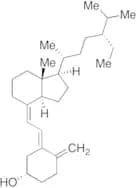
CAS:Controlled ProductApplications Vitamin D5 is used in the synthetic preparation of 1α-Hydroxyvitamin D5 a promising chemopreventive agent for breast cancer.
References Moriarty, R.M., Albinescu, D.: J. Org. Chem., 70, 7624 (2005)Formula:C29H48OColor and Shape:NeatMolecular weight:412.691Coenzyme Q2
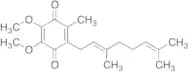
CAS:Controlled ProductApplications Coenzyme Q2 is a redox carrier in the mitochondrial respiratory chain in eukaryotic cells. It has been used to investigate interaction of coenzyme Q with phosphatidylethanolamine membranes.
References Do, T., et al.: J. Biol Chem. 276, 18161 (2001); Gomez-Fernandez, J. C., et al.: Eur. J. Biochem. 259, 739 (1999);Formula:C19H26O4Color and Shape:NeatMolecular weight:318.40716Alpha,17,21-Trihydroxy-pregna-1,4-diene-3,11,20-trione
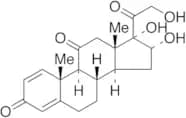
CAS:Controlled ProductApplications A metabolite of Budesonide (B689490), an antiinflammatory agent.
References Cserhati, T., et al.: J. Pharm. Biomed. Anal., 22, 25 (2000), Dilger, K., et al.: J. Clin. Pharmacol., 47, 1532 (2007), Buchwald, P., et al.: Steroids, 73, 193 (2008),Formula:C21H26O6Color and Shape:NeatMolecular weight:374.43Vitamin D3 Sulfate Sodium Salt
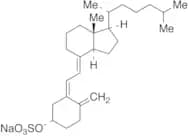
CAS:Controlled ProductApplications The main metabolite of Vitamin D3. It has potent biological activity. Vitamin D3-sulfate had <5% of the activity of vitamin D3 to mobilize Ca from bone and .apprx.1% of the ability of Vitamin D3 to stimulate Ca transport, elevate serum P, or support bone calcification.
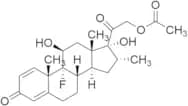
References Bell, P.A., et al.: Biochem. J., et al.: 115, 663 (1969), Kumar, R.S., et al.: J. Clin. Invest., 65, 277 (1980), Reeve, L.E. , et al.: J. Biol. Chem., 256, 823 (1981), Armas, L., et al.: J. Clin. Endocrinol. Metab., 89, 5387 (2004),Formula:C27H43O4S·NaColor and Shape:NeatMolecular weight:486.68Dodecahydro-3H-cyclopenta2-oxoethyl Acetate Dexamethasone
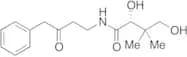
CAS:Controlled ProductFormula:C24H31FO6Color and Shape:NeatMolecular weight:434.5(2R)-2-hydroxy-3-(hydroxymethyl)-3-methyl-N-(3-oxo-4-phenylbutyl)butanamide
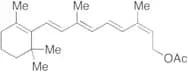
CAS:Controlled ProductFormula:C16H23NO4Color and Shape:NeatMolecular weight:293.3613-cis-Retinyl Acetate (85%)
CAS:Controlled ProductApplications 13-cis-Retinyl Acetate is a derivative of 13-Cis-Retinol (R252110), an active metabolite of vitamin A.
References Shantz, E., et al.: J. Biol. Chem., 183, A61 (1950), Barua, A., et al.: Biochem. J., 164, 133 (1977), Brouwer, I., et al.: Nutr. Res. Rev., 14, 267 (2001), Grillenberger, M., et al.: Br. J. Nutr., 95, 379 (2006),Formula:C22H32O2Purity:85%Color and Shape:NeatMolecular weight:328.49Vitamin K1 2,3-Epoxide
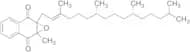
CAS:Controlled ProductApplications Vitamin K1 2,3-Epoxide is a metabolite of Vitamin K1 (V676080), which is occurs widely in green plants, algae, and photosynthetic bacteria.
References Smee, D.F., et al.: Antimicrob. Agents Chemother., 23, 676 (1983), Miyamoto, T., et al.: Biochem. Pharmacol., 35, 839 (1986); Hassan, M.M.A., et al.: Anal. Profiles Drug Subs., 17, 449 (1988), Breton, J., et al.: Biochemistry, 33, 12405 (1994), Dowd, P., et al.: Science, 269, 1684 (1995);Formula:C31H46O3Color and Shape:Light YellowMolecular weight:466.71α,25-Dihydroxy Vitamin D2-d6
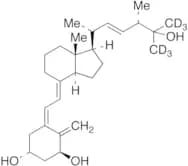
CAS:Controlled ProductApplications The active labelled metabolite of Vitamin D2 (V676040).
References Lam, H., et al.: Science, 186, 1038 (1974), Dilworth, F., et al.: J. Biol. Chem., 270, 16766 (1995), Horst, R., et al.: Biochem. Pharmacol. 60, 701 (2000), Horst, R., et al.: J. Cell Biochem., 88, 282 (2003),Formula:C28D6H38O3Color and Shape:NeatMolecular weight:434.684SR9243
CAS:Controlled ProductApplications SR9243 is used in new compounds targeting warburg effcts, killing cancer cells and inhibiting lipid production.
References Anon.: Cancer Discovery, 5, 898 (2015)Formula:C31H32BrNO4S2Color and Shape:NeatMolecular weight:626.62