Vitamins
Found 1120 products of "Vitamins"
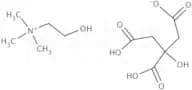
Choline dihydrogen citrate
CAS:Formula:C11H21NO8Color and Shape:White to almost white powder or crystalsMolecular weight:295.29SR 9011
CAS:Applications SR 9011 is a synthetic REV-ERBα/β agonist with activity in vivo. It is a lead compound for a new class of cancer drugs associated with the body’s circadian clock.
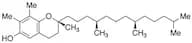
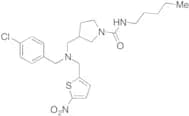
References Solt, L.A., et. al.: Nature, 485, 7396 (2012); Chem. and Eng. News. p.8, Jan. 15, 2018Formula:C23H31ClN4O3SColor and Shape:NeatMolecular weight:479.00δ-Tocotrienol
CAS:Stability Light Sensitive
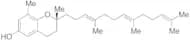
Applications δ-Tocotrienol is a natural substance with vitamin E activity. It can work as an antioxidant. It inhibits the growth of human breast cancer cells.
References Sen, C., et al.: Life Sci., 78, 2088 (2006); Yoshida, Y., et al.: Chem. Phys. Lipids, 123, 63 (2005)Formula:C27H40O2Color and Shape:Light Yellow To Dark OrangeMolecular weight:396.61Hydroxocobalamin (>90%)
CAS:Stability Hygroscopic
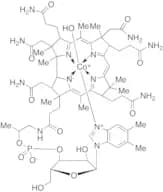
Applications Hydroxocobalamin is an intermediate in the synthesis of Nitritocobalamin(N490240) is a useful synthetic intermediate in the synthesis of Hydroxocobalamin Acetate (H826800); a physiological analog of vitamin B12 where the CN group is replaced with OH. Exists in aqueous solution as an equilibrium mixture of the hydroxy isomer and the ionic aqua isomer (aquacobalamin). Precursor of the coenzymes methylcobalamin and cobamamide. Coordination Compound. Vitamin (hematopoietic).
References Kaczka, E.A., et al.: Science, 112, 354 (1950); Friedrich, W., et al.: Vitamins, 837 (1988); Forsyth, J.C., et al.: Clin. Toxicol., 31, 277 (1993)Formula:C62H89CoN13O15PPurity:>90%Color and Shape:NeatMolecular weight:1346.36α-Tocotrienol
CAS:Stability Light Sensitive
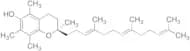
Applications alpha-Tocotrienol is an antioxidant.Formula:C29H44O2Color and Shape:Off-WhiteMolecular weight:424.66Hydrocortisone 17-Valerate
CAS:Controlled ProductApplications Hydrocortisone 17-Valerate is a derivative of Hydrocortisone (H714615) which is a glucocorticoid that is produced by the zona fasciculata of the adrenal gland.
References Ponec, M. et. al.: J. Pharm. Sci., 75, 973 (1986); Vigore, L., et al.: Cancer Ther., 6, 699 (2008)Formula:C26H38O6Color and Shape:NeatMolecular weight:446.584-[(5,6,7,8-Tetrahydro-3,5,5,8,8-pentamethyl-2-naphthalenyl)carbonyl]benzoic Acid
CAS:Controlled ProductApplications 4-[(5,6,7,8-Tetrahydro-3,5,5,8,8-pentamethyl-2-naphthalenyl)carbonyl]benzoic Acid is used in the preparation of pentamethylnaphthylmethylbenzoates as a selective retinoid X receptor ligands that induce apoptosis in leukemia cells.
References Boehm, M.F., et al.: J. Med. Chem., 38, 3146-55 (1995); Furmie, J.K., et al.: ChemMedChem, 7, 1551-66 (2012)Formula:C23H26O3Color and Shape:NeatMolecular weight:350.4511-cis-Retinol, >85%
CAS:Stability Light Sensitive, Temperature Sensitive
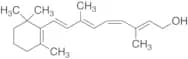
Applications A metabolite of Vitamin A (R252000(M)).
References Touma, S., et al.: Biochem. Pharmacol., 78, 1127 (2009), Muniz, A., et al.: Biochem., 48, 6854 (2009), Guignard, T., et al.: J. Biol. Chem., 285, 18759 (2010),Formula:C20H30OPurity:>85%Color and Shape:NeatMolecular weight:286.454-Deoxy Pyridoxine Hydrochloride
CAS:Controlled ProductStability Hygroscopic
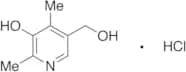
Applications 4-Deoxypyridoxine is the deoxy analogue of Pyridoxine (P991735). 4-Deoxypyridoxine is a vitamin B6 antimetabolite; 4-Deoxypyridoxine can induce a deficient status that alters the function and ultrastructure of EC similar to vascular disease.
References La Pesa, M. et al.: Pathologia, 62, 907 (1970); Chang, S..: J. Nutrit. Sci. Vitaminol., 46, 149 (2000); Yamashita, J.: J. Nutrit. Sci. Vitaminol., 22, 1 (1976);Formula:C8H12ClNO2Color and Shape:Off-WhiteMolecular weight:189.64Dihydro Folic Acid
CAS:Stability Hygroscoipic, Light and Air Sensitive
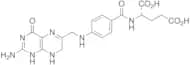
Applications Dihydrofolic Acid is an intermediate in mammalian conversion of dietary folic acid to tetrahydrofolate by dihydrofolate reductase (DHFR). Folic acid (FA) and Dihydrofolic acid (FAH2) are substrates of dihydrofolate reductase(s) which reduce them to tetrahydrofolate (THF).
References Andres, J., et al.: Bioorg. Chem., 24, 10 (1996), Benkovic, S., et al.: Science, 301, 1196 (2003), ,,,,Williams, D; J Mol Biol 2003, 329, 389,,,Krahn, J., et al.: Biochemistry, 46, 14878 (2007),Formula:C19H21N7O6Color and Shape:Light Beige To GreyMolecular weight:443.419-cis-Retinol Acetate
CAS:Controlled ProductFormula:C22H32O2Purity:>85%Color and Shape:NeatMolecular weight:328.49Isotachysterol3, 90%
CAS:Controlled ProductImpurity Cholecalciferol EP Impurity D
Stability Light Sensitive, Temperature Sensitive
Applications Isotachysterol3 (Cholecalciferol EP Impurity D) is a degradation product of Vitamin D3 (V676045). Isotachysterol3 has been shown to stimulate intestinal Ca transport and bone Ca mobilization in anephric rats.
Not a dangerous good if item is equal to or less than 1g/ml and there is less than 100g/ml in the package
References Bolos, J. et al.: Cien. Indust. Farm., 6, 259 (1987); Holick, M.F. et al.: Science, 180, 964 (1973);Formula:C27H44OPurity:90%Color and Shape:Off-WhiteMolecular weight:384.64O-Desmethyl Adapalene
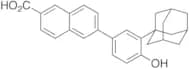
CAS:Controlled ProductApplications An intermediate in the preparation of Adapalene derivatives.
References Zinner, R., et al.: Mol. Cancer Ther., 8, 521 (2009), Virtanen, M., et al.: Exper. Dermatol., 19, 674 (2010),Formula:C27H26O3Color and Shape:NeatMolecular weight:398.494,5-Dihydro-4,5-dioxo-1H-pyrrolo[2,3-f]quinoline-2,7,9-tricarboxylic Acid
CAS:Controlled ProductStability Temperature Sensitive
Applications A cofactor of microbial quinoprotein enzyme, and imidazopyrroline. A redox/cofactor found in a a class of enzymes called quinoproteins.Formula:C14H6N2O8Color and Shape:NeatMolecular weight:330.2113(S)-HODE
CAS:Controlled ProductApplications 13(S)-HODE is an inhibitor of tumor cell adhesion in endothelium tissue. 13(S)-HODE is also used to activate GPR132 which may affect autoimmune function and lymph organ size.
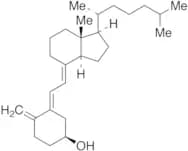
References Le, L. et al.: Immunity., 14, 561 (2001);Formula:C18H32O3Color and Shape:NeatMolecular weight:296.445,6-trans-Vitamin D3, ~90%
CAS:Controlled ProductImpurity Cholecalciferol EP Impurity A
Stability Light Sensitive, Temperature Sensitive
Applications 5,6-trans-Vitamin D3 (Cholecalciferol EP Impurity A) is the major photoisomer of Vitamin D3 analog, as an impurity.
Not a dangerous good if item is equal to or less than 1g/ml and there is less than 100g/ml in the package
References Bikle, D., et al.: Biochemistry, 25, 1545 (1986), Webb, A., et al.: J. Clin. Endocrinol. Metab., 68, 882 (1989), Baran, D., et al.: J. Cell Biochem., 50, 124 (1992), Tian, X., et al.: J. Biol. Chem., 268, 14888 (1993),Formula:C27H44OPurity:~90%Color and Shape:White To Light YellowMolecular weight:384.64D,L-Mevalonic Acid Lactone
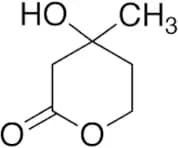
CAS:Stability Hygroscopic
Applications A metabolite from endophytes of the medicinal plant Erythrina crista-galli.
References Stadler, M., et al.: Planta Med., 60, 128 (1994), Kopcke, B., et al.: Phytochemistry, 60, 709 (2002), Chu, M., et al.: J. Nat. Prod., 66, 1527 (2003), Weber, D., et al.: J. Antibiot., 57, 559 (2004),Formula:C6H10O3Color and Shape:NeatMolecular weight:130.14Biopterin
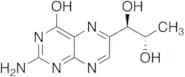
CAS:Stability Hygroscopic
Applications A pteridine widely distributed in nature; naturally occurring as the L-erythro-form. Considered as a growth factor for some insects. Fluoresces with a blue color in alkaline solution.
References Klatt, P., et al.: J. Biol. Chem., 269, 13861 (1994); Mitnaul, L., et al.: Biochemistry, 92, 885 (1995); Thony, B., et al.: Biochem. J., 347, 1 (2000);Formula:C9H11N5O3Color and Shape:Off WhiteMolecular weight:237.22Oleuropein
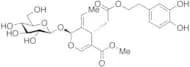
CAS:Applications Oleuropein is a tyrosol ester derivative of elenolic acid and phenolic glycoside found in olive oil. Oleuropein shows antioxidant, anti-ischemic and hypolipidemic activity. Oleuropein has also been used as an immunomodulator .
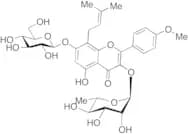
References Speroni, E. et al.: Phytother. Res., 12, S98 (1998); Andreadou, I. et al.: J. Nutrit., 136, 2213 (2006):;Giamarellos-Bourboulis, E.J. et al.: Shock, 26, 410 (2006);Formula:C12H17O7Purity:>95%Color and Shape:NeatMolecular weight:540.51Icariin
CAS:Controlled ProductStability Light Sensitive
Applications Icariin inhibits the ROS-dependent JNK and p38 pathways.
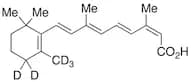
References Zhou, H., et al.: Exp. Ther. Med., 7, 1116 (2014)Formula:C33H40O15Color and Shape:NeatMolecular weight:676.6613-cis-Retinoic Acid-d5
CAS:Controlled ProductStability Light Sensitive, Temperature Sensitive
Applications Used as a treatment for severe acne. Presently being studied in conjuction with the treatment of photoaged skin.
References Lerche, C., et al.: Exp. Dermatol., 17, 972 (2008), Sato, T., et al.: J. Med. Chem., 51, 7705 (2008), Gan, J., et al.: Chem. Res. Toxicol., 22, 690 (2009), Macejova, D., et al.: Toxicol. Lett., 184, 114 (2009), Chen, P., et al.: Toxicol. App. Pharmacol., 234, 143 (2009),Formula:C20D5H23O2Color and Shape:NeatMolecular weight:305.466(3R,S)-Oxidosqualene (>90%)
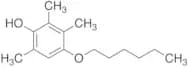
CAS:Controlled ProductFormula:C30H50OPurity:>90%Color and Shape:NeatMolecular weight:426.721-O-Hexyl-2,3,5-trimethylhydroquinone
CAS:Controlled ProductApplications A novel phenolic antioxidant that showed strong antimutagenic activity against eight carcinogenic heterocyclic amines (HCA), produced during cooking processes. Its antimutagenic activity appeared to inhibit both metabolic activation of HCA and action on activated N-Hydroxy species.
References Hirose, M., et al.: Jpn. J. Cancer Res., 84, 481 (1993), Hirsoe, M., et al.: Carcinogenesis, 16, 2, 217 (1995), Hirsoe, M., et al.: Carcinogenesis, 16, 9, 2227 (1995), Hirsoe, M., et al.: Carcinogenesis, 16, 12, 3049 (1995)Formula:C15H26O2Color and Shape:NeatMolecular weight:238.372-Phospho-L-ascorbic Acid Trisodium Salt
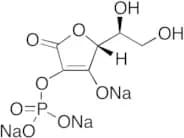
CAS:Controlled ProductApplications 2-Phospho-L-ascorbic Acid Trisodium Salt is a long-lasting vitamin C derivative used in studies of gene repression. Maximizes the benefical properties of vitamins C for personal care and a main active ingredient in medicated cosmetics for whitening. Also, it is substrate in the chromoamperometric method to detect tungsten in water.
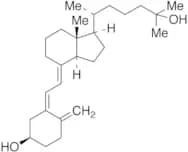
References Fuchihata, M.: Frag. J., 43, 64-68 (2015); Alvarado-Gamez, A. L., et al.: Sens., 15, 2232-2243 (2015);Formula:C6H6Na3O9PColor and Shape:NeatMolecular weight:322.053-epi-25-Hydroxy Vitamin D3
CAS:Stability Light Sensitive, Temperature Sensitive
Applications The epimer metabolite of Calcifediol or 25-hydroxyvitamin D3 (C125700).
Not a dangerous good if item is equal to or less than 1g/ml and there is less than 100g/ml in the package
References Sakaki, T., et al.: Eur. J. Biochem., 267, 6158 (2000), Kamao, M., et al.: J. Biol. Chem., 278, 1463 (2003),Formula:C27H44O2Color and Shape:NeatMolecular weight:400.64Vitamin K1-d7
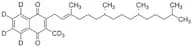
CAS:Controlled ProductStability Light Sensitive, Temperature Sensitive
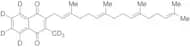
Applications Labelled Vitamin K1 (V676080). Occurs widely in green plants, algae, photosynthetic bacteria.
References Hassan, M.M.A., et al.: Anal. Profiles Drug Subs., 17, 449 (1988), Breton, J., et al.: Biochemistry, 33, 12405 (1994), Dowd, P., et al.: Science, 269, 1684 (1995),Formula:C31H39D7O2Color and Shape:Yellow BrownMolecular weight:457.7410-Formyl-5,6,7,8-tetrahydro Folic Acid Disodium (Technical Grade)
CAS:Controlled ProductStability Hygroscopic, Light Sensitive, Temperature Sensitive
Applications 10-Formyl-5,6,7,8-tetrahydro Folic Acid Disodium Salt is the disodium salt of F701085, which is a Folic Acid (F680300) derivative. Folic Acid is a vitamin needed to synthesize DNA, conduct DNA repair and methylate DNA, it also acts as a cofactor in biological reactions involving folate.10-Formyl-5,6,7,8-tetrahydro Folic Acid Disodium Salt is also used in the diagnosis and prevention and therapy of cerebral folate dificiency in relation to formation of folate receptor autoantibodies and treatment with reduced folate and antioxidants.
References Slieker, L.J., et al.: Mol. Pharmacol., 25, 294-302 (1984); Xu, L., et al.: Mol. Pharm., 7, 1311 (2010); Everette, J., et al.: J. Agric. Food Chem., 58, 8139 (2010); Alshatwi, A., et al.: Food, Chem., Toxicol., 48, 1881 (2010); McKay, D., et al.: Nut. J., 9 (2010)Ramaekers, WO 2006119589, (2006)Formula:C20H23N7O7·2NaColor and Shape:NeatMolecular weight:517.4Secalciferol
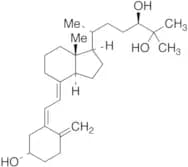
CAS:Controlled ProductStability Light Sensitive, Temperature Sensitive
Applications A metabolite of Vitamin D, a possibly anti-inflammatory steroid.
Not a dangerous good if item is equal to or less than 1g/ml and there is less than 100g/ml in the package
References Boyan, B., et al.: Steroids, 66, 363 (2001), Holick, M., et al.: J. Cell Biochem., 88, 296 (2003), Vogeser, M., et al.: Clin. Chem., 50, 1415 (2004), Singh, R., et al.: J. Clin. Endocrinol. Metab., 91, 3055 (2006),Formula:C27H44O3Color and Shape:NeatMolecular weight:416.64Thyroxine (100% pure T4 reference standard (free of T3))
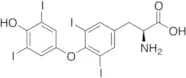
CAS:Applications Thyroxine is one of the thyroid hormones involved in the maintenance of metabolic homeostasis. Synthesized and stored as amino acid residues of thyroglobulin, the major protein component of the thyroid follicular colloid. Synthesis and secretion are regulated by the pituitary hormone (TSH). Deiodinated in peripheral tissues to the active metabolite, liothyronine. The D-form has very little activity as a thyroid hormone, but has been used to treat hyperlipidemia.
References Post, A., et al.: Anal. Profiles Drug Subs., 5, 225 (1976); Nelson, J.C., et al.: Clin. Chem., 34, 1737 (1988); Fischer, D.A., et al.: Clin. Chem., 42, 135 (1996); Cavalieri, R.R., et al.: Thyroid, 7, 177 (1997);Formula:C15H11I4NO4Color and Shape:Off-WhiteMolecular weight:776.87Menaquinone 7, Synthetic (90%)
CAS:Stability Light and Temperature Sensitive
Applications Menaquinones are isoprenoid quinones of the naphthalene series and belongs to the K2 Vitamin homologs. Menaquinones were originally discovered as the anti-hemorrhagic factor and now encompasses a variety of physiological processes. Menaquinone 7 belongs to the class of K2-Vitamins homologs. Menaquinone 7 has been identified as the most bioactive cofactor for the carboxylation reaction of Gla-proteins such as osteocalcin and matrix-Gla protein, which plays a crucial role in building and maintaining overall bone health.
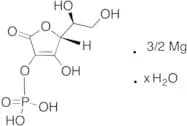
References Hugenholtz, P., et al.: J. Bacteriol., 180, 4765 (1998), Ginet, N., et al.: Biochemistry, 40, 1812 (2001), Cape, J., et al.: J. Biol. Chem., 280, 34654 (2005),Formula:C46H64O2Purity:90%Color and Shape:Light YellowMolecular weight:649.00L-Ascorbic Acid 2-Phosphate Sesquimagnesium Salt Hydrate (~15% Inorganics)
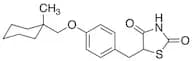
CAS:Controlled ProductFormula:C6H7MgO9PColor and Shape:White To Off-WhiteMolecular weight:278.39Ciglitazone
CAS:Controlled ProductFormula:C18H23NO3SColor and Shape:Off White SolidMolecular weight:333.45D-Glucurono-3,6-lactone
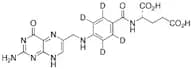
CAS:Controlled ProductFormula:C6H8O6Color and Shape:NeatMolecular weight:176.12Folic Acid-d4
CAS:Controlled ProductApplications A vitamin needed to synthesize DNA, conduct DNA repair and methylate DNA, it also acts as a cofactor in biological reactions involving folate.
References Xu, L., et al.: Mol. Pharm., 7, 1311 (2010), Everette, J., et al.: J. Agric. Food Chem., 58, 8139 (2010), Alshatwi, A., et al.: Food, Chem., Toxicol., 48, 1881 (2010), McKay, D., et al.: Nut. J., 9 (2010),Formula:C192H4H15N7O6Color and Shape:NeatMolecular weight:445.42Thyroxine-13C6
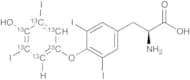
CAS:Applications One of the thyroid hormones involved in the maintenance of metabolic homeostasis. Synthesized and stored as amino acid residues of thyroglobulin, the major protein component of the thyroid follicular colloid. Synthesis and secretion are regulated by the pituitary hormone (TSH). Deiodinated in peripheral tissues to the active metabolite, liothyronine. The D-form has very little activity as a thyroid hormone, but has been used to treat hyperlipidemia.
References Post, A., et al.: Anal. Profiles Drug Subs., 5, 225 (1976), Nelson, J.C., et al.: Clin. Chem., 34, 1737 (1988), Fischer, D.A., et al.: Clin. Chem., 42, 135 (1996), Cavalieri, R.R., et al.: Thyroid, 7, 177 (1997),Formula:C913C6H11I4NO4Color and Shape:White To Light BrownMolecular weight:782.83Dexamethasone Phosphate
CAS:Applications A pro-drug of Dexamethasone (D298800), an anti-inflammatory glucocorticoid. It was found that liposomal DXM-P inhibited both chronic inflammation and joint destruction, whereas free DXM-P failed to prevent joint destruction.
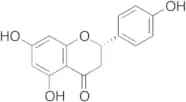
References Kodelja, V., et al.: J. Immunol., 160, 1411 (1998), Metselaar, J., et al.: Arthritis Rheum., 48, 2059 (2003), Buttgereit, F., et al.: Arthritis Rheum., 50, 3408 (2004), Martinez, F., et al.: Front Biosci., 13, 453 (2008),Formula:C22H30FO8PColor and Shape:White To Light BrownMolecular weight:472.44(S)-Naringenin
CAS:Applications (S)-Naringenin, an active flavanone, maintains antioxidative, anti-inflammatory and antitumorigenic activities. Used in the treatment of praquat (PQ)-induced oxidative stress.
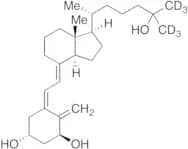
References Podder, B. et al.: J. Microbiol. Biotech., 24, 605 (2014); Abd El Azim, M. et al.: Org. Chem. An Ind. J., 10,410 (2014);Formula:C15H12O5Color and Shape:Light BrownMolecular weight:272.25Calcitriol-d6
CAS:Controlled ProductStability Light Sensitive, Temperature Sensitive
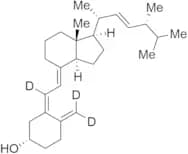
Applications The biologically active form of vitamin D3. Calcium regulator; vitamin (antirachitic); antihyperparathyroid; antineoplastic; antipsoriatic.
Not a dangerous good if item is equal to or less than 1g/ml and there is less than 100g/ml in the package
References Myrtle, J.F., et al.: J. Biol. Chem., 245, 1190 (1970), Lawson, D.E.M., et al.: Nature, 230, 228 (1971), Norman, A.W., et al.: Science, 173, 51 (1971), Suda, T., et al.: Vitamins, 45, 175 (1972), Muindi, J.R., et al.: Clin. Pharmacol. Ther., 72, 648 (2002),Formula:C272H6H38O3Color and Shape:BeigeMolecular weight:422.67Menaquinone 4-D7 (Mixture of cis-trans isomers)
CAS:Controlled ProductFormula:C31H33D7O2Color and Shape:Colourless To Dark YellowMolecular weight:451.69gamma-Tocopherol
CAS:Stability Light Sensitive
Applications One of the naturally occurring forms of Vitamin E. Most abundant Tocopherol in soybean and corn oils.
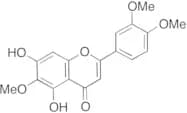
References Emerson, et al.: Science, 83, 421 (1936), Bieri, J.G., et al.: J. Nutr., 104, 850 (1974), Jiang, Q., et al.: Am. J. Clin. Nutr., 74, 714 (2001),Formula:C28H48O2Color and Shape:Light BrownMolecular weight:416.68Eupatilin
CAS:Controlled ProductStability Hygroscopic
Applications Eupatilin maintains anticoagulant and antiplatelet activity isolated from the Artemisia princeps Pampanini flower.
References Ryu, R. et al.: Prev. Nutr. Food Sci., 18, 181 (2013);Formula:C18H16O7Color and Shape:Light Yellow To BeigeMolecular weight:344.32D-γ-Tocotrienol
CAS:Stability Light Sensitive
Applications γ-Tocotrienol exhibits antioxidant properties and belongs to the vitamin E family. It is naturally found in wheat germ oil and bran. In addition, α-tocopherol and γ-tocotrienol derivatives are potential lead compounds for developing anticancer and antiproliferative agents against MCF-7 and MDA-MB-231 breast cancer cells and the A549 lung cancer cells.
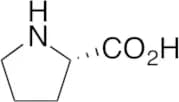
References Gagic, Z., et al.: Eur. J. Pharm. Sci. 88, 59 (2016); Guardiola, F., et al.: Food Chem. Toxicol., 34, 193 (1996); Kong, S., et al.: Food Chem., 120, 278 (2010); Aggarwal, B., et al.: Biochem. Pharmacol., 80, 1613 (2010)Formula:C28H42O2Color and Shape:YellowMolecular weight:410.63L-Proline
CAS:Applications L-Proline is an amino acid and precursor (with vitamin C) for collagen, the building block of the structure of tendons, ligaments, arteries, veins and muscles. It is important in wound healing.
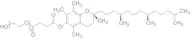
References Bondarenko, L.B., et al.: Int. J. Peptides., 2, 1687 (2012); Rimer, T., et al.: Biomacromolecules, 13, 2110 (2012);Formula:C5H9NO2Color and Shape:NeatMolecular weight:115.13Tocofersolan
CAS:Applications Tocofersolan is a polyethylene glycol derivative of α-Tocopherol (T526125). Tocofersolan is a synthetic water-soluble vitamin E unlike its natural counterpart which are fat soluble. Tocofersolan is used in pediatrics in the treatment vitamin E-deficient cholestatic children. Tocofersolan has potential application as a absorption enhancer in drug delivery systems. Typical batch, n = 21
References Socha, P. et al.: J. Pediatric Gastroenterol. Nutr., 24, 189 (1997); Chang, T. et al.: Clin. Pharmacol. Therap., 59, 297 (1996); Wu, S.H.W. et al.: Pharmac. Technol., 23, 52 (1999);Formula:C33H54O5(C2H4O)nColor and Shape:NeatMolecular weight:574.83






![4-[(5,6,7,8-Tetrahydro-3,5,5,8,8-pentamethyl-2-naphthalenyl)carbonyl]benzoic Acid](/_next/image/?url=https%3A%2Fstatic.cymitquimica.com%2Fproducts%2FTR%2Fthumb-webp%2FT294945.webp&w=3840&q=75)

![4,5-Dihydro-4,5-dioxo-1H-pyrrolo[2,3-f]quinoline-2,7,9-tricarboxylic Acid](/_next/image/?url=https%3A%2Fstatic.cymitquimica.com%2Fproducts%2FTR%2Fthumb-webp%2FD449125.webp&w=3840&q=75)