Nucleosides
Found 3569 products of "Nucleosides"
3'-Amino-5'-O-p-anisoyl-3'-deoxy-D3-thymidine
Controlled Product3'-Amino-5'-O-p-anisoyl-3'-deoxy-D3-thymidine is a novel modified nucleoside that has antiviral and anticancer properties. It is an activator of the DNA polymerase, ribonucleotide reductase, and thymidine kinase enzymes. 3'-Amino-5'-O-p-anisoyl-3'-deoxy-D3-thymidine has been shown to inhibit the growth of human cancer cells in vitro and in vivo.Formula:C18H18N3O7D3Purity:Min. 95%Molecular weight:394.39 g/molCytidine 2',3'-cyclic monophosphate monosodium
CAS:Cytidine 2',3'-cyclic monophosphate monosodium salt is a nucleotide that is used in the synthesis of DNA and RNA. It has antiviral and anticancer properties. Cytidine 2',3'-cyclic monophosphate monosodium salt is a high purity, high quality nucleotide with strong activator properties. It is also an excellent substrate for DNA polymerases, which may be due to its ability to bind to the phosphate groups on the enzyme's active site. This product can be used as a phosphoramidite during DNA synthesis or as an antiviral agent that inhibits viral replication by inhibiting the formation of viral DNA.Formula:C9H11N3O7P•NaPurity:Min. 95%Color and Shape:PowderMolecular weight:327.16 g/molAdenosine 3',5'-cyclic monophosphate
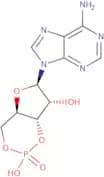
CAS:Second messenger in intracellular signal transduction
Formula:C10H12N5O6PPurity:(%) Min. 95%Color and Shape:White PowderMolecular weight:329.21 g/moltrans-Zeatin Riboside
CAS:Cytokinins are plant hormones involved in developmental processes and in the modulation of plant immune system. Zeatin was identified as the first naturally occurring cytokinin from the endosperm of corn (latin: Zea mays). Water-soluble trans-Zeatin Riboside is a major long-distance signaling molecule in xylem vessels and its action depends on metabolic conversion in proximity to the site of action. Trans-Zeatin Riboside is a powerful agent used in horticulture to improve shoot growth or to induce callus formation (e.g. in tomato). It is used for plant regeneration from leaf explants (e.g. in potato) and for the direct initiation of shoot cultures from bract axils of many plant species.Formula:C15H21N5O5Molecular weight:351.37 g/molRef: 3D-Z-3000
1gTo inquire50mgTo inquire250mgTo inquire500mgTo inquire2500mgTo inquire-Unit-ggTo inquire5'-(Furan-2-yl)-2’-O-methyluridine
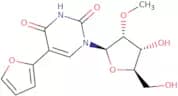
CAS:5'-(Furan-2-yl)-2’-O-methyluridine is a modified nucleoside that is used as an antiviral agent. It is a monophosphate nucleotide analog and has been shown to be active against HIV, herpes simplex virus, cytomegalovirus, and Epstein Barr virus. 5'-(Furan-2-yl)-2’-O-methyluridine is synthesized by the phosphoramidite method and has high purity and quality. The CAS number for this compound is 2095417-32-4.Purity:Min. 95%S-(5'-Adenosyl)-L-homocysteine dihydrate
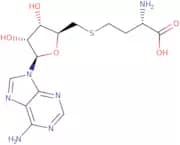
CAS:S-(5'-Adenosyl)-L-homocysteine dihydrate is the active form of homocysteine. It has been shown to inhibit the growth of HL-60 cells and induce apoptosis in these cells. S-(5'-Adenosyl)-L-homocysteine dihydrate binds to dsDNA as a methyltransferase inhibitor, which leads to DNA methylation and inhibits DNA binding. The inhibition of DNA binding prevents transcription, leading to cell death. This drug has also been shown to have an anti-atherosclerotic effect in a model system by inhibiting the adenosine receptor.Formula:C14H20N6O5S•(H2O)2Purity:Min. 98 Area-%Color and Shape:PowderMolecular weight:420.44 g/molThymidine
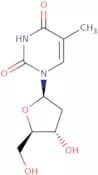
CAS:Thymidine, also known as deoxythymidine (dT), is a pyrimidine deoxynucleoside that pairs with deoxyadenosine (dA) in a double stranded DNA. It’s used as a biochemical modulator of antimetabolites such as 5-fluorouracil (5-FU), 1-beta-D-arabinofuranosylcytosine (Cytarabine) and methotrexate (MTX) in cancer therapy. It’s also the enantiomer of telbivudine, an antiviral drug used to treat hepatitis B virus (HBV) infection.
Formula:C10H14N2O5Purity:Min. 99.0 Area-%Color and Shape:White PowderMolecular weight:242.23 g/mol3'-Amino-2',3'-dideoxyinosine
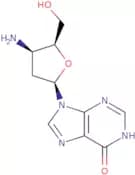
CAS:3'-Amino-2',3'-dideoxyinosine acts as a chain terminator in DNA synthesis due to the absence of a 3'-hydroxyl group. The 3'-amino group allows for the attachment of various molecules to the 3' end of oligonucleotides, and the inosine base introduces the potential for wobble base pairing, making it a specialized tool for research and potential diagnostic applications.Formula:C10H13N5O3Purity:Min. 95%Molecular weight:251.24 g/mol5'-(Furan-2-yl)-5'-O-DMT-2’-O-methylcytidine
CAS:5'-(Furan-2-yl)-5'-O-DMT-2’-O-methylcytidine is a high purity phosphoramidite, deoxyribonucleoside, and ribonucleoside that can be used in the synthesis of antiviral drugs, anti-cancer agents, and nucleotides. 5'-(Furan-2-yl)-5'-O-DMT-2’-O-methylcytidine has been shown to inhibit the growth of various cancer cells. This product also belongs to a novel class of synthetic nucleosides that can be modified with fluorine or other substituents at any position on the sugar ring.Purity:Min. 95%4’-C-Methyl-4-deoxyuridine
CAS:4’-C-Methyl-4-deoxyuridine is an antiviral and anticancer drug that belongs to the group of nucleosides. It has shown novel anti-tumor activities in vitro and in vivo, as well as antiviral effects against herpes simplex virus type 1 (HSV-1) and type 2 (HSV-2). 4’-C-Methyl-4-deoxyuridine is a modified nucleoside that is synthesized from uridine. It has been shown to inhibit viral replication by inhibiting viral DNA synthesis. This drug also inhibits the multiplication of tumor cells by inhibiting DNA synthesis. The product is high purity, high quality, and CAS No. 1064364-21-1.Purity:Min. 95%3'-Deoxy-3'-fluoro-5'-O-toluoylthymidine
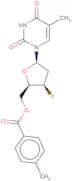
3'-Deoxy-3'-fluoro-5'-O-toluoylthymidine is a nucleoside that can be used as an antiviral and anticancer agent. It is structurally similar to thymidine, but differs by the replacement of a hydrogen atom at position 3 with a fluorine atom. The replacement of this hydrogen atom with a fluorine atom results in the removal of hydroxyl group from the 5' carbon position on the sugar ring, which is then converted into an ester moiety. 3'-Deoxy-3'-fluoro-5'-O-toluoylthymidine has been shown to inhibit DNA replication, RNA transcription and protein synthesis. This nucleoside also has been found to stimulate apoptosis in cancer cells by inhibiting DNA replication.Formula:C18H19FN2O5Purity:Min. 95%Molecular weight:348.43 g/molKinetin riboside
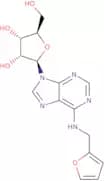
CAS:Kinetin is a plant hormone that regulates cell proliferation and differentiation. Kinetin riboside is a derivative of kinetin in which the ribose moiety has been converted to ribosyl-ribitol. Kinetin riboside has shown the ability to inhibit cancer cells by inducing apoptosis, which may be related to its ability to inhibit cyclin D2 and mitochondrial membrane potential. In addition, kinetin riboside has been shown to protect against oxidative stress and decrease mitochondrial function in cells. This compound may have therapeutic potential for cancer treatment and other diseases caused by oxidative stress or mitochondrial dysfunction.Formula:C15H17N5O5Purity:Min. 98 Area-%Color and Shape:White PowderMolecular weight:347.33 g/mol8-Allyloxyadenosine
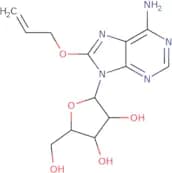
CAS:8-Allyloxyadenosine is a novel adenine nucleoside analog. It is an activator of ribonucleosides and deoxyribonucleosides, which can be used as a phosphoramidite for the synthesis of oligodeoxynucleotides. The 8-Allyloxyadenosine has been studied for its anticancer and antiviral properties, with promising results in animal studies. In addition, it has been shown to have anti-inflammatory effects in mice.
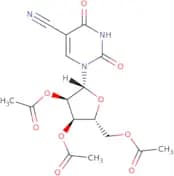
Purity:Min. 95%2’,3’,5’-Tri-O-acetyl-5-cyanouridine
CAS:2’,3’,5’-Tri-O-acetyl-5-cyanouridine is a novel modified nucleoside that can be used as an antiviral agent. It has been shown to inhibit the replication of HIV and herpes simplex virus, and it also inhibits tumor growth in animal models. The drug is synthesized by the chemical reaction of 5-aminoimidazole with 2’,3’,5’-triphosphate uridine monophosphate. 2’,3’,5’-Tri-O-acetyl-5-cyanouridine has been shown to bind to ribonucleosides and deoxyribonucleosides with high affinity and specificity. This drug may be useful for the treatment of cancer or for the prevention of viral infection.Purity:Min. 95%2'-O-Methylcytidine
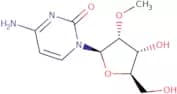
CAS:2'-O-Methylcytidine is a nucleoside with a hydroxyl group on the 2' carbon. The hydroxyl group makes it an effective inhibitor of viral replication, and it has been shown to be active against HIV-1 in cell culture. 2'-O-Methylcytidine is also metabolized by nucleotide salvage pathways, and the metabolic response can be studied using proton nuclear magnetic resonance (NMR) spectroscopy and x-ray diffraction data. It has been found that 2'-O-Methylcytidine inhibits protein synthesis in cancer cells, and this may be due to its ability to bind to the response element on DNA.
Formula:C10H15N3O5Purity:Min. 95%Color and Shape:White PowderMolecular weight:257.24 g/molCytidine
CAS:Cytidine is a pyrimidine nucleoside that is important in the synthesis of RNA and DNA. Cytidine deaminase is an enzyme that catalyzes the conversion of cytidine to uridine. Cytidine deaminase has been shown to be inhibited by its substrate, cytidine, and by other compounds that are structurally similar to cytidine such as uracil, thymine, and guanine. Cytidine deaminase has been shown to have a role in the development of autoimmune diseases and HIV infection. This enzyme also has an important role in the polymerization of DNA during replication. Cytidine can be used for transfection experiments and to inhibit viral replication.Formula:C9H13N3O5Purity:Min. 99 Area-%Molecular weight:243.22 g/mol5'-O-Benzoyl-2'-deoxyuridine 3'-CE phosphoramidite
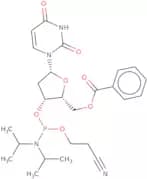
5'-O-Benzoyl-2'-deoxyuridine 3'-CE phosphoramidite is an anticancer drug that inhibits viral and tumor DNA synthesis. It is a nucleoside monophosphate with antiviral and antitumor activities. The compound is synthesized by coupling a benzoyl group to 5'-O-DMT-2'-deoxyuridine 3'-phosphate, followed by the addition of a triethylammonium salt group. The phosphoramidite is then reacted with 2,4,6-trichlorophenylisocyanate to produce the final product. This product has a CAS number of 86825-34-1.Formula:C25H33N4O7PPurity:Min. 95%Molecular weight:532.54 g/mol7-Methyl-2'-deoxywyosine
7-Methyl-2'-deoxywyosine is a nucleoside analogue that inhibits the growth of cells by interfering with DNA replication. It is a modified form of deoxywyosine, which is the natural precursor of DNA and RNA. 7-Methyl-2'-deoxywyosine has antiviral activity against herpes simplex virus type 1 (HSV-1) and human cytomegalovirus (CMV). This compound has shown anticancer activity in vivo and in vitro, as well as high purity and quality.Purity:Min. 95%N6-Methyl-2'-O-methyladenosine
CAS:N6-Methyl-2'-O-methyladenosine is a nucleoside that is found in DNA. In some cases, the methyl group in this molecule can be modified, which can change its biological activity. N6-Methyl-2'-O-methyladenosine has been shown to reduce the severity of bowel disease and myocardial infarcts in experimental models. The structural analysis of vessels from patients with atherosclerosis revealed that this molecule inhibits vascular calcification. It also decreases expression of MMP-9, a protein involved in nephropathy and diabetic kidney disease. N6-Methyl-2'-O-methyladenosine is able to inhibit the development of vascular injury by blocking the activation of cells and reducing inflammation through pharmacological agents that are used in experimental models for blood vessel injury.Formula:C12H17N5O4Purity:Min. 97 Area-%Color and Shape:White PowderMolecular weight:295.29 g/mol3'-Amino-5'-O-p-anisoyl-2',3'-dideoxyuridine
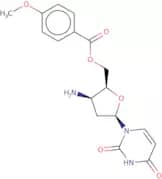
3'-Amino-5'-O-p-anisoyl-2',3'-dideoxyuridine is a novel compound that has been synthesized. This compound is a diphosphate, which can be used as an activator for the synthesis of modified nucleosides and antiviral agents. It is also a DNA phosphoramidite, which can be used in the synthesis of oligonucleotides with high purity and high quality.
Formula:C17H19N3O6Purity:Min. 95%Molecular weight:361.35 g/mol2'-O-Methyl-5-propynyluridine
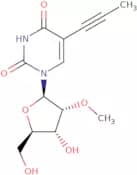
CAS:2'-O-Methyl-5-propynyluridine is a nucleoside that is selective to bacterial DNA. It has been shown to inhibit the binding of RNA polymerase and DNA gyrase, as well as the synthesis of RNA and DNA. This nucleoside also inhibits the formation of triplexes in vitro with oligonucleotides complementary to sequences in the 16S ribosomal RNA gene. 2'-O-Methyl-5-propynyluridine has been used for the measurement of RNA polymerase activity in bacteria, and its affinity for triplexes can be measured by gel shift assay.Formula:C13H16N2O6Purity:Min. 95%Color and Shape:PowderMolecular weight:296.28 g/molN6-Benzoyl-2'-O-methyladenosine
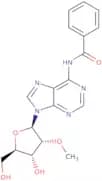
CAS:N6-Benzoyl-2'-O-methyladenosine is a nucleoside that is chemically synthesized. It has been shown to be an inhibitor of the polyhedrosis virus, which causes an infectious disease in silkworms. N6-Benzoyl-2'-O-methyladenosine also inhibits viral replication by interfering with the synthesis of messenger RNA. This compound can be used as a silver nitrate or silver salt prodrug for treating diseases caused by viruses and bacteria. This drug is not active against DNA viruses because it does not possess phosphate groups on its structure.Formula:C18H19N5O5Purity:Min. 95%Color and Shape:PowderMolecular weight:385.37 g/molAdenosine 5′-phosphosulfate sodium salt
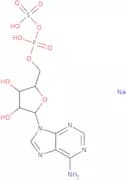
CAS:Adenosine 5′-phosphosulfate sodium salt has been used quantify pyrophosphate and in enzyme-linked bioluminescence assay for adenosine triphosphate (ATP)Formula:C10H14N5O10PSPurity:Min. 90 Area-%Color and Shape:PowderMolecular weight:427.29 g/mol3'-Azido-N4-benzoyl-5'-O-tert-butyldimethylsilyl-2',3'-dideoxycytidine
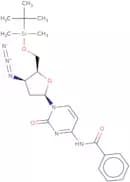
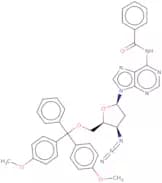
CAS:3'-Azido-N4-benzoyl-5'-O-tert-butyldimethylsilyl-2',3'-dideoxycytidine is a novel nucleoside phosphoramidite that has been modified to have an azido group at the 3' position and a benzoate group at the 5' position. This product can be used for the synthesis of oligonucleotides and DNA. The purity of this product is high, and it has been shown to be active against cancer cells. In addition, this product is resistant to antiviral agents such as HIV.Formula:C22H30N6O4SiPurity:Min. 95%Molecular weight:470.61 g/mol3'-Azido-N6-benzoyl-5'-O-DMT-2',3'-dideoxyadenosine
3'-Azido-N6-benzoyl-5'-O-DMT-2',3'-dideoxyadenosine is a nucleoside analog and activator that inhibits the replication of DNA. It is a novel antiviral drug that has antiproliferative properties and may be useful in the treatment of cancer. 3'-Azido-N6-benzoyl-5'-O-DMT-2',3'-dideoxyadenosine is synthesized by reacting an activated phosphoramidite with 2',3'-dideoxyadenosine monophosphate to produce 3',5' dideoxythymidine 5'-monophosphate, which is then converted to 3',5' dideoxyuridine 5'-monophosphate. The last step involves the conversion of 3',5' dideoxyuridine 5'-monophosphate to 3' azidouridine 5'-monophFormula:C38H34N8O5Purity:Min. 95%Molecular weight:682.73 g/mol2'-O-Acetyl-5'-O-benzoyl-3'-deoxy-3'-C-methyluridine
CAS:2'-O-Acetyl-5'-O-benzoyl-3'-deoxy-3'-C-methyluridine is a synthetic analog of the antiviral agent 5'-O-benzoyl-2'-O-acetyl-3'-deoxyadenosine (BAEA). BAEA is a nucleoside that functions as an activator, which stimulates the activity of ribonucleosides. BAEA has been shown to inhibit the replication of HIV and other viruses, and may be useful in treating cancer or other diseases. 2'-O-Acetyl-5'-O-benzoyl-3'-deoxy-3'-C methyluridine has been shown to have antiviral properties against herpes simplex virus type 1 (HSV1) and HSV2 and cytomegalovirus (CMV), with higher activity against CMV than BAEA. This compound may also be used in the development of new anticFormula:C19H20N2O7Purity:Min. 95%Molecular weight:388.37 g/mol5'-Amino-2',5'-dideoxy-2'-fluorouridine
5'-Amino-2',5'-dideoxy-2'-fluorouridine is an antiviral drug that is synthesized from the natural compound 5'-deoxy-5'-amino-2',5'-dideoxyuridine. The modified deoxyribonucleosides are activated by phosphorylation and can be incorporated into DNA by DNA polymerase, which prevents viral replication. The monophosphate form of this compound is used in cancer chemotherapy to inhibit the synthesis of RNA and proteins necessary for cell division. 5'-Amino-2',5'-dideoxy-2'-fluorouridine has been shown to be a potent anticancer agent, with activity against a variety of human tumor cell lines.
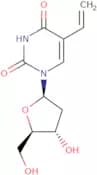
Purity:Min. 95%2-Deoxy-5-vinyluridine
CAS:2-Deoxy-5-vinyluridine (5-VUdR) is a chemical compound that has been shown to cause a mutation in the DNA of herpes simplex virus. The compound is then incorporated into the viral DNA and replicated with each new cell division, leading to mutations in the sequence of its genome. This mutation can either be lethal or nonlethal, depending on how it affects the function of the virus. 5-VUdR has also been shown to affect cancer cells by inhibiting their growth and causing them to undergo apoptosis. This chemical compound also has an effect on animals and humans, as it alters body mass index and causes weight loss. It does this by preventing replication of DNA in cells that produce insulin, which leads to low insulin levels and decreased appetite.END>
Formula:C11H14N2O5Purity:Min. 95%Color and Shape:PowderMolecular weight:254.24 g/molN7-Methylguanosine
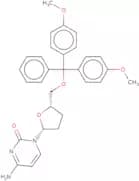
CAS:N-7-Methylguanosine is a nucleotide that has potent anti-viral activity. It inhibits viral replication by binding to the effector proteins of a virus and preventing translation, transcriptional regulation, and other biochemical processes. N7-Methylguanosine also binds to the x-ray crystal structures of the viral genome and blocks the binding of RNA polymerase to DNA. This drug can be used as an antiviral agent for the treatment of HIV infection and hepatitis B infection. N7-Methylguanosine is not active against some viruses such as herpes simplex virus type 1 or 2, influenza virus type A/B, or rhinovirus type 2. N7-Methylguanosine has been shown to have an effect on body mass index in humans by reducing weight gain in patients with metabolic syndrome. It also has an enzyme form that can be used for therapeutic use in human serum.Formula:C11H15N5O5Purity:Min. 95%Color and Shape:White PowderMolecular weight:297.27 g/mol2',3'-Dideoxy-5'-O-DMT-cytidine
CAS:2',3'-Dideoxy-5'-O-DMT-cytidine is a chemically modified cytidine nucleoside which can be used in synthetic chemistry, especially in nucleic acid synthesis. A dimethoxytrityl (DMT) protecting group is attached to the 5'-oxygen of the sugar. This is not biologically active, but it’s commonly used in solid-phase oligonucleotide synthesis to protect the 5' end during step-by-step DNA or RNA construction.Formula:C30H31N3O5Purity:Min. 95%Color and Shape:PowderMolecular weight:513.6 g/molDMT-2'-OMe-pseudouridine phosphoramidite
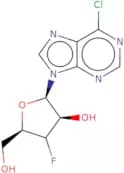
DMT-2'-OMe-pseudouridine phosphoramidite is an antiviral, anticancer, and DNA synthesis inhibitor. It has been used in the synthesis of oligonucleotide probes for sequencing and hybridization studies. DMT-2'-OMe-pseudouridine phosphoramidite is a modified nucleoside that is used as a building block for the synthesis of DNA. This compound is synthesized from 2'-deoxy-5-methyluridine and dimethoxytrityl chloride. DMT-2'-OMe-pseudouridine phosphoramidite inhibits the synthesis of RNA and DNA by binding to ribonucleotides and deoxyribonucleotides during the polymerization reaction, thereby blocking the progression of the reaction.Purity:Min. 95%6-Chloro-3'-deoxy-3'-fluoroinosine
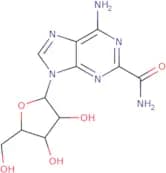
6-Chloro-3'-deoxy-3'-fluoroinosine (6-Cl-dF) is an analog of the nucleotide base, adenosine. It has been shown to be effective in the treatment of cancer and HIV infections. 6-Cl-dF inhibits DNA synthesis by inhibiting the activity of ribonucleotide reductase and DNA polymerase, which are enzymes that are required for DNA replication. 6-Cl-dF has been shown to inhibit viral replication by blocking reverse transcriptase (an enzyme necessary for viral replication). This drug has also been shown to have antiangiogenic properties.Formula:C10H10ClFN4O3Purity:Min. 95%Molecular weight:288.66 g/molAdenosine-2-carboxamide
CAS:Adenosine-2-carboxamide (ACA) is a potent and selective adenosine A2A receptor ligand with high affinity and selectivity. This drug has been shown to be a competitive antagonist of the adenosine A2A receptor with an IC50 of 0.8 nM and was highly selective for this receptor over the other adenosine receptors. ACA has also been shown to inhibit binding of radioligands to the adenosine A2A receptor in functional assays, as well as improve binding activity in cell-based assays. These results were confirmed by in silico studies that showed ACA to have high binding affinity, low off-target activity, and good pharmacokinetic properties.Purity:Min. 95%Cytidine 5'-monophosphate free acid
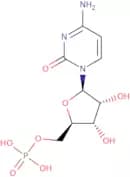
CAS:Cytidine 5'-monophosphate is a nucleotide that is important in the synthesis of DNA and RNA. It is a precursor to uridine monophosphate (UMP) and uridylic acid (UDP). Cytidine 5'-monophosphate has been found to inhibit the growth of antibiotic-resistant strains of bacteria, such as those resistant to ampicillin, chloramphenicol, tetracycline, kanamycin, and streptomycin. Cytidine 5'-monophosphate also has inhibitory properties against energy metabolism and protein oxidation in bowel disease. This nucleotide has been shown to increase the rate constant for polymerase chain reaction (PCR) by up to 10-fold.Formula:C9H14N3O8PPurity:Min. 98 Area-%Color and Shape:White Off-White PowderMolecular weight:323.2 g/molN6-Acetyladenosine
CAS:N6-Acetyladenosine is a nucleoside that belongs to the group of N-acetylated adenosines. It is found in thermophilic organisms and has been shown to be involved in optimal growth. N6-Acetyladenosine has also been found to be an important part of the coding and population modifications of crenarchaeota, archaeal organisms that are phylogenetically related to methanogens. Unfractionated populations of methanogen contain both N6-acetyladenosine residues and other modified adenosines, with each organism differing in the types of modifications they contain. Transfer of these modified adenosines from one organism to another can lead to changes in their coding and population modifications.Formula:C12H15N5O5Purity:Area-% Min. 90 Area-%Color and Shape:White PowderMolecular weight:309.28 g/mol3'-Azido-2',3'-dideoxyadenosine
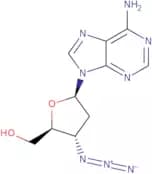
CAS:Also known as 3′-azido-ddA, displays potent antiviral activity in primary human lymphocytes and HeLa and T-cell lines. It has particular activity againstinst H.ns.Formula:C10H12N8O2Purity:Min. 95%Color and Shape:PowderMolecular weight:276.26 g/mol3'-Azido-3'-deoxy-b-L-cytidine
CAS:3'-Azido-3'-deoxy-b-L-cytidine is a novel nucleoside that has been shown to be an activator of the ribonuclease activity of purified RNase A in vitro. This product is suitable for use in synthesis of oligodeoxynucleotides and phosphoramidites. 3'-Azido-3'-deoxy-b-L-cytidine can be used as a potential anticancer drug or antiviral agent.Purity:Min. 95%5’-O-Acetyl-5-acetyloxymethyluridine
CAS:5’-O-Acetyl-5-acetyloxymethyluridine is an activated nucleoside that is a phosphoramidite. It can be used in the synthesis of oligonucleotides and has antiviral, anticancer, and antiretroviral activities. This product is a novel compound that can be used to synthesize high quality deoxyribonucleosides and diphosphate ribonucleosides. 5’-O-Acetyl-5-acetyloxymethyluridine is an activator for DNA polymerases and RNA polymerases with a high degree of purity.Formula:C14H18N2O9Purity:Min. 95%Molecular weight:358.3 g/molN2,2'-O-Dimethylguanosine
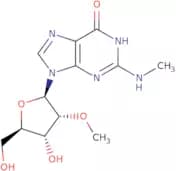
CAS:N2,2'-O-Dimethylguanosine is a nucleoside that belongs to the category of modified bases. It is synthesized from adenosine and a methyl group by a mutant strain of Escherichia coli. N2,2'-O-Dimethylguanosine can be identified by its characteristic UV-visible spectrum and high retention time on chromatographic columns. It has been shown to inhibit translation in E. coli at concentrations as low as 1 mM and also inhibits growth rate at concentrations as low as 2 mM. The chemical structure of this compound is similar to that of guanosine, but it contains an extra methyl group on its 2' carbon atom. This chemical modification may result in changes in the way the molecule interacts with other molecules or how it functions in the cell. N2,2'-O-Dimethylguanosine was first identified from a mutant strain of Escherichia coli that had been subjected to mutagenesisFormula:C12H17N5O5Purity:Min. 95%Molecular weight:311.29 g/mol2'-O-cyanoethyoxymethyl-5'-O-DMT-adenosine
2'-O-cyanoethyoxymethyl-5'-O-DMT-adenosine is a novel nucleoside analog that belongs to the group of cytidine analogs. It has antiviral activity, which is due to its ability to inhibit viral replication by disrupting the synthesis of viral RNA. This drug is an activator and can be used for cancer treatment. 2'-O-cyanoethyoxymethyl-5'-O-DMT-adenosine binds to ribonucleosides and deoxyribonucleosides, preventing their incorporation into DNA or RNA. It also inhibits the biosynthesis of RNA and DNA, which leads to cell death in tumor cells.Purity:Min. 95%N6,N6,2'-O-Trimethyladenosine
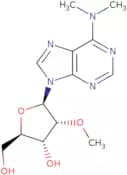
CAS:N6,N6,2'-O-Trimethyladenosine is a nucleoside that is found in small quantities in human tissues. It is synthesized by the enzyme polymerase from adenosine and S-adenosyl-L-methionine. N6,N6,2'-O-Trimethyladenosine is structurally similar to guanosine and cytidine and can be modified by nature or synthetic strategies. N6,N6,2'-O-Trimethyladenosine has been shown to have effects on fertility and may be involved in epigenetics as well as tuberculosis. Its role as an epigenetic marker for gene regulation has not been fully determined.Formula:C13H19N5O4Purity:Min. 88 Area-%Color and Shape:White PowderMolecular weight:309.32 g/mol4’,5’-Didehydro-2’-O-(2-methoxyethyl)-5-methyluridine
CAS:4’,5’-Didehydro-2’-O-(2-methoxyethyl)-5-methyluridine (DdeO) is a novel phosphoramidite that is synthesized from 2’,3’-dideoxycytidine. It is used in DNA synthesis and as an antiviral and anticancer agent. DdeO has shown to be a potent activator of the p53 tumor suppressor gene and inhibits the proliferation of human cancer cells by inhibiting the activity of DNA polymerase alpha. DdeO also inhibits viral replication by interfering with viral DNA synthesis.Purity:Min. 95%4’-C-Methyl-N6-methyladenosine
CAS:4’-C-Methyl-N6-methyladenosine (4’-MeA) is a novel, synthetic nucleoside that has antiviral activity. It is a phosphoramidite nucleoside that is modified by the methylation of the adenosine moiety to give it antiviral activity. 4’-MeA can be used as an activator for oligonucleotide synthesis and as a potential anticancer drug.Purity:Min. 95%2'-Deoxy-5'-DMT-5-(prop-2-yn-1-ylcarbamoyl)uridine 3'-CE phosphoramidite
2'-Deoxy-5'-DMT-5-(prop-2-yn-1-ylcarbamoyl)uridine 3'-CE phosphoramidite is a diphosphate nucleoside that is used in the synthesis of DNA. It has been modified with an acetyl group at the 2' position and a propargylamine group at the 5' position. This modification improves its stability to hydrolysis by esterases and also increases binding affinity for cationic lipids. The purified material is suitable for use in a variety of DNA syntheses, including PCR amplification, gene cloning, and site-directed mutagenesis.Purity:Min. 95%2-Amino-9-(3',5'-di-O-acetyl-2'-O-methyl-b-D-ribofuranosyl)-6-chloropurine
CAS:2-Amino-9-(3',5'-di-O-acetyl-2'-O-methyl-b-D-ribofuranosyl)-6-chloropurine (PMID: 24840114) is a novel nucleoside analog with potent anticancer, antiviral and antimalarial activities. PMID: 24840114Purity:Min. 95%5’(R)-C-Methyl-5-fluorouridine
5’(R)-C-Methyl-5-fluorouridine is a nucleoside that has been shown to activate both ribonucleosides and deoxyribonucleosides. 5’(R)-C-Methyl-5-fluorouridine is a novel nucleotide with the potential to be used in anticancer therapy. It can be used as a building block for DNA synthesis, as well as being able to act as an anticancer drug by inhibiting the growth of cancer cells. This product is made from high quality raw materials and has a purity of at least 98%. It is available in powder form.Purity:Min. 95%Isocytidine
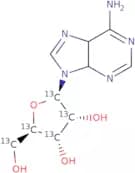
CAS:Isocytidine, also known as 2-amino-1-β-D-ribofuranosyl-4(1H)-pyrimidinone, have broad antitumor activity targeting indolent lymphoid malignancies.Formula:C9H13N3O5Purity:Min. 95%Color and Shape:PowderMolecular weight:243.22 g/mol1', 2', 3', 4', 5'- ¹³C5-Adenosine
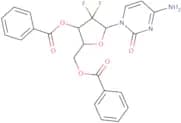
CAS:1', 2', 3', 4', 5'- ¹³C5-Adenosine is adenosine which has all five carbon atoms of the ribose sugar replaced with the stable isotope carbon-13 (^13C). Possible applications are in proteomics studies.Formula:C5C5H13N5O4Purity:Min. 97 Area-%Color and Shape:White PowderMolecular weight:272.2 g/mol3',5'-Di-O-benzoyl-gemcitabine - Bio-X ™
CAS:3',5'-Di-O-benzoyl-2'-deoxy-2',2'-difluorocytidine is a nucleoside analog, which is metabolized to its active form, 2',2'-difluoro-3'-O-methylcytidine. 3',5'-Di-O-benzoyl-2'-deoxy-2',2'-difluorocytidine has been shown to be a potent inhibitor of human tumor cell growth and is also effective in stimulating antitumor immunity. This drug binds to the DNA of cells and prevents transcription and replication.Formula:C23H19F2N3O6Purity:Min. 95%Color and Shape:PowderMolecular weight:471.41 g/mol