Nucleosides
Nucleosides are fundamental building blocks of nucleic acids, composed of a nitrogenous base attached to a sugar molecule. In this section, you can find a wide variety of nucleosides essential for research in molecular biology, biochemistry, and pharmacology. These compounds play crucial roles in the synthesis of DNA and RNA, and are also vital in various metabolic processes. Nucleosides are used in studying genetic material, developing antiviral and anticancer therapies, and understanding cellular mechanisms. At CymitQuimica, we provide high-quality nucleosides to support your research and development needs, ensuring purity and reliability for your experimental applications.
Found 3567 products of "Nucleosides"
Sort by
Purity (%)
0
100
|
0
|
50
|
90
|
95
|
100
2'-Deoxy-N2-Isobutyryl-3',5'-O-(1,1,3,3-tetraisopropyl-1,3-disiloxanediyl)guanosine
<p>2'-Deoxy-N2-isobutyryl-3',5'-O-(1,1,3,3-tetraisopropyl-1,3-disiloxanediyl)guanosine (TIG) is a nucleoside and ribonucleoside analog that has antiviral activity. It is synthesized from 2'-deoxyguanosine by the introduction of an isobutyryl moiety at the C2 position and a 1,1,3,3-tetraisopropyl group at the 3' hydroxyl position. TIG is an activator of DNA polymerase β with high quality and high purity and can be used for the synthesis of oligodeoxynucleotide phosphoramidites. TIG can be used to synthesize DNA or RNA molecules with deoxyribonucleosides or modified nucleotides.</p>Purity:Min. 95%5-Hydroxy-DC CEP
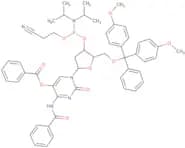
CAS:<p>Please enquire for more information about 5-Hydroxy-DC CEP including the price, delivery time and more detailed product information at the technical inquiry form on this page</p>Formula:C53H56N5O10PPurity:Min. 95%Molecular weight:954 g/mol2'-Deoxy-5'-O-DMT-guanosine-(iBu)-succinyl CPG 1400 Å
<p>2'-Deoxy-5'-O-DMT-guanosine-(iBu)-succinyl CPG 1400 Å is an antiviral, anticancer, and high purity monophosphate of 2'-deoxy-5'-O-DMT-guanosine. It is a novel nucleoside with a modified phosphate group. This product can be used to synthesize DNA and RNA, as well as in the treatment of cancer.</p>Purity:Min. 95%2',3',5'-Tri-O-acetylcytidine HCl
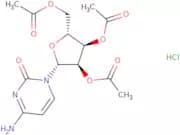
CAS:<p>2',3',5'-Tri-O-acetylcytidine HCl is a modified nucleoside that has been shown to have anticancer activity. The cytotoxic effect of 2',3',5'-tri-O-acetylcytidine HCl is mediated by its ability to inhibit DNA synthesis, which leads to cell death. This agent also inhibits viral replication and may be useful in the treatment of herpes virus infections. 2',3',5'-tri-O-acetylcytidine HCl is a stable nucleoside analog that can be used as an activator for polyphosphate polymerase or as a building block for the preparation of phosphoramidites, which are intermediates in the synthesis of oligonucleotide sequences.</p>Formula:C15H19N3O8·HClPurity:Min. 95%Molecular weight:405.79 g/mol5'-O-DMT-cytidine
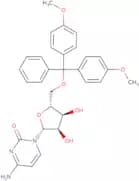
CAS:<p>5'-O-DMT-cytidine is a modified nucleoside that is used as an activator for phosphoramidites and as a building block for DNA, RNA, and other nucleic acids. 5'-O-DMT-cytidine has been shown to have anticancer and antiviral properties in laboratory tests. It is also known to inhibit the replication of HIV virus by blocking the reverse transcriptase enzyme. The compound is available with high purity and high quality. This product can be synthesized into a diphosphate, monophosphate or ribonucleotide form.</p>Formula:C30H31N3O7Purity:Min. 95%Molecular weight:545.58 g/molS-Adenosyl-L-methionine
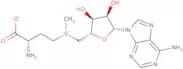
CAS:<p>S-Adenosyl-L-methionine (SAM-e) is a co-substrate involved in methyl group transfer to nucleic acids, proteins and lipids. SAM-e is produced in the liver from adenosine triphosphate (ATP) and methionine by action of the enzyme methionine adenosyltransferase. Therapeutic use of S-adenosyl-L-methionine includes osteoarthritis, liver disease and major depressive disorder. S-Adenosyl-L-methionine is available as a dietary supplement.</p>Formula:C15H22N6O5SPurity:Min. 95%Color and Shape:White PowderMolecular weight:398.44 g/mol2-Thiopseudouridine
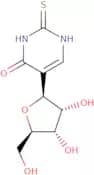
CAS:<p>2-Thiopseudouridine is a heterocyclic nucleoside that is used as a building block for the synthesis of natural products. 2-Thiopseudouridine is prepared by a two-step process involving the desymmetrization of pseudoisocytidine and the formation of an aminopyrimidinone. The desymmetrization reaction proceeds with high stereoselectivity to yield the desired product in high yields. Other carbocyclic nucleosides can be synthesized from 2-thiopseudouridine, such as 2-thienopyrrole and 2-pyrroline.</p>Formula:C9H12N2O5SPurity:Min. 95%Color and Shape:SolidMolecular weight:260.27 g/mol1-Hydroxyethyl-2'-deoxyadenosine
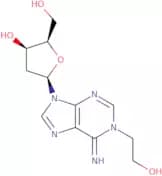
CAS:<p>1-Hydroxyethyl-2'-deoxyadenosine (1HEDA) is an antiviral drug that inhibits the synthesis of viral DNA by blocking the formation of a ribonucleoside triphosphate intermediate. 1HEDA is a novel monophosphate nucleoside that has been modified to be resistant to phosphodiesterase enzymes and can be used as a chemotherapeutic agent for cancer. 1HEDA has been shown to have anticancer activity in vitro, in vivo, and in human clinical trials.</p>Formula:C12H17N5O4Purity:Min. 95%Molecular weight:295.29 g/molGuanosine 5'-[γ-thio]triphosphate tetralithium
CAS:<p>Guanosine 5'-[γ-thio]triphosphate tetralithium (GTPγS) is a guanine nucleotide analog that has been shown to modulate the signal transduction pathway in many types of cells. GTPγS activates the extracellular signal-transducing receptor kinase and phospholipase C, which are involved in cellular proliferation and differentiation. This agent also blocks calcium channels, thereby inhibiting neuromuscular transmission. It has been shown to be effective against pertussis toxin and other agents that block G protein coupling by inhibiting adenylate cyclase. In addition, GTPγS inhibits staurosporin-sensitive K+ channels in some neuronal cells, but not those that are insensitive to this blocker.</p>Formula:C10H12Li4N5O13P3SPurity:Min. 90 Area-%Color and Shape:PowderMolecular weight:562.98 g/molGuanylyl-3'-5'-uridine ammonium salt
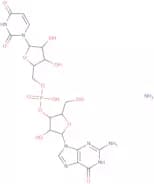
CAS:<p>Guanylyl-3'-5'-uridine ammonium salt is a nucleoside compound that has been synthesized to inhibit the growth of cancer cells. The guanylyl-3'-5'-uridine monophosphate (GMP) is an activator of ribonucleotide reductase, which converts ribonucleotides to deoxyribonucleotides. It also inhibits DNA synthesis by inhibiting the activity of DNA polymerase and DNA gyrase, which are enzymes that maintain the integrity of DNA. Guanylyl-3'-5'-uridine ammonium salt has been shown to be active against leukemia and colon cancer cells in vitro and in vivo.</p>Formula:C19H24N7O13P·NH3Purity:Min. 95%Color and Shape:White to off-white solid.Molecular weight:606.45 g/mol5'-O-DMT-uridine 3'-succinyl CPG 1000 Å (RNA)
<p>5'-O-DMT-uridine 3'-succinyl CPG 1000 Å (RNA) is a nucleoside that belongs to the group of modified nucleosides. It is used as an activator for phosphoramidite synthesis and as an antiviral agent. 5'-O-DMT-uridine 3'-succinyl CPG 1000 Å (RNA) has been shown to have anticancer activity by inhibiting DNA, RNA, and protein synthesis in tumor cells and also stimulating apoptosis. 5'-O-DMT-uridine 3'-succinyl CPG 1000 Å (RNA) is synthesized from uracil, which is obtained by the hydrolysis of thymine or cytosine. This product is available with a high quality at a competitive price.</p>Purity:Min. 95%2’-Deoxy-8-methylthioadenosine
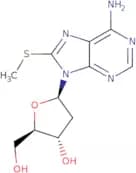
CAS:<p>2’-Deoxy-8-methylthioadenosine is a monophosphate and antiviral compound. It is used for the treatment of viral infections and has been shown to be active against herpes simplex, varicella zoster, cytomegalovirus, Epstein-Barr virus, and human immunodeficiency virus. The compound inhibits the activity of DNA polymerase by competing with deoxyribonucleosides as substrates. This results in the inhibition of DNA synthesis. 2’-Deoxy-8-methylthioadenosine also inhibits ribonucleotide reductase, which is an enzyme that catalyzes the production of ribonucleotides from deoxyribonucleotides. 2’-Deoxy-8-methylthioadenosine has been shown to inhibit cell proliferation in vitro and in vivo through G2/M phase arrest and apoptosis induction.</p>Purity:Min. 95%Guanosine 2',3'-cyclic phosphate triethylamine salt
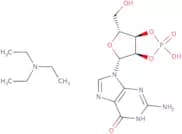
CAS:<p>Guanosine 2',3'-cyclic phosphate triethylamine salt is a synthetic nucleoside that has antiviral and anticancer activity. It is a modified nucleoside with a cyclic phosphate group attached to the 2' position of the sugar ring. This modification prevents hydrolysis of the nucleotide by phosphodiesterases, which are enzymes that break down RNA and DNA. Guanosine 2',3'-cyclic phosphate triethylamine salt has been shown to be active against HIV-1, herpes simplex virus type 1 (HSV-1), HSV-2, and cytomegalovirus (CMV). It also inhibits the proliferation of various cancer cell lines including those from breast, prostate, lung, colon, and leukemia.</p>Formula:C16H27N6O7PPurity:Min. 95%Molecular weight:446.4 g/mol3'-o-(t-Butyldimethylsilyl)-5'-deoxy-5'-(1,3-diphenyl-2-imidazolidinyl)thymidine
CAS:<p>3'-o-(t-Butyldimethylsilyl)-5'-deoxy-5'-(1,3-diphenyl-2-imidazolidinyl)thymidine is an anticancer drug that inhibits the growth of cells by preventing DNA synthesis. It is a modified nucleoside that is synthesized from thymidine and has been shown to have antiviral and anti-inflammatory properties. 3'-o-(t-Butyldimethylsilyl)-5'-deoxy-5'-(1,3-diphenyl-2-imidazolidinyl)thymidine is also used in the production of phosphoramidites and ribonucleotides.</p>Formula:C30H40N4O4SiPurity:Min. 95%Molecular weight:548.7 g/molN6-Benzoyl-3'-O-tert-butyldimethylsilyl-2'-deoxyadenosine
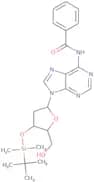
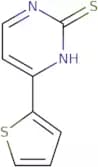
CAS:<p>N6-Benzoyl-3'-O-tert-butyldimethylsilyl-2'-deoxyadenosine is an antiviral, monophosphate nucleoside that has been shown to inhibit the proliferation of human leukemia cells. The compound is a novel synthetic nucleoside that inhibits the viral reverse transcriptase enzyme and prevents RNA synthesis. N6-Benzoyl-3'-O-tert-butyldimethylsilyl-2'-deoxyadenosine also inhibits DNA synthesis by inhibiting the activity of DNA polymerases and can be used for the treatment of cancer.</p>Purity:Min. 95%4-(2-Thienyl)-2-pyrimidinethiol
CAS:<p>Ribonucleosides are nucleosides that contain a ribose sugar. They are important in the synthesis of DNA and RNA. Ribonuclesides are nucleosides containing a ribose sugar with a phosphate group on the 5' carbon. The phosphate is attached to the 4' carbon on the sugar, instead of the 3' carbon as in deoxyribonucleosides. Ribonucleosides are important in the synthesis of DNA and RNA. Ribonucleotides are nucleotides that contain a ribose sugar with a phosphate group on the 5’ carbon. The phosphate is attached to the 4’ carbon on the sugar, instead of the 3’ carbon as in deoxyribonucleotides. Ribonucleotides are important in the synthesis of DNA and RNA.<br>In addition, Ribonucleside can be used as antiviral agent for HIV-1 through inhibition at viral reverse transcriptase (RT) step by competing</p>Formula:C8H6N2S2Purity:Min. 95%Molecular weight:194.28 g/mol4-Amino-1-[(2R,3R,4R,5R)-3-ethoxy-4-hydroxy-5-(hydroxymethyl)oxolan-2-yl]pyrimidin-2-one
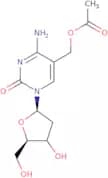
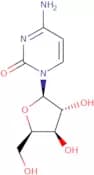
CAS:<p>4-Amino-1-[(2R,3R,4R,5R)-3-ethoxy-4-hydroxy-5-(hydroxymethyl)oxolan-2-yl]pyrimidin-2-one is a novel compound that is an anticancer agent and antiviral. It inhibits the proliferation of cells by modifying the nucleotide structure of DNA. The 4'-amino group makes it a nucleoside analogue that can be modified to inhibit bacterial replication and virus production. 4'-Amino-1-[(2R,3R,4R,5R)-3-ethoxy-4-hydroxy-5-(hydroxymethyl)oxolan-2-yl]pyrimidin-- 2 one may also cause cell death by inhibiting DNA synthesis and RNA synthesis.</p>Formula:C11H17N3O5Purity:Min. 95%Molecular weight:271.27 g/mol5-Acetoxymethyl-2'-deoxycytidine
<p>5-Acetoxymethyl-2'-deoxycytidine (5-AO-dC) is a nucleoside that is used as an anticancer agent. It is a modified form of cytidine and has been shown to be effective in the treatment of cancer cells. 5-AO-dC inhibits the production of DNA by binding to deoxyribonucleotide triphosphate and preventing its conversion into diphosphate, thereby inhibiting DNA synthesis. The drug also inhibits viral replication by binding to viral RNA and interfering with the synthesis of viral proteins. 5-AO-dC may also inhibit HIV replication by competing with HIV reverse transcriptase for the incorporation of deoxyadenosine monophosphate into DNA.<br>5-AO-dC is not active against bacteria or fungi but it does bind to human ribonucleosides and can inhibit the synthesis of both DNA and RNA in human cells.</p>Formula:C12H17N3O6Purity:Min. 95%Molecular weight:299.28 g/mol4-Amino-3-(1-naphthylmethyl)-1H-pyrazolo[3,4-d]pyrimidine-1-(b-D-ribofuranosyl-5'-triphosphate)
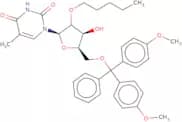
CAS:<p>4-Amino-3-(1-naphthylmethyl)-1H-pyrazolo[3,4-d]pyrimidine-1-(b-D-ribofuranosyl-5'-triphosphate) is a nucleoside that inhibits the growth of cancer cells. It has been shown to inhibit the growth of leukemia and lymphoma cells in vitro. This compound is active against herpes simplex virus type 1 (HSV1) and has antiviral properties. The chemical synthesis of 4-amino-(1HNMPP) is novel and should provide high purity and quality products.</p>Formula:C21H24N5O13P3Purity:Min. 95%Molecular weight:647.36 g/mol5'-O-DMT-5-methyl-2'-O-pentyluridine
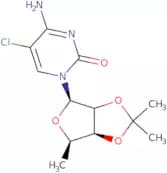
<p>5'-O-DMT-5-methyl-2'-O-pentyluridine is a monophosphate nucleoside with anticancer activity. It is a novel, synthetic, high purity and quality compound that is modified from 5'-O-DMT-5-methyluridine. This compound has been shown to be an effective antiviral agent against HIV and HSV, as well as an inhibitor of DNA synthesis in cells.</p>Formula:C36H42N2O8Purity:Min. 95%Molecular weight:630.74 g/mol5-Chloro-5'-deoxy-2',3'-O-isopropylidenecytidine
<p>5-Chloro-5'-deoxy-2',3'-O-isopropylidenecytidine is a synthetic nucleoside that has antiviral and anticancer properties. It binds to the DNA of viruses and inhibits their replication, as well as the synthesis of DNA in cancer cells. This nucleoside also activates ribonucleotide reductase, which is an enzyme that converts ribonucleotides into deoxyribonucleotides. 5-Chloro-5'-deoxy-2',3'-O-isopropylidenecytidine is a novel nucleoside analog that can be phosphoramidite or monophosphate.</p>Formula:C12H16ClN3O4Purity:Min. 95%Molecular weight:301.73 g/molE-5-(2-Carboxyvinyl)-2'-deoxyuridine hydroxysuccinimide ester
CAS:<p>E-5-(2-Carboxyvinyl)-2'-deoxyuridine hydroxysuccinimide ester is a nucleoside analog that inhibits the growth of cells by inhibiting DNA synthesis. It is an antiviral and anticancer agent, as well as a potential therapeutic for human immunodeficiency virus (HIV) and herpes simplex virus (HSV). This compound also has high purity and high quality, which makes it suitable for research purposes. E-5-(2-Carboxyvinyl)-2'-deoxyuridine hydroxysuccinimide ester is novel and has been modified from the natural nucleoside uridine. It can be used in the synthesis of phosphoramidites for DNA synthesis, which are used to synthesize DNA probes for use in diagnostic medicine.</p>Formula:C16H17N3O9Purity:Min. 95%Molecular weight:395.32 g/mol1-(b-D-Xylofuranosyl)cytosine
CAS:<p>1-(b-D-Xylofuranosyl)cytosine is a nucleoside analog that is used in the treatment of cancer. It inhibits DNA replication by binding to the RNA template strand and blocking the incorporation of cytosine. 1-(b-D-Xylofuranosyl)cytosine has been shown to have an inhibitory effect on tumor cell lines, with a thermal expansion coefficient similar to biphenyl. The molecular weight of 1-(b-D-xylofuranosyl)cytosine is approximately 244 g/mol, which is greater than that of water (18 g/mol). 1-(b-D-xylofuranosyl)cytosine also binds to double stranded DNA with high affinity, leading to inhibition of protein synthesis and cell division. In addition, this compound has been shown to bind to naphthalene and form adducts with its hydroxyl groups.</p>Formula:C9H13N3O5Purity:Min. 95%Color and Shape:White To Off-White SolidMolecular weight:243.22 g/mol3'-O-Azidomethyl 2'-deoxythymidine 5'-O-triphosphate sodium salt
<p>3'-O-Azidomethyl 2'-deoxythymidine 5'-O-triphosphate sodium salt is a nucleoside that inhibits the replication of DNA and RNA. It has antiviral activity against influenza A and herpes simplex virus, as well as anticancer activity.</p>Purity:Min. 95%2-(2-Deoxy-b-D-ribofuranosyl)-2,3,8,9-tetrahydro-7-oxa-2,3,5,6-tetraazabenz[cd]azulen-4-amine
CAS:<p>2-(2-Deoxy-b-D-ribofuranosyl)-2,3,8,9-tetrahydro-7-oxa-2,3,5,6-tetraazabenz[cd]azulen-4-amine is a novel and structurally distinct nucleoside analog. It has been shown to be an activator of human telomerase reverse transcriptase (hTERT), with low toxicity in vitro and in vivo. 2-(2-Deoxyribofuranosyl)-2,3,8,9 tetrahydro 7 oxa 2 3 5 6 tetraazabenz[cd]azulen 4 amine has been shown to have antiviral activity against the influenza virus A/PR/8/34 (H1N1) and SARS coronavirus in cell cultures. This compound also inhibits the replication of HIV type 1 by inhibiting the reverse transcriptase enzyme</p>Formula:C13H17N5O4Purity:Min. 95%Molecular weight:307.31 g/molN4-Benzoyl-5'-O-DMT-2'-O-(2-methoxyethyl)cytidine
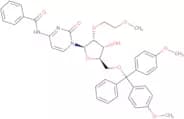
CAS:<p>N4-Benzoyl-5'-O-DMT-2'-O-(2-methoxyethyl)cytidine is a novel ribonucleotide that has been shown to inhibit the growth of cancer cells. It has been synthesized in high purity and quality, with a high phosphoramidite content, and is available in various quantities. This product is an activator of DNA polymerase and can be used as a monophosphate or diphosphate precursor for nucleic acid synthesis. It has antiviral properties, and may be useful in the treatment of HIV infection.</p>Formula:C40H41N3O9Purity:Min. 95%Color and Shape:White Off-White PowderMolecular weight:707.77 g/mol3',5'-O-(1,1,3,3-Tetraisopropyl-1,3-disiloxanediyl)-2'-(p-nitrophenylcarbonyloxy)uridine
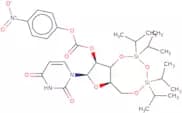
CAS:<p>3',5'-O-(1,1,3,3-Tetraisopropyl-1,3-disiloxanediyl)-2'-(p-nitrophenylcarbonyloxy)uridine is a novel phosphoramidite. It is modified with p-nitrophenyl carbonyloxy group at the 3' position of the uracil moiety. This phosphoramidite has antiviral activity against Hepatitis C and HIV. It also has anticancer activity in vitro and in vivo. 3',5'-O-(1,1,3,3-Tetraisopropyl-1,3-disiloxanediyl)-2'-(p-nitrophenylcarbonyloxy)uridine is a nucleoside that can be used for DNA synthesis or as a monophosphate or diphosphate for RNA synthesis. It is synthesized from deoxy</p>Formula:C28H41N3O11Si2Purity:Min. 95%Molecular weight:651.81 g/molGemcitabine 5'-elaidate
CAS:<p>Gemcitabine 5'-elaidate is an analog of gemcitabine that has hydrophobic properties. It has been shown to be active against solid tumours, including lung cancer. In a study on murine xenografts, gemcitabine 5'-elaidate was found to have the same degree of efficacy as gemcitabine in reducing tumour growth and increasing survival time. Gemcitabine 5'-elaidate also has good antitumour activity against infectious diseases such as HIV and malaria, which may be due to its ability to bind to the epidermal growth factor receptor (EGFR) on the surface of cells. This binding prevents EGFR from initiating cellular signaling.</p>Formula:C27H43F2N3O5Purity:Min. 95%Molecular weight:527.66 g/molN2-Phenoxyacetyl-3',5'-O-(1,1,3,3-tetraisopropyl-1,3-disiloxanediyl)guanosine
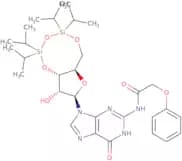
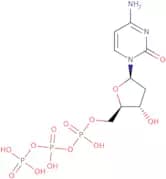
CAS:<p>N2-Phenoxyacetyl-3',5'-O-(1,1,3,3-tetraisopropyl-1,3-disiloxanediyl)guanosine is an anticancer nucleoside with antiviral and antimalarial activities. This compound has been shown to inhibit the growth of human leukemia cells in vitro and has a pharmacokinetic profile suitable for use in humans. N2-Phenoxyacetyl-3',5'-O-(1,1,3,3-tetraisopropyl-1,3-disiloxanediyl)guanosine is a novel nucleotide analog with high purity and quality.</p>Formula:C30H45N5O8Si2Purity:Min. 95%Molecular weight:659.88 g/moldCTP - 100mmol solution
CAS:<p>dCTP is a nucleotide that is an important component of the DNA molecule. It is used in biochemical research and as a drug for treatment of certain cancers. The biochemical properties of dCTP are similar to those of other nucleotides, including ATP and GTP. The main difference is that dCTP has a low solubility in water, while ATP and GTP are soluble in water. This property makes it difficult to study the use of dCTP in biosensors. Another difference is that dCTP does not have a signal peptide sequence, which may be due to its chemical structure or biological function. In addition, dCTP does not interfere with the polymerase chain reaction (PCR) process because it does not possess reactive groups on its phosphate groups.</p>Formula:C9H16N3O13P3Purity:Min. 95%Molecular weight:467.16 g/mol5'-Hydrazino-5'-deoxyguanosine
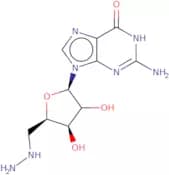
CAS:<p>5'-Hydrazino-5'-deoxyguanosine is a novel diphosphate nucleoside analog that has been shown to be an efficient activator of the anti-cancer enzyme ribonucleotide reductase. It is synthesized by reacting 5'-hydrazinouridine with hydroxylamine and then coupling with 5'-deoxyguanosine. The resulting product has been shown to inhibit DNA synthesis in vitro and in vivo, as well as to produce cytotoxic effects in human cancer cells. This compound also inhibits bacterial growth by binding to DNA-dependent RNA polymerase, thereby preventing transcription and replication. The high frequency of human activity has been shown using a patch-clamp technique on human erythrocytes. This active form is metabolized through a number of metabolic transformations, including hydrolysis by esterases or glucuronidases, oxidation by cytochrome P450 enzymes, reduction by glutathione reductase, or</p>Formula:C10H15N7O4Purity:Min. 95%Molecular weight:297.27 g/molPyrido[3,4-d]pyrimidine-2,4(1H,3H)-dione
CAS:<p>Pyrido[3,4-d]pyrimidine-2,4(1H,3H)-dione is a small molecule that can function as a transcriptional activator or repressor by binding to DNA. This drug has been shown to upregulate the expression of genes that are involved in the immune system and inflammation.</p>Purity:Min. 95%6-Benzyloxypurine
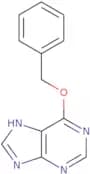
CAS:<p>6-Benzyloxypurine is a fluorescent compound that can be used to measure the concentration of aqueous solutions. It is used in molecular modeling and as a tracer in bioassays. The binding constants for 6-benzyloxypurine have been determined by fluorescence spectrometry, and it has been shown to inhibit the growth of aerobacter aerogenes at concentrations greater than 0.5 mM. This inhibitor also has an inhibitory effect on the growth of tissue culture cells and wastewater treatment bacteria, such as enterococcus faecalis and pseudomonas aeruginosa. The optimum concentration of 6-benzyloxypurine to inhibit bacterial growth is 1 mM, which corresponds to a pH of ~8.2.</p>Formula:C12H10N4OPurity:Min. 95%Molecular weight:226.23 g/mol5'-Deoxy-5-fluoro-N-[(2-methylbutoxy)carbonyl]cytidine
CAS:<p>5'-Deoxy-5-fluoro-N-[(2-methylbutoxy)carbonyl]cytidine is an antiviral drug that has been shown to be a potent inhibitor of HIV-1 replication in cell culture. It is an analog of cytidine, and it binds to the viral reverse transcriptase enzyme via phosphoramidite chemistry. 5'-Deoxy-5-fluoro-N-[(2-methylbutoxy)carbonyl]cytidine is a monophosphate, which inhibits the synthesis of DNA by preventing the incorporation of deoxyribonucleotides in the process. This agent does not have any anticancer activity.</p>Formula:C15H22FN3O6Purity:Min. 95%Molecular weight:359.35 g/mol(1S,2S,3S,5S)-5-(2-Amino-6-(benzyloxy)-9H-purin-9-yl)-3-(benzyloxy)-2-(benzyloxymethyl)cyclopentanol
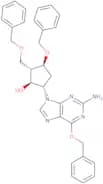
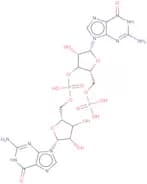
CAS:<p>(1S,2S,3S,5S)-5-(2-Amino-6-(benzyloxy)-9H-purin-9-yl)-3-(benzyloxy)-2-(benzyloxymethyl)cyclopentanol is a synthetic compound that is used to treat patients with chronic myeloid leukemia. It has been shown to inhibit tyrosine kinase and interacts with the guanine binding site of the purine nucleoside phosphorylase. This drug also inhibits the enzyme (deoxy)ribonucleotide reductase and competes with adenosine for binding to adenosine receptors. The stereoisomers of this drug are active against chronic myeloid leukemia cells. The S enantiomer is more potent than the R enantiomer and exhibits greater selectivity for leukemic cells than healthy cells. It has also been shown to inhibit nitric oxide synthase and may have anti-</p>Formula:C32H33N5O4Purity:Min. 95%Color and Shape:White PowderMolecular weight:551.64 g/mol5'-Phosphoguanylyl-(3'->5')-guanosine sodium
CAS:<p>pGpG, linear diguanylate, is the first phosphodiesterase-catalyzed hydrolysis product of cylic di-GMP (c-diGMP). c-diGMP has been identified as a novel second messenger in bacteria that triggers various physiological changes such as virulence gene expression or cell differentiation</p>Formula:C20H26N10O15P2·xNaPurity:Min. 95 Area-%Color and Shape:PowderMolecular weight:708.43 g/molThymidylyl-(3′→5′)-thymidine ammonium salt
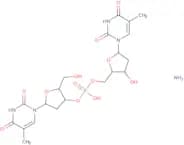
CAS:<p>Thymidylyl-(3′→5′)-thymidine is a modified nucleoside that has antiviral activity. It is synthesized from thymidine, which is the deoxyribonucleotide of thymine and uracil, by phosphorylation with ATP. Thymidylyl-(3′→5′)-thymidine has been shown to be an activator of DNA polymerase in vitro and inhibits replication of human immunodeficiency virus (HIV) in cell cultures. This compound has been studied as a potential treatment for AIDS.</p>Formula:C20H30N5O12PPurity:Min. 95%Molecular weight:563.5 g/mol5-Fluoro-O4-(2,4,6-trimethylphenyl)-2'-deoxyuridine
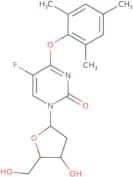
CAS:<p>5-Fluoro-O4-(2,4,6-trimethylphenyl)-2'-deoxyuridine is a novel monophosphate nucleotide activated with 2,4,6-trimethylphenyl (TMP) and used as a building block in the synthesis of oligonucleotides. The synthesized nucleoside can be converted to a diphosphate or phosphoramidite. 5-Fluoro-O4-(2,4,6-trimethylphenyl)-2'-deoxyuridine is an anticancer agent that inhibits DNA synthesis by inhibiting ribonucleic acid (RNA) synthesis. It has been shown to inhibit the proliferation of human leukemia cells and may have potential for use in therapy for cancer treatment.</p>Formula:C18H21FN2O5Purity:Min. 95%Molecular weight:364.4 g/mol5-Vinylcytidine
CAS:<p>5-Vinylcytidine is a nucleoside analog used in research to study DNA demethylation. It is an orthogonal molecule that can be used in assays to distinguish between different types of methylases. 5-Vinylcytidine is able to oxidize and formylate the N5 position of thymine, which leads to DNA demethylation. The mechanism of this process is not fully understood, but it may involve translocation or homologous recombination. 5-Vinylcytidine has been shown to react with alkyl groups, leading to its use as a probe for biochemical reactions involving methyltransferase enzymes.</p>Purity:Min. 95%2'-Deoxyuridine-5'-[(a,b)-methyleno]triphosphate sodium salt - 10 mM aqueous solution
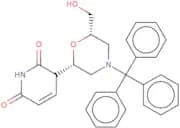
CAS:<p>2'-Deoxyuridine-5'-[(a,b)-methyleno]triphosphate sodium salt - 10 mM aqueous solution is an activator of nucleoside diphosphates. It is a novel and anticancer nucleoside analog with high purity, high quality and a CAS number of 170428-84-9. This activator has been shown to inhibit the growth of tumor cells by inhibiting DNA synthesis and ribonucleotide reductase activity. The 2'-deoxyuridine-5'-[(a,b)-methyleno]triphosphate sodium salt - 10 mM aqueous solution can be used in the synthesis of deoxyribonucleosides and phosphoramidites as well as modified DNA.</p>Formula:C10H17N2O13P3Purity:Min. 95%Color and Shape:liquid.Molecular weight:466.17 g/mol7’-OH-N-trityl morpholino uracil
CAS:<p>Please enquire for more information about 7’-OH-N-trityl morpholino uracil including the price, delivery time and more detailed product information at the technical inquiry form on this page</p>Formula:C28H27N3O4Molecular weight:469.53 g/mol2'-Bromo-2'-deoxy-3'-O-methanesulfonyluridine
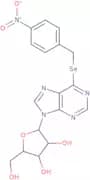
<p>2'-Bromo-2'-deoxy-3'-O-methanesulfonyluridine is a nucleoside analogue that acts as an activator of the human immunodeficiency virus (HIV). It is thought to work by binding to the viral reverse transcriptase enzyme, which converts the RNA genome into DNA. This prevents the virus from replicating and producing new viruses. 2'-Bromo-2'-deoxy-3'-O-methanesulfonyluridine has also been shown to be active against other viruses such as herpes simplex virus type 1 (HSV1) and influenza A virus.</p>Purity:Min. 95%4'-Nitrobenzoyl-6-selenoinosine
CAS:<p>4'-Nitrobenzoyl-6-selenoinosine is a monophosphate nucleoside that is synthesized by the phosphoramidite method. It has been shown to have antiviral and anticancer activities. The compound inhibits the synthesis of DNA and RNA, which may be due to its ability to inhibit the enzyme ribonucleotide reductase. 4'-Nitrobenzoyl-6-selenoinosine has also been shown to activate cellular transcription factors such as NF-κB and AP-1, resulting in increased expression of genes involved in apoptosis.</p>Formula:C17H15N5O7SePurity:Min. 95%Molecular weight:480.29 g/mol3'-Chloro-3'-deoxy-5'-O-tritylthymidine
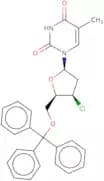
CAS:<p>3'-Chloro-3'-deoxy-5'-O-tritylthymidine (3CT) is an antiviral and anticancer drug that is a modified nucleoside. It is synthesized by reacting 3'-chloro-5'-O-tritylthymidine with trichloroacetonitrile. 3CT inhibits the synthesis of DNA and RNA, which may have antiviral and anticancer effects. It can be used to treat hepatitis B virus, herpes simplex virus, human papillomavirus, Epstein-Barr virus, and Kaposi's sarcoma. 3CT has been shown to be effective in treating cancer cells in culture by inhibiting DNA synthesis.</p>Formula:C29H27ClN2O4Purity:Min. 95%Molecular weight:503 g/molPyrimidine-5-carbothioic acid amide
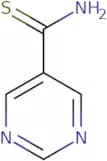
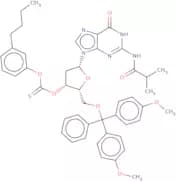
CAS:<p>Pyrimidine-5-carbothioic acid amide (PCA) is an organic compound that contains a pyrimidine ring and a carboxylic acid amide group. PCA forms crystalline solids with the molecular formula C4H10N2O4. The x-ray crystal structure of PCA has been determined, revealing the molecule to have a chair conformation with two hydrogen bonds. The molecule can be considered as stabilized by the base formation between the nitrogen atom in the pyrimidine ring and the oxygen atom in the carboxylic acid amide group. PCA has been used as a building block for other molecules, such as enamines, which are useful for computation studies. PCA is also an intermediate in chemical reactions involving nucleophilic substitution reactions and hydrogen abstraction reactions.</p>Formula:C5H5N3SPurity:Min. 95%Molecular weight:139.18 g/mol2'-Deoxy-5'-O-DMT-N2-isobutyryl-3'-xanthylguanosine
<p>2'-Deoxy-5'-O-DMT-N2-isobutyryl-3'-xanthylguanosine is a diphosphate synthetic activator. It has been shown to be an effective anticancer and antiviral agent.</p>Formula:C46H49N5O8SPurity:Min. 95%Molecular weight:832 g/mol7-Deaza-7-iodoadenosine
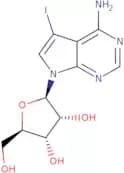
CAS:<p>7-Deaza-7-iodoadenosine is a nucleotide that has been used in experiments to assess the levels of adenosine, a dinucleotide phosphate that is involved in many cellular functions. 7-deaza-7-iodoadenosine has been shown to inhibit locomotor activity in rats and cyclase activity in 3T3-L1 preadipocytes. It also inhibits the release of inflammatory proteins from polymorphonuclear leucocytes and angiogenesis (formation of new blood vessels) in liver cells. Although this nucleotide has not been extensively studied, it has been proposed as an antiinflammatory agent because it inhibits protein synthesis and downregulates proinflammatory proteins.</p>Formula:C11H13IN4O4Purity:Min. 95%Molecular weight:392.15 g/molγ-(BBT)-ATP
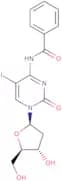
<p>gamma-(BBT)-ATP is a novel ATP analog that has been shown to activate the purine nucleotide receptor and cause tumor cell death. It is a deoxyribonucleoside, phosphoramidite, and monophosphate that can be used as an activator for DNA synthesis. gamma-(BBT)-ATP inhibits the growth of tumor cells in culture and has antiviral activity against herpes simplex virus type-1.</p>Formula:C24H22N7O13P3S2·xNaPurity:Min. 95%Color and Shape:PowderMolecular weight:773.52 g/molN4-Benzoyl-2'-deoxy-5-iodocytidine
CAS:<p>N4-Benzoyl-2'-deoxy-5-iodocytidine is a nucleoside that is used as an activator for RNA synthesis and in the synthesis of phosphoramidites. It has antiviral and anticancer properties and is novel for its potential use as a therapeutic agent.</p>Formula:C16H18IN3O4Purity:Min. 95%Molecular weight:443.24 g/mol2-Bromoadenosine
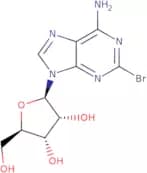
CAS:<p>2-Bromoadenosine is a nucleoside that is structurally similar to adenosine. It has shown to have high resistance against blood pressure and l1210 cells. 2-Bromoadenosine also inhibits kinase activities in microns and spontaneous cell cultures, as well as chemical diversity. This drug has been shown to have high values in neurotransmission, carbonic anhydrase, cardiac muscle, and RNA synthesis. 2-Bromoadenosine blocks the receptor of adenine nucleotides, which causes cell death by inhibiting the production of adenosine. This product may be used for the treatment of cardiac disease or cancer.</p>Formula:C10H12BrN5O4Purity:Min. 95%Color and Shape:PowderMolecular weight:346.14 g/mol

![Guanosine 5'-[γ-thio]triphosphate tetralithium](/_next/image/?url=https%3A%2Fstatic.cymitquimica.com%2Fproducts%2F3D%2Fthumb-webp%2FNG63193.webp&w=3840&q=75)


![4-Amino-1-[(2R,3R,4R,5R)-3-ethoxy-4-hydroxy-5-(hydroxymethyl)oxolan-2-yl]pyrimidin-2-one](/_next/image/?url=https%3A%2Fstatic.cymitquimica.com%2Fproducts%2F3D%2Fthumb-webp%2FECA42942.webp&w=3840&q=75)
![4-Amino-3-(1-naphthylmethyl)-1H-pyrazolo[3,4-d]pyrimidine-1-(b-D-ribofuranosyl-5'-triphosphate)](/_next/image/?url=https%3A%2Fstatic.cymitquimica.com%2Fproducts%2F3D%2Fthumb-webp%2FNA16506.webp&w=3840&q=75)


![2-(2-Deoxy-b-D-ribofuranosyl)-2,3,8,9-tetrahydro-7-oxa-2,3,5,6-tetraazabenz[cd]azulen-4-amine](/_next/image/?url=https%3A%2Fstatic.cymitquimica.com%2Fproducts%2F3D%2Fthumb-webp%2FND145590.webp&w=3840&q=75)

![Pyrido[3,4-d]pyrimidine-2,4(1H,3H)-dione](/_next/image/?url=https%3A%2Fstatic.cymitquimica.com%2Fproducts%2F3D%2Fthumb-webp%2FNP44307.webp&w=3840&q=75)
![5'-Deoxy-5-fluoro-N-[(2-methylbutoxy)carbonyl]cytidine](/_next/image/?url=https%3A%2Fstatic.cymitquimica.com%2Fproducts%2F3D%2Fthumb-webp%2FND16526.webp&w=3840&q=75)

![2'-Deoxyuridine-5'-[(a,b)-methyleno]triphosphate sodium salt - 10 mM aqueous solution](/_next/image/?url=https%3A%2Fstatic.cymitquimica.com%2Fproducts%2F3D%2Fthumb-webp%2FND45198.webp&w=3840&q=75)