Non Polar Solvents
Found 184 products of "Non Polar Solvents"
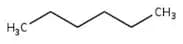
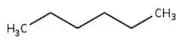
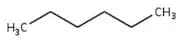
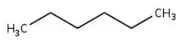
n-Hexane, Spectrophotometric Grade, 95+%
CAS:n-Hexane used in spectrophotometry and environmental testing. This Thermo Scientific Chemicals brand product was originally part of the Alfa Aesar product portfolio. Some documentation and label information may refer to the legacy brand. The original Alfa Aesar product / item code or SKU reference hFormula:C6H14Purity:95+%Color and Shape:Colorless, clear liquidMolecular weight:86.18n-Hexane, Environmental Grade, 95+%
CAS:Pesticide residue, environmental and GC analysis.n-Hexane is used in spectrophotometry and environmental testing. It is used as a solvent to extract edible oils from seed and vegetable crops. Commercial grades of hexane are used as solvents for glues, varnishes, and inks, cleaning agent (degreaser)
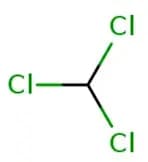
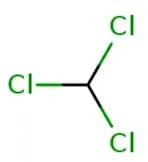
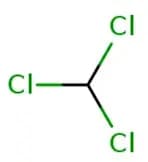
Formula:C6H14Purity:95+%Color and Shape:LiquidMolecular weight:86.18Chloroform, ethanol-free, 99+%, stab. with ca 50 ppm amylene
CAS:Chloroform is a commonly used laboratory solvent. It was previously used as an anesthetic. It is also used as a precursor to PTFE and refrigerants. Chloroform was used in the past as an extraction solvent for fats, oils and greases. It is useful for the rapid and simple release of periplasmic proteiFormula:CHCl3Purity:99+%Color and Shape:Clear colorless, LiquidMolecular weight:119.37n-Hexane, 99%
CAS:n-Hexane is used as a solvent to extract edible oils from seed and vegetable crops. Commercial grades of hexane are used as solvents for glues, varnishes, and inks, cleaning agent (degreaser) in the printing industry, liquid in low temperature thermometers. Other uses are as fuels and fuel additivesFormula:C6H14Purity:99%Color and Shape:Liquid, Clear colorlessMolecular weight:86.18Hexanes, mixed isomers, HPLC Grade, 99+%
CAS:Hexanes, mixed isomers are used as a mobile phase in High Performance Liquid Chromatography and Liquid Chromatography coupled with Mass Spectrometry. This Thermo Scientific Chemicals brand product was originally part of the Alfa Aesar product portfolio. Some documentation and label information may rFormula:C6H14Purity:99+%Molecular weight:86.18n-Hexane, anhydrous
CAS:n-Hexane is used as a solvent to extract edible oils from seed and vegetable crops. Commercial grades of hexane are used as solvents for glues, varnishes, and inks, cleaning agent (degreaser) in the printing industry, liquid in low temperature thermometers. Other uses are as fuels and fuel additivesFormula:C6H14Color and Shape:Liquid, ColorlessMolecular weight:86.18Hexanes, mixed isomers, Environmental Grade
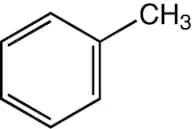
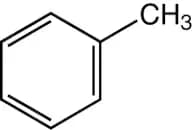
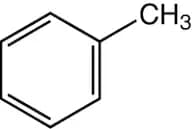
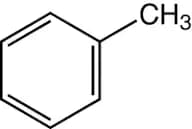
CAS:Hexane mixed isomers is used in the laboratory to extract oil and grease contaminants from water and soil for analysis. As a non-polar solvent, it is used in chromatography. It plays an important role in the preparation of glues for shoes, leather products and roofing. It is also used for reactionsFormula:C6H14Molecular weight:86.18Toluene, anhydrous, 99.8%, packaged under Argon in resealable ChemSeal™ bottles
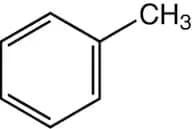
CAS:Controlled ProductToluene is widely used as an organic solvent in various industries like paints, pharmaceuticals, dyes, agrochemicals and polymers. It is used as an additive in gasoline and improves octane ratings, as a fullerene indicator, in paint thinners and silicone sealants, as a coolant in sodium cold traps u
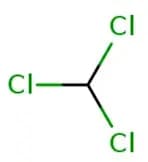
Formula:C7H8Purity:99.8%Color and Shape:Clear, colorless, LiquidMolecular weight:92.14Chloroform, Molecular Biology Reagent
CAS:Chloroform is a common laboratory reagent favored for use as a solvent due to the compounds relative unreactivity and miscibility with most organic compounds. Chloroform is also used in organic synthesis as a source for CCl2. In the swine tracheal smooth muscle, chloroform has been demonstrated to dFormula:CHCl3Color and Shape:Clear colorless, LiquidMolecular weight:119.37Toluene, Semiconductor Grade, 99% min
CAS:Controlled ProductMaximum level of impurities: Color (APHA) 10, Acidity 0.2meq/g, Evaporation residue 2ppm, H2O 0.03%, Substances darkened by H2SO4 P.T., Sulfur compounds (as S) 0.003%, Cl 2ppm, PO4 0.5ppm
Formula:C7H8Purity:99%Color and Shape:Liquid, Clear colorlessMolecular weight:92.14n-Hexane, Spectrophotometric Grade, 95+%, packaged under Argon in resealable ChemSeal™ bottles
CAS:n-Hexane is used in the formulation of glues for shoes, leather products, and roofing, as a cleaning agent, de-greasing agent. It is used to extract edible oils from seeds and vegetables, a non-polar solvent in chromatography. This Thermo Scientific Chemicals brand product was originally part of thFormula:C6H14Purity:95+%Color and Shape:Colorless, clear liquidMolecular weight:86.18n-Hexane, anhydrous, over molecular sieves, packaged under argon in resealable ChemSeal™ bottles
CAS:n-Hexane is used as a solvent, paint thinner, and chemical reaction medium. It is used to extract edible oils from seeds and vegetables, as a special-use solvent, and as a cleaning agent. Hexanes are commonly used in chromatography as a non-polar solvent. This Thermo Scientific Chemicals brand prodFormula:C6H14Color and Shape:Liquid, Clear colorlessMolecular weight:86.18Toluene, anhydrous, 99.8%
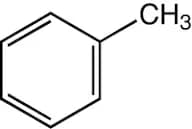
CAS:Controlled ProductToluene is widely used as an organic solvent in various industries like paints, pharmaceuticals, dyes, agrochemicals and polymers. It is used as an additive in gasoline and improves octane ratings, as a fullerene indicator, in paint thinners and silicone sealants, as a coolant in sodium cold traps u
Formula:C7H8Purity:99.8%Molecular weight:92.14Toluene, Environmental Grade, 99.8+%
CAS:Controlled ProductMaximum level of impurities: Color (APHA) 10, Halogenated residue by GC-ECD, (as Heptachlorepoxide) 5ng/L, Water 0.03%Formula:C7H8Purity:99.8+%Molecular weight:92.14Toluene, 99%
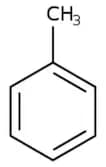
CAS:Controlled ProductToluene is used as solvent for paints, paint thinners, silicone sealants, many chemical reactants, rubber, printing ink, adhesives (glues), lacquers, leather tanners and disinfectants. It is an important raw material to synthesize pharmaceuticals, paints, resins, dyes, toluene diisocyanate and explFormula:C7H8Purity:99%Color and Shape:Clear colorless, LiquidMolecular weight:92.14n-Hexane, HPLC Grade, 95% min
CAS:as a solvent to extract edible oils from seed and vegetable crops. Commercial grades of hexane are used as solvents for glues, varnishes, and inks, cleaning agent (degreaser) in the printing industry, liquid in low temperature thermometers. other uses are as Fuels and fuel additives, Intermediates aFormula:C6H14Purity:95%Color and Shape:Liquid, ColorlessMolecular weight:86.18Chloroform, Spectrophotometric Grade, 99.5+%
CAS:Chloroform is used in spectrophotometry and environmental testing. This Thermo Scientific Chemicals brand product was originally part of the Alfa Aesar product portfolio. Some documentation and label information may refer to the legacy brand. The original Alfa Aesar product / item code or SKU refereFormula:CHCl3Purity:99.5+%Color and Shape:Clear colorless, LiquidMolecular weight:119.37Chloroform, HPLC Grade, 99.5+% min
CAS:Chloroform is used as a mobile phase in High Performance Liquid Chromatography and Liquid Chromatography coupled with Mass Spectrometry. This Thermo Scientific Chemicals brand product was originally part of the Alfa Aesar product portfolio. Some documentation and label information may refer to the lFormula:CHCl3Purity:99.5+%Molecular weight:119.37Hexanes, mixed isomers, (60+% n-hexane)
CAS:Hexane mixed isomers is used in the laboratory to extract oil and grease contaminants from water and soil for analysis. As a non-polar solvent, it is used in chromatography. It plays important role in the preparation of glues for shoes, leather products, and roofing. It is also used for reactions tFormula:C6H14Purity:60+%Color and Shape:Liquid, Clear colorless [US] / Clear [EU]Molecular weight:86.18Toluene, ACS, 99.5% min
CAS:Controlled ProductToluene is used as solvent for paints, paint thinners, silicone sealants, many chemical reactants, rubber, printing ink, adhesives (glues), lacquers, leather tanners and disinfectants. It is an important raw material to synthesize pharmaceuticals, paints, resins, dyes, toluene diisocyanate and expl
Formula:C7H8Purity:99.5%Color and Shape:LiquidMolecular weight:92.14Toluene, Spectrophotometric Grade, 99.7+%
CAS:Controlled ProductMaximum level of impurities: Evaporation residue 4ppm, H2O 0.03%
Formula:C7H8Purity:99.7+%Color and Shape:Clear, colorless, LiquidMolecular weight:92.14Toluene, HPLC Grade, 99.7% min
CAS:Controlled ProductToluene is used as a mobile phase in High Performance Liquid Chromatography and Liquid Chromatography coupled with Mass Spectrometry. This Thermo Scientific Chemicals brand product was originally part of the Alfa Aesar product portfolio. Some documentation and label information may refer to the legaFormula:C7H8Purity:99.7%Color and Shape:Liquid, ColorlessMolecular weight:92.14Hexanes, mixed isomers, ACS, 98.5+%
CAS:Hexane mixed isomers is used in the laboratory to extract oil and grease contaminants from water and soil for analysis. As a non-polar solvent, it is used in chromatography. It plays important role in the preparation of glues for shoes, leather products, and roofing. It is also used for reactions tFormula:C6H14Purity:98.5+%Color and Shape:LiquidMolecular weight:86.18Toluene, anhydrous, 99.8%, over molecular sieves, packaged under Argon in resealable ChemSeal™ bottles
CAS:Controlled ProductToluene is added to gasoline, used to produce benzene, and used as a solvent. It is used in aviation and automotive fuels, as a solvent, and to make other chemicals. Toluene has also been used as a coolant for its good heat transfer capabilities in sodium cold traps used in nuclear reactor system lo
Formula:C7H8Purity:99.8%Color and Shape:Liquid, Clear colorlessMolecular weight:92.14Phosphine, [1,1'-biphenyl]-2-yldicyclohexyl-
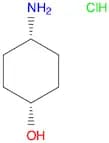
CAS:Formula:C24H31PPurity:97%Color and Shape:SolidMolecular weight:350.4767Cis-4-Aminocyclohexanol, HCl
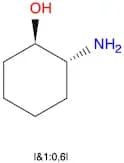
CAS:Formula:C6H14ClNOPurity:97%Color and Shape:SolidMolecular weight:151.6345tert-Butyl ((1S,2R)-2-aminocyclohexyl)carbamate
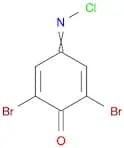
CAS:Formula:C11H22N2O2Purity:95%Color and Shape:LiquidMolecular weight:214.30462,6-Dibromo-4-(chloroimino)cyclohexa-2,5-dienone
CAS:Formula:C6H2Br2ClNOPurity:98%Color and Shape:SolidMolecular weight:299.3472Trimethyl-(6-methylsulfonylsulfanylhexyl)azanium Bromide
CAS:Formula:C10H24NO2S2·BrMolecular weight:254.43 79.90O-(4-chloro-3-methylphenyl) methyl(m-tolyl)carbamothioate
CAS:Formula:C16H16ClNOSMolecular weight:305.82(6E,10Z,14E,18E)-2,6,10,15,19,23-Hexamethyl-2,6,10,14,18,22-Tetracosahexaene
CAS:Formula:C30H50Molecular weight:410.732,6,10,15,19,23-hexamethyltetracosa-2,6,10,14,18,22-Hexaene
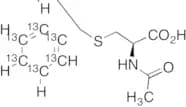
CAS:Formula:C30H50Molecular weight:410.73N-Acetyl-S-(methylphenyl-13C6)-L-cysteine
CAS:Controlled ProductFormula:C613C6H15NO3SColor and Shape:NeatMolecular weight:259.272-Chlorotoluene
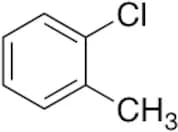
CAS:Applications 2-CHLOROTOLUENE (cas# 95-49-8) is a useful research chemical.
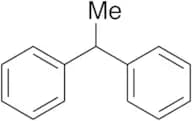
Not a dangerous good if item is equal to or less than 1g/ml and there is less than 100g/ml in the packageFormula:C7H7ClColor and Shape:NeatMolecular weight:126.58Methyldiphenylmethane
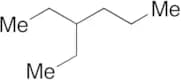
CAS:Controlled ProductFormula:C14H14Color and Shape:NeatMolecular weight:182.263-Ethylhexane
CAS:Controlled ProductApplications 3-Ethylhexane, is a chemical component of some essential oils, having antibacterial activities. It is also found to be the aroma components of scented rice.
Not a dangerous good if item is equal to or less than 1g/ml and there is less than 100g/ml in the package
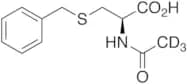
References Qu, L., et al.: Shipin Gongye Keji, 33, 148 (2012); Chen, M., et al.: Zhongguo Xiandai Yingyong Yaoxue, 29, 285 (2012); Zhu, Q., et al.: Hunan Nongye Daxue Xuebao, 31, 681 (2005);Formula:C8H18Color and Shape:NeatMolecular weight:114.23N-(Acetyl-d3)-S-benzyl-L-cysteine
CAS:Controlled ProductApplications A labelled metabolite of Toluene.
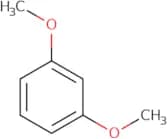
References Gargas, M., et al.: Toxicol. Appl. Pharmacol., 98, 87 (1989), Commandeur, J., et al.: Pharmacol. Rev., 47(2), 271 (1995), Campo, P., et al.: Neurotoxicol. Teratol., 21, 427 (1999), Lohse, C., et al.: J. Agr. Food Chem., 48, 5913 (2000),Formula:C122H3H12NO3SColor and Shape:White To Off-WhiteMolecular weight:256.341,3-Dimethoxybenzene
CAS:1,3-Dimethoxybenzene is a carbonyl compound with the chemical formula C6H4(OCH2)2. It is soluble in water and has a boiling point of 176 °C. This compound reacts with hydrochloric acid to produce an intermediate acid chloride and hydrogen chloride gas. 1,3-Dimethoxybenzene also reacts with trifluoromethanesulfonic acid to produce an intermediate sulfonium salt and hydrogen fluoride gas. 1,3-Dimethoxybenzene can be used as a reagent for analytical methods such as IR spectroscopy, NMR spectroscopy, or mass spectrometry. When 1,3-dimethoxybenzene is combined with sodium hydroxide and acetic acid it forms an isothiouronium salt that can be used to study the effects of fatty acids on physiological activity. 1,3-Dimethoxybenzene has conformationalFormula:C8H10O2Purity:Min. 95%Color and Shape:Clear LiquidMolecular weight:138.16 g/mol1,4-Diacetylbenzene
CAS:1,4-Diacetylbenzene (1,4-DAB) is a tetradentate ligand that binds to metal ions. It has been used to model the active site of acetylcholinesterase, as well as for supramolecular chemistry. 1,4-DAB has been shown to have anticholinesterase activity and is used in crosslinkers. 1,4-DAB forms hydrogen bonds with the nitrogen atom of the carbonyl group and also stabilizes molecules through its dipole interactions. The kinetic properties of 1,4-DAB have been studied by modelling studies and by Nuclear Magnetic Resonance spectroscopy. Metformin hydrochloride (MET) is a biguanide antihyperglycemic agent that inhibits glucose production in the liver and promotes insulin sensitivity in peripheral tissues.Formula:C10H10O2Purity:Min. 99.0 Area-%Color and Shape:White PowderMolecular weight:162.19 g/mol4-Toluenesulfonyl chloride
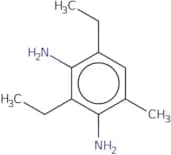
CAS:4-Toluenesulfonyl chloride is a tosylate that reacts with amines and n-oxide groups to form sulfonamides. It is used as an antimicrobial agent and as an irreversible enzyme inhibitor. 4-Toluenesulfonyl chloride inhibits enzymes in the bowel, which may be due to its ability to form a disulfide bond with cysteine residues. This compound has been shown to have anti-cancer properties in vitro, where it inhibited the growth of carcinoma cells by inhibiting DNA synthesis. 4-Toluenesulfonyl chloride also has inhibitory properties against nitrogen atoms, which are found in the active site of many enzymes.Formula:C7H7ClO2SPurity:Min. 95%Color and Shape:White Clear LiquidMolecular weight:190.65 g/molDiethyltoluenediamine (2,4 and 2,6 diamine regioisomers)
CAS:Chain extender for elastomeric polyurethane; curing agent for epoxy resinFormula:C11H18N2Purity:Min. 95%Color and Shape:Clear LiquidMolecular weight:178.27 g/molMethyl benzenesulfinate
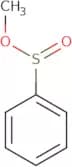
CAS:Methyl benzenesulfinate (MS) is a selenium compound that inhibits the replication of DNA and RNA. MS has been shown to be effective against cancer, HIV infection, and cachexia. It has also been used as an immunosuppressant in patients with autoimmune diseases or nervous system diseases. MS binds to the phosphate group of the nucleotide thymidine monophosphate, preventing formation of ATP and leading to cell death by inhibiting protein synthesis. This drug may cause symptoms such as nausea, vomiting, headache, dizziness, and skin rash. Methyl benzenesulfinate has also been shown to inhibit kinases in women with breast cancer.br>br> Methyl benzenesulfinate belongs to the class of inhibitors that target β-unsaturated ketones. It is used for treatment of various cancers like leukemia because it inhibits polymerase activity and prevents replication in cells. Methyl benzenesulfinate is a structural formula made upFormula:C7H8O2SPurity:Min. 98%Color and Shape:Clear LiquidMolecular weight:156.2 g/mol3,4,5-Trihydroxytoluene
CAS:Substrate for peroxidaseFormula:C7H8O3Purity:Min. 95%Color and Shape:PowderMolecular weight:140.14 g/molNitrobenzene
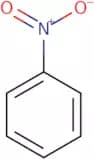
CAS:Nitrobenzene is a chemical that is used in wastewater treatment. It reacts with sodium carbonate to form sodium nitrite and hydrogen fluoride. The reaction mechanism is not well understood, but it is thought that the hydrogen fluoride acts as a catalyst for the reaction. Nitrobenzene has been shown to have transport properties in natural water systems. It can be found in the environment from industrial waste or from the combustion of fossil fuels. Nitrobenzene has been shown to cause chronic exposure when ingested by humans and animals, as well as structural changes in DNA, which may lead to cancer. Nitrobenzene can also react with an inorganic acid to form an organic compound called a nitrosamine. These compounds are carcinogenic and mutagenic, and have been linked to various cancers such as bladder cancer, stomach cancer, pancreatic cancer, lung cancer, breast cancer, esophageal cancer and liver cancer. The most common nitrosamines are N-nitFormula:C6H5NO2Purity:Min. 98 Area-%Color and Shape:Colorless Clear LiquidMolecular weight:123.11 g/mol2-Nitrobenzenesulfonyl chloride
CAS:2-Nitrobenzenesulfonyl chloride is a cyclic peptide that has been shown to be effective in the synthesis of a variety of biologically active compounds. It is used in the preparation of hydrochloric acid, hydroxyl group, lysine residues, and methyl ketones. It also has been used in analytical methods for the determination of cancer. 2-Nitrobenzenesulfonyl chloride is an aziridine with a Michaelis-Menten kinetics. This chemical structure allows hydrogen bonding with proteins, which is important for conformational changes and biological activity. 2-Nitrobenzenesulfonyl chloride has also been shown to inhibit cancer cells as well as human serum through hydrogen bond interactions.Formula:C6H4ClNO4SPurity:Min. 95%Color and Shape:Slightly Yellow PowderMolecular weight:221.62 g/mol1,3-Benzenedialdehyde
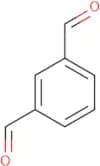
CAS:1,3-Benzenedialdehyde (1,3-BD) is a compound that is formed from the oxidation of benzene by copper chloride in a model system. It can be used as a substrate film to study covalent linkages. The electrochemical impedance spectroscopy (EIS) technique has been used to determine the stability of 1,3-BD in reaction solution. The EIS results show that 1,3-BD is stable and its complexes are relatively stable. This compound also reacts with malonic acid to form 1,2-benzenediol and 2-methylmalonic acid. The molecular structure of 1,3-BD has been determined using X-ray crystallography and it was found that nitrogen atoms are present on the molecule. Chemical reactions have not been observed with 1,3-BD when subjected to heat or light.
Formula:C8H6O2Purity:Min. 95%Color and Shape:PowderMolecular weight:134.13 g/mol4-(Bromomethyl)-2-iodo-1-nitrobenzene
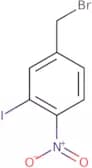
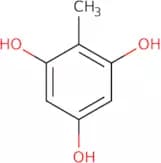
CAS:4-(Bromomethyl)-2-iodo-1-nitrobenzene is a fine chemical that can be used as an intermediate for the synthesis of target molecules. It is a versatile building block with many different reactions and applications, such as research chemicals, reaction components, and speciality chemicals. This compound is also a useful building block for the synthesis of complex molecules. It has high quality and can be used as a reagent in lab experiments.Formula:C7H5BrINO2Purity:Min. 95%Color and Shape:PowderMolecular weight:341.93 g/mol2,4,6-Trihydroxytoluene
CAS:2,4,6-Trihydroxytoluene is a phenolic compound with an intense yellow color. It is used for the preparation of dryopteris and as a fabric dye. 2,4,6-Trihydroxytoluene is also used in the production of pharmaceuticals and as a chemical intermediate. 2,4,6-Trihydroxytoluene has been shown to inhibit the growth of bacteria by binding to one or more hydroxyl groups on the bacterial cell wall. This binding prevents the formation of an antibiotic-inhibitor complex with the enzyme cell wall synthesis that is required for cell wall biosynthesis, inhibiting protein synthesis and cell division.Formula:C7H8O3Purity:Min. 95%Color and Shape:Red PowderMolecular weight:140.14 g/mol2-Bromo-5-methoxytoluene
CAS:2-Bromo-5-methoxytoluene is a synthetic organic compound that is used as a chemical intermediate for cellulose derivatives. It is generated by the Friedel-Crafts reaction of bromine with toluene in the presence of aluminum chloride. 2-Bromo-5-methoxytoluene has been shown to react with cellulose derivatives and other hydrogen bond acceptors. This reaction is followed by protonation, which yields a chromophore that changes color from yellow to orange. The mechanism of this reaction can be explained by an acid catalysis mechanism, which begins with protonation of the carbonyl group (C=O) and formyl group (HC=O) groups. This causes the formation of an enolate ion, which reacts with a protonated carbonyl group to yield a formyl cation and an enolate ion. The formyl cation then reacts with another protonFormula:C8H9OBrPurity:Min. 95%Color and Shape:PowderMolecular weight:201.06 g/mol1-Bromo-2-methoxy-3-nitrobenzene
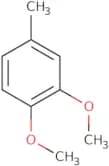
CAS:1-Bromo-2-methoxy-3-nitrobenzene is a high quality chemical that is used as a reagent and building block in organic synthesis. It is also a versatile intermediate and can be used in the synthesis of complex compounds. This chemical has been shown to have anti-inflammatory properties, which may be due to its inhibition of prostaglandin synthesis.Formula:C7H6BrNO3Purity:Min. 95%Color and Shape:PowderMolecular weight:232.03 g/mol3,4-Dimethoxytoluene
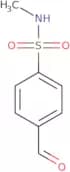
CAS:3,4-Dimethoxytoluene is a methoxylated aromatic hydrocarbon. It has the chemical formula CH3OCH2C6H4CH3. 3,4-Dimethoxytoluene is used as an intermediate in the synthesis of a variety of organic compounds including olefins, polymers, and pharmaceuticals. It can also be used to extract fatty acids from plant oils and animal fats. The extraction yield increases when using this compound as an extraction solvent. 3,4-Dimethoxytoluene is synthesized by reacting benzene with formaldehyde in the presence of a Friedel-Crafts catalyst such as aluminum chloride or zinc chloride. END>>Formula:C9H12O2Purity:Min. 95%Color and Shape:PowderMolecular weight:152.19 g/mol4-Formyl-N-methylbenzenesulfonamide
CAS:4-Formyl-N-methylbenzenesulfonamide is a fine chemical that is used as a versatile building block in the synthesis of complex compounds, research chemicals, and reagents. It is highly useful as a reagent or speciality chemical in laboratory experiments involving many different reactions. 4-Formyl-N-methylbenzenesulfonamide has been shown to be an excellent intermediate for the synthesis of high quality products. This product can also be used as a scaffold in complex organic syntheses.
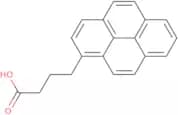
Formula:C8H9NO3SPurity:Min. 95%Color and Shape:PowderMolecular weight:199.23 g/mol1-Pyrenebutyric acid
CAS:1-Pyrenebutyric acid is a sodium salt that belongs to the group of polymerase chain reaction (PCR) reagents. It is used in PCR as a fluorescent probe for detecting the presence of dinucleotide phosphate and covalent linkages. 1-Pyrenebutyric acid has been shown to be a potential biomarker for electrochemical impedance spectroscopy and can be used as an optical sensor for optimal concentration. This compound has also been used in biological studies to detect the presence of human immunoglobulin, which binds to it with high affinity. 1-Pyrenebutyric acid undergoes a phase transition at a temperature between -190 and -195 degrees Celsius, which makes it useful as a fluorescence dye.
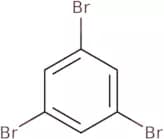
Formula:C20H16O2Purity:Min. 95%Color and Shape:Off-White PowderMolecular weight:288.34 g/mol1,3,5-Tribromobenzene
CAS:1,3,5-Tribromobenzene is a chemical compound that belongs to the class of aromatic hydrocarbons. It is used as a solvent in the synthesis of pharmaceuticals and as a precursor for other organic compounds. 1,3,5-Tribromobenzene has been shown to bind to specific receptors on the surface of cells and affect their function. It also binds to hydrochloric acid and forms a matrix with it that can be used for analytical purposes. 1,3,5-Tribromobenzene has been found to have uv absorption properties, making it useful for analytical purposes. The molecule is stable in nonpolar solvents such as n-dimethyl formamide (DMF) and methyl tert-butyl ether (MTBE). 1,3,5-Tribromobenzene can be synthesized by coupling three molecules of benzene with one molecule of bromine using the Suzuki reaction.Formula:C6H3Br3Purity:Min. 97.5%Color and Shape:White PowderMolecular weight:314.8 g/mol









![Phosphine, [1,1'-biphenyl]-2-yldicyclohexyl-](/_next/image/?url=https%3A%2Fstatic.cymitquimica.com%2Fproducts%2FIN%2Fthumb-webp%2FDA002PGH.webp&w=3840&q=75)