Enzymes in Recombinant Proteins
Enzymes accelerate chemical reactions, much like biological catalysts, acting on substrates and converting them into different molecules called products. These proteins are indispensable in biochemical processes and industrial applications, facilitating reactions under mild conditions with high specificity and efficiency. At CymitQuimica, we provide a wide selection of high-quality enzymes to support your research, industrial, and clinical applications.
Found 3318 products of "Enzymes in Recombinant Proteins"
Sort by
Purity (%)
0
100
|
0
|
50
|
90
|
95
|
100
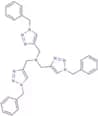
Tris(benzyltriazolylmethyl)amine
CAS:Tris(benzyltriazolylmethyl)amine (TBTA) is a tertiary amine. It complexes with, and stabilizes, copper(I) to accelerate azide-alkyne cycloadditions.Formula:C30H30N10Purity:99.58% - 99.82%Color and Shape:SolidMolecular weight:530.63Tyrosinase, from mushroom
CAS:Purity:≥ 1000U/mgColor and Shape:Freeze-dried materialMolecular weight:-L-Asparaginase
CAS:Formula:C1377H2208N382O442S17Purity:≥ 100U/mgColor and Shape:White to almost white powderMolecular weight:31731.9ENPP3 Protein, Canine, Recombinant (His)
Ectonucleotide pyrophosphatase-phosphodiesterase 3 (ENPP3), a protein detected in the human uterus, has been found to play an important role in the developmentColor and Shape:Lyophilized PowderMolecular weight:96.19 kDa (predicted). Due to glycosylation, the protein migrates to 110-130 kDa based on Tris-Bis PAGE result.Urokinase/uPA Protein, Rat, Recombinant (His)
Urokinase/uPA Protein, Rat, Recombinant (His) is expressed in HEK293 mammalian cells with His tag.Purity:> 95 % as determined by SDS-PAGE - > 95 % as determined by SDS-PAGEColor and Shape:Lyophilized PowderMolecular weight:47.3 kDa (predicted)HER3/ERBB3 Protein, Human, Recombinant (His)
HER3/ERBB3 Protein, Human, Recombinant (His) is expressed in HEK293 mammalian cells with His tag.Purity:SDS-PAGE: 98.5%; SEC-HPLC: 97.6%Color and Shape:Lyophilized PowderMolecular weight:70.2 kDa (predicted); 100-110 kDa (reducing condition, due to glycosylation)CDK2 Protein, Human, Recombinant (His)
CDK2 is a member of the Ser/Thr protein kinase family.Color and Shape:Lyophilized PowderMolecular weight:35 kDa (predicted); 33 kDa (reducing conditions)Ref: TM-TMPY-04542
5µg100.00€10µg162.00€20µg259.00€50µg505.00€100µg884.00€200µg1,549.00€500µg3,205.00€COX-2 Protein, Human, Recombinant (His)
PTGS2, also known as COX-2, is s component of Prostaglandin-endoperoxide synthase (PTGS).Purity:92.1% - > 90 % as determined by SDS-PAGEColor and Shape:Lyophilized PowderMolecular weight:68.5 kDa (predicted); 66 kDa (reducing conditions)Ref: TM-TMPY-01736
5µg171.00€10µg264.00€20µg422.00€50µg785.00€100µg1,256.00€200µg1,950.00€500µg3,713.00€PfLDH Protein, P. falciparum, Recombinant (His)
Plasmodium falciparum lactate dehydrogenase (PfLDH) is a key enzyme for energy generation of malarial parasites and is considered to be a potential antimalarialPurity:96.1%Color and Shape:Lyophilized PowderMolecular weight:34.9 kDa (predicted)TPSAB1 protein, Cynomolgus, Recombinant (His)
TPSAB1, namely tryptase alpha/beta-1, is a serine protease with trypsinlike activity.Color and Shape:Lyophilized PowderMolecular weight:28.57kDa (predicted). The protein migrates to 30-33kDa based on Tris-Bis PAGE result.Necrostatin-1
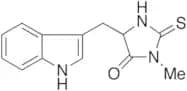
CAS:Controlled Product<p>Applications Necroptosis is a regulated caspase-independent cell death mechanism that results in morphological features resembling necrosis. Necrostatin-1 is an inhibitor of RIP1 kinase that prevents the death of TNF-α-treated FADD-deficient Jurkat cells. Necrostatin-1 has been used to investigate the pathological importance of necroptosis in ischemic brain injury and myocardial infarction.<br>References Foresti, R., et al: J. Biol. Chem., 272, 18411 (1997); Cardenas, A., et al.: J. Neurochem., 74, 2041 (2000); Degterev, et al.: Nat. Chem. Biol., 1, 112 (2005); Hitomi, J., et al.: Cell, 135, 1311 (2008);<br></p>Formula:C13H13N3OSColor and Shape:NeatMolecular weight:259.33rec HIV-1 Protease (expressed in E. coli)
<p>A proteolytic enzyme synthesized by the HIV cell as part of the GagPol polyprotein</p>