Enzymes in Recombinant Proteins
Found 3319 products of "Enzymes in Recombinant Proteins"
PNGaseF, wildtype, liquid, recombinant, from Elizabethkingia miricola
CAS:PNGase F is an endoglycosidase that can remove all N-linked carbohydrates from proteins, which is useful if you are uncertain whether the carbohydrate is N-linked or O-linked to the protein or is a high mannose type. It is also the enzyme of choice when you need to study or use the naked protein in your application. PNGase functions as a glycoamidase and hydrolyzes the amide bond between the innermost GlcNac of mammalian asparagine-linked mannose oligosaccharides, whether they are high, complex or hybrid. Specifically, the glycan is removed from the asparagine residue which through the deamination reactions becomes aspartic acid.This enzyme is available as vials for research applications with pre-defined quantities (>250 kU/vial) of liquid enzyme solution . See our large-scale bulk supply of PNGase F for the deglycosylation of proteins in manufacture.Also available is our endoH enzymes (EEH01.3 - vials for research and EEH01.7 - large scale bulk supply).BspQI, 10U/μL buffer solution
BspQI is a Type IIS restriction endonuclease which only cleave one strand when binding to a DNA sequence.Amidase, from Pseudomonase aeruginosa, recombinant, lyophilized - EAM01
CAS:Amidase is a hydrolase acting on carbon-nitrogen bonds in linear amides, and can be used in hydrolysis of amides to acids. Amidase 01 is of bacterial origin (P. aeruginosa) and has been produced in E.coli.β-Glucosidase from almonds
CAS:β-Glucosidase (β-D-glucosidase, systematic name β-D-glucoside glucohydrolase; EC 3.2.1.21) is an enzyme that catalyzes the release the terminal glucose monomers from cellulose and the other oligo- and poly saccharides with β-1,4-linked glucosyl residues. One Unit of β-Glucosidase will release 1.0 µmole of p-nitrophenol from the chromogenic substrate mimic p-nitrophenyl β-glucoside per minute under optimum conditions.Color and Shape:PowderRibonuclease H from escherichia coli
CAS:Ribonuclease H from Escherichia Coli is the enzyme that breaks down RNA strand in RNA-DNA duplexes. It acts by cleaving the phosphodiester bonds of RNA and produces 3' hydroxyl and a 5' phosphate groups at the cleavage site. A common use of Ribonuclease H is to remove RNA template after reverse transcription reaction.
Phospholipase A2, liquid, food-grade
CAS:Phospholipase A2, liquid, food-grade, is an enzymatic product derived from natural sources, typically microbial or animal tissues, utilized in various lipid modification processes. This enzyme specifically targets phospholipids, catalyzing the hydrolysis of the sn-2 ester bond, which releases free fatty acids and lysophospholipids. Its precise and efficient mode of action allows for targeted alterations in the lipid structure, offering potential benefits in modifying texture, flavor, and stability of food products.Purity:One Unit Of Enzyme Activity Is Defined As That Amount Of Enzyme That Causes The Release Of OneAdenosine deaminase, type X, buffered aqueous glycerol solution
CAS:Adenosine deaminase catalyzes deamination of adenosine, converting it to inosine. It happens by the substituting of the amino group by a keto group. One Unit of the enzyme converts one micromole of adenosine to inosine per minute at 25°C, pH 7.4. Adenosine deaminase is also known by names of adenosine aminohydrolase, and ADA, EC 3.5.4.4.Molecular weight:1,000 g/molCreatinine deiminase
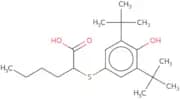
CAS:Creatinine deiminase (EC 3.5.4.21) in an enzyme that catalyzes the following reaction: Creatinine + H2O → N-Methylhydantoin + NH3 One unit of creatinine deiminase will hydrolyze 1.0 µmole of creatinine to N-methylhydantoin and ammonia per minute at pH 7.5 and 37°C.Formula:C20H32O3SPhosphoenolpyruvate carboxylase
CAS:Phosphoenolpyruvate carboxylase is an enzyme, often found naturally in the cytosol of plant cells, which is derived primarily from various plant species. It plays a crucial role in the photosynthetic process, particularly in C4 and CAM plants. By catalyzing the irreversible carboxylation of phosphoenolpyruvate (PEP) to oxaloacetate, this enzyme facilitates the fixation of carbon dioxide, a vital step in the conversion of carbon dioxide into organic compounds during photosynthesis.Purity:Min. 95%Phosphorylase
CAS:Phosphorylase is an enzyme that plays a crucial role in carbohydrate metabolism, primarily sourced from various biological organisms, including humans, plants, and bacteria. Its mode of action involves catalyzing the breakdown of glycogen into glucose-1-phosphate by adding an inorganic phosphate group. This process is critical in regulating energy release and storage within cells.Purity:Min. 95%DNA polymerase
CAS:DNA polymerase is an essential enzymatic protein, derived from various organisms including bacteria, archaea, and eukaryotes, which plays a pivotal role in the replication and repair of DNA. This enzyme functions by adding nucleotides to the growing DNA strand in a template-dependent manner, ensuring the accurate duplication of the genetic material. It operates through a polymerization mechanism, where nucleotides are selected and incorporated complementary to the template strand, facilitating the elongation of the new DNA strand in the 5' to 3' direction.CS2 hydrolase from Acidianus sp., aqueous solution with glycerol
CS2 hydrolase (Carbon disulfide hydrolase; E.C. 3.13.1.5) is an enzyme that catalyzes the following reaction: CS2 + 2 H2O → CO2 + 2 H2S thus converting carbon disulfide into hydrogen sulfide and carbon dioxide.Formula:C1101H1721N305O320S6Molecular weight:43,345.4 g/molLipase 003
CAS:Lipases belong to the family of esterases and naturally act on triglycerides at lipid-water interfaces. Lipases/esterases can be used as versatile tools in hydrolytic reactions, esterifications and transesterification reactions in industrial and food applications.
Lipase 008
CAS:Lipases belong to the family of esterases and naturally act on triglycerides at lipid-water interfaces. Lipases/esterases can be used as versatile tools in hydrolytic reactions, esterifications and transesterification reactions in industrial and food applications.
Lipase immo Kit 01
CAS:Lipase immo Kit 01 is an advanced biochemical tool designed for the immobilization of lipase, an enzyme commonly sourced from microorganisms. This innovative kit utilizes a sophisticated immobilization matrix to enhance enzyme stability and reusability. By binding the enzyme to a solid support, the kit facilitates repeated and continuous use in various reactions without significant loss of activity.Color and Shape:PowderLipase 076
CAS:Lipases belong to the family of esterases and naturally act on triglycerides at lipid-water interfaces. Lipases/esterases can be used as versatile tools in hydrolytic reactions, esterifications and transesterification reactions in industrial and food applications.Lipase 001
CAS:Lipases belong to the family of esterases and naturally act on triglycerides at lipid-water interfaces. Lipases/esterases can be used as versatile tools in hydrolytic reactions, esterifications and transesterification reactions in industrial and food applications.
rec HIV-1 Protease (expressed in E. coli)
A proteolytic enzyme synthesized by the HIV cell as part of the GagPol polyproteinNCEH1 Protein, Human, Recombinant (His & Myc)
Expression system: E. coli
Length: 26-408, Partial
Activity: Not TestedColor and Shape:Lyophilized PowderMolecular weight:50.7 kDa (Predicted)Ref: TM-TMPH-04035
1mg2,136.00€5µg99.00€10µg171.00€20µg276.00€50µg387.00€100µg515.00€200µg794.00€500µg1,420.00€PELI1 Protein, Human, Recombinant (E. coli, His)
Expression system: E. coli
Length: 1-418, Full Length
Activity: Not TestedColor and Shape:Lyophilized PowderMolecular weight:50.4 kDa (Predicted)Ref: TM-TMPH-03899
1mg2,255.00€5µg105.00€10µg174.00€20µg291.00€50µg409.00€100µg544.00€200µg838.00€500µg1,499.00€