Others
Found 6270 products of "Others"
Sort by
Purity (%)
0
100
|
0
|
50
|
90
|
95
|
100
4-Nitrophenyl-α-D-glucopyranoside, β-Anomer < 0.1%
CAS:<p>4-Nitrophenyl-alpha-D-glucopyranoside, beta-Anomer is a chromogenic sugar that can be used as an indicator for the presence of 4-nitrophenol. It is a highly reactive compound that spontaneously reacts with nitrobenzene to form a dinitroaniline. This anomeric structure is easily oxidized by air and light to form the corresponding o-dinitroaniline. When this reaction occurs, this substance changes color from yellow to red.</p>Formula:C12H15NO8Purity:Min. 99.0 Area-%Molecular weight:301.26 g/mol4-Nitrophenylphosphorylcholine
CAS:<p>Chromogenic substrate used to measure phospholipase C (PLC) activity</p>Formula:C11H17N2O6PPurity:Min. 95 Area-%Color and Shape:PowderMolecular weight:304.24 g/molNaphthol AS-BI
CAS:<p>Chromogenic substrate for alkaline and acid phosphatase</p>Formula:C18H14BrNO3Purity:Min. 95%Molecular weight:372.21 g/mol2-O-(4-Nitrophenyl)-a-D-N-acetylneuraminic acid ammonium salt
CAS:<p>2-O-(4-Nitrophenyl)-a-D-N-acetylneuraminic acid ammonium salt is a chromogenic substrate commonly used in the detection and quantification of sialidase activity. Sialidases are a family of enzymes that hydrolyze sialic acid residues from glycoconjugates. This substrate is used to detect bacterial and viral sialidases, which play an important role in pathogen infectivity. The ammonium salt form of the substrate is preferred for its solubility in water-based assay systems.</p>Purity:Min. 95%Molecular weight:447.39 g/mol2-Nitrophenyl-β-D-cellobioside
CAS:<p>Chromogenic substrate for β-D-Cellobiosidase yielding a yellow solution upon cleavage.</p>Formula:C18H25NO13Purity:Min. 98.0 Area-%Molecular weight:463.4 g/molAldol® 458 phosphate, disodium salt, Biosynth Patent: EP 2427431 and US 8940909
CAS:<p>Aldol® 458 phosphate is a chromogenic and fluorogenic enzyme substrate used for detection of phosphatase activity. The colorless enzyme substrate is cleaved by phosphatases secreted by bacteria grown in liquid media, yielding yellow color and green fluorescence. Aldol® 458 phosphate can also be used in assays involving phosphatase-coupled antibodies in immunoassay applications (ELISA). Aldol® 458 phosphate can be used under aerobic and anaerobic conditions.</p>Formula:C16H12NNa2O6PPurity:Min. 95%Color and Shape:PowderMolecular weight:391.22 g/mol5-Iodo-3-indoxyl-β-D-galactopyranoside
CAS:<p>5-Iodo-3-indoxyl-beta-D-galactopyranoside is a chromogenic substrate for beta-galactosidase.</p>Formula:C14H16INO6Purity:Min. 99 Area-%Molecular weight:421.19 g/mol5-Nitro-3-indolyl-b-D-galactopyranoside
<p>5-Nitro-3-indolyl-b-D-galactopyranoside is a substrate for a number of enzymes, including beta-galactosidase, beta-glucuronidase, and beta-mannosidase. It is used as an enzyme substrate in diagnostics to measure the activity of these enzymes. 5N3IG was also used to study the effects of conjugation on enzyme activity. 5N3IG is available in high purity and high quality at CAS No.</p>Purity:Min. 95%4-Nitrophenyl-α-D-maltopyranoside
CAS:<p>Chromogenic α-maltosidase substrate yielding a yellow solution upon cleavage.</p>Formula:C18H25NO13Purity:Min. 98.0 Area-%Molecular weight:463.40 g/mol4-Nitrophenyl O-(N-acetyl-a-neuraminosyl)-(2,3)-O-b-D-galactopyranosyl-(1,3)-2-acetamido-2-deoxy-a-D-galactopyran oxide
CAS:<p>4-Nitrophenyl O-(N-acetyl-a-neuraminosyl)-(2,3)-O-b-D-galactopyranosyl-(1,3)-2-acetamido-2-deoxy-a-D-galactopyran oxide is a fluorogenic substrate that is used in the detection of glycosidases. It has been shown to be an excellent ligand for the enzyme beta galactosidase, which cleaves the glycan substrate 4NPOBGPA into 4NP and O-(N acetyl) neuraminic acid. 4NPOBGPA can be used as a chromogenic substrate for detecting beta galactosidase activity and can also be conjugated to other fluorescent molecules. This product is high purity and high quality.</p>Purity:Min. 95%Molecular weight:795.7 g/mol5-Bromo-3-indolyl-a-D-galactopyranoside
<p>5-Bromo-3-indolyl-a-D-galactopyranoside (5BIG) is a bioluminescent substrate that is used in various applications, including environmental testing, diagnostics, and the detection of bacterial activity. 5BIG is a ligand for luciferase enzymes and is used as a chromogenic substrate. It also has the ability to be conjugated with other molecules for use in enzyme substrates or fluorescence assays. 5BIG has been shown to be an effective fluorogenic substrate for enzymes such as alkaline phosphatase and beta-glucuronidase.</p>Purity:Min. 95%Nitrocefin
CAS:<p>Chromogenic cephalosporin substrate for the detection of beta-lactamase activity</p>Formula:C21H16N4O8S2Purity:Min. 90 Area-%Color and Shape:Yellow Orange PowderMolecular weight:516.51 g/mol4-Nitrophenyl 2-acetamido-2-deoxy-a-D-glucopyranoside
CAS:<p>4-Nitrophenyl 2-acetamido-2-deoxy-a-D-glucopyranoside is a chromogenic pNP substrate specifically designed for the analysis of N-acetylglucosaminidase activity. Upon enzyme action, the substrate releases 4-nitrophenol, a yellow compound that can be detected by spectrophotometric methods, providing a reliable and sensitive means of quantifying enzyme activity. This versatile substrate is widely used in biochemical studies, disease diagnostics, and the enzyme production industry.</p>Formula:C14H18N2O8Color and Shape:White Off-White PowderMolecular weight:342.3 g/molAldol® 535 myo-inositol-1-phosphate, ammonium salt, Biosynth Patent: EP 2427431 and US 8940909
CAS:<p>Aldol 535 is a chemiluminescent substrate for the detection of myo-inositol-1-phosphate. It has been shown to have high purity and high quality, and is suitable for use in diagnostics, food testing, and as a bioluminescence substrate. Aldol 535 is also used as a ligand in various enzyme assays. It has been tested for its ability to react with the fluorogenic substrates: 4-methylumbelliferyl phosphate and 4-methylumbelliferone phosphate. The CAS number is 2484872-80-0.</p>Formula:C29H32BrClN3O10PPurity:Min. 95%Color and Shape:PowderMolecular weight:728.91 g/mol6-Chloro-3-indoxyl-β-D-glucopyranoside
CAS:<p>Chromogenic substrate for β-D-glucosidase. Yields a red precipitate upon cleavage.</p>Formula:C14H18ClNO7Purity:Min. 98 Area-%Molecular weight:347.75 g/mol3-Indoxyl-β-D-galactopyranoside
CAS:<p>Chromogenic substrate for β-D-galactosidase, yielding a blue precipitate upon cleavage.</p>Formula:C14H17NO6Purity:Min. 98 Area-%Molecular weight:295.29 g/molAldol® 470 choline phosphate, Biosynth Patent: EP 2427431 and US 8940909
CAS:<p>Aldol® 470 choline phosphate is a chromogenic and fluorogenic enzyme substrate used for detection of phosphatidyl-choline specific phospholipase C (PC-PLC, EC 3.1.4.3) activity. The colorless product is cleaved by PC-PLC positive microorganisms in liquid or solid media, yielding a yellow color and green fluorescence. Aldol® 470 choline phosphate therefore, enables the detection and identification of PC-PLC positive pathogenic bacteria, such as, Clostridium perfringens, Pseudomonas aeruginosa, Helicobacter pylori, Legionella pneumophila, Bacillus cereus, Bacillus anthracis, Listeria monocytogenes, and others. Aldol® 470 choline phosphate can be used under aerobic and anaerobic conditions.</p>Formula:C28H31N2O7PPurity:Min. 95%Color and Shape:PowderMolecular weight:538.53 g/mol5-Bromo-4-chloro-3-indolyl nonanoate
CAS:<p>5-Bromo-4-chloro-3-indolyl nonanoate is a fluorogenic substrate that is used in the detection of enzymes. The substrate reacts with various enzymes and produces a fluorescent product, which can be detected using a fluorimeter or luminometer. It has been shown to be active against β-galactosidase, α-chymotrypsin, and β-glucuronidase. This compound may also be used as an enzyme substrate for the detection of bacteria in culture media or for food testing. 5-Bromo-4-chloro-3 indolyl nonanoate is not mutagenic or genotoxic when tested on bacterial cells.</p>Formula:C17H21BrClNO2Purity:Min. 95%Molecular weight:386.71 g/mol5-Bromo-4-chloro-3-indolyl α-D-fucopyranoside
CAS:<p>This powerful chromogenic substrate is designed specifically for the assay and detection of a-L-fucosidase enzyme activity. With a unique combination of bromo, chloro, and indolyl moieties, it offers enhanced stability and promotes color development that is unparalleled in clarity and intensity. Ideal for biochemistry, molecular biology, and related life sciences applications, this substrate provides unmatched performance and reliability for all your a-L-fucosidase enzyme research needs.</p>Formula:C14H15BrClNO5Purity:Min. 95%Color and Shape:PowderMolecular weight:392.63 g/molN-Acetyl-5-bromo-3-indoxyl-2,3,4-tri-O-acetyl-β-D-glucuronic acid methyl ester
<p>N-Acetyl-5-bromo-3-indoxyl-2,3,4-tri-O-acetyl-beta-D-glucuronic acid methyl ester is a chromogenic substrate that can be used for the detection of bile acids and bilirubin in food testing. It is a conjugate of an acetylated 2,3,4 triacetyl glucuronic acid methyl ester with 5 bromo 3 indoxyl. This product has high purity and high quality.</p>Formula:C23H24BrNO11Purity:Min. 98.0 Area-%Molecular weight:570.34 g/mol4-Nitrophenyl a-D-thiomannopyranoside
CAS:<p>4-Nitrophenyl a-D-thiomannopyranoside is a chemiluminescence substrate that can be used to measure the activity of β-galactosidase, an enzyme involved in the hydrolysis of lactose. This product is available as a white to yellowish powder and has been shown to have high purity and quality. It also displays strong fluorescence when reacted with hydrogen peroxide and has been used for diagnostics tests such as staining, food testing, and enzyme substrate reactions.</p>Purity:Min. 95%Molecular weight:317.32 g/mol6-Chloro-3-indoxyl-β-D-glucuronic acid methyl ester, Biosynth Patent: EP 2718458 and US 9127303
<p>6-Chloro-3-indoxyl-beta-D-glucuronic acid methyl ester is a chromogenic substrate that can be used for the detection of indoxyl glucuronide in urine and other biological fluids. 6-Chloro-3-indoxyl-beta-D-glucuronic acid methyl ester is a white or light yellow crystalline solid that is soluble in water. It has a melting point of about 80°C and is stable at pH levels ranging from 2 to 12. The CAS number for this compound is 13982-87-6.</p>Formula:C15H16ClNO7Purity:Min. 97.0 Area-%Molecular weight:357.74 g/mol5-Bromo-4-chloro-3-indoxyl choline phosphate
CAS:<p>5-Bromo-4-chloro-3-indoxyl choline phosphate is a synthetic enzyme substrate for detecting phosphatidylcholine-specific phospholipase C.</p>Formula:C13H17BrClN2O4PPurity:Min. 99 Area-%Molecular weight:411.63 g/mol5-Bromo-3-indolyl phosphate disodium salt
CAS:<p>5-Bromo-3-indolyl phosphate disodium salt is a chemiluminescent substrate that is used for the detection of bacterial activity. It reacts with oxygen to produce light, which can be measured using a luminometer. It is also used as a chromogenic substrate for detection of bacterial activity in culture media. The enzyme reaction produces an intense blue fluorescence and is used for diagnostic purposes in food testing and medical diagnostics. 5-Bromo-3-indolyl phosphate disodium salt has been shown to be effective against many bacteria and fungi, including Staphylococcus aureus, Streptococcus pyogenes, Escherichia coli, Pseudomonas aeruginosa, Candida albicans and Aspergillus niger. This product is chemically stable at room temperature but should be stored at 4°C or below.</p>Formula:C8H5BrNO4PNa2Purity:Min. 95%Color and Shape:PowderMolecular weight:335.99 g/molN-(3-Sulfopropyl)-3,3',5,5'-tetramethylbenzidine sodium salt
CAS:<p>N-(3-Sulfopropyl)-3,3',5,5'-tetramethylbenzidine (TMB) sodium salt is a highly sensitive chromogenic substrate used for the detection and quantification of peroxidase enzyme activity. This water-soluble substrate undergoes a color change from colorless to blue upon oxidation by peroxidase enzymes in the presence of hydrogen peroxide. The reaction can be stopped by adding an acid, resulting in a yellow color that can be measured spectrophotometrically. TMB sodium salt is widely used in various applications, including enzyme-linked immunosorbent assays (ELISA), immunohistochemistry, and other diagnostic tests, due to its high sensitivity, low background signal, and excellent stability.</p>Purity:Min. 95%Color and Shape:PowderMolecular weight:384.47 g/mol4-Nitrophenyl palmitate
CAS:<p>4-Nitrophenyl palmitate is a lipase-sensitive chromogenic substrate commonly used in the study of lipase and esterase activity. Its hydrolysis by lipases produces a yellow 4-nitrophenol, which can be easily detected spectrophotometrically, offering a quantitative measure of enzyme activity. This substrate is widely utilized in the screening of lipase-producing microorganisms and the optimization of enzyme-catalyzed reactions in various fields, including biotechnology and pharmaceutical research.</p>Formula:C22H35NO4Purity:Min. 95%Color and Shape:Off-White PowderMolecular weight:377.52 g/mol4-Nitrophenyl-N-acetyl-β-D-glucosaminide
CAS:<p>Chromogenic β-glucosaminidase substrate yielding a yellow solution upon cleavage, used particularly in yeasts and molds.</p>Formula:C14H18N2O8Purity:Min. 99.0 Area-%Molecular weight:342.31 g/mol2-Nitrophenyl b-D-cellobioside heptaacetate
CAS:<p>2-Nitrophenyl b-D-cellobioside heptaacetate is a chromogenic enzyme substrate used to assay for cellobiohydrolase activity. The substrate undergoes enzymatic hydrolysis, releasing 2-nitrophenol which can then be detected via absorbance at 400 nm. This type of substrate is also used for the analysis of cellulose and hemicelluloses in plant materials. The heptaacetate modification enhances solubility, making it ideal for use in organic solvents, and it also protects against unwanted hydrolysis by acid or alkali. The substrate can be used in a variety of applications, including enzyme assay development, screening for inhibitors or activators, and in the study of the mode of action and substrate specificity of cellulase enzymes.</p>Purity:Min. 95%Color and Shape:PowderMolecular weight:757.65 g/mol2-Chloro-4-nitrophenyl b-D-galactopyranoside
CAS:<p>2-Chloro-4-nitrophenyl-beta-D-galactopyranoside is a chromogenic substrate used to test enzyme activities. It is commonly used in molecular biology research for the detection and measurement of beta-galactosidase activity.</p>Formula:C12H14ClNO8Purity:Min. 95%Color and Shape:White PowderMolecular weight:335.69 g/mol2-(N-Hexadecanoylamino)-4-nitrophenylphosphocholine hydroxide
CAS:<p>2-(N-Hexadecanoylamino)-4-nitrophenylphosphocholine hydroxide, often abbreviated as HDA-PC, is a chromogenic substrate for acid sphingomyelinase enzyme. HDA-PC is used as a key substrate for measuring the activity of this enzyme, responsible for catalyzing the hydrolysis of sphingomyelin to ceramide. The activity assay for this measuring this enzyme's acitivy is to detect a deficiency (or lack) of the enzyme which is directly related to the Niemann-Pick disease.</p>Formula:C27H50N3O8PPurity:Min. 95%Color and Shape:Off-White PowderMolecular weight:575.68 g/mol2-Nitrophenyl b-D-arabinopyranoside
<p>2-Nitrophenyl b-D-arabinopyranoside is a chemical compound that is used in the detection of ATP by chemiluminescence. It acts as a substrate for enzymes such as luciferase and catalase, which catalyze the oxidation of 2-nitrophenyl b-D-arabinopyranoside to phenol and carbon dioxide with the release of light. This reaction can be used in diagnostic applications such as detecting bacteria in culture media or diagnosing food spoilage. 2-Nitrophenyl b-D-arabinopyranoside can also be used as a conjugate to detect proteins or nucleic acids by fluorescence spectroscopy. The CAS number for this compound is 107772-06-1.</p>Purity:Min. 95%Molecular weight:271.22 g/mol4-Nitrophenyl 2-acetamido-2-deoxy-β-D-glucopyranoside-6-sulfate potassium
CAS:<p>4-Nitrophenyl 2-acetamido-2-deoxy-beta-D-glucopyranoside-6-sulfate potassium is a chromogenic substrate for N-acetylglucosamine-6-sulfatase. Upon hydrolysis, para-nitrophenol is released yielding a yellowish colour. 4-Nitrophenyl 2-acetamido-2-deoxy-beta-D-glucopyranoside-6-sulfate potassium is used in different applications such as the Mucopolysaccharidosis IIID (Sanfilippo D) screening</p>Formula:C14H17N2O11S•KPurity:Min. 95%Color and Shape:PowderMolecular weight:460.46 g/mol3,4-Cyclohexenoesculetine phosphate disodium
<p>Please enquire for more information about 3,4-Cyclohexenoesculetine phosphate disodium including the price, delivery time and more detailed product information at the technical inquiry form on this page</p>4-Nitrophenyl-β-D-galactopyranoside
CAS:<p>Chromogenic β-galactosidase substrate yielding a yellow solution upon cleavage. Can be used for the detection of coliforms due to their β-galactosidase activity.</p>Formula:C12H15NO8Purity:Min. 98.0 Area-%Molecular weight:301.26 g/mol5-Bromo-4-chloro-3-indoxyl-1-acetate
CAS:<p>5-Bromo-4-chloro-3-indoxyl-1-acetate is a chromogenic substrate used to detect the specific enzymatic activity of esterase. After cleavage, 5-bromo-4-chloro-indoxyl is released, resulting in a blue to blue-green color change in bacterial colonies or media. 5-Bromo-4-chloro-3-indoxyl-1-acetate is used in bacterial esterase activity assays (e.g. Pseudomonas spp.).</p>Purity:Min. 95%Color and Shape:PowderMolecular weight:288.52 g/mol5-Bromo-4-chloro-3-indoxyl-α-D-N-acetylneuraminic acid, cyclohexylammonium salt
<p>5-Bromo-4-chloro-3-indoxyl-alpha-D-N-acetylneuraminic acid, cyclohexylammonium salt is a Fluorogenic substrate used for the detection of an enzyme that converts sialic acid to fluorescein. This product has a high quality and purity with a CAS number. It is used in Culture media as a conjugate, Enzyme substrate, Food testing, High purity, Diagnostics, ligand, Chromogenic substrate, Environmental testing. The product has been tested and found to be safe for use with animals and humans.</p>Formula:C25H35BrClN3O9Purity:Min. 99.5 Area-%Molecular weight:636.92 g/mol2-Nitrophenyl b-D-xylopyranoside
CAS:<p>Chromogenic substrates targeting beta-xylosidase</p>Purity:Min. 95%Color and Shape:PowderMolecular weight:271.22 g/mol5-Bromo-4-chloro-3-indolyl b-D-fucopyranoside
CAS:<p>5-Bromo-4-chloro-3-indolyl b-D-fucopyranoside is a chromogenic substrate used is for the enzyme beta-fucosidase.</p>Formula:C14H15BrClNO5Purity:Min. 98 Area-%Color and Shape:PowderMolecular weight:392.63 g/mol3,4-Cyclohexenoesculetine-N-acetyl-glucosamine
<p>Please enquire for more information about 3,4-Cyclohexenoesculetine-N-acetyl-glucosamine including the price, delivery time and more detailed product information at the technical inquiry form on this page</p>5-Bromo-4-chloro-3-indoxyl-β-L-fucopyranoside
CAS:<p>This product is a chromogenic substrate that is used in the detection of alkaline phosphatase and other enzymes. It is also used in food testing, staining, and diagnostics. This product has high purity with a CAS number of 125328-84-9.</p>Formula:C14H15BrClNO5Purity:Min. 99 Area-%Molecular weight:392.63 g/molRef: 3D-B-7138
10mgTo inquire25mgTo inquire50mgTo inquire100mgTo inquire250mgTo inquire-Unit-ggTo inquire6-Bromo-2-naphthyl-α-D-galactopyranoside
CAS:<p>6-Bromo-2-naphthyl-alpha-D-galactopyranoside is a bioluminescent substrate for the enzyme luciferase that has been shown to be useful in detection of phenazines, antibiotics and other compounds in environmental testing. 6-Bromo-2-naphthyl-alpha-D-galactopyranoside can also be used for measurements of total microbial counts and for the measurement of the activity of enzymes such as beta galactosidase. It is also a ligand for the peroxidase enzyme, which makes it useful in staining techniques. 6BARG can be used as a fluorogenic substrate or as an indicator in chromogenic substrates. It is an important reagent for chemiluminescence and can also be used to measure the concentration of various substances.</p>Formula:C16H17BrO6Purity:Min. 98 Area-%Molecular weight:385.22 g/mol2-Naphthyl-α-D-glucopyranoside
CAS:<p>2-Naphthyl-α-D-glucopyranoside is a substrate for α-glucosidase. 2-Naphthol is released upon hydrolyzation. By simultaneous coupling with a suitable staining reagent, such as hexazonium p-rosaniline, the corresponding reddish-brown azo-dye is formed. Naphthols can also be detected by fluorescence analysis.</p>Formula:C16H18O6Purity:Min. 98.0 Area-%Molecular weight:306.32 g/mol4-Nitrophenyl 4,6-benzylidene-α-D-glucopyranoside
CAS:<p>4-Nitrophenyl 4,6-benzylidene-alpha-D-glucopyranoside is a chromogenic substrate for alpha-glucosidase. Upon hydrolysis, para-nitrophenol is released yielding a yellowish colour. 4-Nitrophenyl 4,6-benzylidene-alpha-D-glucopyranoside is used in different applications such as the Pompe disease diagnosis, glycogen metabolism research</p>Formula:C19H19NO8Purity:Min. 95%Color and Shape:PowderMolecular weight:389.36 g/mol2-Nitrophenyl-β-D-galactopyranoside
CAS:<p>Chromogenic β-galactosidase substrate yielding a yellow solution upon cleavage. Can be used for the detection of coliforms due to their beta-galactosidase activity.</p>Formula:C12H15NO8Purity:Min. 99.0 Area-%Molecular weight:301.26 g/molp-Nitrophenylphosphorylcholine
CAS:<p>p-Nitrophenylphosphorylcholine is a substrate molecule for enzymes that catalyze phospholipid biosynthesis. It is the most common substrate used to study the enzyme activity of phosphatidylcholine synthase and phospholipase A2 in human serum. The reaction mechanism is not well understood, but it appears to involve autocatalysis and an initial nucleophilic attack by p-nitrophenolate on the carbonyl carbon atom of the choline moiety. p-Nitrophenylphosphorylcholine has been shown to exhibit receptor activity on cells, which may be due to its ability to bind with basic proteins. This compound can also inhibit meiosis in Drosophila melanogaster and increase levels of natriuretic peptides in rats, as well as cause cell lysis and polymerase chain reactions in mammalian cells.</p>Formula:C11H17N2O6PMolecular weight:304.24 g/molAldol® 495 acetate, Biosynth Patent: EP 2427431 and US 8940909
CAS:Controlled Product<p>Aldol 495 acetate is a chromogenic substrate that contains the chemical compound Aldol. It is used in food testing, diagnostics, and environmental testing. Aldol 495 acetate can be used as a ligand to detect the presence of enzymes or bacteria in culture media and diagnostics. This product has been shown to have a high purity and quality.</p>Formula:C22H17ClN2O3Purity:Min. 95.0 Area-%Molecular weight:392.83 g/mol4-Nitrophenyl 2,3,4,6-tetra-O-acetyl-b-D-thioglucopyranoside
CAS:<p>4-Nitrophenyl 2,3,4,6-tetra-O-acetyl-b-D-thioglucopyranoside is a fluorescent dye that is used in recording and registration. It has been shown to be a very sensitive reporter of protein interactions in living cells. This dye binds to proteins via the hydroxyl groups on its sugar moiety, and has been shown to bind to a variety of proteins such as myosin light chain kinase and phosphatidylinositol 4-kinase. The fluorescent properties of this dye make it useful for tracking protein localization in the cell.</p>Purity:Min. 95%Molecular weight:485.46 g/mol5-Bromo-4-chloro-3-indoxyl phosphate, p-toluidine salt, high grade
CAS:<p>A substrate for visualising alkaline phosphatase activity. It produces a purple insoluble end product that is detected visually, when used together with nitroblue tetrazolium. The substrate system is versatile and has functions in a variety of applications, including Northern, Southern, and Western blotting, in situ hybridization, ELISAs, microarray and immunohistochemistry. DMF soluble.</p>Formula:C15H15BrClN2O4PPurity:Min. 98.0 Area-%Molecular weight:433.63 g/molAldol® 495 nonanoate, Biosynth Patent: EP 2427431 and US 8940909
CAS:Controlled Product<p>Aldol 495 nonanoate is a bioluminescent substrate that can be used to measure the activity of Aldolase, which is an enzyme that catalyzes the conversion of glyceraldehyde-3-phosphate and dihydroxyacetone phosphate to D-glyceraldehyde. This substrate is used in various diagnostic assays, including food testing and staining. Aldol 495 nonanoate was developed by Cymit Quimica Pharmaceuticals and has been patented by EP 2427431 and US 8940909.</p>Formula:C29H31ClN2O3Purity:Min. 95.0 Area-%Molecular weight:491.02 g/molCalcium 2-naphthylphosphate
CAS:<p>Calcium 2-naphthylphosphate, which is the calcim salt of 2-naphthylphosphate, is a chromogenic substrate to measure alkaline phosphatase activity. After enzymatic cleavage, the product yielded (2-naphthol) generates a red-colored complex upon reaction with a diazonium salt like Fast Blue RR or Fast Garnet GBC.</p>Purity:(%) Min. 95%Color and Shape:PowderMolecular weight:282.24 g/mol6-Bromo-2-naphthyl a-D-glucopyranoside
CAS:<p>6-Bromo-2-naphthyl alpha-D-glucopyranoside is a chromogenic substrate used to detect alpha-glucosidase enzyme activity. When cleaved by the enzyme alpha-glucosidase, it releases 6-bromo-2-naphthol, which can be coupled with diazonium salts (for example 4'-amino-2,3'-dimethylazobenzene, also known as Fast Garnet GBC) to form a colored precipitate. 6-Bromo-2-naphthyl alpha-D-glucopyranoside is used in biochemical assays, histochemistry, and diagnostic tests for conditions like lysosomal storage disorders (e.g. Pompe disease) and carbohydrate metabolism studies.</p>Formula:C16H17BrO6Purity:Min. 95%Color and Shape:White Off-White PowderMolecular weight:385.21 g/mol1-Naphthyl β-D-glucuronide
CAS:<p>1-Naphthyl beta-D-glucuronide (NPG) is a chromogenic enzyme substrate used to detect the presence of β-glucuronidase activity. Upon hydrolysis by the enzyme, it produces a yellow product that can be detected by spectrophotometry or visually. It is commonly used in clinical assays to detect the presence of the enzyme in urine samples, as elevated levels can indicate liver or urinary tract diseases. It is also utilized in environmental testing, as some bacteria strains can produce the enzyme as a by-product, making NPG a useful tool for detecting these strains in contaminated water or food sources.</p>Formula:C16H16O7Purity:Min. 95%Color and Shape:White PowderMolecular weight:320.29 g/molAldol® 518 palmitate, Biosynth Patent: EP 2427431 and US 8940909
<p>Aldol 518 Palmitate is a high purity and high quality, bioluminescent substrate for use in diagnostic applications. Aldol 518 Palmitate is an enzyme substrate that is used for the detection of hydrogen peroxide through chemiluminescence or bioluminescence. It can be used in the diagnosis of bacterial infections and to test food products for spoilage. The enzyme substrate has a CAS number of 646-12-2.</p>Formula:C39H49ClN2O3Purity:Min. 95 Area-%Molecular weight:629.28 g/molAldol® 535 myo-inositol-1-phosphate, ammonium salt, Biosynth Patent: EP 2427431 and US 8940909
CAS:<p>Aldol® 535 myo-inositol-1-phosphate, ammonium salt is a chromogenic substrate for the enzyme, phosphoglucomutase. This product is used for the detection of phosphoglucomutase by its ability to react with this enzyme and produce a blue or green color. Aldol® 535 myo-inositol-1-phosphate, ammonium salt is also used as a ligand in fluorescence resonance energy transfer (FRET) experiments. It has an EC number of CAS No. 2484872-80-0 and a molecular weight of 345.05 g/mol.</p>Formula:C29H32BrClN3O10PPurity:Min. 95.0 Area-%Molecular weight:728.91 g/mol5-Bromo-4-chloro-3-indolyl palmitate
CAS:<p>5-Bromo-4-chloro-3-indolyl palmitate is a chromogenic substrate used to detect the specific enzymatic activity of lipase. After cleavage, 5-bromo-4-chloro-indoxyl is released, resulting in a blue to blue-green color change in bacterial colonies or media. 5-Bromo-4-chloro-3-indolyl palmitate is used in lipase activity assays or cystic fibrosis diagnostics.</p>Purity:Min. 95%Color and Shape:PowderMolecular weight:484.9 g/molAldol® 515 N-glutaryl-L-phenylalanine amide potassium salt, Biosynth Patent: EP 2427431 and US 8940909
CAS:<p>Aldol® 515 N-glutaryl-L-phenylalanine amide is a chromogenic and fluorogenic enzyme substrate used for detection of L-glutamate-phenylalanine (GluPhe)-specific peptidase activity. The colorless enzyme substrate is cleaved the GluPhe-specific peptidase, yielding development of orange-red coloration. In addition, red fluorescence is generated when Aldol® 355 fluorescence enhancer or a suitable matrix is present. Aldol® 515 N-glutaryl-L-phenylalanine amide can be used in enzyme assays and live bacterial cultures. Aldol® 515 N-glutaryl-L-phenylalanine amide is suitable for use in liquid and solid media, under aerobic as well as anaerobic conditions.</p>Formula:C37H35KN4O5Purity:Min. 95%Color and Shape:PowderMolecular weight:654.8 g/mol4-Nitrophenyl 3-O-(a-D-mannopyranosyl)-a-D-mannopyranoside
CAS:<p>Chromogenic substrate for α-glucanase</p>Formula:C18H25NO13Purity:Min. 97 Area-%Color and Shape:White PowderMolecular weight:463.39 g/mol3-Indoxyl-β-D-glucopyranoside anhydrous
CAS:<p>The maunfacturing of blue jeans started 150 years ago as workwear, and are found nowadays in almost every wardrobe. Their renowned indigo color tone is truly unique; nevertheless, the high demand for the dye poses serious sustainability and environmental problems connected with its manufacturing process. Recently, a group of scientists presented an alternative indigo dyeing method inspired by the indoxyl glucoconjugate present in the plant P.tinctorium. The researchers proposed as an alternative approach a biocatalytic process using recombinant E.coli to access water soluble β-gluco-indoxyl (indican). At the point of coloring, indican gets hydrolyzed by β-glucosidase enzymes forming indoxyl, which suddenly undergoes oxidation to leucoindigo and further crystallizes to indigo giving the typical blue denim its signature character.</p>Formula:C14H17NO6Purity:Min. 99.0 Area-%Molecular weight:295.29 g/mol2-Chloro-4-nitrophenyl-α-L-fucopyranoside
CAS:<p>2-Chloro-4-nitrophenyl-alpha-L-fucopyranoside is a compound that is commonly used as an enzyme substrate for glycogen synthase kinase (GSK). It is activated by GSK-3β and has been shown to inhibit the activity of this enzyme. This compound has also been found to have inhibitory effects on other enzymes such as carbonic anhydrase and lactate dehydrogenase. Additionally, 2-Chloro-4-nitrophenyl-alpha-L-fucopyranoside exhibits antifungal activity against various fungi, including those resistant to other antifungal agents such as fluopyram and prothioconazole. Its mechanism of action involves interfering with ergosterol biosynthesis, an essential component of fungal cell membranes. Furthermore, this compound has potential applications in the development of new drugs targeting GSK-3β and β-catenin signaling pathways, which are implicated in various diseases including cancer and neuro</p>Formula:C12H14ClNO7Purity:Min. 98 Area-%Molecular weight:319.7 g/mol(5α)-17-(3-Pyridinyl)androst-16-en-3-one
CAS:Controlled Product<p>(5α)-17-(3-Pyridinyl)androst-16-en-3-one is a natural metabolite of testosterone that is produced in the liver. It has been identified as an impurity in API, which can be found in drugs used for the treatment of high blood pressure and prostate cancer. (5α)-17-(3-Pyridinyl)androst-16-en-3-one is not active as a drug itself, but it can be used as a standard to study the metabolism of testosterone and other steroids.</p>Formula:C24H31NOPurity:Min. 98 Area-%Color and Shape:White PowderMolecular weight:349.51 g/mol4-Nitrophenyl b-L-arabinofuranoside
CAS:<p>Chromogenic substrate targeting alpha-L-arabinofuranosidase</p>Purity:Min. 95%Color and Shape:White/Off-White SolidMolecular weight:271.22 g/molAldol® 515 4-acetoxybutyrate solution, 0.75 M in DMSO, Biosynth Patent: EP 2427431 and US 8940909
CAS:Controlled Product<p>Aldol® 515 4-acetoxybutyrate solution, 0.75 M in DMSO, is a chromogenic substrate that can be used to measure the activity of aldolase. It is a liquid at room temperature and has a pH of 7.2. The Aldol® 515 4-acetoxybutyrate solution, 0.75 M in DMSO, is soluble in water and organic solvents such as DMSO and ethanol. This product does not contain any preservatives or additives and is suitable for use with humans and animals. Aldol® 515 4-acetoxybutyrate solution, 0.75 M in DMSO, is manufactured by Cymit Quimica under patents EP 2427431 and US 8940909.br>br><br>Aldolase catalyzes the conversion of dihydroxyacetone phosphate (DHAP) to glyceraldehyde 3-phosphate</p>Formula:C29H28N2O5Purity:Min. 95 Area-%Molecular weight:484.54 g/molAldol® 458 nonanoate solution, 0.75 M in DMSO, Biosynth Patent: EP 2427431 and US 8940909
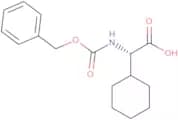
CAS:Controlled Product<p>Aldol 458 nonanoate solution (0.75 M) is a substrate for enzymes and ligands, which is used in various applications such as food testing, staining, fluorogenic substrate, environmental testing, chromogenic substrate and conjugate. Aldol 458 nonanoate solution (0.75 M) has high purity and is highly stable at pH 2-12. This product can be used as a chemiluminescence or bioluminescence substrate. The CAS number for this product is 2484873-15-4.</p>Formula:C25H29NO4Purity:Min. 95%Color and Shape:Clear LiquidMolecular weight:407.51 g/molDicyclohexylamine (S)-2-(((benzyloxy)carbonyl)amino)-3,3-dimethylbutanoate
CAS:Purity:97%Molecular weight:446.632(1S,2S)-N,N’-Dimethyl-1,2-cyclohexane-diamine
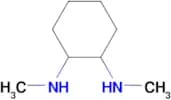
CAS:Formula:C8H18N2Purity:97%Color and Shape:SolidMolecular weight:142.2463-Oxocyclohexanecarbonitrile
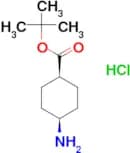
CAS:Formula:C7H9NOPurity:98%Color and Shape:SolidMolecular weight:123.155trans-tert-Butyl 4-aminocyclohexanecarboxylate
CAS:Formula:C11H21NO2Purity:98%Molecular weight:199.294trans-Bis(2,5-dioxopyrrolidin-1-yl) cyclohexane-1,4-dicarboxylate
CAS:Purity:97%Molecular weight:366.326Ethyl 3-cyclohexy-3-oxo-propionate
CAS:Formula:C11H18O3Purity:95%Color and Shape:LiquidMolecular weight:198.2621,2-Cyclohexanedione (exists as tautomeric mixture)
CAS:Formula:C6H8O2Purity:95%Color and Shape:Solid, Low Melting Solid or LumpsMolecular weight:112.128Bis(oxiran-2-ylmethyl) cyclohexane-1,2-dicarboxylate
CAS:Formula:C14H20O6Purity:90%Molecular weight:284.3081,3-Dicyclohexyl-1H-imidazol-3-ium tetrafluoroborate
CAS:Formula:C15H25BF4N2Purity:98%Molecular weight:320.18(1S,2R)-2-Aminocyclohexanecarboxylic acid hydrochloride
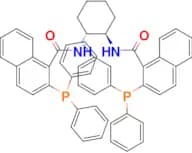
CAS:Formula:C7H14ClNO2Purity:97%Molecular weight:179.64N,N’-((1R,2R)-Cyclohexane-1,2-diyl)bis(2-(diphenylphosphino)-1-naphthamide)
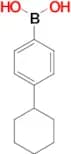
CAS:Purity:94%Color and Shape:SolidMolecular weight:790.88397224-Cyclohexylphenylboronic acid
CAS:Formula:C12H17BO2Purity:98%Color and Shape:SolidMolecular weight:204.081,4-Bis(dicyanomethylene)cyclohexane
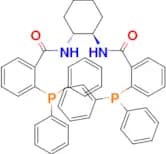
CAS:Formula:C12H8N4Purity:98%Color and Shape:LiquidMolecular weight:208.224(1R,2R)-N,N’-(Cyclohexane-1,2-diyl)bis(2-(diphenylphosphino)benzamide)
CAS:Purity:97%Molecular weight:690.7639771Ethyl 4-hydroxycyclohexanecarboxylate
CAS:Formula:C9H16O3Purity:95%Color and Shape:LiquidMolecular weight:172.224[1,1′-Bi(cyclohexane)]-1-carboxylic acid
CAS:Formula:C13H22O2Purity:95%Color and Shape:SolidMolecular weight:210.3173-[[(1R,2R)-2-(1-Piperidinyl)cyclohexyl]amino]-4-[[4-(trifluoromethyl)phenyl]amino]-3-cyclobutene-1,2-dione
CAS:Purity:97%Molecular weight:421.4639893Cyclohexane-1,4-diyldimethanamine (cis- and trans- mixture)
CAS:Formula:C8H18N2Purity:95%Color and Shape:LiquidMolecular weight:142.246N-4-Boc-Aminocyclohexanone
CAS:Formula:C11H19NO3Purity:97%Color and Shape:SolidMolecular weight:213.277(1R,2S,5R)-2-Isopropyl-5-methylcyclohexanecarboxylic acid
CAS:Formula:C11H20O2Purity:95%Color and Shape:SolidMolecular weight:184.2791-PYRENECARBOXYLIC ACID
CAS:Formula:C17H10O2Purity:97%Color and Shape:Solid, Crystalline Powder or PowderMolecular weight:246.265