Aminoacids and derivatives
Amino acids are compounds with a structure based on an amino group (-NH₂) and a carboxyl group (-COOH), both attached to a central carbon atom. This structure makes them essential for the synthesis of proteins and other biomolecules. Their derivatives can have regulatory properties over metabolic processes and biological systems, with applications in nutrition, health, and regenerative medicine.
At CymitQuimica, we offer a wide range of amino acids and their derivatives, ideal for research and the formulation of bioactive products.
Found 12327 products of "Aminoacids and derivatives"
Sort by
Purity (%)
0
100
|
0
|
50
|
90
|
95
|
100
1-(Benzo[b]thiophen-4-yl)piperazine hydrochloride
CAS:Purity:97.0%Color and Shape:SolidMolecular weight:254.77999877929688Tert-Butyl hexahydro-1H-pyrrolo[3,4-c]pyridine-5(6H)-carboxylate hydrochloride
CAS:Purity:95.0%Color and Shape:SolidMolecular weight:262.7799987792969Ref: 10-F226012
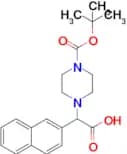
1gTo inquire2gTo inquire5gTo inquire10gTo inquire100mgTo inquire250mgTo inquire500mgTo inquire2-(4-(tert-Butoxycarbonyl)piperazin-1-yl)-2-(naphthalen-2-yl)acetic acid
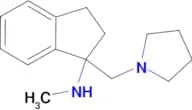
CAS:Purity:96%Molecular weight:370.4490051269531Methyl-(1-pyrrolidin-1-ylmethyl-indan-1-yl)-amine
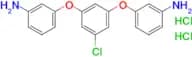
CAS:Purity:98.0%Molecular weight:230.354995727539061,3-Bis(3-aminophenoxy)-5-chlorobenzene Dihydrochloride
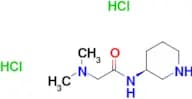
CAS:Purity:95+%Molecular weight:399.70001220703125(S)-2-(Dimethylamino)-N-(piperidin-3-yl)acetamide dihydrochloride
CAS:Molecular weight:258.19000244140625Tert-Butyl (4aS,9bR)-8-fluoro-1,3,4,4a,5,9b-hexahydro-2H-pyrido[4,3-b]indole-2-carboxylate
CAS:Purity:95%Molecular weight:292.35400390625Ref: 10-F614030
1gTo inquire2gTo inquire5gTo inquire10gTo inquire100mgTo inquire250mgTo inquire500mgTo inquire5-Methyl-3-(4-methylpiperazin-1-yl)-5H-benzo[b]pyridazino[4,3-e][1,4]oxazine
CAS:Purity:95.0%Molecular weight:297.361999511718752-[(2-Amino-6-chloro-4-pyrimidinyl)amino]ethanol
CAS:Purity:95.0%Color and Shape:Solid, Yellow powderMolecular weight:188.6199951171875(1R,2R)-2-AMINO-1-(2,3-DIHYDRO-1,4-BENZODIOXIN-6-YL)-3-(PYRROLIDIN-1-YL)PROPAN-1-OL
CAS:Purity:95.0%Molecular weight:278.35198974609375(2S,3S)-2,3-Dimethoxy-N1,N1,N4,N4-tetramethylbutane-1,4-diamine
CAS:Purity:97.0%Molecular weight:204.313995361328121,1-Dimethyl-2-piperidin-1-yl-ethylamine
CAS:Formula:C9H20N2Purity:95.0%Color and Shape:LiquidMolecular weight:156.2732-(Piperazin-1-yl)acetic acid -N(2-phenylethyl)-amide
CAS:Formula:C14H21N3OPurity:98.0%Color and Shape:SolidMolecular weight:247.342Tert-Butyl (6S,8aR)-6-(hydroxymethyl)hexahydropyrrolo[1,2-a]pyrazine-2(1H)-carboxylate
CAS:Purity:97%Molecular weight:256.3460083007812510-(2-(1-Methylpiperidin-2-yl)ethyl)-2-(methylthio)-10H-phenothiazine
CAS:Purity:95.0%Molecular weight:370.57000732421875Glycine-15N,d2
CAS:Controlled Product<p>Applications Glycine-15N,d2, is the labeled analogue of Glycine (G615990), a non-essential amino acid for human development. Glycine is an inhibitory neurotransmitter in spinal cord, allosteric regulator of NMDA receptors.<br>References Scott, D. et al.: J. Neurosci., 21, 3063 (2001); Laube, B. et al.: Neuropharmacology, 47, 994 (2004); Papadakis, M. et al.: J. Biol. Chem., 279, 14703 (2004); Chen, P. et al.: Mol. Pharmacol., 67, 1470 (2005); Wolosker, H. et al.: Mol. Neurobiol., 36, 152 (2007);<br></p>Formula:C2D2H315NO2Color and Shape:NeatMolecular weight:78.072PYRROLO[3,4-B]-1,4-OXAZINE-6(2H)-CARBOXYLIC ACID, HEXAHYDRO-4-(PHENYLMETHYL)-, 1,1-DIMETHYLETHYL ESTER
CAS:Purity:95.0%Molecular weight:318.4169921875N4-BENZYL-N2-(4-BROMOPHENYL)-5-FLUOROPYRIMIDINE-2,4-DIAMINE
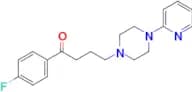
Purity:95.0%Molecular weight:373.229003906251-(4-Fluorophenyl)-4-(4-(pyridin-2-yl)piperazin-1-yl)butan-1-one
CAS:Purity:95.0%Color and Shape:SolidMolecular weight:327.40301513671875N-Glycylglycine
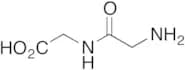
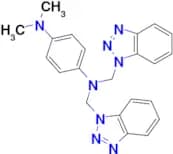
CAS:Controlled Product<p>Applications N-Glycylglycine is a derivative of Glycine (G615990), a non-essential amino acid that enhances N-methyl-D-aspartate (NMDA) receptor mediated synaptic potentials in the neocortex of rats. Glycine is also being used as adjuvant therapy for the treatment of schizophrenia.<br>References Logan, W. & Snyder, S.: Brain Res., 42, 413 (1972); Rosse, R., et al.: Clin. Neuropharmacol., 12, 416 (1989)<br></p>Formula:C4H8N2O3Color and Shape:NeatMolecular weight:132.12N1,N1-Bis(1H-1,2,3-benzotriazol-1-ylmethyl)-N4,N4-dimethylbenzene-1,4-diamine
CAS:Molecular weight:398.4739990234375Epi-Lacosamide
CAS:<p>Applications Epi-Lacosamide is an impurity of Lacosamide (L098500), a medication used for the adjunctive treatment of partial-onset seizures and diabetic neuropathic pain. Lacosamide is a potent anticonvulsant.<br> Not a dangerous good if item is equal to or less than 1g/ml and there is less than 100g/ml in the package<br>References Choi, D., et al.: J. Med. Chem., 39, 1907 (1996), Morieux, P., et al.: Bioorg. Med. Chem., 16, 8968 (2008),<br></p>Formula:C13H18N2O3Color and Shape:WhiteMolecular weight:250.292-Methyl-5-(6-phenylpyridazin-3-yl)octahydropyrrolo[3,4-c]pyrrole
CAS:Purity:95.0%Molecular weight:280.3754-[4-(dimethylamino)benzoyl]-8-ethyl-1-oxa-4,8-diazaspiro[4.5]decane-3-carboxylic acid
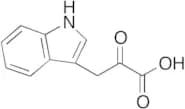
CAS:Purity:95.0%Molecular weight:361.4419860839844Indole-3-pyruvic Acid
CAS:<p>Applications Indole-3-pyruvic Acid is a compound involved in the biosynthesis of Indole-3-acetic acid, a plant hormone which plays important roles in regulating growth and responses to environmental changes.<br>References Kong, W., et al.: Plant Cell Physiol, 56, 715-726 (2015)<br></p>Formula:C11H9NO3Color and Shape:Light Yellow To BeigeMolecular weight:203.19L-Carnitine-d3 Chloride
CAS:Controlled Product<p>Stability Hygroscopic<br>Applications L-Carnitine-d3 Chloride is the isotope labelled analog of L-Carnitine (C184110); a vitamin (enzyme cofactor). It is an essential cofactor of fatty acid metabolism and is required for the transport of fatty acids through the inner mitochondrial membrane. Synthetized primarily in the liver and kidney with the highest concentrations found in heart and skeletal muscle. Dietary sources include red meat, dairy products, beans, avocado.<br>References Mitchell, M.E., et al.: Am. J. Clin. Nutr., 31, 293 (1978); Lango, R., et al.: Cardiovasc. Res., 51, 21 (2001); Vaz, F.M., et al.: Biochem. J., et al.: 361, 417 (2002); Karlic, H., et al.: Nutrition, 20, 709 (2004)<br></p>Formula:C7D3H13NO3·ClColor and Shape:White To BeigeMolecular weight:200.6783,4-Dihydroxybenzaldehyde
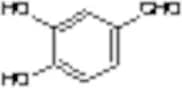
CAS:Controlled Product<p>Stability Hygroscopic<br>Applications 3,4-Dihydroxybenzaldehyde (cas# 139-85-5) is a compound useful in organic synthesis.<br></p>Formula:C7H6O3Color and Shape:BeigeMolecular weight:138.12Betaine Aldehyde Chloride
CAS:Controlled Product<p>Applications Intermediate in the enzymatic oxidation of choline to betaine.<br>References J. Biol. Chem., 234, 1171 (1959)<br></p>Formula:C5H12NO·ClColor and Shape:Off WhiteMolecular weight:137.61Glycine-13C2,15N
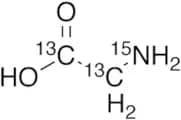
CAS:<p>Applications Labelled analogue of Glycine, a non-essential amino acid for human development. Glycine is an inhibitory neurotransmitter in spinal cord, allosteric regulator of NMDA receptors.<br>References Scott, D. et al.: J. Neurosci., 21, 3063 (2001); Laube, B. et al.: Neuropharmacology, 47, 994 (2004); Papadakis, M. et al.: J. Biol. Chem., 279, 14703 (2004); Chen, P. et al.: Mol. Pharmacol., 67, 1470 (2005); Wolosker, H. et al.: Mol. Neurobiol., 36, 152 (2007);<br></p>Formula:C2H515NO2Color and Shape:NeatMolecular weight:78.05Serotonin β-D-Glucuronide
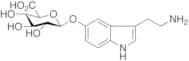
CAS:Controlled Product<p>Applications A metabolite of 5-Hydroxytryptamine, also known as Serotonin (S274990).<br>References Uutela, P. et al.: Anal. Chem., 81, 8417 (2009); Koehle, C. et al.: Biochem. Pharmacol., 69, 1397 (2005); Krishnaswamy, S. et al.: Xenobiotica, 33, 169 (2003);<br></p>Formula:C16H20N2O7Color and Shape:GreyMolecular weight:352.34Nε-(1-Carboxymethyl)-L-lysine
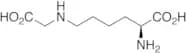
CAS:<p>Applications CEL and CML are two stable, nonenzymatic chemical modifications of protein lysine residues resulting from glycation and oxidation reactions.<br>References Fu, M.X., et al.: J. Biol. Chem., 271, 9982 (1996), Ahmed M.U., et al.: Biochem.J., 324, 565 (1997), Schleicher, E.D., et al.: J. Clin. Invest., 99, 457 (1997), Shibayama, R., et al.: Diabetes, 48, 1842 (1999),<br></p>Formula:C8H16N2O4Color and Shape:NeatMolecular weight:204.222-[3-(piperazin-1-yl)propyl]-2,3-dihydro-1H-isoindole-1,3-dione
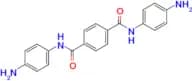
CAS:Purity:95.0%Molecular weight:273.33599853515625N1,N4-bis(4-aminophenyl)terephthalamide
CAS:Purity:95%Color and Shape:SolidMolecular weight:346.3900146484375[1,1'-Biphenyl]-4,4'-diamine, N4,N4'-bis[4-(diphenylamino)phenyl]-N4,N4'-di-1-naphthalenyl-
CAS:Purity:98%Molecular weight:923.1760253906253-(3-Dimethylamino-propylamino)-propionic acid methyl ester
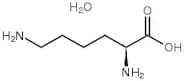
CAS:Purity:97%Molecular weight:188.27099609375L-Lysine Monohydrate (>90%)
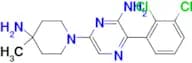
CAS:Formula:C6H14N2O2·H2OPurity:>90%Color and Shape:NeatMolecular weight:164.2036-(4-AMINO-4-METHYLPIPERIDIN-1-YL)-3-(2,3-DICHLOROPHENYL)PYRAZIN-2-AMINE
CAS:Purity:95.0%Molecular weight:352.260009765625Ref: 10-F544411
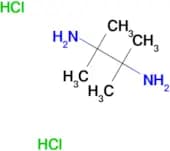
1gTo inquire5mgTo inquire10mgTo inquire25mgTo inquire50mgTo inquire100mgTo inquire250mgTo inquire2,3-Dimethyl-2,3-butanediamine dihydrochloride
CAS:Purity:98.0%Color and Shape:Solid, PowderMolecular weight:189.1199951171875


![1-(Benzo[b]thiophen-4-yl)piperazine hydrochloride](/_next/image/?url=https%3A%2Fstatic.cymitquimica.com%2Fproducts%2F10%2Fthumb-webp%2FF511347.webp&w=3840&q=75)
![Tert-Butyl hexahydro-1H-pyrrolo[3,4-c]pyridine-5(6H)-carboxylate hydrochloride](/_next/image/?url=https%3A%2Fstatic.cymitquimica.com%2Fproducts%2F10%2Fthumb-webp%2FF226012.webp&w=3840&q=75)

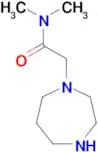
![Tert-Butyl (4aS,9bR)-8-fluoro-1,3,4,4a,5,9b-hexahydro-2H-pyrido[4,3-b]indole-2-carboxylate](/_next/image/?url=https%3A%2Fstatic.cymitquimica.com%2Fproducts%2F10%2Fthumb-webp%2FF614030.webp&w=3840&q=75)
![5-Methyl-3-(4-methylpiperazin-1-yl)-5H-benzo[b]pyridazino[4,3-e][1,4]oxazine](/_next/image/?url=https%3A%2Fstatic.cymitquimica.com%2Fproducts%2F10%2Fthumb-webp%2FF323911.webp&w=3840&q=75)
![2-[(2-Amino-6-chloro-4-pyrimidinyl)amino]ethanol](/_next/image/?url=https%3A%2Fstatic.cymitquimica.com%2Fproducts%2F10%2Fthumb-webp%2FF075086.webp&w=3840&q=75)
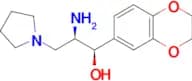


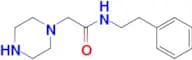
![Tert-Butyl (6S,8aR)-6-(hydroxymethyl)hexahydropyrrolo[1,2-a]pyrazine-2(1H)-carboxylate](/_next/image/?url=https%3A%2Fstatic.cymitquimica.com%2Fproducts%2F10%2Fthumb-webp%2FF601856.webp&w=3840&q=75)
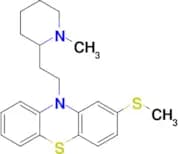


![PYRROLO[3,4-B]-1,4-OXAZINE-6(2H)-CARBOXYLIC ACID, HEXAHYDRO-4-(PHENYLMETHYL)-, 1,1-DIMETHYLETHYL E…](/_next/image/?url=https%3A%2Fstatic.cymitquimica.com%2Fproducts%2F10%2Fthumb-webp%2FF504047.webp&w=3840&q=75)


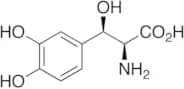
![2-Methyl-5-(6-phenylpyridazin-3-yl)octahydropyrrolo[3,4-c]pyrrole](/_next/image/?url=https%3A%2Fstatic.cymitquimica.com%2Fproducts%2F10%2Fthumb-webp%2FF320767.webp&w=3840&q=75)
![4-[4-(dimethylamino)benzoyl]-8-ethyl-1-oxa-4,8-diazaspiro[4.5]decane-3-carboxylic acid](/_next/image/?url=https%3A%2Fstatic.cymitquimica.com%2Fproducts%2F10%2Fthumb-webp%2FF525710.webp&w=3840&q=75)
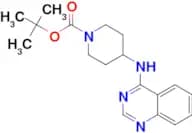



![2-[3-(piperazin-1-yl)propyl]-2,3-dihydro-1H-isoindole-1,3-dione](/_next/image/?url=https%3A%2Fstatic.cymitquimica.com%2Fproducts%2F10%2Fthumb-webp%2FF525115.webp&w=3840&q=75)

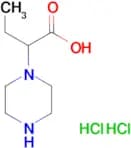
acetic acid](/_next/image/?url=https%3A%2Fstatic.cymitquimica.com%2Fproducts%2F10%2Fthumb-webp%2FF300214.webp&w=3840&q=75)
![[1,1'-Biphenyl]-4,4'-diamine, N4,N4'-bis[4-(diphenylamino)phenyl]-N4,N4'-di-1-naphthalenyl-](/_next/image/?url=https%3A%2Fstatic.cymitquimica.com%2Fproducts%2F10%2Fthumb-webp%2FF863798.webp&w=3840&q=75)