Carbohydrates and glycoconjugates
Carbohydrates are organic compounds composed of carbon, hydrogen, and oxygen, with a basic structure formed by monosaccharides. These can combine to form disaccharides, oligosaccharides, or polysaccharides, depending on the number of monomeric units. Carbohydrates play a fundamental role in energy storage, cell structure, and cellular communication. Their derivatives are used in pharmaceutical products, such as sweeteners and excipients.
At CymitQuimica, we offer a wide range of carbohydrates and their derivatives for research and industrial applications.
Found 5010 products of "Carbohydrates and glycoconjugates"
Sort by
Purity (%)
0
100
|
0
|
50
|
90
|
95
|
100
Blood group H type II trisaccharide methyl ester
<p>The Blood group H type II trisaccharide methyl ester is a synthetic oligosaccharide. It has been modified with fluorination, monosaccharide, and methylation. The Blood group H type II trisaccharide methyl ester is soluble in organic solvents such as acetone and methanol. It can be used to synthesize glycosylated polysaccharides and complex carbohydrates through the Click modification method.</p>Purity:Min. 95%Blood Group B type II linear trisaccharide-HSA
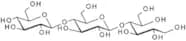
<p>Blood group antigen conjugated to human serum albumin</p>Purity:Min. 95%Color and Shape:White Powder1,4-β-D-Cellotriitol
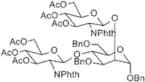
CAS:<p>1,4-b-D-Cellotriitol is a methylated cellobiose with a 1,4 glycosidic linkage. It is an oligosaccharide that can be used for the synthesis of complex carbohydrates. This product has a high purity and is custom synthesis.</p>Formula:C18H34O16Purity:Min. 95%Molecular weight:506.45 g/mol4-Pentenyl 2,4-di-O-(3,4,6-tri-O-acetyl-2-deoxy-2-phthalimido b-D-glucopyranosyl)-3,6-di-O-benzyl-a-D-mannopyranoside
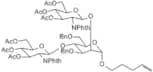
<p>4-Pentenyl 2,4-di-O-(3,4,6-tri-O-acetyl-2-deoxy-2-phthalimido b-D-glucopyranosyl)-3,6-di-O-benzyl a D mannopyranoside is an oligosaccharide that is synthesized by the modification of 2,4 di O-(3,4,6 tri O acetyl 2 deoxy 2 phthalimido b D glucopyranosyl) 3 6 di O benzyl a D mannopyranoside. It is a complex carbohydrate and has the CAS number 59061–68–0. It is soluble in water and has a molecular weight of 1,000. The molecular formula is C22H34N2O11. The structure of this compound consists of two monosaccharides: 4 pentenyl (C5H10) and 2</p>Formula:C65H70N2O24Purity:Min. 95%Molecular weight:1,263.25 g/mol2,3,2',3',4',6'-Hexa-O-acetyl-1,6-anhydro-b-D-maltose
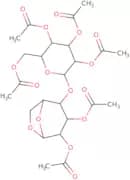
CAS:<p>2,3,2',3',4',6'-Hexa-O-acetyl-1,6-anhydro-b-D-maltose (HAP) is a custom synthesis that can be modified with fluorination, methylation, and monosaccharide. HAP is a synthetic oligosaccharide that is glycosylated and has a saccharide and sugar. HAP has the CAS No. 28868-67-9. This product can be used as an additive in food production or as a pharmaceutical agent.</p>Formula:C24H32O16Purity:Min. 95%Molecular weight:576.5 g/molNGA5FB N-Glycan
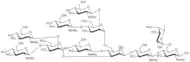
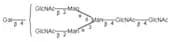
<p>NGA5FB is a custom synthesis, modification, and fluorination of a glycan. It is a monosaccharide with a methylation and click modification on the terminal glucose. This glycan is synthesized with an oligosaccharide saccharide that contains a complex carbohydrate. The CAS No. for this product is 2279-97-0.</p>Purity:Min. 95%Lacto-N-fucopentaose II-APD-KLH
CAS:<p>Lacto-N-fucopentaose II-APD-KLH is a fluorinated, monosaccharide, synthetic, oligosaccharide, complex carbohydrate. It has CAS No. 21973-23-9 and a custom synthesis. Lacto-N-fucopentaose II-APD-KLH can be used as a glycosylation or polysaccharide with click modification or methylation. The high purity of this product is 99%.</p>Purity:Min. 95%Benzyl N,N'-di-acetyl-b-chitobioside
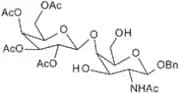
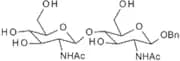
CAS:<p>Benzyl N,N'-di-acetyl-b-chitobioside is a fluorinated glycoside. It is a synthetic compound that has been modified by the addition of a benzyl group to the acetyl group at the C3 position and an N,N'-diacetyl group to the b-chitobioside. This modification has been carried out in order to improve its water solubility and bioavailability.</p>Formula:C23H34N2O11Purity:Min. 95%Color and Shape:PowderMolecular weight:514.52 g/molMonofucosyl-para-lacto-N-hexaose I
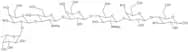
<p>Monofucosyl-para-lacto-N-hexaose I is an oligsaccharide that is found in human milk</p>Formula:C46H78N2O35Purity:Min. 95%Molecular weight:1,219.12 g/molSucrose octasulfate octatriethylammonium salt
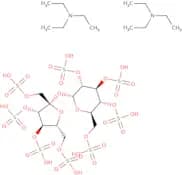
CAS:<p>Used for treatment of duodenal ulcers and gastroesophageal reflux</p>Formula:C12H22O35S8•(C6H15N)8Purity:Min. 95%Color and Shape:PowderMolecular weight:982.81 g/mol4-Deoxy-D-chitobiose heptaacetate
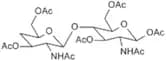
CAS:<p>4-Deoxy-D-chitobiose heptaacetate is a synthetic compound that has been modified by the addition of a heptaacetate group. This modification provides an additional site for attachment to other molecules, such as nucleic acids or proteins. The fluorination of this saccharide provides further protection against degradation and increases its stability in aqueous solutions. 4-Deoxy-D-chitobiose heptaacetate is available in high purity and can be custom synthesized to meet your needs.</p>Formula:C26H38N2O15Purity:Min. 95%Molecular weight:618.58 g/molPrimeverose
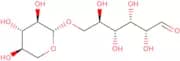
CAS:<p>Primeverose is a p-hydroxybenzoic acid that is found in the genus Primula and mammalian tissue. Primeverose has been shown to inhibit the activity of an enzyme called fatty acid activated, which is involved in the biosynthesis of anthraquinone glycosides. Primeverose is also able to hydrolyze enzymes such as primeverose and may act as a signal peptide for biological samples. The hydroxyl group on primeverose can form hydrogen bonds with other molecules and is present in food composition.</p>Formula:C11H20O10Purity:Min. 95%Molecular weight:312.27 g/molPenta-guluronic acid sodium
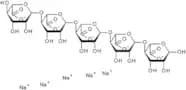
CAS:<p>Penta-guluronic acid sodium salt (1,4-linked α-L-sodium guluronopentaose) is one of a number of oligosaccharides obtained from alginate which is a polysaccharide in brown seaweeds containing: blocks of repeating mannuronic acid sequences (M-M-M-M etc), repeating guluronic acid sequences (G-G-G-G etc), and alternating M-G-M-G sequences. This oligosaccharide can be released by acid hydrolysis (Shimokawa, 1996) and a number of biological activities have been discussed in a recent review (Xing, 2020).</p>Formula:C30H37O31Na5Purity:Min. 95%Color and Shape:Off-White PowderMolecular weight:1,008.55 g/mola-Heptasaccharide
CAS:<p>a-Heptasaccharide is a complex carbohydrate that is synthesized from glycerol and seven monosaccharides. It is used in the synthesis of other carbohydrates and as a fluorination reagent.</p>Formula:C46H78N2O34Purity:Min. 95 Area-%Color and Shape:PowderMolecular weight:1,203.13 g/molHyaluronate biotin - Molecular Weight - 750kDa
<p>Hyaluronate biotin is a custom synthesis of 750kDa. It has been modified with fluorination, methylation and click modification. This product is a glycosylation of saccharide, which is a carbohydrate that can be found in many foods and is used as a sweetener. The saccharides are complex carbohydrates that consist of long chains of monosaccharides or simple sugars. Click modification is the process by which a small molecule, usually an azide group or nitrenium ion, reacts with an electron-deficient alkyne group to produce a new covalent bond without breaking either existing bond.</p>Purity:Min. 95%6'-Sulpho Lewisx-BSA
<p>6'-Sulpho Lewisx-BSA is a complex carbohydrate that contains a saccharide moiety with a sulfated Lewisx epitope. It has been synthesized using click chemistry and modified with methylation and fluorination to yield the desired structure. The carbohydrate is of high purity and can be used in research as a model for glycosylation and glycosidic linkage. The carbohydrate also has properties that are analogous to those observed in glycoconjugates, such as antibodies and lectins.</p>Purity:Min. 95%Hyaluronate rhodamine - Molecular Weight - 20kDa
<p>Fluorogenic substrate is used for detection of hyaluronidase activity. Urinary hyaluronidase activity is elevated in patients with intermediate and high grade bladder cancer; the expression of hyaluronidase and hyaluronan synthase-1 mRNA in malignant tissue can predict bladder cancer metastasis and disease recurrence (Kramer, 2011). These findings underscore the potential utility of the hyaluronidases to serve as biomarkers for bladder cancer. A novel fluorescent substrate labelled with two dyes: fluorescein as a green donor fluorophore, and rhodamine B as a red acceptor fluorophore, was therefore developed to measure hyaluronidase enzyme kinetics (Zhang, 2008). It was then demonstrated that simultaneous measurements of green and red emission of HAâFRET could be used to measure hyaluronidase presence and activity (Fudala, 2011).</p>Purity:Min. 95%[UL-13C18]Maltotriose hydrate
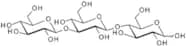
<p>Maltotriose hydrate is a synthetic glycosylation product that is synthesized by the fluorination of maltotriose. Maltotriose hydrate is a sugar with a 3-D structure that is similar to maltodextrin, but with one less glucose residue. Maltotriose hydrate can be used in the synthesis of oligosaccharides and polysaccharides and has been shown to have high purity. Maltotriose hydrate can be modified by a variety of reactions, such as methylation, monosaccharide modification, or click chemistry. It has an CAS number and can be custom synthesized for clients' needs.</p>Formula:C18H32O16·xH2OPurity:Min. 95%Color and Shape:White SolidMolecular weight:522.3 g/molN-Acetylneuraminic acid trimer disodium salt
<p>N-Acetylneuraminic acid trimer disodium salt is a methylated saccharide that is used in the synthesis of complex carbohydrates. It can be modified by Click chemistry to produce a variety of compounds, including oligosaccharides. N-Acetylneuraminic acid trimer disodium salt can also be fluorinated for use as an organic fluorinating agent in glycosylation reactions to make sugar derivatives. This compound has high purity and is custom synthesized to meet customer needs.</p>Formula:C33H50N3O25Na3Purity:Min. 95%Color and Shape:White PowderMolecular weight:957.72 g/molCellotrionic acid
CAS:<p>Cellotrionic acid is a biochemical that is found in the cell walls of bacteria. It is also known as Cellotriose, which is a type of sugar molecule. Cellotriose is composed of three molecules of glucose and it has reactive hydroxy groups. Hydroxy groups are reactive because they can form hydrogen bonds with other molecules. Cellotrionic acid has been shown to have a redox potential, which means that it can either accept or donate electrons. The crystalline structure of cellotrionic acid is similar to that of glucose and can be represented by the formula C6H8O6. Cellotrionic acid has been shown to have aerobic properties, meaning it requires oxygen for metabolism. One example of an aerobic process where cellotrionic acid participates in is the transfer of electrons during the oxidation-reduction reactions in photosynthesis. This biochemical also participates in glycolysis, which occurs during cellular respiration when sugars are broken down into smaller fragments</p>Formula:C18H32O17Purity:Min. 95%Molecular weight:520.44 g/molMonofucosyl-para-lacto-N-neohexaose IV
CAS:<p>Monofucosyl-para-lacto-N-neohexaose IV is a monofucosylated glycan consisting of a single pyranose ring. It is a synthetic oligosaccharide that has been modified with Click chemistry to introduce an alkyne group at the reducing end. The alkyne group can be further modified by nucleophilic substitution reactions, such as fluorination, or glycosylation. Monofucosyl-para-lacto-N-neohexaose IV is used in the synthesis of complex carbohydrates.</p>Formula:C46H78N2O35Purity:Min. 95%Molecular weight:1,219.1 g/molDifucosyl-para-lacto-N-hexaose-APD-HSA
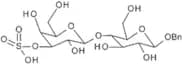
<p>Difucosyl-para-lacto-N-hexaose-APD-HSA is a complex carbohydrate that is a custom synthesis. It has been modified by the addition of difucosyl groups to the para position of lactose and by the attachment of an APD moiety to the N-acetyl group of hexitol. The molecular weight is approximately 1,000 Da. This product is used in glycosylation reactions, such as polysaccharide synthesis, and in fluorination reactions. Difucosyl-para-lacto-N-hexaose-APD-HSA can be found under CAS No. 366511-00-7 and is soluble in water and DMSO.</p>Color and Shape:PowderBenzyl 3'-sulfo-b-D-lactoside sodium salt
CAS:<p>Synthetic building block for oligosaccharide synthesis</p>Formula:C19H28O14S·xNaPurity:Min. 95%Color and Shape:PowderMolecular weight:512.48 g/molTetradecasaccharide dp14
<p>Tetradecasaccharide dp14 is a custom-synthesized, fluorinated, methylated, and modified saccharide. Tetradecasaccharide dp14 has been shown to have a variety of biological activities that are dependent on the type of modification. For example, this compound inhibits the enzyme alpha-glucosidase in vitro and in vivo. This enzyme is responsible for breaking down complex carbohydrates into simple sugars. Tetradecasaccharide dp14 also has anti-inflammatory properties and can be used as an antifungal agent against Candida albicans.</p>Formula:C84H217N35O133S21Purity:Min. 95%Molecular weight:4,519.16 g/mol2-O-(b-D-Galactopyranosyl)-D-xylopyranose
CAS:<p>2-O-(b-D-Galactopyranosyl)-D-xylopyranose is a synthetic monosaccharide that is the product of glycosylation, fluorination, and methylation. This compound is a custom synthesis and has been modified by click chemistry to make it more stable. This product has high purity and can be used in the synthesis of complex carbohydrates. The CAS number for this compound is 91463-78-4.</p>Formula:C11H20O10Purity:Min. 95%Molecular weight:312.27 g/molCarboxymethyl cellulose sodium - Viscosity 2000-4000 mPa·s
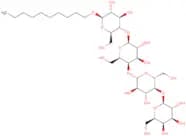
CAS:<p>Food additive; soil suspension polymer in detergents; thickening agent</p>Purity:Min. 95%Color and Shape:PowderDecyl 4-O-b-D-lactopyranosyl-b-D-lactopyranoside
CAS:<p>Decyl 4-O-b-D-lactopyranosyl-b-D-lactopyranoside is a high purity, custom synthesis, glycosylated oligosaccharide. It has been modified with Click chemistry to incorporate a fluorine atom on the sugar ring. This complex carbohydrate has a CAS No. of 1858224-00-6 and is synthesized by methylation and fluorination reactions. Decyl 4-O-b-D-lactopyranosyl-b-D-lactopyranoside can be used in biomedical research as a model for glycans and glycolipids, as well as in industrial applications such as food production.</p>Formula:C34H62O21Purity:Min. 95%Molecular weight:806.84 g/molT-Antigen-APE-HSA
<p>T-Antigen-APE-HSA is a custom synthesis, modification, and fluorination of T-antigen. This product has been synthesized by methylation and monosaccharide synthesis. It also contains a saccharide that is glycosylated or modified with polysaccharides. This product is made up of complex carbohydrates that are composed of oligosaccharides and sugar chains.</p>Purity:Min. 95%Hyaluronate fluorescein - Molecular Weight - 250kDa
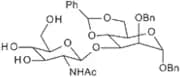
<p>Hyaluronate fluorescein is a large molecular weight, high-molecular weight, high-purity, highly modified carbohydrate. It is a synthetic oligosaccharide that has been chemically modified with methylation and saccharide. Hyaluronate fluorescein is synthesized using Click chemistry to add a fluorescent tag at the reducing end of the molecule. This product can be used for custom synthesis and glycosylation. Hyaluronate fluorescein is available in various sizes including 250kDa.</p>Purity:Min. 95%Benzyl 3-O-(2-acetamido-2-deoxy-b-D-glucopyranosyl)-2-O-benzyl-4,6-O-benzylidene-a-D-mannopyranoside
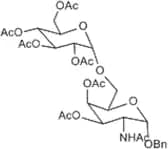
<p>Benzyl 3-O-(2-acetamido-2-deoxy-b-D-glucopyranosyl)-2-O-benzyl-4,6-O-benzylidene-a-D-mannopyranoside is a monosaccharide that is used in the synthesis of glycosylated proteins and peptides. It is a complex carbohydrate with an Oligosaccharide chain. This product has been fluorinated and custom synthesized to be high purity and available for immediate shipping.</p>Formula:C35H41NO11Purity:Min. 95%Molecular weight:651.72 g/molBenzyl 2-acetamido-3,4-di-O-acetyl-6-O-(2,3,4,6-tetra-O-acetyl-a-D-glucopyranosyl)-2-deoxy-a-D-galactopyranoside
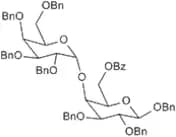
<p>Benzyl 2-acetamido-3,4-di-O-acetyl-6-O-(2,3,4,6-tetra-O-acetyl-aDglucopyranosyl)-2deoxy-. D.galactopyranoside (BzAGDP) is a complex carbohydrate that belongs to the group of oligosaccharides. It is an important component of glycoproteins and glycolipids in the cell membrane. BzAGDP has been synthesized by custom synthesis and has high purity with a CAS number of 80612-95-5. The chemical name for BzAGDP is benzyl 2 acetamido 3,4 di O acetyl 6 O (2,3 4 6 tetra O acetyl a D glucopyranosyl) 2 deoxy-. D galactopyranoside. The molecular formula is C21H32O7 and the molecular weight</p>Formula:C33H43NO17Purity:Min. 95%Molecular weight:725.69 g/molBenzyl 4-O-(2,3,4,6-tetra-O-benzyl-a-D-galactopyranosyl)-2,3-di-O-benzyl-6-O-benzoyl-b-D-galactopyranoside
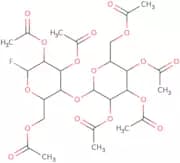
<p>Benzyl 4-O-(2,3,4,6-tetra-O-benzyl-a-D-galactopyranosyl)-2,3-di-0benzyl 6-O-benzoyl-b-D-galactopyranoside is a synthetic carbohydrate that belongs to the class of oligosaccharides. It has been modified by fluorination and methylation. This compound is also glycosylated and click modified.</p>Formula:C68H68O12Purity:Min. 95%Molecular weight:1,077.26 g/mol2,3,6,2',3',4',6'-Hepta-O-acetyl-a-D-cellobiosyl fluoride
CAS:<p>2,3,6,2',3',4',6'-Hepta-O-acetyl-a-D-cellobiosyl fluoride is a glycosylation product of cellobiose. It has been synthesized by the Click reaction between 2,3,6,2',3',4',6'-hepta-O-acetyl-a-D-cellobiosylamine and ethylene oxide. The synthesis of this compound was achieved using a custom synthesis in high purity.</p>Formula:C26H35FO17Purity:Min. 95%Molecular weight:638.54 g/molb-D-Galactopyranosyl-(1,4)-O-b-D-glucopyranosyl-(1,4)-D-glucose
<p>This custom synthesis complex carbohydrate has a CAS number and is a polysaccharide. It is modified by methylation, glycosylation, click modification, and fluorination. This carbohydrate has high purity and is synthesized synthetically.</p>Purity:Min. 95%[UL-13C6glc]Lactose monohydrate
<p>The product is a high purity, custom synthesis, sugar. It is fluorinated and glycosylated. The product has click modification and methylation. This product can be modified with a variety of reagents such as saccharide, oligosaccharide, and monosaccharide. The CAS Number for this product is [UL-13C6glc]Lactose monohydrate.</p>Purity:Min. 95%Methyl 4-O-[4,6-O-(benzylidene)-b-D-galactopyranosyl] b-D-galactopyranoside tribenzoate
<p>Methyl 4-O-[4,6-O-(benzylidene)-b-D-galactopyranosyl] b-D-galactopyranoside tribenzoate is a synthetic carbohydrate. It is an oligosaccharide that contains a complex carbohydrate. It is a high purity product and has been custom synthesized. The CAS number for Methyl 4-O-[4,6-O-(benzylidene)-b-D-galactopyranosyl] b-D-galactopyranoside tribenzoate is 59414-33-2. This product has been fluorinated and methylated. It also contains glycosylation and click modification.</p>Purity:Min. 95%Hyaluronate fluorescein - Molecular Weight - 20kDa
<p>Hyaluronate fluorescein is a fluorinated carbohydrate that has been modified for use in the detection of methylation. It contains an oligosaccharide and polysaccharide that are attached to a 20kDa fluorinated saccharide. This product is available in high purity and is custom synthesized for your specific needs.</p>Purity:Min. 95%[12-C13]-Lactulose
<p>12-C13 Lactulose is a synthetic monosaccharide that is used in the preparation of complex carbohydrates. This compound can be modified by fluorination or methylation. It has an average molecular weight between 350 and 500 Da. 12-C13 Lactulose can be synthesized from D-galactopyranose and C2-C3 alkyl bromides, which are readily available commercially.</p>Formula:C12H22O11Purity:Min. 95%Molecular weight:354.21 g/molMonofucosyl-para-lacto-N-hexaose II
CAS:<p>Monofucosyl-para-lacto-N-hexaose II is a carbohydrate that belongs to the group of modified carbohydrates. This molecule is a monosaccharide with a chemical modification that has not been reported before. The modification is methylation of the hydroxyl group at position C1 and glycosylation of the hydroxyl groups at positions C2 and C3. Monofucosyl-para-lacto-N-hexaose II has shown high purity and can be custom synthesized to meet your needs. It can also be used for click chemistry, which allows for chemists to create new molecules by adding different functional groups to existing molecules.</p>Formula:C46H78N2O35Purity:Min. 95%Molecular weight:1,219.1 g/molMethyl 3-O-(2-acetamido-2-deoxy-b-D-galactopyranosyl)-b-D-galactopyranoside
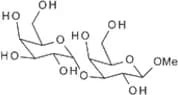
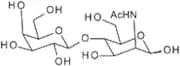
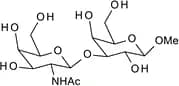
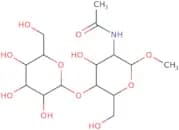
CAS:<p>Methyl 3-O-(2-acetamido-2-deoxy-b-D-galactopyranosyl)-b-D-galactopyranoside is a modified sugar that can be used for synthesis of saccharides, oligosaccharides, and polysaccharides. This product has been custom synthesized to be a high purity compound with CAS No. 130234-66-1. It has been fluorinated and is available in the glycosylation form.</p>Formula:C15H27NO11Purity:Min. 95%Molecular weight:397.36 g/molMethyl a-N-acetyllactosamine
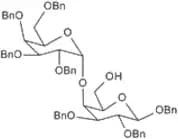
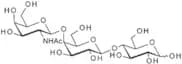
CAS:<p>Methyl a-N-acetyllactosamine is a custom synthesis of Methyl a-N-acetylgalactosamine. This compound has been modified by fluorination, methylation, and click modification to yield the desired product. The monosaccharide structure was synthesized from the corresponding glycosyl halide and protected amino acid. The glycosylation reaction between this monosaccharide and the oligosaccharide containing an unprotected hydroxyl group yields the desired product. The purity of this compound is greater than 99%.</p>Formula:C15H27NO11Purity:Min. 95%Molecular weight:397.38 g/mol1,2,3-Tri-O-benzyl-4-O-(2,3,4,6-tetra-O-benzyl-a-D-galactopyranosyl)-b-D-galactopyranoside
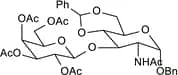
<p>1,2,3-Tri-O-benzyl-4-O-(2,3,4,6-tetra-O-benzyl-a-D-galactopyranosyl)-b-D-galactopyranoside is an oligosaccharide with a galactosamine residue at the nonreducing end. It is a triacylglycerol that has been methylated and fluorinated. This product can be used as a sugar for synthesis of complex carbohydrates or for modification of monosaccharides. The high purity of this product makes it suitable for use in pharmaceuticals and other applications requiring high purity.</p>Formula:C61H64O11Purity:Min. 95%Molecular weight:973.15 g/molBenzyl 2-acetamido-3-O-(2,3,4,6-tetra-O-acetyl-b-D-galactopyranosyl)-4,6-O-benzylidene-2-deoxy-a-D-glucopyranoside
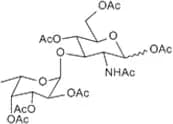
<p>3-O-Benzyl-2,6-dideoxy-a-D-galactopyranosyl b benzylidene 4,6-O-(2,3,4,6-tetraacetyl)-a D glucopyranoside is a complex carbohydrate with a molecular weight of 1.097 grams per mole. It has been synthesized by the modification of the sugar unit with methylation and glycosylation to yield 3-O-(2,3,4,6 tetraacetyl)-b benzylidene 4,6 O-(2,3,4 6 tetra acetyl) a D glucopyranoside. The carbohydrate is then modified with fluorination to yield 3-O-(2 3 4 6 tetraacetyl)-b benzylidene 4 6 O-(2 3 4 6 tetra acetyl) a D glucopyranoside. This product is offered at high purity and custom synthesis</p>Formula:C36H43NO15Purity:Min. 95%Molecular weight:729.72 g/mol2-Acetamido-2-deoxy-1,4,6-tri-O-acetyl-3-O-(2,3,4-tri-O-acetyl-a-L-fucopyranosyl)-D-glucopyranose
CAS:<p>The chemical name of this product is 2-Acetamido-2-deoxy-1,4,6-tri-O-acetyl-3-O-(2,3,4-tri-O-acetyl-a-L-fucopyranosyl)-D--glucopyranose. This product is a synthetic carbohydrate that has been custom synthesized and modified. It is a complex carbohydrate with an acetamido group on the nonreducing end and an acetylated sugar moiety on the reducing end. This product can be used in methylation or glycosylation processes. The CAS number for this product is 309263-13--6 and it has a molecular weight of 569.</p>Formula:C26H37NO16Purity:Min. 95%Molecular weight:619.57 g/molHydroxypropyl cellulose - Average MW 1,000,000
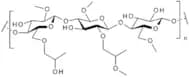
CAS:<p>Binder in tablets; food additive; has several pharmaceutical applications</p>Purity:Min. 95%Methyl 3-O-benzyl-6-O-(2,3,4-tri-O-benzyl-a-L-fucopyranosyl)-2-deoxy-2-phthalimido-b-D-glucopyranoside
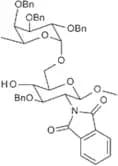
CAS:<p>Methyl 3-O-benzyl-6-O-(2,3,4-tri-O-benzyl-a-L-fucopyranosyl)-2,3,4,6-tetra-O-(2,3,4,6,-tetra-O-(2′,3′,4′,-triacetyl)benzoyl) -2′ deoxy -2′ phthalimido -bD glucopyranoside is a synthetic carbohydrate. It is a modification of the natural product Dioscorea polysaccharides that has been modified by an acetylation reaction with 2,3,4 triacetylbenzoic acid and then further modified by a benzoylation reaction with methyl 3 tosylate. Methyl 3 O benzyl 6 O (2 3 4 tri O benzyl a L fucopyranosyl) 2 deoxy 2 phthalimido b</p>Formula:C49H51NO11Purity:Min. 95%Molecular weight:829.93 g/mol2-Acetamido-3-O-(2,3,4,6-tetra-O-acetyl-b-D-galactopyranosyl)-2-deoxy-D-glucopyranose
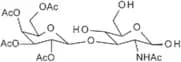
CAS:<p>2-Acetamido-3-O-(2,3,4,6-tetra-O-acetyl-b-D-galactopyranosyl)-2-deoxy-D-glucopyranose is a custom synthesis of an oligosaccharide. It is fluorinated at the 2 position and methylated on the 3 position. This glycosylation product has been shown to be resistant to degradation by enzymes that hydrolyze glycosidic bonds.</p>Formula:C22H33NO15Purity:Min. 95%Molecular weight:551.5 g/molP1-Antigen
CAS:<p>The P1-antigen is a blood group antigen that is encoded by the gene. It is synthesized as a precursor protein of approximately 150 amino acids that undergoes proteolytic processing to generate two peptides, A and B, which are attached to the cell surface. The P1-antigen has been shown to be involved in transcriptional regulation and antimicrobial activity. It has also been shown to be present in metastatic colorectal cancer cells and its expression can be induced by trypsin treatment. The P1-antigen is also one of the most frequently studied proteins for its role in immune responses against bacteria, viruses, and parasites. This protein has been found to have response elements for several transcription factors including NF-κB, AP-1, NFAT, SP-1, and STAT3. The basic structure of this protein contains a diode region with two negatively charged regions that are critical for its function.</p>Formula:C20H35NO16Purity:Min. 95%Color and Shape:White Off-White PowderMolecular weight:545.49 g/molHyaluronate biotin - Molecular Weight - 50kDa
<p>Hyaluronate biotin is a complex carbohydrate that contains both a saccharide and a polysaccharide. The saccharide is usually linked to the backbone of the polysaccharide via glycosylation.</p>Purity:Min. 95%Sucrose - USP
CAS:<p>Consumed in large amounts around the world as a food ingredient. Other applications of sucrose include its use in surfactants (esters), polyurethanes (polyols), plastics (alkyds) to produce dextrans (Leuconostoc mesenteroides fermentation) and ethanol (Saccharomyces cerevisiae fermentation).</p>Formula:C12H22O11Purity:Min. 95%Color and Shape:White/Off-White SolidMolecular weight:342.3 g/mol1,2,3,6-Tetra-O-acetyl-4-O-(2,3,4,6-tetra-O-acetyl-b-D-mannopyranosyl)-D-glucopyranose
CAS:<p>1,2,3,6-Tetra-O-acetyl-4-O-(2,3,4,6-tetra-O-acetyl-b-D-mannopyranosyl)-D-glucopyranose is a synthetic sugar that has been modified by the methylation of the hydroxyl groups at C1 and C6 with acetaldehyde. This sugar is used in glycosylation reactions to modify proteins and other biomolecules. The product is a white crystalline solid that has a CAS number of 132341-46-9. It can be custom synthesized for research purposes or as a high purity material for commercial use.</p>Formula:C28H38O19Purity:Min. 95%Molecular weight:678.59 g/mol1,4-b-D-Cellohexaitol
CAS:<p>1,4-B-D-cellobiohexaitol is a potent inhibitor of cellobiose phosphorylase and has been shown to inhibit the activity of this enzyme in a competitive manner. 1,4-B-D-cellobiohexaitol binds to cellulose and other sugars, which may be related to its toxicity. It is not toxic to animals because they do not have the same sugar binding sites as bacteria. 1,4-B-D-cellobiohexaitol has been shown to be effective against Streptomyces lividans and S. coelicolor. This substance inhibits Streptomyces growth by binding to glucose and galactose present in the cell wall of these organisms.</p>Formula:C36H64O31Purity:Min. 95%Molecular weight:992.87 g/molLacto-N-fucopentaose III-BSA
<p>Lacto-N-fucopentaose III-BSA is a carbohydrate that is modified with fluorine. It is a complex carbohydrate that has been custom synthesized and methylated. Lacto-N-fucopentaose III-BSA is a high purity, synthetic oligosaccharide that has been glycosylated and click modified. The CAS number for this product is 73638-80-9.</p>Purity:Min. 95%Sucrose 1,6,6'-tricarboxylic acid trimethyl ester
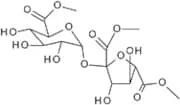
CAS:<p>Sucrose 1,6,6'-tricarboxylic acid trimethyl ester is a carbohydrate that has been fluorinated and methylated. It is a synthetic sugar that can be custom synthesized by our chemists to meet your specifications. This product is very pure and has a high degree of purity. It can be used as an oligosaccharide or as a monosaccharide in glycosylation or methylation reactions. Sucrose 1,6,6'-tricarboxylic acid trimethyl ester is also known as sucrose 3-fluoro-3-methylbutyrate, CAS No. 289711-92-8, or C12H18O7F3.</p>Formula:C15H22O14Purity:Min. 95%Molecular weight:426.33 g/molGangliotriose
CAS:<p>Gangliotriose is the core trisaccharide structure in gangliosides, such as, GD2 (GalNAcβ1,4Galβ1,4Glc) (Ledeen, 2009). GD2 ganglioside is expressed at a low concentration in the central nervous system, nerves, skin melanocytes and stem cells in healthy adults. On the other hand, GD2 ganglioside is overexpressed in a number of tumors including: neuroblastoma, melanoma, small cell lung carcinoma and brain tumors. Recently, GD2 ganglioside has been found in low concentrations on breast cancer stem cells (CSC) that posess: self-renewal properties (division without disrupting the undifferentiated state), and tumor-initiating capabilities. It has been suggested that GD2 ganglioside may be developed as an effective target antigen for CSC immunotherapy (Fleurence, 2017).</p>Formula:C20H35NO16Purity:90%MinColor and Shape:PowderMolecular weight:545.49 g/mol1,3:1,4 b-Glucotriose (A)
CAS:<p>1,3:1,4 b-Glucotriose (A) is a custom synthesis that is available with a purity of ≥98%. It is a fluorinated polysaccharide with a complex structure that can be modified to produce different variations. The methylation status of the compound can be customized as well. This product is an oligosaccharide and polysaccharide sugar that contains one glucose unit. It has been synthesized from the monosaccharide sugar and it can be used for chemical modification or for research purposes.</p>Formula:C18H32O16Purity:Min. 95%Color and Shape:White PowderMolecular weight:504.44 g/molN-Methyl acarbose
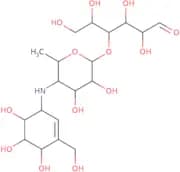
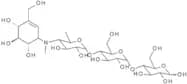
<p>N-Methyl acarbose is a synthetic, high purity, fluorinated carbohydrate with a variety of applications. It has been modified to contain methyl groups on the carbons adjacent to the anomeric carbon, which are used for click chemistry and other bioconjugation reactions. N-Methyl acarbose can be used in glycosylation reactions and offers a wide range of custom synthesis options. This compound is a complex sugar that contains both glucose and fructose monomers.</p>Formula:C26H45NO18Purity:Min. 95%Molecular weight:659.63 g/mol3'-a-Sialyl-N-acetyllactosamine-sp-biotin
CAS:<p>3'-a-Sialyl-N-acetyllactosamine-sp-biotin is a custom synthesis, modification, fluorination, methylation, monosaccharide, synthetic, click modification, oligosaccharide, saccharide and polysaccharide. It has CAS No. 870892-22-1 and a molecular weight of 590. It is used to modify proteins with glycosylation sites.</p>Formula:C44H74N6O22SPurity:Min. 95%Color and Shape:White PowderMolecular weight:1,071.15 g/molA2F Glycan, 2-AB labelled
<p>A2F Glycan is an oligosaccharide that is synthesized from 2-AB labelled methylated saccharides. It can be used in the synthesis of polysaccharides and as a click modification. A2F Glycan has a CAS number, which allows for custom synthesis, and it is available in high purity. The glycosylation of this product can be modified to suit the needs of the customer. The fluorination of A2F Glycan helps with the synthesis process and provides a complex carbohydrate with few impurities.</p>Purity:Min. 95%(S)-3-((S)-5-Oxopyrrolidine-2-carbonyl)thiazolidine-4-carboxylic acid
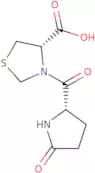
CAS:<p>(S)-3-((S)-5-Oxopyrrolidine-2-carbonyl)thiazolidine-4-carboxylic acid is a synthetic compound that is used as an impurity standard for HPLC. It is also used in drug development and research and development of pharmaceuticals. This product was made through custom synthesis and is not natural.</p>Formula:C9H12N2O4SPurity:Min. 95%Molecular weight:244.27 g/molNeu5Acα(2-6)Galβ(1-4)GlcNAc-β-ethylamine
CAS:<p>Neu5Acα(2-6)Galβ(1-4)GlcNAc-β-ethylamine is a glycosylation agent that is used to modify complex carbohydrates, such as polysaccharides and oligosaccharides. This product is a custom synthesis, which may be modified according to customer specifications. These modifications include methylation, click modification, fluorination, and saccharide modification. The desired purity of this product can be determined by the level of fluorescence in the solution.</p>Formula:C27H47N3O19•NaPurity:Min. 95%Molecular weight:740.66 g/molA2G1 N-Glycan
<p>A2G1 N-glycan is a high purity, methylated, custom modified oligosaccharide with a fluorinated terminal monosaccharide. It is an oligosaccharide composed of a mixture of saccharides and is synthesized using Click chemistry to introduce the fluorination at the C-3 position. A2G1 N-glycan has been shown to be useful in various applications, such as Methylation, Custom synthesis, Click modification, CAS No., Oligosaccharide, Polysaccharide, saccharide, Carbohydrate, Fluorination, complex carbohydrate.</p>Purity:Min. 95%Color and Shape:PowderMolecular weight:1,625 g/molBlood Group A trisaccharide-(CH2)8COOMe derivative
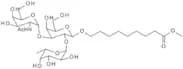
CAS:<p>Blood group antigen derivative with spacer arm</p>Formula:C30H53NO17Purity:Min. 95%Molecular weight:699.74 g/molN-Allyloxycarbonyl-b-lactosamine
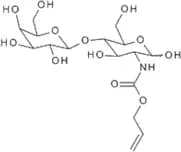
CAS:<p>The linker N-Allyloxycarbonyl-b-lactosamine (NALB) is a bifunctional molecule that can be used to form triplexes with DNA. The NALB has been shown to inhibit the growth of gram-negative bacteria such as Escherichia coli and Haemophilus influenzae by binding to the bacterial cell wall and disrupting its permeability. The linker is synthesized by solid phase synthesis. This process involves the stepwise addition of building blocks in a sequence that is predetermined. The residues are usually protected with protecting groups, which are then removed at the end of the synthesis process.</p>Formula:C16H27NO12Purity:Min. 95%Molecular weight:425.38 g/molMethyl 2-acetamido-3-O-(2,3,4,6-tetra-O-acetyl-b-D-galactopyranosyl)-4,6-O-benzylidene-2-deoxy-b-D-glucopyranoside
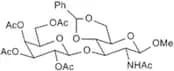
CAS:<p>Methyl 2-acetamido-3-O-(2,3,4,6-tetra-O-acetyl-b-D-galactopyranosyl)-4,6-O-benzylidene-2deoxyb-Dglucopyranoside is a sugar that is used in the preparation of various drugs. It has a pyranose ring and a pyranose form. The IR spectrum displays three distinct peaks at 1730 cm−1, 1590 cm−1 and 1410 cm−1. The axial orientation of the carbon atoms can be determined by looking at the absorption spectra. There are six carbons in the molecule with two axial orientations. The methyl group has an axial orientation and the acetamido group has an equatorial orientation. This compound is not soluble in water but dissolves well in methanol or ethanol. Methyl 2-acetamido 3 O</p>Formula:C30H39NO15Purity:Min. 95%Molecular weight:653.64 g/molDimeric Lewis X hexasaccharide-APE-HSA
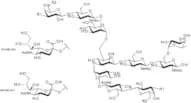
<p>Dimeric Lewis X hexasaccharide-APE-HSA is a carbohydrate molecule that is a modification of a saccharide. It is an oligosaccharide sugar with a CAS number. The monosaccharide sugar in this molecule has been synthetically modified and fluorinated to yield the desired product. This complex carbohydrate has been custom synthesized for high purity and has undergone methylation and glycosylation reactions to achieve the desired modification. The final result of these modifications is a dimeric Lewis X hexasaccharide-APE-HSA, which will be used as an immunogen.</p>Purity:Min. 95%Heparin derived dp22 saccharide ammonium salt
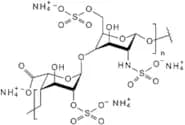
<p>Heparin derived dp22 saccharide ammonium salt is a complex carbohydrate that is synthesized with the click chemistry. It is a high purity, fluorinated compound. This modified heparin has an average molecular weight of approximately 5,400 Da and contains an average of 15 saccharide units. Heparin derived dp22 saccharide ammonium salt has been modified by methylation and glycosylation to produce a heparin-like compound that can be used as a drug delivery system for anticancer drugs.</p>Purity:Min. 95%Color and Shape:White to off-white solid.Molecular weight:~6300 (Average)NGA4 N-Glycan
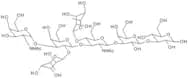
CAS:<p>NGA4 N-glycan is a monosaccharide that is methylated and glycosylated to form an oligosaccharide. It has a molecular weight of 1205 g/mol. This product can be used in the production of glycoconjugates, which are used in the treatment of cancer and inflammatory diseases.</p>Formula:C66H110N6O46Purity:Min. 95%Color and Shape:PowderMolecular weight:1,723.59 g/molCalcipotriol monohydrate
CAS:<p>Calcipotriol monohydrate, a Vitamin D3 analog, binds well to the vitamin D receptor, used in psoriasis research.</p>Formula:C27H42O4Purity:99.95%Color and Shape:SolidMolecular weight:430.621,5-a-L-Arabinoheptaose
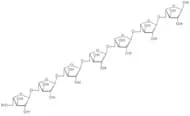
CAS:<p>1,5-a-L-Arabinoheptaose is a sugar that is found in the cell walls of bacteria. The chemical modification of this sugar has been studied extensively. The modification of this sugar with methyl groups and click chemistry has been shown to alter its properties, such as binding affinity and solubility. This modified sugar can be used for glycosylation reactions or custom synthesis. 1,5-a-L-Arabinoheptaose is also available in high purity and with a custom synthesis.</p>Formula:C35H58O29Purity:Min. 95%Color and Shape:PowderMolecular weight:942.82 g/molTrehalose 6,6'-dimycolate
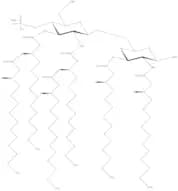
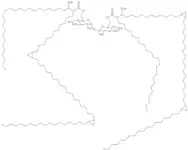
CAS:<p>Trehalose 6,6'-dimycolate (T6DM) is a trehalose analog with lipophilic side chain. T6DM causes apoptosis by blocking the toll-like receptor 4 (TLR4) and TLR2 pathways. T6DM has also been shown to reduce the inflammatory response caused by lipopolysaccharides (LPS), which are bacterial cell wall components. T6DM is a promising agent for the treatment of infectious diseases such as tuberculosis and other bacterial infections that cause inflammation.Isolated from microbial source: mycobacterium bovis</p>Color and Shape:White PowderMolecular weight:2642.483-O-Acetyl-1,6-anhydro-2-azido-2',3'-di-O-benzyl-4',6'-O-benzylidene-2-deoxy-b-D-cellobiose
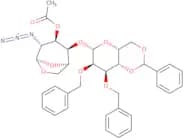
CAS:<p>3-O-Acetyl-1,6-anhydro-2-azido-2',3'-di-O-benzyl-4',6'-O-benzylidene-2-deoxy-b,D cellobiose is a fluorinated oligosaccharide that can be customized for a variety of applications. The sugar unit contains an acetyl group on the C1 position and an azido group at the C2 position. This compound has been subjected to click chemistry in order to form a covalent bond with 4,6'-O-benzylidene 2,3'-dideoxy b,D cellobiose.</p>Formula:C35H37N3O10Purity:Min. 95%Molecular weight:659.68 g/molBlood group A trisaccharide-APE-[biotin]-BSA
<p>ABO trisaccharide conjugated to BSA via Biotin & an aminophenyl ethyl spacer</p>Purity:Min. 95%N-Acetyl-D-lactosamine-sp-biotin
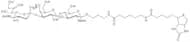
<p>N-Acetyl-D-lactosamine-sp-biotin is an oligosaccharide that is synthesized by the condensation of N-acetylglucosamine and sphingosine. It is a complex carbohydrate that can be modified with fluorination, monosaccharide, and polysaccharides. N-Acetyl-D-lactosamine-sp-biotin has been shown to have a high purity and can be used in the synthesis of glycosylation, methylation, or click chemistry.</p>Formula:C33H57N5O15SPurity:Min. 95%Color and Shape:PowderMolecular weight:795.9 g/molN,N'-Diacetylchitobiosyl allosamizoline
CAS:<p>N,N'-Diacetylchitobiosyl allosamizoline is an analog of the insect-inhibiting allosamidin. It has been shown to have inhibitory activity against chitinases and it is a stereoselective inhibitor of chitin synthase. N,N'-Diacetylchitobiosyl allosamizoline is used as a substrate in coupling reactions to produce disaccharides that contain the chitobiose unit. This type of enzyme inhibition may be useful in combating insects that feed on plants or other organisms with exoskeletons made up of chitin.</p>Formula:C25H42N4O14Purity:Min. 95%Molecular weight:622.62 g/mol2-Acetamido-6-O-(2-acetamido-2-deoxy-b-D-glucopyranosyl)-3-O-(b-D-galactopyranosyl)-2-deoxy-a-D-galactopyranose
CAS:<p>2-Acetamido-6-O-(2-acetamido-2-deoxy-β-D-glucopyranosyl)-3-O-(β-D-galactopyranosyl)-2,6-dideoxy--a,D--galactopyranose is a trisaccharide that is anomeric with n acetylglucosamine and a residue.</p>Formula:C22H38N2O16Purity:Min. 95%Molecular weight:586.54 g/molSialyl-Lex-hexa-APD-HSA
<p>Sialyl-Lex-hexa-APD-HSA is a high purity synthetic glycosylation that is custom synthesized. It has been modified with fluorination, methylation, and click modification. Sialyl-Lex-hexa-APD-HSA can be used in the synthesis of complex carbohydrates and is available in CAS Number: 75869-57-3.</p>Purity:Min. 95%Methyl 3-O-(a-D-galactopyranosyl)-b-D-galactopyranoside
<p>Methyl 3-O-(a-D-galactopyranosyl)-b-D-galactopyranoside is a fluorinated methylated carbohydrate. It is an oligosaccharide with a sugar backbone. The sugar in the molecule is a monosaccharide, which is attached to other sugars through glycosylation. Methyl 3-O-(a-D-galactopyranosyl)-b-D-galactopyranoside has been synthesized and can be custom synthesized for specific requirements. It has high purity and can be obtained with a variety of modifications, such as fluorination to increase its stability. This compound can be used in a variety of applications, including the treatment of tuberculosis infections and cancer.</p>Formula:C13H24O11Purity:Min. 95%Color and Shape:White to off-white solid.Molecular weight:356.32 g/mol4-O-(2-O-Methyl-b-D-galactopyranosyl)-D-glucopyranose
CAS:<p>4-O-(2-O-Methyl-b-D-galactopyranosyl)-D-glucopyranose is a disaccharide. The lacto-n-biose unit is a nonreducing sugar that contains an alpha, beta unsaturated 1,6 glycosidic bond and a lactose molecule. 4-O-(2-O-Methyl-b-D-galactopyranosyl)-D-glucopyranose has been found to stimulate the synthesis of galectin in vitro, which may be due to its ability to bind to lectins. This disaccharide can also cause denaturation at high temperatures.</p>Formula:C13H24O11Purity:Min. 95%Molecular weight:356.32 g/molNA4 N-Glycan
CAS:<p>NA4 is a n-glycan with an average molecular weight of about 3.5 kDa. NA4 is found in the blood and urine of human beings and other mammals, as well as in the milk from cows. It is a major component of mucus secreted by the respiratory tract, and it can be found in the outer layer of the skin. NA4 contains a single N-acetylglucosamine (NAG) residue at its reducing end.</p>Formula:C90H150N6O66Purity:Min. 95%Color and Shape:PowderMolecular weight:2,372.15 g/molMethyl 2-acetamido-4-O-(2-acetamido-3,4,6-tri-O-acetyl-2-deoxy-b-D-glucopyranosyl)-2-deoxy-b-D-glucopyranoside
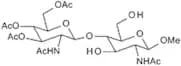
CAS:<p>Methyl 2-acetamido-4-O-(2-acetamido-3,4,6-tri-O-acetyl-2-deoxy-b-D-glucopyranosyl)-2-deoxy-b-D-glucopyranoside is a custom synthesis that is fluorinated and methylated to create an acetal. The monosaccharide is a custom synthesis that has been modified with click chemistry. This oligosaccharide is found in glycosylation reactions and can be used for the synthesis of polysaccharides. Methyl 2 acetamido 4 O-(2 acetamido 3,4,6 tri O acetyl 2 deoxy b D glucopyranosyl) 2 deoxy b D glucopyranoside has CAS Number 97242 82 5.</p>Formula:C23H36N2O14Purity:Min. 95%Molecular weight:564.54 g/molBenzyl 2-acetamido-4-O-(2,3,4,6-tetra-O-acetyl-b-D-galactopyranosyl)-2-deoxy-b-D-galactopyranoside
<p>Benzyl 2-acetamido-4-O-(2,3,4,6-tetra-O-acetyl-b-D-galactopyranosyl)-2-deoxy-b-D-galactopyranoside is a synthetic glycoside that has been modified with fluorination. It is an oligosaccharide sugar that has been synthesized from the monosaccharide galactose and the disaccharide maltose. The chemical formula for this compound is C14H22FNO6. This product can be used in custom synthesis or as a research reagent.</p>Formula:C29H39NO15Purity:Min. 95%Molecular weight:641.62 g/molMethyl 3-O-(b-D-galactopyranosyl)-b-D-galactopyranoside
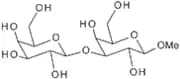
CAS:<p>Methyl 3-O-(b-D-galactopyranosyl)-b-D-galactopyranoside is a disaccharide that is the residue of 6-fluoro-3-indoxyl beta-D-galactopyranoside. This product is a glycoside of methyl 3,6,3',6'-tetraacetate and b-D-galactose.</p>Formula:C13H24O11Purity:Min. 95%Molecular weight:356.32 g/molAcarbose EP Impurity D
CAS:<p>Acarbose EP Impurity D is a polymerase chain reaction (PCR) product that is produced by the subtilis, which is a bacterium. Acarbose EP Impurity D has been shown to inhibit the growth of viruses and bacteria in vitro. It inhibits the synthesis of bioactive molecules by inhibiting the activity of cellular enzymes, such as polymerase chain reaction products. Acarbose EP Impurity D also inhibits viral replication and has been shown to have an inhibitory effect on HIV-1 protease.</p>Formula:C19H33NO13Purity:Min. 95%Molecular weight:483.46 g/molCarboxymethyl cellulose sodium - Viscosity 300-600 mPa·s
CAS:<p>Food additive; soil suspension polymer in detergents; thickening agent</p>Purity:Min. 95%4-Methoxyphenyl 4-O-[3-O-(methyl 5-acetamido-4,7,8,9-tetra-O-acetyl-3,5-dideoxy-D-glycero-a-D-galacto-2-nonulopyranosylonate)-2,6-di -O-benzyl-b-D-galactopyranosyl]-2,3,6-tri-O-benzyl-b-D-glucopyranoside
<p>4-Methoxyphenyl 4-O-[3-O-(methyl 5-acetamido-4,7,8,9-tetra-O-acetyl-3,5-dideoxy-D-glycero-a-D-galacto--2--nonulopyranosylonate)-2,6--di -O--benzyl b D galactopyranosyl]-2,3,6--tri -O benzyl b D glucopyranoside is a glycosylation product of the monosaccharide 4 methoxyphenol and 4 O-[3 O methyl 5 acetamido 4 7 8 9 tetra O acetyl 3 5 dideoxy D glycero 2 a D galacto 2 nonulopyranosylonate] 2 6 di O benzyl b D galactopyranoside. It has been modified by fluorination at the C1</p>Formula:C74H85NO24Purity:Min. 95%Molecular weight:1,372.46 g/molBlood Group H-BSA - 15 atom spacer
<p>The H-BSA-15-atom spacer is a synthetic polymer that can be modified to create a glycolipid or glycopeptide. The H-BSA-15-atom spacer is an oligosaccharide with a molecular weight of 3,500 daltons and has been custom synthesized for this use. This product is highly purified and does not contain any other substances, such as proteins. It has been fluorinated to increase its resistance to degradation by enzymes. Glycosylation and click modification have also been performed on the H-BSA-15 atom spacer.</p>Purity:Min. 95%Color and Shape:Powder2-Acetamido-2-deoxy-4-O-(b-D-galactopyranosyl)-D-mannopyranose
CAS:<p>2-Acetamido-2-deoxy-4-O-(b-D-galactopyranosyl)-D-mannopyranose is a disaccharide with the chemical formula C8H14N2O6. It has a glycosidic bond between two acetamides and a sequence of three sugars. It is also known as n-acetyl-d-mannosamine, or NAM. 2-Acetamido-2-deoxy-4-O-(b-D-galactopyranosyl)-D-mannopyranose is an important building block in the synthesis of glycoproteins. This molecule's carbohydrate structure confers it with properties that are similar to other monosaccharides.</p>Formula:C14H25NO11Purity:Min. 95%Molecular weight:383.35 g/mol6'-Sialyllactose-APD-HSA
<p>6'-Sialyllactose-APD-HSA is a complex carbohydrate that belongs to the group of oligosaccharides. It has a CAS number of 102600-80-4 and it is a polysaccharide. This compound is modified with methylation, glycosylation, and click modification. It is also fluorinated and synthesized.</p>Purity:Min. 95%8-Methoxycarbonyl-3-benzyl-3',4',6',6-tetra-O-acetyl-N,N'-diacetyl-b-chitobioside
CAS:<p>8-Methoxycarbonyl-3-benzyl-3',4',6',6-tetra-O-acetyl-N,N'-diacetyl b-chitobioside is a synthetic product that belongs to the class of glycosides. This compound has been modified by the incorporation of methyl and fluorine atoms. It is used as an intermediate in the synthesis of oligosaccharides and saccharides for use in biotechnology research.</p>Formula:C39H58N2O16Purity:Min. 95%Molecular weight:810.88 g/molGM3-Ganglioside labelled by NBD ammonium
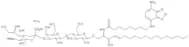
<p>GM3-ganglioside NBD (ammonium salt) has a core disaccharide structure (Galβ1,4Glc) with sialic acid linked α2,3 to the galactose residue with nitrobenzoxadiazole (NBD) linked β to position 1 on the reducing terminal glucose residue, in place of the ceramide fatty acid (Ledeen, 2009). Ganglioside GM3 is strongly associated with human tumors, such as, lung, brain, and melanomas, where it is frequently found to be overexpressed. GM3 ganglioside is seen as a possible tumor-associated carbohydrate antigen for cancer immunotherapy (Changping, 2019). GM3 ganglioside is implicated in various other diseases involving chronic inflammation, such as: insulin resistance, leptin resistance, T-cell function, and immune disorders (e.g. allergic asthma). It has also been shown to play an essential role in murine and human auditory systems, and is a common pathological feature of GM3S deficiency is deafness (Inokuchi, 2018).</p>Formula:C55H90N6O24·H3NPurity:Min. 95%Color and Shape:PowderMolecular weight:1,236.36 g/molMonosialyl, difucosyllacto-N-neohexaose
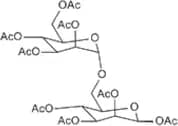
<p>Monosialyl, difucosyllacto-N-neohexaose is a high purity, custom synthesis sugar that can be modified with fluorination and glycosylation. It has CAS No. and has the following properties: oligosaccharide, monosaccharide, saccharide, complex carbohydrate. Monosialyl, difucosyllacto-N-neohexaose is a synthetic carbohydrate that is used in click modification and methylation. This product can also be used for glycosylation and modification.</p>Formula:C63H105N3O47Purity:Min. 95%Molecular weight:1,656.5 g/mol1,2,3,4-Tetra-O-acetyl-6-O-(2,3,4,6-tetra-O-acetyl-a-D-mannopyranosyl)-D-mannopyrannose
CAS:<p>1,2,3,4-Tetra-O-acetyl-6-O-(2,3,4,6-tetra-O-acetyl-aD-mannopyranosyl)-D-mannopyrannose is a tetrasaccharide that can be synthesized by modifying the sugar moiety of 1,2,3,4-tetra-O-[(2,3,4)-triacetyl]-6-[(1R)-1-(2,3,4,-triacetyl)glycoloyl]aD mannopyranose. This modified sugar moiety is then reacted with methyl fluoride to produce 1. It has been shown to inhibit the growth of bacteria and fungi.</p>Formula:C28H38O19Purity:Min. 95%Molecular weight:678.59 g/mol4,6-Di-O-(3,4,6-tri-O-acetyl-2-deoxy-2-phthalimido b-D-glucopyranosyl)-1,3-6-tri-O-benzyl-a-D-mannopyranoside
CAS:<p>4,6-Di-O-(3,4,6-tri-O-acetyl-2-deoxy-2-phthalimido b-D-glucopyranosyl)-1,3-6-tri-O-benzyl a -D -mannopyranoside is a carbohydrate that has been modified with fluorine. It is an oligosaccharide composed of three monosaccharides linked by glycosidic bonds. The modification of the carbohydrate with fluorine was achieved through a click chemistry reaction between the 4’ and 6’ position of the glucose moiety. This product is used in custom synthesis and high purity applications.</p>Formula:C67H68N2O24Purity:Min. 95%Molecular weight:1,285.26 g/molHyaluronate rhodamine - Molecular Weight - 1000kDa
<p>Hyaluronate Rhodamine (HR) is a high purity, custom synthesis sugar that has been modified with Click chemistry. HR is a complex carbohydrate that consists of saccharides and oligosaccharides. HR has been synthesized using glycosylation and methylation reactions. Hyaluronate Rhodamine's CAS number is 1059-14-5.</p>Purity:Min. 95%NGA2 Glycan, 2-AB labelled
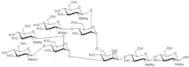
<p>NGA2 Glycan, 2-AB labelled is a complex carbohydrate that is custom synthesized for research purposes. It is a high purity, high quality product that has been fluorinated and glycosylated. NGA2 Glycan, 2-AB labelled is used in the synthesis of oligosaccharides and polysaccharides. This product can be used for glycosylation, methylation and click modification.</p>Purity:Min. 95%3'-Sialyllacto-N-biose
<p>3'-Sialyllacto-N-biose is a regiospecific, biochemically defined carbohydrate. It is a component of the glycan chains that are present on the surface of cell membranes. Lacto-n-biose has been shown to have inhibitory activity against the growth of Mycobacterium tuberculosis and Mycobacterium avium complex bacteria.</p>Purity:Min. 95%Color and Shape:PowderSulpho Lewisx Na
<p>Sulpho Lewisx Na is a high purity, custom synthesized sugar that has been modified using a click chemistry reaction. It has been fluorinated and glycosylated to produce a complex carbohydrate. Sulpho Lewisx Na is a synthetic oligosaccharide produced with the intention of mimicking the structure of Lewisx in order to study its properties. The CAS number for this compound is 2641-19-2 and it can be found under the name Oligosaccharide, Monosaccharide, saccharide, Carbohydrate on Pubchem CID 1039264.</p>Formula:C20H34NNaO18SPurity:Min. 95%Molecular weight:631.54 g/molLipid A (E. Coli) triethylammonium salt
CAS:<p>The Lipid A moiety of lipopolysaccharide forms the outer monolayer of the outer membrane in most Gram-negative bacteria. Escherichia coli lipid A is synthesized on the cytoplasmic side of the inner membrane by a conserved pathway of nine constitutive enzymes. Following attachment of the core oligosaccharide, nascent core-lipid A is flipped to the outer surface of the inner membrane by the ABC transporter MsbA, where the O-antigen polymer is attached. These complex glycoforms protect bacteria from antibiotics and complement-mediated lysis. The core and O-antigen domains are required for virulence and consequently are present in most clinical and environmental isolates (Raetz, 2007).</p>Formula:C94H178N2O25P2Purity:Min. 95%Molecular weight:1,798.37 g/mol


![[UL-13C18]Maltotriose hydrate](/_next/image/?url=https%3A%2Fstatic.cymitquimica.com%2Fproducts%2F3D%2Fthumb-webp%2FOM45239.webp&w=3840&q=75)



![[UL-13C6glc]Lactose monohydrate](/_next/image/?url=https%3A%2Fstatic.cymitquimica.com%2Fproducts%2F3D%2Fthumb-webp%2FOL16272.webp&w=3840&q=75)
![Methyl 4-O-[4,6-O-(benzylidene)-b-D-galactopyranosyl] b-D-galactopyranoside tribenzoate](/_next/image/?url=https%3A%2Fstatic.cymitquimica.com%2Fproducts%2F3D%2Fthumb-webp%2FOM30775.webp&w=3840&q=75)
![[12-C13]-Lactulose](/_next/image/?url=https%3A%2Fstatic.cymitquimica.com%2Fproducts%2F3D%2Fthumb-webp%2FOL57708.webp&w=3840&q=75)





![Blood group A trisaccharide-APE-[biotin]-BSA](/_next/image/?url=https%3A%2Fstatic.cymitquimica.com%2Fproducts%2F3D%2Fthumb-webp%2FOT02519.webp&w=3840&q=75)