Benzimidazole and Imidazole Derivatives
Benzimidazole is a compound consisting of a benzene ring fused to an imidazole ring, a five-membered structure containing two nitrogen atoms. Benzimidazole derivatives, such as albendazole, are known for their antiparasitic and antifungal activity, used in the treatment of parasitic infections and certain parasitic diseases in animals and humans. Imidazole, on the other hand, is a five-membered structure with two nitrogen atoms found in various biologically active compounds. Imidazole derivatives, such as metronidazole, have antimicrobial and antiparasitic properties. These compounds are also used in the pharmaceutical industry for treating bacterial infections, parasitic diseases, and some fungal infections, as well as in organic chemistry as catalysts.
At CymitQuimica, we offer high-purity benzimidazoles and imidazoles for research in medicinal chemistry, pharmacology, and biotechnology.
Found 10355 products of "Benzimidazole and Imidazole Derivatives"
Sort by
Purity (%)
0
100
|
0
|
50
|
90
|
95
|
100
Methyl ((S)-4-Methyl-2-[2-oxo-2-[[(S)-1-phenylethyl]amino]ethyl]pentyl]carbamate
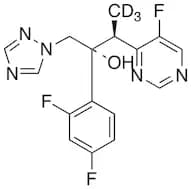
CAS:Controlled ProductFormula:C18H28N2O3Color and Shape:NeatMolecular weight:320.43Voriconazole-d3
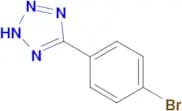
CAS:Controlled Product<p>Applications Labelled Vorizonazole (V760000), used as an antifungal (systemic). An Ergosterol Biosynthesis inhibitor.<br> Not a dangerous good if item is equal to or less than 1g/ml and there is less than 100g/ml in the package<br>References Sanati, H., et al.: Antimicrob. Ag. Chemother., 41, 2492 (1997),<br></p>Formula:C162H3H11F3N5OColor and Shape:White To BeigeMolecular weight:352.335-(4-bromophenyl)-2H-tetrazole
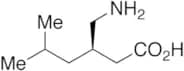
CAS:Purity:95.0%Color and Shape:SolidMolecular weight:225.0489959716797(R)-Pregabalin
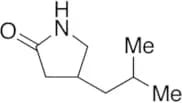
CAS:Controlled Product<p>Impurity Pregabalin USP Related Compound A<br>Applications R-Enantiomer of Pregabalin. A GABA analogue used as an anticonvulsant. Anxiolytic analgesic used to treat peripheral neuropathic pain and fibromyalgia (less potent than the S-Enantiomer). Pregabalin USP Related Compound A.<br>References Field, M.J. et al.: Br. J. Pharmacol., 132, 1 (2001); Taylor, C.P., at al.: Epilepsy Res., 14, 11 (1993);<br></p>Formula:C8H17NO2Color and Shape:WhiteMolecular weight:159.234-Isobutyl-2-pyrrolidinone (pregabalin lactam impurity)
CAS:<p>Impurity Pregabalin USP Related Compound C<br>Applications Pregabalin (P704800) intermediate. Pregabalin USP Related Compound C<br>References Taylor, C.P., at al.: Epilepsy Res., 14, 11 (1993), Field, M.J., et al.: Pain, 80, 391 (1999)<br></p>Formula:C8H15NOColor and Shape:Light YellowMolecular weight:141.21Nocodazole
CAS:<p>M05733 - Nocodazole</p>Formula:C14H11N3O3SPurity:98%Color and Shape:Solid, Beige powderMolecular weight:301.320007324218751-(2-(Pyrrolidin-1-yl)ethyl)-1H-benzo[d]imidazol-2-amine
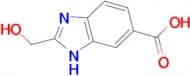
CAS:Purity:98%Molecular weight:230.315002441406252-Hydroxymethyl-1H-benzoimidazole-5-carboxylic acid
CAS:Purity:95.0%Color and Shape:SolidMolecular weight:192.1739959716797Ref: 10-F055245
1gTo inquire2gTo inquire5gTo inquire10gTo inquire25gTo inquire50gTo inquire100mgTo inquire250mgTo inquire500mgTo inquire5-Hydroxy Omeprazole Sodium Salt
CAS:<p>Stability Hygroscopic<br>Applications The main metabolite of Omeprazole.<br>References Renberg, L., et al.: Drug Metab. Dispos., 17, 69 (1989), Calabresi, L., et al.: Pharmacol. Res., 49, 493 (2004), Yin, O., et al.: J. Clin. Pharmacol., 44, 582 (2004),<br></p>Formula:C17H18N3NaO4SColor and Shape:White To Light YellowMolecular weight:383.40Scopolamine-13C, D3 Hydrobromide
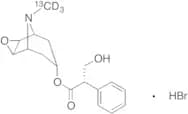
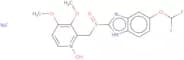
CAS:Controlled Product<p>Applications Scopolamine-13C, d3 Hydrobromide, is the labeled analogue of Scopolamine-d3 Hydrobromide (S200002), an acetylcholine antagonist, used in treatment of motion sickness; antiemetic; antispasmodic; mydriatic; preanesthetic medicant.<br> Not a dangerous good if item is equal to or less than 1g/ml and there is less than 100g/ml in the package<br>References Brand, J.J., et al.: Lancet, 2, 232 (1970), Bowles, J.B., et al.: Anaesthesia, 34, 476 (1979), Clissold, S.P., et al.: Drugs, 29, 189 (1985), Muhtadi, F.J., et al.: Anal. Profiles Drug Subs., 19, 477 (1990),<br></p>Formula:C1613CH19D3BrNO4Color and Shape:Off-WhiteMolecular weight:388.28(S)-(-)-Pantoprazole Sodium Salt
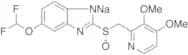
CAS:Controlled Product<p>Stability Hygroscopic<br>Applications The S-enantiomer of Pantoprazole (P183000).<br>References Simon, W.A., et al.: Biochem. Pharmacol., 39, 1799 (1990),<br></p>Formula:C16H14F2N3O4S·NaColor and Shape:NeatMolecular weight:405.35Diethyl Rivastigmine
CAS:Controlled Product<p>Applications An impurity in Rivastigmine (R541000), a cholinesterase inhibitor.<br>References Tse, F., et al.: Pharm. Res., 15, 1614 (1998), Melchiorre, C., et al.: J. Med. Chem., 47, 5945 (2004), Srinivasu, M., et al.: J. Pharm. Biomed. Anal., 37, 57 (2005),<br></p>Formula:C15H24N2O2Color and Shape:NeatMolecular weight:264.36335-(4-Fluorophenethylsulfonyl)-1-phenyl-1H-tetrazole
CAS:Purity:95.0%Color and Shape:SolidMolecular weight:332.35000610351564-Chloro-6-nitro-1,3-dihydro-2H-benzo[d]imidazol-2-one
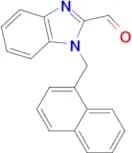
CAS:Purity:98%Molecular weight:213.58000183105471-(1-naphthylmethyl)-1H-benzimidazole-2-carbaldehyde
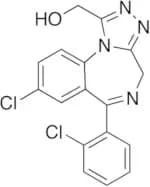
CAS:Purity:95.0%Molecular weight:286.33401489257811'-Hydroxy Triazolam
CAS:Controlled Product<p>Applications A metabolite of Triazolam (T767380(M)), which is a sedative; a controlled substance (depressant).<br>References Boxenbaum, H., et al.: J. Pharm. Pharm. Sci., 2, 47 (1999), Perloff, M., et al.: J. Pharmacol. Exp. Ther., 292, 618 (2000), Patki, K., et al.: Drug Metab. Dispos., 31, 938 (2003),<br></p>Formula:C17H12Cl2N4OColor and Shape:Light GreenMolecular weight:359.21[3-(1H-tetrazol-5-yl)-4,5,6,7-tetrahydro-1-benzothien-2-yl]amine
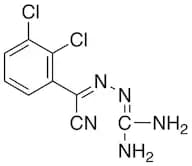
CAS:Molecular weight:221.279998779296882-(2,3-Dichlorphenyl)-2-(guanidinylimino)acetonitrile
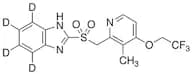
CAS:Controlled ProductFormula:C9H7Cl2N5Color and Shape:Light YellowMolecular weight:256.09Lansoprazole Sulfone-d4
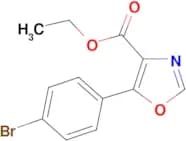
CAS:Controlled ProductFormula:C16H10D4F3N3O3SColor and Shape:NeatMolecular weight:389.38Ethyl 5-(4'-Bromophenyl)-1,3-oxazole-4-carboxylate
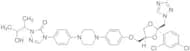
CAS:Purity:97.0%Color and Shape:SolidMolecular weight:296.1199951171875Hydroxy Itraconazole
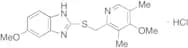
CAS:Controlled Product<p>Applications A metabolite of Itraconazole, an orally active antimycotic structurally related to Ketoconazole. It is a COVID19-related research product.<br>References Saag, M., et al.: Antimicrob. Agents Chemother., 32, 1 (1988), Haria, M., et al.: Drugs, 51, 585 (1996), Kousoulos, C., et al.: Anal. Bioanal. Chem., 384,199 (2006),<br></p>Formula:C35H40Cl2N8O4Color and Shape:WhiteMolecular weight:707.65Omeprazole Sulfide Hydrochloride
CAS:Controlled Product<p>Stability Hygroscopic<br>Applications Omeprazole Sulfide Hydrochloride is a metabolite of Omeprazole (O635000), which binds covalently to proton pump. It inhibits gastric secretion. Used as an anttiulcerative.<br>References Muller, P., et al.: Arzneimittel-Forsch., 33, 1685 (1983); Wallmark, B., et al.: Biochim. Biophys. Acta., 778, 549 (1984); Morii, M., et al.: J. Biol. chem., 268, 21553 (1993); Ritter, M., et al.: Br. J. Pharmacol., 124, 627 (1998)<br></p>Formula:C17H19N3O2S·HClColor and Shape:NeatMolecular weight:329.42 + 36.46Luliconazole
CAS:Controlled Product<p>Stability Light Sensitive<br>Applications Luliconazole is an azole antifungal drug.<br>References Uhida, K., et al.: J. Infect. Chemother., 10, 216 (2004); Niwano, ., et al.: Antimicro. Agents Chemother., 42, 967 (1998),<br></p>Formula:C14H9Cl2N3S2Color and Shape:Off-White To Light YellowMolecular weight:354.28Isometronidazole
CAS:Controlled Product<p>Impurity Metronidazole EP Impurity E<br>Applications Isometronidazole (Metronidazole EP Impurity E) is an impurity of Metronidazole (M338880), a chemotherapeutic agent that is used as a first line defense against Clostridium difficile (C.diff). Isometronidazole is also a hypoxic cell sensitizer in humans and mice.<br>References Hentschel, M. & Schmidt, W.: Die Pharm., 47, 221 (1992); Musher, D., et al.: Clin. Inf. Dis., 40, 1586 (2005); Rosenkranz, H. & Speck, W.: Biochem. Biophys. Res. Comm., 66, 520 (1975)<br></p>Formula:C6H9N3O3Color and Shape:NeatMolecular weight:171.155-Methoxy-2-[[(4-methoxy-3,5-dimethyl-2-pyridinyl)methyl]sulfonyl]-1H-benzimidazole
CAS:<p>5-Methoxy-2-[[(4-methoxy-3,5-dimethyl-2-pyridinyl)methyl]sulfonyl]-1H-benzimidazole is an inhibitor of cytochrome P450 2C19. It has been shown to inhibit the activity of this enzyme in a concentration dependent manner and to enhance the activity of omeprazole by inhibiting its metabolism. 5-Methoxy-2-[(4-methoxy, 3,5 dimethylpyridiniumyl)methyl]sulfonyl]-1H benzimidazole is used as a model system for studying drug interactions due to its ability to inhibit cytochrome P450 2C19 and CYP2C19 protein expression. 5 METHOXY - 2 - [[ ( 4 - METHOXY - 3 , 5 - DIMETHYL - 2 - PYRIDINYL ) M</p>Formula:C17H19N3O4SPurity:Min. 95%Color and Shape:White Off-White PowderMolecular weight:361.42 g/mol2-Hydroxybenzimidazole
CAS:<p>2-Hydroxybenzimidazole is a benzimidazole compound that is used in the treatment of nervous system diseases. It has been shown to have anti-inflammatory properties and can be used in the treatment of syncytial virus infection. 2-Hydroxybenzimidazole inhibits the production of reactive oxygen species and nitric oxide, which are involved in neurodegenerative disorders. The mechanism of action for 2-Hydroxybenzimidazole involves the formation of hydrogen bonds with hydroxyl groups on proteins. It also has been shown to reduce locomotor activity and increase sleep time in mice, which may be due to inhibition of acetylcholine release from cholinergic neurons.</p>Formula:C7H6N2OPurity:Min. 97.5 Area-%Color and Shape:Off-White PowderMolecular weight:134.14 g/mol5-Methoxy-2-[[(4-methoxy-3,5-dimethyl-2-pyridinyl)methyl]sulphonyl]-1H-benzimidazole N-oxide
CAS:<p>5-Methoxy-2-[[(4-methoxy-3,5-dimethyl-2-pyridinyl)methyl]sulphonyl]-1H-benzimidazole N-oxide is a cyclic sulfoxide that has shown to be a potent inhibitor of gastric acid secretion. It is an important intermediate in the synthesis of esomeprazole magnesium, a proton pump inhibitor used to treat gastroesophageal reflux disease and other gastrointestinal disorders. 5-Methoxy-2-[(4-methoxy 3,5 dimethyl 2 pyridinyl) methyl] sulphonyl]-1H benzimidazole N oxide is also known as (RS)-N-[4-(4′ methoxyphenyl)-3,5 dimethylpyrazol -2 - ylmethyl] methanesulfonamide. This compound has been shown to have a polymorphic form with two different</p>Formula:C17H19N3O5SPurity:Min. 95%Color and Shape:PowderMolecular weight:377.42 g/molOmeprazole impurity F and G
CAS:<p>Omeprazole is a proton pump inhibitor that inhibits the H+/K+-ATPase enzyme in gastric parietal cells. Omeprazole impurity F and G are metabolites of omeprazole. Omeprazole impurity F is a metabolite of omeprazole that forms by oxidation of the methylthio group in omeprazole to form a sulfoxide. Omeprazole impurity G is formed by hydrolysis of the methylthio group in omeprazole to form an alcohol. The purity of this product is high and can be custom synthesized based on customer's needs. It is also available as an HPLC standard or as an API impurity for use in metabolism studies.</p>Formula:C16H13N3O2SPurity:Min. 95%Color and Shape:Red PowderMolecular weight:311.36 g/mol4-Desmethoxy omeprazole sulfide
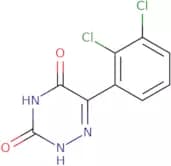
CAS:<p>4-Desmethoxy omeprazole sulfide is a metabolite of omeprazole, a drug that is used to treat ulcers and gastroesophageal reflux disease. 4-Desmethoxy omeprazole sulfide is not an impurity in the production of omeprazole, but is present as a natural component of omeprazole. This compound has been shown to be an impurity standard for HPLC analysis. The pharmacopoeia defines 4-desmethoxy omeprazole sulfide as an API impurity in drug products. It is also being studied for its potential use in drug development and research and development.</p>Formula:C16H17N3OSPurity:Min. 95%Color and Shape:White to off-white solid.Molecular weight:299.39 g/mol6-(2,3-Dichlorophenyl)-1,2,4-triazine-3,5(2H,4H)-dione
CAS:<p>6-(2,3-Dichlorophenyl)-1,2,4-triazine-3,5(2H,4H)-dione is a chlorinating agent that converts alcohols to alkyl chlorides. It is used for the conversion of diazotizable aromatic compounds to diazo compounds. This compound has been shown to be neuroprotective in animal models and provides protection against glutamate excitotoxicity. 6-(2,3-Dichlorophenyl)-1,2,4-triazine-3,5(2H,4H)-dione also reacts with nitrite ions to form the corresponding nitroso derivatives. These derivatives can cause DNA damage and are mutagenic. 6-(2,3-Dichlorophenyl)-1,2,4-triazine-3,5(2H,4H)-dione has been shown to react with aminoguanidine to produce a chromat</p>Formula:C9H5Cl2N3O2Purity:Min. 95%Color and Shape:PowderMolecular weight:258.06 g/mol3-Amino-6-(2,3-dichlorophenyl)-1,2,4-triazin-5(4H)-one
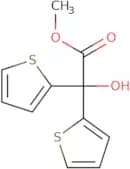
CAS:<p>3-Amino-6-(2,3-dichlorophenyl)-1,2,4-triazin-5(4H)-one is a triazine derivative that is used as an analytical reagent and intermediate. It has been used as a wastewater analysis method to measure the concentration of carbamazepine. 3-Amino-6-(2,3-dichlorophenyl)-1,2,4-triazin-5(4H)-one has also been shown to be useful in developing analytical methods for clinical trials. 3DCTKP has also been used to test the matrix effect of carbamazepine by analyzing it in different matrices such as water and human plasma.</p>Formula:C9H6Cl2N4OPurity:Min. 95 Area-%Color and Shape:PowderMolecular weight:257.08 g/molMethyl 2,2-dithienylglycolate
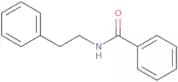
CAS:<p>Intermediate for tiotropium bromide synthesis</p>Formula:C11H10O3S2Purity:Min. 95%Color and Shape:White PowderMolecular weight:254.33 g/molN-(2-Phenethyl)benzamide
CAS:<p>N-(2-Phenethyl)benzamide (NPEB) is a molecule that belongs to the group of reactive molecules. It has been shown to be toxic to gram-positive bacteria, such as Staphylococcus aureus and Bacillus subtilis, but not gram-negative bacteria such as Escherichia coli. NPEB also has been shown to have locomotor activity in animals, which may be due to its ability to inhibit the mitochondrial electron transport chain and inhibit ATP production. NPEB's biological properties are well characterized. FTIR spectroscopy showed that this molecule has an amide functional group and is a small molecule with a molecular weight of 176.4 g/mol. This molecule was also found to be able to bind to mitochondria in animals.</p>Formula:C15H15NOPurity:Min. 97 Area-%Color and Shape:PowderMolecular weight:225.29 g/mol4-Isobutyl-2-pyrrolidinone
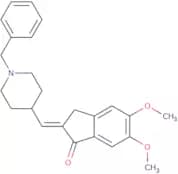
CAS:<p>4-Isobutyl-2-pyrrolidinone is a colorless liquid that belongs to the category of phosphites. It has a high boiling point, which makes it suitable for use in organic solvents and as a heat transfer agent. The thermodynamic properties of 4-Isobutyl-2-pyrrolidinone have been evaluated using the protonation theory. It can be protonated at either the nitrogen or the methyl group, and both forms are present in solution. This means that 4-Isobutyl-2-pyrrolidinone is acidic and can react with other compounds to form salts called lactams. There are two isomers of this compound: cis and trans. Both isomers exist in equilibrium; however, the cis isomer predominates at room temperature. The most common impurities of 4-Isobutyl-2-pyrrolidinone are dehydration products formed during synthesis or</p>Formula:C8H15NOPurity:Min. 95%Color and Shape:White PowderMolecular weight:141.21 g/mol1-Benzyl-4-(5,6-dimethoxy-1-oxoindan-2-ylidene)methylpiperidine
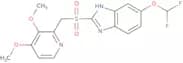
CAS:<p>1-Benzyl-4-(5,6-dimethoxy-1-oxoindan-2-ylidene)methylpiperidine is an analytical standard and a drug product. It is a synthetic compound that has been shown to have pharmacological effects similar to those of the analgesic or opioid drugs. 1-Benzyl-4-(5,6-dimethoxy-1-oxoindan-2-ylidene)methylpiperidine can be used as an impurity standard for HPLC analyses as well as metabolic studies. This compound is also known to have potential interactions with other drugs.</p>Formula:C24H27NO3Purity:Min. 98 Area-%Color and Shape:PowderMolecular weight:377.48 g/molPantoprazole sulphone
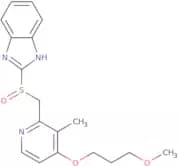
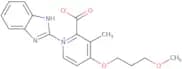
CAS:<p>Pantoprazole sulphone is a proton-pump inhibitor that inhibits the production of stomach acid and protects the esophagus from damage. Pantoprazole sulphone has been shown to be effective in treating heart disease patients and reducing their risk of death. It also has biological properties, including modulating the effects of bosentan, which is used to treat pulmonary arterial hypertension. Pantoprazole sulphone has been shown to be chemically stable and stereoselective, which means it binds more strongly to one site than another. Clinical pharmacology studies have found that pantoprazole sulphone has no effect on abomasal motility or gastric emptying time.</p>Formula:C16H15F2N3O5SPurity:Min. 97 Area-%Color and Shape:PowderMolecular weight:399.37 g/mol2-[[[4-(3-Methoxypropoxy)-3-methyl-2-pyridinyl]methyl]thio]-1H-benzimidazole
CAS:<p>Rabeprazole is a proton pump inhibitor that is used to treat acid-related disorders such as gastroesophageal reflux disease and peptic ulcers. Rabeprazole inhibits the production of gastric acid by blocking the hydrogen/potassium ATPase that is found in the parietal cells of the stomach. The main mechanism of action for rabeprazole is competitive inhibition of the proton pump, which leads to decreased gastric acid secretion. Rabeprazole can be administered orally or intravenously, with a half-life of about 2 hours. It has been shown to have an effect on human liver cytochrome P450s, but does not affect the activity of recombinant cytochrome P450 3A4 (CYP3A4). In clinical studies, rabeprazole was shown to have no adverse effects on CYP3A4 activity and may even increase it slightly.</p>Formula:C18H21N3O2SPurity:Min. 95%Color and Shape:White PowderMolecular weight:343.44 g/molRabeprazole
CAS:<p>Rabeprazole is a proton pump inhibitor that suppresses the production of stomach acid by blocking the H+/K+ ATPase enzyme. It is used for the treatment of gastroesophageal reflux disease, peptic ulcers, and Zollinger-Ellison syndrome. Rabeprazole has been shown to be more effective than omeprazole in reducing gastric acid secretion in two-way crossover studies. Rabeprazole also has been shown to inhibit the growth of antibiotic-resistant strains of bacteria. In addition, rabeprazole binds to metal ions like iron and copper, which may affect its pharmacokinetics and efficacy. This drug is currently being investigated as an analytical method for determination of proton pump inhibitors in human serum and urine samples by electrochemical impedance spectroscopy (EIS).</p>Formula:C18H21N3O3SPurity:Min. 95%Color and Shape:White PowderMolecular weight:359.44 g/molPantoprazole sodium hydrate - Mixture of impurities D and F
CAS:<p>Pantoprazole sodium hydrate is a custom synthesis that is used as a drug product. The CAS number for this compound is 624742-53-6. This compound has the following impurities: D and F. Pantoprazole sodium hydrate has been shown to be metabolized in vitro by human liver microsomes to its metabolites, including the following: (1) pantoprazol acid, (2) 4-hydroxypantoprazol acid, (3) 4-hydroxyisoxazole acid, and (4) 5-(4-hydroxyphenyl)-2H-1,2-benzoxazin-3(4H)-one. The metabolite 4-hydroxypantoprazol acid has been found to be pharmacologically active in animal models of gastric ulceration and healing.</p>Formula:C17H17F2N3O4SPurity:Min. 95%Color and Shape:Off-white to yellow powder.Molecular weight:397.4 g/molRabeprazole Impurity 2
CAS:<p>Rabeprazole Impurity 2 is a research and development impurity standard that is used for qualitative analysis. It can be custom synthesized to meet specific needs, and it can also be used in drug product synthesis. Rabeprazole Impurity 2 is a high purity synthetic compound that has been pharmacopoeia-qualified. It can also be used as a metabolite or analytical standard, and it has been studied for its metabolism studies with HPLC-MS. Rabeprazole Impurity 2 has CAS No. 1807988-36-8.</p>Formula:C18H19N3O4Purity:Min. 95%Molecular weight:341.36 g/mol(R)-5-Hydroxymethyl tolterodine
CAS:<p>(R)-5-Hydroxymethyl tolterodine is a prodrug that is metabolized by cytochrome P450 3A4 (CYP3A4) in the liver to its active form, tolterodine. This drug can be used as an alternative for gabapentin in the treatment of detrusor muscle overactivity associated with neurogenic bladder dysfunction. The pharmacokinetic properties of (R)-5-hydroxymethyl tolterodine are similar to those of gabapentin, including the elimination half-life and volume of distribution. However, unlike gabapentin, which has been shown to increase the glomerular filtration rate (GFR) and renal blood flow, there is no evidence that this drug has any effect on GFR or renal blood flow. There is also no evidence that (R)-5-hydroxymethyl tolterodine causes any symptoms that may be attributed to</p>Formula:C22H31NO2Purity:Min. 98 Area-%Color and Shape:Off-White PowderMolecular weight:341.49 g/molPantoprazole N-oxide sodium
CAS:<p>Pantoprazole N-oxide sodium is a custom synthesis drug product that is being developed as an impurity standard in the synthesis of Pantoprazole. The compound is also used as a pharmacopoeia analytical standard and a HPLC standard.</p>Formula:C16H15F2N3O5S·NaPurity:Min. 95%Color and Shape:PowderMolecular weight:422.36 g/mol2-Mercaptobenzimidazole
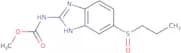
CAS:<p>2-Mercaptobenzimidazole is a chemical compound that can be used for the treatment of infectious diseases. It has been shown to have antioxidative properties and inhibit the growth of bacteria. 2-Mercaptobenzimidazole also has an effect on human serum, which may be due to its ability to bind with proteins in serum and form hydrogen bonds. 2-Mercaptobenzimidazole is stable at high temperatures and has been shown as an effective antimicrobial agent against gram positive and gram negative bacteria.</p>Formula:C7H6N2SPurity:Min. 99 Area-%Color and Shape:White/Off-White SolidMolecular weight:150.19 g/molAlbendazole sulfoxide
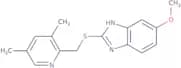
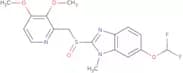
CAS:<p>Albendazole sulfoxide is a sulfoxide of albendazole. The molecular docking analysis of the two molecules showed that the sulfoxide group is located in the same position as the hydroxyl group on albendazole. It has been shown that this replacement of hydroxyl with a sulfoxide group increases the solubility and stability of albendazole, which may be due to hydrogen bonding interactions between these groups. Albendazole sulfoxide has been shown to be an effective treatment for infections caused by parasites such as helminths. However, it should not be used in combination with drugs that are metabolized by cytochrome P450 enzymes because it can inhibit their activity.</p>Formula:C12H15N3O3SPurity:Min. 97 Area-%Color and Shape:White PowderMolecular weight:281.33 g/mol5-Methoxy-2-[[(4-methoxy-3,5-dimethyl-2-pyridinyl)methyl]thio]-1H-benzimidazole
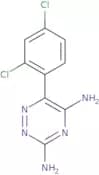
CAS:<p>Omeprazole is a drug that belongs to the class of benzimidazole compounds. It is an inhibitor of gastric acid secretion in the stomach, reducing the production of hydrochloric acid and pepsin. Omeprazole has been shown to have greater chemical stability than other proton pump inhibitors (PPIs), with a higher solubility in water and a longer shelf life. Omeprazole also has anti-inflammatory properties, which may be due to its inhibition of prostaglandin synthesis. Omeprazole also exhibits pharmacokinetic properties that are different from other PPIs. Omeprazole is rapidly absorbed following oral administration and has a high bioavailability, which can be attributed to its hydroxyl group. This hydroxyl group allows for esomeprazole (a prodrug) to be formed by hydrolysis in the gut or liver, increasing omeprazole's absorption and bioavailability.</p>Formula:C17H19N3O2SPurity:Min. 95%Color and Shape:PowderMolecular weight:329.42 g/mol6-(2,4-Dichlorophenyl)-1,2,4-triazine-3,5-diamine
CAS:<p>6-(2,4-Dichlorophenyl)-1,2,4-triazine-3,5-diamine is a metabolite that can be found in the urine and blood of humans. It has been shown to have cytotoxic effects on human lymphocytes and erythrocytes. 6-(2,4-Dichlorophenyl)-1,2,4-triazine-3,5-diamine is used as an impurity standard for HPLC analysis and as a reference compound for pharmacopoeia. This chemical is also used in the synthesis of some drugs. 6-(2,4-Dichlorophenyl)-1,2,4-triazine-3,5-diamine is not listed in any pharmacopoeia or natural product database.</p>Formula:C9H7Cl2N5Purity:Min. 95%Color and Shape:White PowderMolecular weight:256.09 g/mol
![Methyl ((S)-4-Methyl-2-[2-oxo-2-[[(S)-1-phenylethyl]amino]ethyl]pentyl]carbamate](/_next/image/?url=https%3A%2Fstatic.cymitquimica.com%2Fproducts%2FTR%2Fthumb-webp%2FM322015.webp&w=3840&q=75)



![1-(2-(Pyrrolidin-1-yl)ethyl)-1H-benzo[d]imidazol-2-amine](/_next/image/?url=https%3A%2Fstatic.cymitquimica.com%2Fproducts%2F10%2Fthumb-webp%2FF725157.webp&w=3840&q=75)


![4-Chloro-6-nitro-1,3-dihydro-2H-benzo[d]imidazol-2-one](/_next/image/?url=https%3A%2Fstatic.cymitquimica.com%2Fproducts%2F10%2Fthumb-webp%2FF773964.webp&w=3840&q=75)
![[3-(1H-tetrazol-5-yl)-4,5,6,7-tetrahydro-1-benzothien-2-yl]amine](/_next/image/?url=https%3A%2Fstatic.cymitquimica.com%2Fproducts%2F10%2Fthumb-webp%2FF369674.webp&w=3840&q=75)


![5-Methoxy-2-[[(4-methoxy-3,5-dimethyl-2-pyridinyl)methyl]sulfonyl]-1H-benzimidazole](/_next/image/?url=https%3A%2Fstatic.cymitquimica.com%2Fproducts%2F3D%2Fthumb-webp%2FIM57926.webp&w=3840&q=75)


![5-Methoxy-2-[[(4-methoxy-3,5-dimethyl-2-pyridinyl)methyl]sulphonyl]-1H-benzimidazole N-oxide](/_next/image/?url=https%3A%2Fstatic.cymitquimica.com%2Fproducts%2F3D%2Fthumb-webp%2FIM57920.webp&w=3840&q=75)


![2-[[[4-(3-Methoxypropoxy)-3-methyl-2-pyridinyl]methyl]thio]-1H-benzimidazole](/_next/image/?url=https%3A%2Fstatic.cymitquimica.com%2Fproducts%2F3D%2Fthumb-webp%2FIM57863.webp&w=3840&q=75)


![5-Methoxy-2-[[(4-methoxy-3,5-dimethyl-2-pyridinyl)methyl]thio]-1H-benzimidazole](/_next/image/?url=https%3A%2Fstatic.cymitquimica.com%2Fproducts%2F3D%2Fthumb-webp%2FIM57923.webp&w=3840&q=75)