


Flavonoids and Polyphenols
Flavonoids are phenolic compounds that contain a structure of 15 carbon atoms, consisting of two aromatic rings linked by a three-carbon bridge. Polyphenols are a broader class of organic compounds containing multiple phenolic groups. Both groups have potent antioxidant properties, allowing them to protect cells from damage caused by free radicals. Flavonoids are commonly found in fruits, vegetables, and tea and are associated with improved cardiovascular health and the prevention of chronic diseases. Polyphenols also have applications in cancer prevention and brain health promotion.
At CymitQuimica, we offer high-quality flavonoids and polyphenols for research in chemistry, pharmacology, and biomedicine.
Found 16999 products of "Flavonoids and Polyphenols"
Sort by
Purity (%)
0
100
|
0
|
50
|
90
|
95
|
100
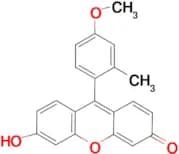
6-HYDROXY-9-(4-METHOXY-2-METHYLPHENYL)-3H-XANTHEN-3-ONE
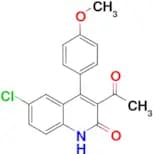
CAS:Purity:95.0%Molecular weight:332.35501098632813-acetyl-6-chloro-4-(4-methoxyphenyl)quinolin-2(1H)-one
CAS:Purity:95.0%Molecular weight:327.7600097656251-((4'-methoxy-[1,1'-biphenyl])-4-sulfonamido)cyclohexane-1-carboxylic acid
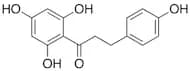
CAS:Purity:95.0%Molecular weight:389.4700012207031Phloretin
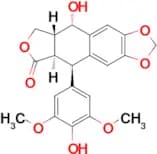
CAS:Controlled Product<p>Applications The aglucon of Phlorizin. A glucose transport inhibitor. Also inhibits protein kinase C and has been shown to inhibit the entry of five enveloped viruses into human fibroblasts.<br>References Constantinescu, S.N., et al.: FEBS Lett., 292, 31 (1991), Mann, J., et al.: Appl. Physiol., 71, 410 (1991), Benga, G., et al.: Eur. J. Cell Biol., 59, 219 (1992), Kitanaka, J., et al.: J. Neurochem., 60, 704 (1993), Wang, X., et al.: Biochem. J., 290, 249 (1993)<br></p>Formula:C15H14O5Color and Shape:Off White SolidMolecular weight:274.27Silydianin
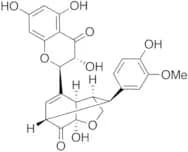
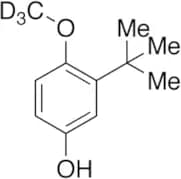
CAS:Controlled Product<p>Applications Silydianin is an active constituent of Silybium marianum and is known the exhibit anti-inflammatory activity which regulates caspase-3 activation which affects cell membranes and acts as a free radical scavenger.<br>References Zlelinska-Przyyjemska, M., et al.: Phytother. Res., 20, 115 (2006); Milan, M., et al.L Anal. Chimica. Acta., 486, 125 (2003); Liu, Y.Z., et al.: Chin. Herb. Med., 4, 237 (2012);<br></p>Formula:C25H22O10Color and Shape:Off-WhiteMolecular weight:482.442-tert-Butyl-4-hydroxyanisole-d3
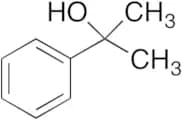
CAS:Controlled Product<p>Applications Labelled 2-tert-Butyl-4-hydroxyanisole (B699300). 2-tert-Butyl-4-hydroxyanisole shows insecticidal activity.<br>References Newberne, P., et al.: Food Technol., 54, 66 (2000), Passone, M., et al.: Food Control, 19, 364 (2008),<br></p>Formula:C11D3H13O2Color and Shape:NeatMolecular weight:183.2622-Phenyl-2-propanol
CAS:<p>Applications 2-Phenyl-2-propanol is an important raw material and intermediate used in organic synthesis, pharmaceuticals, agrochemicals and dyestuff.<br>References Kostjuk, S.V., et al.: Eur. Polym. J., 43, 968-979 (2007); Liu, X., et al.: J. Mol. Catal. A: Chem., 252, 176-180 (2006);<br></p>Formula:C9H12OColor and Shape:Light Yellow To ColourlessMolecular weight:136.19Ref: 10-F787568
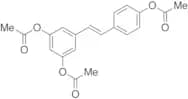
1gTo inquire5gTo inquire25gTo inquire50mg96.00€100mg24.00€250mgTo inquire500mgTo inquiretrans-Resveratrol Triacetate
CAS:Controlled Product<p>Applications trans-Resveratrol Triacetate is the acetylated analogue of Resveratrol (R150000) that is a natural antioxidant and a potential radioprotective agent. trans-Resveratrol Triacetate induces p53 activity and inhibits proliferation in breast and prostate tumor cell lines.<br>References Torres, P. et al.: J. Agric. Food Chem., 58, 807 (2010); Kotagiri, S. et al.: J. Chem. Pharmac. Sci., 3, 191 (2010); Koide, K. et al.: ACS Med. Chem. Chem. Lett., 2, 270 (2011);<br></p>Formula:C20H18O6Color and Shape:NeatMolecular weight:354.35Neoponcirin
CAS:Controlled Product<p>Applications Neoponcirin is a flavonoid that was shown to exhibit anticancer properties by inducing apoptosis by inhibiting N-Myc and upregulating RKIP in neuroblastoma.<br>References Singhai, J., et al.: Cancer. Prev. Res., 5, 473 (2012); Sdiri, S., et al.: Postharv. Biol. Techol., 65, 13, (2012);<br></p>Formula:C28H34O14Color and Shape:NeatMolecular weight:594.56Taspine
CAS:Controlled Product<p>Applications It is an alkaloid isolated from Radix et Rhizoma Leonticis. It shows various pharmaceutical properties: bacteriostatic, wound healing, cytotoxicity, immunosuppression, acetilcholinesterase inhibition, and inhibition of the activity of tumor angiogenesis.<br>References Perdue, G.P., et al.: J. Pharm. Sci., 68, 124 (1979), Tsacheva, I., et al.: J. Biosci., 59, 528 (2004), Zhang, Y., et al.: Cancer Lett., 262 103 (2008),<br></p>Formula:C20H19NO6Color and Shape:NeatMolecular weight:369.37Eugenol
CAS:Controlled Product<p>Stability Light Sensitive<br>Applications Eugenol is used in perfumes, flavorings, and essential oils. It is also used as a local antiseptic and anaesthetic. Eugenol is a dental compound which shows cytotoxicity to human oral squamous cell carcinoma and oral cells. When glucosylated, this compound exhibits anti-inflammatory activity.<br>References Koh, T. et al.: In Vivo, 27, 85 (2013); Zhang, P. et al.: Arch. Pharm. Res., 36, 109 (2013);<br></p>Formula:C10H12O2Color and Shape:YellowMolecular weight:164.20Carnosic Acid
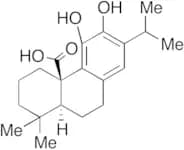
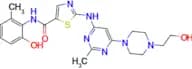
CAS:<p>Applications Carnosic Acid is a phenolic component of rosemary. It acts as a potent antioxdant and also has UV protective activity. Specifically protection for UV-A radiation and damage. Carnosic Acid also inhibits the free-radical chain reaction that leads to the oxidation of fats and oils, thereby stabilizing and increasing the shelf life of meats.<br>References Frankel, E. et al.: J. Agri. Food Chem., 44, 131 (1996); Offord, E. et al.: Free Rad Biol. Med., 32, 1293 (2002); Chem. and Eng. News Feb. 10, 2014 p. 13<br></p>Formula:C20H28O4Color and Shape:Yellow SolidMolecular weight:332.43N-(2-Hydroxy-6-methylphenyl)-2-((6-(4-(2-hydroxyethyl)piperazin-1-yl)-2-methylpyrimidin-4-yl)amino)thiazole-5-carboxamide
CAS:Purity:95+%Molecular weight:469.55999755859375Methyleugenol
CAS:<p>Applications Methyleugenol is a phenylpropene that is commonly found in plants such as nutmeg, pimento, lemongrass, tarragon, basil, star anise, and fennel. Methyleugenol has been shown to inhibit histone deacetylase (HDAC) activity in the human colon carcinoma cell line HT29. Compounds that exhibit HDAC-inhibitory properties or disrupt the HDAC complex have potential applications in cancer therapy and chemoprevention. In addition, Methyleugenol is a flavoring agent often used in consumer products such as jellies, baked goods, beverages,chewing gums, ice cream, and fragrance.<br>References Groh, I. A., et al.: J Nutr Metab. 2013, 821082 (2013); R. L. Smith, et al.: Food Chem Toxicol 40, 851 (2002)<br></p>Formula:C11H14O2Color and Shape:ColourlessMolecular weight:178.23(S)-Naringenin
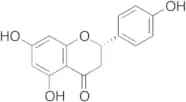
CAS:<p>Applications (S)-Naringenin, an active flavanone, maintains antioxidative, anti-inflammatory and antitumorigenic activities. Used in the treatment of praquat (PQ)-induced oxidative stress.<br>References Podder, B. et al.: J. Microbiol. Biotech., 24, 605 (2014); Abd El Azim, M. et al.: Org. Chem. An Ind. J., 10,410 (2014);<br></p>Formula:C15H12O5Color and Shape:Light BrownMolecular weight:272.25Quercetin 3-O-β-D-Glucuronide
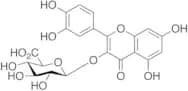
CAS:<p>Stability Very Hygroscopic<br>Applications Quercetin 3-O-β-D-Glucuronide is the major metabolite of Quercetin (Q509500).<br>References Ajay, M., et al.: Life Sci., 74, 603 (2003), Shen, S., et al.: Toxicol. Appl. Pharmacol., 197, 84 (2004), Amira, S., et al.: Eur. J. Pharmacol. 599, 126 (2008),<br></p>Formula:C21H18O13Color and Shape:NeatMolecular weight:478.36(+)-[6]-Gingerol
CAS:Controlled Product<p>Applications (+)-[6]-Gingerol is a bioactive compound found in ginger (Zingiber officinale) with antioxidant activity, which functions as an anti-inflammatory and antitumor agent. (+)-[6]-Gingerol down regulates proinflammatory cytokine release by macrophages. (+)-[6]-Gingerol has been shown to inhibit COX-2 expression by blocking the activation of p38 MAP kinase and NF-κB in phorbol ester-stimulated mouse skin.<br> Not a dangerous good if item is equal to or less than 1g/ml and there is less than 100g/ml in the package<br>References Aeschbach, R. et al.: Food Chem. Toxicol., 32, 31 (1994); Tripathi, S. et al.: J. Surg. Res., 130, 318 (2006); Kim, S.O., et al.: Oncogene 24, 2558 (2005);<br></p>Formula:C17H26O4Color and Shape:Dark Yellow SolidMolecular weight:294.39

![1-((4'-methoxy-[1,1'-biphenyl])-4-sulfonamido)cyclohexane-1-carboxylic acid](/_next/image/?url=https%3A%2Fstatic.cymitquimica.com%2Fproducts%2F10%2Fthumb-webp%2FF512251.webp&w=3840&q=75)





![(+)-[6]-Gingerol](/_next/image/?url=https%3A%2Fstatic.cymitquimica.com%2Fproducts%2FTR%2Fthumb-webp%2FG387205.webp&w=3840&q=75)