Flavonoids and Polyphenols
Flavonoids are phenolic compounds that contain a structure of 15 carbon atoms, consisting of two aromatic rings linked by a three-carbon bridge. Polyphenols are a broader class of organic compounds containing multiple phenolic groups. Both groups have potent antioxidant properties, allowing them to protect cells from damage caused by free radicals. Flavonoids are commonly found in fruits, vegetables, and tea and are associated with improved cardiovascular health and the prevention of chronic diseases. Polyphenols also have applications in cancer prevention and brain health promotion.
At CymitQuimica, we offer high-quality flavonoids and polyphenols for research in chemistry, pharmacology, and biomedicine.
Found 17015 products of "Flavonoids and Polyphenols"
Sort by
Purity (%)
0
100
|
0
|
50
|
90
|
95
|
100
3,3-Bis(3,5-dibromo-4-hydroxyphenyl)isobenzofuran-1(3H)-one
CAS:Purity:98%Molecular weight:633.91198730468752-Chloro-6-(4-methoxybenzyl)-6,7-dihydropyrrolo[3,4-b]pyridin-5-one
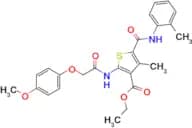
CAS:Purity:97.0%Molecular weight:288.7300109863281Ethyl 2-(2-(4-methoxyphenoxy)acetamido)-4-methyl-5-(o-tolylcarbamoyl)thiophene-3-carboxylate
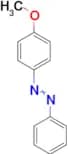
CAS:Purity:98%Molecular weight:482.549987792968751-(4-Methoxyphenyl)-2-phenyldiazene
CAS:Purity:95.0%Color and Shape:SolidMolecular weight:212.25199890136723,4,5-TRIMETHOXY-N-(4-(8-METHYLIMIDAZO[1,2-A]PYRIDIN-2-YL)PHENYL)BENZAMIDE
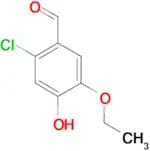
CAS:Purity:95%Molecular weight:417.46499633789062-Chloro-5-ethoxy-4-hydroxy-benzaldehyde
CAS:Formula:C9H9ClO3Color and Shape:SolidMolecular weight:200.622-(4-Methoxy-phenyl)-8-methyl-imidazo[1,2-a]-pyridine-3-carbaldehyde
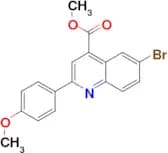
CAS:Molecular weight:266.29998779296875Methyl 6-bromo-2-(4-methoxyphenyl)quinoline-4-carboxylate
CAS:Purity:95.0%Molecular weight:372.21798706054694-(3-Methoxyphenoxymethyl)benzoic acid
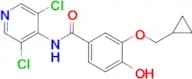
CAS:Formula:C15H14O4Purity:95.0%Color and Shape:SolidMolecular weight:258.2733-(Cyclopropylmethoxy)-N-(3,5-dichloropyridin-4-yl)-4-hydroxybenzamide
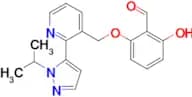
CAS:Purity:95.0%Molecular weight:353.200012207031252-HYDROXY-6-((2-(1-ISOPROPYL-1H-PYRAZOL-5-YL)PYRIDIN-3-YL)METHOXY)BENZALDEHYDE
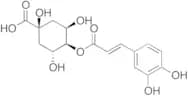
CAS:Purity:95.0%Molecular weight:337.37899780273444-O-Caffeoylquinic Acid
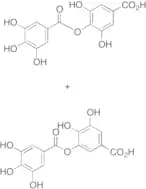
CAS:Controlled Product<p>Stability Hygroscopic<br>Applications 4-O-Caffeoylquinic Acid is used as an antibiotic, and antioxidant agent.<br>References Xu, H. et al.: Food Sci. Biotech., 23, 2013 (2014);<br></p>Formula:C16H18O9Color and Shape:NeatMolecular weight:354.31Mixture of p-Digallic Acid and m-Digallic Acid
CAS:Controlled Product<p>Stability Hygroscopic<br>Applications Digallic Acid is an intermolecular ester of Gallic acid (G188900), a phenolic acid with antioxidant activity. Gallic acid was found to protect human cells against oxidative damage and showed cytotoxicity against cancer cells. Gallic Acid and its esters also show antiviral and antifungal activities.<br>References Yen, G. et al.: Food Chem., 79, 307 (2002); Chen, C. et al.: Mol. Nutrit. Food Res., 51, 962 (2007); Kratz, J. et al.: Mem. Inst. Oswaldo Cruz, 103, 437 (2008); Osborne, L. et al.: Infect. Immun., 33, 769 (1981)<br></p>Formula:MixtureVisitourWebsiteColor and Shape:NeatMolecular weight:Mixture - Visit our WebsiteCoumarin
CAS:<p>Applications Coumarin is a pharmaceutic aid (flavor) that is found in tonka beans, levender oil, woodruff, sweet clover.<br> Not a dangerous good if item is equal to or less than 1g/ml and there is less than 100g/ml in the package<br>References Hazleton, L., et al.: J. Pharmacol. Exp. Ther., 118, 348 (1956); Lake, B., et al.: Food Chem. Toxicol., 37, 423 (1999); Frerot, E., et al.: Flavour Fragrance J., 17, 218 (2002); Yang, Z., et al.: Food Chem., 114, 289 (2009);<br></p>Formula:C9H6O2Color and Shape:White To Off-WhiteMolecular weight:146.146-Chloro-N-(3-chloro-4-methoxyphenyl)-1-methyl-1H-pyrazolo[3,4-d]pyrimidin-4-amine
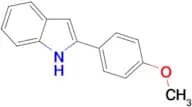
CAS:Purity:95.0%Molecular weight:324.1700134277344(2-{[2-(4-Methoxyphenyl)-1H-indol-3-yl]thio}ethyl)amine
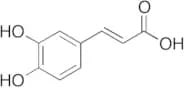
CAS:Purity:95.0%Molecular weight:298.3999938964844trans-Caffeic Acid
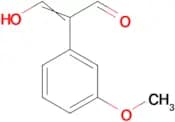
CAS:<p>Applications trans-Caffeic Acid is a useful synthetic intermediate. It was used as a reactant to synthesize N-caffeoylphenalkylamide derivatives as bacterial efflux pump inhibitors. It is also used to prepare caffeic acid phenethyl ester analogs with antitumor structures.<br>References Michalet, S., et al.: Bioorg. Med. Chem. Lett., 17, 1755 (2007); Nagaoka, T., et al.: Bioorg. Med. Chem., 10, 3351 (2002)<br></p>Formula:C9H8O4Color and Shape:NeatMolecular weight:180.162-(3-Methoxyphenyl)malondialdehyde
CAS:Formula:C10H10O3Purity:95.0%Color and Shape:SolidMolecular weight:178.1873-(1-(4-Chlorophenyl)-3-oxobutyl)-4-hydroxy-2H-chromen-2-one
CAS:Purity:98.0%Molecular weight:342.7799987792969(2E)-3-[4-(benzyloxy)phenyl]-1-(2,4-dimethoxyphenyl)prop-2-en-1-one
CAS:Purity:95.0%Molecular weight:374.4360046386719(2E)-1-{[1,1'-biphenyl]-4-yl}-3-(3-methoxyphenyl)prop-2-en-1-one
CAS:Purity:95.0%Molecular weight:314.3840026855469(-)-Epicatechin Gallate
CAS:Controlled Product<p>Stability Light Sensitive<br>Applications One of the catechin isomers and a potent antioxidant that can modulate a wide range of membrane proteins. Its bilayer-modifying potency was tested using gramicidin A (gA) channels as probes. All the catechins alter gA channel function and modify bilayer properties, with a 500-fold range in potency. The gallate group causes current block, as evident by brief downward current transitions.<br>References Ingolfsson, H., et al.: FEBS Lett., 585, 3101 (2011),<br></p>Formula:C22H18O10Color and Shape:White To Off-WhiteMolecular weight:442.37Eugenol
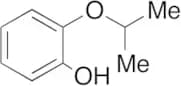
CAS:Controlled Product<p>Stability Light Sensitive<br>Applications Eugenol is used in perfumes, flavorings, and essential oils. It is also used as a local antiseptic and anaesthetic. Eugenol is a dental compound which shows cytotoxicity to human oral squamous cell carcinoma and oral cells. When glucosylated, this compound exhibits anti-inflammatory activity.<br>References Koh, T. et al.: In Vivo, 27, 85 (2013); Zhang, P. et al.: Arch. Pharm. Res., 36, 109 (2013);<br></p>Formula:C10H12O2Color and Shape:YellowMolecular weight:164.20o-Isopropoxyphenol
CAS:Controlled Product<p>Applications o-Isopropoxyphenol is used in the synthesis of α1-adrenoreceptor antagonist activity of tamsulosin analogues. Also used in the preparation of 5-HT1A receptor agonists.<br>References Sagratini, G. et al.: Eur. J. Med. Chem., 45, 5800 (2010); Franchini, S. et al.: Bioorg. Med. Chem. Lett., 2017 (2010);<br></p>Formula:C9H12O2Color and Shape:ColourlessMolecular weight:152.194-(TERT-BUTYL)-N-(6-(2-HYDROXYETHOXY)-5-(2-METHOXYPHENOXY)-[2,2'-BIPYRIMIDIN]-4-YL)BENZENESULFONAMIDE
CAS:Purity:95%Molecular weight:551.619995117188Ref: 10-F802473
1gTo inquire2gTo inquire5gTo inquire50mgTo inquire100mgTo inquire250mgTo inquire500mgTo inquireTaspine
CAS:Controlled Product<p>Applications It is an alkaloid isolated from Radix et Rhizoma Leonticis. It shows various pharmaceutical properties: bacteriostatic, wound healing, cytotoxicity, immunosuppression, acetilcholinesterase inhibition, and inhibition of the activity of tumor angiogenesis.<br>References Perdue, G.P., et al.: J. Pharm. Sci., 68, 124 (1979), Tsacheva, I., et al.: J. Biosci., 59, 528 (2004), Zhang, Y., et al.: Cancer Lett., 262 103 (2008),<br></p>Formula:C20H19NO6Color and Shape:NeatMolecular weight:369.37Paeoniflorin (>80%)
CAS:Controlled Product<p>Applications Paeoniflorin is an active compound of the Paeonia root. Paeoniflorin inhibits Aβ25-35-induced mitochondrial dysfunction, which includes decreased mitochondrial membrane potential, increased Bax/Bcl-2 ratio, cytochrome c release and activity of caspase-3 and caspase-9. Paeoniflorin could attenuate or restore the viability loss, apoptotic increase, and ROS production induced by Aβ25-35 in SH-SY5Y cells.<br>References Yuan,Y., et. al.: Int. J. Mol. Sci., 14, 18502 (2013); Wang, K., et. al.: Cell Mol. Neurobiol., 34, 227 (2014)<br></p>Formula:C23H28O11Purity:>80%Color and Shape:NeatMolecular weight:480.463-(4-METHOXYBENZYL)-1,3,7-TRIAZASPIRO[4.4]NONANE-2,4-DIONE HCL
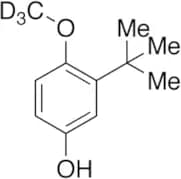
Purity:95.0%Molecular weight:311.76998901367192-tert-Butyl-4-hydroxyanisole-d3
CAS:Controlled Product<p>Applications Labelled 2-tert-Butyl-4-hydroxyanisole (B699300). 2-tert-Butyl-4-hydroxyanisole shows insecticidal activity.<br>References Newberne, P., et al.: Food Technol., 54, 66 (2000), Passone, M., et al.: Food Control, 19, 364 (2008),<br></p>Formula:C11D3H13O2Color and Shape:NeatMolecular weight:183.2622-(3,4-DIMETHOXYBENZAMIDO)-4,5,6,7-TETRAHYDROBENZO[B]THIOPHENE-3-CARBOXAMIDE
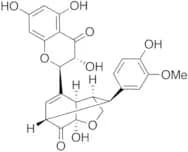
CAS:Purity:95.0%Molecular weight:360.42999267578125Silydianin
CAS:Controlled Product<p>Applications Silydianin is an active constituent of Silybium marianum and is known the exhibit anti-inflammatory activity which regulates caspase-3 activation which affects cell membranes and acts as a free radical scavenger.<br>References Zlelinska-Przyyjemska, M., et al.: Phytother. Res., 20, 115 (2006); Milan, M., et al.L Anal. Chimica. Acta., 486, 125 (2003); Liu, Y.Z., et al.: Chin. Herb. Med., 4, 237 (2012);<br></p>Formula:C25H22O10Color and Shape:Off-WhiteMolecular weight:482.44Isochlorogenic Acid B (>85%)
CAS:<p>Applications Isochlorgenic Acid is shown to provide antioxidant and DNA-protective activities.<br>References Xu, J. et al.: J. Agri. Food Chem., 60, 11625 (2012);<br></p>Formula:C25H24O12Color and Shape:NeatMolecular weight:516.454-(3-methoxybenzoyl)-8-methyl-1-oxa-4-azaspiro[4.5]decane-3-carboxylic acid
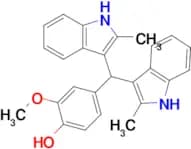
CAS:Purity:95.0%Molecular weight:333.38400268554694-(Bis(2-methyl-1H-indol-3-yl)methyl)-2-methoxyphenol
CAS:Purity:97%Molecular weight:396.489990234375Ref: 10-F862109
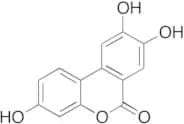
1mgTo inquire2mgTo inquire5mgTo inquire10mgTo inquire50mgTo inquire100mgTo inquire250mgTo inquireUrolithin C
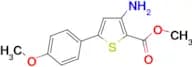
CAS:<p>Stability Hygroscopic<br>Applications Urolithin C is used in biological studies to evaluate the metabolite antioxidant activity.<br>References Ishimoto, H., et. al.: Bioorg. Med. Chem. Lett., 21, 5901 (2011);<br></p>Formula:C13H8O5Color and Shape:NeatMolecular weight:244.23-Amino-5-(4-methoxyphenyl)thiophene-2-carboxylic acid methyl ester
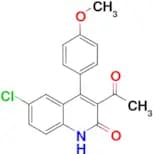
CAS:Formula:C13H13NO3SPurity:95.0%Molecular weight:263.313-acetyl-6-chloro-4-(4-methoxyphenyl)quinolin-2(1H)-one
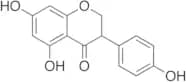
CAS:Purity:95.0%Molecular weight:327.760009765625Dihydrogenistein
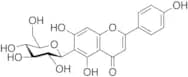
CAS:Controlled Product<p>Stability Hygroscopic<br>Applications Dihydrogenistein is a derivative of Genistein (G350000), a compound that exhibits specific inhibitory activity against tyrosine kinases,including autophosphorylation of epidermal growth factor receptor kinase.<br>References McLaughlin, J.M., et al.: Cancer. Prevent. Res., 5, 496 (2012); Magiera, S., et al.: J. Pharma. Biomed. Anal., 56, 93 (2011);<br></p>Formula:C15H12O5Color and Shape:BeigeMolecular weight:272.25Isovitexin
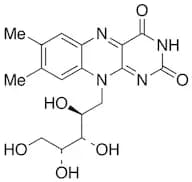
CAS:Controlled Product<p>Applications Isovitexin is known as a flavones, a class of flavonoids. Isovitexin have been studied for their antiradical activities in the process of metabolisms. Isovitexin have also been studied for beneficial effcts against atherosclerosis, osteoporosis and certain cancers.<br>References Cermak, R., et al.: Expert. Opin. Drug. Metab. Toxicol., 4, 17 (2008); Ma, X., et al.: J. Agri. Food. Chem., 60, 10844 (2012); Li, H., et al.: Food. Chem., 135, 2942, (2012);<br></p>Formula:C21H20O10Color and Shape:Light Yellow To YellowMolecular weight:432.38(-)-Riboflavin
CAS:Controlled Product<p>Stability Hygroscopic<br>Applications (-)-Riboflavin is a nutritional factor found in milk, eggs, malted barley, liver, kidney, heart, leafy vegetables. Richest natural source is yeast. Minute amounts present in all plant and animal cells. Vitamin (enzyme cofactor).<br>References Unna, K., et al.: J. Pharmacol. Exp. Ther., 76, 75 (1942), Rivlin, et al.: N. Engl. J. Med., 283, 463 (1970), Al-Shammary, F.J., et al.: Anal. Profiles Drug Subs., 19, 429 (1990),<br></p>Formula:C17H20N4O6Color and Shape:NeatMolecular weight:376.36


![2-Chloro-6-(4-methoxybenzyl)-6,7-dihydropyrrolo[3,4-b]pyridin-5-one](/_next/image/?url=https%3A%2Fstatic.cymitquimica.com%2Fproducts%2F10%2Fthumb-webp%2FF466764.webp&w=3840&q=75)
![3,4,5-TRIMETHOXY-N-(4-(8-METHYLIMIDAZO[1,2-A]PYRIDIN-2-YL)PHENYL)BENZAMIDE](/_next/image/?url=https%3A%2Fstatic.cymitquimica.com%2Fproducts%2F10%2Fthumb-webp%2FF847662.webp&w=3840&q=75)
![2-(4-Methoxy-phenyl)-8-methyl-imidazo[1,2-a]-pyridine-3-carbaldehyde](/_next/image/?url=https%3A%2Fstatic.cymitquimica.com%2Fproducts%2F10%2Fthumb-webp%2FF015737.webp&w=3840&q=75)


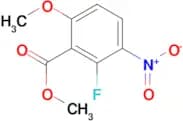
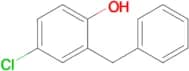
![4-(Benzo[d]oxazol-2-yl)phenol](/_next/image/?url=https%3A%2Fstatic.cymitquimica.com%2Fproducts%2F10%2Fthumb-webp%2FF722267.webp&w=3840&q=75)
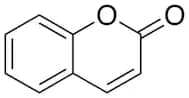
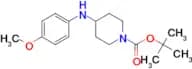
![6-Chloro-N-(3-chloro-4-methoxyphenyl)-1-methyl-1H-pyrazolo[3,4-d]pyrimidin-4-amine](/_next/image/?url=https%3A%2Fstatic.cymitquimica.com%2Fproducts%2F10%2Fthumb-webp%2FF520751.webp&w=3840&q=75)
![(2-{[2-(4-Methoxyphenyl)-1H-indol-3-yl]thio}ethyl)amine](/_next/image/?url=https%3A%2Fstatic.cymitquimica.com%2Fproducts%2F10%2Fthumb-webp%2FF511692.webp&w=3840&q=75)

![(2E)-3-[4-(benzyloxy)phenyl]-1-(2,4-dimethoxyphenyl)prop-2-en-1-one](/_next/image/?url=https%3A%2Fstatic.cymitquimica.com%2Fproducts%2F10%2Fthumb-webp%2FF523711.webp&w=3840&q=75)
![(2E)-1-{[1,1'-biphenyl]-4-yl}-3-(3-methoxyphenyl)prop-2-en-1-one](/_next/image/?url=https%3A%2Fstatic.cymitquimica.com%2Fproducts%2F10%2Fthumb-webp%2FF524237.webp&w=3840&q=75)


![4-(TERT-BUTYL)-N-(6-(2-HYDROXYETHOXY)-5-(2-METHOXYPHENOXY)-[2,2'-BIPYRIMIDIN]-4-YL)BENZENESULFONAM…](/_next/image/?url=https%3A%2Fstatic.cymitquimica.com%2Fproducts%2F10%2Fthumb-webp%2FF802473.webp&w=3840&q=75)


![3-(4-METHOXYBENZYL)-1,3,7-TRIAZASPIRO[4.4]NONANE-2,4-DIONE HCL](/_next/image/?url=https%3A%2Fstatic.cymitquimica.com%2Fproducts%2F10%2Fthumb-webp%2FF505848.webp&w=3840&q=75)

![2-(3,4-DIMETHOXYBENZAMIDO)-4,5,6,7-TETRAHYDROBENZO[B]THIOPHENE-3-CARBOXAMIDE](/_next/image/?url=https%3A%2Fstatic.cymitquimica.com%2Fproducts%2F10%2Fthumb-webp%2FF386466.webp&w=3840&q=75)

![4-(3-methoxybenzoyl)-8-methyl-1-oxa-4-azaspiro[4.5]decane-3-carboxylic acid](/_next/image/?url=https%3A%2Fstatic.cymitquimica.com%2Fproducts%2F10%2Fthumb-webp%2FF525593.webp&w=3840&q=75)