Detergents
Detergents, classified under surfactants and detergents, are essential compounds designed to reduce surface tension in various products, facilitating the cleaning and emulsification processes. This section includes a diverse range of surfactants, known for their high efficacy in altering surface properties. Among them, zwitterionic detergents stand out due to their milder, non-denaturing nature, making them ideal for applications requiring gentle yet effective action. These detergents are crucial in both industrial and laboratory settings, where they aid in cleaning, emulsifying, and stabilizing products without compromising their integrity. Their versatility and effectiveness make them indispensable in numerous applications, from household cleaning products to specialized laboratory reagents.
Subcategories of "Detergents"
Found 747 products of "Detergents"
Sort by
Purity (%)
0
100
|
0
|
50
|
90
|
95
|
100
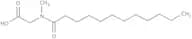
N-Lauroylsarcosine
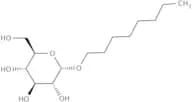
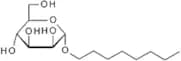
CAS:Formula:C15H29NO3Purity:≥ 92.0%Color and Shape:White to almost white solid or semi-solidMolecular weight:271.40Octyl α-D-glucopyranoside
CAS:Formula:C14H28O6Color and Shape:White crystalline powderMolecular weight:292.37Tween 80, 10% solution in water
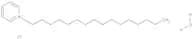
CAS:Color and Shape:Clear, colourless to faint yellow liquidMolecular weight:-Cetylpyridinium chloride monohydrate
CAS:Formula:C21H38ClN·H2OPurity:98.0 - 102.0 % (dried basis)Color and Shape:White, off-white or faint beige crystalline powderMolecular weight:358.02Sodium dodecyl sulfate, 20% solution in water
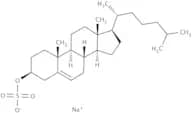
CAS:Formula:C12H25NaO4SColor and Shape:Clear, colourless liquidMolecular weight:288.38Sodium cholesteryl sulfate
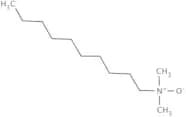
CAS:Formula:C27H45NaO4S·xH2OPurity:One spotColor and Shape:White to off-white crystalline powderMolecular weight:488.70 (anhydrous)N,N-Dimethyldecylamine N-oxide
CAS:Formula:CH3(CH2)9N(O)(CH3)2Purity:≥ 99.0%Color and Shape:White solidMolecular weight:201.35N-(3-Aminopropyl)-n-dodecylpropane-1,3-diamine
CAS:Controlled Product<p>Stability Hygroscopic<br>Applications N-(3-Aminopropyl)-n-dodecylpropane-1,3-diamine is a reactant used in the synthesis of gluconamide derivatives as cationic surfactants with antimicrobial properties.<br> Not a dangerous good if item is equal to or less than 1g/ml and there is less than 100g/ml in the package<br>References Prieto-Blanco, M. et al.: J. Chrom., 1431, 176 (2016); Zhi, L. et al.: J. Surf. Deter., 19, 337 (2016);<br></p>Formula:C18H41N3Color and Shape:ColourlessMolecular weight:299.54Triton X-100
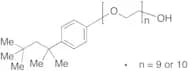
CAS:<p>Applications Triton-X 100 is a non-ionic surfactant. Used in the enhancement of film porosity in conducting polymers.<br> Not a dangerous good if item is equal to or less than 1g/ml and there is less than 100g/ml in the package<br>References Tevi, T. et al.: Synth. Mat., 191, 59 (2014); Zhang, L. et al.: Nano Lett., 14, 4189 (2014);<br></p>Formula:C14H22O·(OCH2CH2)nColor and Shape:ColourlessMolecular weight:250.38N,N-Bis[3-D-gluconamidopropyl]cholamide
CAS:<p>Stability Hygroscopic<br>Applications Homogeneous nonionic detergent with bile acid hydrophobic group. Useful in solubilization of functional opiate receptor.<br>References Hjelmeland, L.M., et al.: Anal. Biochem., 130, 485 (1983), Buhler, H., et al.: Biochim. et Biophys. Acta., 1075, 206 (1991)<br></p>Formula:C42H75N3O16Color and Shape:White To Off-WhiteMolecular weight:878.06N-(3-Cholamidopropyl)-N-(3-aminopropyl)cholamide Hydrochloride
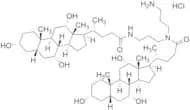
CAS:Formula:C54H93N3O8·HClColor and Shape:NeatCocamidopropyl Betaine (~30% aqueous solution)
CAS:<p>Applications Cocamidopropyl Betaine is a medium strength surfactant.<br></p>Formula:C19H38N2O3Color and Shape:ColourlessMolecular weight:342.52Taurolithocholic Acid Sulfate Disodium Salt
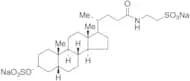
CAS:Controlled Product<p>Stability Hygroscopic<br>Applications Disodium salt of Taurolithocholic Acid Sulfate, a metabolite of bile acids. Sulfation is a major metabolic pathway involved in the elimination and detoxification of bile acids (BAs).<br>References Kawamata, Y., et al.: J. Biol. Chem., 278, 9435 (2003); Alnouti, Y., et al.: Toxicol. Sci., 108, 225 (2009); Griffiths, W., et al.: J. Lipid Res., 51, 23 (2010); Huang, J., et al.: Xenobiotica, 2010, 40, 184 (2010);<br></p>Formula:C26H43NO8S2·2NaColor and Shape:NeatMolecular weight:607.73N-Decyl-N,N-dimethyl-3-ammonio-1-propanesulfonate
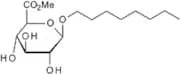
CAS:Controlled Product<p>Applications A zwitterionic detergent.<br>References Gonenne., A., et al.: Analytical Biochemistry, 87, 28 (1978), Lundberg, B., et al.: J. Pharm. Sci., 83(1), 72 (1994), Frescura, V., et al.: J. Phys. Chem., 99(29), 11494 (1995),<br></p>Formula:C15H33NO3SColor and Shape:NeatMolecular weight:307.49Octyl-b-D-glucuronide methyl ester
<p>Octyl-b-D-glucuronide methyl ester is a synthetic molecule that can be used for a variety of purposes, including modification, fluorination, methylation and monosaccharide synthesis. This product is also available in various concentrations. Click modification, oligosaccharides and polysaccharides are all possible uses for this product. Octyl-b-D-glucuronide methyl ester has been shown to have many applications, such as glycosylation and sugar synthesis. This product has been shown to be useful in the production of complex carbohydrates.</p>Purity:Min. 95%Methyl 6-O-(N-heptylcarbamoyl)-a-D-glucopyranoside
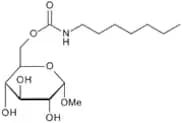
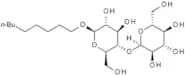
CAS:<p>Non-ionic surfactant; used to study membrane proteins</p>Formula:C15H29NO7Purity:Min. 97 Area-%Color and Shape:White PowderMolecular weight:335.39 g/molNonyl b-D-maltopyranoside
CAS:<p>Nonyl b-D-maltopyranoside is a high purity custom synthesis sugar. The CAS number is 106402-05-5 and the molecular weight is 396.2 g/mol. This product has been synthesized using Click modification, Fluorination, Glycosylation, Synthetic, Methylation, Modification, Oligosaccharide, Monosaccharide and saccharide. This product can be used in the preparation of complex carbohydrate.</p>Formula:C21H40O11Purity:Min. 95%Color and Shape:White/Off-White SolidMolecular weight:468.54 g/molTetradecyl b-D-glucopyranoside
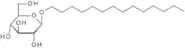
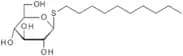
<p>Tetradecyl b-D-glucopyranoside is a glycosylated, fluorinated, modified monosaccharide that is synthesized by fusing the tetradecyl moiety to the hydroxyl group of a-D-glucopyranose. The synthesis is accomplished by click chemistry, which involves copper catalysis and an azide/alkyne cycloaddition. Tetradecyl b-D-glucopyranoside has been shown to inhibit the growth of Gram-positive bacteria when used in combination with antibiotics such as ampicillin and vancomycin. This compound also has been shown to have antimicrobial properties against mycobacterium tuberculosis.<br>Tetradecyl b-D-glucopyranoside is an excellent substrate for glycosylation reactions with various saccharides including glucose, maltose, lactose, galactose, and trehalose. It can also</p>Formula:C20H40O6Purity:Min. 95%Color and Shape:PowderMolecular weight:376.53 g/molDecyl b-D-glucopyranoside
CAS:<p>Decyl b-D-glucopyranoside is a cationic surfactant, which inhibits bacterial growth by disrupting the lipid bilayer of the cell membrane. It has been used as an antimicrobial agent in the treatment of autoimmune diseases and as a preservative in cosmetics. Decyl b-D-glucopyranoside has also been shown to be effective against citric acid and sodium citrate, two common components of biofilm formation. Decyl b-D-glucopyranoside has chemical stability in both acidic and alkaline environments and is not affected by pH levels. It is also a fatty acid with a hydroxyl group and an ethylene diamine side chain.</p>Formula:C16H32O6Purity:Min. 90 Area-%Color and Shape:White PowderMolecular weight:320.42 g/molAcidic Sophorolipids non-acetylated
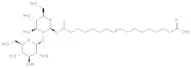
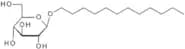
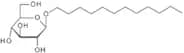
<p>Acidic Sophorolipids non-acetylated is a disaccharide consisting of β-1,2′ linked glucose residues with an unsaturated (cis-9) 18 carbon fatty acid chain. Acidic Sophorolipids are produced by various yeast species, notably Starmerella bombicola. Acidic Sophorolipids are amphiphilic molecules and therefore possess the attributes of surfactants; however as bio-surfactants they have several advantages over synthetic surfactants including low toxicity, biodegradability and the potential for low cost manufacture. The mixed acetylated version is also available.</p>Formula:C30H54O13Color and Shape:White PowderMolecular weight:622.74 g/molUndecyl b-D-glucopyranoside
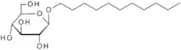
CAS:<p>Undecyl b-D-glucopyranoside is a potentiometer that can be used in fields such as modification and implementation. This compound has been shown to be stable and efficient, with a result that is implemented.</p>Formula:C17H34O6Purity:Min. 95%Color and Shape:White to off-white solid.Molecular weight:334.45 g/moln-Octyl β-D-maltoside
CAS:<p>n-Octyl β-D-maltoside (OBM) is a fatty acid that is used as a sample preparation agent. OBM is chemically stable and has been shown to be non-carcinogenic in mammalian tissue. The structural analysis of OBM revealed that the molecule contains two nitrogen atoms, one on each end. In addition, OBM binds to antimicrobial peptides and inhibits their activity by preventing them from binding to their target site on the bacterial membrane. OBM also has anti-cancer properties due to its ability to prevent the proliferation of cervical cancer cells.</p>Formula:C20H38O11Purity:Min. 98 Area-%Color and Shape:White PowderMolecular weight:454.51 g/molN,N-Bis[3-D-gluconamidopropyl]cholamide
CAS:<p>N,N-Bis[3-D-gluconamidopropyl]cholamide is a potent inhibitor of the cytochrome P450 enzyme. It has been shown to bind to peptides and monoclonal antibodies. This drug also inhibits the acyl chain elongation in the chemical process that produces prostaglandins, leading to their depletion. N,N-Bis[3-D-gluconamidopropyl]cholamide is also an inhibitor of plant α subunit, which is involved in the synthesis of fatty acids and phytohormones. This agent has a high affinity for solanum tuberosum (potato) and can be used as a marker for this species. The kinetic energy of particles enhanced by N,N-bis[3-D-gluconamidopropyl]cholamide was found to be dependent on the fatty acid content of the molecule. The optimum</p>Formula:C42H75N3O16Purity:Min. 95%Color and Shape:PowderMolecular weight:878.06 g/molN-Decanoyl-N-methylglucamine
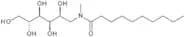
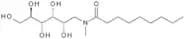
CAS:<p>N-Decanoyl-N-methylglucamine is a fatty acid that is used as a cationic surfactant in detergents and cleaning products. It has been shown to have conformational properties that can be influenced by the acyl chain length. N-Decanoyl-N-methylglucamine has also been shown to bind to antibodies and other proteins, which may lead to antibody response or changes in their conformation. N-Decanoyl-N-methylglucamine binds to receptors on cells, triggering cell lysis and monoclonal antibody production. The optimum pH for this chemical is between 5 and 6, and it has been shown to undergo titration calorimetry at temperatures greater than 100°C.</p>Formula:C17H35NO6Purity:Min. 95%Color and Shape:White PowderMolecular weight:349.47 g/mol1-Oxododecyl a-D-glucopyranoside
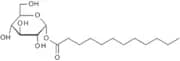
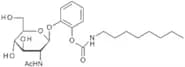
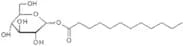
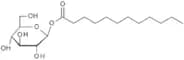
CAS:<p>1-Oxododecyl a-D-glucopyranoside is a synthetic, high purity, and complex carbohydrate that has been synthesized with methylation, saccharide, polysaccharide, click modification and modification. This product is custom synthesized to order for the synthesis of oligosaccharides. 1-Oxododecyl a-D-glucopyranoside is available in CAS No. 64395-91-1 and has been fluorinated for stability and modification.</p>Formula:C18H34O7Purity:Min. 95%Color and Shape:White To Off-White SolidMolecular weight:362.46 g/mol2-(N-Octylcarboamido)phenyl-2-acetamido-3,4,6-tri-O-acetyl-2-deoxy-b-D-glucopyranoside
<p>2-(N-Octylcarboamido)phenyl-2-acetamido-3,4,6-tri-O-acetyl-2-deoxy-b-D-glucopyranoside is a synthetic compound that is used in the modification of carbohydrates. It is a fluorinated saccharide with an acetamide substituent and an acetyl group on the sugar ring. 2-(N-Octylcarboamido)phenyl-2-acetamido-3,4,6-triOacetyl2deoxybDglucopyranoside has been shown to be useful for glycosylation reactions. This compound may be modified with methyl groups or other modifications such as click chemistry.</p>Formula:C29H42N2O11Purity:Min. 95%Molecular weight:594.65 g/molUndecyl a-D-maltopyranoside
CAS:<p>Undecyl a-D-maltopyranoside is a fluorescent dye that is used in immunohistochemical and immunocytochemical techniques. It has been shown to have excellent photostability, and is also useful for the detection of sulfides. This dye emits light at 520 nm when excited with laser light. The emission spectrum can be changed by adding other dyes, such as fluorescein or rhodamine, to the molecule. The addition of these dyes can also increase its photostability, which makes it an excellent candidate for use in confocal microscopy techniques. Undecyl a-D-maltopyranoside has been shown to react with proteins through an immunoreaction technique.</p>Formula:C23H44O11Purity:Min. 95%Color and Shape:PowderMolecular weight:496.59 g/mol2-((4,4,5,5,5-Pentafluoropentyl)oxy)octyl b-D-maltopyranoside
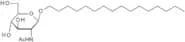
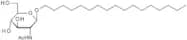
<p>2-((4,4,5,5,5-Pentafluoropentyl)oxy)octyl ?-D-maltopyranoside is a fluorinated surfactant that can be used as a substitute for traditional detergents in holding membranes proteins in the soluble fraction and improve their stability.</p>Formula:C25H43F5O12Purity:Min. 95%Color and Shape:SolidMolecular weight:630.59 g/molHexadecyl 2-acetamido-2-deoxy-b-D-glucopyranoside
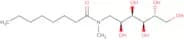
CAS:<p>Hexadecyl 2-acetamido-2-deoxy-b-D-glucopyranoside is a monosaccharide that is mediated by the enzyme 2,3-bisphosphoglycerate (2,3BPG) synthase. It is a key intermediate in the synthesis of glycerol 3 phosphate, which is a precursor for glycerol and phosphoglycerides in plants. Hexadecyl 2-acetamido-2-deoxy-b-D-glucopyranoside can be found in chloroplasts and leaves. This compound is also used as a spacer in liposomes, as well as to clone DNA sequences.</p>Formula:C24H47NO6Purity:Min. 95%Molecular weight:445.63 g/molN-Methyl-N-octanoylglucamine
CAS:<p>N-Methyl-N-octanoylglucamine is a chemical compound that inhibits the activity of the enzyme diacylglycerol lipase, which breaks down the lipid diacylglycerol. This leads to an accumulation of diacylglycerols in the cellular membrane and increased permeability of the cell, which results in physiological effects such as increased release of neurotransmitters. N-Methyl-N-octanoylglucamine has been shown to bind to peptides and inhibit their proteolytic degradation by peptidases. It also has been shown to have an effect on monoclonal antibodies with a high affinity for fatty acids. This compound is used for sample preparation prior to analysis by MALDI mass spectrometry.</p>Formula:C15H31NO6Purity:Min. 95 Area-%Color and Shape:White PowderMolecular weight:321.41 g/molTetraethylene glycol monooctyl ether
CAS:<p>Tetraethylene glycol monooctyl ether (TEGMOOE) is a surfactant and antimicrobial agent. It is a non-ionic surfactant that is used in many industrial applications, including as an emulsifier, dispersing agent, wetting agent, and defoamer. TEGMOOE has been shown to inhibit the multidrug efflux pump in some bacterial cells by binding to the signal peptide. This binding prevents the formation of an antibiotic-inhibitor complex with the enzyme cell wall synthesis that is required for cell wall biosynthesis, inhibiting protein synthesis and cell division. TEGMOOE also has been shown to have antimicrobial properties against tissue culture bacteria such as Staphylococcus aureus and Enterococcus faecalis. TEGMOOE can also be used as a calibration standard for titration calorimetry or flow systems by adding fatty acid to TEGMOOE solution</p>Formula:C16H34O5Purity:Min. 95%Color and Shape:LiquidMolecular weight:306.44 g/moln-Dodecyl-β-D-glucopyranoside
CAS:<p>Non-ionic detergent; solubilises membrane-bound proteins</p>Formula:C18H36O6Color and Shape:White PowderMolecular weight:348.47 g/molHexadecyl b-D-maltopyranoside
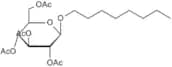
CAS:<p>Hexadecyl b-D-maltopyranoside is a lamellar liquid crystal composed of octadecanol and hexadecyl b-D-maltopyranoside. It is an inorganic, crystalline polymorph that forms monomers and micelles with surfactant properties. Hexadecyl b-D-maltopyranoside has been shown to transduce x-ray data, which can be used in techniques such as microscopy. The lamellar phase of this compound may be metastable and depend on additives.</p>Formula:C28H54O11Purity:Min. 95%Color and Shape:PowderMolecular weight:566.72 g/molOctyl 2,3,4,6-tetra-O-acetyl-b-D-glucopyranoside
CAS:<p>Octyl 2,3,4,6-tetra-O-acetyl-b-D-glucopyranoside is an analog of 6-(trifluoromethyl)indoxyl beta-D-galactopyranoside. It is a potent antituberculosis agent that inhibits the growth of Mycobacterium tuberculosis and has been shown to be active against other bacteria in vitro. Octyl 2,3,4,6-tetra-O-acetyl-b-D-glucopyranoside inhibits bacterial growth by binding to DNA dependent RNA polymerase and prevents transcription and replication. This compound has been tested for its ability to inhibit neoplastic cell proliferation in humans.</p>Formula:C22H36O10Purity:(%) Min. 95%Color and Shape:PowderMolecular weight:460.52 g/molOctyl D-glucuronide methyl ester
CAS:<p>Octyl D-glucuronide methyl ester is a modification of the oligosaccharide octyl glucuronide. Octyl D-glucuronide methyl ester is a white to off-white solid with a molecular weight of 787. It has been synthesized using a custom synthesis, and is available in high purity and with high purity. The CAS number for this compound is 1423035-40-8.</p>Formula:C15H28O7Purity:Min. 95%Color and Shape:White PowderMolecular weight:320.39 g/molDecyl b-D-thioglucopyranoside
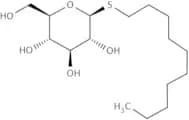
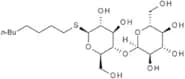
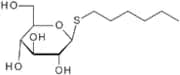
CAS:<p>Decyl b-D-thioglucopyranoside is a saccharide that is a methylated derivative of the sugar glucose. It is used in the synthesis of oligosaccharides, glycosylations, and fluorinated carbohydrates. The compound can be custom synthesized to suit specific needs and has high purity.</p>Formula:C16H32O5SPurity:Min. 95%Color and Shape:PowderMolecular weight:336.49 g/molDecyl b-D-thiomaltopyranoside
CAS:<p>Decyl b-D-thiomaltopyranoside is a glycosylation product of the monosaccharide, maltose. It is a complex carbohydrate that consists of two glucose molecules linked by alpha (1-4) glycosidic bonds. Decyl b-D-thiomaltopyranoside has been modified with methyl groups and fluorine atoms. This product is CAS No. 148565-56-4, and it can be custom synthesized to meet your specifications. The purity of this product ranges from 98% to 99%.</p>Formula:C22H42O10SPurity:Min. 95%Color and Shape:White To Off-White SolidMolecular weight:498.63 g/molCYMAL-7 neopentyl glycol
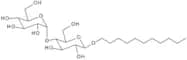
CAS:<p>CYMAL-7 neopentyl glycol is a custom synthesis and is not commercially available. It is a complex carbohydrate that has been modified by methylation, glycosylation, and carbamate formation. CYMAL-7 neopentyl glycol has been modified with a fluorination reaction to give it high purity. This product has CAS No. 1423310-08-0 and is classified as an Oligosaccharide or Polysaccharide.</p>Formula:C49H88O22Purity:Min. 98 Area-%Color and Shape:PowderMolecular weight:1,029.21 g/molDodecyl b-D-galactopyranoside
<p>Dodecyl b-D-galactopyranoside is a methylated sugar that can be used to modify glycoproteins and polysaccharides. Dodecyl b-D-galactopyranoside has been shown to be useful for the synthesis of complex carbohydrate oligosaccharides, as well as for click chemistry, which involves the use of copper (II) ions. This product is available in custom synthesis, high purity, and fluorination.</p>Formula:C18H36O6Purity:Min. 95%Molecular weight:348.48 g/molDodecyl b-D-thiomaltopyranoside
CAS:<p>Dodecyl b-D-thiomaltopyranoside is a surfactant that is used in the formulation of multilayer tablets. It is a glycosidic surfactant and an adsorbent. Dodecyl b-D-thiomaltopyranoside has been shown to form micelles in solution and on electrodes, with the size of the micelle depending on the concentration. The surface area of micelles can be increased by increasing the concentration of electrolytes. Dodecyl b-D-thiomaltopyranoside may also form monolayers at low concentrations, which are less effective for adsorption than micelles.</p>Formula:C24H46O10SPurity:Min. 95%Color and Shape:PowderMolecular weight:526.68 g/molHeptyl b-D-glucopyranoside
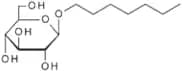
CAS:<p>Heptyl b-D-glucopyranoside is a natural product that belongs to the class of 5HT agonists. It was originally isolated from plants and has been shown to have antiinflammatory activity. It has also been observed to have effects on human serum, lymphocyte transformation, high salt, polymerase chain reaction (PCR), and kinetic energy. Heptyl b-D-glucopyranoside is synthesized by reacting heptanol with 5-hydroxybenzaldehyde in the presence of an acid catalyst.</p>Formula:C13H26O6Purity:Min. 95%Color and Shape:White PowderMolecular weight:278.34 g/molOctyldecyl 2-acetamido-2-deoxy-b-D-glucopyranoside
CAS:<p>Octyldecyl 2-acetamido-2-deoxy-b-D-glucopyranoside is a custom synthesis and modification product. It is a high purity, complex carbohydrate with saccharide units that are modified with fluorination. This product has been modified using methylation and click chemistry to produce an oligosaccharide. Octyldecyl 2-acetamido-2-deoxy-b-D-glucopyranoside can be used as a glycosylation substrate in the synthesis of polysaccharides.</p>Formula:C26H51NO6Purity:Min. 95%Color and Shape:White/Off-White SolidMolecular weight:473.69 g/molHeptadecyl 2-acetamido-3,4,6-tri-O-acetyl-2-deoxy-b-D-glucopyranoside
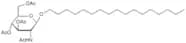
CAS:<p>Heptadecyl 2-acetamido-3,4,6-tri-O-acetyl-2-deoxy-b-D-glucopyranoside is a custom synthesis, fluorinated carbohydrate.</p>Formula:C31H55NO9Purity:Min. 95%Molecular weight:585.77 g/molHeptyl 2-acetamido-3,4,6-tri-O-acetyl-2-deoxy-b-D-glucopyranoside
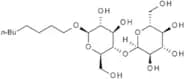
CAS:<p>Heptyl 2-acetamido-3,4,6-tri-O-acetyl-2-deoxy-b-D-glucopyranoside is a chemical compound that binds to the promoter region of genes and regulates their expression. It has been shown to regulate gene expression levels in a variety of cells, including humans. Heptyl 2-acetamido-3,4,6-tri-O-acetyl-2 deoxy -b D glucopyranoside binds to the promoter region of genes and alters their expression levels. The regulation of these genes can be used for research purposes or as a potential treatment for disease.</p>Formula:C21H35NO9Purity:Min. 95%Molecular weight:445.5 g/molOctyl 4-O-(b-D-galactopyranosyl)-b-D-glucopyranoside
CAS:<p>Octyl 4-O-(b-D-galactopyranosyl)-b-D-glucopyranoside is a galactose derivative of octyl 4-O-(b-D-glucopyranosyl)-b-D-glucopyranoside. It has been used to immobilize the enzyme phospholipase A2 in an exothermic reaction. This product is a white solid that is soluble in water. Octyl 4-O-(b-D-galactopyranosyl)-b-D-glucopyranoside has been shown to be effective against mycobacteria such as Mycobacterium avium complex and Mycobacterium tuberculosis, but not against other bacteria. This product may be useful for the treatment of mycobacterial infections because it exhibits excisional activity and can cleave phospholipid membranes.</p>Formula:C20H38O11Purity:Min. 95%Color and Shape:PowderMolecular weight:454.51 g/mol2-((4,4,5,5,5-Pentafluoropentyl)oxy)dodecanyl b-D-maltopyranoside
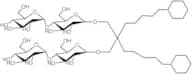
<p>2-((4,4,5,5,5-Pentafluoropentyl)oxy)dodecanyl ?-D-maltopyranoside is a fluorinated form of Dodecyl ?-D-maltopyranoside (DDM). Fluorinated detergents are extremely bulky and hydrophobic. These types of detergents are not necessarily suitable for membrane protein extraction, but can stabilize proteins during the purification stages and during crystallization.</p>Formula:C29F5H52O12Purity:Min. 95%Color and Shape:SolidMolecular weight:687.71 g/molOctyl 3,6-di-O-(a-D-mannopyranosyl)-b-D-mannopyranoside
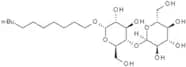
CAS:<p>Octyl 3,6-di-O-(a-D-mannopyranosyl)-b-D-mannopyranoside is an anti-infective agent that belongs to the functional group of mannosides. It is used as a model system for investigating the inhibitory effects of chemical structures on enzymatic activity. Octyl 3,6-di-O-(a-D-mannopyranosyl)-b-D-mannopyranoside has been shown to have inhibitory effects on alzheimer's disease and other neurodegenerative diseases. The octyl 3,6 di O-(a D mannopyranosyl) b D mannopyranoside molecule can be broken down into two parts: octyl 3,6 di O-(a D mannopyranosyl) b D mannose and octyl 6 b D manno pyranose. The octyl 6 b D manno pyr</p>Formula:C26H48O16Purity:Min. 95%Color and Shape:White To Off-White SolidMolecular weight:616.65 g/molOctyl glucose neopentyl glycol
CAS:<p>Octyl glucose neopentyl glycol is a ubiquitin ligase inhibitor that prevents the ubiquitination and degradation of target proteins. It has been shown to inhibit protein synthesis in bacteria. Octyl glucose neopentyl glycol has been used to study the role of cytosolic proteins in emphysema. It was found that octyl glucose neopentyl glycol inhibits the production of these proteins by preventing the interaction between an ubiquitin-like protein and its substrate, thereby inhibiting protein synthesis. Octyl glucose neopentyl glycol also inhibits cancer cells by blocking fatty acid synthase, which is necessary for cell proliferation. This inhibitor can be used as a structural probe to determine enzyme-substrate interactions, such as those that occur with bacterial strain and protein synthesis. It can also be used to study the structure of proteins by exposing them to light or using inhibitors drugs.</p>Formula:C27H52O12Purity:Min. 98 Area-%Color and Shape:PowderMolecular weight:568.69 g/molOctadecylthioethyl 4-O-(4-O[6-O-a-D-glucopyranosyl-a-D-glucopyranosyl]-a-D-glucopyranosyl)-b-D-glucopyranoside
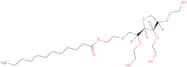
CAS:<p>Octadecylthioethyl 4-O-(4-O[6-O-a-D-glucopyranosyl-a-D-glucopyranosyl]-a-D-glucopyranosyl)-b-D-glucopyranoside is a methylated, fluorinated complex carbohydrate that has been custom synthesized. It is an oligosaccharide with a saccharide and monosaccharides. The chemical name for this compound is 2-[2-(2,3,4,6,7,8,9,10,11,12,13) -octadecylthioethyl] -1-[(6Z)-6-[(4Z)-4-[(4E)-4-(3S)-3-[(R)-1-(2S) -2-(2S) -3-(2S) -5(R) -5(R) -5(R) -</p>Formula:C44H82O21SPurity:Min. 95%Color and Shape:SolidMolecular weight:979.18 g/molOctyl α-D-mannopyranoside
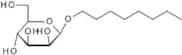
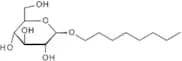
CAS:<p>Octyl α-D-mannopyranoside is an organic chemical compound that is a methylated saccharide. It is the product of the reaction of octanol with mannose and can be used for glycosylation, fluorination, and complex carbohydrate synthesis. This product has high purity, custom synthesis, and CAS No. 124650-29-9. It is also a methylated saccharide that belongs to the group of Polysaccharides. Octyl α-D-mannopyranoside can also be modified by click chemistry or Click modification.</p>Formula:C14H28O6Purity:Min. 95%Color and Shape:White PowderMolecular weight:292.37 g/molNonanoyl-D-glucopyranoside
CAS:<p>Nonanoyl-D-glucopyranoside is a custom-synthesized carbohydrate that functions as a glycosylation and fluorination agent. Nonanoyl-D-glucopyranoside can be used to modify oligosaccharides, carbohydrates, or polysaccharides. This product has CAS No. 191039-78-8, is synthesized with high purity, and is available in both monosaccharide and disaccharide forms.</p>Formula:C15H28O7Purity:Min. 95%Molecular weight:320.38 g/molNonyl β-D-glucopyranoside
CAS:<p>Nonyl β-D-glucopyranoside is an alkylglycoside non-ionic mild detergent used for cell lysis and membrane protein isolation. As it is uncharged it is unlikely to cause protein denaturation or refolding issues, allowing for the isolation of intact macromolecular complexes without affecting protein-protein interactions. Nonyl β-D-glucopyranoside is useful for the solubilization and crystallization of many biological membrane proteins and isolation of membrane-bound proteins. It has also been used for enantiomeric separation by capillary electrophoresis. Nonyl β-D-glucopyranoside is also known as B-Nonylglucoside or Nonyl D-glucoside and has an aggregation number of 133. It is dialyzable from membrane protein preparations and has a Critical Micelle Concentration (CMC) of 6.5mM.</p>Formula:C15H30O6Purity:Min. 95%Color and Shape:PowderMolecular weight:306.4 g/molOctyl b-D-thiomaltopyranoside
CAS:<p>Octyl b-D-thiomaltopyranoside is a colorless to yellow liquid with a sweet, malty odor. It is soluble in alcohol and ether. This product has been used as an analytical reagent in the analysis of sulfur compounds for GC/MS and LC/MS. It can be used to determine the concentration of dimethylsulfide (DMS) in marine systems. Octyl b-D-thiomaltopyranoside has also been used as a cycling agent for column chromatography, as well as an additive for animal injection compositions. Octyl b-D-thiomaltopyranoside is not toxic to animals at concentrations up to 2000 mg/kg body weight.</p>Formula:C20H38O10SPurity:Min. 95%Molecular weight:470.58 g/molOctyl a-D-thiomannopyranoside
CAS:<p>Octyl a-D-thiomannopyranoside is an oligosaccharide which is a member of the mannose family. It is a high purity, custom synthesis that has been modified with fluorination and glycosylation. This product can be used for Click modification, fluoroethylation, methylation, and carbohydrate modification. Octyl a-D-thiomannopyranoside has CAS No. 163955-47-3 and is synthetically produced and can be used for oligosaccharide, monosaccharide, saccharide, carbohydrate complex carbohydrate research.</p>Formula:C14H28O5SPurity:Min. 95%Molecular weight:308.44 g/molHexyl b-D-maltopyranoside
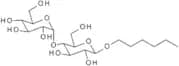
CAS:<p>Hexyl b-D-maltopyranoside is a biopharmaceutical that is used in drug development. It is used as a ligand for the μ-opioid receptor, which is a class of opioid receptors that are activated by morphine and endogenous peptides such as endorphins, dynorphins, and enkephalins. This ligand can be immobilized on a surface for use in immunoassays or other methods of detection. Hexyl b-D-maltopyranoside has been shown to have pharmacological effects in animal studies, although it has not yet been approved for clinical use in humans.</p>Formula:C18H34O11Purity:Min. 95%Color and Shape:White PowderMolecular weight:426.46 g/molDecyl β-D-maltopyranoside
CAS:<p>Non-ionic detergent; solubilises proteins for SDS-PAGE analysis</p>Formula:C22H42O11Purity:Min. 97 Area-%Color and Shape:White PowderMolecular weight:482.56 g/molSodium dioctylsulfosuccinate (AOT), min. 95%
CAS:<p>Sodium dioctylsulfosuccinate (AOT), min. 95%</p>Formula:C20H37N9O7SPurity:min. 95%Color and Shape:white pwdr.Molecular weight:444.56Oleic acid, 99%
CAS:<p>Oleic acid, 99%</p>Formula:CH3(CH2)7CH(CH2)7COOHPurity:99%Color and Shape:liq.Molecular weight:282.46Tetramethylammonium hydroxide pentahydrate, min. 95%
CAS:<p>Tetramethylammonium hydroxide pentahydrate, min. 95%</p>Formula:(CH3)4N(OH)H2OPurity:min. 95%Color and Shape:white solidMolecular weight:181.23Hexadecyltrimethylammonium bromide, 99+% CTAB
CAS:<p>Hexadecyltrimethylammonium bromide, 99+% CTAB</p>Formula:CH3(CH2)15N(CH3)3BrPurity:99+%Color and Shape:white solidMolecular weight:364.45Tween 85
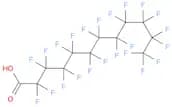
CAS:Controlled Product<p>Tween 85 is a surface active agent that can be used to remove particulates from the air. It is a synthetic, non-ionic surfactant composed of ethylene oxide and propylene oxide. This product has been shown to inhibit particle aggregation in vitro studies. Tween 85 has also been shown to reduce bronchiolitis obliterans in mice when administered by inhalation. Tween 85 may also be useful for removal of water-soluble drugs from wastewater treatment systems and as a chitosan quaternary ammonium detergent additive.</p>Color and Shape:Clear LiquidTricosafluorododecanoic Acid
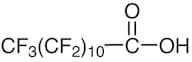
CAS:Formula:C12HF23O2Purity:>92.0%(GC)Color and Shape:White to Almost white powder to crystalMolecular weight:614.10Octyl β-D-galactopyranoside
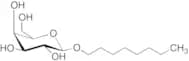
CAS:<p>Applications Octyl beta-D-galactopyranoside is a detergent for integral membrane protein solubilization.<br></p>Formula:C14H28O6Color and Shape:NeatMolecular weight:292.372-Methoxyethanol-1,1,2,2-d4
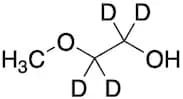
CAS:Controlled Product<p>Applications 2-Methoxyethanol-1,1,2,2-d4 (CAS# 138667-25-1) is a useful isotopically labeled research compound.<br></p>Formula:C3H4D4O2Color and Shape:NeatMolecular weight:80.12Sodium 2-(2-Hydroxypropanamido)ethane-1-sulfonate
CAS:Controlled ProductFormula:C5H10NO5S·NaColor and Shape:NeatMolecular weight:219.19Cyclohexylpropanoyl-N-Hydroxyethylglucamide
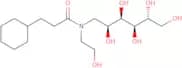
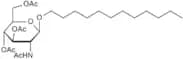
CAS:<p>Cyclohexylpropanoyl-N-Hydroxyethylglucamide is a custom synthesis of a complex carbohydrate with high purity and high quality. This compound is an Oligosaccharide, Polysaccharide, and Modification. It is also a CAS No. 864434-14-0, Methylation, Glycosylation, Carbohydrate, Click modification, sugar and Fluorination. Cyclohexylpropanoyl-N-Hydroxyethylglucamide has been synthesized with Fluorination for use in the synthesis of new compounds.</p>Formula:C17H33NO7Purity:Min. 95%Molecular weight:363.45 g/molDodecyl 2-acetamido-3,4,6-tri-O-acetyl-2-deoxy-b-D-glucopyranoside
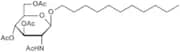
CAS:<p>Dodecyl 2-acetamido-3,4,6-tri-O-acetyl-2-deoxy-b-D-glucopyranoside is a kinetic probe that can be used to measure the activity of cellular enzymes. The production of this probe is mediated by the enzyme profile and is influenced by kinetic parameters such as the substrate concentration, rate of reaction, and the concentrations of reactants. The profile can be determined by profiling experiments in which cells are grown with varying concentrations of substrate or varying rates of reaction. Dodecyl 2-acetamido-3,4,6-tri-O-acetyl-2-deoxyb -D -glucopyranoside can be used to study microorganisms such as bacteria and photosynthetic organisms that use polypeptides for catalysis. This probe can also be recycled to yield more probes for future experiments.</p>Formula:C26H45NO9Purity:Min. 95%Molecular weight:515.64 g/molHexyl 2-acetamido-3,4,6-tri-O-acetyl-2-deoxy-b-D-glucopyranoside
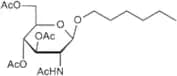
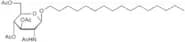
CAS:<p>Hexyl 2-acetamido-3,4,6-tri-O-acetyl-2-deoxy-b-D-glucopyranoside is a compound that is used in the research of cellular biology. It was found to have a significant effect on gene expression levels. This compound has been shown to be able to alter the expression profile of cells and may be useful for understanding how different genes affect cell function. The high density microarray provides a highly sensitive and accurate way to measure changes in gene expression levels.</p>Formula:C20H33NO9Purity:Min. 95%Molecular weight:431.48 g/molOctadecyl 2-acetamido-3,4,6-tri-O-acetyl-2-deoxy-b-D-glucopyranoside
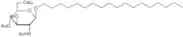
CAS:<p>Octadecyl 2-acetamido-3,4,6-tri-O-acetyl-2-deoxy-b-D-glucopyranoside is a synthetic monosaccharide that has been modified with a click chemistry. It is also known as octadecyl 2-(N′,N′′-(diacetoxyacetyl)-2′,3′,4′,6′-triacetyl)alpha,alpha″-(1″→4″→1″)dideoxygalactopyranosiduronic acid. This compound is an oligosaccharide that consists of a chain of three sugar units and may have a glycosylation site at either position 1 or 4. Octadecyl 2-(N′,N′′-(diacetoxyacetyl)-2’,3’,4’,6’-triacetyl)alpha,alpha”-(</p>Formula:C32H57NO9Purity:Min. 95%Molecular weight:599.8 g/molOctyl 2,3,4,6-tetra-O-acetyl-b-D-mannopyranoside
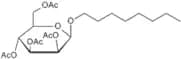
CAS:<p>Octyl 2,3,4,6-tetra-O-acetyl-b-D-mannopyranoside is a glycosylated monosaccharide. This sugar is synthesized by the enzymatic action of acetyl CoA:mannose 3-O-acetyltransferase and bromoacetamidomalonic acid in the presence of ATP. The product of this reaction is an acetamidomalonic acid derivative with a beta (1,2)-linked mannose at C2 and an acetylated alpha (1,3)-linked mannose at C4. The compound has been shown to inhibit the growth of bacteria that are resistant to penicillin, ampicillin, and erythromycin.</p>Formula:C22H36O10Purity:Min. 95%Molecular weight:460.52 g/molOctyl 2-acetamido-2-deoxy-3-O-(b-D-galactopyranosyl)-a-D-glucopyranoside
CAS:<p>Octyl 2-acetamido-2-deoxy-3-O-(b-D-galactopyranosyl)-a-D-glucopyranoside is a synthetic sugar that is used in the production of various drugs. It is used as an intermediate in the synthesis of a variety of drugs, including antihistamines, antidiabetic agents, and antihypertensive agents. Octyl 2-acetamido-2-deoxy-3-O-(b-D-galactopyranosyl)-a-D--glucopyranoside is also used to modify proteins and carbohydrates. This compound has been shown to be useful for the fluorination of saccharides and for click modification with an azide group.</p>Formula:C22H41NO11Purity:Min. 95%Molecular weight:495.56 g/molHexadecyl 2-acetamido-3,4,6-tri-O-acetyl-2-deoxy-b-D-glucopyranoside
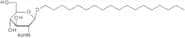
CAS:<p>Hexadecyl 2-acetamido-3,4,6-tri-O-acetyl-2-deoxy-b-D-glucopyranoside (HAT) is an antibiotic that belongs to the class of macrolides. It has been shown to be heritable and its heritability is dependent on the type of animal species. HAT also has a basic structure with substituents that are either acidic or hydroxylated. The heterogeneity in this compound can be seen by the different lactation periods for different animals. Regression analysis was used to find out if there was a correlation between the lactation period and the basicity of HAT. This study found that there was no such correlation and therefore concluded that there is no relationship between HAT's basicity and its heritability.</p>Formula:C30H53NO9Purity:Min. 95%Molecular weight:571.74 g/molHexyl 2-acetamido-2-deoxy-b-D-glucopyranoside
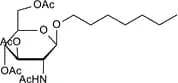
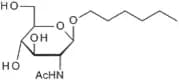
CAS:<p>Hexyl 2-acetamido-2-deoxy-b-D-glucopyranoside is a sugar that is used in the study of immune reactions. It can be used to measure albumin levels and tissue samples, as well as in animal experiments. Hexyl 2-acetamido-2-deoxy-b-D-glucopyranoside has been shown to have toxic effects on cells, which may be due to its ability to inhibit DNA concentrations. This substance also has a directional fluorescence, which means that it will emit light in one direction only when stimulated with light of a certain wavelength.</p>Formula:C14H27NO6Purity:Min. 95%Molecular weight:305.37 g/molOctyl 2-acetamido-3,4,6-tri-O-acetyl-2-deoxy-b-D-glucopyranoside
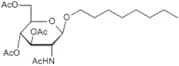
CAS:<p>Octyl 2-acetamido-3,4,6-tri-O-acetyl-2-deoxy-b-D-glucopyranoside is an antigen that is expressed in tumor tissue. It is a polynucleotide molecule that can be used for the diagnosis of cancer and autoimmune diseases. The octyl 2-acetamido-3,4,6-tri-O acetyl 2 deoxy b D glucopyranoside molecule is a programmable molecule that can be used to induce a specific phenotype in cells. Octyl 2 acetamido 3,4,6 tri O acetyl 2 deoxy b D glucopyranoside has been shown to be an effective antigen for the generation of CD8+ T cells.</p>Formula:C22H37NO9Purity:Min. 95%Molecular weight:459.53 g/mol2-(N-Octylcarboamido)phenyl-2-acetamido-2-deoxy-b-D-glucopyranoside
<p>2-(N-Octylcarboamido)phenyl-2-acetamido-2-deoxy-b-D-glucopyranoside is a modified carbohydrate which is used as a synthetic monosaccharide. It is also used in the preparation of Oligosaccharides, Carbohydrates, and Complex Carbohydrates. 2-(N-Octylcarboamido)phenyl-2-acetamido-2-deoxy-b-D--glucopyranoside has been fluorinated to 2-(N-[3,5-(diiodo)phenyl]carboamido)phenyl)-2-[3,5-(diiodo)phenyl]-acetamide.</p>Formula:C23H36N2O8Purity:Min. 95%Molecular weight:468.54 g/molOctyl 2-acetamido-2-deoxy-b-D-glucopyranoside
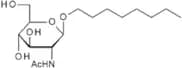
CAS:<p>Octyl 2-acetamido-2-deoxy-b-D-glucopyranoside is a lyotropic liquid that is flammable. It can be used to prepare potassium hydride, which is an organometallic. Potassium hydride reacts with organic acids and atorvastatin to produce argon gas. This reaction can be done in the presence of chlorine gas instead of air. Preparative methods for octyl 2-acetamido-2-deoxy-b-D-glucopyranoside include heating it in a vacuum or under argon gas and then reacting it with potassium tetrachlorocobaltate in water or ethanol solution.</p>Formula:C16H31NO6Purity:Min. 95%Molecular weight:333.42 g/molNonyl b-D-thioglucopyranoside
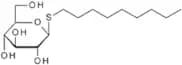
CAS:<p>Nonyl b-D-thioglucopyranoside is a methylating agent that can be used in the synthesis of oligosaccharides and polysaccharides. This compound is a fluorinated sugar that is used as an intermediate in the synthesis of saccharide derivatives. Nonyl b-D-thioglucopyranoside is also a highly pure, stable chemical that has been modified to meet customer specifications. It can be used for the preparation of glycosyl fluorides, which are used to modify monosaccharides and other carbohydrates.</p>Formula:C15H30O5SPurity:Min. 95%Molecular weight:322.46 g/molNonanoyl-N-Hydroxyethylglucamide
CAS:<p>Nonanoyl-N-Hydroxyethylglucamide is a novel methylation and click modification reagent that has been shown to be highly effective for the methylation of carbohydrates. It is also a potent fluorinating agent, which can be used for the preparation of complex carbohydrates, such as oligosaccharides and polysaccharides. Nonanoyl-N-Hydroxyethylglucamide is available in high purity and with various modifications.</p>Formula:C17H35NO7Purity:Min. 95%Molecular weight:365.46 g/molUndecylenyl b-D-maltoside
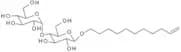
<p>Undecylenyl b-D-maltoside is a high purity sugar that can be custom synthesized. It is fluorinated at the hydroxyl group, glycosylated, and methylated. This product is also available in various configurations including oligosaccharides, monosaccharides, and complex carbohydrates. <br>Undecylenyl b-D-maltoside is a carbohydrate that can be used as a synthetic building block for the synthesis of other sugars. It can also be used for glycosylation reactions to create new glycoconjugates with improved properties. Undecylenyl b-D-maltoside is an oligosaccharide with a saccharide chain consisting of 10 units of D-glucose and one unit of D-mannose. The individual units are linked together by alpha 1,6 bonds.</p>Formula:C23H42O11Purity:Min. 95%Molecular weight:494.57 g/molOctanoyl-N-hydroxyethylglucamide
CAS:<p>Octanoyl-N-hydroxyethylglucamide is a high purity custom synthesis that is a fluorinated, glycosylated, and methylated modification of glycine. It is an oligosaccharide that contains a saccharide and carbohydrate. Octanoyl-N-hydroxyethylglucamide has been shown to inhibit the growth of bacteria that are resistant to penicillin, ampicillin, erythromycin, and tetracycline.</p>Formula:C16H33NO7Purity:Min. 95%Molecular weight:351.44 g/molOctyl a-L-rhamnopyranoside
CAS:<p>Octyl a-L-rhamnopyranoside is a custom-synthesized, fluorinated, methylated, monosaccharide with saccharide and polysaccharide modifications. It is used for the modification of glycoproteins in the synthesis of complex carbohydrates and as an intermediate in the preparation of monosaccharides and their derivatives. <br>Octyl a-L-rhamnopyranoside is synthesized by condensing 1,2:3,4-di-O-isopropylidene D-mannitol with 5-(bromomethyl)benzene sulfonyl chloride to give 5-(Bromomethyl)benzene sulfonic acid. The acid is then reacted with octanoyl chloride to form octyl a-L-rhamnopyranoside. Octyl a-L-rhamnopyranoside has been shown to inhibit protein</p>Formula:C14H28O5Purity:Min. 95 Area-%Color and Shape:PowderMolecular weight:276.37 g/molCYMAL-5 neopentyl glycol
CAS:<p>CyMAL-5 neopentyl glycol is a membrane protein that is n-glycosylated. Its deglycosylation has been shown to be inhibited by light exposure, which may lead to an increase in the population of this protein. CyMAL-5 neopentyl glycol is a ligand for the G protein coupled receptor and can be used as a fluorescent probe for labeling and staining. It has been shown that the binding of this ligand to the receptor alters its conformation, causing it to activate downstream signaling pathways. The crystal structure of CyMAL-5 neopentyl glycol has also been determined, revealing its large size and shape.</p>Formula:C45H80O22Purity:Min. 95%Molecular weight:973.1 g/molOctyl 2,3,4,6-tetra-O-acetyl-b-D-thioglucopyranoside
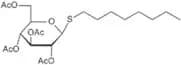
CAS:<p>Octyl 2,3,4,6-tetra-O-acetyl-b-D-thioglucopyranoside is a chemical that is used to evaluate renal injury. It is typically detected in the urine of patients with renal injury and can be correlated with prognosis. Octyl 2,3,4,6-tetra-O-acetyl-b-D-thioglucopyranoside has been shown to be useful for the diagnosis of renal injury by detecting protein or body fluid in the reagents and assays. This substance is also used to detect protein in body fluids such as urine.</p>Formula:C22H36O9SPurity:Min. 95%Color and Shape:White PowderMolecular weight:476.58 g/molUndecyl b-D-maltopyranoside
CAS:<p>Undecyl b-D-maltopyranoside is a cell culture reagent that belongs to the group of monomers. It is used in the synthesis of dodecyl maltoside and is also used as a substrate for bacterial enzymes. Undecyl b-D-maltopyranoside has been shown to inhibit the activity of leukotriene A4 hydrolase, an enzyme involved in the metabolism of leukotrienes. This product has been shown to be effective in chromatographic separation of metal ions from other components. Undecyl b-D-maltopyranoside can also be used for solubilizing peptides and proteins, including those that are neutral or have a low pH. This product is also used as a substrate for recombinant monoclonal antibodies and viral coat proteins.</p>Formula:C23H44O11Purity:Min. 95%Color and Shape:PowderMolecular weight:496.59 g/molDodecyl a-D-glucopyranoside
CAS:<p>Dodecyl a-D-glucopyranoside is a fatty acid that is found in the form of dodecyl glucoside. It has been shown to be effective against infectious diseases, such as pneumococcal infections and influenza. Dodecyl a-D-glucopyranoside inhibits bacterial growth by preventing the synthesis of lipopolysaccharides, which are important for the cell wall structure of Gram-negative bacteria. Dodecyl a-D-glucopyranoside also inhibits monoclonal antibody production, which may be due to its ability to inhibit protein synthesis. In addition, dodecyl a-D-glucopyranoside is used as an adjuvant in vaccines against autoimmune diseases.</p>Formula:C18H36O6Purity:Min. 95%Color and Shape:PowderMolecular weight:348.47 g/molHeptadecyl 2-acetamido-2-deoxy-b-D-glucopyranoside
CAS:<p>Heptadecyl 2-acetamido-2-deoxy-b-D-glucopyranoside is a solubilized ion pair that can be catalysed by amines and immobilized lipase. It is also a hydrophobic fatty acid ester. Heptadecyl 2-acetamido-2-deoxy-b-D-glucopyranoside is catalyzed by an enzyme, lipase, to form the corresponding amide. This reaction yield is increased in the presence of hexane, which aids in hydrolysis of the ester linkage between heptadecyl and 2,2′-diacetylidenebis(3,4,6,-trimethylphenol). Heptadecyl 2-acetamido-2-deoxyglucopyranoside is used as a substrate for lipases to produce amides from amines. This product has been used in the production of</p>Formula:C25H49NO6Purity:Min. 95%Molecular weight:459.66 g/molDodecyl 2-acetamido-2-deoxy-b-D-glucopyranoside
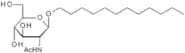
CAS:<p>Dodecyl 2-acetamido-2-deoxy-b-D-glucopyranoside is a synthetic glycosylate which has the potential to be used for the synthesis of various oligosaccharides and polysaccharides. It has a high purity and can be modified with various functional groups such as fluorination, methylation, acetylation, and click chemistry. Dodecyl 2-acetamido-2-deoxy-b-D-glucopyranoside is currently being researched as a treatment for cancer.</p>Formula:C20H39NO6Purity:Min. 95%Molecular weight:389.53 g/mol1,2-o-Isopropylidene-α-D-glucofuranose
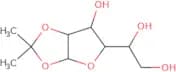
CAS:<p>1,2-o-Isopropylidene-α-D-glucofuranose is a potent inhibitor of xylan, which is essential for the growth and development of cancer cells. This compound has been shown to inhibit the activity of several kinases involved in cancer cell proliferation, including protein kinase C and acetylcholine kinase. 1,2-o-Isopropylidene-α-D-glucofuranose exhibits anticancer properties and induces apoptosis in human cancer cells. It is an analog of aprepitant, a drug used to prevent chemotherapy-induced nausea and vomiting in cancer patients. This compound may have potential as a therapeutic agent for the treatment of various types of tumors.</p>Formula:C9H16O6Purity:Min. 95%Molecular weight:220.22 g/mol4-Methylumbelliferyl α-L-idopyranosiduronic acid methyl ester
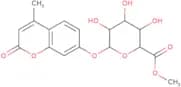
CAS:<p>Please enquire for more information about 4-Methylumbelliferyl α-L-idopyranosiduronic acid methyl ester including the price, delivery time and more detailed product information at the technical inquiry form on this page</p>Formula:C17H18O9Purity:Min. 95%Molecular weight:366.3 g/molN-Nonanoyl-N-methylglucamine
CAS:<p>N-Nonanoyl-N-methylglucamine is a nonionic surfactant that has been shown to be effective in the treatment of some inherited blood disorders. N-Nonanoyl-N-methylglucamine is used as a red cell membrane stabilizer and has been shown to increase the proton concentration in human serum. It also increases the transfer rate of p-nitrophenyl phosphate from erythrocytes to plasma. This drug has been found to have enzyme activity on soybean trypsin, model system, and epoxidase activity. N-Nonanoyl-N-methylglucamine has shown to be an effective protective agent against sodium citrate induced hemolysis and monoclonal antibody mediated cytotoxicity. It also shows kinetic data for protein synthesis and gene expression at different concentrations.</p>Formula:C16H33NO6Purity:Min. 95%Color and Shape:PowderMolecular weight:335.44 g/molDecanoyl-N-hydroxyethylglucamide
CAS:<p>Detergent with CMC of ~ 39mM</p>Formula:C18H37NO7Purity:Min. 95%Molecular weight:379.49 g/molRhamnolipids C8-C8
CAS:<p>Rhamnolipids C8-C8 are a group of lipids that are produced by the bacterium Burkholderia cepacia. They have been shown to have a strong ability to bind to and remove substances from water, such as heavy metals, lignin, and polychlorinated biphenyls. Rhamnolipids C8-C8 can be used in industrial settings for wastewater treatment or in the environment for bioremediation of pollutants. The physicochemical properties of rhamnolipids C8-C8 are determined by their composition of fatty acids and their degree of unsaturation. These properties can vary depending on the origin of the bacteria producing them.</p>Formula:C22H40O9Purity:Min. 95%Molecular weight:448.55 g/mol1-Oxododecyl-D-glucopyranoside
CAS:<p>1-Oxododecyl-D-glucopyranoside is a custom synthesis that contains an oligosaccharide and polysaccharide. The monosaccharides are modified with methylation, glycosylation, or fluorination. The complex carbohydrate is prepared by the click modification of a sugar. 1-Oxododecyl-D-glucopyranoside is synthesized with high purity and high quality. It can be used in medicine as an anti-inflammatory drug and for treatment of diabetes.</p>Formula:C18H34O7Purity:Min. 95%Color and Shape:SolidMolecular weight:362.4 g/molHexyl b-D-thioglucopyranoside
CAS:<p>Hexyl b-D-thioglucopyranoside is an insect pheromone that attracts male mealworms. It can be used for the detection of chiral elements, such as carbon and hydrogen. The profile of hexyl b-D-thioglucopyranoside is dynamically programmable and can be modified to detect different types of insects by changing the carbon skeleton. Hexyl b-D-thioglucopyranoside has been shown to have a strong electromagnetic activity, which may be due to its carbon skeleton.</p>Formula:C12H24O5SPurity:Min. 95%Color and Shape:White To Off-White SolidMolecular weight:280.38 g/molDecyl glucose neopentyl glycol
CAS:<p>Decyl glucose neopentyl glycol is a molecule that is commonly used in cell-based assays to measure the hydrogen peroxide release by cells. It is also used to transport hydrogen peroxide, which is a reactive oxidative species, intracellularly and extracellularly. Decyl glucose neopentyl glycol has been shown to have a range of different isoforms in cellular systems. This allows it to be used as an effective fluorescent marker for the detection of hydrogen peroxide mediated events.</p>Formula:C35H68O12Purity:Min. 95%Molecular weight:680.91 g/molUndecyl 2-acetamido-2-deoxy-b-D-glucopyranoside
CAS:<p>Undecyl 2-acetamido-2-deoxy-b-D-glucopyranoside is a cell surface glycosaminoglycan (GAG) that binds to the proteoglycan receptor, which is a GAG binding protein. Undecyl 2-acetamido-2-deoxy-b-D-glucopyranoside has been shown to be involved in signaling pathways and gene expression regulation, as well as having an effect on the activity of other proteins. This glycosaminoglycan has been used to profile gene expression levels in cells and tissues. The high density microarray technique can be used to analyze the expression profile of many genes simultaneously.</p>Formula:C19H37NO6Purity:Min. 95%Molecular weight:375.5 g/molRhamnolipids C12-C12
CAS:<p>rhamose based 'green' surfactant</p>Formula:C30H56O9Purity:Min. 95%Molecular weight:560.77 g/molCYMAL-6 neopentyl glycol
<p>CYMAL-6 neopentyl glycol (CYMAL-6) is a monoclonal antibody that binds to the chloride channel protein in human cells. CYMAL-6 has been shown to inhibit uptake of chloride ions, leading to an increase in extracellular pH and an inhibition of cellular respiration. It has been shown to be effective in patients with pigmentosa or hematological disorders such as leukemia and lymphoma. The structural studies on CYMAL-6 have shown that this drug can be used as a fluorescent probe for the study of chloride ion channels.</p>Formula:C47H84O22Purity:Min. 95%Molecular weight:1,001.16 g/molUndecanoyl-N-hydroxyethylglucamide
CAS:<p>Undecanoyl-N-hydroxyethylglucamide is a custom synthesis that has been modified with fluorination, methylation, and click modification. It has a carbohydrate chain of monosaccharides and oligosaccharides. The saccharide is glycosylated to form a complex carbohydrate.</p>Formula:C19H39NO7Purity:Min. 95%Molecular weight:393.52 g/molOctyl 2-acetamido-2-deoxy-3-O-(b-D-galactopyranosyl)-b-D-glucopyranoside
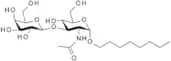
CAS:<p>Octyl 2-acetamido-2-deoxy-3-O-(b-D-galactopyranosyl)-b-D-glucopyranoside is a monosaccharide that is custom synthesized by our company. It is modified with fluorination, methylation, and click modification to generate the desired product. Octyl 2-acetamido-2-deoxy-3-O-(b-D-galactopyranosyl)-b-D-glucopyranoside also has saccharide and polysaccharide groups attached to it. This product can be used as a sugar in the production of complex carbohydrates.</p>Formula:C22H41NO11Purity:Min. 95%Molecular weight:495.56 g/molOctadecylthioethyl 4-O-(a-D-galactopyranosyl)-b-D-galactopyranoside
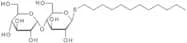
CAS:<p>Octadecylthioethyl 4-O-(a-D-galactopyranosyl)-b-D-galactopyranoside is a synthetic carbohydrate with the CAS number 87019-34-9. It is a non-reducing sugar and has the molecular formula C18H36O22. The chemical structure of Octadecylthioethyl 4-O-(a-D-galactopyranosyl)-b-D-galactopyranoside is: The chemical name for Octadecylthioethyl 4-O-(a-D-galactopyranosyl)-b-D-galactopyranoside is Oligosaccharide, Custom synthesis, Glycosylation, High purity, Carbohydrate, sugar, Synthetic. The molecular weight of Octadecylthioethyl 4 -O-(a-[3]-Galactopyranosyl)-b-[2]-Galactopyr</p>Formula:C32H62O11SPurity:Min. 95%Molecular weight:654.89 g/molUndecyl b-D-thiomaltopyranoside
CAS:<p>Undecyl b-D-thiomaltopyranoside is a high purity, custom synthesis, methylated and glycosylated carbohydrate that can be used as a fluorinated sugar. It is an oligosaccharide with 4 glucose units, 1 of which has been modified by the addition of an undecyl group. This modification inhibits the enzyme maltase from hydrolyzing the saccharide. Undecyl b-D-thiomaltopyranoside has CAS No. 148565-57-5 and can be synthesized in high purity for research purposes.</p>Formula:C23H44O10SPurity:Min. 95%Color and Shape:PowderMolecular weight:512.66 g/molOctyl 2-acetamido-2-deoxy-b-D-galactopyranoside
CAS:<p>Octyl 2-acetamido-2-deoxy-b-D-galactopyranoside is a synthetic sugar with a high purity. It is a custom synthesis, which can be fluorinated, monosaccharide, or oligosaccharide. Octyl 2-acetamido-2-deoxy-b-D-galactopyranoside has an Oligosaccharide and Polysaccharide structure that can be modified with methylation and Click modification. This product is CAS No. 383417-49-0 and has an Glycosylation, Carbohydrate structure.</p>Formula:C16H31NO6Purity:Min. 95%Molecular weight:333.42 g/molDecyl a-L-rhamnopyranoside
<p>Decyl a-L-rhamnopyranoside is a compound that is used as an anti-inflammatory drug. It is an antioxidant and has been shown to inhibit the production of prostaglandins in inflammatory cells. Decyl a-L-rhamnopyranoside also inhibits the production of leukotrienes, which are involved in inflammation. It has been shown to have a radical scavenging effect and may have potential for use as a medicament. Decyl a-L-rhamnopyranoside has been shown to be effective in the treatment of inflammatory disorders such as lupus erythematosus, rheumatoid arthritis, and ulcerative colitis. The mechanism of action for this drug is not fully understood, but it may involve inhibition of enzymes such as cyclooxygenase or lipoxygenase that are responsible for the production of prostaglandins or leukotrienes.</p>Formula:C16H32O5Purity:Min. 95%Color and Shape:PowderMolecular weight:304.42 g/molNonyl 2-acetamido-3,4,6-tri-O-acetyl-2-deoxy-b-D-glucopyranoside
CAS:<p>Nonyl 2-acetamido-3,4,6-tri-O-acetyl-2-deoxy-b-D-glucopyranoside is a novel compound that has been shown to be a potent inhibitor of the bacterial enzyme nicotianamine synthase. This enzyme is responsible for the synthesis of nicotianamine, an important component in siderophore biosynthesis. Nicotianamine is a central component of phytosiderophores, which are compounds that can bind to ferric iron and make it available for uptake by plants. This compound has also been shown to inhibit carboxyl synthase and aminoglycoside acetyltransferase enzymes. Nonyl 2-acetamido-3,4,6-tri-O-acetyl-2-deoxy b -D glucopyranoside has significant stereoselectivity as well as excellent chemical stability and high solubility in water.</p>Formula:C23H39NO9Purity:Min. 95%Molecular weight:473.56 g/molTetradecyl 2-acetamido-2-deoxy-3,4,6-tri-O-acetyl-b-D-glucopyranoside
CAS:<p>Tetradecyl 2-acetamido-2-deoxy-3,4,6-tri-O-acetyl-b-D-glucopyranoside is a glycosylation product of tetradecyl acetic acid. It is a complex carbohydrate with a molecular weight of 806.0. Tetradecyl 2-acetamido-2-deoxy-3,4,6-tri-O-acetyl b D glucopyranoside is known for its ability to be methylated and click modified. This product can be used as a polysaccharide or as an oligosaccharide in the synthesis of custom monosaccharides. Tetradecyl 2 acetamido 2 deoxy 3 4 6 tri O acetyl b D glucopyranoside has been fluorinated and saccharified to create high purity.</p>Formula:C28H49NO9Purity:Min. 95%Molecular weight:543.69 g/molTween 40
CAS:<p>Tween 40 is a non-ionic surfactant that has been used in the reaction mechanism of lipolytic enzymes. It has been shown to have metabolic effects on fatty acids, with an increase in the rate at which they are metabolized. Tween 40 is also a component of particle suspensions and may be used as a medium for chemiluminescence reactions. Sodium salts such as sodium benzoate or sodium chloride may be added to the solution to produce light emission. Tween 40 has also been shown to provide linear calibration curves for quantitative measurement of glutamate levels in biological fluids by fluorescence photometry. The use of Tween 40 can prevent eye disorders, such as dry eye syndrome, due to its lubricating properties. Tween 40 is synthesized by the esterification of sorbitol and oleic acid with ethylene oxide.</p>Purity:Min. 95%(1S,4aR,8R,8aR)-1-Methyl-3-oxo-8-[(2R,3S,4R,5R,6S)-3,4,5-trihydroxy-6-[[(E)-3-phenylprop-2-enoyl]oxymethyl]oxan-2-yl]oxy-4,4a,8,8a-t etrahydro-1H-pyrano[3,4-c]pyran-5-carboxylic acid
CAS:<p>(1S,4aR,8R,8aR)-1-Methyl-3-oxo-8-[(2R,3S,4R,5R,6S)-3,4,5-trihydroxy-6-[[(E)-3-phenylprop-2-enoyl]oxymethyl]oxan-2-yl]oxy-4,4a,8,8a -tetrahydro-1H-pyrano[3,4c]pyran 5 carboxylic acid is a carbohydrate. It is a complex carbohydrate with high purity and custom synthesis. The methylation and glycosylation of this product make it highly effective in the modification of saccharides in oligosaccharides. This product is synthesized from fluoroquinolones and has complex structures with methylation and glycosylations.</p>Formula:C25H28O12Purity:Min. 95%Molecular weight:520.5 g/molRhamnolipids C10
CAS:<p>Rhamnose based 'green' surfactant</p>Formula:C32H58O13Purity:Min. 95%Color and Shape:PowderMolecular weight:650.8 g/molRhamnolipids C14-C14
CAS:<p>Rhamnose based 'green' surfactant</p>Formula:C34H64O9Purity:Min. 95%Color and Shape:PowderMolecular weight:616.88 g/molHeptyl b-D-thioglucopyranoside
CAS:<p>Heptyl b-D-thioglucopyranoside is a small molecule that is used as a regulator of the phosphatase enzyme (PP1). PP1 is an important enzyme in the regulation of cellular signaling pathways. Heptyl b-D-thioglucopyranoside interacts with the regulatory domain of PP1, which is required for its activity. The ligand binds to an antenna on the regulatory domain and induces conformational changes in the protein, leading to increased phosphatase activity. This small molecule also has two binding sites for ATP and L-phenylalanine, which are required for its regulatory function.</p>Formula:C13H26O5SPurity:Min. 95%Molecular weight:294.41 g/molOctyl b-D-mannopyranoside
CAS:<p>Octyl b-D-mannopyranoside is a sugar that belongs to the group of complex carbohydrates. It is used in chemical synthesis and is commonly used for click modification, fluorination, glycosylation, carbamoylation, methylation, and other modifications. Octyl b-D-mannopyranoside is a white or off-white powder that can be dissolved in water or alcohols. It has a molecular weight of 536.88 g/mol.</p>Formula:C14H28O6Purity:Min. 95%Color and Shape:White To Off-White SolidMolecular weight:292.37 g/molRhamnolipids C12
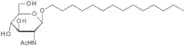
CAS:<p>Rhamnose based 'green' surfactant</p>Formula:C18H34O7Purity:Min. 95%Molecular weight:362.46 g/molTetradecyl 2-acetamido-2-deoxy-b-D-glucopyranoside
CAS:<p>Tetradecyl 2-acetamido-2-deoxy-b-D-glucopyranoside is a custom synthesis, modification, fluorination, methylation, monosaccharide and synthetic compound. It is the CAS No. 152914-69-7. It is a saccharide composed of glucose that has been glycosylated with tetradecyl acetate in the alpha position and aminated with ammonia in the beta position. This product is also classified as a complex carbohydrate.</p>Formula:C22H43NO6Purity:Min. 95%Molecular weight:417.58 g/molDecyl 2-acetamido-2-deoxy-b-D-glucopyranoside
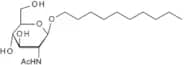
CAS:<p>Decyl 2-acetamido-2-deoxy-b-D-glucopyranoside is a glycoside that is found in the cell walls of photosynthetic organisms. It is one of the main sugars found in bacteria, fungi, and plants. In these organisms, it is linked to amino acids through amido bonds. Decyl 2-acetamido-2-deoxy-b-D-glucopyranoside has been shown to be a substrate for galactosidases, β-glycosidases, and α mannosidases. The thermal analysis of this compound shows an exothermic transition at around 200°C that may indicate its involvement in a chemical reaction. This compound also has lyotropic properties and can form micelles in water with high concentrations. The thermal parameters for this molecule are <br>T(transition) = 220°C<br>ΔH(transition) = -6 kcal/</p>Formula:C18H35NO6Purity:Min. 95%Molecular weight:361.47 g/molUndecyl 2-acetamido-3,4,6-tri-O-acetyl-2-deoxy-b-D-glucopyranose
CAS:<p>Undecyl 2-acetamido-3,4,6-tri-O-acetyl-2-deoxy-b-D-glucopyranose is a custom synthesis and modification of a carbohydrate that is used as a saccharide. It can be found in polysaccharides and oligosaccharides. This product has been modified with fluorination, methylation, glycosylation, and carbonylation. Undecyl 2-acetamido-3,4,6-tri-O-acetyl-2-deoxyb -D -glucopyranose is not currently CAS No. 1737252401 but is available for purchase on request.</p>Formula:C25H43NO9Purity:Min. 95%Molecular weight:501.61 g/molLauryl glucose neopentyl glycol
CAS:<p>Lauryl glucose neopentyl glycol is a sugar that is used in the synthesis of glycoconjugates. It is synthesized from lauryl alcohol and neopentyl glycol. Lauryl glucose neopentyl glycol can be modified with fluorine, glycosylation, methylation, or modification. This compound has been shown to have anti-inflammatory properties and to inhibit the growth of prostate cancer cells.</p>Formula:C31H60O12Purity:Min. 95%Molecular weight:624.8 g/mol1-Oxododecyl β-D-glucopyranoside
CAS:<p>1-Oxododecyl β-D-glucopyranoside is a synthetic compound that is used as an intermediate in the synthesis of oligosaccharides, monosaccharides, saccharides, and other carbohydrates. It has a purity of >98% and can be custom synthesized to meet your specifications. 1-Oxododecyl β-D-glucopyranoside is also available for purchase with fluorination, glycosylation, and methylation modifications. The CAS number for this product is 64395-92-2.</p>Formula:C18H34O7Purity:Min. 95 Area-%Color and Shape:PowderMolecular weight:362.46 g/molOctyl D-glucopyranoside
CAS:<p>Octyl D-glucopyranoside is a glucoside that is used as an analytical reagent. It has been shown to have detergent properties and can be used for the extraction of proteins. Octyl D-glucopyranoside also has a high binding affinity for guanine nucleotides, protein, and glycol ethers. The rate constant for the reaction between octyl D-glucopyranoside with the guanine nucleotide was found to be 0.25 x 10^(-5) s^(-1). This product can be used in biochemical research and chromatographic analysis.</p>Formula:C14H28O6Purity:Min. 98 Area-%Color and Shape:White PowderMolecular weight:292.37 g/molTween 65
CAS:<p>Tween 65 is a polyoxyethylene sorbitan monooleate (polysorbate) surfactant that is used as a film-forming polymer and dispersing agent in solid preparations. Tween 65 has been shown to inhibit the proliferation of prostate cancer cells, which may be due to its ability to bind to anti-prostate specific antigen (anti-pcsk9) antibody causing the antibody to aggregate and form a particle. This process inhibits the interaction between the antibody and its target, preventing it from binding with PCSK9 protein. The addition of propranolol hydrochloride has been shown to increase the effectiveness of Tween 65.</p>Polysorbate 60
CAS:<p>Polysorbate 60 is a polyoxyethylene-polyoxypropylene block copolymer that is composed of two different saturated fatty acid chains. It has been used as a surfactant and stabilizer in the manufacture of pharmaceuticals, foods, cosmetics, and other products. Polysorbate 60 has been shown to inhibit the growth of epidermal cells by binding to epidermal growth factor (EGF) receptors on the cell surface. The effects of polysorbate 60 are also mediated through hydrogen bonding with the EGF receptor. The pharmacokinetic properties of polysorbate 60 have been studied in vitro using human serum. This polymer is used as an excipient in solid dispersions for oral administration and can be administered intravenously or subcutaneously. Polysorbate 60 is chemically stable at acidic pH levels and hydrochloric acid does not affect its structure. Polysorbate 60 also has protease activity against trypsin at high temperatures,</p>Formula:C64H126O26Purity:Min. 95%Color and Shape:Light (Or Pale) Yellow To Yellow Solid Or Liquid (May Vary)Molecular weight:1,311.67 g/molOleylamine, min. 95%
CAS:<p>Oleylamine, min. 95%</p>Formula:CH3(CH2)7CHCH(CH2)7CH2NH2Purity:min. 95%Color and Shape:colorless liq.Molecular weight:267.49Dodecyldimethyl(3-sulfopropyl)ammonium Hydroxide Inner Salt [for Biochemical Research]
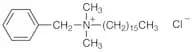
CAS:Formula:C17H37NO3SPurity:>98.0%(HPLC)(N)Color and Shape:White to Almost white powder to crystalMolecular weight:335.55Benzylcetyldimethylammonium Chloride
CAS:Formula:C25H46ClNPurity:>97.0%(HPLC)Color and Shape:White to Almost white powder to crystalineMolecular weight:396.10Oleoyl Polyoxylglycerides
<p>Fatty substances of animal or vegetable orgin and mixtures thereof not elsewhere specified or included</p>Color and Shape:Clear Amber LiquidPropylene Glycol Diacetate
CAS:<p>Esters of acetic acid not elsewhere specified or included</p>Formula:C7H12O4Color and Shape:Colorless Clear LiquidMolecular weight:160.07356Polyglyceryl 3 Diisostearate
CAS:<p>Polyethers, nesoi</p>Formula:C18H36O2(C3H8O3)xColor and Shape:Yellow LiquidPropylene Glycol Dicaprylate/Dicaprate
CAS:<p>Fatty substances of animal or vegetable orgin and mixtures thereof not elsewhere specified or included</p>Formula:C10H20O2·C8H16O2·C3H8O2Color and Shape:Colorless OilMolecular weight:392.31379Polyoxyl 20 Stearyl Ether
CAS:<p>Polyethers, nesoi</p>Formula:(C2H4O)nC18H38OColor and Shape:SolidMolecular weight:314.5463Tyloxapol
CAS:<p>Phenolic resins</p>Formula:(C14H22O·C2H4O·CH2O)xColor and Shape:Amber Light Yellow LiquidGlyceryl Tricaprylate
CAS:<p>Saturated acyclic monocarboxylic acids and their anhydrides, halides, peroxides etc, nesoi</p>Formula:C27H50O6Color and Shape:Clear Colorless LiquidMolecular weight:470.36074Glyceryl Monolinoleate
CAS:<p>Oleic, linoleic or linolenic acids</p>Formula:C21H38O4Color and Shape:Yellow Liquid May Solidify At Room TemperatureMolecular weight:354.27701Dodecanoic acid, 2,2,3,3,4,4,5,5,6,6,7,7,8,8,9,9,10,10,11,11,12,12,12-tricosafluoro-
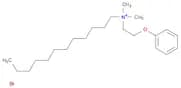
CAS:Formula:C12HF23O2Purity:95%Color and Shape:SolidMolecular weight:614.09841-Dodecanaminium, N,N-dimethyl-N-(2-phenoxyethyl)-, bromide
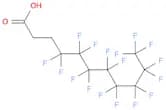
CAS:Formula:C22H40BrNOPurity:97%Color and Shape:SolidMolecular weight:414.46314,4,5,5,6,6,7,7,8,8,9,9,10,10,11,11,11-Heptadecafluoroundecanoic acid
CAS:Formula:C11H5F17O2Purity:97%Color and Shape:SolidMolecular weight:492.1291Sodium Dodecylbenzenesulfonate (soft type) (mixture) (62%, wetted with Water)
CAS:Formula:C18H29NaO3SColor and Shape:White or Colorless to Light yellow powder to lump to clear liquidMolecular weight:348.48Sodium Dodecylbenzenesulfonate (hard type) (mixture)
CAS:Formula:C18H29NaO3SPurity:>95.0%(T)Color and Shape:White to Light yellow to Light orange powder to crystalMolecular weight:348.48Trimethylstearylammonium Chloride
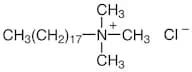
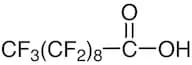
CAS:Formula:C21H46ClNPurity:>98.0%(T)Color and Shape:White powder to crystalMolecular weight:348.06Nonadecafluorodecanoic Acid
CAS:Formula:C10HF19O2Purity:>98.0%(T)Color and Shape:White to Almost white powder to crystalineMolecular weight:514.09






![N,N-Bis[3-D-gluconamidopropyl]cholamide](/_next/image/?url=https%3A%2Fstatic.cymitquimica.com%2Fproducts%2FTR%2Fthumb-webp%2FB438500.webp&w=3840&q=75)





![N,N-Bis[3-D-gluconamidopropyl]cholamide](/_next/image/?url=https%3A%2Fstatic.cymitquimica.com%2Fproducts%2F3D%2Fthumb-webp%2FDB18793.webp&w=3840&q=75)






![Octadecylthioethyl 4-O-(4-O[6-O-a-D-glucopyranosyl-a-D-glucopyranosyl]-a-D-glucopyranosyl)-b-D-glu…](/_next/image/?url=https%3A%2Fstatic.cymitquimica.com%2Fproducts%2F3D%2Fthumb-webp%2FDO05214.webp&w=3840&q=75)














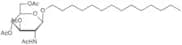

![(1S,4aR,8R,8aR)-1-Methyl-3-oxo-8-[(2R,3S,4R,5R,6S)-3,4,5-trihydroxy-6-[[(E)-3-phenylprop-2-enoyl]o…](/_next/image/?url=https%3A%2Fstatic.cymitquimica.com%2Fproducts%2F3D%2Fthumb-webp%2FDGC98403.webp&w=3840&q=75)
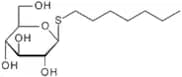


![Dodecyldimethyl(3-sulfopropyl)ammonium Hydroxide Inner Salt [for Biochemical Research]](/_next/image/?url=https%3A%2Fstatic.cymitquimica.com%2Fproducts%2F3B%2Fthumb-webp%2FD3860.webp&w=3840&q=75)