Metal Salts
In this section, you can find various metal salts, which are compounds characterized by containing both metal and non-metal atoms. Essentially, metal salts are composed of cations that are one or more metal atoms. These salts play a crucial role in numerous chemical reactions and applications, serving as catalysts, reactants, or intermediates in various industrial and research processes. At CymitQuimica, we offer a wide selection of high-quality metal salts to meet your research and industrial needs, ensuring reliable and effective performance in your applications.
Found 2870 products of "Metal Salts"
Sort by
Purity (%)
0
100
|
0
|
50
|
90
|
95
|
100
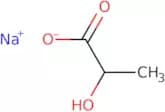
DL-Lactic acid sodium salt, 60% w/w syrup
CAS:<p>Lactic acid is a natural product that has been used for many years as an antimicrobial agent in wastewater treatment. It is also used in the food industry to prevent the growth of bacteria and fungi, and as a preservative. Lactic acid has been shown to have a physiological effect on locomotor activity, which may be due to its ability to convert pyruvate into lactate. Lactic acid also inhibits the growth of some bacterial strains by increasing the disulfide bond formation between two cysteine residues. The sodium salt form of lactic acid is more soluble than the acid form and can be used as an experimental model for studying sodium-lactate interactions. Sodium lactate is used in maternal blood transfusions to increase blood pH levels during labor, and is also added to water vapor for humidification purposes.</p>Formula:C3H5O3NaColor and Shape:Colorless Clear LiquidMolecular weight:112.06 g/molSulfaquinoxaline sodium salt
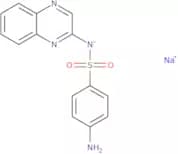
CAS:<p>Sulfaquinoxaline sodium salt is a dpp-iv inhibitor that has been shown to be effective in the treatment of inflammatory bowel disease. The drug inhibits the enzyme dipeptidyl peptidase 4, which is involved in the degradation of immunoreactive insulin and glucagon-like peptide-1. Sulfaquinoxaline sodium salt produces an antimicrobial effect by inhibiting microbial growth and also has a synergic effect with other antibiotics such as amoxicillin. As well as being used to treat bowel diseases, sulfaquinoxaline sodium salt is also used for sample preparation before DNA or RNA extraction. It can be used as a co-substrate with sodium carbonate to precipitate proteins in biological samples, such as urine or stool samples, or wastewater before treatment.</p>Formula:C14H12NaN4O2SPurity:Min. 95%Molecular weight:323.33 g/molEthynylferrocene
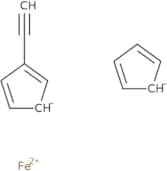
CAS:<p>Ethynylferrocene is a molecule that has a redox potential and can be reduced to ferrocene by hydrogen-reducing agents. Ethynylferrocene can also undergo oxidation reactions with the help of oxidizing agents to form ethynylpalladium. The biological properties of this molecule have been studied extensively and it has been found to bind to receptor molecules, such as dopamine receptors, in the body. The binding of this molecule to these receptors may cause changes in cell signaling pathways and gene expression. Ethynylferrocene is a member of the class of purine derivatives that are known for their ability to bind hydrogen atoms and form hydrogen bonding interactions with other molecules. This property is useful in the palladium-catalyzed coupling reaction, which is used to produce a variety of organic compounds.</p>Formula:C12H10FePurity:Min. 95%Color and Shape:PowderMolecular weight:210.05 g/molCobalt(II) acetate tetrahydrate
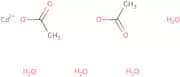
CAS:<p>Cobalt(II) acetate tetrahydrate is a model system that can be used to study the structures of coordination complexes. The cobalt ion has a coordination geometry with two water molecules, two oxygen atoms from the acetate anion, and one proton from the hydroxide anion. The crystal structure is composed of six-membered rings of alternating metal ions and oxygen atoms. The reaction solution contains excess sodium hydroxide and water vapor. It was determined that cobalt(II) acetate tetrahydrate reacts electrochemically at low frequencies as well as with 5-hmf, an oxidizing agent, in the presence of sodium citrate as an oxidation catalyst.</p>Formula:C4H6CoO4·4H2OPurity:Min. 95%Color and Shape:Pink To Red SolidMolecular weight:249.08 g/molD,L-Alanosine sodium salt
<p>Please enquire for more information about D,L-Alanosine sodium salt including the price, delivery time and more detailed product information at the technical inquiry form on this page</p>Formula:C3H6N3NaO4Purity:Min. 95%Molecular weight:171.09 g/molCalcium iodide
CAS:<p>Calcium iodide is a polarizer that can be used for the analysis of metal hydroxides. It reacts with the substrate film and forms a reaction solution that can be examined by microscope or spectrophotometer. Calcium iodide has been used to study the structure of glycol ethers, alkanoic acids, and carbohydrates. This chemical is also used in nutrient solutions and as a control substance in biochemical tests.</p>Formula:CaI2Purity:Min. 95%Color and Shape:PowderMolecular weight:293.89 g/molIodosulfuron-methyl sodium
CAS:<p>Iodosulfuron-methyl sodium is a herbicide that inhibits the activity of lipid-metabolizing enzymes in plants. It inhibits the action of phosphatases, which are enzymes that catalyze hydrolysis of phosphoric acid esters, and can be used to control weeds. Iodosulfuron-methyl sodium has been shown to have synergistic interactions with other herbicides, such as 2,4-D or dicamba. The effective dose for this product varies depending on the plant species and type of soil.</p>Formula:C14H13IN5NaO6SPurity:Min. 90 Area-%Color and Shape:White Off-White PowderMolecular weight:529.24 g/molTetrakis[N-phthaloyl-(S)-phenylalaninato]dirhodium Ethyl Acetate Adduct
CAS:<p>Please enquire for more information about Tetrakis[N-phthaloyl-(S)-phenylalaninato]dirhodium Ethyl Acetate Adduct including the price, delivery time and more detailed product information at the technical inquiry form on this page</p>Formula:C68H48N4O16Rh2·C4H8O2Purity:Min. 95%Molecular weight:1,471.04 g/molSodium phenoxide
CAS:<p>Sodium phenoxide is a glycol ether that has been used to treat wastewater containing phenol and p-hydroxybenzoic acid. The reaction solution is prepared by mixing the desired amount of sodium phenoxide with an excess of copper chloride in anhydrous sodium. This process can be monitored using electrochemical impedance spectroscopy, which provides information about the chemical stability of the product. The use of sodium phenoxide as a wastewater treatment agent can be evaluated through treatment trials, where it is mixed with wastewater containing different concentrations of inhibitor drugs such as metoprolol succinate. Langmuir adsorption isotherm can also be used to determine the effectiveness of this product for wastewater treatment purposes.</p>Formula:C6H5O·NaPurity:Min. 95%Color and Shape:PowderMolecular weight:116.09 g/molLithium difluoro(oxalato)borate
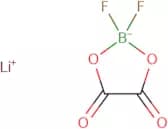
CAS:<p>Lithium difluoro(oxalato)borate is an electron-microscopic corrosion inhibitor that belongs to the class of ester compounds. It is a solid compound that has been shown to be efficacious against oxidation products. The efficiency of this compound is dependent on the concentration and purity of lithium difluoro(oxalato)borate and the type of metal, such as steel or aluminum. Lithium difluoro(oxalato)borate can be used in rechargeable batteries, due to its transport properties, high salt tolerance, and low self-discharge rate. This compound has been shown to have functional groups that are capable of interacting with hydrogen fluoride in an organic solution.</p>Formula:C2BF2O4•LiPurity:Min. 95%Molecular weight:143.77 g/molSodium thiocyanate
CAS:<p>Sodium thiocyanate is a salt that is used as an injection solution and reaction solution in the chemical laboratory. It reacts with water vapor to form sodium carbonate and hydrogen cyanide, which are then converted into sodium salts. The biological properties of this compound are not well-known, but it has been shown to be toxic to cells at high concentrations. Sodium thiocyanate is a salt that is used as an injection solution and reaction solution in the chemical laboratory. It reacts with water vapor to form sodium carbonate and hydrogen cyanide, which are then converted into sodium salts. The biological properties of this compound are not well-known, but it has been shown to be toxic to cells at high concentrations.</p>Formula:CNNaSPurity:Min. 95%Color and Shape:White PowderMolecular weight:81.07 g/molSodium percarbonate
CAS:<p>Sodium percarbonate is a chemical compound that has a high degree of chemical stability. It is a white, crystalline solid with an appearance similar to table salt. Sodium percarbonate can be used for wastewater treatment by reacting with the hydrogen peroxide in wastewater to produce carbon dioxide and sodium sulfate. The reaction mechanism is based on the oxidation of p-hydroxybenzoic acid by hydrogen peroxide. Sodium percarbonate can also be used as an oxidizing agent in organic synthesis reactions, such as ester hydrolysis, nitro reduction, and decomposition of boron compounds. Optimum concentrations range from 1% to 3%.</p>Formula:C2H6Na4O12Purity:Min. 95%Molecular weight:314.02 g/molBendazac sodiumsalt
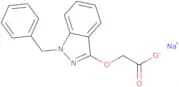
CAS:Controlled Product<p>Xanthine oxidase inhibitor; anti-inflammatory agent; radical scavenger</p>Formula:C16H13N2NaO3Purity:Min. 95%Molecular weight:304.28 g/molSodium 1-Tetradecanesulfonate
CAS:<p>Sodium 1-tetradecanesulfonate is a detergent additive that can be used in water-based cleaning compositions. It is a sodium salt and fatty acid that has been shown to provide high viscosity in the presence of water vapor. This product also provides excellent detergency on oily soils, and is compatible with other ingredients such as fatty alcohols, glycol ethers, glycerin, aluminium, dodecyl cations, and polyvinyl alcohols. Sodium 1-tetradecanesulfonate has been shown to have a wide range of applications including wastewater treatment and analytical chemistry.</p>Purity:Min. 95%Erdosteine thioacid disodium salt
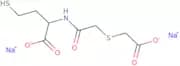
CAS:<p>Please enquire for more information about Erdosteine thioacid disodium salt including the price, delivery time and more detailed product information at the technical inquiry form on this page</p>Formula:C8H11NNa2O5S2Purity:Min. 96 Area-%Color and Shape:PowderMolecular weight:311.29 g/molPotassium tetrachloroplatinate(II)
CAS:<p>Potassium tetrachloroplatinate(II) is a metal chelate of potassium and platinum. It can be used as a catalyst for organic syntheses, such as hydrogenation reactions. Potassium tetrachloroplatinate(II) has a high affinity for the amide ligands in substrates, which allows it to be used for hydrogenation reactions. The reaction mechanism of this compound has been investigated by x-ray crystal structures and in vitro experiments. The reaction mechanism primarily involves the formation of an organometallic intermediate that subsequently reacts with the substrate via an addition-elimination process. This compound also emits light when heated and produces a dark red color due to its ability to absorb visible light.</p>Formula:K2PtCl4Purity:Min. 95%Color and Shape:PowderMolecular weight:415.09 g/molLithium Tetrakis(pentafluorophenyl)borate - Ethyl Ether Complex
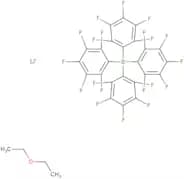
CAS:Controlled Product<p>Lithium tetrakis(pentafluorophenyl)borate - ethyl ether complex is a ligand that has the ability to bind to magnesium. The complex is highly soluble in organic solvents such as ethylene and ether, but not in water. It can be used to produce high yields of ethylene with magnesium as a co-catalyst. The complex binds to magnesium by forming a six-membered ring with the borate group and two oxygen atoms from the ether molecule. The crystal structure of this complex was determined using x-ray crystallography. This complex has been found naturally in plants such as spinach and beets, although it is not yet known what role it plays in these plants.</p>Purity:70%NmrCalcium bromide
CAS:Calcium bromide is a white solid that has a phase transition temperature of -14.8 °C. It is soluble in water and glycol ether. Calcium bromide can be used to measure the concentration of calcium ions by taking advantage of the high affinity between calcium ions and its salt, calcium bromide, at constant pressure. In this process, water vapor and anhydrous sodium are also adsorbed onto the surface of the solid. The x-ray diffraction data for calcium bromide crystals show that it has a space group of p2 with lattice parameters a = 12.39 Å, c = 10.93 Å, and β = 90°. This salt can be used as a model system for studying reaction mechanisms in chemistry and biochemistry involving ionic liquids or other ionic compounds. The most common application of calcium bromide is as an extractant for volatile organic compounds from air samples using solid phase microextraction (SPFormula:CaBr2Purity:Min. 95%Molecular weight:199.89 g/molCobalt chloride hexahydrate
CAS:<p>Cobalt chloride is the inorganic compound with the chemical formula CoCl2.6H2O. It is a salt of cobalt in the form of a hexahydrate, which means that it contains six water molecules per molecule of cobalt. Cobalt chloride can be used as a chelate ligand to bind metal ions and prevent them from reacting with other substances. In this way, it can be used in wastewater treatment to remove heavy metals such as copper and zinc, or to remove nitrogen from waste water. The cobalt ion binds reversibly to two oxygen atoms on each molecule of hydrogen peroxide, forming HCoO3HO. This process converts one mole of hydrogen peroxide into one mole of water vapor and one mole of oxygen gas. It also catalyzes reactions involving organic compounds containing ammonia, such as ammonium salts or urea-ammonia solutions - reactions that are used for industrial purposes or for agricultural fertilizers. Cobalt chloride hexahydrate has</p>Formula:Cl2Co•(H2O)6Purity:Min. 95%Molecular weight:237.93 g/mol2-Hydroxybiphenyl sodium salt tetrahydrate
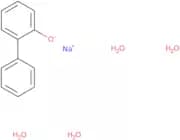
CAS:<p>2-Hydroxybiphenyl sodium salt tetrahydrate is an inorganic, colorimetric mediator that is used for the determination of symbiotic N 2 fixation. It is a salt of 2-hydroxybiphenyl and sodium hydroxide. The color change from yellow to violet is indicative of the presence of nitrogenase activity. This mediator can be used to measure the efficiency of immobilized N 2 -fixing bacteria on various surfaces or to determine the uptake of nutrients by bacteria.</p>Formula:C12H17NaO5Purity:Min. 95%Molecular weight:264.25 g/mol(2,4-Dichlorophenoxy)acetic acid sodium salt monohydrate
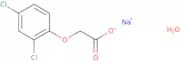
CAS:<p>(2,4-Dichlorophenoxy)acetic acid sodium salt monohydrate is a chemical that belongs to the phenoxy herbicides. It is used as a selective herbicide for control of annual and perennial grasses and broadleaf weeds in noncrop areas. This compound has been detected by gas chromatography/mass spectrometric analysis after a dispersive solid-phase extraction procedure. The target analytes were found to be acidic with an unknown molecular weight.</p>Formula:C8H5Cl2O3·Na·H2OPurity:Min. 95%Color and Shape:PowderMolecular weight:261.03 g/molSodium acetate trihydrate
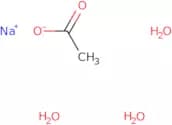
CAS:<p>Sodium acetate trihydrate is a salt that is used in the production of sodium salts and surface methodology, as well as in analytical methods. It is also used to prepare anhydrous sodium. Sodium acetate trihydrate can be used as a cell lysis agent for water vapor.</p>Formula:CH3COONa·3H2OPurity:Min. 95%Color and Shape:White/Off-White SolidMolecular weight:136.08 g/mol2,3-Diketogulonic acid potassium
CAS:<p>Please enquire for more information about 2,3-Diketogulonic acid potassium including the price, delivery time and more detailed product information at the technical inquiry form on this page</p>Formula:C6H7KO7Purity:Min. 95%Color and Shape:SolidMolecular weight:230.21 g/molLithium tetrachloroaluminate
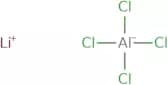
CAS:<p>Lithium tetrachloroaluminate is a compound that consists of lithium, copper, and aluminum. It has an average particle diameter of about 1 micrometer. Lithium tetrachloroaluminate can be used as a catalyst for the reduction of inorganic and organic solutes. This compound is soluble in water and organic solvents, which may be due to its ionic nature. Lithium tetrachloroaluminate can be used as a rechargeable battery electrode material because it has a high capacity for storing lithium ions. The reaction with chloride ions produces chlorine gas, which is corrosive and toxic under certain conditions.</p>Formula:LiAlCl4Purity:(%) Min. 98%Color and Shape:White PowderMolecular weight:175.73 g/molBromoferrocene
CAS:Bromoferrocene is a ligand that binds to the ferrocenecarboxylic acid skeleton. It is an aromatic hydrocarbon that has been shown to be a potent inhibitor of cervical cancer proliferation. Bromoferrocene was synthesized by a Friedel-Crafts reaction between styrene and hydrobromic acid. The bromine atom in this compound is electron-withdrawing and therefore has radical character, which makes it a reactive molecule with potential for biological activity. Bromoferrocene is chiral and thus can exist as two enantiomers - one with R configuration, the other L.Formula:C10H9BrFePurity:90%NmrMolecular weight:264.93 g/molCopper(II) acetate monohydrate
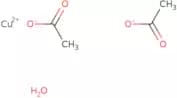
CAS:<p>Copper acetate is a chemical compound that is composed of copper and acetic acid. Copper acetate monohydrate, the form used in this product, is an ionic salt that has the chemical formula Cu(CHCO)2. The copper atom has a coordination geometry of 4.5 and is surrounded by six oxygen atoms and two hydrogen atoms. The reaction mechanism for this compound involves methyl ethyl malonic acid as shown below: The first step in the reaction mechanism is the formation of a carbanion intermediate with the loss of a proton from one of the methyl groups on malonic acid. This carbanion attacks the copper atom to form an intermediate with two positive charges on it, which then breaks down into two molecules of malonic acid and one molecule of water. The other methyl group then reacts with another molecule of malonic acid to form methyl ethyl dicarboxylate and release another proton. This proton can be accepted by water or react with</p>Formula:C4H6CuO4·H2OPurity:Min. 95%Color and Shape:Blue Clear LiquidMolecular weight:199.65 g/molSodium cinnamate
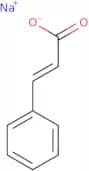
CAS:<p>Sodium cinnamate is an organic compound that is a derivative of 4-hydroxycinnamic acid. It forms sodium salts with water vapor, which are soluble in water. Sodium cinnamate has been shown to have genotoxic activity, and may be used as a potential anticancer drug. Sodium cinnamate also binds to toll-like receptors on the surface of cells, which activate inflammatory signaling pathways. This compound also inhibits enzymes involved in infectious diseases such as influenza A virus and herpes simplex virus type 1 replication. Caffeic acids, chlorogenic acids, and pge2 levels were shown to be increased after treatment with sodium cinnamate.</p>Formula:C9H7NaO2Purity:Min. 95 Area-%Color and Shape:PowderMolecular weight:170.14 g/molIron bis(tetrafluoroborate) hexahydrate
CAS:<p>Iron bis(tetrafluoroborate) hexahydrate is a ferrimagnetic, thermally stable coordination compound that has been shown to interact with bidentate ligands. Iron bis(tetrafluoroborate) hexahydrate can be used as a mononuclear section in analogy to the octahedral section of nickel bis(tetrafluoroborate) hexahydrate. The ligands are methyl groups, which are diffracted at 2θ values of 12.8° and 18.3°. The compound is stable in solvents such as dimethylsulfoxide and tetrahydrofuran. It also has chelate ligand transfer properties, which are due to the presence of two hydroxyl groups on each iron atom.</p>Formula:Fe(BF4)2•(H2O)6Purity:Min. 95%Color and Shape:SolidMolecular weight:337.55 g/molHyodeoxycholic acid sodium salt
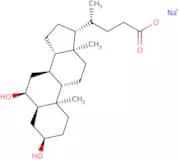
CAS:Controlled Product<p>Hyodeoxycholic acid sodium salt is a nonsteroidal anti-inflammatory drug that belongs to the class of hyodeoxycholic acids. It is an inhibitor of the enzyme activities that are involved in the synthesis of prostaglandins from arachidonic acid. Hyodeoxycholic acid sodium salt has been shown to inhibit the activity of enzymes such as cyclooxygenase, lipoxygenase, and 5-lipoxigenase. This inhibition leads to decreased production of inflammatory prostaglandins, which are responsible for inflammation and pain. Hyodeoxycholic acid sodium salt also has neurotrophic effects that may be due to its ability to stimulate NGF synthesis by neurons in vitro.</p>Formula:C24H39NaO4Purity:Min. 95%Molecular weight:414.55 g/molPotassium tetracyanoplatinate(II)trihydrate
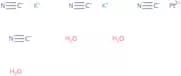
CAS:Controlled Product<p>Potassium tetracyanoplatinate(II)trihydrate (KTP) is a nanomaterial that is made of metal ions, such as ruthenium and copper, and organic molecules. It has the ability to absorb electrons from water, which are then transferred to carbon sources. This process can be used to remove proton in the water, thereby creating an acidic solution. The KTP particles have been shown to produce cavitation when exposed to ultrasound waves or other high-frequency sound waves. Cavitation occurs when bubbles form and rapidly collapse within a liquid. The resulting shockwaves can break down the cell membrane of microorganisms.</p>Formula:C4H6K2N4O3PtPurity:Min. 95%Molecular weight:431.4 g/molSodium L-glutamate monohydrate
CAS:<p>L-glutamic acid is a nonessential amino acid that is used as a food additive. L-glutamic acid is found in the form of sodium salt, called monosodium glutamate (MSG), and is used to enhance the flavor of foods. L-glutamic acid has been shown to be essential for the growth of certain bacteria, such as corynebacteria. The l-glutamic acid gene can be found in corynebacteria and corynebacterium glutamicum. It has been shown that l-glutamic acid can be synthesized by these organisms under conditions of low magnesium concentration, high pH, and high temperature.</p>Formula:C5H8NNaO4·H2OPurity:Min. 95%Color and Shape:PowderMolecular weight:187.13 g/mol1,1'-Diacetylferrocene
CAS:Controlled Product<p>1,1'-Diacetylferrocene is an organic compound that has been synthesized by a reaction of ferrocene with benzoylhydrazone. Ferrocenes are compounds containing a ferrocene unit, a cyclic system with alternating double bonds and single bonds. The hydroxyl group on 1,1'-diacetylferrocene can be replaced by other substituents such as carboxylic acids or alcohols to produce different derivatives. 1,1'-Diacetylferrocene is soluble in water and solvents such as acetonitrile. It reacts with peroxide to form the corresponding hydroperoxides. This product has been shown to have the ability to interact specifically with ferrocenes when introduced into the solution.</p>Formula:C14H14FeO2Purity:Min. 95%Molecular weight:270.1 g/molZinc orotate
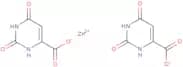
CAS:<p>Zinc orotate is a mineral supplement that contains elemental zinc in the form of an orotate salt. It is used to treat or prevent zinc deficiency and for the prevention and treatment of various conditions, such as liver lesions, antimicrobial agents, brain functions, and energy metabolism. Zinc is an essential mineral that is required for normal growth and development. Zinc also plays a role in maintaining healthy skin and hair. The physiological levels of zinc are 10-20 mg per day for adults. Zinc orotate provides 100% of the daily requirement (15 mg) in just one tablet.</p>Formula:C10H6N4O8Zn·2H2OPurity:Min. 95%Color and Shape:White PowderMolecular weight:411.59 g/molTetrakis[N-tetrachlorophthaloyl-(S)-tert-leucinato]dirhodium Bis(ethyl Acetate) Adduct
CAS:<p>Please enquire for more information about Tetrakis[N-tetrachlorophthaloyl-(S)-tert-leucinato]dirhodium Bis(ethyl Acetate) Adduct including the price, delivery time and more detailed product information at the technical inquiry form on this page</p>Formula:C56H40Cl16N4O16Rh2·C8H16O4Purity:Min. 95%Molecular weight:1,974.2 g/molThallium(I) acetate
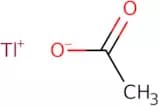
CAS:<p>Used as a selective agent against gram-negative bacteria in selective media</p>Formula:C2H3O2TlPurity:Min. 95%Molecular weight:263.43 g/molPotassium p-Toluenethiosulfonate
CAS:<p>Potassium p-Toluenethiosulfonate is a functional group that contains a sulfhydryl (-SH) and a thiol (-S-H). It has been used to prepare radionuclides for cancer diagnosis, such as Tc-99m (technetium-99m), I-123 (iodine-123), and I-131 (iodine-131). This compound has been used in preparative methods for the synthesis of organic chemicals. Potassium p-Toluenethiosulfonate is also used in conjugates with drugs or other molecules, which are used in the diagnosis of cancer. The conjugates can be linked to plasma proteins or tumor cells.</p>Formula:C7H7KO2S2Purity:Min. 95%Molecular weight:226.36 g/molIridium(III) acetylacetonate
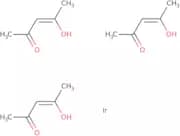
CAS:<p>Iridium(III) acetylacetonate is a coordination complex that is used as an oxidation catalyst. It has the ability to increase the rate of reactions in which water is the reactant or product. Iridium(III) acetylacetonate has a square-planar geometry, with four ligands bound to each metal ion. The coordination geometry of this complex determines its reactivity and selectivity. The reactivity of iridium(III) acetylacetonate can be enhanced by using less soluble salts, such as sodium carbonate or fluorine, to dissolve it in solution. This complex undergoes reaction mechanisms involving hydrogen abstraction and reductive elimination, depending on the conditions of the reaction solution. Iridium(III) acetylacetonate has been used for coatings on glass substrates and as a catalyst for growth kinetics studies and mechanism studies.</p>Formula:C15H21IrO6Purity:Min. 95%Color and Shape:PowderMolecular weight:489.54 g/molTrisodium glycyrrhizinate
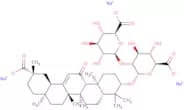
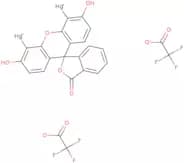
CAS:<p>Trisodium glycyrrhizinate is a fatty acid that acts as an absorption enhancer. It has been shown to have antihypertensive activity and to protect against hepatic tissue damage in experimental models. Trisodium glycyrrhizinate also exhibits antiviral activity and has been shown to be effective against viruses such as HIV, herpes simplex virus, and influenza A. Trisodium glycyrrhizinate is poorly absorbed by the body, which may be due to its high molecular weight and low water solubility. The bioavailability of trisodium glycyrrhizinate can be increased significantly by using it with a film-forming polymer or diphenyl ether. This product is found in various foods such as ganoderma lucidum (a Chinese herbal medicine) and some types of licorice candy.</p>Formula:C42H59Na3O16Purity:80%MinMolecular weight:888.88 g/molBis(2,2,2-trifluoroacetato-kO)di-mercury fluorescein
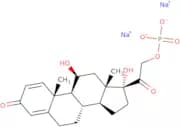
CAS:Controlled ProductPlease enquire for more information about Bis(2,2,2-trifluoroacetato-kO)di-mercury fluorescein including the price, delivery time and more detailed product information at the technical inquiry form on this pageFormula:C24H10F6Hg2O9Purity:Min. 95%Molecular weight:957.5 g/molPrednisolone disodium phosphate
CAS:<p>Prednisolone is a corticosteroid that is used to treat inflammation and reduce the body's immune response. Prednisolone disodium phosphate (PDSP) is an enteric-coated tablet that releases prednisolone in the small intestine, where it can be absorbed into the bloodstream. It has been shown to be effective at reducing bowel disease activity in patients with inflammatory bowel disease. Prednisolone disodium phosphate may also have a role in controlling infectious diseases, such as tuberculosis, due to its ability to inhibit toll-like receptor 4 signaling. The drug has been studied as a model system for predicting drug interactions by monitoring the rate constant for benzalkonium chloride binding to human serum albumin.</p>Formula:C21H29O8P•Na2Purity:Min. 95%Color and Shape:PowderMolecular weight:486.4 g/molPotassium phosphate dibasic , anhydrous - for HPLC, >99.0%
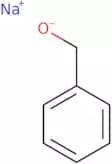
CAS:<p>Potassium phosphate dibasic, anhydrous - for HPLC, >99.0% is a crystalline cellulose used as a model system for enzyme activities. It has been shown to have the same effects on enzymes as potassium phosphate monobasic and potassium dihydrogen phosphate. This product also has a use in radiation-induced damage studies due to its ability to absorb ionizing radiation.</p>Formula:K2HPO4Purity:Min. 95%Color and Shape:PowderMolecular weight:174.18 g/molSodium benzyloxide solution - 1.0 M in benzyl alcohol
CAS:<p>Sodium benzyloxide is an alkanoic acid with the chemical formula CH3C6H2O2. It is used as a matrix metalloproteinase inhibitor in the synthesis of bicyclic heterocycles. It is also used in asymmetric synthesis and as a substrate for enzyme inhibitors. Sodium benzyloxide has been shown to be effective against herpes simplex virus by preventing viral replication and inducing apoptosis.</p>Formula:C6H5CH2ONaColor and Shape:Clear LiquidMolecular weight:130.12 g/molChloro[2-(di-tert-butylphosphino)-2',4',6'-triisopropyl-1,1'-biphenyl][2-(2-aminoethyl)phenyl)]palladium(II)
CAS:Controlled Product<p>Chloro[2-(di-tert-butylphosphino)-2',4',6'-triisopropyl-1,1'-biphenyl][2-(2-aminoethyl)phenyl)]palladium(II) is a molecule that inhibits the adenosine receptor in autoimmune diseases and cancer. It also has an inhibitory effect on the membrane transport of glucose, glucosan, and aziridine. This drug can be used to treat inflammatory diseases such as diabetes, asthma, and inflammatory bowel disease. The geometric isomers of this molecule are not identical in shape or size and can have different effects on the body.</p>Formula:C37H55ClNPPdPurity:Min. 95%Molecular weight:686.69 g/molCesium bromide
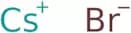
CAS:<p>Cesium bromide is a chemical compound that has a high melting point. It is used as an ionic liquid and as a salt in analytical chemistry. Cesium bromide can be used to measure the thermal expansion of materials or to measure the hydrogen bond strength between two molecules. Cesium bromide is also used in membrane systems for water purification, and it can be used for radiation treatment of cancer cells. Cesium bromide can be found in wastewater treatment plants where it helps to remove halides and other contaminants from water vapor, providing kinetic energy to do so. Cesium bromide is also used as an analytical method for measuring hydrochloric acid, uv absorption, or chelate rings.</p>Formula:CsBrPurity:Min. 95%Molecular weight:212.81 g/molDichlorotitanium Diisopropoxide
CAS:Controlled Product<p>Dichlorotitanium Diisopropoxide is a novel reagent for the asymmetric synthesis of amides. The reaction mechanism is based on the formation of a chloride-containing titanium enolate from titanium tetrachloride and an amine. This enolate reacts with another molecule of titanium tetrachloride to form the desired amide. Dichlorotitanium Diisopropoxide has been used in the preparation of polymers, such as poly(vinyl chloride) and poly(methyl methacrylate). It has also been used to produce organic compounds, such as chloroform, dichloromethane, and chlorobenzene. The stereoselectivity can be controlled by changing the solvent used in this reaction.nowiki>END>></p>Formula:C6H14Cl2O2TiPurity:Min. 95%Molecular weight:236.95 g/molrac 5-Hydroxy valproic acid sodium
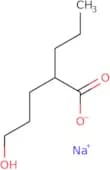
CAS:<p>Please enquire for more information about rac 5-Hydroxy valproic acid sodium including the price, delivery time and more detailed product information at the technical inquiry form on this page</p>Formula:C8H16O3•NaPurity:Min. 95%Color and Shape:PowderMolecular weight:183.2 g/molMercury(II) bis(dithizonate)
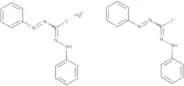
CAS:Controlled Product<p>Mercury(II) bis(dithizonate) is an isomeric form of mercury that exhibits photochromism. It has a yellow color in the solid state and can reversibly change to a red color when exposed to light. Mercury(II) bis(dithizonate) is soluble in organic solvents and forms bright yellow crystals with a melting point of 81-82 °C. It has been used as an optical dye for microscopy, where it absorbs ultraviolet radiation and emits visible light. This property makes it useful for detection of bacteria or other microorganisms by optical microscopy or fluorescence microscopy. The solvents acetonitrile, diethylether, or acetone can be used to dissolve this compound. Mercury(II) bis(dithizonate) is metastable which means that it will decompose spontaneously into mercury(I) oxide and hydrogen gas if heated to 180 °C.</p>Formula:C26H22HgN8S2Purity:Min. 95%Color and Shape:Dark Red SolidMolecular weight:711.23 g/molSodium hexamethylene-1,6-bisthiosulfate dihydrate
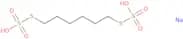
CAS:<p>Sodium hexamethylene-1,6-bisthiosulfatedihydrate is a salt of an oxide of benzene with hexamethylene 1,6-disulfate dihydrate. It has a white to off-white crystalline appearance and is used as an additive in mixtures to improve the wetting and dispersing properties of the mixture. The chemical formula for this compound is C8H4NaOS·2H2O.</p>Formula:C6H12Na2O6S4Purity:Min. 95%Color and Shape:PowderMolecular weight:354.4 g/mol4-Hydroxy atorvastatin disodium salt
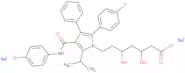
CAS:<p>Please enquire for more information about 4-Hydroxy atorvastatin disodium salt including the price, delivery time and more detailed product information at the technical inquiry form on this page</p>Formula:C33H33FN2Na2O6Purity:Min. 95%Molecular weight:618.6 g/molTin(II) oxalate
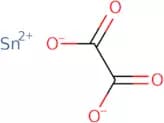
CAS:<p>Tin(II) oxalate is a chemical compound with the formula (CH3COO)2SnO. It is a white crystalline solid that is soluble in water and alcohol but not ether. Tin(II) oxalate has been shown to be an effective inhibitor of epidermal growth factor (EGF). This compound also inhibits the formation of dibutyltin oxide, which is a component of some paints. The following are the high-quality product descriptions for eCommerce: Rifapentine Rifapentine is an anti-tuberculosis drug that belongs to the class of rifamycins. It is the most active of the rifamycins for the treatment of tuberculosis. Rifapentine inhibits bacterial growth by binding to DNA-dependent RNA polymerase, thereby preventing transcription and replication. The high frequency of human activity has been shown using a patch-clamp technique on human ery</p>Formula:C2O4SnPurity:Min. 95%Molecular weight:206.73 g/mol




![Tetrakis[N-phthaloyl-(S)-phenylalaninato]dirhodium Ethyl Acetate Adduct](/_next/image/?url=https%3A%2Fstatic.cymitquimica.com%2Fproducts%2F3D%2Fthumb-webp%2FFT60014.webp&w=3840&q=75)







![Tetrakis[N-tetrachlorophthaloyl-(S)-tert-leucinato]dirhodium Bis(ethyl Acetate) Adduct](/_next/image/?url=https%3A%2Fstatic.cymitquimica.com%2Fproducts%2F3D%2Fthumb-webp%2FFT60020.webp&w=3840&q=75)


![Chloro[2-(di-tert-butylphosphino)-2',4',6'-triisopropyl-1,1'-biphenyl][2-(2-aminoethyl)phenyl)]pal…](/_next/image/?url=https%3A%2Fstatic.cymitquimica.com%2Fproducts%2F3D%2Fthumb-webp%2FFC156938.webp&w=3840&q=75)