Metal Salts
In this section, you can find various metal salts, which are compounds characterized by containing both metal and non-metal atoms. Essentially, metal salts are composed of cations that are one or more metal atoms. These salts play a crucial role in numerous chemical reactions and applications, serving as catalysts, reactants, or intermediates in various industrial and research processes. At CymitQuimica, we offer a wide selection of high-quality metal salts to meet your research and industrial needs, ensuring reliable and effective performance in your applications.
Found 2870 products of "Metal Salts"
Sort by
Purity (%)
0
100
|
0
|
50
|
90
|
95
|
100
Sodium fluorosilicate
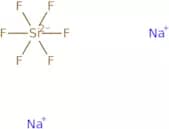
CAS:Controlled Product<p>Sodium fluorosilicate is an inorganic acid that can be prepared by dissolving sodium carbonate and hydrogen fluoride in water. It is used as a sample preparation agent for electrochemical impedance spectroscopy, as well as a reagent for the determination of acidic properties. Sodium fluorosilicate has been shown to inhibit the growth of epidermal cells, which may be due to its ability to cause an increase in the mitochondrial membrane potential. This compound also inhibits the synthesis of proteins from RNA, which may result from its coordination geometry or hydrogen-bonding interactions. Sodium fluorosilicate has been used in analytical methods involving x-ray diffraction data and plasma mass spectrometry.</p>Formula:Na2SiF6Purity:Min. 95%Molecular weight:188.06 g/molTitanium dioxide
CAS:<p>Titanium dioxide is a chemical compound with the chemical formula TiO2. It is a white pigment that has good light-fastness and weatherability, and it is insoluble in water. The particle size of titanium dioxide ranges from 10 nm to about 100 nm. Titanium dioxide can be produced by the reaction of titanium tetrachloride with water or ammonia gas at 750-1,000 °C. This chemical compound has been used for many purposes, including paint pigments, sunscreen products, toothpaste, cosmetics, plastics, photocatalyst components and wastewater treatment. Studies have shown that titanium dioxide particles are not genotoxic but may induce oxidative stress in skin cells. Although safe when used as a food additive or cosmetic ingredient, titanium dioxide can cause adverse effects on skin health when used in certain concentrations.</p>Formula:TiO2Purity:Min. 95%Color and Shape:PowderMolecular weight:79.87 g/molRef: 3D-FT167791
Discontinued productChromium dioxide
CAS:<p>Chromium dioxide is a magnetic material that can be used in devices such as hard disks and magnetic tapes. It has been shown to have anisotropic properties, which depend on the method of preparation. Chromium dioxide has been used experimentally to produce polyelectrolytes with specialized functional groups, including carboxylates and amines, for use in techniques such as electrospinning. The electron spin resonance (ESR) technique is commonly used to characterize the magnetic properties of chromium dioxide. This material has also been used to make organic-inorganic hybrid materials that are useful in organic solvent extraction processes.</p>Formula:CrO2Purity:Min. 98%Color and Shape:PowderMolecular weight:83.99 g/molPhosphoenolpyruvate monosodium salt hydrate
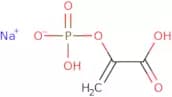
CAS:<p>PEP is a "high-energy phosphate" compound playing a vital role in enzymatic phosphate-transfer reactions involved in ATP synthesis. It is used in conjunction with pyruvate kinase as a phosphorylating agent for ATP generation. Substrate for phosphoenolpyruvate carboxylase. Reagent for determination of glycerol.</p>Formula:C3H4NaO6P·xH2OPurity:Min. 95%Color and Shape:PowderMolecular weight:190.02 g/molRef: 3D-FP29995
Discontinued productPotassium phosphate tribasic trihydrate
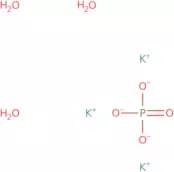
CAS:<p>Potassium phosphate tribasic trihydrate is an inorganic salt that is used as a buffer. It has a molecular weight of 266.08, and it is soluble in water. Potassium phosphate tribasic trihydrate can be used to treat acidosis and kidney stones due to its high potassium content. This compound also has biological properties that allow it to be used in the preparation of urine samples for gravimetric analysis and biological properties.</p>Formula:H6K3O7PColor and Shape:White PowderMolecular weight:266.31 g/molSodium phytate
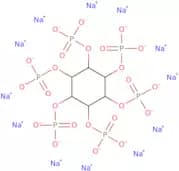
CAS:<p>Chelator of multivalent metal ions; food perservative; antioxidant</p>Formula:C6H6Na12O24P6Color and Shape:White PowderMolecular weight:923.82 g/molCalcium 2-oxoglutarate
CAS:<p>Calcium 2-oxoglutarate (Ca2OG) is a metabolite of the TCA cycle and has been shown to regulate energy metabolism. It can be used as a precursor for the synthesis of glutamate, which is an important neurotransmitter in the central nervous system. Ca2OG also has inhibitory properties on many enzymes, including enzymes involved in the synthesis of amino acids and fatty acids. Ca2OG has been shown to have a role in transcriptional regulation, acting as a transcriptional activator or repressor depending on cell type and stimulus. Ca2OG also affects plant metabolism by regulating caproic acid levels. This compound is structurally similar to oxoglutarate, which is found in vivo, but it is more stable than this form of glutamic acid due to the presence of calcium ions. Ca2OG has been synthesized in vitro using x-ray crystallography and biochemical properties have been determined through various biochemical assays.br>br></p>Formula:C5H4O5·CaPurity:Min 98%Color and Shape:PowderMolecular weight:184.16 g/molLithium sulfate, anhydrous
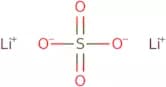
CAS:<p>Lithium sulfate is a compound that has been used in experimental solubility data. It is soluble in water and does not react with most other compounds. Lithium sulfate has shown to be an intramolecular hydrogen bond donor and acceptor, as well as an intermolecular hydrogen bond donor. The structural analysis of this compound was carried out by X-ray diffraction on lithium sulfate hydrate crystals at room temperature. The structure of the hydrate was found to be a monoclinic crystal with space group P2/c. The heat capacity of lithium sulfate was measured using a constant pressure apparatus and the thermal expansion coefficient was determined using zirconium oxide as a reference material. Lithium sulfate has shown electrochemical impedance spectroscopy properties which reveal that it is an ionic conductor.</p>Formula:Li2SO4Purity:Min. 95%Color and Shape:White PowderMolecular weight:109.95 g/molRef: 3D-FL54590
Discontinued productBenzohydroxamic acid potassium
CAS:<p>Benzohydroxamic acid potassium salt is an organic compound that is soluble in water, but insoluble in organic solvents. It has a molecular weight of 134.2, and its chemical formula is C7H6N4O3K. It can react with acid solutions to form hydroxamic acids (e.g., benzohydroxamic acid). The nmr spectra of these compounds have been shown to be sensitive to the presence of molybdenum or other metal ions. Benzohydroxamic acid potassium salt can be synthesized by reacting hydrochloric acid with zirconium tetrachloride and carbon tetrachloride in the presence of ethyl bromoacetate. This reaction produces insoluble benzohydroxamic acid potassium salt together with ethyl bromoacetate as a byproduct.<br>Molecular weight: 134.2<br>Chemical formula: C7H6N4O3K<br>Soluble</p>Formula:C7H7NO2•KPurity:Min. 95%Color and Shape:PowderMolecular weight:176.23 g/molGuanosine-5'-triphosphate Disodium Salt (~85%)
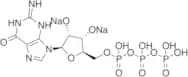
CAS:Controlled Product<p>Applications Guanosine-5'-triphosphate disodium salt (CAS# 56001-37-7) is a nucleotide used in the preparation of photoreactive GTP affinity probes, and in inhibitors of eukaryotic initiation factor eIF-4E.<br>References George Cisar, E. A.; J. Am. Chem. Soc., 135, 4676 (2013); Ghosh, P.; et al.: Bioorg. Med. Chem. Lett., 16, 750 (2006).<br></p>Formula:C10H14N5O14P3Na2Purity:~85%Color and Shape:NeatMolecular weight:567.14Sodium Methanethiolate-13C
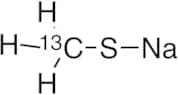
CAS:Controlled Product<p>Applications Sodium Methanethiolate-13C, is the labeled analogue of Sodium Methanethiolate (S644805), used as a nucleophile in organic synthesis. Sodium methanethiolate is also being used as a reagent to synthesize thiol-based suberoylanilide hydroxamic acid (SAHA) analogues, compounds that act as potent histone deacetylase inhibitors.<br>References Bergman, A. & Wachtmeister, Chemosphere, 7, 949 (1978); Suzuki, T.,et al.: Bioorg. Med. Chem. Lett., 14, 3313 (2004)<br></p>Formula:CH3NaSPurity:>90%Color and Shape:NeatMolecular weight:71.082Potassium Hydroxide (Semiconductor Grade)
CAS:Controlled Product<p>Applications Potassium Hydroxide is inorganic compound and strong base with many applications. It is used in the production of biodiesel. Potassium Hydroxide is also used in the manufacture of soaps.<br> Not a dangerous good if item is equal to or less than 1g/ml and there is less than 100g/ml in the package<br>References Nadarajan, R., Ismail, R.: J. Surfactants Deterg., 14, 463 (2011); Hajek, M., et al.: Fuel, 96, 85 (2012);<br></p>Formula:HKOColor and Shape:NeatMolecular weight:56.11Sodium monofluorophosphate
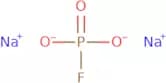
CAS:<p>Sodium monofluorophosphate is a salt that contains sodium cations and fluorine anions. It is used as an agent in the production of dental fillings, toothpaste, and other products. Sodium monofluorophosphate has been shown to inhibit the activity of serine proteases such as trypsin by interfering with their catalytic activity and binding to their active site. This agent has also been shown to react with p-nitrophenyl phosphate to form a fluorescent product, which can be detected at low concentrations. Sodium monofluorophosphate has a thermal expansion coefficient that is only slightly larger than those of water and glycerol, which makes it ideal for use in the production of dental fillings.</p>Formula:FNa2O3PPurity:Min. 95%Color and Shape:White PowderMolecular weight:143.95 g/molPotassium hexafluoronickelate(IV)
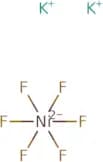
CAS:<p>Potassium hexafluoronickelate is a chemical compound that is a versatile building block and can be used as a reagent in organic synthesis. It is also an important intermediate for the preparation of other chemicals, such as potassium hexafluoroarsenate, which is used to make perfluorocarbons. Potassium hexafluoronickelate has many uses as a research chemical and as an intermediate in the production of other compounds. The compound has been shown to be useful in reactions involving carbon-carbon bond formation, such as the synthesis of heterocycles. Potassium hexafluoronickelate can also be used to produce metal complexes for use in catalysis or polymerization reactions.</p>Formula:F6K2NiPurity:Min. 95%Color and Shape:PowderMolecular weight:250.88 g/molSodium fluoride
CAS:Controlled Product<p>Sodium fluoride is a chemical that can be used to treat water and wastewater. It is an effective inhibitor of the growth of bacteria, fungi, and algae. The use of sodium fluoride improves the quality of drinking water by reducing levels of hydrogen ion and trihalomethanes (THMs). This chemical also has been shown to have beneficial effects in patients with inflammatory bowel disease. Sodium fluoride inhibits the activity of enzymes in mitochondria, which are responsible for converting food into energy. The inhibition leads to a decrease in the production of free radicals and reactive oxygen species, which may reduce oxidative stress in the body.</p>Formula:NaFPurity:Min. 95%Color and Shape:White PowderMolecular weight:41.99 g/molRef: 3D-FS29949
Discontinued productPotassium fluoroaluminate
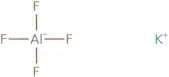
CAS:<p>Potassium fluoroaluminate (KAlF) is a reactive chemical compound that is used as a reducing agent in metallurgical processes. KAlF is not an aluminothermic reaction product, but it can be produced as a by-product of the reaction between aluminum and hydrogen fluoride. It is produced when potassium reacts with hydrogen fluoride in the presence of sodium carbonate or boron nitride. KAlF does not produce stable complexes with zinc or magnesium, but it does stabilize zirconium oxide to some extent. The human serum contains antibodies against KAlF particles, which may cause allergic reactions following inhalation or skin contact.</p>Formula:AlF4•KColor and Shape:PowderMolecular weight:142.07 g/molGlycolic Acid-13C Sodium Salt
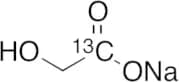
CAS:Controlled Product<p>Applications Glycolic Acid-13C Sodium Salt is the isotope labelled analog of Glycolic Acid Sodium Salt; a compound that increases the glycolate oxidase activity in the liver when fed to rats. It also increases the lactate dehydrogenase activity in the liver and kidney. This compound is suitable for lactate dehydrogenase (LDH) related research.<br>References Murthy M.S.R., et al.: Ann. Nutr. Metab., 27, 355 (1983)<br></p>Formula:CCH3NaO3Color and Shape:NeatMolecular weight:99.026Sodium Dibunate
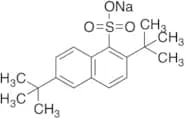
CAS:Controlled ProductFormula:C18H23O3S·NaColor and Shape:NeatMolecular weight:342.428Sodium nitrate
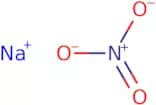
CAS:Controlled Product<p>Sodium nitrate is a versatile compound that possesses several unique characteristics. It is commonly used as a viscosity modifier in various applications, including activated cephalosporins and glucans. Additionally, sodium nitrate exhibits metallic properties and acts as an antibiotic, making it suitable for use in polymers and other controlled products. This compound also demonstrates inhibitory effects on serine protease activity and can be combined with α-tocopherol to enhance its emission properties. Furthermore, sodium nitrate has been utilized in the production of alkaloids and as an electrode material in potassium-based systems. Its wide range of applications makes sodium nitrate a valuable ingredient in various industries.</p>Formula:NaNO3Purity:Min. 95%Molecular weight:84.99 g/molRef: 3D-FS47121
Discontinued productBarium selenite
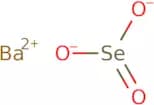
CAS:<p>A barium selenite molecule has a diameter of about 3.5 nm. It is a polyvinyl compound that contains a hydroxyl group and a selenium compound, which is composed of two hydroxy groups (OH-). Barium selenite can be used in the detection and treatment of cancer cells, as well as degenerative diseases. The chemical species may be detected by plasma mass spectrometry. This molecule has an aluminium ion with a redox potential of +1.5 V.</p>Formula:BaO3SePurity:Min. 95%Molecular weight:264.29 g/mol