APIs for research and impurities
Subcategories of "APIs for research and impurities"
- Aminoacids and derivatives(12,319 products)
- Anthraquinones and derivatives(402 products)
- Benzimidazole and Imidazole Derivatives(10,389 products)
- Benzodiazepine Derivatives(326 products)
- Carbohydrates and glycoconjugates(5,046 products)
- Esters and Derivatives(42,242 products)
- Fatty Acids and Lypidic Derivatives(32,371 products)
- Flavonoids and Polyphenols(17,073 products)
- Free Radicals and Oxidant/Reducing Agents(211 products)
- Ketones and derivatives(2,398 products)
- Natural and semi-synthetic antibiotics(6,321 products)
- Nitriles and Cyano Derivatives(3,068 products)
- Nitrosamines and Derivatives(55 products)
- Nucleosides and Nucleotides(3,441 products)
- Organic Phosphates and Phosphonates(1,193 products)
- Organic Sulphonates and Sulphates(10,418 products)
- Organometallics(4,417 products)
- Others(6,270 products)
- Peptides and Proteins(3,132 products)
- Polymers and Derivatives(99 products)
- Purines and Pyrimidine Derivatives(8,895 products)
- Quinazoline and Quinoline Derivatives(65,667 products)
- Quinones and Derivatives(24,338 products)
- Salts and Derivatives of Active Pharmaceutical Ingredients (API)(81,323 products)
- Steroids and Derivatives(4,922 products)
- Sulfonamides and Derivatives(2,562 products)
- Terpenoids and Derivatives(3,833 products)
- Thiazolidinediones and Thiopyrans(2,752 products)
- β-Adrenergic Compounds(227 products)
Found 58693 products of "APIs for research and impurities"
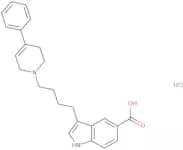
Carmoxirole hydrochloride
CAS:Carmoxirole hydrochloride is a hypoglycemic agent that is used in the treatment of type II diabetes. It is an analog of pergolide mesylate, which is a dopamine receptor agonist and has been shown to cause carcinogenesis in laboratory animals. Carmoxirole hydrochloride is synthesized from the reaction of 3-hydroxy-2-quinuclidinyl benzilate with chloroacetaldehyde, followed by hydrolysis of the ester linkages with hydrochloric acid. It has a particle size of less than 10 μm and exhibits high lipophilicity as it passes through cell membranes and into the intracellular fluid. The drug acts on all types of receptors, including alpha 1-, alpha 2-, beta 1-, beta 2-, and dopaminergic receptors.
Formula:C24H27ClN2O2Purity:Min. 95%Molecular weight:410.9 g/molRef: 3D-QEA09285
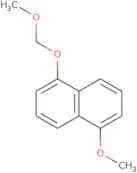
Discontinued product1-Methoxy-5-(methoxymethoxy)-naphthalene
CAS:Please enquire for more information about 1-Methoxy-5-(methoxymethoxy)-naphthalene including the price, delivery time and more detailed product information at the technical inquiry form on this page
Formula:C13H14O3Purity:Min. 95%Molecular weight:218.25 g/molRef: 3D-DDA17648
Discontinued product2-[4-(Dimethylamino)-1-(2-methylphenyl)butyl]-phenol
CAS:Please enquire for more information about 2-[4-(Dimethylamino)-1-(2-methylphenyl)butyl]-phenol including the price, delivery time and more detailed product information at the technical inquiry form on this page
Formula:C19H25NOPurity:Min. 95%Molecular weight:283.4 g/molRef: 3D-UDA43254
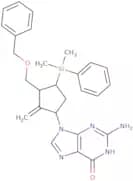
Discontinued product6-o-Benzyl-4-dehydroxy-4-dimethylphenylsilyl entecavir
CAS:6-o-Benzyl-4-dehydroxy-4-dimethylphenylsilyl entecavir is a synthetic drug product with an API impurity. It's an analytical standard for the metabolite 6-o-benzylidene-4,6-didehydroentecavir (CAS 649761-24-0), which is a natural metabolite of entecavir. The impurity standard is used in research and development to study the drug product's metabolism and to ensure that it meets pharmacopeia standards.Formula:C27H31N5O2SiPurity:Min. 95%Molecular weight:485.7 g/molRef: 3D-ZAB76124
Discontinued product4-Hydoxymethyl-5-methylimidazol
CAS:4-Hydroxymethyl-5-methylimidazol (HMMI) is a corrosion inhibitor that is used in the production of nanomaterials. It has been shown to be an effective treatment for wastewater containing hydrochloric acid and organic solvents. The reaction between HMMI and the acids in wastewater forms a complex that prevents the corrosion of metal surfaces. HMMI can be synthesized by reacting aesculus with formaldehyde in an organic solvent, such as acetone or chloroform, at room temperature. HMMI has also been shown to have antiviral potency and is used in skin care products, such as lotions and shampoos, due to its ability to penetrate the skin barrier. Magnetic resonance spectroscopy (MRS) was used to study the effect of HMMI on skin cells, while electrochemical methods were used to investigate how it inhibits viral activity.
Formula:C5H8N2OPurity:Min. 95%Molecular weight:112.13 g/molRef: 3D-IH58266
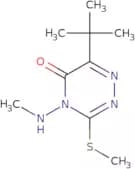
Discontinued productN-Methyl metribuzin
CAS:N-Methyl metribuzin is a drug product that belongs to the class of organic compounds known as phenylureas. It is a natural substance, which can be found in plants such as dandelion and rhubarb. Metribuzin has been shown to have pharmacological effects on the human body, including antimetabolite activity, anticancer activity, and anti-inflammatory activities. Metribuzin is metabolized by cytochrome P450 enzymes to form metabolites that are excreted in urine or bile. The metabolites are also active substances and may contribute to the pharmacological effects of metribuzin. Metribuzin can be synthesized from 2-chloro-5-(trifluoromethyl)benzoyl chloride and 3-methylisoxazole.
Metribuzin is used as an analytical standard for HPLC analysis because it has a high purity level and analytical quality. It is also used inFormula:C9H16N4OSPurity:Min. 95%Color and Shape:PowderMolecular weight:228.32 g/molRef: 3D-GCA74245
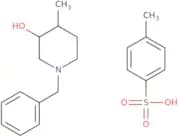
Discontinued product1-Benzyl-4-methylpiperidin-3-ol 4-methylbenzenesulfonate
CAS:Please enquire for more information about 1-Benzyl-4-methylpiperidin-3-ol 4-methylbenzenesulfonate including the price, delivery time and more detailed product information at the technical inquiry form on this page
Formula:C20H27NO4SPurity:Min. 95%Molecular weight:377.5 g/molRef: 3D-TUA04020
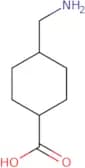
Discontinued producttrans-4-(Aminomethyl)cyclohexanecarboxylic acid
CAS:Trans-4-(aminomethyl)cyclohexanecarboxylic acid (AMCA) is a histamine antagonist that is used to treat bowel disease. It may also be useful for the treatment of other inflammatory diseases and as an anticoagulant. AMCA has been shown to be safe and effective for the prevention of postoperative bleeding in patients who are undergoing major surgery. This drug is a potent inhibitor of platelet aggregation, but does not affect the function of erythrocytes or leukocytes. AMCA inhibits platelet aggregation by blocking the binding of adenosine diphosphate (ADP) to its receptor on platelets, thus inhibiting ADP-mediated activation of phospholipase A2 and arachidonic acid release from membranes. An increase in blood levels of AMCA may lead to cardiac toxicity and bleeding events.
Formula:C8H15NO2Purity:Min. 95%Molecular weight:157.21 g/molRef: 3D-IA71533
Discontinued product6-Desmethyl-6-methylhydroxy etoricoxib N1-oxide
CAS:6-Desmethyl-6-methylhydroxy etoricoxib N1-oxide is a high purity drug product. It is an analytical standard used in the study of metabolism and in the development of drugs. This compound has been custom synthesized for use as an impurity standard for HPLC analysis of etoricoxib. 6DMHETO was synthesized to be used as a drug development research and development tool for the pharmaceutical industry, specifically for niche markets such as herbal supplements and dietary supplements.
Formula:C18H15ClN2O4SPurity:Min. 95%Molecular weight:390.80 g/molRef: 3D-VXA39408
Discontinued product11-[3-(Dimethylamino)propyl]-6,11-dihydrodibenz[b,e]oxepin-11-ol
CAS:Dispersants are substances that are used to break up and disperse particles in a liquid. The dispersant 11-[3-(dimethylamino)propyl]-6,11-dihydrodibenz[b,e]oxepin-11-ol is an active substance that is used in the production of granules, tablets or other solidified forms of medicaments. It is a substance that has a physiologically active effect on humans and animals. This product can be applied as droplets or particles.
Formula:C19H23NO2Purity:Min. 95%Color and Shape:PowderMolecular weight:297.39 g/molRef: 3D-ID45253
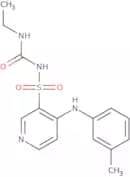
Discontinued productTorasemide EP Impurity C
CAS:Torasemide EP Impurity C is a drug product that is used as an analytical standard in the metabolism studies of torasemide. Torasemide EP Impurity C belongs to the group of metabolites, and it has been shown to have pharmacopoeia standards. Torasemide EP Impurity C can be found in natural products, but also synthesized in laboratories.
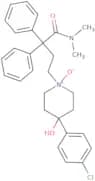
Formula:C15H18N4O3SPurity:Min. 95%Molecular weight:334.39 g/molLoperamide N-oxide
CAS:Loperamide N-oxide is an analog of loperamide, which is commonly used as an anti-diarrheal medication. It has been shown to have potential anti-cancer properties by inducing apoptosis in cancer cells. Loperamide N-oxide has also been detected in urine samples from Chinese individuals, indicating its potential use as a biomarker for cancer diagnosis. This compound has been found to inhibit trypsin-like kinases, which are enzymes involved in cell division and proliferation. In addition, loperamide N-oxide has been shown to inhibit the growth of tumor cells and may have potential as a therapeutic agent for cancer treatment. However, it should be noted that rifampicin and other inhibitors can reduce the effectiveness of loperamide N-oxide against cancer cells. Further research is needed to fully understand the potential benefits and limitations of this compound.
Formula:C29H33ClN2O3Purity:Min. 95%Molecular weight:493 g/molRef: 3D-SIA47103
Discontinued productOrnidazole-hydroxy
CAS:Ornidazole-hydroxy is a drug product that is manufactured using HPLC. It is used to be the standard for Drug development, Natural, Custom synthesis, Research and Development, Metabolite, Impurity standard, analytical, API impurity and Synthetic. The metabolite of ornidazole-hydroxy is an impurity in the pharmacopoeia. Ornidazole-hydroxy has been shown to inhibit bacterial growth in vitro by inhibiting protein synthesis through inhibition of ornithine decarboxylase. Ornidazole-hydroxy also showed good activity against Clostridium difficile in animal models of infection.
Formula:C7H10ClN3O4Purity:Min. 95%Molecular weight:235.62 g/molRef: 3D-MCA58079
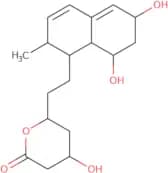
Discontinued productPravastatin diol lactone
CAS:Pravastatin diol lactone is a lipase inhibitor that prevents the hydrolysis of triglycerides in the intestines. It also inhibits the synthesis of cholesterol by inhibiting hydroxymethylglutaryl-coenzyme A (HMG-CoA) reductase. Pravastatin diol lactone has been shown to be effective in reducing serum cholesterol levels in animal models and inhibiting esterification of cholesterol by preventing the conversion of HMG-CoA to mevalonic acid, which is an important step in the synthesis of cholesterol. Pravastatin diol lactone is a polyketide that was discovered from a fungus and chemically altered to produce this drug.
Formula:C18H26O5Purity:Min. 95%Molecular weight:322.4 g/molRef: 3D-JGA34593
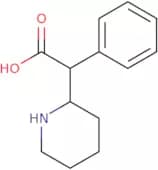
Discontinued productDL-threo-Ritalinic acid
CAS:Controlled ProductDL-threo-Ritalinic Acid is a dopamine receptor agonist that has been shown to be effective in treating hyperactivity, or attention deficit disorder (ADHD). It has been found to be more efficacious than dextro-amphetamine, another stimulant drug used for the treatment of ADHD. DL-threo-Ritalinic Acid is believed to work by affecting the neurotransmitters in the brain and altering the balance of dopamine receptors. In a two-way crossover study, preschool children were given either 0.5mg/kg of DL-threo-Ritalinic Acid or placebo for three days. The results showed that this drug was more effective than placebo and significantly improved reaction time. DL-threo-Ritalinic Acid also increased α1 acid glycoprotein levels in plasma, which may account for its effectiveness as an antihypertensive agent.
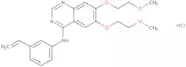
Formula:C13H17NO2Purity:Min. 95%Molecular weight:219.28 g/molErlotinib-3-vinyl hydrochloride
CAS:Erlotinib-3-vinyl hydrochloride is a drug product that is used in the treatment of cancer, including non-small cell lung cancer. It is an impurity standard for HPLC and analytical testing. Erlotinib-3-vinyl hydrochloride is also used as an API impurity and metabolite in metabolism studies. Erlotinib-3-vinyl hydrochloride can be synthesized from 4-(4'-vinylphenoxy)butanal, which is a natural compound obtained from plants like apple trees. This synthetic process can be done by the reduction of 4-(4'-vinylphenoxy)butanal with sodium borohydride, followed by reaction with vinyl chloride. The compound is also found as a metabolite in humans after oral administration of erlotinib, which has been shown to inhibit protein synthesis and DNA synthesis.
Formula:C22H26ClN3O4Purity:Min. 95%Molecular weight:431.9 g/molRef: 3D-ZPC29438
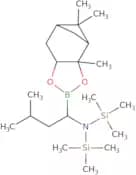
Discontinued productBortezomib impurity 76
CAS:Bortezomib impurity 76 is an analytical reference material that is used in the development and production of pharmaceuticals. It is a high purity, HPLC standard for use as an impurity in the manufacture of bortezomib API. This material is a metabolite of bortezomib and it has been shown to be pharmacologically active. Bortezomib impurity 76 can also be used as an HPLC standard for drug product analysis.
Formula:C21H44BNO2Si2Purity:Min. 95%Color and Shape:PowderMolecular weight:409.56 g/molRef: 3D-IB181070
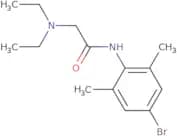
Discontinued product4'-Bromo-2-(diethylamino)-2',6'-acetoxylidide
CAS:Please enquire for more information about 4'-Bromo-2-(diethylamino)-2',6'-acetoxylidide including the price, delivery time and more detailed product information at the technical inquiry form on this page
Formula:C14H21BrN2OPurity:Min. 95%Molecular weight:313.23 g/molCervicarcin
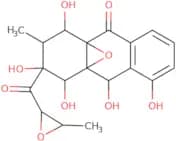
CAS:Cervicarcin is a potent inhibitor of human kinases and a promising analog for the treatment of tumors. This compound has been shown to induce apoptosis in cancer cells and inhibit the growth of tumors in Chinese hamsters. Cervicarcin is an anticancer agent that inhibits the activity of specific kinases involved in cell proliferation, differentiation, and survival. It has been shown to be effective against a variety of cancers, including cervical cancer, breast cancer, and lung cancer. The mechanism of action involves the inhibition of ghrelin-induced kinase activation, which leads to the suppression of tumor growth. Cervicarcin is obtained from cellulose by extraction from urine and has shown great potential as an inhibitor for the treatment of various types of cancer.
Formula:C19H20O9Purity:Min. 95%Molecular weight:392.4 g/molRef: 3D-TAA70078
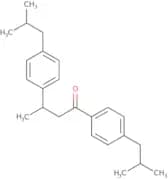
Discontinued productIbuprofen EP impurity H
CAS:Ibuprofen EP impurity H is an impurity of ibuprofen. It is a white crystalline powder with a melting point of 182-184°C and a molecular weight of 253.3. Ibuprofen EP impurity H can be synthesized in high purity by reacting 4-bromobenzenesulfonyl chloride with 2-hydroxybenzoic acid in the presence of triethylamine. This impurity has been used as a standard for drug product analysis, pharmacopoeia standards, drug development, and metabolism studies. Ibuprofen EP impurity H can be identified by HPLC using a retention time of 17.2 minutes and an UV absorption maximum at 254 nm.
Formula:C24H32OPurity:Min. 95%Molecular weight:336.51 g/mol1,4-Bis[(tetrahydro-2-furanyl)carbonyl]-piperazine
CAS:1,4-Bis[(tetrahydro-2-furanyl)carbonyl]-piperazine is a synthetic drug product. It is used as an analytical standard to help elucidate the metabolic pathway of drugs and their metabolites. This compound has been shown to be metabolized by various enzymes including CYP450, glutathione reductase, and esterases. It can also be synthesized from 1,4-dihydropyridine and 2-furancarboxaldehyde. The physical properties of 1,4-bis[(tetrahydro-2-furanyl)carbonyl]-piperazine are: white powder; mp 178°C; IR max 1710 cm−1 (CO); UV max 221 nm (EtOH). The impurities in this product are: 1-(2H)-Quinolinone (CAS No. 2467-94-1) which may have a maximum concentration
Formula:C14H22N2O4Purity:Min. 95%Molecular weight:282.34 g/molMoexipril diketopiperazine
CAS:Moexipril diketopiperazine is a drug product that is custom synthesized in a high purity and analytical grade. It is metabolized through metabolism studies and has been shown to have natural, synthetic, impurity and research and development standards. Moexipril diketopiperazine has CAS No. 103733-51-3. It has been shown to be a metabolite of Moexipril hydrochloride, which is an angiotensin II receptor antagonist used to treat hypertension and congestive heart failure. This product is also used as a standard for HPLC analysis.
Formula:C27H32N2O6Purity:Min. 95%Molecular weight:480.6 g/molRef: 3D-DEA73351
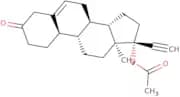
Discontinued productNorethindrone acetate impurity
CAS:Norethindrone acetate impurity is a drug product that is used in the development and research of drugs. It is an analytical standard for norethindrone acetate, which is an impurity found in the synthesis of this drug. Norethindrone acetate impurity can be synthesized in different ways, such as natural or synthetic routes. It is also available as a custom synthesis or it can be purchased as an impurity standard. This compound's CAS number is 1175129-26-6 and it has a purity level of 99%.
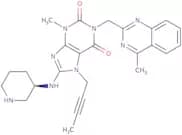
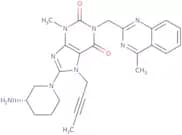
Formula:C22H28O3Purity:Min. 95%Color and Shape:PowderMolecular weight:340.46 g/molLinagliptin impurity E
CAS:Controlled ProductLinagliptin impurity E is a metabolite of the drug Linagliptin. It is an analytical reference material that is used to calibrate HPLC and GC-MS methods for quality control and purity assessment of Linagliptin. This impurity standard is also used for metabolism studies.
Formula:C25H28N8O2Purity:Min. 95%Molecular weight:472.54 g/molRef: 3D-IB106310
Discontinued productDuloxetine phenyl carbamate
CAS:Duloxetine is a drug product that belongs to the class of drugs known as selective serotonin and norepinephrine reuptake inhibitors. Duloxetine is a metabolite of duloxetine phenyl carbamate, which is an impurity standard for HPLC analysis. Duloxetine has been shown to inhibit the metabolism of serotonin and norepinephrine in the brain, leading to increased amounts of these neurotransmitters. This medication has been studied in niche populations such as those with depression and diabetic neuropathy. Duloxetine also has high purity standards, meeting the requirements of pharmacopoeia.
Formula:C25H23NO3SPurity:Min. 95%Molecular weight:417.50 g/molRef: 3D-XMB68609
Discontinued productLysolecithin
CAS:Lysolecithin is an analog of the phospholipid lecithin that has been shown to have anticancer properties. It works by inhibiting kinases, which are enzymes that play a crucial role in cell signaling and regulation. Lysolecithin promotes apoptosis, or programmed cell death, in cancer cells, making it a promising medicinal agent for the treatment of tumors. Studies have also shown that lysolecithin can inhibit protein kinase activity in human urine and inhibit the growth of cancer cells in Chinese hamsters. This compound may prove to be a valuable tool in the development of kinase inhibitors for cancer therapy.
Formula:C24H50NO7PPurity:Min. 95%Molecular weight:495.6 g/molRef: 3D-PAA86327
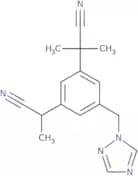
Discontinued productAlpha-Desmethyl anastrozole
CAS:Alpha-Desmethyl anastrozole is a synthetic chemical that has been used as an impurity standard for the drug product, Anastrozole (Arimidex). This compound is metabolized in humans and is a metabolite of Arimidex. Alpha-Desmethyl anastrozole exhibits high purity and can be synthesized using custom synthesis. The CAS number for this compound is 1215780-15-6.
Formula:C16H17N5Purity:Min. 95%Molecular weight:279.34 g/molRef: 3D-ID21236
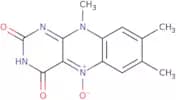
Discontinued productLumiflavin 5-oxide
CAS:Lumiflavin 5-oxide is a metabolite of lumiflavin. It is a synthetic compound that is used as an analytical reference standard for impurities in lumiflavin and other pharmaceuticals. Lumiflavin 5-oxide has been shown to be metabolized through the cytochrome P450 system, with oxidative metabolites being formed by CYP1A2 and CYP3A4. Lumiflavin 5-oxide has also been shown to be a competitive inhibitor of NAD+-dependent enzymes such as glycerol kinase, phosphofructokinase, lactate dehydrogenase, alcohol dehydrogenase, and glucose 6-phosphate dehydrogenase.
Formula:C13H12N4O3Purity:Min. 95%Molecular weight:272.26 g/molRef: 3D-LBA99593
Discontinued product2-[[4-(2-Pyridylsulfamoyl)phenyl]azo]hydroxybenzene
CAS:2-[[4-(2-Pyridylsulfamoyl)phenyl]azo]hydroxybenzene is an impurity found in sulfasalazine. It is a metabolite that is formed by the P450 system in the liver. The metabolic process of 2-[[4-(2-Pyridylsulfamoyl)phenyl]azo]hydroxybenzene has been studied in detail and has been shown to be a major contributor to the pharmacokinetic profile of sulfasalazine. This substance also exhibits antimicrobial activity and inhibits the growth of bacteria, fungi, and viruses.
Formula:C17H14N4O3SPurity:Min. 95%Molecular weight:354.38 g/molRef: 3D-IP27340
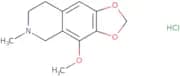
Discontinued productHydrocotarnine hydrochloride
CAS:Hydrocotarnine hydrochloride is a medicinal compound that has been found to have anticancer properties. It is an inhibitor of protein kinases, which are enzymes that play a key role in regulating cell cycle progression and apoptosis. Hydrocotarnine hydrochloride has been shown to induce apoptosis in cancer cells, making it a promising candidate for the development of novel cancer therapies. This compound has also been identified as a potential inhibitor of tumor growth in Chinese medicine. In vitro studies have demonstrated that hydrocotarnine hydrochloride inhibits the proliferation of various cancer cell lines, suggesting its potential as a therapeutic agent for the treatment of cancer.
Formula:C12H16ClNO3Purity:Min. 95%Molecular weight:257.71 g/molRef: 3D-FAA98555
Discontinued productFR900359
CAS:FR900359 is a drug product that is custom synthesized and characterized. It has a purity of 99% and CAS No. 107530-18-7. This product is used in metabolism studies, natural drug development, pharmacopoeia, and research and development. The impurity standard for this product is HPLC standard.
Formula:C49H75N7O15Purity:Min. 95%Molecular weight:1,002.20 g/molRef: 3D-HEA53018
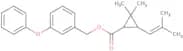
Discontinued product(+)-Cis-phenothrin
CAS:Cis-phenothrin is a carbamate insecticide that is used in agriculture, public health, and veterinary medicine. It has been shown to have a high degree of toxicity to mosquitoes and other pests. Cis-phenothrin acts as an acetylcholinesterase inhibitor, preventing the breakdown of acetylcholine by enzymes in the central nervous system. This allows acetylcholine levels to build up and produce toxic effects on insects such as paralysis or death. Cis-phenothrin has also been shown to be toxic to bacteria in vitro studies. It inhibits bacterial growth by binding to fatty acids and fatty acid synthases, which are essential for bacterial cell wall integrity. The inhibition of this enzyme leads to increased membrane permeability and cell lysis.
Formula:C23H26O3Purity:Min. 95%Molecular weight:350.4 g/molRef: 3D-BCA18688
Discontinued productN-Isopropylnoradrenochrome
CAS:N-Isopropylnoradrenochrome is used as a fluorescent substrate for hydroxylamine. It has also been shown to be a useful catalyst for the synthesis of alkali metal hydrazides and to have hypotensive properties. N-Isopropylnoradrenochrome has been used in the synthesis of pharmaceutical preparations, such as migraine prophylaxis, and yields an hydrazone when irradiated with light.
Formula:C11H13NO3Purity:Min. 95%Molecular weight:207.23 g/molRef: 3D-DAA73631
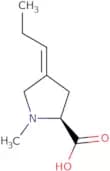
Discontinued product(trans)-4-Propyl-1-methyl-L-proline
CAS:(trans)-4-Propyl-1-methyl-L-proline is a synthetic compound that has been used in the past as an impurity standard in the synthesis of several drugs, including metaxalone and aminopyrine. It is also found to have pharmacological effects on its own and was used as a drug product for the treatment of rheumatoid arthritis. (trans)-4-Propyl-1-methyl-L-proline is not listed in any pharmacopoeia or international list of approved drugs.
Formula:C9H17NO2Purity:Min. 95%Color and Shape:White/Off-White SolidMolecular weight:171.24 g/molRef: 3D-FP27224
Discontinued product(2S,2R,Trans)-saxagliptin
CAS:(2S,2R,Trans)-saxagliptin is an analytical standard that is used in the development of drug products. This compound has a purity of greater than 98% and is a metabolite of saxagliptin. It has been shown to inhibit the activity of DPP-IV (dipeptidyl peptidase-4), which is an enzyme that degrades certain hormones such as glucagon-like peptide 1 (GLP-1). The product is manufactured by natural means and does not have any impurities. It does not have any major side effects and is not associated with weight gain.
Formula:C18H25N3O2Purity:Min. 95%Molecular weight:315.40 g/molRef: 3D-PMC26600
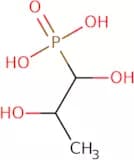
Discontinued productL(+)-2-Amino-5-phosphonovaleric acid
CAS:L-2-Amino-5-phosphonovaleric acid is an inhibitory neurotransmitter that binds to the GABAA receptor. It is used in the treatment of bladder disorders, such as urinary frequency, urgency, and incontinence. L-2-Amino-5-phosphonovaleric acid has been shown to have a depressant effect on the central nervous system and can cause symptoms such as nausea, vomiting, and headache. This drug also has antimicrobial properties due to its ability to inhibit bacterial enzyme activities. L-2-Amino-5-phosphonovaleric acid blocks glutamate receptors in mouse hippocampal cells by binding the alpha1 subunit of the GABAA receptor. This prevents the influx of calcium ions into cells and inhibits phosphorylation of protein kinase C. L(+)-2-Amino-5-phosphonovaleric acid also inhibits pentosan polysulfate sodium,
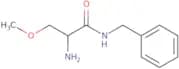
Formula:C5H12NO5PPurity:Min. 95%Molecular weight:197.13 g/mol(2S)-2-Amino-3-methoxy-N-(phenylmethyl)propanamide
CAS:Please enquire for more information about (2S)-2-Amino-3-methoxy-N-(phenylmethyl)propanamide including the price, delivery time and more detailed product information at the technical inquiry form on this page
Formula:C11H16N2O2Purity:Min. 95%Molecular weight:208.26 g/molRef: 3D-ZTA53478
Discontinued productCPI 0610
CAS:CPI 0610 is a medicinal compound that acts as a potent inhibitor of protein phosphorylation. It has been shown to inhibit the cell cycle and promote apoptosis in Chinese hamster ovary cells. CPI 0610 is an effective inhibitor of kinase activity in cancer cells, leading to decreased tumor growth and increased survival rates. In preclinical studies, CPI 0610 has demonstrated efficacy against a wide range of cancers, including breast, prostate, and lung cancer. This inhibitor has also been shown to be effective in human cancer cell lines, making it a promising candidate for future cancer therapies.
Formula:C20H18ClN3O3Purity:Min. 95%Molecular weight:383.8 g/molRef: 3D-VYC72614
Discontinued productWay 629 hydrochloride
CAS:Way 629 hydrochloride is a chemical compound that belongs to the class of synthetic, pharmacopoeia and drug development. It is used as an impurity standard and a custom synthesis. Way 629 hydrochloride is also used in the study of metabolism. This compound has been shown to be metabolized by cytochrome P450 enzymes, glucuronidases, glutathione reductase, or conjugation with glucuronic acid.
Formula:C15H19ClN2Purity:Min. 95%Molecular weight:262.78 g/molRef: 3D-HCA75644
Discontinued producttert-Butyl 4-(4-amino-6,7-dimethoxyquinazolin-2-yl)piperazine-1-carboxylate
CAS:tert-Butyl 4-(4-amino-6,7-dimethoxyquinazolin-2-yl)piperazine-1-carboxylate is an impurity that is found in the production of tert-butyl 4-(4,5,6,7,8,9,10-hexahydrobenzo[a]pyrido[1,2:4,3]triazin-2(3H)-yl)piperazine-1 carboxylate. It has been used as a reference standard for HPLC. This compound is not active when administered orally and does not exhibit any pharmacological activity.Formula:C19H27N5O4Purity:Min. 95%Molecular weight:389.4 g/molRef: 3D-KAC93966
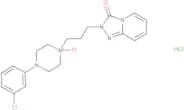
Discontinued productTrazodone Impurity A
CAS:Trazodone Impurity A is a drug product that is an impurity standard for Trazodone. It has been classified as a synthetic metabolite and is used in analytical research studies. Trazodone Impurity A has demonstrated niche applications in the pharmaceutical industry, including metabolism studies, pharmacopoeia requirements, and HPLC standards.
Formula:C19H22ClN5OPurity:Min. 95%Molecular weight:371.86 g/molCarfilzomib (2R,4S)-diol
CAS:Carfilzomib is a drug product that belongs to the class of drugs called proteasome inhibitors. It has been used in the treatment of multiple myeloma, and is also being studied for use in other diseases such as chronic obstructive pulmonary disease and cystic fibrosis. Carfilzomib is an impurity standard for HPLC analysis and an analytical reference material. It is also used as a pharmacopoeia reference material. Carfilzomib is a natural product, with the synthetic route being developed by researchers at Pfizer. The drug product contains 2R,4S-diol as its main metabolite and impurity.
Formula:C40H59N5O8Purity:Min. 95%Molecular weight:737.90 g/molRef: 3D-RLC17275
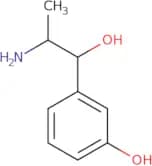
Discontinued product(1R,2R)-1-(M-Hydroxyphenyl)-2-amino-1-propanol
CAS:Controlled ProductPlease enquire for more information about (1R,2R)-1-(M-Hydroxyphenyl)-2-amino-1-propanol including the price, delivery time and more detailed product information at the technical inquiry form on this page
Formula:C9H13NO2Purity:Min. 95%Molecular weight:167.2 g/molRef: 3D-WAA48043
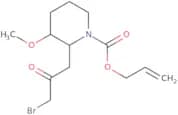
Discontinued productAlloc bromoridane
CAS:Alloc bromoridane is a drug product that contains the active ingredient bromoridane. Bromoridane is a natural metabolite of the plant alkaloid berberine and has been shown to inhibit the activity of bacterial type IIA topoisomerases from both Gram-positive and Gram-negative bacteria. The chemical name for Alloc bromoridane is 2-[2-(4-bromobenzoyl)phenyl]dihydropyrimidine, and it has CAS number 117348-70-6. Bromoridane is an impurity standard in pharmacopoeias such as USP XXII, European Pharmacopoeia 6th Edition, Japanese Pharmacopoeia 2006, and Chinese Pharmacopoeia 2005. Alloc bromoridane is used in research and development for pharmaceuticals or as an analytical reference material.
Formula:C13H20BrNO4Purity:Min. 95%Molecular weight:334.21 g/molRef: 3D-SEA34870
Discontinued productPravastatin 6-oxo Impurity
CAS:Pravastatin 6-oxo Impurity is an impurity of Pravastatin, a drug used in the treatment of high cholesterol. The impurity has been identified through analytical methods and is characterized by HPLC analysis. This substance has been shown to be present in at least 0.1% of the drug product and may be present as a result of incomplete synthesis or a side-reaction during synthesis.
Formula:C23H34O7Purity:Min. 95%Molecular weight:422.51 g/molPseudomonic acid D sodium
CAS:Pseudomonic acid D sodium is a drug product that is used for the development of novel drugs. It is a natural metabolite of pseudomonic acid A, which is found in the fungus Pseudomonas sp. Pseudomonic acid D sodium is used as an analytical standard to aid in the identification of pseudomonic acid A and its metabolites. Pseudomonic acid D sodium can be synthesized by reacting 2-chloro-4-nitrobenzene with sodium bisulfate. The synthesis proceeds through a sequence of three reactions, namely nucleophilic substitution, electrophilic substitution, and hydrolysis. The structure of pseudomonic acid D sodium has been confirmed using nuclear magnetic resonance spectroscopy (NMR) and mass spectrometry (MS).
Formula:C26H41NaO9Purity:90%MinMolecular weight:520.59 g/molPyrrolo[1,2-f][1,2,4]triazin-4-amine
CAS:Pyrrolo[1,2-f][1,2,4]triazin-4-amine is a small molecule that inhibits the proliferation of leukemia cells as well as other tumor cells. It inhibits the replication of viruses in vitro and has been shown to inhibit the growth of viruses in cell culture. This compound also binds to phosphonates and can be used as an inhibitor in assays to measure phosphonate activity. Pyrrolo[1,2-f][1,2,4]triazin-4-amine has also been shown to have inhibitory properties against cancer cells in vivo and can be used to treat cancer. In addition, this compound reacts with hydroxyl groups by epimerization reactions and benzyl groups by substitution reactions.
Formula:C6H6N4Purity:Min. 95%Color and Shape:Off-White PowderMolecular weight:134.14 g/molRef: 3D-FP55646
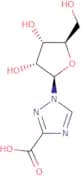
Discontinued product1-b-D-Ribofuranosyl-1,2,4-triazole-3-carboxylic acid
CAS:1-b-D-Ribofuranosyl-1,2,4-triazole-3-carboxylic acid (1bRT) is an amide that inhibits the growth of viruses by inhibiting the viral enzyme thiosemicarbazide. It has been shown to be active against specific viruses such as HIV and retroviruses. 1bRT is used to treat lung diseases caused by viruses, including bronchiolitis, pneumonia, and pulmonary fibrosis. It also has antibacterial properties. Studies have shown that 1bRT reduces the number of bacteria in body fluids and helps to prevent respiratory infections and other bacterial infections in people with weakened immune systems due to AIDS or cancer treatment.
Formula:C8H11N3O5Purity:Min. 95%Molecular weight:229.19 g/molRef: 3D-IR138822
Discontinued productDiltiazem EP Impurity H
CAS:Diltiazem EP Impurity H is a metabolite of diltiazem that is used as an impurity standard for the drug product. Diltiazem EP Impurity H has a purity level of 99% and is soluble in water. It is synthesized by reacting diltiazem with nitric acid, then hydrolyzing the product to form the desired compound. Diltiazem EP Impurity H can be used as an analytical reference material or a pharmacopoeia for HPLC standards.
Diltiazem EP Impurity H is a metabolite of diltiazem that is used as an impurity standard for the drug product. Diltiazem EP Impurity H has a purity level of 99% and is soluble in water. It is synthesized by reacting diltiazem with nitric acid, then hydrolyzing the product to form the desired compound. Diltiazem EP Impurity H can be used as an analytical reference materialFormula:C17H18N2O3SPurity:Min. 95%Molecular weight:330.4 g/molTiotropium EP Impurity I
CAS:Tiotropium EP Impurity I is an impurity found in the API, Tiotropium EP. It is a natural product that is synthesized by chemical synthesis. The synthetic purity of Tiotropium EP Impurity I is high and complies with pharmacopoeia guidelines. This impurity can be used as a standard to test the quality of other products or to research the metabolism of Tiotropium EP.
Formula:C19H22BrNO4S2Purity:Min. 95%Molecular weight:472.40 g/molRef: 3D-LFA52148
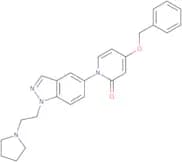
Discontinued productMch-1 antagonist 1
CAS:Mch-1 antagonist 1 is a drug product that is custom synthesized and is available in high purity. This compound is analytical, and it has been shown to be metabolized in vivo. Metabolism studies have been performed using this compound for the purposes of drug development. CAS No. 1039825-68-7 is the unique identification number for this compound, and it appears on the U.S. Drug Enforcement Administration's list of controlled substances as a natural product. It can be found in the pharmacopoeia as both a synthetic and natural product, with its synthetic form being an impurity standard for HPLC analysis. Mch-1 antagonist 1 has also been studied for its potential use in niche areas such as research and development of drugs or as an analytical standard for HPLC analysis.
Formula:C25H26N4O2Purity:Min. 95%Molecular weight:414.5 g/molRef: 3D-PRB82568
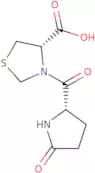
Discontinued product(S)-3-((S)-5-Oxopyrrolidine-2-carbonyl)thiazolidine-4-carboxylic acid
CAS:(S)-3-((S)-5-Oxopyrrolidine-2-carbonyl)thiazolidine-4-carboxylic acid is a synthetic compound that is used as an impurity standard for HPLC. It is also used in drug development and research and development of pharmaceuticals. This product was made through custom synthesis and is not natural.
Formula:C9H12N2O4SPurity:Min. 95%Molecular weight:244.27 g/molRef: 3D-IO145580
Discontinued productFosfomycin trometamol EP impurity A disodium
CAS:Fosfomycin trometamol EP impurity A disodium is a research and development impurity standard. It is a custom synthesis that is used as a drug product, synthetic, high purity, pharmacopoeia, drug development, metabolite, niche, analytical and natural. Fosfomycin trometamol EP impurity A disodium has been shown to have an HPLC standard and CAS No. 84954-80-3(free base).
Purity:Min. 95%Ref: 3D-IF181157
Discontinued productN-Methyl formoterol fumarate
CAS:N-Methyl formoterol fumarate is a drug product for the treatment of asthma and chronic obstructive pulmonary disease. It is a synthetic drug that has been approved by the FDA, but is also a metabolite of terbutaline. Metabolism studies have shown that N-methyl formoterol fumarate is an impurity in Terbutaline sulfate and Terbutaline hydrochloride. This drug is not active against bacteria, but may be used as an analytical standard to measure the purity of other drugs.
Formula:C44H56N4O12Purity:Min. 95%Molecular weight:832.94 g/molRef: 3D-VWC13397
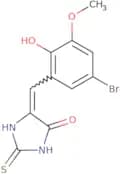
Discontinued product(E/Z)-It-603
CAS:Please enquire for more information about (E/Z)-It-603 including the price, delivery time and more detailed product information at the technical inquiry form on this page
Formula:C11H9BrN2O3SPurity:Min. 95%Molecular weight:329.17 g/molRos 234 dioxalate
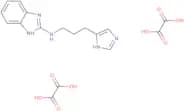
CAS:Ros 234 is a dioxalate salt of rosiglitazone, and is an anti-cancer agent that inhibits the growth of cancer cells. Ros 234 has been shown to inhibit inflammatory conditions such as asthma, rheumatoid arthritis, and colitis. It also modulates immune and autoimmune responses.
Formula:C17H19N5O8Purity:Min. 95%Molecular weight:421.4 g/molRef: 3D-GWC94193
Discontinued productN-(4-Amino-6,7-dimethoxyquinazol-2-yl)-N-methylpropylenediamine hydrochloride
CAS:N-(4-Amino-6,7-dimethoxyquinazol-2-yl)-N-methylpropylenediamine hydrochloride is an impurity that can be found in some commercially available drugs. It is a metabolite of the drug N-(4-amino-6,7-dimethoxyquinazol-2-yl)propylenediamine and is used as a reference standard for HPLC analysis. This compound has been shown to have antiplatelet activities.
Formula:C14H22ClN5O2Purity:Min. 95%Molecular weight:327.81 g/molRef: 3D-FA17652
Discontinued product(4-Chlorophenyl)[4-(1-methylethoxy)phenyl]methanone
CAS:(4-Chlorophenyl)[4-(1-methylethoxy)phenyl]methanone is a drug product that is Custom synthesized to meet the requirements of pharmacopoeia, analytical, and drug development. It has been studied for its metabolism and toxicity profile in animals. This compound is a metabolite of chlorpheniramine, which is used as an antihistamine. Metabolites of this compound have also been identified in humans. The CAS Registry Number for this compound is 154356-96-4.Formula:C16H15ClO2Purity:Min. 95%Molecular weight:274.74 g/molRef: 3D-IC20310
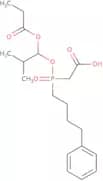
Discontinued product2-((2-Methyl-1-(propionyloxy)propoxy)(4-phenylbutyl)phosphoryl)acetic acid
CAS:2-((2-Methyl-1-(propionyloxy)propoxy)(4-phenylbutyl)phosphoryl)acetic acid (KZPBA) is a zoonotic antibiotic that has been shown to be active against agalactiae. It is a prodrug, which is metabolized to the active form, KZPBA, in humans and other mammals. The mechanism of action of KZPBA is not yet known; however, it has been hypothesized that its activity may be due to inhibition of DNA gyrase and topoisomerase IV. This drug has also been shown to have an effect on mastitis in dairy cows.Formula:C19H29O6PPurity:Min. 95%Molecular weight:384.4 g/molRef: 3D-IM27637
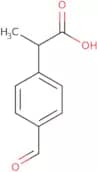
Discontinued product2-(4-Formylphenyl)propionic acid - Racemic
CAS:2-(4-Formylphenyl)propionic acid is a racemic mixture of 2-formylphenylacetic acid and 4-formylphenylacetic acid. This compound is used in the treatment of bacterial infections and inflammation. It is an organic solution that can be injected, administered orally, or applied topically. The 2-(4-formylphenyl)propionic acid has been shown to have anti-inflammatory properties, but also has side effects such as skin irritation when it is applied topically. This drug can also cause nausea, vomiting, and diarrhea when administered orally.
Formula:C10H10O3Purity:Min. 95%Color and Shape:White PowderMolecular weight:178.18 g/molRef: 3D-IF27430
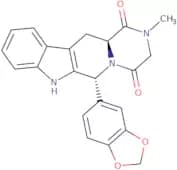
Discontinued productcis-Tadalafil
CAS:Cis-Tadalafil is a potent inhibitor of phosphodiesterase 5, which is used to treat erectile dysfunction (ED) and primary pulmonary hypertension (PPH). It works by increasing blood flow to the penis, allowing men with ED to achieve and maintain an erection. Cis-Tadalafil is also used to treat symptoms of prostatic hyperplasia (enlarged prostate) in men. This drug has been shown to be effective in treating PPH by reducing pulmonary arterial pressure and improving exercise capacity. Cis-Tadalafil belongs to the carboline class of drugs and is a phosphodiesterase 5 inhibitor that selectively inhibits cGMP-specific phosphodiesterase type 5 (PDE5). This drug has been shown to be highly effective in treating both ED and PPH with minimal side effects.
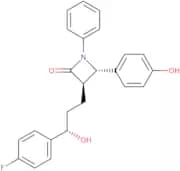
Formula:C22H19N3O4Purity:Min. 95%Color and Shape:White/Off-White SolidMolecular weight:389.4 g/molDesfluoro ezetimibe
CAS:Desfluoro ezetimibe is a synthetic cholesterol-lowering drug that inhibits intestinal cholesterol absorption. It is chemically synthesized, and the process includes the introduction of fluorine at the 3-position of the C-ring. Desfluoro ezetimibe is not metabolized in humans, but it may be subject to oxidative degradation. The product is also subject to oxidation by light and air, which may result in formation of impurities. The drug substance has been validated as well as its isomers and efficiencies in mass spectrometry detection.
Formula:C24H22FNO3Purity:Min. 95%Color and Shape:White To Off-White SolidMolecular weight:391.43 g/mol(3S,4R)-Tofacitinib
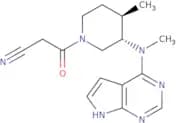
CAS:(3S,4R)-Tofacitinib is a rhombic and paramagnetic compound with a Curie point of approximately 10.6°C. It is soluble in nonpolar solvents such as benzene and toluene. (3S,4R)-Tofacitinib has been shown to have magnetic properties that are dependent on the temperature and the frequency of the applied magnetic field. The paramagnetic resonance spectra were observed at 18°C and 32°C, while the paramagnetic resonance spectrum was observed at -2°C. The octahedral interactions are likely due to the presence of six different types of iron ions in the crystal structure.
Formula:C16H20N6OPurity:Min. 95%Molecular weight:312.37 g/molPiperacilloic acid
CAS:Piperacilloic acid is a synthetic compound that exhibits antibacterial activity. It has been shown to be effective against human pathogens, including urothelial carcinoma and human serum. Piperacilloic acid binds to the amino acids lysine and arginine in bacterial proteins and inhibits protein synthesis by inhibiting the function of enzymes that require these amino acids for their activity. The potency of piperacillin is low, but it is activated by hydrolysis in the acidic environment of the stomach or intestinal tract. Piperacilloic acid also has potential as a contraceptive agent because it may inhibit transcriptional regulation of genes that are involved in sperm production.
Formula:C23H29N5O8SPurity:(Elemental Analysis) Min. 90 Area-%Color and Shape:PowderMolecular weight:535.57 g/mol(S)-Rabeprazole sodium
CAS:(S)-Rabeprazole sodium is an anticancer drug that acts as a kinase inhibitor. It is an analog of Rabeprazole and has been shown to inhibit the growth of cancer cells in vitro and in vivo. (S)-Rabeprazole sodium inhibits the activity of kinases, which are enzymes that play a key role in cell signaling pathways. This inhibition leads to apoptosis, or programmed cell death, in cancer cells. (S)-Rabeprazole sodium has been tested against various types of cancer, including Chinese hamster ovary cells and tumor xenografts in mice. It has also been shown to inhibit elastin degradation, which is important for preventing metastasis of cancer cells. (S)-Rabeprazole sodium may be a promising candidate for the development of new anticancer drugs that target specific kinases and proteins involved in cancer cell growth and survival.
Formula:C18H21N3O3S•NaPurity:Min. 95%Molecular weight:382.43 g/molRef: 3D-IR183125
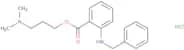
Discontinued product3-Dimethylaminopropyl-2-benzylaminobenzoate hydrochloride
CAS:3-Dimethylaminopropyl-2-benzylaminobenzoate hydrochloride is a versatile compound with various characteristics and applications. It has been found to have diverse effects on different biological processes. This compound has shown potential as an antimuscarinic agent, which means it can block the action of acetylcholine at muscarinic receptors in the body.
Formula:C19H25ClN2O2Purity:Min. 95%Molecular weight:348.9 g/molRef: 3D-WMD18565
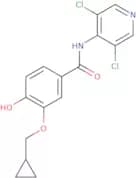
Discontinued productRoflumilast Impurity A
CAS:Roflumilast impurity A is a metabolite of roflumilast. It is a drug product that is used as an analytical standard for the determination of roflumilast in HPLC analysis. Roflumilast impurity A is not natural and is synthetic. It has been shown to be a substrate for CYP1A2, CYP2C8, CYP2C9, and CYP3A4 enzymes. Studies have shown that it may be involved in the metabolism of roflumilast through hydroxylation and deamination.
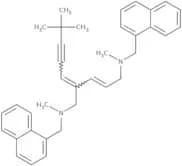
Formula:C16H14Cl2N2O3Purity:Min. 95%Molecular weight:353.2 g/molTerbinafine dihydrochloride
CAS:Terbinafine is a drug used in the treatment of onychomycosis, tinea versicolor and dandruff. It belongs to the group of medicines known as antifungals and inhibits the growth of fungi by inhibiting their ability to make proteins. Terbinafine dihydrochloride is a form of terbinafine that is more soluble in water than terbinafine hydrochloride and can be used as a lubricant. Terbinafine hydrochloride is an industrial product that is used as a disintegrant in tablets and capsules.
Formula:C36H40N2Purity:Min. 95%Molecular weight:500.7 g/molRef: 3D-JMB36523
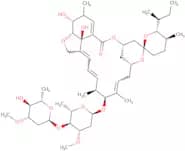
Discontinued productIvermectin impurity I
CAS:Ivermectin impurity I is an analytical standard that is used for pharmacopoeia and custom synthesis. It is a natural metabolite of the drug Ivermectin, which has been shown to have anti-inflammatory properties in mice. Ivermectin impurity I binds to nicotinic acetylcholine receptors, leading to muscle paralysis and death. This compound is found in high purity for research and development purposes.
Formula:C48H74O14Purity:Min. 95%Color and Shape:PowderMolecular weight:875.09 g/molRef: 3D-II167729
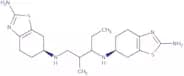
Discontinued productPramipexole EP Impurity C
CAS:Pramipexole EP Impurity C is a synthetic impurity that is used as an impurity standard in the manufacture of Pramipexole EP. It is also used as a research and development tool for drug product, custom synthesis, CAS No. 1973461-14-1, and analytical studies. This compound has been shown to be a metabolite of Pramipexole EP and may have pharmacological properties. Pramipexole EP Impurity C has been found to inhibit the growth of certain bacteria, such as methicillin-resistant Staphylococcus aureus (MRSA) isolates.
Formula:C20H32N6S2Purity:Min. 95%N-Desacetyl thiocolchicoside
CAS:N-Desacetyl thiocolchicoside is a white crystalline powder that is soluble in water, methanol and acetone. It has a molecular weight of 320.2 and an empirical formula of C6H14O5. N-Desacetyl thiocolchicoside is used as an analytical standard for HPLC analysis, as a Research and Development (R&D) material for drug development, and as an impurity standard for the manufacture of pharmaceutical products. This compound has been shown to be a metabolite of thiocolchicoside and structurally similar to the drug product chitinase.
Formula:C25H31NO9SPurity:Min. 95%Molecular weight:521.58 g/molRef: 3D-CHA99181
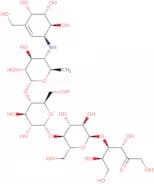
Discontinued productAcarbose Impurity E
CAS:Acarbose Impurity E is an impurity found in acarbose. It is a natural, API impurity and is a synthetic impurity standard. Acarbose Impurity E has been used in drug development research and development, as well as in the HPLC analysis of acarbose to generate a pharmacopoeia-grade purity standard.
Purity:Min. 95%Simvastatin acid
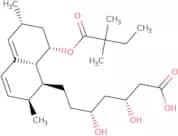
CAS:Simvastatin acid is the active form of simvastatin, a drug used to lower blood cholesterol levels. Simvastatin acid inhibits HMG-CoA reductase, the enzyme that converts HMG-CoA to mevalonate. This conversion is a rate-limiting step in the synthesis of cholesterol and other lipids. Simvastatin acid binds to polymerase chain and drug transporter proteins, which leads to cell lysis. The concentration–time curve for simvastatin acid is linear and the half-life is approximately 12 hours. When simvastatin acid is administered with drugs that are potent inducers of CYP3A4 or UGT1A1 enzymes, there may be an increased risk for drug interactions. Simvastatin acid has shown no significant human pharmacokinetic interactions with food or grapefruit juice at doses up to 200 mg/day. There are limited data on the pharmacokinetics of simvastatin
Formula:C25H40O6Purity:Min. 95%Color and Shape:White PowderMolecular weight:436.58 g/molRef: 3D-IS63828
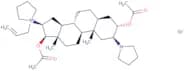
Discontinued productRocuronium Bromide EP Impurity F Bromide
CAS:Rocuronium Bromide EP Impurity F Bromide is an impurity found in Rocuronium Bromide EP. It is a natural component of the drug product, which is a synthetic drug. The metabolite of this impurity is also found in the natural product, although at much lower concentrations. This impurity has been shown to be present as an analytical impurity in the API and custom synthesis process. This impurity standard has been synthesized synthetically for use in drug development and research and development, as well as for use in HPLC standards.Formula:C34H55N2O4·BrPurity:Min. 95%Molecular weight:635.72 g/molCiprofloxacin ep impurity C
CAS:Ciprofloxacin ep impurity C is a synthetic compound. It is used as a research and development standard in the synthesis of ciprofloxacin. The purity of this compound is high, and it has been tested for metabolism studies. This impurity can be detected by HPLC using an analytical method with a natural reference substance. This impurity has not been evaluated for pharmacopoeia or CAS number.
Formula:C15H16FN3O3Purity:Min. 95%Molecular weight:305.30 g/molRef: 3D-DEA22212
Discontinued productLinagliptin impurity G
CAS:Linagliptin impurity G is an impurity in the drug product Linagliptin. It is a natural substance and its CAS number is 668270-11-9. Impurity G can be synthesized from L-phenylalanine and cyclohexane carboxaldehyde in a two step process. The first step involves the reaction of L-phenylalanine with cyclohexane carboxaldehyde to yield methylcyclohexanecarboxylate, which then undergoes hydrolysis to give phenylcyclohexanol. In the second step, phenylcyclohexanol reacts with hydrochloric acid to produce phenylcyclohexanone, which is then oxidized with hydrogen peroxide to yield impurity G. Impurity G can also be found in the pharmacopoeia as a high purity HPLC standard for linagliptin.
Formula:C25H28N8O2Purity:Min. 95%Color and Shape:PowderMolecular weight:472.54 g/molN-Hydroxymethyl Sumatriptan
CAS:N-Hydroxymethyl Sumatriptan is an analytical standard and a research and development impurity. It is also used as an API impurity in drug product manufacturing. N-Hydroxymethyl Sumatriptan can be synthesized by reacting the parent drug with hydroxyl radicals, which is a process that yields no side products. N-Hydroxymethyl Sumatriptan can be found in the following pharmacopoeia: United States Pharmacopoeia (USP) 11>, European Pharmacopoeia (EP), Japanese Pharmacopoeia (JP)13>, British Pharmacopoeia (BP), and Chinese Pharmacopiae (CPC).
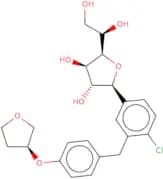
Formula:C15H23N3O3SPurity:Min. 95%Molecular weight:325.43 g/molEmpagliflozin S-furanose
CAS:Empagliflozin S-furanose is a Custom synthesis drug product. It is an analytical standard with CAS No. 1620758-32-8, and it is used in research and development of new drugs. Empagliflozin S-furanose has been found to be a metabolite of empagliflozin, a drug that is used to treat type 2 diabetes mellitus. It is also used as an impurity standard for HPLC analysis of empagliflozin because it does not have any biological activity.
Formula:C23H27ClO7Purity:Min. 95%Color and Shape:PowderMolecular weight:450.91 g/molRef: 3D-IE181148
Discontinued productTofacitinib dihydro impurity
CAS:Tofacitinib dihydro impurity is a research and development impurity standard for the synthesis of Tofacitinib. It is a custom synthesis with high purity, pharmacopoeia grade, and synthetic. This product is also used in drug development for metabolism studies and analytical applications.
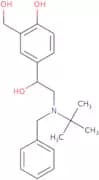
Formula:C16H22N6OPurity:Min. 95%Molecular weight:314.39 g/molN-Benzyl albuterol
CAS:N-Benzyl albuterol is a drug product that is custom synthesized to be of high purity with an analytical standard. It is used in research and development, pharmaceutical development, and as a pharmacopoeia or analytical standard. N-Benzyl albuterol has been found to be a metabolite of the drug product Albuterol Sulfate. It is also used in metabolism studies and natural product research. The CAS number for this compound is 24085-03-8.
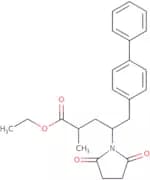
Formula:C20H27NO3Purity:Min. 95%Molecular weight:329.4 g/molSacubitril Impurity 2
CAS:Sacubitril Impurity 2 is a drug product that is an analytical impurity in Sacubitril. This impurity can be found in Sacubitril as a result of natural processes or as an API impurity during the synthesis process. Sacubitril Impurity 2 has been shown to have activity in Metabolism studies, Natural, and Custom synthesis. It has been shown to be a Synthetic impurity standard and HPLC standard. Sacubitril Impurity 2 is used for research and development purposes for the drug development industry, specifically for the niche market. It is also used as an analytical standard for pharmacopoeia methods.
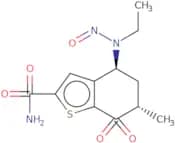
Formula:C24H27NO4Purity:Min. 95%Molecular weight:393.48 g/molN-Nitroso dorzolamide
N-Nitroso dorzolamide is a chemical compound used as an intermediate in the synthesis of dorzolamide, a carbonic anhydrase inhibitor used in the treatment of glaucoma and ocular hypertension.
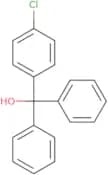
Formula:C10H15N3O5S3Purity:Min. 95%Color and Shape:PowderMolecular weight:353.44 g/mol(4-Chlorophenyl)diphenylmethanol
CAS:Please enquire for more information about (4-Chlorophenyl)diphenylmethanol including the price, delivery time and more detailed product information at the technical inquiry form on this page
Formula:C19H15ClOPurity:Min. 95%Molecular weight:294.8 g/molRef: 3D-GAA92289
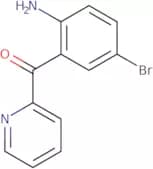
Discontinued product2-(2-Amino-5-bromobenzoyl)pyridine
CAS:2-(2-Amino-5-bromobenzoyl)pyridine (2ABBP) is a chemical compound with the molecular formula C10H7BrN3. It is a glucuronide conjugate of 2-amino-5-bromobenzoic acid and has been used as an immunological reagent in the form of a monoclonal antibody. 2ABBP binds to dryopteris, which is a plant species that contains polyphenols called pteridines. 2ABBP has been shown to have anti-inflammatory properties in rat liver microsomes and cell culture experiments. The mechanism of action may involve inhibition of cyclooxygenase enzymes, which are involved in prostaglandin synthesis. 2ABBP also binds to human serum albumin and chaperones, proteins that bind other proteins or small molecules. The biological activity of 2ABBP may be due to its ability to form coval
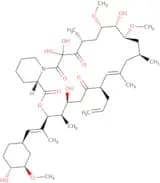
Formula:C12H9BrN2OPurity:Min. 95%Molecular weight:277.12 g/molOxacyclohexane open ring tacrolimus
CAS:Please enquire for more information about Oxacyclohexane open ring tacrolimus including the price, delivery time and more detailed product information at the technical inquiry form on this page
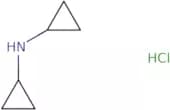
Formula:C44H71NO13Purity:Min. 95%Molecular weight:822.04 g/molDicyclopropylamine hydrochloride
CAS:Dicyclopropylamine hydrochloride is a tyrosine kinase inhibitor that blocks the activity of jak2. It is an innovative molecule with the potential to be used in cancer treatment. Dicyclopropylamine hydrochloride has been shown to inhibit activation of tyrosine kinases, which are involved in cell signaling and proliferation. Dicyclopropylamine hydrochloride also has anti-inflammatory properties, which may be due to its ability to inhibit prostaglandin synthesis. This drug is not expected to have any toxicity or side effects because it can be easily metabolized by the liver.br>br> Dicyclopropylamine hydrochloride is a white solid with a melting point of 175°C. It has no detectable odor, and it is soluble in water and ethanol. The impurities found in this compound include myristic acid and amines, which can cause inflammatory diseases.br>br> D
Formula:C6H11N•HClPurity:Min. 95%Color and Shape:PowderMolecular weight:133.62 g/molRef: 3D-FD141573
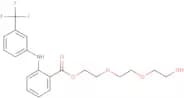
Discontinued productTriethylene glycol flufenamate
CAS:Etofenamate impurity
Formula:C20H22F3NO5Purity:Min. 95%Color and Shape:Clear LiquidMolecular weight:413.39 g/molRef: 3D-IT58094
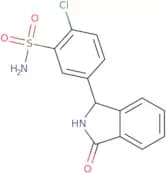
Discontinued productChlorthalidone impurity E
CAS:Chlorthalidone impurity E is an analytical standard for the HPLC analysis of chlorthalidone in pharmaceutical drug products and is a metabolite of chlorthalidone. Chlorthalidone impurity E is an API impurity that can be found in the synthesis of chlorthalidone, and it has been detected as a minor component in certain drug products. It is important to have an accurate specification for this compound, since it can affect the pharmacological properties of the drug product. The purity level of this compound must be at least 98% or greater to ensure that there are no contaminants present. This compound is also a metabolite of chlorthalidone and is used as a pharmacopoeia reference substance for testing equipment calibration.END>
Formula:C14H11ClN2O3SPurity:Min. 95%Molecular weight:322.77 g/molRef: 3D-IC76330
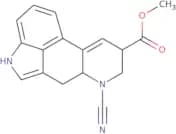
Discontinued productD-6-Cyano-6-norlysergic acid methyl ester
CAS:Please enquire for more information about D-6-Cyano-6-norlysergic acid methyl ester including the price, delivery time and more detailed product information at the technical inquiry form on this page
Formula:C17H15N3O2Purity:Min. 95%Molecular weight:293.32 g/molRef: 3D-FBA33404
Discontinued productAtorvastatin calcium trihydrate EP Impurity G
CAS:Atorvastatin is a drug that belongs to the class of statins. It is used for the treatment of high cholesterol levels and other related diseases, such as cardiovascular disease. Atorvastatin calcium trihydrate EP Impurity G is an impurity that may be present in atorvastatin calcium trihydrate. This compound has not been found to have any pharmacological activity.
Formula:C34H37FN2O5Purity:Min. 95%Color and Shape:PowderMolecular weight:572.67 g/molGS 441524 triphosphate
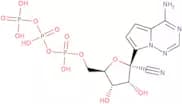
CAS:Triphosphorylated form of an antiviral nucleoside analog with activity against zoonotic feline infectious peritonitis virus (FIPV) and severe acute respiratory syndrome (SARS) virus from Coronaviridae family. The compound is the biologically active form of the GS 441524 prodrug and being triphosphorylated, it competes with natural nucleoside triphosphates in cells and interferes with viral RNA synthesis. Made to order.
Formula:C12H12N5O13P3·4NaPurity:(31P-Nmr) Min. 95 Area-%Color and Shape:White PowderMolecular weight:531.20 g/molRef: 3D-FG167050
Discontinued product

![2-[4-(Dimethylamino)-1-(2-methylphenyl)butyl]-phenol](/_next/image/?url=https%3A%2Fstatic.cymitquimica.com%2Fproducts%2F3D%2Fthumb-webp%2FUDA43254.webp&w=3840&q=75)

![11-[3-(Dimethylamino)propyl]-6,11-dihydrodibenz[b,e]oxepin-11-ol](/_next/image/?url=https%3A%2Fstatic.cymitquimica.com%2Fproducts%2F3D%2Fthumb-webp%2FID45253.webp&w=3840&q=75)
![1,4-Bis[(tetrahydro-2-furanyl)carbonyl]-piperazine](/_next/image/?url=https%3A%2Fstatic.cymitquimica.com%2Fproducts%2F3D%2Fthumb-webp%2FIB63853.webp&w=3840&q=75)

![2-[[4-(2-Pyridylsulfamoyl)phenyl]azo]hydroxybenzene](/_next/image/?url=https%3A%2Fstatic.cymitquimica.com%2Fproducts%2F3D%2Fthumb-webp%2FIP27340.webp&w=3840&q=75)



![Pyrrolo[1,2-f][1,2,4]triazin-4-amine](/_next/image/?url=https%3A%2Fstatic.cymitquimica.com%2Fproducts%2F3D%2Fthumb-webp%2FFP55646.webp&w=3840&q=75)

![(4-Chlorophenyl)[4-(1-methylethoxy)phenyl]methanone](/_next/image/?url=https%3A%2Fstatic.cymitquimica.com%2Fproducts%2F3D%2Fthumb-webp%2FIC20310.webp&w=3840&q=75)


![[Trp(O)25]-Semaglutide](/_next/image/?url=https%3A%2Fstatic.cymitquimica.com%2Fproducts%2F3D%2Fthumb-webp%2FIS27853.webp&w=3840&q=75)