APIs for research and impurities
Active Pharmaceutical Ingredients (APIs) are the substances in drugs responsible for their therapeutic effects. In this section, you will find a wide variety of APIs intended for research use. These compounds are essential for the development, testing, and validation of new pharmaceutical formulations. CymitQuimica offers high-quality APIs to support research in drug discovery and development.
Subcategories of "APIs for research and impurities"
- Aminoacids and derivatives(12,328 products)
- Anthraquinones and derivatives(405 products)
- Benzimidazole and Imidazole Derivatives(10,438 products)
- Benzodiazepine Derivatives(335 products)
- Carbohydrates and glycoconjugates(5,016 products)
- Esters and Derivatives(42,240 products)
- Fatty Acids and Lypidic Derivatives(32,395 products)
- Flavonoids and Polyphenols(17,087 products)
- Free Radicals and Oxidant/Reducing Agents(213 products)
- Ketones and derivatives(2,402 products)
- Natural and semi-synthetic antibiotics(6,380 products)
- Nitriles and Cyano Derivatives(3,067 products)
- Nitrosamines and Derivatives(55 products)
- Nucleosides and Nucleotides(3,431 products)
- Organic Phosphates and Phosphonates(1,202 products)
- Organic Sulphonates and Sulphates(10,434 products)
- Organometallics(4,422 products)
- Others(6,292 products)
- Peptides and Proteins(3,153 products)
- Polymers and Derivatives(100 products)
- Purines and Pyrimidine Derivatives(8,948 products)
- Quinazoline and Quinoline Derivatives(65,966 products)
- Quinones and Derivatives(24,349 products)
- Salts and Derivatives of Active Pharmaceutical Ingredients (API)(79,696 products)
- Steroids and Derivatives(4,975 products)
- Sulfonamides and Derivatives(2,594 products)
- Terpenoids and Derivatives(3,846 products)
- Thiazolidinediones and Thiopyrans(2,752 products)
- β-Adrenergic Compounds(230 products)
Show 21 more subcategories
Found 57012 products of "APIs for research and impurities"
Sort by
Purity (%)
0
100
|
0
|
50
|
90
|
95
|
100
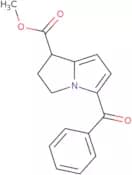
Methyl 5-benzoyl-2,3-dihydro-1H-pyrrolizine-1-carboxylate, racemic
CAS:Methyl 5-benzoyl-2,3-dihydro-1H-pyrrolizine-1-carboxylate is a particle that is used to treat cardiac arrhythmias. It has been shown to be effective as an antipyretic agent and may also have analgesic properties. Methyl 5-benzoyl-2,3-dihydro-1H-pyrrolizine-1-carboxylate is a white powder that melts at temperatures of about 300°C. This drug can be administered by inhalation in the form of a vaporized liquid. The particle size of this drug is typically less than 10 microns in diameter. Methyl 5-benzoyl-2,3-dihydro-1H pyrrolizine 1 carboxylate can be administered through the respiratory tract as an aerosol or nebulizer. The molecular weight of thisFormula:C16H15NO3Purity:Min. 98 Area-%Color and Shape:PowderMolecular weight:269.3 g/molBusulfan propyl mesylate
Busulfan propyl mesylate is a synthetic drug that is used as an antineoplastic agent. It is a prodrug of busulfan, which is converted to its active form through metabolic processes. Busulfan proplyl mesylate has been shown to be effective in the treatment of several types of cancer, including leukemia and lymphoma. Busulfan proplyl mesylate binds to DNA and prevents RNA synthesis, which prevents protein synthesis and cell division. This drug has been shown to have few side effects when compared with other chemotherapeutic agents.Formula:C10H22O9S3Purity:Min. 95%Molecular weight:382.47 g/molSildenafil N-Oxide
CAS:<p>Sildenafil N-Oxide is a solvate, hydrate, and prodrug of sildenafil citrate. It is used for the treatment of erectile dysfunction or pulmonary hypertension. Sildenafil N-Oxide is an oral drug that is converted to its active form, sildenafil, in the liver by CYP3A4. Sildenafil N-Oxide's effects on human erection are thought to be due to its ability to block phosphodiesterase type 5 (PDE5), which increases the levels of cGMP in smooth muscle cells and causes relaxation of the corpus cavernosum. This leads to increased blood flow into the penis and an erection.</p>Formula:C22H30N6O5SPurity:Min. 95%Molecular weight:490.58 g/molBiotin impurity C
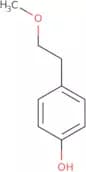
CAS:Biotin impurity C is a metabolite that is found in drugs that contain biotin. It is an impurity standard for HPLC analysis, which can be used to identify and quantify the amount of biotin in a drug product. Biotin impurity C is also used as an analytical standard. This compound has been shown to have pharmacological properties, such as anti-inflammatory effects and immunomodulatory effects.Formula:C9H14N2O2SPurity:Min. 95%Molecular weight:214.28 g/mol4-(2-Methoxyethyl)phenol
CAS:<p>4-(2-Methoxyethyl)phenol is a synthetic compound that is an antihypertensive agent. It is used to reduce high blood pressure, which may be due to its ability to block the action of angiotensin II, a potent vasoconstrictive hormone, by binding with its receptor. 4-(2-Methoxyethyl)phenol has been shown to be more potent than metoprolol succinate and less toxic than hydroxylated compounds such as propranolol in pharmacokinetic studies. In addition, 4-(2-Methoxyethyl)phenol has been found to have a low risk of congestive heart failure. The industrial process for this substance involves the reaction of hydrochloric acid with phenol in the presence of a catalyst such as aluminium chloride or zinc chloride.</p>Formula:C9H12O2Purity:Min. 95%Color and Shape:PowderMolecular weight:152.19 g/mol2-N-Butyl 3-(4-methoxy benzoyl)-benzofuran
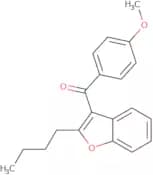
CAS:<p>2-N-Butyl 3-(4-methoxy benzoyl)-benzofuran is a x-ray crystal structure of an antibacterial agent that belongs to the class of β-unsaturated ketones. It has been shown to have cardiovascular activity, and is used in the treatment of depression. The compound binds to the active methylene group on the bacterial cell wall, which prevents cross linking of peptidoglycan chains. This leads to a reduction in cell wall synthesis and increased permeability of cells, which may result in death. The 2-N-butyl 3-(4-methoxy benzoyl)-benzofuran molecule also contains two phenyl groups that are able to form hydrogen bonds with each other, as well as dihedral angles that can form hydrogen bonds with water molecules. These properties contribute to its antidepressant activity.</p>Formula:C20H20O3Purity:Min. 95%Color and Shape:Clear LiquidMolecular weight:308.37 g/molEne sacubitril (Impurity L)
<p>Ene sacubitril is an impurity in the drug product sacubitril. It is a synthetic compound that belongs to the class of drugs called angiotensin II receptor antagonists. This impurity can be used as a research and development standard, custom synthesis, or drug product impurity standard. Ene sacubitril is also a metabolite of sacubitril and can be used for metabolism studies or HPLC standard.</p>Purity:Min. 95%Allopurinol impurity C
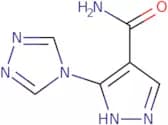
CAS:Allopurinol impurity C is a product of the reaction between allopurinol and n-butyl alcohol, which occurs in the presence of sodium hydroxide solution and dimethylformamide. The reaction condition is heated to reflux for 12 hours, after which the mixture is filtered and concentrated under reduced pressure. The resultant crude product is purified by column chromatography with ethyl acetate and then recrystallized from methanol. The synthesis scheme can be found in Figure 1.Formula:C6H6N6OPurity:Min. 95%Color and Shape:Slightly Yellow PowderMolecular weight:178.15 g/molEmpagliflozin R-furanose
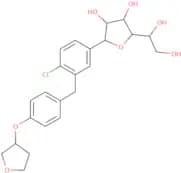
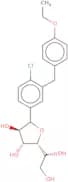
CAS:<p>Empagliflozin R-furanose is a drug product that belongs to the class of drugs for treatment of type II diabetes. It is a synthetic derivative of Empagliflozin, which is a natural compound found in plants. Empagliflozin R-furanose has been shown to inhibit the activity of dipeptidyl peptidase 4 (DPP-4) and reduce postprandial glucose levels in healthy subjects. This drug product has also been shown to be safe and effective in lowering blood sugar and hemoglobin A1c levels in patients with type II diabetes mellitus or impaired glucose tolerance.</p>Formula:C23H27ClO7Purity:Min. 95%Color and Shape:PowderMolecular weight:450.91 g/mol5,6-Dichloro-1,4-dihydro-2-quinazolinamine
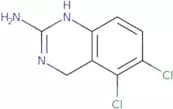
CAS:<p>5,6-Dichloro-1,4-dihydro-2-quinazolinamine (5,6-DCQ) is a small molecule that has been used in vitro to study postnatal development. 5,6-DCQ binds to magnesium and forms a cation complex. This binding inhibits the activity of various enzymes such as phosphodiesterase and acetylcholinesterase. 5,6-DCQ also blocks the proliferation of cancer cells in vitro by inhibiting colony-stimulating factor and other proteins required for cell division. 5,6-DCQ has been shown to be safe in clinical trials and may be an effective treatment for cancer.</p>Formula:C8H7Cl2N3Purity:Min. 95%Molecular weight:216.07 g/mol6’-Hydroxy simvastatin acid
CAS:<p>6’-Hydroxy simvastatin acid is a metabolite of simvastatin. It has an analytical purity of at least 98% and is used as an impurity standard in the preparation of high purity drug product. 6’-Hydroxy simvastatin acid is also used for research and development, such as drug discovery, new drug development, and analytical method validation. This compound has a CAS number of 1217529-34-4 and can be synthesized from natural or synthetic sources.</p>Formula:C25H40O7Purity:Min. 95%Molecular weight:452.58 g/molSemaglutide Impurity 60 (D-Arg 30)
<p>D-Arg(30)-Semaglutide is a semaglutide impurity. The amino acid at position 30 has been replaced by the D-form of the amino acid D-arginine (D-Arg). Semaglutide impurities are structurally related compounds that arise during synthesis, purification, or storage of semaglutide, a long-acting GLP-1 receptor agonist for managing type 2 diabetes and obesity.</p>Formula:C187H291N45O59Molecular weight:4,113.64 g/mol4-Isobutyl-2-pyrrolidinone
CAS:<p>4-Isobutyl-2-pyrrolidinone is a colorless liquid that belongs to the category of phosphites. It has a high boiling point, which makes it suitable for use in organic solvents and as a heat transfer agent. The thermodynamic properties of 4-Isobutyl-2-pyrrolidinone have been evaluated using the protonation theory. It can be protonated at either the nitrogen or the methyl group, and both forms are present in solution. This means that 4-Isobutyl-2-pyrrolidinone is acidic and can react with other compounds to form salts called lactams. There are two isomers of this compound: cis and trans. Both isomers exist in equilibrium; however, the cis isomer predominates at room temperature. The most common impurities of 4-Isobutyl-2-pyrrolidinone are dehydration products formed during synthesis or</p>Formula:C8H15NOPurity:Min. 95%Color and Shape:White PowderMolecular weight:141.21 g/molCalcipotriol EP Impurity G
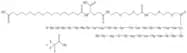
<p>Calcipotriol EP Impurity G is an impurity in calcipotriol, which is a drug product. Calcipotriol EP Impurity G has a CAS number of 126825-26-3 and is a natural metabolite of calcipotriol. It is also known as calcipotriol EP Impurity G or calcipotriol EPIG. It has been shown to be an analytical impurity in calcipotriol, and it has been detected by HPLC analysis. Calcipotriol EP Impurity G can be used for research and development, as well as for the production of pharmacopoeia standards.</p>Formula:C54H78O5Purity:Min. 95 Area-%Color and Shape:White PowderMolecular weight:807.19 g/molPantoprazole sulfide N-oxide
CAS:<p>Pantoprazole sulfide N-oxide is a metabolite of pantoprazole, which is a proton pump inhibitor used to reduce stomach acid production. Pantoprazole sulfide N-oxide is an impurity in pantoprazole that can be detected by HPLC. It has been shown to have about the same biological activity as pantoprazole when given orally.</p>Formula:C16H15F2N3O4SPurity:Min. 95%Color and Shape:Off-White To Yellow SolidMolecular weight:383.37 g/mol(1,2-Dimethylpropyl)benzene
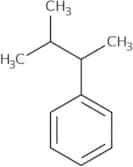
CAS:1,2-Dimethylpropylbenzene is an alkenylbenzene that is used as a precursor to other chemicals. It can be synthesized by the dehydrogenation of 1,2-dimethylethylbenzene with a nickel catalyst or by the formylation of benzene with formaldehyde and potassium hydroxide. The cyclohexenyl group in 1,2-dimethylpropylbenzene can be converted to an alkene group by alkylation with acetylene. The linear regression analysis showed that the toolkit of 1,2-dimethylpropylbenzene isomerization reactions are useful for the synthesis of many different compounds and provide a better understanding of their reactivity.Formula:C11H16Purity:Min. 95%Color and Shape:Clear LiquidMolecular weight:148.24 g/molDesfluoro atorvastatin
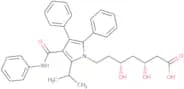
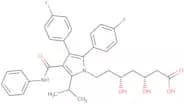
CAS:<p>Desfluoro atorvastatin is a crystalline polymorph of atorvastatin that has been shown to have improved flowrate and dissolution profile compared with the conventional form. Desfluoro atorvastatin is synthesized by adding a fluorine atom to a specific position in the molecule. The synthesis procedure includes chromatographic purification and analysis of impurities, which are then eliminated by diode laser irradiation. Impurities may also be eliminated through hydrogenation or recrystallization.</p>Formula:C33H36N2O5Purity:Min. 95%Color and Shape:PowderMolecular weight:540.65 g/molDi-2-thienylmethanone
CAS:<p>Di-2-thienylmethanone is a pyrazole with an activation energy of about 10.5 kcal/mol. It has been found to be toxic and can cause cell lysis. This molecule has been used in the synthesis of a number of drugs, including thiopental, a barbiturate that is used as an anaesthetic. Di-2-thienylmethanone is also the precursor for the synthesis of fluoroquinolones, which are potent antibacterial agents. The Friedel-Crafts reaction is one way this molecule is synthesized, and it involves the addition of an alkyl halide to an unsaturated double bond. This reaction is named after Charles Friedel and James Crafts who first discovered it in 1877.</p>Formula:C9H6OS2Purity:Min. 95%Color and Shape:White PowderMolecular weight:194.28 g/molrac-2-Cyano-2-phenylbutanamide
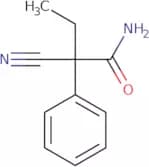
CAS:<p>Rac-2-cyano-2-phenylbutanamide is a synthetic molecule that is used as a growth regulator. It has been shown to be toxic to the arthropod Mollusca, with an LD50 of 1.6 µg/cm² (milligrams per square centimeter). Rac-2-cyano-2-phenylbutanamide also inhibits the growth of organisms such as Anisopliae and Metarhizium, and has been shown to have an asymmetric effect on tissue culture cells. Rac-2-cyano-2-phenylbutanamide is chemically related to the antibiotic subtilin, which belongs to the class of aminoglycoside antibiotics. Rac-2-cyano-2-phenylbutanamide may inhibit bacterial protein synthesis by binding to ribosomes and blocking the attachment of aminoacyl tRNA molecules during translation. This compound also inhibits DNA replication in bacteria by preventing DNA</p>Formula:C11H12N2OPurity:Min. 95 Area-%Color and Shape:White PowderMolecular weight:188.23 g/molAceclofenac methyl ester
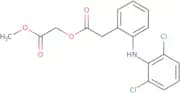
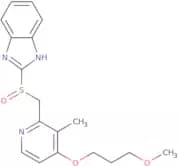
CAS:Aceclofenac methyl ester is an analgesic that belongs to the arylpropionic acid derivatives. It has been developed for the treatment of acute pain. Aceclofenac methyl ester has a structural formula of CH3CO-O-CH3 and a molecular weight of 164.2 g/mol. Aceclofenac is metabolized by CYP450 enzymes, which are located in the liver and other organs, to form acetic acid and 5-hydroxyaceclofenac. The reaction time is approximately 1 hour and tetrahydrofuranyl (THF) is used as a nucleophile in this reaction. This product can be synthesized by reacting ethyl acetate with acetonitrile in high yield, making it stable and anhydrous. The analgesic effects of aceclofenac methyl ester are due to its ability to block the transmission of pain signals from nerves to the brain at the spinal cord levelFormula:C17H15Cl2NO4Purity:Min. 98 Area-%Color and Shape:White PowderMolecular weight:368.21 g/mol5-Methoxy-2-[[(3,5-dimethyl-2-pyridinyl)methyl]sulphinyl]-1H-benzimidazole
CAS:5-Methoxy-2-[[(3,5-dimethyl-2-pyridinyl)methyl]sulphinyl]-1H-benzimidazole is a natural product. It is an impurity in the drug development process and may be present as an analytical marker for impurities. 5-Methoxy-2-[(3,5-dimethylpyridinium)methyl]sulfinyl]-1Hbenzimidazole is used as a pharmacopoeia standard and can be synthesized on request.Formula:C16H17N3O2SPurity:Min. 95%Color and Shape:PowderMolecular weight:315.39 g/mol2H,5H-Pyrano[4,3-b]pyranyl mupirocin sodium impurity
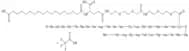
CAS:<p>2H,5H-Pyrano[4,3-b]pyranyl mupirocin sodium impurity is an impurity standard that has been custom synthesized for research and development purposes. It has a CAS number of 116182-44-6, which is the same as the parent compound. 2H,5H-Pyrano[4,3-b]pyranyl mupirocin sodium impurity is a metabolite of Mupirocin Sodium (CAS No. 99765-92-8). This impurity has been used in pharmacopoeia drug development and for analytical studies such as HPLC.</p>Formula:C26H43NaO9Purity:Min. 95%Color and Shape:PowderMolecular weight:522.6 g/molN-Methyl-3-(1-naphthalenyloxy)-3-(3-thienyl) propanamine tartrate
<p>N-Methyl-3-(1-naphthalenyloxy)-3-(3-thienyl) propanamine tartrate is an impurity standard used for the quantitative analysis of norephedrine in pharmaceutical products. It is also a metabolite of methamphetamine, which has been shown to have anti-inflammatory activities.</p>Formula:C18H19NOS·C4H6O6Purity:Min. 95%Molecular weight:447.5 g/mol[D-Phe22]-Tirzepatide
<p>Tirzepatide impurity</p>Formula:C225H348N48O68Molecular weight:4,813.5 g/molSemaglutide Impurity 51 (D-Thr 7)
<p>D-Thr(7)-Semaglutide is a semaglutide impurity. The amino acid at position 7 has been replaced by the D-form of the amino acid D-threonine (D-Thr). Semaglutide impurities are structurally related compounds that arise during synthesis, purification, or storage of semaglutide, a long-acting GLP-1 receptor agonist for managing type 2 diabetes and obesity.</p>Formula:C187H291N45O59Molecular weight:4,113.64 g/molBetamethasone EP Impurity I
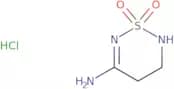
CAS:Controlled Product<p>Betamethasone EP Impurity I is a synthesized impurity of betamethasone. It is an impurity in the drug product that is used for the treatment of inflammation and allergies, as well as some skin conditions. The main physicochemical properties are: white powder, soluble in methanol, insoluble in water and acetone. This impurity can be obtained by synthetic methods or it can be formed by metabolic degradation of the parent drug.<br>The impurity has been shown to have a niche application in HPLC standards for analytical purposes and research and development of new drugs.</p>Formula:C22H29FO5Purity:Min. 95%Molecular weight:392.5 g/mol3-Amino-4,6-dihydro-1,2,6-thiadiazine-1,1-dioxide, hydrochloride
<p>3-Amino-4,6-dihydro-1,2,6-thiadiazine-1,1-dioxide is an impurity that has been identified in the process of synthesizing a drug. The impurity is typically found in small quantities and is not expected to have any adverse effects on the drug product if present in concentrations below 0.1% (w/w). 3-Amino-4,6-dihydro-1,2,6-thiadiazine-1,1-dioxide can be synthesized from two other compounds: 4,6-Diaminohexane and thiosemicarbazide. The CAS number for this impurity is 53497–14–8.</p>Formula:C3H8ClN3O2SPurity:Min. 95%Molecular weight:185.63 g/molAmikacin EP impurity G
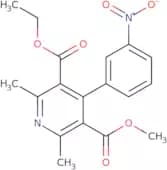
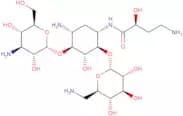
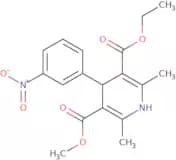
CAS:Please enquire for more information about Amikacin EP impurity G including the price, delivery time and more detailed product information at the technical inquiry form on this pageFormula:C22H43N5O13Purity:Min. 95%Molecular weight:585.61 g/mol2,6-Dimethyl-4-(3-nitrophenyl)-3,5-pyridinedicarboxylic acid ethyl methyl ester
CAS:2,6-Dimethyl-4-(3-nitrophenyl)-3,5-pyridinedicarboxylic acid ethyl methyl ester (DMPD) is an enzyme inhibitor that belongs to the group of metabolic inhibitors. This agent is used for the preparation of samples for analysis by chromatography and mass spectrometry. DMPD inhibits the activity of enzymes involved in drug metabolism, including CYP2C8, CYP2C9, CYP2D6, and CYP3A4. The matrix effect can be minimized by using a more acidic sample preparation. The immunosuppressant properties of DMPD have been shown in mice by inhibiting T cell activation and proliferation in vitro.Formula:C18H18N2O6Purity:Min. 95%Color and Shape:Pale yellow to yellow solid.Molecular weight:358.35 g/molDutasteride impurity F
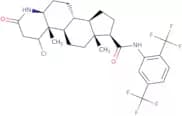
CAS:<p>Dutasteride impurity D is a natural impurity found in dutasteride and has been reported to be an analytical marker for dutasteride. It is also used as an impurity standard, HPLC standard, and custom synthesis for drug development. Metabolism studies have shown that the major route of elimination for Dutasteride impurity D is through glucuronidation with minor amounts being excreted in urine unchanged.</p>Formula:C27H31ClF6N2O2Purity:Min. 95 Area-%Molecular weight:564.99 g/molOlanzapine thiolactam impurity
CAS:Degradation product of olanzapineFormula:C17H20N4OSPurity:Min. 98.0 Area-%Color and Shape:Yellow PowderMolecular weight:328.43 g/molPentixafor
CAS:<p>When bound with 68Ga is used in PET/CT as a diagnostic in multiple myeloma detection</p>Formula:C60H80N14O14Purity:Min. 95%Color and Shape:PowderMolecular weight:1,221.4 g/molSunitinib Impurity 18
CAS:<p>Sunitinib impurity 18 is a natural API impurity that has been identified as the metabolite of sunitinib. This impurity is an analytical standard for HPLC and it is used in drug development, research and development, and niche markets. Sunitinib impurity 18 can be custom synthesized to meet your needs or you can purchase it as a synthetic or high purity API impurity. Metabolism studies on this compound have shown that it is not known to be toxic, mutagenic, carcinogenic, teratogenic, or cause reproductive toxicity.</p>Formula:C18H18FN3O2Purity:Min. 98 Area-%Color and Shape:PowderMolecular weight:327.35 g/molD-[Pro]31-Tirzepatide
<p>Tirzepatide impurity.</p>Formula:C225H348N48O68Molecular weight:4,813.5 g/mol11-Piperazin-1-yl-dibenzo[b,f][1,4]thiazepine
CAS:<p>11-Piperazin-1-yl-dibenzo[b,f][1,4]thiazepine is a drug used to treat schizophrenia and bipolar disorder. It is a member of the thiazepine class of antipsychotics that blocks dopamine receptors in the brain. 11-Piperazin-1-yl-dibenzo[b,f][1,4]thiazepine has been shown to be effective for treatment trials and toxicity studies in animals. This drug has also been shown to have an anti-inflammatory effect on cytokines such as il-10. The drug interacts with other drugs by inhibiting the activity of certain enzymes that metabolize it so it can be eliminated from the body more quickly. The elimination half life for this drug is about 6 hours. 11-Piperazin-1-yl-dibenzo[b,f][1,4]thiazepine binds to specific receptors in the brain which</p>Formula:C17H17N3SPurity:Min. 95%Color and Shape:PowderMolecular weight:295.4 g/mol5-Methyl Zolpidem
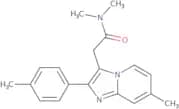
CAS:5-Methyl Zolpidem is a zolpidem tartrate that is used for the treatment of insomnia and as a sedative. It is an intermediate in the synthesis of zolpidem tartrate, which is synthesized from 5-methyl-1-(4-methoxybenzoyl)-1H-benzo[d]imidazole with potassium t-butoxide. The synthesis starts with the conversion of 5-methyl-1-(4-methoxybenzoyl)-1H-benzo[d]imidazole to 1-(4'-methylphenyl) benzene by reaction with methyl iodide followed by hydrolysis of the ester group to form 1-(4'-methylphenyl) benzene. The next step involves a nucleophilic substitution reaction using potassium t-butoxide to produce 1-(4'-methylphenyl) benzene t-butoxide, followed by reaction with methanolFormula:C19H21N3OPurity:Min. 95%Color and Shape:White/Off-White SolidMolecular weight:307.39 g/molTelmisartan-D3-acyl-b-D-glucuronide
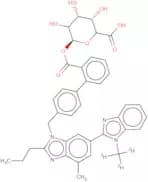
Controlled Product<p>Isotopically labelled metabolite of telmisartan</p>Formula:C39H35D3N4O8Purity:Min. 95%Molecular weight:693.76 g/mol5-Hydroxy duloxetine
CAS:<p>5-Hydroxy duloxetine (5HD) is a drug product that is synthesized by Custom Synthesis. It has high purity and analytical specifications, and can be used for metabolism studies, natural product development, pharmacopoeia, and research and development. 5HD also has a CAS number of 741693-77-6. This product is synthetically produced with impurity standards. The molecular weight of 5HD is 236.3 g/mol with an impurity level of less than 1%. 5HD can be used in the following applications: HPLC standard, HPLC calibration standard, Impurity standard for LCMS, Impurity standard for GCMS.</p>Formula:C18H19NO2SPurity:Min. 95%Color and Shape:PowderMolecular weight:313.40 g/molSemaglutide Impurity 56 (D-Glu 21)
<p>D-Glu(21)-Semaglutide is a semaglutide impurity. The amino acid at position 21 has been replaced by the D-form of the amino acid D-glutamic acid (D-Glu). Semaglutide impurities are structurally related compounds that arise during synthesis, purification, or storage of semaglutide, a long-acting GLP-1 receptor agonist for managing type 2 diabetes and obesity.</p>Formula:C187H291N45O59Molecular weight:4,113.64 g/mol5-(2-Cyclopropyl-1-(3-fluorophenyl)-2-oxoethyl)-4,5,6,7-tetrahydrothieno[3,2-c]pyridin-2-yl acetate
CAS:<p>5-(2-Cyclopropyl-1-(3-fluorophenyl)-2-oxoethyl)-4,5,6,7-tetrahydrothieno[3,2-c]pyridin-2-yl acetate is a substance that is used as a reference in high performance liquid chromatography (HPLC) methods. It is used to validate the method in accordance with the International Conference on Harmonisation of Technical Requirements for Registration of Pharmaceuticals for Human Use (ICH). The substance is also known as prasugrel hydrochloride and it is used as an antiplatelet agent.</p>Formula:C20H20FNO3SPurity:Min. 95 Area-%Color and Shape:Slightly Yellow PowderMolecular weight:373.44 g/mol8-Chloro-11H-benzo[5,6]cyclohepta[1,2-b]pyridin-11-one
CAS:<p>Please enquire for more information about 8-Chloro-11H-benzo[5,6]cyclohepta[1,2-b]pyridin-11-one including the price, delivery time and more detailed product information at the technical inquiry form on this page</p>Formula:C14H8ClNOPurity:Min. 95%Molecular weight:241.67 g/molLevonorgestrel EP Impurity P
CAS:<p>Soluble in Chloroform & in Methanol Confirmed<br>Insoluble in Wate</p>Purity:90% minColor and Shape:Off White or Beige SolidMolecular weight:312.45Naltrexone impurity E
CAS:Controlled Product<p>Naltrexone impurity E is an analytical standard that is used to calibrate high-performance liquid chromatography (HPLC) instruments. This substance is a natural metabolite of naltrexone, which is an opioid receptor antagonist, and has the chemical name of 4-hydroxy-3-methoxy-N-(5α,6β)-dimethyl-2-[(1R)-1-(3-methyloxetan-3-yl)piperidin-4-yl] benzeneacetamide. Naltrexone impurity E is a pharmacopoeia grade compound that can be used in the synthesis of drug products. Custom synthesis and natural or synthetic sources are available.</p>Formula:C24H29NO4Purity:Min. 95%Color and Shape:PowderMolecular weight:395.49 g/molOlanzapine ketolactam
CAS:<p>Olanzapine Ketolactam is a drug product that can be custom synthesized. It has a purity of at least 98% and is identified by its CAS number, 1017241-34-7. The metabolite of Olanzapine ketolactam is olanzapine N-oxide, which can be found in the urine of patients who have taken Olanzapine ketolactam. Metabolism studies have been conducted on this drug product to determine how it may affect the body. This drug product is also used in natural or synthetic drug development, pharmacopoeia, and analytical research.</p>Formula:C17H20N4O2Purity:Min. 95%Color and Shape:PowderMolecular weight:312.37 g/molEverolimus O-ethyl impurity
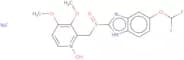
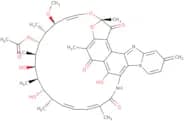
CAS:<p>Everolimus is an immunosuppressant that belongs to the group of rapamycin analogs. It is a synthetic drug and has been shown to be effective in preventing rejection of transplanted organs, such as kidneys, livers, and hearts. Everolimus O-ethyl impurity is a metabolite of everolimus that can be used as a standard for HPLC analysis. The CAS number for this impurity is 1704711-12-5. Everolimus O-ethyl impurity can also be used as a reference material in metabolism studies.</p>Formula:C54H85NO14Purity:Min. 95%Molecular weight:972.25 g/molPantoprazole N-oxide sodium
CAS:<p>Pantoprazole N-oxide sodium is a custom synthesis drug product that is being developed as an impurity standard in the synthesis of Pantoprazole. The compound is also used as a pharmacopoeia analytical standard and a HPLC standard.</p>Formula:C16H15F2N3O5S·NaPurity:Min. 95%Color and Shape:PowderMolecular weight:422.36 g/molAtorvastatin diepoxide
CAS:<p>Atorvastatin diepoxide is an analytical standard for the drug atorvastatin that is used in the development of pharmaceuticals. It is synthesized by reacting atorvastatin with epichlorohydrin, which produces a diepoxide derivative. This synthetic molecule can be used as an impurity standard for HPLC analysis. The CAS number for atorvastatin diepoxide is 887470-43-1.</p>Formula:C33H35FN2O7Purity:Min. 95%Molecular weight:509.64 g/molDapagliflozin Impurity 4
<p>Dapagliflozin Impurity 4 is a research and development impurity standard for the drug Dapagliflozin. Dapagliflozin Impurity 4 is a white crystalline solid with a molecular weight of 646.5 and an empirical formula of C20H22N2O2. It is soluble in water, methanol, ethanol, and acetonitrile. The compound has a melting point of 181°C with decomposition and a boiling point of 254°C at 760 mm Hg. It is not oxidizable under aerobic conditions and does not react with acid or alkali to form any ionizable species.</p>Purity:Min. 95%2,5-Pyrazinedipropionic acid
CAS:<p>2,5-Pyrazinedipropionic acid is a pyrazine derivative with two carboxylic acid groups. It has been shown to be effective in the stabilization of bladder tissue and as a treatment method for bladder cancer. 2,5-Pyrazinedipropionic acid can also be used in the diagnosis of cutaneous melanoma and mesoporous silica nanoparticles that are used in cancer detection. The compound has been found to have a high melting point and water absorption capacity, which makes it suitable for use as an aminolevulinic acid precursor for photodynamic therapy. The compound also has vibrational spectral characteristics that make it suitable for nucleophilic attack on DNA</p>Formula:C10H12N2O4Purity:Min. 95%Color and Shape:PowderMolecular weight:224.21 g/molCeftazidime impurity G
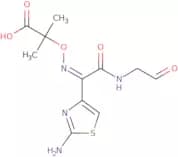
CAS:<p>Ceftazidime impurity G is a heterocycle that has been found to be a potential flavonoid. It has antiviral and protease inhibitory properties, which may be due to its ability to bind to the serine protease. It also has anti-inflammatory properties, which may be due to its inhibition of tyrosine kinase activity. Ceftazidime impurity G can be used as a pharmaceutical preparation for cardiovascular diseases, cancer, hepatitis, and other diseases.</p>Formula:C11H14N4O5SPurity:90%MinColor and Shape:PowderMolecular weight:314.32 g/molRemdesivir impurity 13
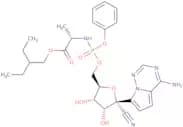
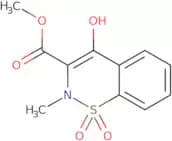
CAS:<p>Remdesivir impurity 13 is a metabolite of remdesivir, which is a drug product that is custom synthesized by us. This compound has been shown to be natural and can be found in the human body. Remdesivir impurity 13 has been studied extensively for its metabolic pathway and as a potential impurity standard for HPLC analysis.</p>Formula:C27H35N6O8PPurity:Min. 95%Molecular weight:602.58 g/molMethyl 4-hydroxy-2-methyl-(2H)-1,2-benzothiazine-3-carboxylate-1,1-dioxide
CAS:Methyl 4-hydroxy-2-methyl-(2H)-1,2-benzothiazine-3-carboxylate-1,1-dioxide is a centrosymmetric molecule with an aspergillus flavus conformation. It is an acetanilide derivative that has been shown to be an effective antioxidant and medicine for the treatment of cancer. This product is also used in the production of hydrogen bonds and linkers in organic synthesis. The yields are high and it can be oriented during irradiation.Formula:C11H11NO5SPurity:Min. 95%Color and Shape:PowderMolecular weight:269.28 g/mol[(2-Butoxyethoxy)ethyl] 2-[(trifluoromethyl)phenylamino]benzoate
CAS:<p>[(2-Butoxyethoxy)ethyl] 2-[(trifluoromethyl)phenylamino]benzoate is a synthetic chemical that is an impurity in the synthesis of the drug product, [(2-butoxyethoxy)ethyl] 2-[(trifluoromethyl)phenylamino]-benzoate. It is a white to off-white solid with a melting point of 53°C. The purity of this compound is high and it has been used as an analytical standard for HPLC. This compound also has niche application in pharmacopoeia and drug development.</p>Formula:C22H26F3NO4Purity:Min. 95%Color and Shape:Pale yellow to yellow liquidMolecular weight:425.44 g/molBis{2-[(2S-trans)-Methyl 7-chloro-6,7,8-trideoxy-6-[((1-methyl-4-propyl-2-pyrrolidinyl)-carbonyl)amino]-1-thio-L-threo-a-D-galacto-o ctopyranoside]} pyrophosphate
CAS:<p>CAS No. 37450-78-5, drug product, Custom synthesis, High purity, analytical, Metabolism studies, Natural, Drug development, pharmacopoeia, Metabolite, niche, Synthetic</p>Formula:C36H66Cl2N4O15P2S2Purity:Min. 95%Molecular weight:991.91 g/molL-138,037
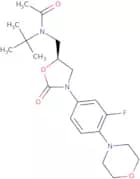
CAS:Please enquire for more information about L-138,037 including the price, delivery time and more detailed product information at the technical inquiry form on this pageFormula:C28H34N4Purity:Min. 95%Color and Shape:PowderMolecular weight:426.6 g/molN-tert-butyl-N-(((S)-3-(3-fluoro-4-morpholinophenyl)-2-oxooxazolidin-5-yl)methyl)acetamide
CAS:N-tert-butyl-N-(((S)-3-(3-fluoro-4-morpholinophenyl)-2-oxooxazolidin-5-yl)methyl)acetamide (CAS 1215006-11, API impurity) is a synthetic compound from the drug development process. This impurity has been identified in the natural product and is not an active ingredient. It is found as a Metabolite in the pharmacopoeia and analytical methods. This substance is used for research and development of drugs, such as for standardizing HPLC.Formula:C20H28FN3O4Purity:Min. 95%Color and Shape:White PowderMolecular weight:393.45 g/mol3-O-Methylcarbidopa
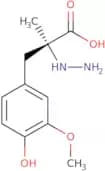
CAS:Controlled Product<p>3-O-Methylcarbidopa is a drug that belongs to the class of dopa decarboxylase inhibitors. It is an inactive prodrug, which is converted into its active form by hydrolysis in the body. 3-O-Methylcarbidopa has been shown to have a plasma concentration that can be detected, with an elimination rate of about 4 hours. The active substance is found in the particle size range of 0.1 to 1 micrometer and can be analyzed using chromatographic methods. 3-O-Methylcarbidopa is primarily used for the treatment of Parkinson's disease, but also has potential applications in other diseases such as Alzheimer's disease, depression and schizophrenia.</p>Purity:Min. 95%Molecular weight:240.26Rifaximin Impurity 1
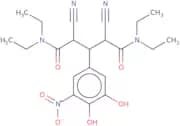
CAS:<p>Rifaximin Impurity 1 is a synthetic impurity standard for Rifaximin. It is a metabolite of rifaximin and is used in research and development to test the purity of drug products. It has a molecular weight of 314.2 g/mol and molecular formula C9H16N4O4S. This product is not manufactured by or for the original equipment manufacturer (OEM).</p>Formula:C43H49N3O11Purity:Min. 95%Molecular weight:783.86 g/mol2,4-Dicyano-3-(3,4-dihydroxy-5-nitrophenyl)-N1,N1,N5,N5-tetraethylpentanediamide
2,4-Dicyano-3-(3,4-dihydroxy-5-nitrophenyl)-N1,N1,N5,N5-tetraethylpentanediamide is a white crystalline solid that is used as an analytical reference standard in HPLC. It is used for the determination of purity and impurities in pharmaceuticals and drug products. This compound can be custom synthesized or obtained from natural sources. It can be found in the USP Drug Impurity Standards and the European Pharmacopoeia.Formula:C21H27N5O6Purity:Min. 95%Molecular weight:445.47 g/mol4-Methoxy-N,N-dimethyl-phenethylamine
CAS:Controlled Product<p>4-Methoxy-N,N-dimethylphenethylamine is a natural product that has been shown to inhibit the transfer of bacteria from the environment to food. It also has regulatory properties and can be used as a supplement in dietary drinks. 4-Methoxy-N,N-dimethylphenethylamine is an alkaloidal extract and has been shown to have antibacterial activity against Escherichia coli, Salmonella enterica, and Listeria monocytogenes. This compound was also found to have diffraction properties, which are related to its ability to bind DNA in bacterial cells.</p>Formula:C11H17NOPurity:Min. 95%Color and Shape:Clear LiquidMolecular weight:179.26 g/molErythromycin impurity M
<p>Erythromycin impurity M is a natural, API impurity (impurity standard) that is a metabolite of erythromycin. It has been synthesized as a high purity HPLC standard to meet the requirements of pharmacopoeia and drug development. Erythromycin impurity M is an analytical reference material with CAS number 528-73-2.</p>Formula:C37H67NO13Purity:Min. 95%Molecular weight:733.93 g/molO3-Desethyl apremilast
CAS:<p>O3-Desethyl apremilast is an experimental drug product that belongs to the class of drug products. This drug product has been shown to be a natural, synthetic and analytical impurity in API. It is also an impurity standard for HPLC analysis. O3-Desethyl apremilast can be used in research and development, as well as niche applications in the pharmaceutical industry.</p>Formula:C20H20N2O7SPurity:Min. 95%Color and Shape:PowderMolecular weight:432.45 g/mol(-)-9-Hydroxyrisperidone
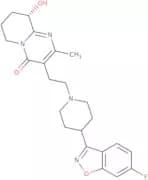
CAS:Controlled Product<p>(-)-9-Hydroxyrisperidone is a metabolite of risperidone that is structurally related to the neurotransmitter dopamine. This compound has been found to be a potent antagonist of serotonin and adrenergic receptors, which may contribute to its therapeutic effects in schizophrenia. (-)-9-Hydroxyrisperidone also has been shown to have a high affinity for human liver plasma proteins, which suggests it may be responsible for the long half-life seen with risperidone. The (+) form of the drug has been shown to be more potent than (-)-9-hydroxyrisperidone, while (-)-9-hydroxyrisperidone is more selective in terms of receptor binding.</p>Formula:C23H27FN4O3Purity:Min. 95%Color and Shape:PowderMolecular weight:426.48 g/molDifluoro atorvastatin
CAS:<p>Difluoro atorvastatin is a filtrate of atorvastatin, which is a cholesterol-lowering drug. It is synthesized by reacting butyric acid with atorvastatin in an organic solvent. The reaction solution was filtered to remove impurities and then purified by liquid chromatography. The product was characterized by diffraction and LC-MS analysis. Difluoro atorvastatin has a high purity and is suitable for further use in the preparation of pharmaceuticals.</p>Formula:C33H34F2N2O5Purity:Min. 95%Molecular weight:576.63 g/molGuaifenesin EP impurity C
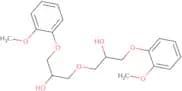
CAS:<p>This is a metabolite of guaifenesin, and it is an impurity in the EP guaifenesin. It can be custom synthesized for research and development purposes. The purity of this product is high, and it can be used as an analytical standard or a drug product.</p>Formula:C20H26O7Purity:Min. 95 Area-%Color and Shape:Colorless Clear LiquidMolecular weight:378.42 g/molGliclazide impurity F
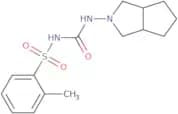
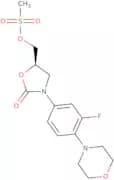
CAS:<p>Gliclazide is a sulfonylurea drug that is used to treat type 2 diabetes. The impurity F, which is an impurity standard, can be synthesized by reacting 1-chloro-2,6-difluoroaniline with sodium methoxide in methanol. It is also an API impurity found in the synthesis of gliclazide and can be custom synthesized for research and development purposes. Gliclazide impurity F has a CAS number of 1076198-18-9 and the molecular formula C8H4ClF3NOS. This product has a purity of >99% and is classified as synthetic. It has been shown to have pharmacopoeia activity and can also be used for niche applications such as drug development.</p>Formula:C15H21N3O3SPurity:Min. 95%Color and Shape:White Off-White PowderMolecular weight:323.41 g/mol(R)-3-(3-Fluoro-4-morpholin-4-ylphenyl)-2-oxo-5-oxazolidinyl)methyl methansulfonate
CAS:<p>(R)-3-(3-Fluoro-4-morpholin-4-ylphenyl)-2-oxo-5-oxazolidinyl)methyl methansulfonate is a Custom synthesis, drug product, Metabolite, Synthetic, Drug development, Impurity standard, Metabolism studies, API impurity, Natural, pharmacopoeia, analytical and HPLC standard. It is CAS No. 174649-09-3.</p>Formula:C15H19FN2O6SPurity:Min. 95%Molecular weight:374.39 g/molPravastatin lactone
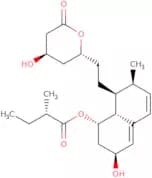
CAS:<p>Pravastatin lactone is a prodrug of pravastatin that is hydrolyzed in vivo to its active form. It is used for the treatment of bowel disease and has been shown to have concentration-time curves that are linear and dose-dependent. Pravastatin lactone has an acidic pH, which may be due to the presence of carboxyl groups on the molecule. This drug also inhibits the activity of 3-hydroxy-3-methylglutaryl coenzyme A (HMG CoA) reductase, which is an enzyme that catalyzes the conversion of HMG CoA to mevalonate in order to produce cholesterol. Pravastatin lactone also suppresses the production of fatty acids by inhibiting their synthesis at the level of acetyl-coenzyme A (acetyl-CoA). The drug has not shown any evidence of toxicity when administered to rats at doses up to 10 mg/kg body weight per day</p>Formula:C23H34O6Purity:Min. 98 Area-%Color and Shape:PowderMolecular weight:406.51 g/molCisplatin impurity A
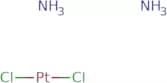
CAS:<p>Cisplatin impurity A is a platinum-based chemotherapeutic agent that binds to DNA and inhibits the synthesis of cellular proteins. Cisplatin impurity A has been shown to inhibit the growth of cancer cells in vitro and in vivo. This compound also inhibits the production of epidermal growth factor, which may be due to its ability to bind dna at tetrazolium dye adducts. The coordination geometry of cisplatin impurity A is octahedral with two axial bidentate chelating ligands, which allows it to bind both DNA and tubule cells.</p>Formula:(NH3)2Cl2PtColor and Shape:PowderMolecular weight:300.05 g/molEthyl 3-aminopyrazole-4-carboxylate
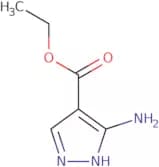
CAS:<p>Ethyl 3-aminopyrazole-4-carboxylate is an anticancer drug that inhibits the growth of cancer cells by inhibiting protein synthesis. It has been shown to inhibit the activity of dpp-iv and pde5, which are enzymes involved in cellular proliferation. Ethyl 3-aminopyrazole-4-carboxylate has also been shown to have antiinflammatory properties, which may be due to inhibition of prostaglandin synthesis. <br>Ethyl 3-aminopyrazole-4-carboxylate is a multinuclear compound that reacts with nitrogen atoms from the pyrazoles to form a stable molecule. Dimethylformamide is used as a solvent for this reaction. The synthesis of ethyl 3-aminopyrazole-4-carboxylate starts with acetylation, which converts the carboxylic acid group into an acetic acid group. The acetic acid group reacts with ammonia and hydrogen cyan</p>Formula:C6H9N3O2Purity:Min. 95%Color and Shape:PowderMolecular weight:155.16 g/molDehydrocorybulbine chloride
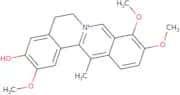
CAS:Dehydrocorybulbine chloride salt is a medicinal compound that has shown potential as an anticancer agent. It is an analog of the Chinese herb Corydalis yanhusuo and has been found to inhibit protein kinases, which are enzymes that play a key role in cancer cell growth and proliferation. Dehydrocorybulbine chloride salt has been shown to induce apoptosis (programmed cell death) in various types of cancer cells, including bladder, lung, and breast cancer cells. This compound also exhibits low toxicity towards normal human cells and has shown promise as a possible treatment for certain types of cancer.Formula:C21H22ClNO4Purity:Min. 95%Color and Shape:PowderMolecular weight:352.4 g/molDecitabine impurity 11
CAS:Decitabine is a drug product that is used as an anti-cancer drug. It is a synthetic, natural, and research and development (R&D) metabolite with the CAS No. 909402-26-2. Decitabine has shown anticancer activity in vitro and in vivo against leukemia cells. This compound is an impurity of the API decitabine that is manufactured by a chemical synthesis process. The analytical impurities are 11 compounds that have been identified from the HPLC standard of this API. The metabolites of these compounds are also included in this standard. High purity decitabine should be obtained for pharmacopoeia studies and niche applications such as HPLC standards, pharmaceuticals, or research purposes.Formula:C9H13N3O5Purity:Min. 95%Molecular weight:243.22 g/mol3-[[[2-[(Diaminomethylene)amino]-4-thiazolyl]methyl]thio]propanamide
CAS:3-[[[2-[(Diaminomethylene)amino]-4-thiazolyl]methyl]thio]propanamide is a synthetic drug product. It is not found in natural products and it has no pharmacopoeia name. 3-[[[2-[(Diaminomethylene)amino]-4-thiazolyl]methyl]thio]propanamide is an impurity standard for the manufacture of pharmaceuticals. It is also used as a research and development reagent and analytical standard. 3-[[[2-[(Diaminomethylene)amino]-4-thiazolyl]methyl]thio]propanamide has not been evaluated by the FDA as a food additive, but it has been evaluated by the European Union as a flavoring agent.Formula:C8H13N5OS2Purity:Min. 95%Color and Shape:White PowderMolecular weight:259.35 g/molDechloro haloperidol decanoate
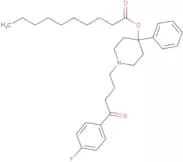
CAS:<p>Dechloro haloperidol decanoate is a drug product that is custom synthesized to meet the needs of the customer. It is manufactured with high purity and analytical quality. Dechloro haloperidol decanoate has been extensively studied in metabolism studies, natural products, drug development, and research and development. The CAS number for this compound is 1797824-64-6. Dechloro haloperidol decanoate is a metabolite of the drug haloperidol, which is used as an antipsychotic medication. It has been shown to have pharmacopoeia standards and can be used as a synthetic impurity standard in HPLC analysis.</p>Purity:Min. 95%(1S)-1-Phenyl-1,2,3,4-tetrahydroisoquinoline
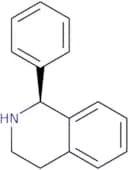
CAS:<p>(1S)-1-Phenyl-1,2,3,4-tetrahydroisoquinoline is a drug used to treat depression. It is an antidepressant drug that inhibits the reuptake of serotonin and norepinephrine in the brain by blocking their transport into the nerve cells. The drug acts as a weak inhibitor of monoamine oxidase (MAO). It also has an effect on bladder function. This compound is synthesized from 1-phenyl-2,5-dihydrothiazole by way of a sequence of reactions that includes the formation of an amine salt via reaction with phosphorus pentoxide and chloroacetic acid followed by conversion to the chloride with thionyl chloride.</p>Formula:C15H15NPurity:Min. 95%Color and Shape:White PowderMolecular weight:209.29 g/molNLRP3i
CAS:<p>NLRP3i is a molecule that is orally administered and has been shown to have anti-inflammatory effects in the heart. NLRP3i reduces pro-inflammatory cytokines and protects against cardiac dysfunction in mice with chronic kidney disease. It also protects against heart failure caused by ischemia reperfusion. This drug has been shown to be effective as a therapy for cancer, with some patients being resistant to chemotherapy, although it is not yet approved for this use.</p>Formula:C16H17ClN2O4SPurity:Min. 95%Molecular weight:368.84 g/molLenvatinib impurity 10
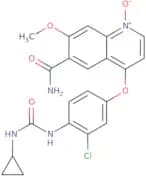
CAS:<p>Lenvatinib impurity 10 is a synthetic impurity that is used as an analytical standard in HPLC. It is also a metabolite of lenvatinib and has been found to have anti-inflammatory properties. Lenvatinib impurity 10 is available in high purity and can be custom synthesized to meet the needs of your research or development.</p>Formula:C35H26Cl2N6O7Purity:Min. 95%Color and Shape:PowderMolecular weight:713.53 g/molrac N-Demethyl promethazine hydrochloride
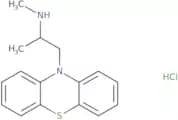
CAS:<p>Rac-N-Demethylpromethazine hydrochloride is a racemic mixture of promethazine. It is an analytical reference material that is offered as a high purity API impurity standard, which can be used for HPLC analysis. Rac-N-Demethylpromethazine hydrochloride is also offered as a drug development and drug product impurity standard for the manufacture of drugs. The racemic mixture of promethazine has been shown to inhibit the growth of bacteria by competitive inhibition of bacterial enzymes. Rac-N-Demethylpromethazine hydrochloride acts on bacterial DNA gyrase and topoisomerase IV, which maintain the integrity of bacterial DNA by inhibiting the production of proteins vital for cell division. Rac-N-Demethylpromethazine hydrochloride has also been shown to have antiinflammatory properties in animal studies.</p>Formula:C16H19ClN2SPurity:Min. 95%Color and Shape:PowderMolecular weight:306.86 g/molAmikacin EP Impurity A
CAS:Amikacin EP Impurity A is a metabolite of amikacin. It is a white crystalline substance with a molecular weight of 269.5. Amikacin EP Impurity A is found in the urine and bile of individuals who have been administered amikacin. It has been shown to be pharmacologically active, inhibiting bacterial growth by binding to DNA-dependent RNA polymerase, thereby preventing transcription and replication.Formula:C22H43N5O13Purity:Min. 95%Molecular weight:585.6 g/molAcyclovir
CAS:<p>Acyclovir is an antiviral drug that inhibits the replication of herpes viruses by selectively inhibiting viral DNA polymerase. The drug is active against a broad range of herpes viruses, including both types of herpes simplex virus (HSV-1 and HSV-2) and varicella zoster virus. Acyclovir has also been shown to be effective against aciclovir-resistant mutants. This drug can be used as a prophylaxis or in combination with other antiviral agents for the treatment of active infections. Acyclovir can cause headaches, nausea, vomiting, and diarrhea when taken orally. It should not be taken with certain medicines such as aminoglycosides or high doses of aspirin because this may increase the risk for kidney problems.</p>Formula:C8H11N5O3Purity:Min. 95%Color and Shape:White PowderMolecular weight:225.2 g/molVitamin A EP Impurity C
CAS:<p>Soluble in Chloroform & in Methanol Confirmed<br>Insoluble in Wate</p>Purity:90% minColor and Shape:Off White or Beige SolidMolecular weight:312.45Atorvastatin EP Impurity D
CAS:<p>Soluble in Chloroform & in Methanol Confirmed<br>Insoluble in Water</p>Purity:95.0% MinColor and Shape:White or Off-White Crystalline Solid, Light SensitiveMolecular weight:431,46Rabeprazole
CAS:<p>Rabeprazole is a proton pump inhibitor that suppresses the production of stomach acid by blocking the H+/K+ ATPase enzyme. It is used for the treatment of gastroesophageal reflux disease, peptic ulcers, and Zollinger-Ellison syndrome. Rabeprazole has been shown to be more effective than omeprazole in reducing gastric acid secretion in two-way crossover studies. Rabeprazole also has been shown to inhibit the growth of antibiotic-resistant strains of bacteria. In addition, rabeprazole binds to metal ions like iron and copper, which may affect its pharmacokinetics and efficacy. This drug is currently being investigated as an analytical method for determination of proton pump inhibitors in human serum and urine samples by electrochemical impedance spectroscopy (EIS).</p>Formula:C18H21N3O3SPurity:Min. 95%Color and Shape:White PowderMolecular weight:359.44 g/molD-Val(10)-Semaglutide
<p>D-Val(10)-Semaglutide is a semaglutide impurity. The amino acid at position 10 has been replaced by the D-form of the amino acid D-valine (D-Val). Semaglutide impurities are structurally related compounds that arise during synthesis, purification, or storage of semaglutide, a long-acting GLP-1 receptor agonist for managing type 2 diabetes and obesity.</p>Formula:C187H291N45O59Molecular weight:4,113.64 g/mol2-[[3-(Trifluoromethyl)phenyl]amino] benzoic acid 2-hydroxyethyl ester
CAS:<p>2-[[3-(Trifluoromethyl)phenyl]amino] benzoic acid 2-hydroxyethyl ester is a metabolite of the drug desloratadine. It is used as an impurity standard in HPLC and as a metabolite to study metabolism.</p>Formula:C16H14F3NO3Purity:Min. 95%Color and Shape:White To Off-White SolidMolecular weight:325.28 g/mol(RS)-Methyl ethyl 1,4-dihydro-2,6-dimethyl-4-(3-nitrophenyl)pyridine-3,5-dicarboxylate
CAS:<p>Methyl ethyl 1,4-dihydro-2,6-dimethyl-4-(3-nitrophenyl)pyridine-3,5-dicarboxylate is a propranolol hydrochloride derivative that has vasodilatory effects. It is used as a nitrovasodilator to treat angina pectoris and high blood pressure. Methyl ethyl 1,4-dihydro-2,6-dimethyl-4-(3-nitrophenyl)pyridine-3,5-dicarboxylate binds to the alpha1 adrenergic receptors in the heart and causes vasodilation by inhibiting the release of norepinephrine from sympathetic nerves. This drug also inhibits the binding of norepinephrine to cardiac beta receptors which decreases the heart rate and contractility of cardiac muscle. Methyl ethyl 1,4-dihydro-2,6</p>Formula:C18H20N2O6Purity:Min. 95%Color and Shape:Yellow PowderMolecular weight:360.36 g/mol6'-Methoxy-2'-acetonaphthone
CAS:6'-Methoxy-2'-acetonaphthone is a reactive chemical that can be used as a reagent in organic synthesis. It is an electron-rich aromatic compound and its reactivity is enhanced by electron-donating groups such as -OH, -NH2, or -SH. 6'-Methoxy-2'-acetonaphthone can be used to form new carbon-carbon bonds in the presence of metal catalysts. This reaction can be done in either the presence or absence of a solvent, although the yield is better when carried out in organic solvents. Oxime derivatives are formed as oxidation products during this reaction. Acetylation may also occur, which would produce acetophenones or phenylacetones.Formula:C13H12O2Purity:Min. 95%Color and Shape:Off-White PowderMolecular weight:200.23 g/mol11-(1-Piperazinyl)dibenzo[b,f][1,4]thiazepine hydrochloride
CAS:<p>11-(1-Piperazinyl)dibenzo[b,f][1,4]thiazepine hydrochloride is a drug product that is used as an impurity standard in the manufacture of 11-aminoundecanoic acid. It is also used to study the metabolism of this compound. This drug product is not intended for use in humans or animals.</p>Formula:C17H18ClN3SPurity:Min. 95%Color and Shape:PowderMolecular weight:331.9 g/molEsomeprazole Impurity Q
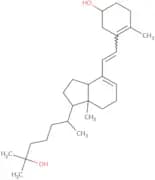
<p>Esomeprazole Impurity Q is a drug product. It is an impurity standard of esomeprazole, CAS No. 131428-60-1, which is used in the development of drugs and as an analytical reagent. It is synthesized from natural materials and has a purity of 99%. The metabolite can be found in animal and human metabolism studies. Esomeprazole Impurity Q is used for niche purposes such as HPLC standards, analytical reagents, or pharmacopoeia reference substances.</p>Purity:Min. 95%25-Hydroxytachysterol
CAS:<p>25-Hydroxytachysterol is a drug product that is manufactured by natural and synthetic means. The natural form of the compound is found in the urine of pregnant women, while the synthetic form is produced by chemical synthesis. 25-Hydoxytachysterol has been shown to be an analytical standard, impurity standard, and API impurity. It also has been used extensively in metabolism studies and pharmacopoeia research.<br>25-Hydroxytachysterol can be synthesized from cholesterol or obtained from animal sources such as bile acids or piglets. The compound is metabolized by cytochrome P450 enzymes to produce 7alpha,24-dihydroxycholesterol, which has progesterone-like properties.</p>Formula:C27H44O2Purity:Min. 95%Molecular weight:400.64 g/mol4-[2'-(7''-Deazaguanine)ethyl]benzoic acid N-hydroxysuccinimide ester
CAS:<p>4-[2'-(7''-Deazaguanine)ethyl]benzoic acid N-hydroxysuccinimide ester is a useful intermediate in the synthesis of 7''-deazaguanine, which is a key building block in the synthesis of DNA. 4-[2'-(7''-Deazaguanine)ethyl]benzoic acid N-hydroxysuccinimide ester is a versatile building block that can be used in the synthesis of complex compounds. It has been shown to react with amines, sulfonyl chlorides, and epoxides to form amides, sulfonamides, and epoxy amines respectively. The CAS number for this compound is 204257-65-8.</p>Formula:C19H17N5O5Purity:Min. 95%Molecular weight:395.37 g/molN-[1-(R)-(1-Naphthyl)ethyl]-3-[3-(trifluoromethyl)phenyl]-1-propanamide
CAS:N-[1-(R)-(1-Naphthyl)ethyl]-3-[3-(trifluoromethyl)phenyl]-1-propanamide is an impurity standard that is used in the manufacture of a drug product. This compound is not found in nature and has no known biological activity. It has been shown to be metabolized by CYP2D6, CYP2C8, and CYP2C9. The analytical impurity content of this compound should be less than 10% or 10 ppm as determined using HPLC methods.Formula:C22H20F3NOPurity:Min. 95%Color and Shape:PowderMolecular weight:371.4 g/molSitagliptin Diamide impurity
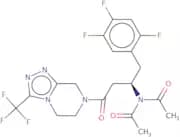
Sitagliptin Diamide Impurity is a drug product that is a white crystalline powder. It has been developed as an analytical standard for the impurity Sitagliptin Diamide. The impurity is a metabolite of sitagliptin, which is an oral antidiabetic drug used to treat type 2 diabetes. Sitagliptin Diamide Impurity can be used as a pharmaceutical intermediate and in research and development.Formula:C20H19F6N5O3Purity:Min. 95%Molecular weight:491.39 g/molChlorthalidone impurity H
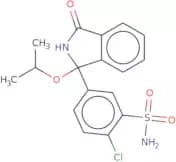
CAS:<p>Chlorthalidone impurity H is an impurity standard for chlorthalidone. It is a synthetic chemical and its CAS number is 2200280-98-2. It has the molecular formula C14H14ClN4O4S, molecular weight of 336.36 g/mol, and melting point of 174°C. Chlorthalidone impurity H is soluble in water and ethanol, but insoluble in ether or chloroform. It can be used as an analytical standard for HPLC and as an API impurity in the pharmacopoeia. This drug can also be used in drug development, natural product synthesis, metabolism studies, and drug product manufacturing.</p>Formula:C17H17ClN2O4SPurity:Min. 95%Color and Shape:White To Off-White SolidMolecular weight:380.85 g/mol2-Hydroxy-2,2-bis(2-thienyl) acetic acid
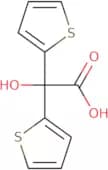
CAS:<p>2-Hydroxy-2,2-bis(2-thienyl) acetic acid is a long-acting bronchodilator that can be administered by inhalation. It has been used in the clinical development of medicines for the treatment of asthma and chronic obstructive pulmonary disease. 2-Hydroxy-2,2-bis(2-thienyl) acetic acid is chemically related to pyridinium compounds. It is a potent inhibitor of muscarinic receptors and has an anticholinergic profile similar to atropine. The safety profile of this drug seems to be favourable in humans with no major side effects reported so far.</p>Formula:C10H8O3S2Purity:Min. 95%Color and Shape:Yellow PowderMolecular weight:240.3 g/molBis-[[2-aminoethyl]thio]methane
CAS:<p>Bis-[[2-aminoethyl]thio]methane is a custom synthesis, drug product, niche, Metabolite, Drug development, Natural, pharmacopoeia and API impurity. This chemical is CAS No. 22907-27-3 and has the molecular weight of 249.00 g/mol. It can be synthesized in the laboratory using the following methods: HPLC standard, Research and Development and Impurity standard. The chemical is an analytical standard with a purity of 99%. This chemical can be used as analytical reagent or in research and development of drugs.</p>Formula:C5H14N2S2Purity:Min. 95%Color and Shape:Clear LiquidMolecular weight:166.31 g/molN-[2-[[[5(Dimethylamino)methyl]-2-furanyl]thio]ethyl]-N'-methyl-2-nitro-2,2-ethendiamine, S-oxide
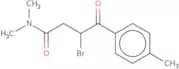
CAS:<p>N-[2-[[[5(Dimethylamino)methyl]-2-furanyl]thio]ethyl]-N'-methyl-2,2-ethendiamine, S-oxide is a chemical compound that has been shown to be an effective inhibitor of the metabolism of many drugs in rat liver microsomes. This drug is used as an analytical method in urine samples to study the clinical relevance of n-oxide metabolites and their effects on drug interactions. N-[2-[[[5(Dimethylamino)methyl]-2-furanyl]thio]ethyl]-N'-methyl-2,2-ethendiamine, S-oxide has been shown to have optimum concentration at 0.1 mM in wastewater treatment systems. The kinetic data for this compound were obtained using a model system with low bioavailability.</p>Formula:C13H22N4O4SPurity:Min. 95%Color and Shape:PowderMolecular weight:330.4 g/mol3-Bromo-N,N-dimethyl-3-(4-methylbenzoyl)propionamide
CAS:3-Bromo-N,N-dimethyl-3-(4-methylbenzoyl)propionamide is a natural metabolite of the drug 3-(2,6-dichlorobenzoyl)-1,2,3,4-tetrahydroisoquinoline. It is an impurity found in the synthesis of 3-(2,6-dichlorobenzoyl)-1,2,3,4-tetrahydroisoquinoline and has been shown to be a metabolite of this compound. 3-Bromo-N,N-dimethyl-3-(4-methylbenzoyl)propionamide is also used as an analytical reference material for HPLC. This chemical can be synthesized from commercially available starting materials or custom synthesized with your specifications.Formula:C13H16BrNO2Purity:Min. 95%Color and Shape:PowderMolecular weight:298.18 g/mol






![5-Methoxy-2-[[(3,5-dimethyl-2-pyridinyl)methyl]sulphinyl]-1H-benzimidazole](/_next/image/?url=https%3A%2Fstatic.cymitquimica.com%2Fproducts%2F3D%2Fthumb-webp%2FIM57917.webp&w=3840&q=75)
![2H,5H-Pyrano[4,3-b]pyranyl mupirocin sodium impurity](/_next/image/?url=https%3A%2Fstatic.cymitquimica.com%2Fproducts%2F3D%2Fthumb-webp%2FIP27268.webp&w=3840&q=75)

![[D-Phe22]-Tirzepatide](/_next/image/?url=https%3A%2Fstatic.cymitquimica.com%2Fproducts%2F3D%2Fthumb-webp%2FIP11026.webp&w=3840&q=75)


![D-[Pro]31-Tirzepatide](/_next/image/?url=https%3A%2Fstatic.cymitquimica.com%2Fproducts%2F3D%2Fthumb-webp%2FIP11028.webp&w=3840&q=75)
![11-Piperazin-1-yl-dibenzo[b,f][1,4]thiazepine](/_next/image/?url=https%3A%2Fstatic.cymitquimica.com%2Fproducts%2F3D%2Fthumb-webp%2FIP57871.webp&w=3840&q=75)
![5-(2-Cyclopropyl-1-(3-fluorophenyl)-2-oxoethyl)-4,5,6,7-tetrahydrothieno[3,2-c]pyridin-2-yl acetate](/_next/image/?url=https%3A%2Fstatic.cymitquimica.com%2Fproducts%2F3D%2Fthumb-webp%2FIC168303.webp&w=3840&q=75)
![8-Chloro-11H-benzo[5,6]cyclohepta[1,2-b]pyridin-11-one](/_next/image/?url=https%3A%2Fstatic.cymitquimica.com%2Fproducts%2F3D%2Fthumb-webp%2FIC183197.webp&w=3840&q=75)



![[(2-Butoxyethoxy)ethyl] 2-[(trifluoromethyl)phenylamino]benzoate](/_next/image/?url=https%3A%2Fstatic.cymitquimica.com%2Fproducts%2F3D%2Fthumb-webp%2FIB58089.webp&w=3840&q=75)

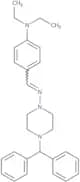

![3-[[[2-[(Diaminomethylene)amino]-4-thiazolyl]methyl]thio]propanamide](/_next/image/?url=https%3A%2Fstatic.cymitquimica.com%2Fproducts%2F3D%2Fthumb-webp%2FID58074.webp&w=3840&q=75)


![2-[[3-(Trifluoromethyl)phenyl]amino] benzoic acid 2-hydroxyethyl ester](/_next/image/?url=https%3A%2Fstatic.cymitquimica.com%2Fproducts%2F3D%2Fthumb-webp%2FIT58093.webp&w=3840&q=75)

![11-(1-Piperazinyl)dibenzo[b,f][1,4]thiazepine hydrochloride](/_next/image/?url=https%3A%2Fstatic.cymitquimica.com%2Fproducts%2F3D%2Fthumb-webp%2FIN181068.webp&w=3840&q=75)
![4-[2'-(7''-Deazaguanine)ethyl]benzoic acid N-hydroxysuccinimide ester](/_next/image/?url=https%3A%2Fstatic.cymitquimica.com%2Fproducts%2F3D%2Fthumb-webp%2FFD20837.webp&w=3840&q=75)
![N-[1-(R)-(1-Naphthyl)ethyl]-3-[3-(trifluoromethyl)phenyl]-1-propanamide](/_next/image/?url=https%3A%2Fstatic.cymitquimica.com%2Fproducts%2F3D%2Fthumb-webp%2FIN58183.webp&w=3840&q=75)
![Bis-[[2-aminoethyl]thio]methane](/_next/image/?url=https%3A%2Fstatic.cymitquimica.com%2Fproducts%2F3D%2Fthumb-webp%2FIB57858.webp&w=3840&q=75)
![N-[2-[[[5(Dimethylamino)methyl]-2-furanyl]thio]ethyl]-N'-methyl-2-nitro-2,2-ethendiamine, S-oxide](/_next/image/?url=https%3A%2Fstatic.cymitquimica.com%2Fproducts%2F3D%2Fthumb-webp%2FID57862.webp&w=3840&q=75)