APIs for research and impurities
Subcategories of "APIs for research and impurities"
- Aminoacids and derivatives(12,334 products)
- Anthraquinones and derivatives(404 products)
- Benzimidazole and Imidazole Derivatives(10,446 products)
- Benzodiazepine Derivatives(334 products)
- Carbohydrates and glycoconjugates(5,047 products)
- Esters and Derivatives(42,250 products)
- Fatty Acids and Lypidic Derivatives(32,413 products)
- Flavonoids and Polyphenols(17,083 products)
- Free Radicals and Oxidant/Reducing Agents(213 products)
- Ketones and derivatives(2,401 products)
- Natural and semi-synthetic antibiotics(6,382 products)
- Nitriles and Cyano Derivatives(3,068 products)
- Nitrosamines and Derivatives(55 products)
- Nucleosides and Nucleotides(3,480 products)
- Organic Phosphates and Phosphonates(1,201 products)
- Organic Sulphonates and Sulphates(10,433 products)
- Organometallics(4,421 products)
- Others(6,305 products)
- Peptides and Proteins(3,148 products)
- Polymers and Derivatives(100 products)
- Purines and Pyrimidine Derivatives(8,948 products)
- Quinazoline and Quinoline Derivatives(66,025 products)
- Quinones and Derivatives(24,362 products)
- Salts and Derivatives of Active Pharmaceutical Ingredients (API)(80,545 products)
- Steroids and Derivatives(4,954 products)
- Sulfonamides and Derivatives(2,595 products)
- Terpenoids and Derivatives(3,848 products)
- Thiazolidinediones and Thiopyrans(2,753 products)
- β-Adrenergic Compounds(231 products)
Found 57821 products of "APIs for research and impurities"
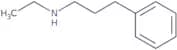
Alverine EP Impurity C
CAS:Alverine EP Impurity C is a by-product of the synthesis of alverine, which is an ammonium salt. The process involves the use of high yield, high purity triflic acid, and organic solvents. The reaction system is typically carried out in a solvent such as toluene or dichloromethane. The organic solvent is then removed by filtration and the desired product can be obtained by crystallization or recrystallization. Alverine EP Impurity C has been shown to have insecticidal properties when applied externally, due to its interaction with insect stereoisomers. It also has anticancer activity and may be used in cancer therapy treatments that involve decompressing tumours and increasing blood supply to the area. Alverine EP Impurity C also has a citric acid binding property that makes it insoluble in water.
Formula:C11H17NPurity:Min. 95%Molecular weight:163.26 g/molFluocortolone Impurity 5
Fluocortolone Impurity 5 is a drug product that is custom synthesized for research and development purposes. It has high purity and analytical standards, as well as metabolite and impurity standards. Fluocortolone Impurity 5 can be used in pharmacopoeia, natural products research, drug development, and other niche applications. Fluocortolone Impurity 5 is a synthetic compound that is not found in nature.Purity:Min. 95%Benz[A]anthracene-7-acetic acid
CAS:Please enquire for more information about Benz[A]anthracene-7-acetic acid including the price, delivery time and more detailed product information at the technical inquiry form on this page
Formula:C20H14O2Purity:Min. 95%Molecular weight:286.3 g/molEthyl 3-(3-amino-4-(2-((4-cyanophenyl)amino)-N-methylacetamido)-N-(pyridin-2-yl)benzamido)propanoate
CAS:Ethyl 3-(3-amino-4-(2-((4-cyanophenyl)amino)-N-methylacetamido)-N-(pyridin-2-yl)benzamido)propanoate is an analytical standard and a drug development impurity in the preparation of HPLC standards. It is a metabolite that can be used as an impurity standard for the determination of purity by HPLC, and it is also available as a custom synthesis product. This compound has been assigned CAS No. 1648817-93-9.Purity:Min. 95%9,10-Dihydro-9,10-ethanoanthracene-9-carboxylic acid
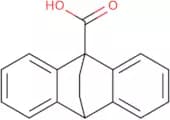
CAS:9,10-Dihydro-9,10-ethanoanthracene-9-carboxylic acid (DECA) is a halogenated aliphatic carboxylic acid that can be used as an oxidizing agent. It is a diluent in the synthesis of other compounds and can also act as a catalyst for reactions involving carboxylic acids. DECA has been shown to selectively oxidize carboxylic acids with one or more carbon atoms in the aliphatic chain. This is often done with propionic acid, which is oxidized to acrylic acid. The selectivity of DECA for this reaction is attributed to its ability to react with the carbonyl group in the carbon chain due to its electron withdrawing properties.Formula:C17H14O2Purity:Min. 95%Molecular weight:250.29 g/molAztreonam Impurity 5
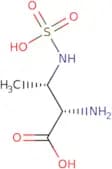
CAS:Aztreonam Impurity 5 is a drug product that is used as an analytical standard in HPLC. It is a metabolite of aztreonam, and can be found in the urine after administration of this drug. Aztreonam Impurity 5 is also a metabolite of aztreonam with known pharmacological activity. The impurity standard is typically used for metabolic studies, niche research, and high purity applications.Formula:C4H10N2O5SPurity:Min. 95%Molecular weight:198.2 g/molrac-Clopidogrel carboxylic acid
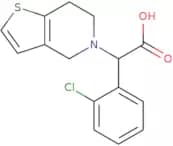
CAS:Clopidogrel is a drug that belongs to the group of antiplatelet agents. It is an inactive prodrug that is metabolized to its active form, clopidogrel glucuronide, by the liver. Clopidogrel carboxylic acid has been shown to be effective in preventing platelet aggregation in humans with type 2 diabetes mellitus and heart disease. This drug does not have any known interaction with other drugs or foods. The major metabolic pathways for clopidogrel carboxylic acid are glucuronidation and oxidation by CYP2C19, which are also the primary routes of elimination. Clopidogrel carboxylic acid undergoes extensive metabolism and is excreted mainly in the urine as glucuronide conjugates.Formula:C15H14ClNO2SPurity:Min. 95%Molecular weight:307.8 g/molDesethylcarbamoyl cabergoline
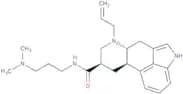
CAS:Controlled ProductPlease enquire for more information about Desethylcarbamoyl cabergoline including the price, delivery time and more detailed product information at the technical inquiry form on this page
Formula:C23H32N4OPurity:Min. 95%Molecular weight:380.53 g/mol5Alpha-Androstan-3alpha,11beta-diol-17-one 3-glucosiduronate
CAS:5Alpha-Androstan-3alpha,11beta-diol-17-one 3-glucosiduronate is a metabolite of testosterone. It is used as an analytical reference for the determination of testosterone in biological matrices. 5Alpha-Androstan-3alpha,11beta-diol-17-one 3-glucosiduronate is also a component of the United States Pharmacopeia (USP) reference standard for testosterone. This product has been synthesized by our R&D department and can be custom manufactured to your specifications.
Formula:C25H37NaO9Purity:Min. 95%Molecular weight:504.50 g/mol8-[2-(Diphenylmethoxy)-N-methylethylamino]-1,3-dimethylxanthine
CAS:Controlled Product8-[2-(Diphenylmethoxy)-N-methylethylamino]-1,3-dimethylxanthine is a drug product that is used as an HPLC standard and as a metabolite in drug development. It is a natural product that has been found to be a potent inhibitor of phosphodiesterase (PDE) type IV. 8-[2-(Diphenylmethoxy)-N-methylethylamino]-1,3-dimethylxanthine can be synthesized from the corresponding phenol derivative through oxidation with potassium permanganate followed by treatment with dimethyl sulfate and sodium methoxide. This compound is also used in analytical methods for the detection of impurities in APIs and for the investigation of metabolic pathways.Formula:C23H25N5O3Purity:Min. 95%Molecular weight:419.5 g/mol3-{[(4R)-4-Hydroxy-L-prolyl]amino}benzoic acid
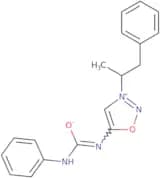
CAS:(4R)-4-Hydroxy-L-prolyl]amino}benzoic acid is a chemical compound that is used as an analytical standard, research and development, high purity, drug development, API impurity, HPLC standard, niche drug product, impurity standard and metabolite. It has the molecular formula C9H8O5 and the molecular weight of 212.13 g/mol. The CAS number for (4R)-4-Hydroxy-L-prolyl]amino}benzoic acid is 770703-11-2.Formula:C12H14N2O4Purity:Min. 95%Molecular weight:250.25 g/molDorzolamide impurity C hydrochloride
Impurity C is a by-product of dorzolamide hydrochloride. It is used as an analytical reference material, in drug development and as an impurity standard for HPLC. It is also used to generate a pharmacopoeia monograph. The CAS number for Impurity C is 70585-27-5.Purity:Min. 95%o-Phenylphenol glucuronide
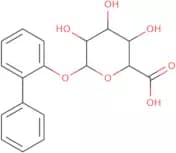
CAS:O-Phenylphenol glucuronide (OPPG) is a metabolite of the drug product o-phenylphenol. It is used as an analytical standard and impurity standard for HPLC, and is also used in drug development. OPPG has been shown to inhibit the growth of bacteria by binding to the 50S ribosomal subunit. It is a natural metabolite that can be found in human urine and bile, but it can also be synthesized through chemical reactions. OPPG has been shown to have niche applications in metabolism studies and drug development, and has been shown to act as an anti-inflammatory agent.Formula:C18H18O7Purity:Min. 95%Molecular weight:346.3 g/molBLM-IN-1
CAS:Please enquire for more information about BLM-IN-1 including the price, delivery time and more detailed product information at the technical inquiry form on this pageFormula:C28H35FN4OPurity:Min. 95%Molecular weight:462.6 g/molDesphenol 1-hydroxyethyl cefoperazone furolactone
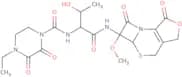
CAS:Please enquire for more information about Desphenol 1-hydroxyethyl cefoperazone furolactone including the price, delivery time and more detailed product information at the technical inquiry form on this pageFormula:C20H25N5O9SPurity:Min. 95%Molecular weight:511.5 g/molChlorhexidine dihydrochloride impurity B
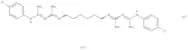
CAS:Chlorhexidine dihydrochloride impurity B is an impurity found in chlorhexidine dihydrochloride, a drug that is used as an antiseptic and disinfectant. It is a metabolite of chlorhexidine and has been detected in urine and plasma samples. This impurity has no known pharmacological activity. The purity of this compound is not less than 99%.Formula:C16H28Cl3N9OPurity:Min. 95%Color and Shape:White PowderMolecular weight:468.81 g/molFimaporfin
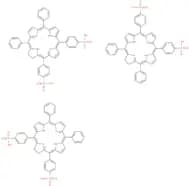
CAS:Fimaporfin is an analog of hepcidin, a protein found in urine that regulates iron metabolism. It is a kinase inhibitor that induces apoptosis in cancer cells. Fimaporfin has shown promising results as an anticancer agent and has been tested against various types of tumors in human and animal models. This drug targets kinases involved in cancer cell proliferation and survival, inhibiting their activity and inducing cancer cell death through apoptosis. Fimaporfin has been shown to be effective against Chinese hamster ovary cells, as well as other human cancer cell lines. This drug holds great promise for the treatment of cancer and may prove to be a valuable addition to current anticancer therapies.Formula:C132H96N12O18S6Purity:Min. 95%Molecular weight:2,330.6 g/molLysine-methotrexate
CAS:Lysine-methotrexate is a monoclonal antibody that binds to the DNA template of Leishmania. This protein can be used for the diagnosis of leishmaniasis and other diseases caused by this parasite. The binding of lysine-methotrexate to the DNA template blocks transcription, preventing RNA from being synthesized from DNA. Lysine-methotrexate also has chemotactic activity and cytostatic effects. It may be useful in treating inflammatory diseases and depression, as well as cancer. Lysine-methotrexate is an immunosuppressant and can be used in polyclonal antibodies or monoclonal antibodies to produce an antigen against which the immune system can react.Formula:C21H27N9O3Purity:Min. 95%Molecular weight:453.5 g/mol7-Desmethyl-9-(5-oxohexyl) pentoxifylline
CAS:Controlled ProductPlease enquire for more information about 7-Desmethyl-9-(5-oxohexyl) pentoxifylline including the price, delivery time and more detailed product information at the technical inquiry form on this page
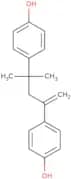
Formula:C18H26N4O4Purity:Min. 95%Molecular weight:362.4 g/mol4-Methyl-2,4-bis(4-hydroxyphenyl)pent-1-ene
CAS:4-Methyl-2,4-bis(4-hydroxyphenyl)pent-1-ene is a synthetic intermediate for use in the preparation of an HPLC standard. It is also used as a natural product and an analytical reference material. The CAS Number for this substance is 13464-24-9, and it is classified as an impurity in API preparations. 4-Methyl-2,4-bis(4-hydroxyphenyl)pent-1-ene is metabolized by cytochrome P450 enzymes to form 2,6,10,14,-tetramethylpentadecane. This compound has been found to have antiinflammatory activity.Formula:C18H20O2Purity:Min. 95%Molecular weight:268.3 g/molPhyscion-d3
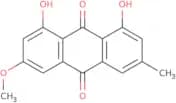
CAS:Please enquire for more information about Physcion-d3 including the price, delivery time and more detailed product information at the technical inquiry form on this page
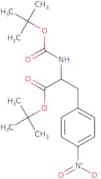
Formula:C16H12O5Purity:Min. 95%Molecular weight:287.28 g/molN-Boc-4-nitro-L-phenylalanine t-butyl ester
CAS:Please enquire for more information about N-Boc-4-nitro-L-phenylalanine t-butyl ester including the price, delivery time and more detailed product information at the technical inquiry form on this page
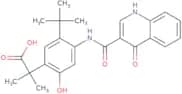
Formula:C18H26N2O6Purity:Min. 95%Molecular weight:366.4 g/molIvacaftor carboxylic acid
CAS:Ivacaftor carboxylic acid is a pharmaceutical drug that is used to treat cystic fibrosis. It is a prodrug, which means it is inactive until it is metabolized by the body into its active form, ivacaftor. Ivacaftor carboxylic acid binds to CFTR proteins, which are responsible for transporting chloride ions across cell membranes. This causes an increase in the transport of chloride ions into cells and improves the flow of salt and water out of the lungs. Ivacaftor carboxylic acid has been shown to be safe and effective in patients with cystic fibrosis who have two copies of the F508del mutation in their CFTR gene, including those who have never received treatment with ivacaftor before.Formula:C24H26N2O5Purity:Min. 95%Molecular weight:422.5 g/molDiornithine
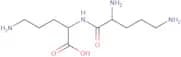
CAS:Diornithine is a medicinal compound that has been identified as an analog of ornithine, a non-essential amino acid found in human urine. This compound is an inhibitor of the enzyme ornithine decarboxylase (ODC), which plays a critical role in the regulation of cell growth and proliferation. Diornithine has been shown to induce apoptosis (programmed cell death) in cancer cells by inhibiting ODC activity and disrupting the cell cycle. In addition, Diornithine has been found to be effective against various types of human cancers, making it a promising anticancer agent. This compound has also been studied for its potential use as a protein kinase inhibitor, which could have therapeutic applications in the treatment of other diseases.
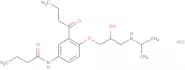
Formula:C10H22N4O3Purity:Min. 95%Molecular weight:246.31 g/molrac-3-Deacetyl-3-butanoyl acebutolol hydrochloride
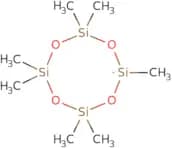
CAS:3-Deacetyl-3-butanoyl acebutolol hydrochloride is a racemic mixture of two enantiomers, (+)-(S)-3-Deacetyl-3-butanoyl acebutolol and (-)-(R)-3-Deacetyl-3-butanoyl acebutolol. It is used as an impurity standard for the manufacture of acebutolol hydrochloride. The substance has a purity of at least 99% by HPLC. 3DBAH is also metabolized to the active form, which is (-)-(R)-3-Deacetylacebutanol.Formula:C20H33ClN2O4Purity:Min. 95%Molecular weight:400.94 g/molHeptamethylcyclotetrasiloxane
CAS:Heptamethylcyclotetrasiloxane is a medicinal compound that has been found to have anticancer properties. It acts as an inhibitor of kinases, which are proteins that play a key role in cancer cell growth and proliferation. Heptamethylcyclotetrasiloxane has been shown to induce apoptosis (programmed cell death) in cancer cells, making it a potential treatment for various types of tumors. This compound is an analog of other kinase inhibitors and has been tested in both Chinese and human cancer cell lines with promising results. Its ability to inhibit kinases makes it a potential candidate for further development as an anticancer drug.
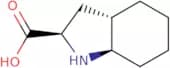
Formula:C7H21O4Si4Purity:Min. 95%Molecular weight:281.58 g/mol(2R,3aS,7aR)-Octahydro-1H-indole-2-carboxylic acid
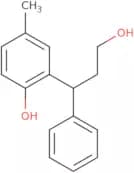
CAS:(2R,3aS,7aR)-Octahydro-1H-indole-2-carboxylic acid is a drug product that is an analytical standard used in the study of metabolism. It is a natural compound that can be synthesized and purified. This chemical has been used as an impurity standard to identify other compounds. It has been used in the synthesis of other drugs and can be custom synthesized for research and development purposes. (2R,3aS,7aR)-Octahydro-1H-indole-2-carboxylic acid can be used as an HPLC standard or high purity chemical. This compound has shown pharmacopoeia activity and is used in drug development and research studies.Formula:C9H15NO2Purity:Min. 95%Molecular weight:169.22 g/mol2-Hydroxy-5-methyl-gamma-phenylbenzenepropanol
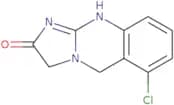
CAS:2-Hydroxy-5-methylphenylbenzenepropanol is an aliphatic phenol that is used as a treatment for benzene poisoning. It is also used as a precursor to other compounds, such as the chlorides and alkylates of 2-hydroxy-5-methylphenylbenzenepropanol. This compound can be synthesized by reacting ethyl benzoylacetate with diisopropylamine in the presence of oxygen and chlorine gas. It is often immobilized using nutrients, l-tartaric acid, or cinnamic acid.Formula:C16H18O2Purity:Min. 95%Molecular weight:242.31 g/molDechloro anagrelide
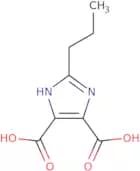
CAS:Dechloro anagrelide is a synthetic product that has been developed for use in drug development. It is a white powder and is insoluble in water. Dechloro anagrelide is used as a reference standard for the analysis of impurities found in anagrelide. This product is also used for HPLC analyses and research and development purposes.Formula:C10H8ClNO3Purity:Min. 95%Molecular weight:225.63 g/mol2-Propylimidazole-4,5-dicarboxylic acid
CAS:2-Propylimidazole-4,5-dicarboxylic acid is an organic compound with the chemical formula CH2=C(CH3)CO2H. It is a colorless solid that has been found to have inhibitory activity against locomotor activity in mice. 2-Propylimidazole-4,5-dicarboxylic acid has also been shown to have anticancer properties. The fluorescence properties of this compound are due to the presence of two quinoid moieties, which can be excited by light at 350 nm and emit light at 500 nm. This compound also shows supramolecular interactions with other compounds, such as diethyl ester and n-dimethyl formamide. 2-Propylimidazole-4,5-dicarboxylic acid crystallizes in a monoclinic space group P21/c with four molecules per unit cell and a molecular weightFormula:C8H10N2O4Purity:Min. 95%Molecular weight:198.18 g/molPiperacillin impurity N
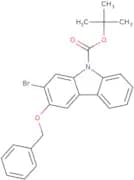
CAS:Please enquire for more information about Piperacillin impurity N including the price, delivery time and more detailed product information at the technical inquiry form on this pageFormula:C46H54N10O14S2Purity:Min. 95%Molecular weight:1,035.11 g/mol3-Benzyloxy-2-bromo-9H-carbazole N-carboxylic acid tert-butyl ester
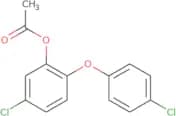
CAS:This compound is an analytical reference standard that is used in drug development, research and analysis. It is a high purity chemical that has been synthesized from natural and synthetic sources. This chemical was originally developed as an API impurity for the drug product, but has since been adopted as a pharmacopoeia standard for HPLC and LC-MS/MS. The CAS number for this compound is 1798043-12-5.Formula:C24H22BrNO3Purity:Min. 95%Molecular weight:452.3 g/mol5-Chloro-2-(4-chlorophenoxy)phenol 1-acetate
CAS:Please enquire for more information about 5-Chloro-2-(4-chlorophenoxy)phenol 1-acetate including the price, delivery time and more detailed product information at the technical inquiry form on this pageFormula:C14H10Cl2O3Purity:Min. 95%Molecular weight:297.1 g/molChlorpromazine EP Impurity F
CAS:Chlorpromazine EP Impurity F is a research and development impurity standard for the drug product, chlorpromazine. This product is synthesized in high purity and meets pharmacopeia standards. It has been shown to have low toxicity in animals, with no negative effects on the liver or kidneys. The metabolite of chlorpromazine EP Impurity F has been identified as being formed by hydrolysis of the ester linkage. Chlorpromazine EP Impurity F can be used as a reference material to support the quality control of drug products that contain chlorpromazine.Purity:Min. 95%Urea nitrate
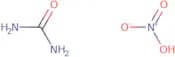
CAS:Urea nitrate is an analog of urea that has been shown to have potent anticancer activity. It acts as a kinase inhibitor, specifically targeting the chitin kinase pathway, which is involved in cell growth and apoptosis. Urea nitrate has been tested in Chinese hamster ovary cells and has demonstrated significant tumor inhibition. It has also been shown to be effective against various types of cancer cells, including those resistant to other inhibitors such as heparin. Urea nitrate can be found in urine and is a potential candidate for the development of new cancer therapies. However, caution should be taken when handling urea nitrate as it can form explosive mixtures with potassium and other oxidizing agents.Formula:CH4N2O·HNO3Purity:Min. 95%Molecular weight:123.07 g/mol4-Ethyl-5-fluoropyrimidine hydrochloride
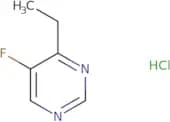
CAS:Please enquire for more information about 4-Ethyl-5-fluoropyrimidine hydrochloride including the price, delivery time and more detailed product information at the technical inquiry form on this pageFormula:C6H8ClFN2Purity:Min. 95%Molecular weight:162.59 g/molDeacylated alfuzosin
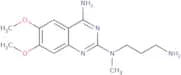
CAS:Deacylated alfuzosin is an impurity of alfuzosin, which is a selective alpha-1A-adrenergic receptor antagonist. It has been shown to minimize the effects of impurities in alfuzosin by binding competitively to the alpha-1A-adrenergic receptors.Formula:C14H21N5O2Purity:Min. 95%Molecular weight:291.35 g/mol(±)-Voriconazole
CAS:(±)-Voriconazole is an analog of voriconazole, which is a potent inhibitor of kinases that play a role in cancer cell growth and apoptosis. It has been shown to be effective against tumors in human and Chinese hamster cells. (±)-Voriconazole also inhibits angiotensin-converting enzyme (ACE), which may play a role in its anticancer activity. This drug has been found to have a low potential for toxicity and is well-tolerated by patients. It is excreted primarily through the urine and has been shown to be effective as an inhibitor of multiple kinases involved in cancer progression.
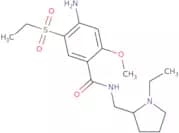
Formula:C16H14F3N5OPurity:Min. 95%Molecular weight:349.31 g/molR-Amisulpride
CAS:Controlled ProductR-Amisulpride is an antipsychotic drug that has been shown to be effective in the treatment of schizophrenia. It is used as a long-term treatment for depression and other neurodegenerative diseases. R-Amisulpride also binds to gamma-aminobutyric acid (GABA) receptors, which are located on the outer surface of cells in the brain. This binding reduces the activity of these cells and leads to an increase in neurotransmitter release from presynaptic neurons, resulting in a sedative effect. R-Amisulpride is soluble in water and alcohol, but insoluble in ether or chloroform. It is metabolized by conjugation with glucuronic acid and sulphate, which results in its elimination from the body through urine. R-Amisulpride can be found as white crystals or crystalline powder with a slightly bitter taste and odor. The drug is only available for oral administration at this timeFormula:C17H27N3O4SPurity:Min. 95%Molecular weight:369.5 g/mol15-HETE
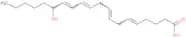
CAS:15-HETE is a protein that has been found to be associated with cancer. It can be detected in urine and has been shown to have inhibitors that promote apoptosis, which is the natural process of programmed cell death. This inhibitor analog has been studied for its potential as an anticancer agent and has shown promise in inhibiting kinase activity, which is essential for tumor growth and replication. 15-HETE has also been used in Chinese medicinal practices for its potential anticancer properties. Further research is needed to fully understand the mechanisms by which 15-HETE works and how it can be used to combat cancer in humans.Formula:C20H32O3Purity:Min. 95%Molecular weight:320.5 g/mol3alpha-Hydroxy pravastatin sodium salt
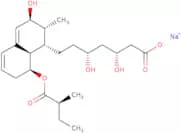
CAS:3alpha-Hydroxy pravastatin sodium salt is a white to off-white crystalline powder. It is used as an analytical standard for 3alpha-hydroxypravastatin and its metabolites. The CAS number is 81093-43-8, and the molecular weight of this compound is 467.6 g/mol. This product can be custom synthesized to meet your needs.Formula:C23H35NaO7Purity:Min. 95%Color and Shape:Off-White PowderMolecular weight:446.51 g/mol7-Hydroxydibenz[b,f][1,4]oxazepin-11(10H)-one
CAS:Please enquire for more information about 7-Hydroxydibenz[b,f][1,4]oxazepin-11(10H)-one including the price, delivery time and more detailed product information at the technical inquiry form on this page
Formula:C13H9NO3Purity:Min. 95%Molecular weight:227.21 g/mol3,4-Dihydro-1H-cyclopenta[cd]indol-2(2aH)-one
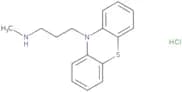
CAS:Please enquire for more information about 3,4-Dihydro-1H-cyclopenta[cd]indol-2(2aH)-one including the price, delivery time and more detailed product information at the technical inquiry form on this pageFormula:C10H9NOPurity:Min. 95%Molecular weight:159.18 g/molN-Desmethylpromazine hydrochloride
CAS:Please enquire for more information about N-Desmethylpromazine hydrochloride including the price, delivery time and more detailed product information at the technical inquiry form on this pageFormula:C16H19ClN2SPurity:Min. 95%Molecular weight:306.9 g/mol(1R,2S,5R)-5-Methyl-2-(1-methylethyl)cyclohexyl N-[(7R)-6,7-dihydro-5-[(4-methoxyphenyl)methyl]-6-oxo-5H-dibenz[b,d]azepin-7-yl]carb amate
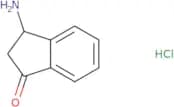
CAS:(1R,2S,5R)-5-Methyl-2-(1-methylethyl)cyclohexyl N-[(7R)-6,7-dihydro-5-[(4-methoxyphenyl)methyl]-6-oxo-5H-dibenz[b,d]azepin-7-yl]carb amate is a synthetic compound. It is an impurity in the drug product Brivaracetam (CAS No. 1083065-09-1). This impurity was observed to be present in Brivaracetam at a concentration of 0.0008%. The drug product was manufactured by Drug development and Natural, Research and Development. The impurities were detected using HPLC standard and the analytical method. Impurity standards are available for the synthesis of this compound.Formula:C33H38N2O4Purity:Min. 95%Molecular weight:526.70 g/mol(3R)-3-Amino-2,3-dihydro-1H-inden-1-one hydrochloride
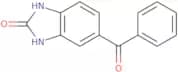
CAS:Please enquire for more information about (3R)-3-Amino-2,3-dihydro-1H-inden-1-one hydrochloride including the price, delivery time and more detailed product information at the technical inquiry form on this pageFormula:C9H10ClNOPurity:Min. 95%Molecular weight:183.63 g/mol5-Benzoyl-1,3-dihydro-2H-benzimidazol-2-one
CAS:5-Benzoyl-1,3-dihydro-2H-benzimidazol-2-one is a synthetic compound that has been used as an impurity standard. This substance is also found in the drug product Loxapine (Loxitane) and is metabolized to the active ingredient loxapine. 5-Benzoyl-1,3-dihydro-2H-benzimidazol-2-one has not been shown to have any therapeutic effects.Formula:C14H10N2O2Purity:Min. 95%Molecular weight:238.24 g/molDiclofenac dimer impurity
CAS:Diclofenac dimer impurity is a synthetic impurity that is used as a research and development, impurity standard, custom synthesis, drug product, and analytical standard. It is a high purity, CAS No. 1609187-30-5, pharmacopoeia (USP), Drug development (DSD), Metabolite (MET), niche, analytical standard. Diclofenac dimer impurity is a natural metabolite of diclofenac in humans and other animals. The chemical name for the metabolite is 2-(dichlorophenyl) propionic acid or 2-[2-chloro-4-(2,2-dichlorovinyl)phenoxy]propanoic acid. Diclofenac dimer impurity may be synthesized by reacting diclofenac with paraformaldehyde followed by hydrolysis with sodium hydroxide or potassium hydroxide. HPLC analysis
Formula:C28H20Cl4N2O4Purity:Min. 95%Molecular weight:590.30 g/molCantharene
CAS:Cantharene is a medicinal compound that has been shown to have potent anticancer properties. It is an analog of cantharidin, a natural compound found in Chinese blister beetles. Cantharene works by inhibiting the activity of certain protein kinases, which are enzymes that play a critical role in cell cycle regulation and tumor growth. This inhibition has been shown to induce apoptosis, or programmed cell death, in cancer cells. Cantharene has been tested on human cancer cell lines and has demonstrated significant tumor-inhibitory effects. It is a promising candidate for the development of new cancer therapies and inhibitors.Formula:C8H12Purity:Min. 95%Molecular weight:108.18 g/mol[6-Hydroxy-2-(4-hydroxyphenyl)-benzo[b]thien-7-yl][4-[2-(1-piperidinyl)ethoxy]phenyl]methanone
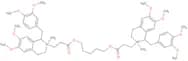
CAS:6-Hydroxy-2-(4-hydroxyphenyl)-benzo[b]thien-7-yl][4-[2-(1-piperidinyl)ethoxy]phenyl]methanone is a synthetic impurity standard that is used as a reference material in the analytical, natural and drug development, and metabolite studies. 6-Hydroxy-2-(4-hydroxyphenyl)-benzo[b]thien-7-yl][4-[2-(1-piperidinyl)ethoxy]phenyl]methanone has a molecular weight of 390.27 and chemical formula C26H28N2O3S. It is also referred to by its CAS number 1391054-73-1.6Formula:C28H27NO4SPurity:Min. 95%Molecular weight:473.58 g/molEmtricitabine impurity 9
CAS:Emtricitabine impurity 9 is an analytical standard that is used to calibrate HPLC instruments. It is a natural product, which is synthesized and purified. Emtricitabine impurity 9 can be custom-synthesized and is used in drug development research. This chemical compound has a purity of >98% and a CAS number of 20752-33-4. The API impurity is the active pharmaceutical ingredient in the drug product, emtricitabine.Formula:C10H20OPurity:Min. 95%Molecular weight:156.26 g/mol(R,R,S,S)-Cisatracurium dibesylate
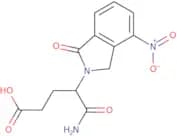
CAS:Please enquire for more information about (R,R,S,S)-Cisatracurium dibesylate including the price, delivery time and more detailed product information at the technical inquiry form on this pageFormula:C53H72N2O12Purity:Min. 95%Molecular weight:929.1 g/mol5-Amino-4-(4-nitro-1-oxoisoindolin-2-yl)-5-oxopentanoic acid
CAS:5-Amino-4-(4-nitro-1-oxoisoindolin-2-yl)-5-oxopentanoic acid is a compound that contains a carbonyl group and a nitro group. It has been found to exhibit emission properties and has shown potential as an antiviral agent. This compound has also been studied for its effects on 27-hydroxycholesterol, a cholesterol metabolite involved in lipid peroxidation and inflammation. Additionally, it has been investigated for its interaction with tenofovir, an antiviral medication used to treat HIV/AIDS. The presence of hydroxyl groups in this compound suggests its potential as a precursor for the synthesis of oxysterols, which are important signaling molecules in the body. Impurities in this compound may be removed through purification processes to ensure its quality and effectiveness. Overall, this compound shows promise for further research in the field of antiviral drugs and lipid metabolism.
Formula:C13H13N3O6Purity:Min. 95%Molecular weight:307.26 g/molD-Sydnocarb
CAS:Please enquire for more information about D-Sydnocarb including the price, delivery time and more detailed product information at the technical inquiry form on this page
Formula:C18H18N4O2Purity:Min. 95%Molecular weight:322.4 g/mol2-Cyclohexen-1-one
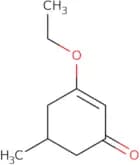
CAS:2-Cyclohexen-1-one is a synthetic drug product that has been used in research and development, as a metabolite, impurity standard and analytical reference material. This compound is also used in pharmacopoeia as an API impurity. The chemical purity of this product is greater than 99%.
Formula:C9H14O2Purity:Min. 95%Molecular weight:154.21 g/mol(2E,4E,6E)-3,7-Dimethyl-8-oxo-2,4,6-octatrienoic acid
CAS:Please enquire for more information about (2E,4E,6E)-3,7-Dimethyl-8-oxo-2,4,6-octatrienoic acid including the price, delivery time and more detailed product information at the technical inquiry form on this pageFormula:C10H12O3Purity:Min. 95%Molecular weight:180.2 g/mol2-(2-Fluoro-[1,1'-biphenyl]-4-yl)-2-methylmalonic acid
CAS:2-(2-Fluoro-[1,1'-biphenyl]-4-yl)-2-methylmalonic acid is an analog of ginsenoside, a Chinese herbal medicine known for its anticancer properties. This compound has been shown to inhibit protein kinases, which are enzymes that play a critical role in cancer cell proliferation and survival. 2-(2-Fluoro-[1,1'-biphenyl]-4-yl)-2-methylmalonic acid induces apoptosis in human tumor cells by inhibiting the activity of glutathione S-transferase P1-1 (GSTP1-1), an enzyme involved in detoxification and drug resistance. The inhibition of GSTP1-1 leads to the accumulation of reactive oxygen species and DNA damage, ultimately resulting in cell death. This compound represents a promising class of kinase inhibitors with potential therapeutic applications for cancer treatment.Formula:C16H13FO4Purity:Min. 95%Molecular weight:288.27 g/mol4-(3-Nitrophenyl)-3-morpholinone
CAS:Please enquire for more information about 4-(3-Nitrophenyl)-3-morpholinone including the price, delivery time and more detailed product information at the technical inquiry form on this pageFormula:C10H10N2O4Purity:Min. 95%Molecular weight:222.2 g/mol4-Amino-1-[3,5-di-O-(4-chlorobenzoyl)-2-deoxy-α-D-ribofuranosyl]-1,3,5-triazin-2(1H)-one
CAS:4-Amino-1-[3,5-di-O-(4-chlorobenzoyl)-2-deoxy-α-D-ribofuranosyl]-1,3,5-triazin-2(1H)-one (4AAT) is an analytical chemical that is used for research and development purposes. 4AAT is a metabolite of the antibiotic ampicillin and has been identified as an impurity in the drug product. It can be synthesized from 2-(4'-chlorophenyl)benzaldehyde, 3,5'-di-O-(4'-chlorobenzoyl)-2',3'-dideoxyribose and sodium azide in a two step process with 98% purity. 4AATs are also found to be present in natural products such as honey or sugar cane juice.
Formula:C22H18Cl2N4O6Purity:Min. 95%Color and Shape:White Off-White PowderMolecular weight:505.31 g/molAmoxicillin trihydrate impurity H
CAS:Amoxicillin trihydrate impurity H is an impurity of amoxicillin that is a potent bactericide. The impurity has been observed to have bactericidal activity against gram-negative bacteria and gram-positive bacteria, as well as potent activity against gram-negative bacteria. The process development of this compound has shown it to be an elemental substance. It can be found in the form of a hydroxyphenyl group attached to the amoxicillin molecule. Impurities such as this one are often removed from the final product by ion exchange chromatography or other methods.Formula:C13H17NO4Purity:Min. 95%Molecular weight:251.28 g/molHydrocortisone Impurity G
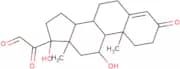
CAS:Controlled ProductHydrocortisone impurity G is a hydrocortisone derivative that has been shown to be an inhibitor of the estradiol dehydrogenase, which is responsible for converting estradiol to estrone. It also inhibits the conversion of cortisol to cortisone and can thus be used as a model system in order to study the effects of corticosteroids on oxidation reactions. Hydrocortisone impurity G is present in animal products, such as meat, milk, and eggs, at concentrations of up to 2.5%. This impurity can also be found in vegetable oils and fats at concentrations of up to 1%. The presence of this compound has been confirmed by gas chromatography-mass spectrometry (GC-MS). Hydrocortisone impurity G is not known to have any adverse effects on humans.Formula:C21H28O5Purity:Min. 95%Molecular weight:360.4 g/molGlimepiride EP Impurity J hydrochloride
Please enquire for more information about Glimepiride EP Impurity J hydrochloride including the price, delivery time and more detailed product information at the technical inquiry form on this pageFormula:C16H25N3O3S•(HCl)xPurity:Min. 95%Dibenzhydryl disulfide
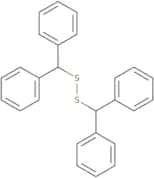
CAS:Dibenzhydryl disulfide is a compound that includes sulfide and olefinic groups. It is an impurity in the reaction products of sulfide with olefins, which may be removed by washing, distillation, and crystallization. Dibenzhydryl disulfide has been shown to react with nucleophiles (e.g., OH-, CO2) to form an anion or proton. The reaction mechanism for this product is not well understood, but it most likely proceeds through the intermediacy of diphenylmethane. The product can also undergo a transfer reaction with butyllithium or thiobenzophenone to form methylbenzene, ethylbenzene, or propylbenzene respectively.Formula:C26H22S2Purity:Min. 95%Molecular weight:398.6 g/molMethyl 2-(4-biphenylyl)propionate
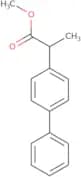
CAS:Methyl 2-(4-biphenylyl)propionate is a custom synthesis that is used for metabolism studies. It is a natural product, although it can be synthesized. Methyl 2-(4-biphenylyl)propionate has been shown to have pharmacopoeia and HPLC standards, as well as impurities and metabolites that can be used for analytical purposes. Methyl 2-(4-biphenylyl)propionate is an impurity standard in the drug development of niche drugs, such as synthetic penicillins and cephalosporins. Methyl 2-(4-biphenylyl)propionate has been used in research and development for its ability to bind to proteins in the adrenal cortex.Formula:C16H16O2Purity:Min. 95%Molecular weight:240.3 g/molCarbofuran N,N-dibutyl-3λ1-trisulfan-1-amine
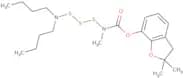
CAS:Please enquire for more information about Carbofuran N,N-dibutyl-3λ1-trisulfan-1-amine including the price, delivery time and more detailed product information at the technical inquiry form on this page
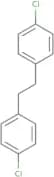
Formula:C20H32N2O3S3Purity:Min. 95%Molecular weight:444.7 g/mol4,4'-Dichlorobibenzyl
CAS:4,4'-Dichlorobibenzyl is an impurity in the synthesis of bibenzyl. It is a metabolite of bibenzyl and has been detected in urine samples. 4,4'-Dichlorobibenzyl has been identified as a target for analytical methods because it is difficult to measure in biological samples due to its low concentration. It can be used as an impurity standard for HPLC analysis and has shown potential as a pharmacopoeia reference material.
Formula:C14H12Cl2Purity:Min. 95%Molecular weight:251.1 g/molEnniatin B2
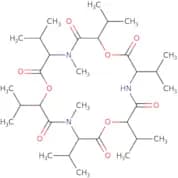
CAS:Enniatin B2 is a natural cyclic hexadepsipeptide that has been isolated from Chinese medicinal herbs. It is an analog of enniatin, which is known to be a potent inhibitor of protein kinase C. Enniatin B2 has been shown to induce apoptosis in cancer cells and inhibit tumor growth in human cell lines. It exerts its anticancer effects by disrupting the cell cycle and inhibiting the activity of various protein kinases involved in cell signaling pathways. Enniatin B2 also exhibits inhibitory effects on urease, which makes it a potential therapeutic agent for urinary tract infections caused by urease-producing bacteria. Its unique characteristics make it a promising candidate for further research into its potential as an anticancer and antimicrobial agent.
Formula:C32H55N3O9Purity:Min. 95%Molecular weight:625.8 g/mol1,2,3,4,5-Pentabromo-6-(2,3,4-tribromophenoxy)benzene
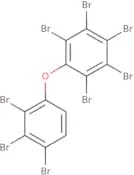
CAS:Controlled Product1,2,3,4,5-Pentabromo-6-(2,3,4-tribromophenoxy)benzene is a medicinal compound that has been used in Chinese traditional medicine as an anticancer agent. It is an analog of a natural product found in urine that inhibits kinases involved in cancer cell growth and survival. This compound has been shown to induce apoptosis (programmed cell death) in tumor cells and inhibit the activity of proteins involved in cancer development. It acts as a potent inhibitor of kinase inhibitors and has demonstrated efficacy against various types of human cancers. Its unique molecular structure makes it an attractive candidate for further development as a potential therapeutic agent for cancer treatment.
Formula:C12H2Br8OPurity:Min. 95%Molecular weight:801.4 g/molChlorpromazine N-oxide maleic acid salt
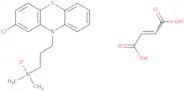
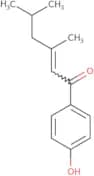
CAS:Please enquire for more information about Chlorpromazine N-oxide maleic acid salt including the price, delivery time and more detailed product information at the technical inquiry form on this pageFormula:C21H23ClN2O5SPurity:Min. 95%Molecular weight:450.9 g/mol(3,5-Dimethyl-2-hexeno)-4-hydroxyphenone
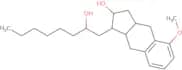
CAS:Please enquire for more information about (3,5-Dimethyl-2-hexeno)-4-hydroxyphenone including the price, delivery time and more detailed product information at the technical inquiry form on this pageFormula:C14H18O2Purity:Min. 95%Molecular weight:218.29 g/molDescarboxy treprostinil
CAS:Descarboxy treprostinil is a synthetic drug product that is used as a research and development impurity standard. It has a purity of 98% or greater, and its CAS number is 101692-01-7. Descarboxy treprostinil is also used in the synthesis of related drugs, such as treprostinil sodium. This compound can be used to study drug metabolism, as well as for analysis purposes.Formula:C22H34O3Purity:Min. 95%Molecular weight:346.5 g/mol2-[(Triphenylmethyl)amino]-4-thiazoleacetyl chloride
CAS:Please enquire for more information about 2-[(Triphenylmethyl)amino]-4-thiazoleacetyl chloride including the price, delivery time and more detailed product information at the technical inquiry form on this pageFormula:C24H19ClN2OSPurity:Min. 95%Molecular weight:418.9 g/molBMS-986299
CAS:BMS-986299 is a Chinese compound that acts as an inhibitor of kinases, specifically targeting cyclin-dependent kinases (CDKs). This compound has been shown to inhibit the growth of cancer cells in humans by inducing apoptosis and inhibiting tumor cell proliferation. BMS-986299 is an analog of another anticancer compound and has been found to be highly effective against various types of cancer. This inhibitor has also been shown to have a high degree of selectivity for CDKs and to be well-tolerated in clinical trials. The compound can be detected in urine samples, making it a useful biomarker for monitoring treatment efficacy. Overall, BMS-986299 shows great potential as a promising new treatment option for cancer patients.
Formula:C18H19N7OPurity:Min. 95%Molecular weight:349.4 g/molAtorvastatin lactam allyl ester
CAS:Please enquire for more information about Atorvastatin lactam allyl ester including the price, delivery time and more detailed product information at the technical inquiry form on this page
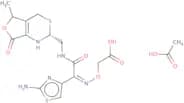
Formula:C36H39FN2O6Purity:Min. 95%Molecular weight:614.7 g/molCefixime EP impurity B acetic acid
CAS:Controlled ProductCefixime EP impurity B acetic acid is a research and development product. It is an impurity of cefixime EP that has been synthesized for use as an impurity standard. This compound is a metabolite of the drug cefixime EP. Cefixime EP impurity B acetic acid can be used to determine drug metabolism by studying the formation, detection and identification of metabolites in biological samples. It also can be used to develop analytical methods for the determination of metabolites in biological samples. Cefixime EP impurity B acetic acid is a synthetic compound that is highly pure with a pharmacopoeia grade purity level. This product is suitable for use in drug product, custom synthesis, and HPLC standard applications.Formula:C17H21N5O8S2Purity:Min. 95%Color and Shape:PowderMolecular weight:487.5 g/molIPR-803
CAS:IPR-803 is a potent anticancer drug that belongs to the class of kinase inhibitors. It has been shown to induce apoptosis in human and Chinese hamster cancer cells by inhibiting the activity of proteins involved in cell growth and division. IPR-803 is derived from ranitidine, a medicinal compound used to treat ulcers and acid reflux. It has been found to be effective against various types of tumors and has shown promising results in clinical trials. This drug is excreted through urine and has low toxicity levels, making it a promising candidate for future cancer treatments.Formula:C27H23N3O4Purity:Min. 95%Molecular weight:453.5 g/molN,N-Dimethyl-2-[6-methyl-2-(2-bromo-4-methylphenyl)imidazol[1,2-a]pyridin-3-yl]acetamide
CAS:N,N-Dimethyl-2-[6-methyl-2-(2-bromo-4-methylphenyl)imidazol[1,2-a]pyridin-3-yl]acetamide is a drug product that has not yet been fully characterized. It is a synthetic compound that is not found in nature. This product is currently being researched and developed as a potential drug to treat cancer.Formula:C19H20BrN3OPurity:Min. 95%Molecular weight:386.29 g/molSm21 maleate
CAS:Sm21 is a 5-HT1A receptor antagonist that can be used to treat symptoms of Parkinson's disease. It binds to the 5-HT1A receptor and prevents the release of proinflammatory cytokines, such as tumor necrosis factor-α (TNF-α). Sm21 has also been shown to have antinociceptive effects in animals by acting as a 5-HT1A agonist. This drug can also be used for treatment of neuropathic pain because it inhibits the release of serotonin from nerve endings. The drug may exacerbate dyskinesia and cause neuropathic pain when it is used with dopamine antagonists.Formula:C22H28ClNO7Purity:Min. 95%Molecular weight:453.9 g/molN,N-Dimethylmethanamine vonoprazan
CAS:Please enquire for more information about N,N-Dimethylmethanamine vonoprazan including the price, delivery time and more detailed product information at the technical inquiry form on this pageFormula:C18H18FN3O2SPurity:Min. 95%Molecular weight:359.4 g/molDehydronitrosonisoldipine
CAS:Dehydronitrosonisoldipine is a pyridine-containing compound that has been synthesized from dehydronitrosodiphenylamine. It is an ionic liquid with a melting point of 114°C and a boiling point of 272°C. Dehydronitrosonisoldipine has been shown to be active against some bacterial strains, but not others. It is effective for the treatment of infectious diseases such as H. influenzae, M. tuberculosis, and Listeria monocytogenes in animal studies. This compound also shows efficacy against some bacteria that are resistant to antibiotics such as penicillin and erythromycin in vitro. The molecular weight of dehydronitrosonisoldipine is 262.2 g/mol and its molecular formula is C12H14N2O4S2D6N2O6.
Formula:C20H21N2O5Purity:Min. 95%Molecular weight:369.4 g/mol2-[2-(4-Dibenzo[b,f][1,4]thiazepin-11-yl-1-piperazinyl)ethoxy]ethanol N-oxide
CAS:2-[2-(4-Dibenzo[b,f][1,4]thiazepin-11-yl-1-piperazinyl)ethoxy]ethanol N-oxide is a peroxide that is used in pharmaceutical preparations as an antioxidant. It is a white solid that is insoluble in water and has a molecular weight of 168.13. 2-[2-(4-Dibenzo[b,f][1,4]thiazepin-11-yl-1-piperazinyl)ethoxy]ethanol N-oxide has been shown to be effective against the development of cholesterol gallstones and can be used as a prophylactic agent against cardiovascular disease. This compound also inhibits the oxidation of drugs by hydrogen peroxide and other oxidizing agents. 2-[2-(4-Dibenzo[b,f][1,4]thiazepin-11-yl-1-piperazinyl)ethFormula:C21H25N3O3SPurity:Min. 95%Color and Shape:Tan to pale orange solid.Molecular weight:399.51 g/mol(2E)-2-[(2-Methoxyphenyl)methylene]hydrazinecarbothioamide
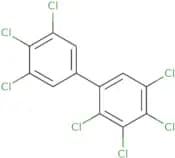
CAS:Please enquire for more information about (2E)-2-[(2-Methoxyphenyl)methylene]hydrazinecarbothioamide including the price, delivery time and more detailed product information at the technical inquiry form on this pageFormula:C9H11N3OSPurity:Min. 95%Molecular weight:209.27 g/mol2,3,3',4,4',5,5'-Heptachlorobiphenyl
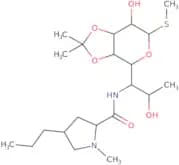
CAS:Controlled Product2,3,3',4,4',5,5'-Heptachlorobiphenyl is an analog of polychlorinated biphenyls (PCBs) that has been shown to have tumor-inhibiting properties. It acts as a kinase inhibitor and disrupts the cell cycle in cancer cells. Studies have also shown that it inhibits elastase activity and reduces the level of certain proteins in urine, indicating its potential use as an anticancer agent. Additionally, 2,3,3',4,4',5,5'-Heptachlorobiphenyl induces apoptosis in Chinese hamster ovary cells and human leukemia cells. Its unique characteristics make it a promising candidate for further research into cancer treatment options.Formula:C12H3Cl7Purity:Min. 95%Molecular weight:395.3 g/mol3,4-o-Isopropylidenelincomycin
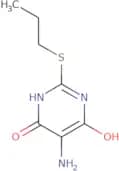
CAS:Please enquire for more information about 3,4-o-Isopropylidenelincomycin including the price, delivery time and more detailed product information at the technical inquiry form on this pageFormula:C21H38N2O6SPurity:Min. 95%Molecular weight:446.6 g/mol5-Amino-6-hydroxy-2-(propylthio)-4(3H)-pyrimidinone
CAS:Please enquire for more information about 5-Amino-6-hydroxy-2-(propylthio)-4(3H)-pyrimidinone including the price, delivery time and more detailed product information at the technical inquiry form on this page
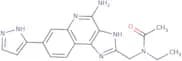
Formula:C7H11N3O2SPurity:Min. 95%Molecular weight:201.25 g/mol[4-(4-Amino-7-hydroxy-6-methoxy-2-quinazolinyl)-1-piperazinyl](tetrahydro-2-furanyl)-methanone
CAS:3-amino-2,6-dimethoxy-4-(4-amino-7-hydroxy-6-methoxyquinazolin-2(1H)-yl)piperazine (DMQA) is a synthetic compound. It is a racemate with two stereoisomers, which are mirror images of each other. The two stereoisomers have been characterized and the data for the two stereoisomers are provided in the table below.Formula:C18H23N5O4Purity:Min. 95%Molecular weight:373.41 g/mol[(2E)-4-Chloro-2-methylbut-2-ene-1-sulfonyl]benzene
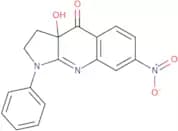
CAS:Please enquire for more information about [(2E)-4-Chloro-2-methylbut-2-ene-1-sulfonyl]benzene including the price, delivery time and more detailed product information at the technical inquiry form on this pageFormula:C11H13ClO2SPurity:Min. 95%Molecular weight:244.74 g/molR-(−)-7-Desmethyl-8-nitro blebbistatin
CAS:R-(-)-7-Desmethyl-8-nitro blebbistatin is a drug product that has been custom synthesized for research and development purposes. The purity of this product is high, and the analytical data can be provided upon request. This compound is metabolized in vivo by a number of metabolic transformations, including hydrolysis by esterases or glucuronidases, oxidation by cytochrome P450 enzymes, reduction by glutathione reductase, or conjugation with glucuronic acid. R-(-)-7-Desmethyl-8-nitro blebbistatin also specifically binds to markers expressed at high levels in Mycobacterium tuberculosis strains (e.g., ESX-1 secretion system protein) and inhibits cell growth in culture.Formula:C17H13N3O4Purity:Min. 95%Molecular weight:323.3 g/molThymol sulfate potassium
CAS:Thymol sulfate potassium salt is a drug product that has been used in the clinical setting for over 40 years. It is an analytical standard, and an impurity in various drugs. It is also a natural compound found in many plants (e.g., thyme) and foods (e.g., oregano). Thymol sulfate potassium salt is synthesized from thymol by sulfation with potassium hydroxide and sulfuric acid. The drug development process includes researching and developing new drugs, as well as testing them to ensure they are safe and effective.Formula:C10H14O4S•KPurity:Min. 95%Color and Shape:PowderMolecular weight:269.38 g/mol2,7-Dichloro-9-[(4-chlorophenyl)methylene]-9H-fluorene
CAS:Please enquire for more information about 2,7-Dichloro-9-[(4-chlorophenyl)methylene]-9H-fluorene including the price, delivery time and more detailed product information at the technical inquiry form on this page
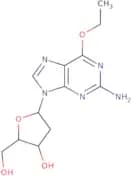
Formula:C20H11Cl3Purity:Min. 95%Molecular weight:357.7 g/molO6-Ethyl-2’-deoxyguanosine
CAS:base ethylated deoxy-guanosine nucleosideFormula:C12H17N5O4Purity:Min. 95%Molecular weight:295.29 g/molLosartan related compound E
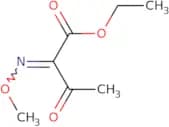
CAS:Losartan is a drug that is used to treat high blood pressure and congestive heart failure. It is an angiotensin II receptor antagonist that blocks the binding of angiotensin II to its receptor, preventing the activation of protein kinase A and the release of aldosterone. Losartan is also known as losartan-related compound E (LZE). LZE has been shown to have a papain-like protease activity with a light chain. This activity may be responsible for its anti-diabetic effects. LZE has been shown to inhibit hyperglycemia in mice by reducing serum glucose levels and increasing insulin sensitivity. In addition, LZE has been shown to reduce cardiac death in rats by activating nuclear factor erythroid 2-related factor 2 (Nrf2), which induces expression of antioxidant enzymes such as heme oxygenase 1 and superoxide dismutase 1 (SOD1).Formula:C44H43Cl2KN12OPurity:Min. 95%Molecular weight:865.9 g/mol2-(Methoxyimino)-3-oxo-butanoic acid ethyl ester
CAS:Please enquire for more information about 2-(Methoxyimino)-3-oxo-butanoic acid ethyl ester including the price, delivery time and more detailed product information at the technical inquiry form on this pageFormula:C7H11NO4Purity:Min. 95%Molecular weight:173.17 g/mol4-[(2,3,4-Trimethoxyphenyl)methyl]-1-piperazinecarboxylic acid ethyl ester
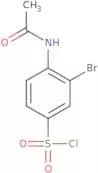
CAS:4-[(2,3,4-Trimethoxyphenyl)methyl]-1-piperazinecarboxylic acid ethyl ester is an impurity standard for HPLC. It is a white or off-white solid that is soluble in organic solvents. The compound has been shown to be a metabolite of the drug product, and can also be found as an impurity in the API. 4-[(2,3,4-Trimethoxyphenyl)methyl]-1-piperazinecarboxylic acid ethyl ester can be synthesized from 2,3,4-trimethoxybenzoic acid and 1-(2-chloroethyl)piperazine.Formula:C17H26N2O5Purity:Min. 95%Molecular weight:338.4 g/mol4-(Acetylamino)-3-bromobenzenesulfonyl chloride
CAS:4-(Acetylamino)-3-bromobenzenesulfonyl chloride is a white crystalline powder that is soluble in water, ethanol and chloroform. It has an analytical standard purity of 99% or greater. This compound can be used for research and development purposes as well as for the synthesis of pharmaceuticals. The impurity profile of 4-(acetylamino)-3-bromobenzenesulfonyl chloride includes 3-acetylbenzenesulfonic acid, sodium acetate, ammonium chloride, sodium sulfite, potassium bromide, potassium iodide, potassium carbonate, and potassium citrate.
Formula:C8H7BrClNO3SPurity:Min. 95%Molecular weight:312.57 g/mol2,5-Dioxabicyclo[2.2.1]heptane α-D-galactopyranoside
CAS:Please enquire for more information about 2,5-Dioxabicyclo[2.2.1]heptane α-D-galactopyranoside including the price, delivery time and more detailed product information at the technical inquiry form on this page
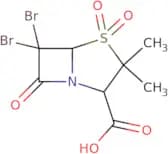
Formula:C12H18Cl2O8Purity:Min. 95%Molecular weight:361.17 g/mol6,6-Dibromopenicillanic acid S,S-dioxide
CAS:6,6-Dibromopenicillanic acid S,S-dioxide (DBPA) is an inorganic compound that is used as an antibiotic. It inhibits the growth of bacteria by binding to the 50S ribosomal subunit and preventing the formation of a complex with the enzyme cell wall synthesis that is required for cell wall biosynthesis, inhibiting protein synthesis and cell division. DBPA degrades lactamase enzymes that are necessary for resistance to this antibiotic. This chemical also has a high degree of stability against hydrochloric acid, which makes it useful in organic solvents. It is resistant to many resistant bacteria due to its mechanism of action and lack of substrate specificity.Formula:C8H9Br2NO5SPurity:Min. 95%Molecular weight:391.04 g/molMacrophin
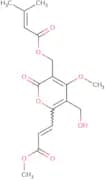
CAS:Macrophin is a promising drug candidate for cancer treatment that has shown potent antiproliferative activity against various cancer cell lines, including human lung and ovarian cancer cells. It works by inhibiting the production of proteins vital for cell division, thereby preventing cancer cells from multiplying. Macrophin's molecular mechanisms have been extensively studied, and it has been found to induce apoptosis in cancer cells. In addition to its anti-cancer properties, Macrophin also exhibits antifungal activity and can be used as a potential treatment for fungal infections. This drug is produced in high yield, making it an attractive option for drug development. Its inhibitory activity against cancer cells makes it a valuable tool in the fight against cancer.Formula:C17H20O8Purity:Min. 95%Molecular weight:352.3 g/molBensulide
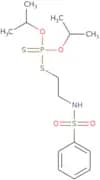
CAS:Bensulide is a potent inhibitor of kinases, which are enzymes that regulate various cellular processes. It has been shown to have anticancer properties by inducing apoptosis in cancer cells. Bensulide is a Chinese medicinal herb that has been used for centuries as a traditional medicine. It is an analog of protein kinase inhibitors and can be used as an inhibitor of tumor growth. Bensulide has also been found in human urine and may have potential as a diagnostic marker for cancer. Its mechanism of action involves the inhibition of protein kinases, which are involved in cell signaling pathways that regulate cell growth and division. Overall, Bensulide shows great promise as an anticancer agent with potent inhibitory effects on cancer cells.
Formula:C14H24NO4PS3Purity:Min. 95%Molecular weight:397.5 g/molOxodesmosine
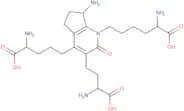
CAS:Oxodesmosine is an analog of a protein found in Chinese urine that has shown promise as an anticancer agent. It works by inhibiting kinases, which are enzymes that play a key role in cancer cell growth and survival. Oxodesmosine has been shown to induce apoptosis, or programmed cell death, in tumor cells both in vitro and in vivo. This compound may be useful as a therapeutic agent for the treatment of various types of cancer in humans. Additionally, Oxodesmosine has been studied for its potential synergistic effects with other kinase inhibitors such as mirtazapine. Overall, Oxodesmosine represents a promising new avenue for the development of novel anticancer therapies.Formula:C23H37N5O7Purity:Min. 95%Molecular weight:495.6 g/mol

![Benz[A]anthracene-7-acetic acid](/_next/image/?url=https%3A%2Fstatic.cymitquimica.com%2Fproducts%2F3D%2Fthumb-webp%2FVAA31612.webp&w=3840&q=75)
![8-[2-(Diphenylmethoxy)-N-methylethylamino]-1,3-dimethylxanthine](/_next/image/?url=https%3A%2Fstatic.cymitquimica.com%2Fproducts%2F3D%2Fthumb-webp%2FIBA12034.webp&w=3840&q=75)
![3-{[(4R)-4-Hydroxy-L-prolyl]amino}benzoic acid](/_next/image/?url=https%3A%2Fstatic.cymitquimica.com%2Fproducts%2F3D%2Fthumb-webp%2FVFB70311.webp&w=3840&q=75)


![7-Hydroxydibenz[b,f][1,4]oxazepin-11(10H)-one](/_next/image/?url=https%3A%2Fstatic.cymitquimica.com%2Fproducts%2F3D%2Fthumb-webp%2FKCA28711.webp&w=3840&q=75)
![3,4-Dihydro-1H-cyclopenta[cd]indol-2(2aH)-one](/_next/image/?url=https%3A%2Fstatic.cymitquimica.com%2Fproducts%2F3D%2Fthumb-webp%2FTEC74505.webp&w=3840&q=75)
![(1R,2S,5R)-5-Methyl-2-(1-methylethyl)cyclohexyl N-[(7R)-6,7-dihydro-5-[(4-methoxyphenyl)methyl]-6-…](/_next/image/?url=https%3A%2Fstatic.cymitquimica.com%2Fproducts%2F3D%2Fthumb-webp%2FITB06509.webp&w=3840&q=75)
![[6-Hydroxy-2-(4-hydroxyphenyl)-benzo[b]thien-7-yl][4-[2-(1-piperidinyl)ethoxy]phenyl]methanone](/_next/image/?url=https%3A%2Fstatic.cymitquimica.com%2Fproducts%2F3D%2Fthumb-webp%2FIH45348.webp&w=3840&q=75)

![2-(2-Fluoro-[1,1'-biphenyl]-4-yl)-2-methylmalonic acid](/_next/image/?url=https%3A%2Fstatic.cymitquimica.com%2Fproducts%2F3D%2Fthumb-webp%2FSBA77182.webp&w=3840&q=75)

![4-Amino-1-[3,5-di-O-(4-chlorobenzoyl)-2-deoxy-α-D-ribofuranosyl]-1,3,5-triazin-2(1H)-one](/_next/image/?url=https%3A%2Fstatic.cymitquimica.com%2Fproducts%2F3D%2Fthumb-webp%2FIA74824.webp&w=3840&q=75)
![2-[(Triphenylmethyl)amino]-4-thiazoleacetyl chloride](/_next/image/?url=https%3A%2Fstatic.cymitquimica.com%2Fproducts%2F3D%2Fthumb-webp%2FQEA38502.webp&w=3840&q=75)

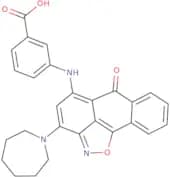
![N,N-Dimethyl-2-[6-methyl-2-(2-bromo-4-methylphenyl)imidazol[1,2-a]pyridin-3-yl]acetamide](/_next/image/?url=https%3A%2Fstatic.cymitquimica.com%2Fproducts%2F3D%2Fthumb-webp%2FID57808.webp&w=3840&q=75)
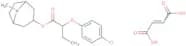
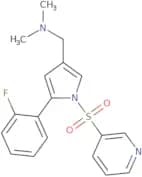
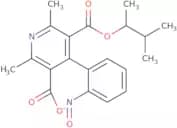
![2-[2-(4-Dibenzo[b,f][1,4]thiazepin-11-yl-1-piperazinyl)ethoxy]ethanol N-oxide](/_next/image/?url=https%3A%2Fstatic.cymitquimica.com%2Fproducts%2F3D%2Fthumb-webp%2FID27365.webp&w=3840&q=75)
![(2E)-2-[(2-Methoxyphenyl)methylene]hydrazinecarbothioamide](/_next/image/?url=https%3A%2Fstatic.cymitquimica.com%2Fproducts%2F3D%2Fthumb-webp%2FXUA16186.webp&w=3840&q=75)
-methanone](/_next/image/?url=https%3A%2Fstatic.cymitquimica.com%2Fproducts%2F3D%2Fthumb-webp%2FIA63847.webp&w=3840&q=75)
![[(2E)-4-Chloro-2-methylbut-2-ene-1-sulfonyl]benzene](/_next/image/?url=https%3A%2Fstatic.cymitquimica.com%2Fproducts%2F3D%2Fthumb-webp%2FFAA82979.webp&w=3840&q=75)
![2,7-Dichloro-9-[(4-chlorophenyl)methylene]-9H-fluorene](/_next/image/?url=https%3A%2Fstatic.cymitquimica.com%2Fproducts%2F3D%2Fthumb-webp%2FEAA36435.webp&w=3840&q=75)
![4-[(2,3,4-Trimethoxyphenyl)methyl]-1-piperazinecarboxylic acid ethyl ester](/_next/image/?url=https%3A%2Fstatic.cymitquimica.com%2Fproducts%2F3D%2Fthumb-webp%2FIT145543.webp&w=3840&q=75)
![2,5-Dioxabicyclo[2.2.1]heptane α-D-galactopyranoside](/_next/image/?url=https%3A%2Fstatic.cymitquimica.com%2Fproducts%2F3D%2Fthumb-webp%2FFEA06620.webp&w=3840&q=75)