APIs for research and impurities
Active Pharmaceutical Ingredients (APIs) are the substances in drugs responsible for their therapeutic effects. In this section, you will find a wide variety of APIs intended for research use. These compounds are essential for the development, testing, and validation of new pharmaceutical formulations. CymitQuimica offers high-quality APIs to support research in drug discovery and development.
Subcategories of "APIs for research and impurities"
- Aminoacids and derivatives(12,328 products)
- Anthraquinones and derivatives(405 products)
- Benzimidazole and Imidazole Derivatives(10,438 products)
- Benzodiazepine Derivatives(335 products)
- Carbohydrates and glycoconjugates(5,016 products)
- Esters and Derivatives(42,240 products)
- Fatty Acids and Lypidic Derivatives(32,395 products)
- Flavonoids and Polyphenols(17,087 products)
- Free Radicals and Oxidant/Reducing Agents(213 products)
- Ketones and derivatives(2,402 products)
- Natural and semi-synthetic antibiotics(6,380 products)
- Nitriles and Cyano Derivatives(3,067 products)
- Nitrosamines and Derivatives(55 products)
- Nucleosides and Nucleotides(3,431 products)
- Organic Phosphates and Phosphonates(1,202 products)
- Organic Sulphonates and Sulphates(10,434 products)
- Organometallics(4,422 products)
- Others(6,292 products)
- Peptides and Proteins(3,153 products)
- Polymers and Derivatives(100 products)
- Purines and Pyrimidine Derivatives(8,948 products)
- Quinazoline and Quinoline Derivatives(65,966 products)
- Quinones and Derivatives(24,349 products)
- Salts and Derivatives of Active Pharmaceutical Ingredients (API)(79,674 products)
- Steroids and Derivatives(4,975 products)
- Sulfonamides and Derivatives(2,594 products)
- Terpenoids and Derivatives(3,846 products)
- Thiazolidinediones and Thiopyrans(2,752 products)
- β-Adrenergic Compounds(230 products)
Show 21 more subcategories
Found 57012 products of "APIs for research and impurities"
Sort by
Purity (%)
0
100
|
0
|
50
|
90
|
95
|
100
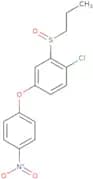
Phenproxide
CAS:<p>Phenproxide is an analog of testosterone that has been used traditionally in Chinese medicine to treat tumors. It has been found to induce apoptosis in cancer cells by inhibiting kinases, which are enzymes that regulate cellular processes such as cell division and growth. Phenproxide has also been shown to inhibit the activity of somatostatin, a hormone that regulates the release of other hormones. This inhibition may contribute to its anti-cancer properties. In addition, Phenproxide has been shown to have an effect on hyaluronan metabolism, a substance involved in tissue repair and inflammation. It is excreted in urine and may be used as a potential biomarker for cancer diagnosis or monitoring.</p>Formula:C15H14ClNO4SPurity:Min. 95%Molecular weight:339.8 g/molRef: 3D-ZBA82875
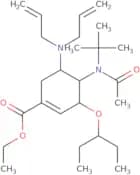
Discontinued product(3R,4R,5S)-Ethyl 4-(N-(tert-butyl)acetamido)-5-(diallylamino)-3-(pentan-3-yloxy)cyclohex-1-enecarboxylate
CAS:<p>(3R,4R,5S)-Ethyl 4-(N-(tert-butyl)acetamido)-5-(diallylamino)-3-(pentan-3-yloxy)cyclohex-1-enecarboxylate is a synthetic metabolite of the drug etravirine. It is an impurity in the drug product. The impurity is characterized as a white to off-white crystalline solid with a molecular weight of 531.6 g/mol and melting point of 170°C. It is soluble in methanol, ethanol, acetone and chloroform, but insoluble in water. (3R,4R,5S)-Ethyl 4-(N-(tert-butyl)acetamido)-5-(diallylamino)-3-(pentan-3-yloxy)cyclohex-1-enecarboxylate can be synthesized from commercially available starting materials</p>Formula:C26H44N2O4Purity:Min. 95%Molecular weight:448.6 g/molRef: 3D-BBB32407
Discontinued productPBT Impurity 2
CAS:<p>Please enquire for more information about PBT Impurity 2 including the price, delivery time and more detailed product information at the technical inquiry form on this page</p>Formula:C36H38O13Molecular weight:678.69 g/molRef: 3D-FP184416
Discontinued productDesmethoxyamino hydroxy gemifloxacin
CAS:<p>Desmethoxyamino hydroxy gemifloxacin is a drug product that belongs to the class of fluoroquinolones. It is a synthetic compound with a molecular weight of 551.4 g/mol and an empirical formula of C21H25FN3O2. Desmethoxyamino hydroxy gemifloxacin has been shown to inhibit bacterial DNA gyrase and topoisomerase IV in vitro, which are enzymes that maintain the integrity of bacterial DNA. The compound binds to 16S ribosomal RNA and inhibits protein synthesis, leading to cell death by inhibiting the production of proteins vital for cell division. This drug product is metabolized into gemifloxacin, desmethoxyamino acid, and desmethylgemifloxacin. These metabolites have not been shown to be active against bacterial DNA gyrase or topoisomerase IV in vitro, but may be active against other targets in</p>Formula:C17H19FN4O4Purity:Min. 95%Molecular weight:362.40 g/molRef: 3D-NIA67225
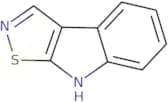
Discontinued productSinalexin
CAS:<p>Sinalexin is an anticancer drug that targets human protein kinases. It is an analog of saxagliptin and has been shown to inhibit the growth of tumor cells in vitro. Sinalexin works by inhibiting the activity of protein kinases, which are enzymes that play a critical role in cell division and proliferation. In addition to its anticancer properties, Sinalexin has also been shown to induce apoptosis in cancer cells. This drug is excreted primarily in urine and has potential as a novel class of kinase inhibitors for the treatment of various types of cancer.</p>Formula:C9H6N2SPurity:Min. 95%Molecular weight:174.22 g/molRef: 3D-AIA19282
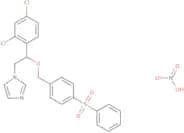
Discontinued productFenticonazole sulfone nitric acid salt
CAS:<p>Fenticonazole sulfone nitric acid salt is an analog of dabigatran, which is a protein kinase inhibitor that has shown potential in the treatment of cancer. It induces apoptosis in human cancer cells and inhibits the activity of various kinases involved in tumor growth and proliferation. Fenticonazole sulfone nitric acid salt has been studied extensively for its anticancer properties, showing promising results in Chinese hamster ovary cells and urine samples from cancer patients. This drug also exhibits inhibitory effects on protein kinases that are involved in the regulation of cell cycle progression, angiogenesis, and metastasis. Overall, Fenticonazole sulfone nitric acid salt holds great promise as a potential anticancer agent.</p>Formula:C24H21Cl2N3O6SPurity:Min. 95%Molecular weight:550.4 g/molRef: 3D-FDA67629
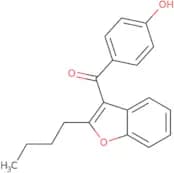
Discontinued productAmiodarone impurity E
CAS:<p>Amiodarone impurity E is a nucleophilic compound that is synthesized by the acylation of a diazonium salt with an amine. It has been shown to be active against staphylococci, but not against subtilis. The reaction may be catalyzed by acid or chloride. Amiodarone impurity E is also demethylated and dehydrated to form the final product, amiodarone.</p>Formula:C19H18O3Purity:Min. 95%Color and Shape:PowderMolecular weight:294.34 g/molEmtricitabine impurity 17
CAS:<p>Please enquire for more information about Emtricitabine impurity 17 including the price, delivery time and more detailed product information at the technical inquiry form on this page</p>Formula:C8H10FN3O4SPurity:Min. 95%Molecular weight:263.24 g/molAmlodipine EP Impurity F maleate
CAS:<p>Amlodipine EP Impurity F maleate is an impurity of amlodipine, a drug product. It is a natural substance that has been classified as an API impurity in the United States Pharmacopeia (USP). The chemical name for this drug is 3-(2-chlorophenyl)-1-methyl-5-(o-tolyloxy)-2,4-dihydro-6H-[1,3]thiazolo[3,2-a]pyrimidin-7-one. Amlodipine EP Impurity F maleate has the following properties: C12H9ClNO2S and a melting point of 210°C with a purity of 99.5%. This compound was synthesized by custom synthesis and is used as an analytical standard for HPLC. This compound was also used during the development of amlodipine to determine its metabolism studies.</p>Formula:C19H23ClN2O5•C4H4O4Purity:Min. 95%Molecular weight:510.92 g/molSitagliptin monohydrochloride monohydrate
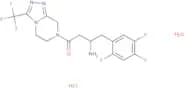
CAS:<p>Sitagliptin monohydrochloride monohydrate is an inhibitor of dipeptidyl peptidase-4 (DPP-4), which is responsible for the degradation of incretin hormones. It is used in the treatment of type 2 diabetes mellitus, as it increases insulin secretion and reduces blood glucose levels. Recent studies have shown that Sitagliptin has anticancer properties, as it induces apoptosis in cancer cells. It also inhibits protein kinases, which are involved in tumor growth and metastasis. Capsaicin, a compound found in chili peppers, has been shown to enhance the anticancer activity of Sitagliptin in Chinese hamster ovary cells. The drug is excreted primarily through urine and has a low potential for drug interactions with other kinase inhibitors. Overall, Sitagliptin monohydrochloride monohydrate shows great promise as both a diabetes medication and an anticancer agent.</p>Formula:C16H18ClF6N5O2Purity:Min. 95%Color and Shape:PowderMolecular weight:461.79 g/mol2,2',4,4',6,6'-Hexachlorobiphenyl
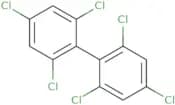
CAS:Controlled Product<p>2,2',4,4',6,6'-Hexachlorobiphenyl (PCB-136) is a potent anticancer agent that has been shown to induce apoptosis in cancer cells. It acts as a kinase inhibitor by blocking the activity of specific kinases involved in tumor growth and progression. PCB-136 has been studied extensively in human and Chinese hamster ovary cells and has been found to be highly effective against various types of cancer. This medicinal analog also exhibits inhibitory effects on the protein kinases that regulate cell division and proliferation, making it a promising candidate for cancer therapy. In addition, PCB-136 shows potential for use as a urinary biomarker for exposure to environmental pollutants due to its persistence in the environment and ability to accumulate in body tissues.</p>Formula:C12H4Cl6Purity:Min. 95%Molecular weight:360.9 g/mol(-)-Sabinene
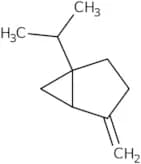
CAS:<p>(-)-Sabinene is a natural compound found in urine and various medicinal plants, including Chinese herbs. It has been identified as an analog of another natural compound that exhibits potent anticancer activity. (-)-Sabinene has been shown to inhibit the activity of certain proteins involved in cell cycle regulation and apoptosis, which are important processes for the growth and survival of cancer cells. In addition, (-)-Sabinene has been found to have inhibitory effects on tumor kinase activity, making it a promising candidate for the development of new anticancer drugs. Studies have shown that (-)-Sabinene can effectively inhibit the growth of various types of cancer cells, making it a potential therapeutic agent for the treatment of cancer.</p>Formula:C10H16Purity:Min. 95%Color and Shape:Clear LiquidMolecular weight:136.23 g/molRef: 3D-KAA40816
Discontinued product