APIs for research and impurities
Subcategories of "APIs for research and impurities"
- Aminoacids and derivatives(12,321 products)
- Anthraquinones and derivatives(402 products)
- Benzimidazole and Imidazole Derivatives(10,395 products)
- Benzodiazepine Derivatives(326 products)
- Carbohydrates and glycoconjugates(5,048 products)
- Esters and Derivatives(42,242 products)
- Fatty Acids and Lypidic Derivatives(32,377 products)
- Flavonoids and Polyphenols(17,073 products)
- Free Radicals and Oxidant/Reducing Agents(212 products)
- Ketones and derivatives(2,399 products)
- Natural and semi-synthetic antibiotics(6,333 products)
- Nitriles and Cyano Derivatives(3,068 products)
- Nitrosamines and Derivatives(55 products)
- Nucleosides and Nucleotides(3,449 products)
- Organic Phosphates and Phosphonates(1,195 products)
- Organic Sulphonates and Sulphates(10,420 products)
- Organometallics(4,418 products)
- Others(6,271 products)
- Peptides and Proteins(3,138 products)
- Polymers and Derivatives(99 products)
- Purines and Pyrimidine Derivatives(8,905 products)
- Quinazoline and Quinoline Derivatives(65,710 products)
- Quinones and Derivatives(24,342 products)
- Salts and Derivatives of Active Pharmaceutical Ingredients (API)(81,198 products)
- Steroids and Derivatives(4,925 products)
- Sulfonamides and Derivatives(2,568 products)
- Terpenoids and Derivatives(3,837 products)
- Thiazolidinediones and Thiopyrans(2,753 products)
- β-Adrenergic Compounds(228 products)
Found 58583 products of "APIs for research and impurities"
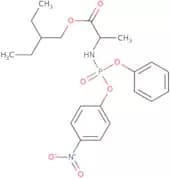
Remdesivir related compound 9
CAS:Remdesivir related compound 9 is a drug product that is an analytical standard. It is a natural API impurity, which has been synthesized for use as an impurity standard. This compound has been custom synthesized to be used as a research and development chemical. CAS No. 1439900-56-7 is the number of this synthetic drug product. It can be used in HPLC standards and it meets pharmacopoeia requirements for purity. The niche market for this compound is high purity analytical standards, including HPLC standards.
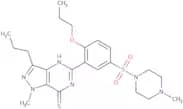
Formula:C21H27N2O7PPurity:Min. 95%Molecular weight:450.42 g/molPropoxyphenyl thiosildenafil
CAS:Propoxyphenyl thiosildenafil is a linker that has been synthesized from the amino acid sildenafil. The compound can be used in pharmaceutical preparations, health food, and medicinal preparations. It is also used as an additive to prepare the desired drug. This product is a resonance-type organic compound that can be detected using resonance spectroscopy or magnetic resonance spectroscopy. The compound has a molecular weight of 348.08 g/mol and a boiling point of 440°C at 760 mmHg pressure.
Formula:C23H32N6O3S2Purity:Min. 95%Molecular weight:504.7 g/molRef: 3D-EUA07387
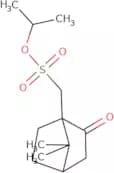
Discontinued productIsopropyl (1S)-(+)-10-camphorsulfate
CAS:Isopropyl (1S)-(+)-10-camphorsulfate is an analytical standard that is used in the preparation of aqueous solutions with a purity of at least 99.5%. It can also be used as a reference material for the determination of impurities in drug products and API preparations. Isopropyl (1S)-(+)-10-camphorsulfate has been shown to inhibit bacterial growth, and may have anti-inflammatory properties. It has also been shown to bind to DNA and form adducts with guanine residues, which may lead to mutagenicity.
Formula:C13H22O4SPurity:Min. 95%Molecular weight:274.38 g/molRef: 3D-XJA07858
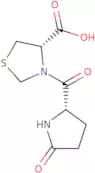
Discontinued product(S)-3-((S)-5-Oxopyrrolidine-2-carbonyl)thiazolidine-4-carboxylic acid
CAS:(S)-3-((S)-5-Oxopyrrolidine-2-carbonyl)thiazolidine-4-carboxylic acid is a synthetic compound that is used as an impurity standard for HPLC. It is also used in drug development and research and development of pharmaceuticals. This product was made through custom synthesis and is not natural.
Formula:C9H12N2O4SPurity:Min. 95%Molecular weight:244.27 g/molRef: 3D-IO145580
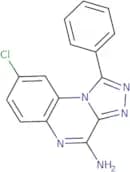
Discontinued productCp-66713 mesylate
CAS:Cp-66713 mesylate is a synthetic drug product with a molecular formula of C17H19NO2 and a molecular weight of 269.34. It has the following CAS number: 91896-58-1. The purity of this compound is >99% (HPLC).
Formula:C15H10ClN5Purity:Min. 95%Molecular weight:295.72 g/molRef: 3D-RDA89658
Discontinued productAlfuzosin hydrochloride EP Impurity F hydrochloride
CAS:Alfuzosin EP Impurity F hydrochloride is a drug product that is used as an analytical standard for Alfuzosin hydrochloride. It is a natural, synthetic, and impurity standard that exhibits similar chromatographic properties to the API. The CAS number of this impurity is 19216-68-3. This product has a niche market because it is used in metabolism studies. It also exhibits high purity and pharmacopoeia grade quality.
Formula:C12H16N4O2•HClPurity:Min. 95%Molecular weight:284.74 g/molRef: 3D-IA182629
Discontinued productAmoxicillin EP Impurity L
CAS:Amoxicillin EP Impurity L is an impurity standard for amoxicillin. It is a synthetic compound that is used to ensure the quality of amoxicillin drug products. Amoxicillin EP Impurity L has been shown to be metabolized through a number of metabolic transformations, including hydrolysis by esterases or glucuronidases, oxidation by cytochrome P450 enzymes, reduction by glutathione reductase, or conjugation with glucuronic acid. This impurity has also been shown to have anti-inflammatory properties and may be due to its inhibition of prostaglandin synthesis.
Formula:C24H29N5O7S2Purity:Min. 95%Molecular weight:563.65 g/molRef: 3D-IA180686
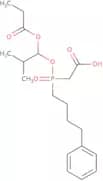
Discontinued product2-((2-Methyl-1-(propionyloxy)propoxy)(4-phenylbutyl)phosphoryl)acetic acid
CAS:2-((2-Methyl-1-(propionyloxy)propoxy)(4-phenylbutyl)phosphoryl)acetic acid (KZPBA) is a zoonotic antibiotic that has been shown to be active against agalactiae. It is a prodrug, which is metabolized to the active form, KZPBA, in humans and other mammals. The mechanism of action of KZPBA is not yet known; however, it has been hypothesized that its activity may be due to inhibition of DNA gyrase and topoisomerase IV. This drug has also been shown to have an effect on mastitis in dairy cows.Formula:C19H29O6PPurity:Min. 95%Molecular weight:384.4 g/molRef: 3D-IM27637
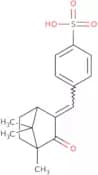
Discontinued productBenzylidene camphor sulfonic acid
CAS:Benzylidene camphor sulfonic acid is a non-volatile, oil-soluble, water-insoluble, white solid. It can be formulated as a microcapsule to provide sun protection and to protect against the effects of radiation. Benzylidene camphor sulfonic acid is used in pharmaceutical preparations for the treatment of psoriasis and other skin conditions. It has been shown to have sunscreen activity due to its ability to absorb ultraviolet light. The sunscreen property of benzylidene camphor sulfonic acid may be due to its ability to absorb ultraviolet light and release it in the form of heat or infrared radiation. Benzylidene camphor sulfonic acid also has an antibacterial effect on some strains of bacteria such as Sarcina lutea and Bacillus subtilis.
Formula:C17H20O4SPurity:Min. 95%Molecular weight:320.4 g/molRef: 3D-GCA03958
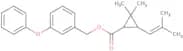
Discontinued product(+)-Cis-phenothrin
CAS:Cis-phenothrin is a carbamate insecticide that is used in agriculture, public health, and veterinary medicine. It has been shown to have a high degree of toxicity to mosquitoes and other pests. Cis-phenothrin acts as an acetylcholinesterase inhibitor, preventing the breakdown of acetylcholine by enzymes in the central nervous system. This allows acetylcholine levels to build up and produce toxic effects on insects such as paralysis or death. Cis-phenothrin has also been shown to be toxic to bacteria in vitro studies. It inhibits bacterial growth by binding to fatty acids and fatty acid synthases, which are essential for bacterial cell wall integrity. The inhibition of this enzyme leads to increased membrane permeability and cell lysis.
Formula:C23H26O3Purity:Min. 95%Molecular weight:350.4 g/molRef: 3D-BCA18688
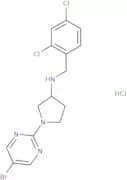
Discontinued productLy 2389575 hydrochloride
CAS:Ly 2389575 hydrochloride is a drug product for the treatment of rheumatoid arthritis, psoriatic arthritis, and plaque psoriasis. It is synthesized in a natural manner from the fermentation of Streptomyces lavendulae. The compound has been shown to be metabolized through a number of metabolic transformations including hydrolysis by esterases or glucuronidases, oxidation by cytochrome P450 enzymes, reduction by glutathione reductase, or conjugation with glucuronic acid. Ly 2389575 hydrochloride also specifically binds to markers expressed at high levels in Mycobacterium tuberculosis strains (e.g., ESX-1 secretion system protein) and inhibits cell growth in culture.
Formula:C15H16BrCl3N4Purity:Min. 95%Molecular weight:438.6 g/molRef: 3D-KKB10409
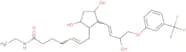
Discontinued productN-Ethyl fluprostenol carboxamide
CAS:N-Ethyl fluprostenol carboxamide is a synthetic compound with a chemical formula of C17H21NO4. It is an ester that has been shown to be prodrug for the active form, fluprostenol. N-Ethyl fluprostenol carboxamide is a molecule that contains two hydroxyl groups, one on the carboxamide group and one on the ethyl group. The chemical structure also contains a halogen atom and an ester group.
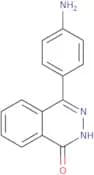
Formula:C25H34F3NO5Purity:Min. 95%Molecular weight:485.5 g/mol4-(4-Aminophenyl)phthalazin-1(2H)-one
CAS:4-(4-Aminophenyl)phthalazin-1(2H)-one is an antibacterial drug that belongs to the class of amide and minimise. It has a constant, synthetic, and chalcone profile. 4-(4-Aminophenyl)phthalazin-1(2H)-one has been shown to have antiplatelet activity in animals. This drug also inhibits the production of proinflammatory cytokines such as IL-6, IL-8, and TNFα by human monocytes. This drug also has antidiabetic properties and a safety profile similar to other nonsteroidal anti-inflammatory drugs.
Formula:C14H11N3OPurity:Min. 95%Molecular weight:237.26 g/molRef: 3D-GFA74153
Discontinued productBinospirone hydrochloride
CAS:Binospirone hydrochloride is a drug product that is used in the treatment of depression. It belongs to the class of antidepressants and has been shown to be effective against major depressive disorder (MDD). Binospirone hydrochloride is metabolized by cytochrome P450 enzymes into two metabolites: 3-hydroxybinospirone and 2,3-dihydroxybinospirone. The natural form of binospirone hydrochloride is synthesized from tyrosine and phenylalanine. It is also found as an impurity in other pharmaceuticals, such as clomipramine, amitriptyline, and fluoxetine. It has been shown that this compound binds to the serotonin transporter (SERT) at high affinity. This binding inhibits the reuptake of serotonin from synapses, leading to increased extracellular concentrations of serotonin.
Formula:C20H27ClN2O4Purity:Min. 95%Molecular weight:394.9 g/molRef: 3D-CEA90860
Discontinued product1,4-Bis[(tetrahydro-2-furanyl)carbonyl]-piperazine
CAS:1,4-Bis[(tetrahydro-2-furanyl)carbonyl]-piperazine is a synthetic drug product. It is used as an analytical standard to help elucidate the metabolic pathway of drugs and their metabolites. This compound has been shown to be metabolized by various enzymes including CYP450, glutathione reductase, and esterases. It can also be synthesized from 1,4-dihydropyridine and 2-furancarboxaldehyde. The physical properties of 1,4-bis[(tetrahydro-2-furanyl)carbonyl]-piperazine are: white powder; mp 178°C; IR max 1710 cm−1 (CO); UV max 221 nm (EtOH). The impurities in this product are: 1-(2H)-Quinolinone (CAS No. 2467-94-1) which may have a maximum concentration
Formula:C14H22N2O4Purity:Min. 95%Molecular weight:282.34 g/molDeacetyl-N,o-didemethyldiltiazem
CAS:Deacetyl-N,o-didemethyldiltiazem is a drug product that is used for the treatment of hypertension. It is a synthetic compound and has not been found in nature. The impurity standard for this product is an analytical chemical that can be used to identify the presence of impurities in a sample. Deacetyl-N,o-didemethyldiltiazem can be synthesized from commercially available starting materials using custom synthesis methods. It is an API impurity and can be developed into a drug by researching and developing it as a niche therapy for hypertension. This compound has high purity and can be used as an HPLC standard.
Formula:C18H20N2O3SPurity:Min. 95%Molecular weight:344.40 g/molRef: 3D-LDA40842
Discontinued product(6R)-Folinic acid
CAS:(6R)-Folinic acid is an impurity standard and a metabolite of folic acid. It is synthesized by the body in the liver, where it is converted to 5,10-methylenetetrahydrofolate (5,10-MTHF). This metabolite is used to convert homocysteine into methionine, which can then be converted into S-adenosylmethionine (SAMe), a compound that has been shown to have antidepressant properties. The methylation of folate also helps to regulate DNA synthesis and repair. (6R)-Folinic acid has been used in research as a drug development tool for studying folate metabolism and its effects on the central nervous system. High purity standards are available for use in HPLC analysis of this compound.
Formula:C20H23N7O7Purity:Min. 95%Molecular weight:473.40 g/molRef: 3D-YCA95154
Discontinued productLeuprolide acetate ep impurity F
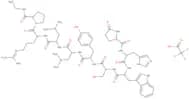
CAS:Leuprolide acetate ep impurity F is a drug product that is an impurity standard for the leuprolide acetate API. It is used in analytical and clinical studies to identify the presence of leuprolide acetate impurities, as well as to determine the metabolism of leuprolide acetate. Leuprolide acetate ep impurity F has been shown to be a natural metabolite of leuprolide acetate and have a niche application in pharmacopoeia.
Formula:C61H85F3N16O14Purity:Min. 95%Molecular weight:1,323.4 g/molN-Acetyl N-descarboxyethyl retigabine d4
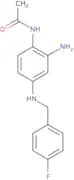
CAS:N-Acetyl N-descarboxyethyl retigabine (D4) is a pharmaceutical drug that is used for the treatment of epilepsy. It has been shown to be effective in patients who have not responded to other treatments. D4 binds to voltage-gated potassium channels and inhibits their opening, which leads to a decrease in neurotransmitter release from nerve cells. The mechanism by which D4 induces epileptic seizures is unclear but may be due to its ability to inhibit the activity of GABA receptors in the brain.Formula:C15H16FN3OPurity:Min. 95%Molecular weight:273.3 g/molRef: 3D-EJA97068
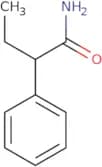
Discontinued product2-Phenylbutyramide
CAS:2-Phenylbutyramide is a drug that acts as a potent, nonselective agonist at adenosine A3 receptors. It has been shown to have therapeutic potential for the treatment of bowel disease and cardiac diseases. 2-Phenylbutyramide binds to the adenosine A3 receptor and triggers an increase in intracellular calcium levels, which leads to smooth muscle relaxation in the gut. This drug also has been found to be effective against autoimmune diseases and organometallic toxicity. It is not active against bacterial infections such as hepatitis or inflammatory bowel disease.
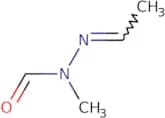
Formula:C10H13NOPurity:Min. 95%Molecular weight:163.22 g/molGyromitrin
CAS:Gyromitrin is a potent inhibitor of tumor growth and apoptosis in human cancer cells. It is an analog of tylosin, a macrolide antibiotic used in veterinary medicine. Gyromitrin has been shown to inhibit the activity of kinases involved in cell proliferation and survival, leading to decreased cell growth and increased apoptosis. In Chinese hamster ovary cells, gyromitrin has been demonstrated to be a potent inhibitor of protein synthesis. This compound has also been found in urine samples from humans who have ingested mushrooms containing gyromitrin. Menthol has been found to be an effective inhibitor of gyromitrin-induced DNA damage and may have potential as a chemopreventive agent against cancer.
Formula:C4H8N2OPurity:Min. 95%Molecular weight:100.12 g/molRef: 3D-RAA56802
Discontinued product9-(1,3-Dioxolan-2-ylmethyl)-3,9-dihydro-1,3-dimethyl-1H-purine-2,6-dione
CAS:9-(1,3-Dioxolan-2-ylmethyl)-3,9-dihydro-1,3-dimethyl-1H-purine-2,6-dione is a metabolite of the drug 9-(1,3-Dioxolan-2-ylmethyl)-1,3,9 dihydrobenzo[g]pteridine. It is an impurity in the synthesis of 9-(1,3 Dioxolan 2 ylmethyl)-3,9 dihydrobenzo [g]pteridine. The purity of this compound is > 99%, with a melting point range of 233 to 235 °C and a molecular weight of 244.24 g/mol. It is soluble in methanol and acetonitrile. This compound has been characterized by IR spectroscopy (ATR), 1H NMR (400 MHz) spectroscopy (CDCl 3 ), and mass spectrometry (HRMS
Formula:C11H14N4O4Purity:Min. 95%Molecular weight:266.25 g/molRef: 3D-ZWB28918
Discontinued product2,2'-(1,4-Piperazinediyl)bis[6,7-dimethoxy-4-quinazolinamine]
CAS:2,2'-(1,4-Piperazinediyl)bis[6,7-dimethoxy-4-quinazolinamine] is a chemical compound that is used as a lead to develop new drugs against malaria. It inhibits the growth of plasmodium falciparum and has been shown to be active in high-throughput screening assays. 2,2'-(1,4-Piperazinediyl)bis[6,7-dimethoxy-4-quinazolinamine] may serve as an active molecule for the treatment of malaria in combination with other antiplasmodial agents. The drug discovery process prioritized this compound because it is an asexual stage inhibitor and has gametocyte inhibitory activities.
Formula:C24H28N8O4Purity:Min. 95%Molecular weight:492.53 g/molRef: 3D-IP27062
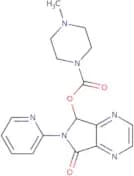
Discontinued productDeschloro-zopiclone
CAS:Deschloro-zopiclone is a drug product that is custom synthesized for research and development purposes. It is a synthetic drug that has been shown to have pharmacological properties in the treatment of insomnia. Deschloro-zopiclone is metabolized by hydrolysis, oxidation and conjugation, with the major metabolites being 2,5-dimethoxybenzoic acid and 2-hydroxy-5-methoxybenzoic acid. The metabolite 2,5-dimethoxybenzoic acid has been shown to be responsible for the hypnotic effects of deschloro-zopiclone.
Formula:C17H18N6O3Purity:Min. 95%Molecular weight:354.4 g/molRef: 3D-YDC04661
Discontinued product(E)-4-Alloxycarboxyl tamoxifen
CAS:(E)-4-Alloxycarboxyl tamoxifen is a synthetic metabolite of tamoxifen. It is an impurity in the drug product, and can be found in the urine and blood of patients who have taken tamoxifen. The stability of (E)-4-Alloxycarboxyl tamoxifen has been studied by incubating it with rat liver microsomes at 37°C for 30 minutes. Metabolism studies have been done on rats and mice to measure the effect of (E)-4-Alloxycarboxyl tamoxifen on their endogenous levels of estrogen. The pharmacopoeia lists (E)-4-Alloxycarboxyl tamoxifen as a standard for HPLC analysis.
Formula:C30H33NO4Purity:Min. 95%Molecular weight:471.60 g/molRef: 3D-MBC19158
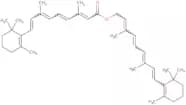
Discontinued productRetinyl retinoate
CAS:Controlled ProductRetinyl retinoate is a synthetic retinoid that is chemically stable and has been shown to be effective in clinical studies. Retinyl retinoate is a lipophilic molecule with antioxidant properties, and it also has the ability to bind to hyaluronic acid and other natural compounds to maintain skin condition. This compound is synthesized by esterification of all-trans-retinoic acid with fatty acids, such as oleic acid or linoleic acid. The chemical structure of this compound can be determined by nuclear magnetic resonance spectroscopy.
Formula:C40H56O2Purity:Min. 95%Molecular weight:568.9 g/molRef: 3D-QAA49886
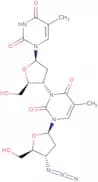
Discontinued product3'-[3-(3-Azido-2,3-dideoxy-b-D-erythro-pentofuranosyl)-3,6-dihydro-5-methyl-2,6-dioxo-1(2H)-pyrimidinyl]-3'-deoxy-thymidine
CAS:3'-[3-(3-Azido-2,3-dideoxy-b-D-erythro-pentofuranosyl)-3,6-dihydro-5-methyl-2,6-dioxo-1(2H)-pyrimidinyl]-3'-deoxythymidine is an analytical standard used in the R&D and drug development of 3'-azido derivatives of thymidine. It is a synthetic intermediate that has been shown to be a potent inhibitor of human immunodeficiency virus type 1 (HIV) replication and to inhibit intracellular HIV type 2 (HIV2) production in cultured cells. 3'-[3-(3-Azido-2,3,-dideoxy--b erythro--pentofuranosyl)-3,6--dihydro--5--methyl--2,6--dioxo--1(2H)--pyrimidinyl]-
Formula:C20H25N7O8Purity:95%NmrMolecular weight:491.45 g/molRegadenoson Impurity 28
CAS:Regadenoson Impurity 28 is an analytical standard and research and development impurity. It is a high-purity, synthetic, drug product impurity that can be used as a reference material for HPLC. This drug impurity is also available in a custom synthesis service. Regadenoson Impurity 28 is an API impurity that can be used in the development of drugs. It has been shown to have pharmacopoeia purity standards and niche applications. Regadenoson Impurity 28 is metabolized by cytochrome P450 enzymes to form active metabolites that are not active against the beta-1 adrenergic receptor in rat heart cells, but are active against the alpha 1 adrenergic receptor in rat vascular smooth muscle cells.
Formula:C10H14N6O3Purity:Min. 95%Molecular weight:266.26 g/molCarfilzomib (2R,4S)-diol
CAS:Carfilzomib is a drug product that belongs to the class of drugs called proteasome inhibitors. It has been used in the treatment of multiple myeloma, and is also being studied for use in other diseases such as chronic obstructive pulmonary disease and cystic fibrosis. Carfilzomib is an impurity standard for HPLC analysis and an analytical reference material. It is also used as a pharmacopoeia reference material. Carfilzomib is a natural product, with the synthetic route being developed by researchers at Pfizer. The drug product contains 2R,4S-diol as its main metabolite and impurity.
Formula:C40H59N5O8Purity:Min. 95%Molecular weight:737.90 g/molRef: 3D-RLC17275
Discontinued productRemdesivir impurity 3 HCl
CAS:Remdesivir impurity 3 HCl is a drug product that is a metabolite of Remdesivir. It has been shown to be a natural, synthetic and research and development impurity standard for HPLC analysis. CAS No.: 2096981-79-0
Formula:C9H19NO2·HClPurity:Min. 95%Molecular weight:209.71 g/molDioctyl carbonate
CAS:Dioctyl carbonate is a pharmaceutical preparation used to treat skin conditions. It is a fatty acid ester of carbonic and carbonyl groups in which the two esters are in the same molecule. Dioctyl carbonate is a reaction product obtained by reacting an inorganic acid, such as hydrochloric acid or sulfuric acid, with an alcohol containing two hydroxyl groups and one double bond. This reaction may be facilitated by heating. The film-forming polymer may be polyvinylpyrrolidone, polyvinyl alcohol, or polyacrylic acid. Dioctyl carbonate has been shown to stimulate colony-stimulating factor production and inhibit the proliferation of human epidermal keratinocytes.
Formula:C17H34O3Purity:Min. 95%Color and Shape:Clear LiquidMolecular weight:286.4 g/mol1-Hydroxy carvedilol
CAS:1-Hydroxycarvedilol is a drug product that is used as a standard in HPLC. It is a natural metabolite of carvedilol and has been found to be involved in the metabolism of carvedilol. The purity of 1-hydroxycarvedilol is >98%. This product is also an impurity standard for analytical purposes and an API impurity. It can also be used in metabolism studies and has CAS No. 146574-41-6.
Formula:C24H26N2O5Purity:Min. 95%Molecular weight:422.50 g/molRef: 3D-WFA57441
Discontinued product(E/Z)-It-603
CAS:Please enquire for more information about (E/Z)-It-603 including the price, delivery time and more detailed product information at the technical inquiry form on this page
Formula:C11H9BrN2O3SPurity:Min. 95%Molecular weight:329.17 g/molo-Desmethyl venlafaxine N-dimer
CAS:o-Desmethyl venlafaxine N-dimer is a metabolite of venlafaxine that has been identified in human plasma. It is a white to off-white crystalline powder with a melting point of about 175°C. The purity of the product is more than 98%. It is soluble in methanol and ethanol, but insoluble in water. The o-desmethyl venlafaxine N-dimer was developed as an analytical reference standard for use in HPLC analysis of venlafaxine and its metabolites and impurities.
Formula:C32H48N2O4Purity:Min. 95%Molecular weight:524.73 g/molRef: 3D-MXB54561
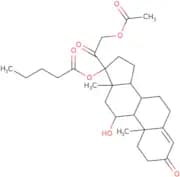
Discontinued productHydrocortisone 17-valerate 21-acetate
CAS:Controlled ProductPlease enquire for more information about Hydrocortisone 17-valerate 21-acetate including the price, delivery time and more detailed product information at the technical inquiry form on this page
Formula:C28H40O7Purity:Min. 95%Molecular weight:488.6 g/molRef: 3D-GDA45646
Discontinued productFR183998
CAS:FR183998 is an anticancer drug that is derived from Chinese urine. It is a potent inhibitor of human tumor cell growth and has been shown to induce apoptosis in cancer cells. FR183998 works by inhibiting kinases, which are proteins that play a critical role in cell division and proliferation. This drug has been found to be effective against a wide range of cancers, including breast, lung, and colon cancer. Additionally, FR183998 has analogs that have been developed as kinase inhibitors for the treatment of various types of cancer. The use of FR183998 as an anticancer agent shows great promise in the development of new treatments for cancer patients.
Formula:C17H19Cl2N5O2SPurity:Min. 95%Molecular weight:428.3 g/molRef: 3D-PJA44020
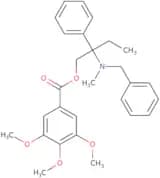
Discontinued productN-Benzyl N-demethyl trimebutine
CAS:N-Benzyl N-demethyl trimebutine is an analytical standard that is used in the development of new drugs. It is a synthetic compound and has not been found in any natural sources. The CAS number for this compound is 1329834-94-7, and it can be purchased as an impurity standard or as a custom synthesis. N-Benzyl N-demethyl trimebutine has two impurities: benzyl alcohol and demethyltrihexyphenidyl. This compound can be used as a pharmacopoeia or HPLC standard.
Formula:C28H33NO5Purity:Min. 95%Molecular weight:463.6 g/molRef: 3D-EDC83494
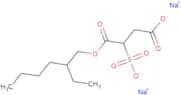
Discontinued productDisodium monooctyl sulfosuccinate
CAS:Disodium monooctyl sulfosuccinate (DSMS) is a sodium-based surfactant that is used as an excipient in tablets and capsules. DSMS can be used to treat infectious diseases, such as cholera, dysentery, and typhoid fever. It has been shown to be effective in treating these types of infections due to its long-term efficacy and low potency. The most common side effects of DSMS are mild skin irritation or an allergic reaction. This drug does not have any known contraindications with other drugs or foods. It is also biocompatible with a variety of polymers and fatty acids.
Formula:C12H20Na2O7SPurity:Min. 95%Molecular weight:354.33 g/molRef: 3D-LDA87853
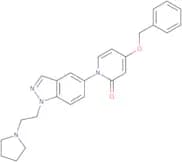
Discontinued productMch-1 antagonist 1
CAS:Mch-1 antagonist 1 is a drug product that is custom synthesized and is available in high purity. This compound is analytical, and it has been shown to be metabolized in vivo. Metabolism studies have been performed using this compound for the purposes of drug development. CAS No. 1039825-68-7 is the unique identification number for this compound, and it appears on the U.S. Drug Enforcement Administration's list of controlled substances as a natural product. It can be found in the pharmacopoeia as both a synthetic and natural product, with its synthetic form being an impurity standard for HPLC analysis. Mch-1 antagonist 1 has also been studied for its potential use in niche areas such as research and development of drugs or as an analytical standard for HPLC analysis.
Formula:C25H26N4O2Purity:Min. 95%Molecular weight:414.5 g/molRef: 3D-PRB82568
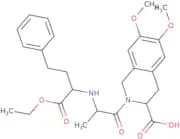
Discontinued productMoexipril-d5
CAS:Please enquire for more information about Moexipril-d5 including the price, delivery time and more detailed product information at the technical inquiry form on this page
Formula:C27H34N2O7Purity:Min. 95%Molecular weight:503.6 g/molRef: 3D-GEC92949
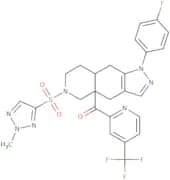
Discontinued productExicorilant
CAS:Exicorilant is an analog of capsaicin, which has been shown to have anticancer properties. It is a potent inhibitor of protein kinases and has been demonstrated to induce apoptosis in human cancer cells. Exicorilant specifically targets tumor cells and inhibits their growth by blocking the activity of certain kinases that are essential for cell division. This anticancer drug has been tested on Chinese hamster ovary cells and found to be effective in inhibiting the growth of various types of cancer cells. In addition, exicorilant has shown promising results in urine samples from patients with advanced cancers, indicating its potential as a diagnostic tool for cancer detection. Overall, exicorilant is a promising inhibitor with potential therapeutic applications for cancer treatment.
Formula:C26H23F4N7O3SPurity:Min. 95%Molecular weight:589.6 g/molRef: 3D-GWC24477
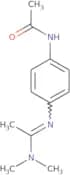
Discontinued productN’-(4-Acetylaminophenyl)-N,N-dimethylacetamidine
CAS:N’-(4-Acetylaminophenyl)-N,N-dimethylacetamidine is a drug product that is used in the development of new drugs. It has high purity, analytical grade and natural origin. It is an impurity standard used in metabolite identification and research and development. The CAS number for this compound is 1358054-66-6.Formula:C12H17N3OPurity:Min. 95%Molecular weight:219.28 g/molRef: 3D-IEC05466
Discontinued productAlpha-amino-4-octylbenzenebutanoic acid
CAS:Alpha-amino-4-octylbenzenebutanoic acid is an impurity standard for pharmacopoeia and drug development. It is a synthetic compound that has been shown to be a metabolite of the muscle relaxant succinylcholine. Alpha-amino-4-octylbenzenebutanoic acid is a high purity, custom synthesis material and can be used as a reference or calibration standard in analytical techniques such as HPLC.
Formula:C18H29NO2Purity:Min. 95%Molecular weight:291.40 g/molRef: 3D-WYA82019
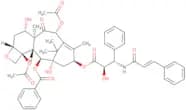
Discontinued productPaclitaxel impurity O
CAS:Paclitaxel impurity O is a synthetic drug that is used in the treatment of cancer. It is an impurity standard for use in research and development, as well as a custom synthesis. Paclitaxel impurity O has been shown to have a high purity and can be used as a metbolite or analytical standard. It has been shown to possess anti-inflammatory properties, which may be due to its ability to inhibit prostaglandin synthesis.
Formula:C49H53NO14Purity:Min. 95%Molecular weight:879.94 g/molMonobenzyl fosaprepitant
CAS:Monobenzyl fosaprepitant is a drug product that is used for research and development purposes. It is an impurity standard for the analysis of API (Active Pharmaceutical Ingredient) impurities, which are synthetic products. Monobenzyl fosaprepitant has been shown to be metabolized in vitro. The metabolism studies have shown that this compound can be hydrolyzed by esterases or glucuronidases, oxidized by cytochrome P450 enzymes, reduced by glutathione reductase, or conjugated with glucuronic acid. Monobenzyl fosaprepitant is a high-purity analytical standard and is used as a pharmacopoeia monograph material.
Formula:C30H28F7N4O6PPurity:Min. 95%Molecular weight:704.50 g/molRef: 3D-PKB85202
Discontinued product(E)-2-Furaldehyde, (2,4-dinitrophenyl)hydrazone
CAS:Please enquire for more information about (E)-2-Furaldehyde, (2,4-dinitrophenyl)hydrazone including the price, delivery time and more detailed product information at the technical inquiry form on this page
Formula:C11H8N4O5Purity:Min. 95%Molecular weight:276.2 g/molRef: 3D-RAA41622
Discontinued product2-Amino-N-(2-benzoyl-4-chlorophenyl)-N-methylacetamide
CAS:2-Amino-N-(2-benzoyl-4-chlorophenyl)-N-methylacetamide is an impurity in the drug product, which is a metabolite of the active drug. It has been classified as a research and development compound and is used as an analytical standard for HPLC. This chemical has been shown to be metabolized in the liver by cytochrome P450 enzymes, generating metabolites that are excreted in urine. 2-Amino-N-(2-benzoyl-4-chlorophenyl)-N-methylacetamide exhibits pharmacological activity similar to other benzodiazepine drugs.
Formula:C16H15ClN2O2Purity:Min. 95%Molecular weight:302.75 g/molRef: 3D-LBA02094
Discontinued product4,7-Dihydro megestrol acetate
CAS:4,7-Dihydro megestrol acetate is a drug product that has been custom synthesized for research and development purposes. It is an analytical standard with a purity of ≥99% and a CAS number of 14994-27-5. Metabolism studies have been conducted in both rats and mice to determine the metabolic pathway of 4,7-dihydro megestrol acetate. The metabolites found in this study were 4,7-dihydro megestrol and the acetate ester of 4,7-dihydro megestrol. Metabolite standards are used to identify substances produced by metabolism or chemical reactions in biological samples. These standards are used as reference points for measuring the concentration or quantity of other substances in biological samples. Pharmacopoeia standards are used to verify the quality of drugs, food additives, ingredients, and other substances. They also serve as reference points for identifying impurities in substances that may be harmful
Formula:C24H34O4Purity:Min. 95%Molecular weight:386.50 g/molRef: 3D-PAA99427
Discontinued product(4-Chlorophenyl)[4-(1-methylethoxy)phenyl]methanone
CAS:(4-Chlorophenyl)[4-(1-methylethoxy)phenyl]methanone is a drug product that is Custom synthesized to meet the requirements of pharmacopoeia, analytical, and drug development. It has been studied for its metabolism and toxicity profile in animals. This compound is a metabolite of chlorpheniramine, which is used as an antihistamine. Metabolites of this compound have also been identified in humans. The CAS Registry Number for this compound is 154356-96-4.Formula:C16H15ClO2Purity:Min. 95%Molecular weight:274.74 g/molRef: 3D-IC20310
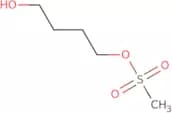
Discontinued product4-Methanesulfonyloxybutanol
CAS:4-Methanesulfonyloxybutanol is a chemical substance with the molecular formula CH3SO2CH(CH2OH)CH2OH. It is used as an intermediate in the synthesis of 4-methanesulfonyloxybutanol, which is a potent inhibitor of busulfan-induced leukopenia and myelosuppression. This substance has been shown to be highly effective in preventing busulfan-induced side effects when administered intravenously. 4-Methanesulfonyloxybutanol is chemically synthesized by intramolecular alkylation of butanol, followed by hydrolysis. The reaction product can be detected using an ionization detector in conjunction with gas chromatography. This product is an alkylation agent that reacts with polypropylene to produce polypropylene glycols.
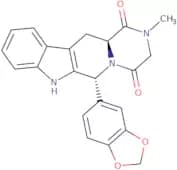
Formula:C5H12O4SPurity:Min. 95%Color and Shape:LiquidMolecular weight:168.21 g/molcis-Tadalafil
CAS:Cis-Tadalafil is a potent inhibitor of phosphodiesterase 5, which is used to treat erectile dysfunction (ED) and primary pulmonary hypertension (PPH). It works by increasing blood flow to the penis, allowing men with ED to achieve and maintain an erection. Cis-Tadalafil is also used to treat symptoms of prostatic hyperplasia (enlarged prostate) in men. This drug has been shown to be effective in treating PPH by reducing pulmonary arterial pressure and improving exercise capacity. Cis-Tadalafil belongs to the carboline class of drugs and is a phosphodiesterase 5 inhibitor that selectively inhibits cGMP-specific phosphodiesterase type 5 (PDE5). This drug has been shown to be highly effective in treating both ED and PPH with minimal side effects.
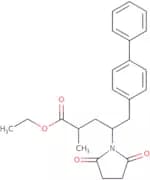
Formula:C22H19N3O4Purity:Min. 95%Color and Shape:White/Off-White SolidMolecular weight:389.4 g/molSacubitril Impurity 2
CAS:Sacubitril Impurity 2 is a drug product that is an analytical impurity in Sacubitril. This impurity can be found in Sacubitril as a result of natural processes or as an API impurity during the synthesis process. Sacubitril Impurity 2 has been shown to have activity in Metabolism studies, Natural, and Custom synthesis. It has been shown to be a Synthetic impurity standard and HPLC standard. Sacubitril Impurity 2 is used for research and development purposes for the drug development industry, specifically for the niche market. It is also used as an analytical standard for pharmacopoeia methods.
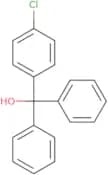
Formula:C24H27NO4Purity:Min. 95%Molecular weight:393.48 g/mol(4-Chlorophenyl)diphenylmethanol
CAS:Please enquire for more information about (4-Chlorophenyl)diphenylmethanol including the price, delivery time and more detailed product information at the technical inquiry form on this page
Formula:C19H15ClOPurity:Min. 95%Molecular weight:294.8 g/molRef: 3D-GAA92289
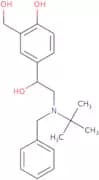
Discontinued productN-Benzyl albuterol
CAS:N-Benzyl albuterol is a drug product that is custom synthesized to be of high purity with an analytical standard. It is used in research and development, pharmaceutical development, and as a pharmacopoeia or analytical standard. N-Benzyl albuterol has been found to be a metabolite of the drug product Albuterol Sulfate. It is also used in metabolism studies and natural product research. The CAS number for this compound is 24085-03-8.
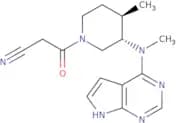
Formula:C20H27NO3Purity:Min. 95%Molecular weight:329.4 g/mol(3S,4R)-Tofacitinib
CAS:(3S,4R)-Tofacitinib is a rhombic and paramagnetic compound with a Curie point of approximately 10.6°C. It is soluble in nonpolar solvents such as benzene and toluene. (3S,4R)-Tofacitinib has been shown to have magnetic properties that are dependent on the temperature and the frequency of the applied magnetic field. The paramagnetic resonance spectra were observed at 18°C and 32°C, while the paramagnetic resonance spectrum was observed at -2°C. The octahedral interactions are likely due to the presence of six different types of iron ions in the crystal structure.
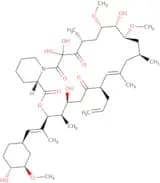
Formula:C16H20N6OPurity:Min. 95%Molecular weight:312.37 g/molOxacyclohexane open ring tacrolimus
CAS:Please enquire for more information about Oxacyclohexane open ring tacrolimus including the price, delivery time and more detailed product information at the technical inquiry form on this page
Formula:C44H71NO13Purity:Min. 95%Molecular weight:822.04 g/molN-Hydroxymethyl Sumatriptan
CAS:N-Hydroxymethyl Sumatriptan is an analytical standard and a research and development impurity. It is also used as an API impurity in drug product manufacturing. N-Hydroxymethyl Sumatriptan can be synthesized by reacting the parent drug with hydroxyl radicals, which is a process that yields no side products. N-Hydroxymethyl Sumatriptan can be found in the following pharmacopoeia: United States Pharmacopoeia (USP) 11>, European Pharmacopoeia (EP), Japanese Pharmacopoeia (JP)13>, British Pharmacopoeia (BP), and Chinese Pharmacopiae (CPC).
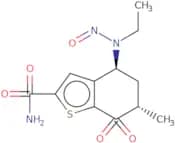
Formula:C15H23N3O3SPurity:Min. 95%Molecular weight:325.43 g/molN-Nitroso dorzolamide
N-Nitroso dorzolamide is a chemical compound used as an intermediate in the synthesis of dorzolamide, a carbonic anhydrase inhibitor used in the treatment of glaucoma and ocular hypertension.
Formula:C10H15N3O5S3Purity:Min. 95%Color and Shape:PowderMolecular weight:353.44 g/molDesfluoro ezetimibe
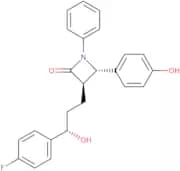
CAS:Desfluoro ezetimibe is a synthetic cholesterol-lowering drug that inhibits intestinal cholesterol absorption. It is chemically synthesized, and the process includes the introduction of fluorine at the 3-position of the C-ring. Desfluoro ezetimibe is not metabolized in humans, but it may be subject to oxidative degradation. The product is also subject to oxidation by light and air, which may result in formation of impurities. The drug substance has been validated as well as its isomers and efficiencies in mass spectrometry detection.
Formula:C24H22FNO3Purity:Min. 95%Color and Shape:White To Off-White SolidMolecular weight:391.43 g/mol2-(2-Amino-5-bromobenzoyl)pyridine
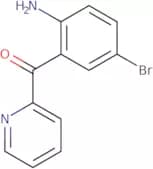
CAS:2-(2-Amino-5-bromobenzoyl)pyridine (2ABBP) is a chemical compound with the molecular formula C10H7BrN3. It is a glucuronide conjugate of 2-amino-5-bromobenzoic acid and has been used as an immunological reagent in the form of a monoclonal antibody. 2ABBP binds to dryopteris, which is a plant species that contains polyphenols called pteridines. 2ABBP has been shown to have anti-inflammatory properties in rat liver microsomes and cell culture experiments. The mechanism of action may involve inhibition of cyclooxygenase enzymes, which are involved in prostaglandin synthesis. 2ABBP also binds to human serum albumin and chaperones, proteins that bind other proteins or small molecules. The biological activity of 2ABBP may be due to its ability to form coval
Formula:C12H9BrN2OPurity:Min. 95%Molecular weight:277.12 g/molSimvastatin acid
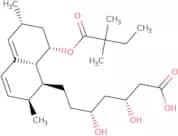
CAS:Simvastatin acid is the active form of simvastatin, a drug used to lower blood cholesterol levels. Simvastatin acid inhibits HMG-CoA reductase, the enzyme that converts HMG-CoA to mevalonate. This conversion is a rate-limiting step in the synthesis of cholesterol and other lipids. Simvastatin acid binds to polymerase chain and drug transporter proteins, which leads to cell lysis. The concentration–time curve for simvastatin acid is linear and the half-life is approximately 12 hours. When simvastatin acid is administered with drugs that are potent inducers of CYP3A4 or UGT1A1 enzymes, there may be an increased risk for drug interactions. Simvastatin acid has shown no significant human pharmacokinetic interactions with food or grapefruit juice at doses up to 200 mg/day. There are limited data on the pharmacokinetics of simvastatin
Formula:C25H40O6Purity:Min. 95%Color and Shape:White PowderMolecular weight:436.58 g/molRef: 3D-IS63828
Discontinued productPramipexole EP Impurity C
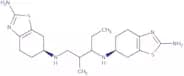
CAS:Pramipexole EP Impurity C is a synthetic impurity that is used as an impurity standard in the manufacture of Pramipexole EP. It is also used as a research and development tool for drug product, custom synthesis, CAS No. 1973461-14-1, and analytical studies. This compound has been shown to be a metabolite of Pramipexole EP and may have pharmacological properties. Pramipexole EP Impurity C has been found to inhibit the growth of certain bacteria, such as methicillin-resistant Staphylococcus aureus (MRSA) isolates.
Formula:C20H32N6S2Purity:Min. 95%Ciprofloxacin ep impurity C
CAS:Ciprofloxacin ep impurity C is a synthetic compound. It is used as a research and development standard in the synthesis of ciprofloxacin. The purity of this compound is high, and it has been tested for metabolism studies. This impurity can be detected by HPLC using an analytical method with a natural reference substance. This impurity has not been evaluated for pharmacopoeia or CAS number.
Formula:C15H16FN3O3Purity:Min. 95%Molecular weight:305.30 g/molRef: 3D-DEA22212
Discontinued productLinagliptin impurity G
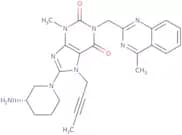
CAS:Linagliptin impurity G is an impurity in the drug product Linagliptin. It is a natural substance and its CAS number is 668270-11-9. Impurity G can be synthesized from L-phenylalanine and cyclohexane carboxaldehyde in a two step process. The first step involves the reaction of L-phenylalanine with cyclohexane carboxaldehyde to yield methylcyclohexanecarboxylate, which then undergoes hydrolysis to give phenylcyclohexanol. In the second step, phenylcyclohexanol reacts with hydrochloric acid to produce phenylcyclohexanone, which is then oxidized with hydrogen peroxide to yield impurity G. Impurity G can also be found in the pharmacopoeia as a high purity HPLC standard for linagliptin.
Formula:C25H28N8O2Purity:Min. 95%Color and Shape:PowderMolecular weight:472.54 g/molEmpagliflozin S-furanose
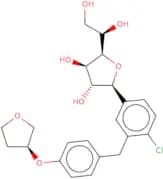
CAS:Empagliflozin S-furanose is a Custom synthesis drug product. It is an analytical standard with CAS No. 1620758-32-8, and it is used in research and development of new drugs. Empagliflozin S-furanose has been found to be a metabolite of empagliflozin, a drug that is used to treat type 2 diabetes mellitus. It is also used as an impurity standard for HPLC analysis of empagliflozin because it does not have any biological activity.
Formula:C23H27ClO7Purity:Min. 95%Color and Shape:PowderMolecular weight:450.91 g/molRef: 3D-IE181148
Discontinued productPiperacilloic acid
CAS:Piperacilloic acid is a synthetic compound that exhibits antibacterial activity. It has been shown to be effective against human pathogens, including urothelial carcinoma and human serum. Piperacilloic acid binds to the amino acids lysine and arginine in bacterial proteins and inhibits protein synthesis by inhibiting the function of enzymes that require these amino acids for their activity. The potency of piperacillin is low, but it is activated by hydrolysis in the acidic environment of the stomach or intestinal tract. Piperacilloic acid also has potential as a contraceptive agent because it may inhibit transcriptional regulation of genes that are involved in sperm production.
Formula:C23H29N5O8SPurity:(Elemental Analysis) Min. 90 Area-%Color and Shape:PowderMolecular weight:535.57 g/molAcarbose Impurity E
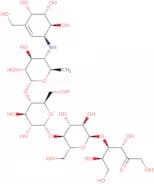
CAS:Acarbose Impurity E is an impurity found in acarbose. It is a natural, API impurity and is a synthetic impurity standard. Acarbose Impurity E has been used in drug development research and development, as well as in the HPLC analysis of acarbose to generate a pharmacopoeia-grade purity standard.
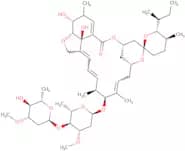
Purity:Min. 95%Ivermectin impurity I
CAS:Ivermectin impurity I is an analytical standard that is used for pharmacopoeia and custom synthesis. It is a natural metabolite of the drug Ivermectin, which has been shown to have anti-inflammatory properties in mice. Ivermectin impurity I binds to nicotinic acetylcholine receptors, leading to muscle paralysis and death. This compound is found in high purity for research and development purposes.
Formula:C48H74O14Purity:Min. 95%Color and Shape:PowderMolecular weight:875.09 g/molRef: 3D-II167729
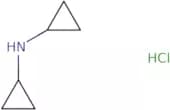
Discontinued productDicyclopropylamine hydrochloride
CAS:Dicyclopropylamine hydrochloride is a tyrosine kinase inhibitor that blocks the activity of jak2. It is an innovative molecule with the potential to be used in cancer treatment. Dicyclopropylamine hydrochloride has been shown to inhibit activation of tyrosine kinases, which are involved in cell signaling and proliferation. Dicyclopropylamine hydrochloride also has anti-inflammatory properties, which may be due to its ability to inhibit prostaglandin synthesis. This drug is not expected to have any toxicity or side effects because it can be easily metabolized by the liver.br>br> Dicyclopropylamine hydrochloride is a white solid with a melting point of 175°C. It has no detectable odor, and it is soluble in water and ethanol. The impurities found in this compound include myristic acid and amines, which can cause inflammatory diseases.br>br> D
Formula:C6H11N•HClPurity:Min. 95%Color and Shape:PowderMolecular weight:133.62 g/molRef: 3D-FD141573
Discontinued productTofacitinib dihydro impurity
CAS:Tofacitinib dihydro impurity is a research and development impurity standard for the synthesis of Tofacitinib. It is a custom synthesis with high purity, pharmacopoeia grade, and synthetic. This product is also used in drug development for metabolism studies and analytical applications.
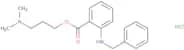
Formula:C16H22N6OPurity:Min. 95%Molecular weight:314.39 g/mol3-Dimethylaminopropyl-2-benzylaminobenzoate hydrochloride
CAS:3-Dimethylaminopropyl-2-benzylaminobenzoate hydrochloride is a versatile compound with various characteristics and applications. It has been found to have diverse effects on different biological processes. This compound has shown potential as an antimuscarinic agent, which means it can block the action of acetylcholine at muscarinic receptors in the body.
Formula:C19H25ClN2O2Purity:Min. 95%Molecular weight:348.9 g/molRef: 3D-WMD18565
Discontinued productN-Desacetyl thiocolchicoside
CAS:N-Desacetyl thiocolchicoside is a white crystalline powder that is soluble in water, methanol and acetone. It has a molecular weight of 320.2 and an empirical formula of C6H14O5. N-Desacetyl thiocolchicoside is used as an analytical standard for HPLC analysis, as a Research and Development (R&D) material for drug development, and as an impurity standard for the manufacture of pharmaceutical products. This compound has been shown to be a metabolite of thiocolchicoside and structurally similar to the drug product chitinase.
Formula:C25H31NO9SPurity:Min. 95%Molecular weight:521.58 g/molRef: 3D-CHA99181
Discontinued productRocuronium Bromide EP Impurity F Bromide
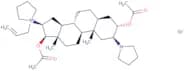
CAS:Rocuronium Bromide EP Impurity F Bromide is an impurity found in Rocuronium Bromide EP. It is a natural component of the drug product, which is a synthetic drug. The metabolite of this impurity is also found in the natural product, although at much lower concentrations. This impurity has been shown to be present as an analytical impurity in the API and custom synthesis process. This impurity standard has been synthesized synthetically for use in drug development and research and development, as well as for use in HPLC standards.Formula:C34H55N2O4·BrPurity:Min. 95%Molecular weight:635.72 g/molTerbinafine dihydrochloride
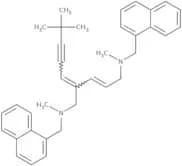
CAS:Terbinafine is a drug used in the treatment of onychomycosis, tinea versicolor and dandruff. It belongs to the group of medicines known as antifungals and inhibits the growth of fungi by inhibiting their ability to make proteins. Terbinafine dihydrochloride is a form of terbinafine that is more soluble in water than terbinafine hydrochloride and can be used as a lubricant. Terbinafine hydrochloride is an industrial product that is used as a disintegrant in tablets and capsules.
Formula:C36H40N2Purity:Min. 95%Molecular weight:500.7 g/molRef: 3D-JMB36523
Discontinued productRoflumilast Impurity A
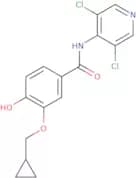
CAS:Roflumilast impurity A is a metabolite of roflumilast. It is a drug product that is used as an analytical standard for the determination of roflumilast in HPLC analysis. Roflumilast impurity A is not natural and is synthetic. It has been shown to be a substrate for CYP1A2, CYP2C8, CYP2C9, and CYP3A4 enzymes. Studies have shown that it may be involved in the metabolism of roflumilast through hydroxylation and deamination.
Formula:C16H14Cl2N2O3Purity:Min. 95%Molecular weight:353.2 g/mol(S)-Rabeprazole sodium
CAS:(S)-Rabeprazole sodium is an anticancer drug that acts as a kinase inhibitor. It is an analog of Rabeprazole and has been shown to inhibit the growth of cancer cells in vitro and in vivo. (S)-Rabeprazole sodium inhibits the activity of kinases, which are enzymes that play a key role in cell signaling pathways. This inhibition leads to apoptosis, or programmed cell death, in cancer cells. (S)-Rabeprazole sodium has been tested against various types of cancer, including Chinese hamster ovary cells and tumor xenografts in mice. It has also been shown to inhibit elastin degradation, which is important for preventing metastasis of cancer cells. (S)-Rabeprazole sodium may be a promising candidate for the development of new anticancer drugs that target specific kinases and proteins involved in cancer cell growth and survival.
Formula:C18H21N3O3S•NaPurity:Min. 95%Molecular weight:382.43 g/molRef: 3D-IR183125
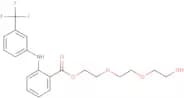
Discontinued productTriethylene glycol flufenamate
CAS:Etofenamate impurity
Formula:C20H22F3NO5Purity:Min. 95%Color and Shape:Clear LiquidMolecular weight:413.39 g/molRef: 3D-IT58094
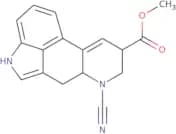
Discontinued productD-6-Cyano-6-norlysergic acid methyl ester
CAS:Please enquire for more information about D-6-Cyano-6-norlysergic acid methyl ester including the price, delivery time and more detailed product information at the technical inquiry form on this page
Formula:C17H15N3O2Purity:Min. 95%Molecular weight:293.32 g/molRef: 3D-FBA33404
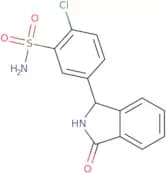
Discontinued productChlorthalidone impurity E
CAS:Chlorthalidone impurity E is an analytical standard for the HPLC analysis of chlorthalidone in pharmaceutical drug products and is a metabolite of chlorthalidone. Chlorthalidone impurity E is an API impurity that can be found in the synthesis of chlorthalidone, and it has been detected as a minor component in certain drug products. It is important to have an accurate specification for this compound, since it can affect the pharmacological properties of the drug product. The purity level of this compound must be at least 98% or greater to ensure that there are no contaminants present. This compound is also a metabolite of chlorthalidone and is used as a pharmacopoeia reference substance for testing equipment calibration.END>
Formula:C14H11ClN2O3SPurity:Min. 95%Molecular weight:322.77 g/molRef: 3D-IC76330
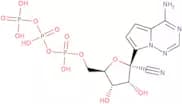
Discontinued productGS 441524 triphosphate
CAS:Triphosphorylated form of an antiviral nucleoside analog with activity against zoonotic feline infectious peritonitis virus (FIPV) and severe acute respiratory syndrome (SARS) virus from Coronaviridae family. The compound is the biologically active form of the GS 441524 prodrug and being triphosphorylated, it competes with natural nucleoside triphosphates in cells and interferes with viral RNA synthesis. Made to order.
Formula:C12H12N5O13P3·4NaPurity:(31P-Nmr) Min. 95 Area-%Color and Shape:White PowderMolecular weight:531.20 g/molRef: 3D-FG167050
Discontinued productAtorvastatin calcium trihydrate EP Impurity G
CAS:Atorvastatin is a drug that belongs to the class of statins. It is used for the treatment of high cholesterol levels and other related diseases, such as cardiovascular disease. Atorvastatin calcium trihydrate EP Impurity G is an impurity that may be present in atorvastatin calcium trihydrate. This compound has not been found to have any pharmacological activity.
Formula:C34H37FN2O5Purity:Min. 95%Color and Shape:PowderMolecular weight:572.67 g/mol


![1,4-Bis[(tetrahydro-2-furanyl)carbonyl]-piperazine](/_next/image/?url=https%3A%2Fstatic.cymitquimica.com%2Fproducts%2F3D%2Fthumb-webp%2FIB63853.webp&w=3840&q=75)
![2,2'-(1,4-Piperazinediyl)bis[6,7-dimethoxy-4-quinazolinamine]](/_next/image/?url=https%3A%2Fstatic.cymitquimica.com%2Fproducts%2F3D%2Fthumb-webp%2FIP27062.webp&w=3840&q=75)



![(4-Chlorophenyl)[4-(1-methylethoxy)phenyl]methanone](/_next/image/?url=https%3A%2Fstatic.cymitquimica.com%2Fproducts%2F3D%2Fthumb-webp%2FIC20310.webp&w=3840&q=75)


![[Trp(O)25]-Semaglutide](/_next/image/?url=https%3A%2Fstatic.cymitquimica.com%2Fproducts%2F3D%2Fthumb-webp%2FIS27853.webp&w=3840&q=75)