APIs for research and impurities
Subcategories of "APIs for research and impurities"
- Aminoacids and derivatives(12,332 products)
- Anthraquinones and derivatives(404 products)
- Benzimidazole and Imidazole Derivatives(10,439 products)
- Benzodiazepine Derivatives(333 products)
- Carbohydrates and glycoconjugates(5,051 products)
- Esters and Derivatives(42,250 products)
- Fatty Acids and Lypidic Derivatives(32,408 products)
- Flavonoids and Polyphenols(17,081 products)
- Free Radicals and Oxidant/Reducing Agents(212 products)
- Ketones and derivatives(2,399 products)
- Natural and semi-synthetic antibiotics(6,376 products)
- Nitriles and Cyano Derivatives(3,068 products)
- Nitrosamines and Derivatives(55 products)
- Nucleosides and Nucleotides(3,471 products)
- Organic Phosphates and Phosphonates(1,200 products)
- Organic Sulphonates and Sulphates(10,430 products)
- Organometallics(4,421 products)
- Others(6,300 products)
- Peptides and Proteins(3,146 products)
- Polymers and Derivatives(100 products)
- Purines and Pyrimidine Derivatives(8,940 products)
- Quinazoline and Quinoline Derivatives(65,982 products)
- Quinones and Derivatives(24,359 products)
- Salts and Derivatives of Active Pharmaceutical Ingredients (API)(80,661 products)
- Steroids and Derivatives(4,952 products)
- Sulfonamides and Derivatives(2,589 products)
- Terpenoids and Derivatives(3,846 products)
- Thiazolidinediones and Thiopyrans(2,753 products)
- β-Adrenergic Compounds(231 products)
Found 58005 products of "APIs for research and impurities"
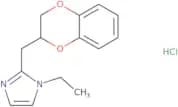
Imiloxan hydrochloride
CAS:Imiloxan hydrochloride is a diagnostic agent that is used to diagnose Parkinson's disease and other neurological disorders. Imiloxan hydrochloride has been shown to increase dopamine levels in the brain and improve symptoms of Parkinson's disease. Imiloxan hydrochloride inhibits the glucuronidation of dopamine, which leads to an increase in neurotransmitter levels. This drug also has a pain-relieving effect by increasing norepinephrine levels and blocking the reuptake of serotonin. Imiloxan hydrochloride is a prodrug that is metabolized into methyl-d-aspartate and norepinephrine through conjugation with fatty acids and esters.
Formula:C14H17ClN2O2Purity:Min. 95%Molecular weight:280.75 g/molRef: 3D-GDA16722
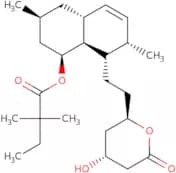
Discontinued productSimvastatin impurity K
Simvastatin impurity K is a research and development substance that is used for the synthesis of drug products. This compound is custom synthesized, and its CAS number is 607-33-0. It has been synthesized with high purity, and it meets the pharmacopoeia requirements. Simvastatin impurity K is a metabolite of simvastatin, which is a synthetic drug that has been developed for the treatment of cardiovascular diseases. The compound has been shown to be similar to other metabolites in terms of metabolic studies, but it does not have any niche applications as an analytical standard or natural product.
Formula:C25H40O5Purity:Min. 95%Molecular weight:420.58 g/molRef: 3D-IS45166
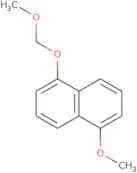
Discontinued product1-Methoxy-5-(methoxymethoxy)-naphthalene
CAS:Please enquire for more information about 1-Methoxy-5-(methoxymethoxy)-naphthalene including the price, delivery time and more detailed product information at the technical inquiry form on this page
Formula:C13H14O3Purity:Min. 95%Molecular weight:218.25 g/molRef: 3D-DDA17648
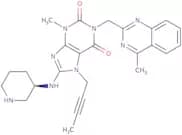
Discontinued productLinagliptin impurity E
CAS:Controlled ProductLinagliptin impurity E is a metabolite of the drug Linagliptin. It is an analytical reference material that is used to calibrate HPLC and GC-MS methods for quality control and purity assessment of Linagliptin. This impurity standard is also used for metabolism studies.
Formula:C25H28N8O2Purity:Min. 95%Molecular weight:472.54 g/molRef: 3D-IB106310
Discontinued productDoxorubicin Impurity 15
CAS:Doxorubicin impurity 15 is a natural product that is used as an analytical reference standard in pharmacopoeia. It has been synthesized for use in drug development and research and development, and is available as a high-purity HPLC standard. Doxorubicin impurity 15 has a CAS number of 131086-18-5.
Formula:C31H38BrNO11Purity:Min. 95%Molecular weight:680.54 g/molRef: 3D-ID163220
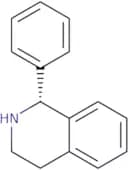
Discontinued product(R)-1-Phenyl-1,2,3,4-tetrahydroisoquinoline
CAS:(R)-1-Phenyl-1,2,3,4-tetrahydroisoquinoline is a chiral molecule with four stereocenters. It is synthesized by the reaction of sulfamic acid and cyclohexene in the presence of p-toluenesulfonic acid. The product formed is then dehydrogenated to produce (R)-1-phenyl-1,2,3,4-tetrahydroisoquinoline. This compound is soluble in organic solvents such as benzene and ethane and can be used as an acceptor for chiral stationary phases.
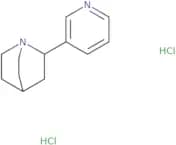
Formula:C15H15NPurity:Min. 95%Color and Shape:PowderMolecular weight:209.29 g/molRjr 2429 dihydrochloride
CAS:Rjr 2429 dihydrochloride is a tumor promoter that has been shown to induce tumor growth in tissues and in cell culture. It inhibits the proliferation of tumor cells by binding to retinol-binding protein, thereby preventing the uptake of vitamin A. Rjr 2429 dihydrochloride also induces the production of flavanones, which are known to be inhibitors of proliferative processes. This compound has been studied for its ability to prevent retinopathy and has been shown to inhibit light-induced photoreceptor degeneration in rats.
Formula:C12H18Cl2N2Purity:Min. 95%Molecular weight:261.19 g/molRef: 3D-WQB41853
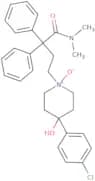
Discontinued productLoperamide N-oxide
CAS:Loperamide N-oxide is an analog of loperamide, which is commonly used as an anti-diarrheal medication. It has been shown to have potential anti-cancer properties by inducing apoptosis in cancer cells. Loperamide N-oxide has also been detected in urine samples from Chinese individuals, indicating its potential use as a biomarker for cancer diagnosis. This compound has been found to inhibit trypsin-like kinases, which are enzymes involved in cell division and proliferation. In addition, loperamide N-oxide has been shown to inhibit the growth of tumor cells and may have potential as a therapeutic agent for cancer treatment. However, it should be noted that rifampicin and other inhibitors can reduce the effectiveness of loperamide N-oxide against cancer cells. Further research is needed to fully understand the potential benefits and limitations of this compound.
Formula:C29H33ClN2O3Purity:Min. 95%Molecular weight:493 g/molRef: 3D-SIA47103
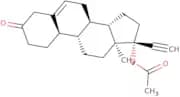
Discontinued productNorethindrone acetate impurity
CAS:Norethindrone acetate impurity is a drug product that is used in the development and research of drugs. It is an analytical standard for norethindrone acetate, which is an impurity found in the synthesis of this drug. Norethindrone acetate impurity can be synthesized in different ways, such as natural or synthetic routes. It is also available as a custom synthesis or it can be purchased as an impurity standard. This compound's CAS number is 1175129-26-6 and it has a purity level of 99%.
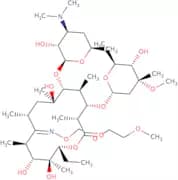
Formula:C22H28O3Purity:Min. 95%Color and Shape:PowderMolecular weight:340.46 g/mol(9Z)-Roxithromycin
CAS:Roxithromycin is a macrolide antibiotic that inhibits protein synthesis in bacteria. It binds to the 50S ribosomal subunit, thereby inhibiting bacterial growth. Roxithromycin has been used to diagnose intestinal and esophageal diseases, inflammatory diseases, and cancer. There are some cardiac effects associated with Roxithromycin that may be related to its ability to inhibit serotonin reuptake. This drug also has anti-inflammatory properties and has been shown to be effective against influenza virus infections as well as other infectious diseases such as tuberculosis and HIV/AIDS.
Formula:C41H76N2O15Purity:Min. 95%Molecular weight:837.05 g/molRef: 3D-IR106421
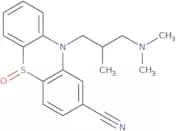
Discontinued productCyamemazine sulfoxide
CAS:Cyamemazine sulfoxide is a histamine H1 receptor antagonist. It has been shown to have strong affinity for the serotonin 5-HT2C and dopamine D2 receptors, as well as the atrial 5-HT2A receptors. Cyamemazine sulfoxide has a low oral bioavailability of about 10% and is metabolized in the liver to cyamemazine and its active form, cyamemazine sulfoxide. Cyamemazine sulfoxide binds to serotonin 5-HT2C receptors with a high affinity, which leads to inhibition of serotonin release from nerve endings in the brain. This drug also inhibits dopamine release from nerve endings in the brain and has been shown to have cardiac effects on heart rate and contractility.
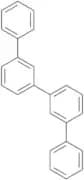
Formula:C19H21N3OSPurity:Min. 95%Molecular weight:339.46 g/molM,M-Quaterphenyl
CAS:M,M-Quaterphenyl is a low energy fluorescent molecule that emits light in the near ultraviolet region of the electromagnetic spectrum. It is chemically stable and has a high quantum yield. The structure of M,M-Quaterphenyl consists of a skeleton made up of alternating carbon and chlorine atoms. This molecule can be synthesized from the reaction of biphenyl with hydrochloric acid and sodium carbonate.
Formula:C24H18Purity:Min. 95%Molecular weight:306.4 g/molRef: 3D-BAA16618
Discontinued product9-Epimitomycin B
CAS:9-Epimitomycin B is a water-soluble, alkoxy-substituted amino compound that is used medicinally. It has antibacterial activity and has been shown to be effective against Gram-positive bacteria such as Staphylococcus aureus, Streptococcus pyogenes, and Enterococcus faecalis. 9-Epimitomycin B inhibits the growth of these bacteria by binding to their ribosomes and inhibiting protein synthesis. The carbon atoms in 9-epimitomycin B are linked to an alkoxy group at one end, which causes it to have a higher affinity for bacterial ribosomes than human ribosomes. 9-Epimitomycin B also binds to mitomycin C, which may be responsible for its antimetabolite properties.
Formula:C16H19N3O6Purity:Min. 95%Molecular weight:349.34 g/molRef: 3D-NAA16490
Discontinued productFR900359
CAS:FR900359 is a drug product that is custom synthesized and characterized. It has a purity of 99% and CAS No. 107530-18-7. This product is used in metabolism studies, natural drug development, pharmacopoeia, and research and development. The impurity standard for this product is HPLC standard.
Formula:C49H75N7O15Purity:Min. 95%Molecular weight:1,002.20 g/molRef: 3D-HEA53018
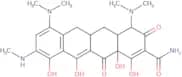
Discontinued product9-Methylamino minocycline
CAS:9-Methylamino minocycline is a semi-synthetic antibiotic with excellent oral bioavailability. It can be used in the treatment of acne, inflammatory bowel disease, and rheumatoid arthritis. 9-Methylamino minocycline is an impurity that occurs during the synthesis of minocycline. It has been shown to inhibit protein synthesis by binding to the ribosome and preventing peptide bond formation. This impurity also inhibits RNA polymerase activity, which may account for its antimicrobial properties.
Formula:C24H30N4O7Purity:Min. 95%Molecular weight:486.52 g/molRef: 3D-HZA40273
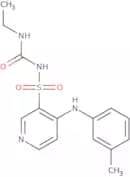
Discontinued productTorasemide EP Impurity C
CAS:Torasemide EP Impurity C is a drug product that is used as an analytical standard in the metabolism studies of torasemide. Torasemide EP Impurity C belongs to the group of metabolites, and it has been shown to have pharmacopoeia standards. Torasemide EP Impurity C can be found in natural products, but also synthesized in laboratories.
Formula:C15H18N4O3SPurity:Min. 95%Molecular weight:334.39 g/molMethyl 2-hydrazinecarboxylate
CAS:Methyl 2-hydrazinecarboxylate, also known as methylene diazohydroxide, is a synthetic compound. It has been used in research and development as an analytical standard and impurity standard for HPLC methods.
Formula:C4H8ClN3O2Purity:Min. 95%Molecular weight:165.58 g/molRef: 3D-KXB50326
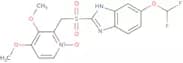
Discontinued productPantoprazole sulfone N-oxide
CAS:Pantoprazole sulfone N-oxide is a prodrug that is converted to the active form pantoprazole in the stomach where it inhibits gastric acid secretion. Pantoprazole sulfone N-oxide has been shown to be genotoxic, and can cause polyvinyl chloride to degrade when stored together. Reconstituted solution of this drug should be used within 24 hours after reconstitution, as the chemical stability of this drug decreases rapidly. Validation studies have been conducted on different analytical methods for determining pantoprazole concentrations in reconstituted solutions, and these methods have been harmonized with those published by the United States Pharmacopeia (USP). The pump inhibitor activity of pantoprazole sulfone N-oxide has been demonstrated in dogs, and it is also useful for treating acid reflux disease in humans. Pantoprazole sulfone N-oxide is unstable at high temperatures (>25°C), so should not be refrigerated or
Formula:C16H15F2N3O6SPurity:Min. 95%Molecular weight:415.37 g/molRef: 3D-ID26757
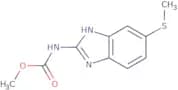
Discontinued productAlbendazole impurity F
CAS:Albendazole is an anti-helminthic drug that is structurally classified as a benzimidazole. It has been shown to be effective against a variety of helminths, including roundworms, pinworms, hookworms, and tapeworms. Albendazole impurity F is an analytical standard for the determination of albendazole in pharmaceutical products by HPLC. It also serves as a reference substance to establish the purity of drug products containing albendazole and its metabolites. Albendazole impurity F is not considered to be a metabolite of albendazole because it has been shown to be stable under acidic conditions and can be synthesized from other starting materials.
Formula:C10H11N3O2SPurity:Min. 95%Molecular weight:237.28 g/mol(trans)-4-Propyl-1-methyl-L-proline
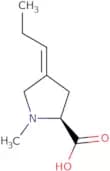
CAS:(trans)-4-Propyl-1-methyl-L-proline is a synthetic compound that has been used in the past as an impurity standard in the synthesis of several drugs, including metaxalone and aminopyrine. It is also found to have pharmacological effects on its own and was used as a drug product for the treatment of rheumatoid arthritis. (trans)-4-Propyl-1-methyl-L-proline is not listed in any pharmacopoeia or international list of approved drugs.
Formula:C9H17NO2Purity:Min. 95%Color and Shape:White/Off-White SolidMolecular weight:171.24 g/molRef: 3D-FP27224
Discontinued product